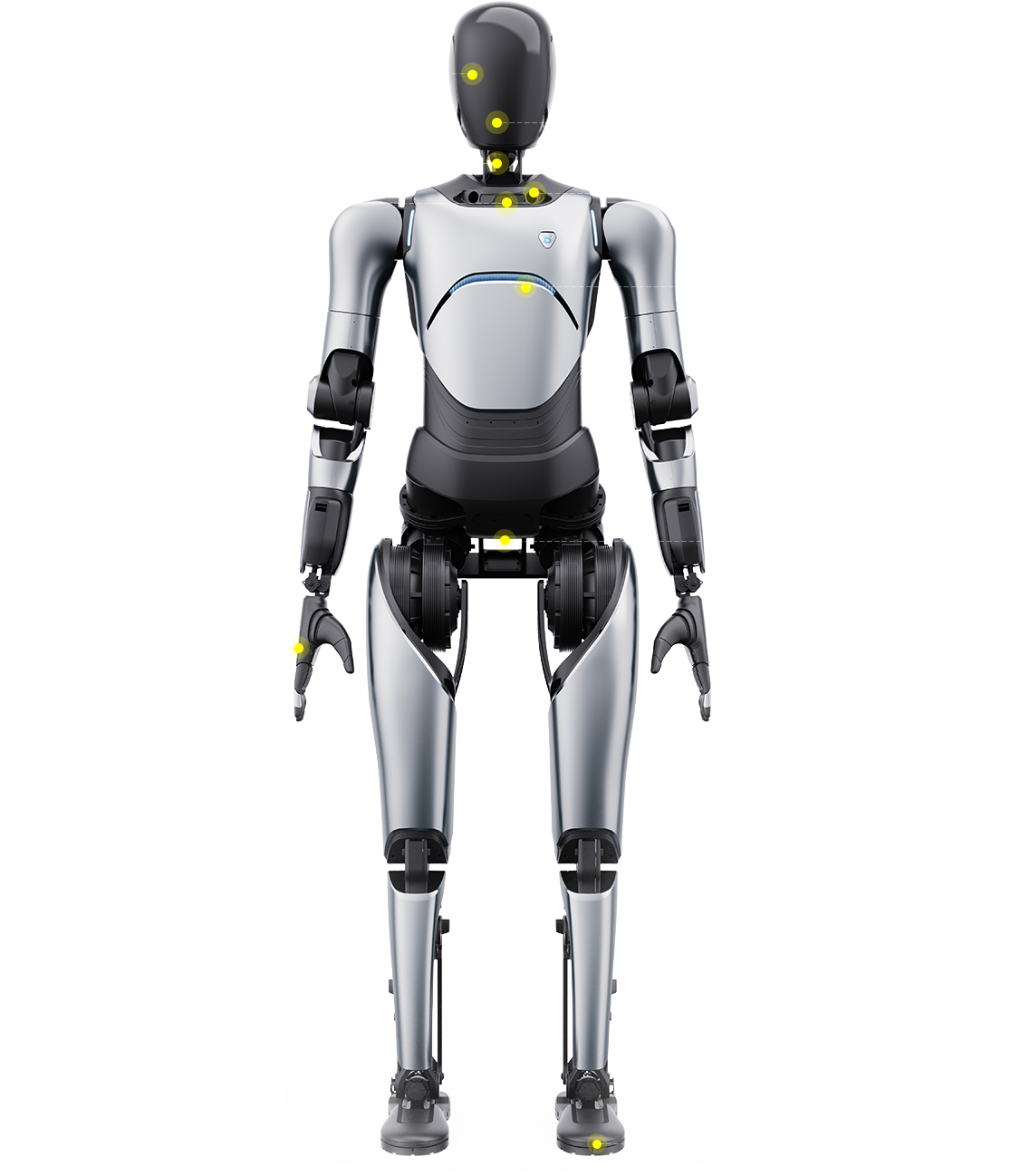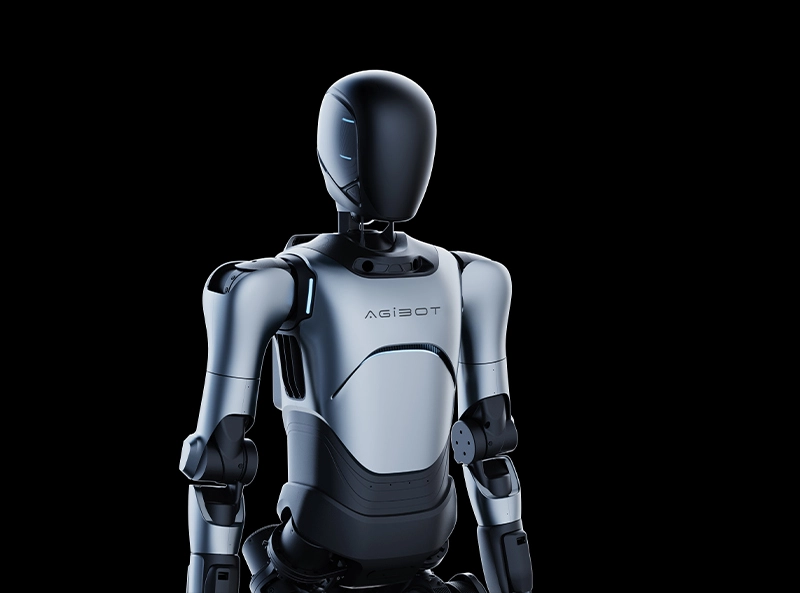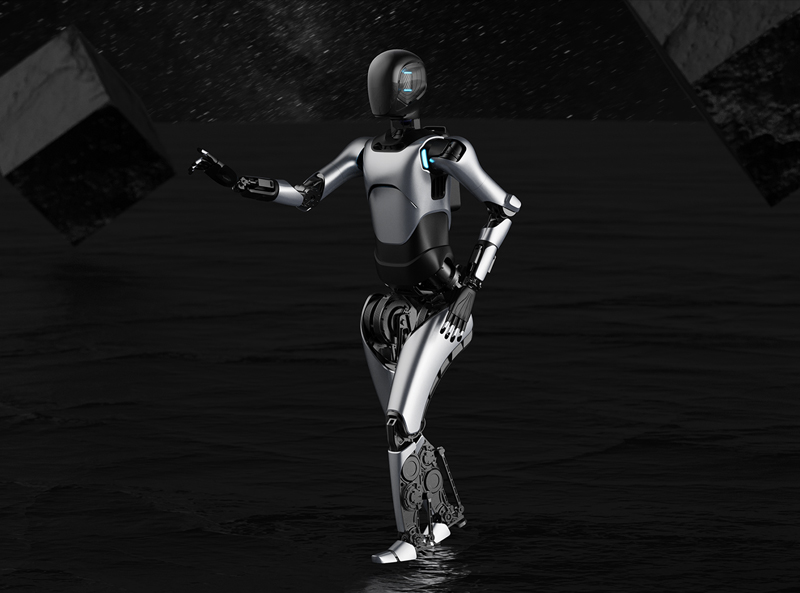
What is the Agibot A2?
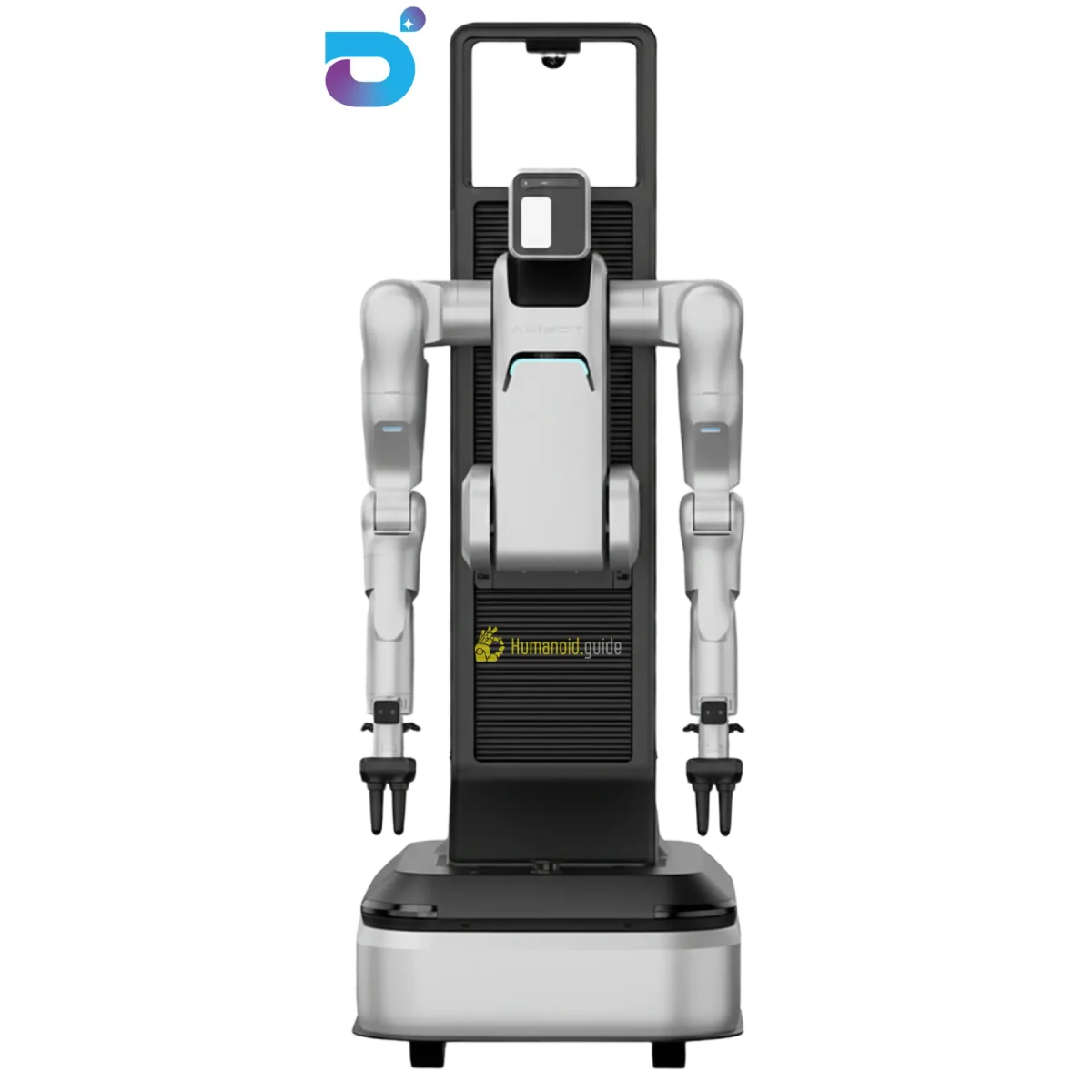
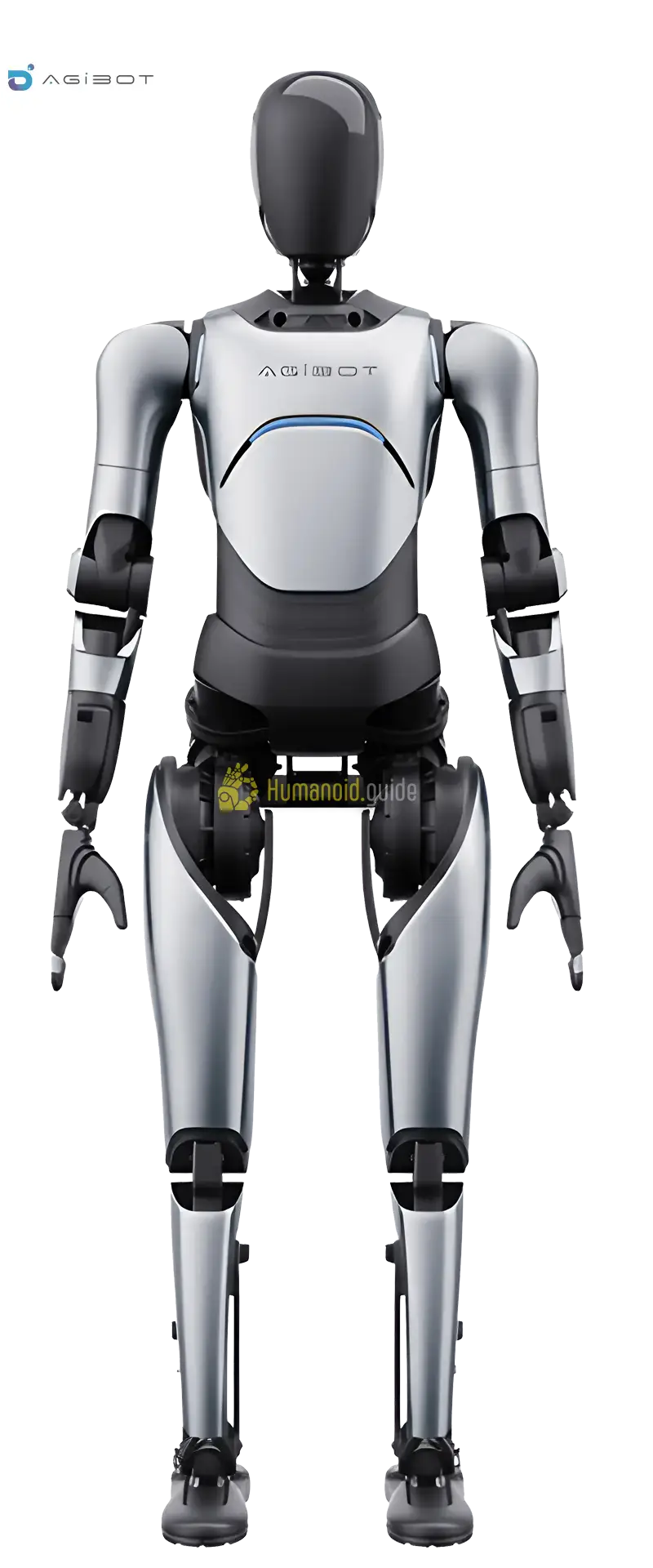
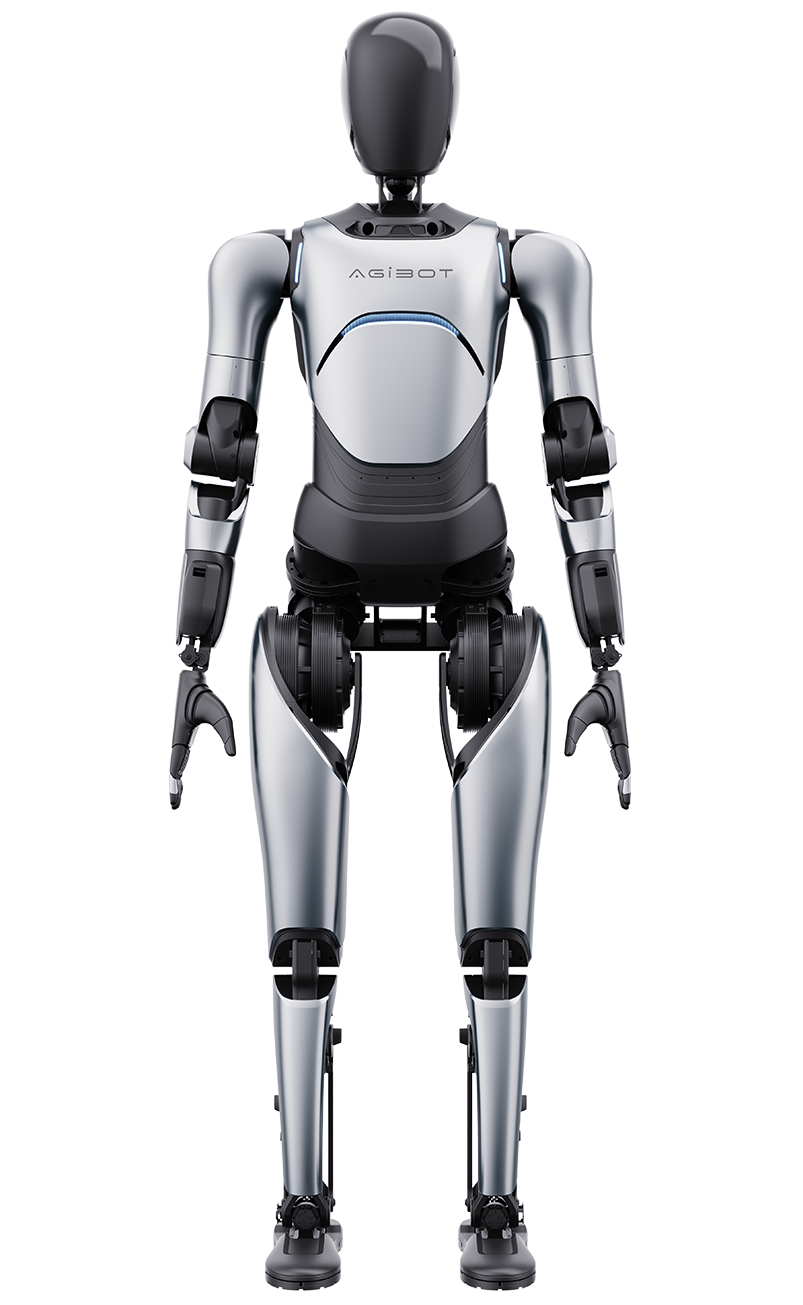
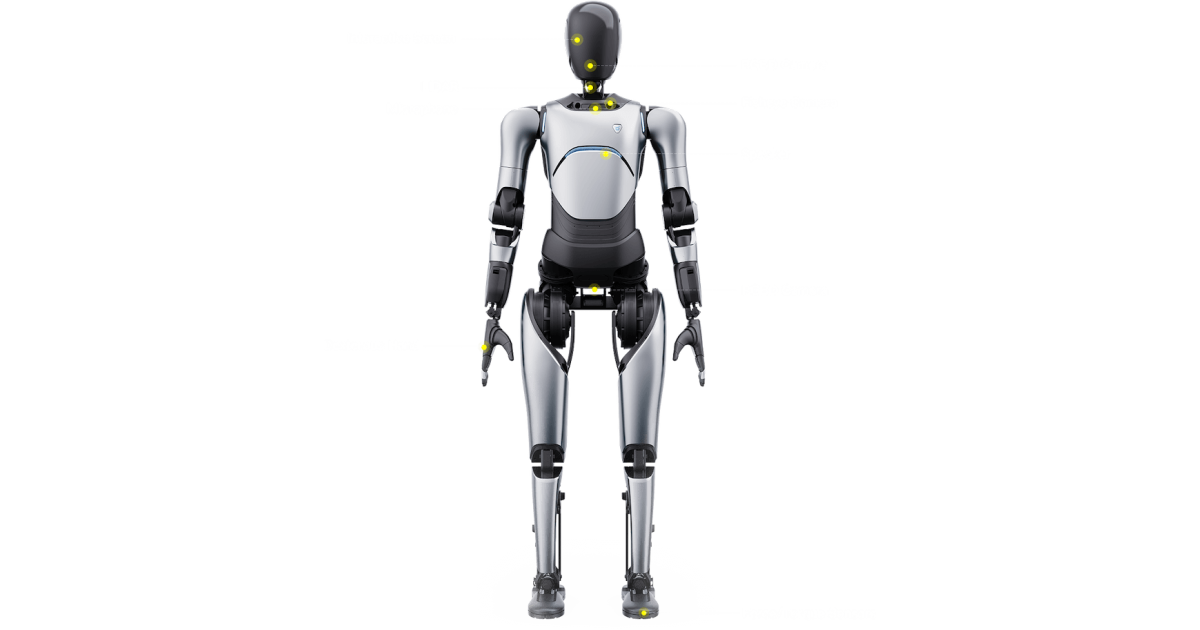
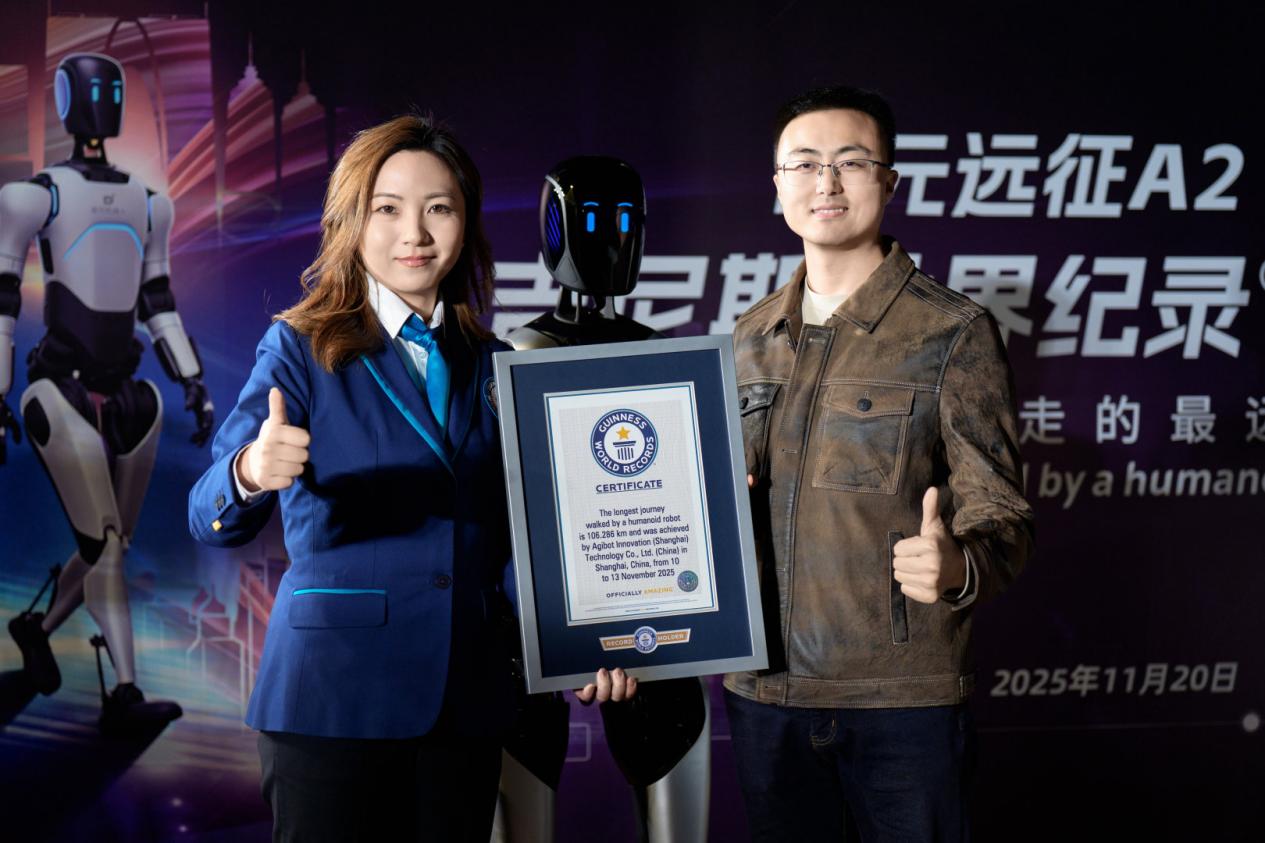
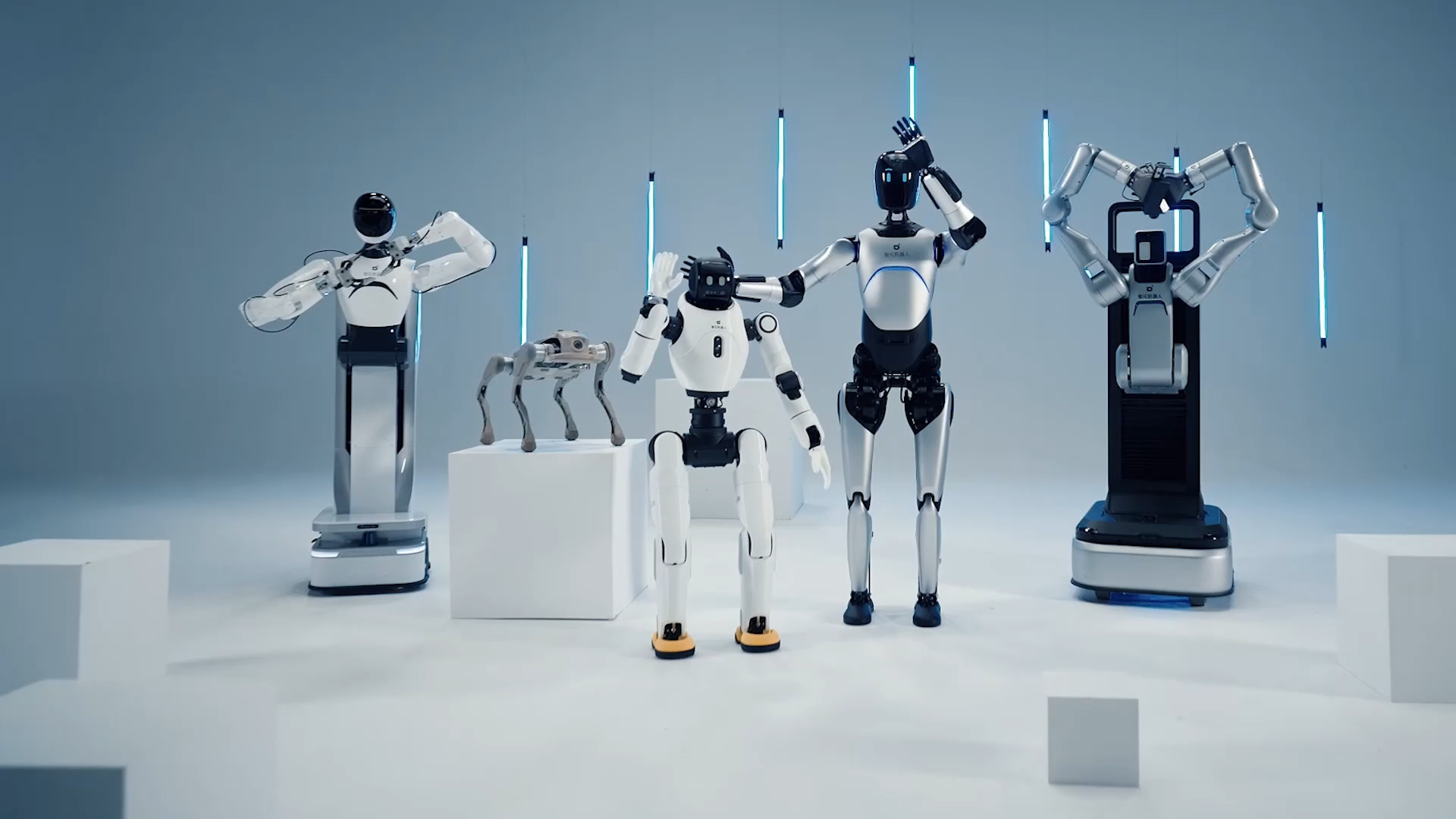
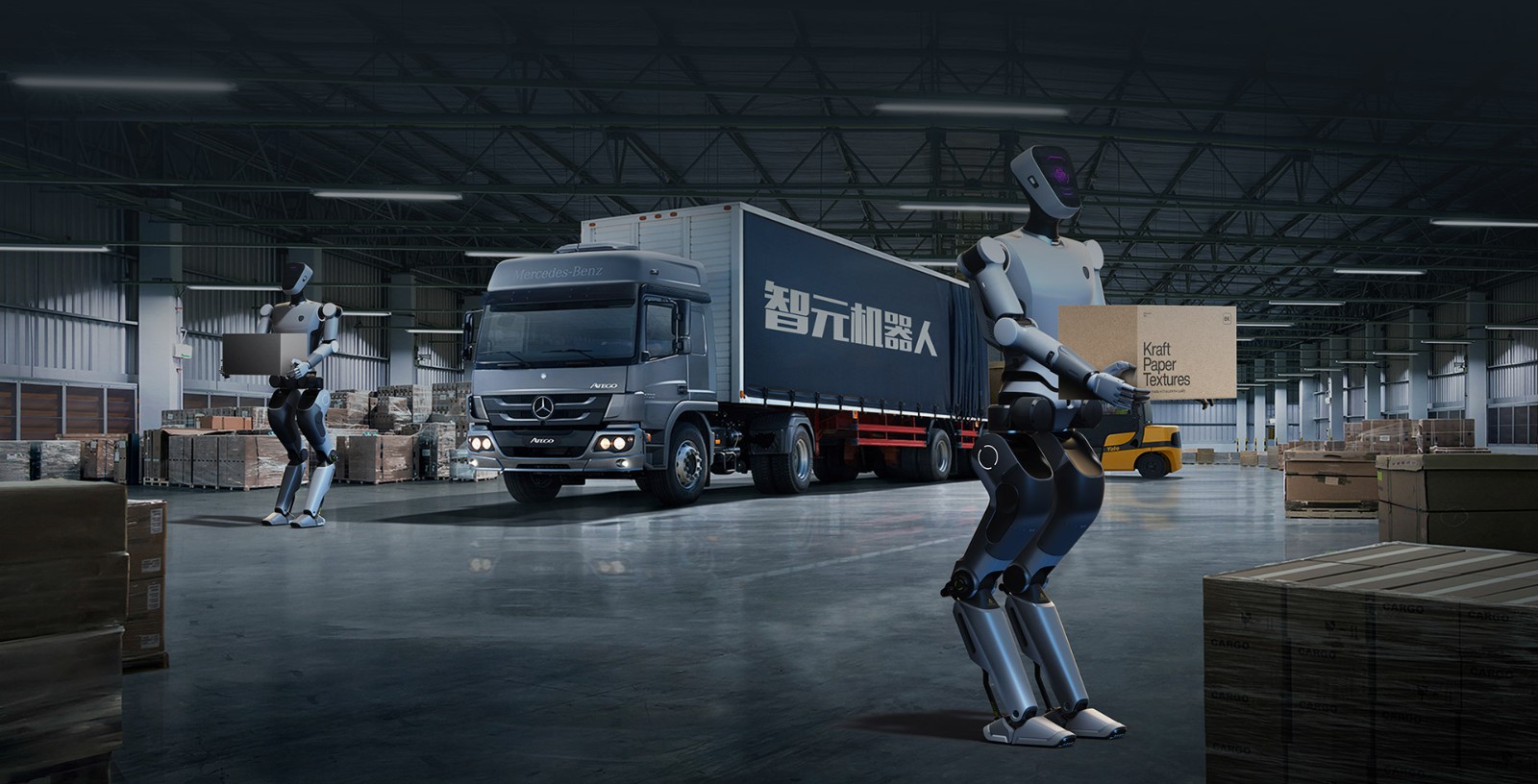
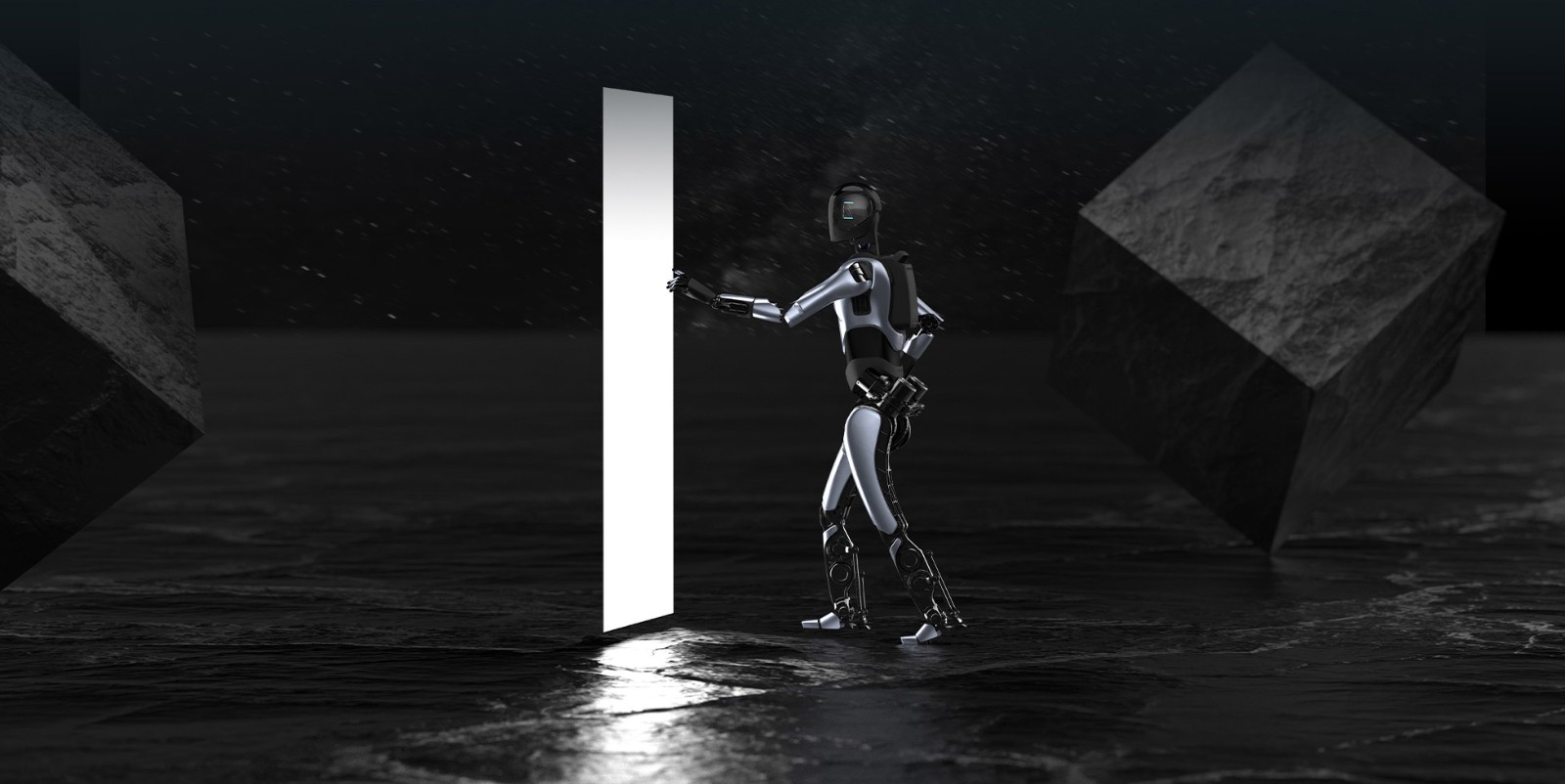
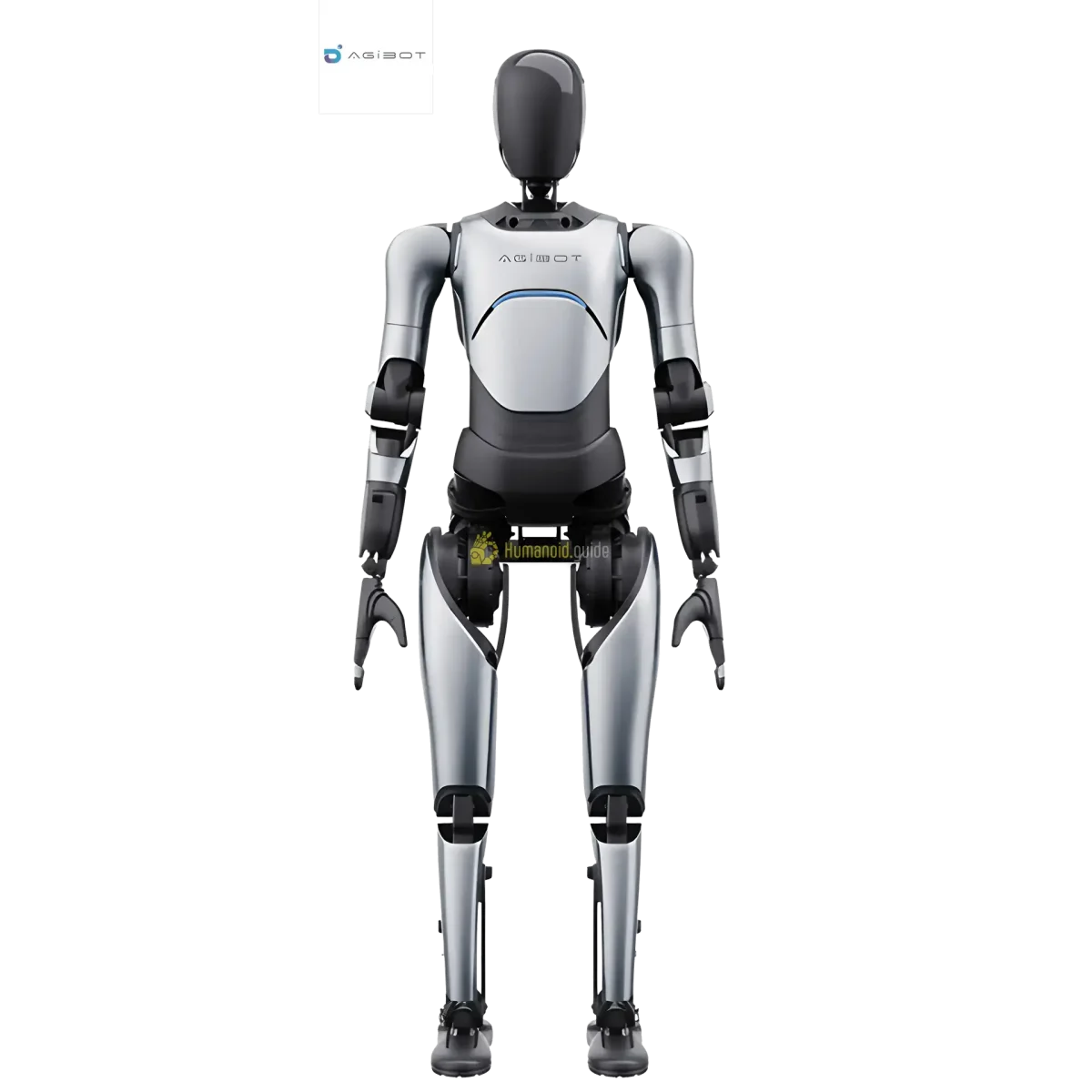
The AgiBot A2 (also called Yuanzheng A2) is a full‑scale bipedal humanoid robot developed by AgiBot Innovation (Shanghai) Technology Co., Ltd., founded in 2022 in Shanghai, China. Touted for its exceptional dexterity, the A2 features 49 degrees of freedom, enabling complex manipulation tasks in industrial and service settings. Variants include the A2 Ultra, A2 Lite, and the wheeled A2‑W. The robot stands 1.69 m tall, weighs 55 kg (base), and claims an 80 kg payload capacity. It is designed to bridge the gap between human‑like motion and heavy‑duty automation, targeting assembly, material handling, inspection, and customer service roles. Its 49 DOF count is among the highest in the commercial humanoid class, giving it a competitive edge in fine manipulation.
Specifications
Here are the full technical specifications.
| Spec | Value |
|---|---|
| Height | 1.69 m |
| Weight | 55 kg |
| Degrees of freedom | 49 |
| Battery life | 5 hours |
| Max speed | 3.3 m/s |
| Payload | 80 kg (claimed) |
| Price (new) | $100,000 |
| Price (used range) | N/A (pre‑order) |
Price & Value
New MSRP: $100,000
Used range: N/A (pre‑order, secondary market not yet established)
At $100,000, the A2 positions itself as a mid‑range humanoid for commercial applications, undercutting premium competitors like the Unitree H1 (around $150,000) while offering higher dexterity. The claimed 80 kg payload and 49 DOF suggest strong value for assembly and material handling. However, the lack of a proven track record and the pre‑order status mean buyers must factor in early adopter risk. As production scales and the used market matures, depreciation may be significant — much like other high‑technology robots — but maintenance costs and the availability of first‑party support will heavily influence resale value. For buyers who can wait, the A2’s price point is competitive, especially when compared with custom industrial robotic arms that reach similar payloads but lack mobility.
Who Is It For?
Best for: - Manufacturing plants requiring high‑dexterity assembly (49 DOF allows complex manipulations like fine part placement) - Logistics warehouses with heavy material handling (80 kg payload enables moving large sub‑assemblies) - R&D labs evaluating next‑generation humanoid platforms for embodied AI research
Not for: - Budget‑conscious buyers (starting at $100,000 puts it out of reach for many labs and SMEs) - Outdoor or rugged environments (likely not IP‑rated for harsh conditions; safety certification unknown) - Small businesses needing turnkey solutions (requires integration and programming expertise, not plug‑and‑play)
Alternatives & Comparison
The AgiBot A2 enters a competitive landscape of mid‑sized humanoids aimed at industrial use. Its 49 DOF and 80 kg payload are standout, but price and availability are still evolving.
| Model | Price | Available | Key Difference |
|---|---|---|---|
| Unitree G1 | $16,000 | yes | Significantly lower cost; smaller payload, only 23 DOF. |
| Tesla Optimus | ~$20,000 (est.) | preorder | Designed for mass‑market deployment with potential Tesla AI ecosystem integration. |
| Fourier GR‑2 | Undisclosed | preorder | Open‑source platform with similar stature, bipedal, but lower DOF (32). |
| Figure 02 | Undisclosed | enterprise-only | Commercial deployment focus, strong AI partnership (OpenAI), but no public payload claims. |
Verdict: For buyers who need maximum manipulation dexterity and payload in a single platform, the AgiBot A2 is the clear winner — no competitor matches its 49 DOF at this price tier. However, if budget is the primary constraint, the Unitree G1 offers basic humanoid capability at a fraction of the cost. Tesla Optimus promises future scalability but remains in early stages; Figure 02 is enterprise‑focused and less transparent on specs. The A2’s sweet spot lies with integrators and manufacturers who can leverage its full dexterity today.
Use Cases & Capabilities
Assembly
With 49 DOF, the A2’s arms and hands can replicate human‑like fine movements, making it suited for complex assembly tasks such as electronics assembly, automotive component installation, and small‑parts placement. The 80 kg payload ensures it can handle heavy sub‑assemblies without strain. Vision‑based inspection capabilities (expected) allow it to verify quality in real time. However, integration requires programming each motion path, which may necessitate specialized engineers. The high DOF also means more potential points of failure, so regular calibration is essential.
Material Handling
The A2 can lift and transport heavy items up to 80 kg, moving them between workstations in factories or warehouses. Its bipedal locomotion allows it to navigate human‑centric environments with steps and narrow aisles. The 5‑hour battery supports multiple shifts if hot‑swapping is implemented. Limitations include potential instability when carrying asymmetrical loads at high speeds, and the lack of published IP rating makes it unsuitable for dusty or wet conditions. Early adopters should test load‑carrying stability thoroughly.
Customer Service
With its anthropomorphic form and potentially expressive features, the A2 can serve as an interactive kiosk in retail stores or hospitality, guiding guests, carrying luggage, or providing information. Connectivity and LLM integration (mentioned for the A2‑W) would allow natural language conversations. However, the high cost and maintenance may restrict deployments to flagship locations. The bipedal design gives it more presence than wheeled service robots, but also introduces risks of falling in crowded spaces.
History & Background
AgiBot Innovation (Shanghai) Technology Co., Ltd. was founded in 2022, emerging from Shanghai’s advanced robotics ecosystem. The company unveiled the A2 bipedal humanoid in 2024, debuting several variants simultaneously: the standard A2, the dexterity‑focused A2 Ultra, the cost‑reduced A2 Lite, and the wheeled A2‑W (a 230‑kg industrial platform with 22 DOF). The robot quickly garnered attention for its 49‑DOF design — placing it among the most articulate humanoids commercially announced. Certification efforts in China, the US, and the EU were reportedly underway as of 2025. By 2026, the A2 remains in pre‑order status, with limited pilot deployments in manufacturing and logistics, while the company continues to refine its variants and build out service infrastructure.
Buying Used — What to Check
Verify payload rating The 80 kg claim is marketing; confirm real‑world lifting capacity with demonstrations and video evidence.
Check battery health 5‑hour runtime depends on load; for any used unit, ask for cycle count and remaining capacity to avoid immediate replacement costs.
Inspect actuator wear 49 DOF means many moving parts; examine joints for play, noise, and smoothness — repair may be complex and expensive.