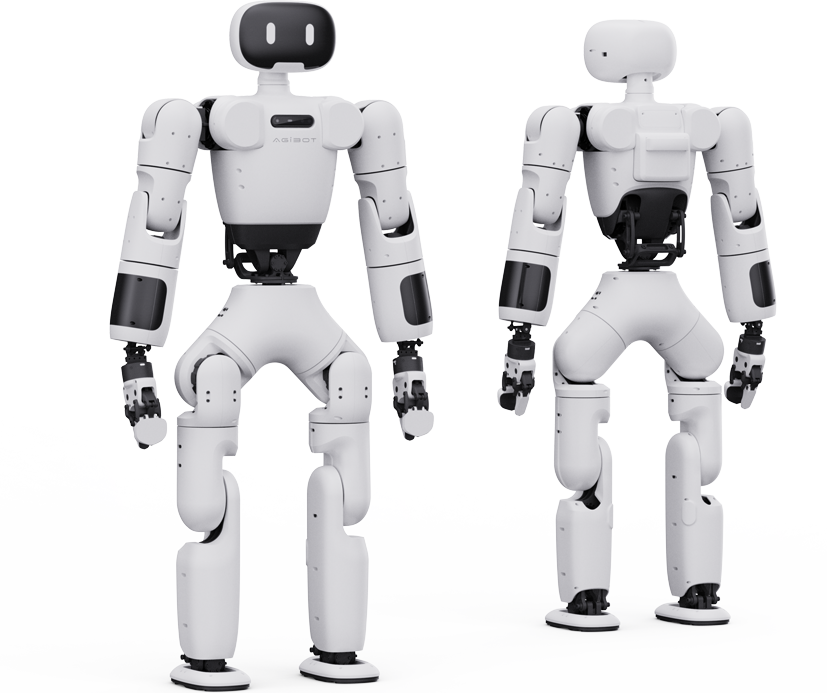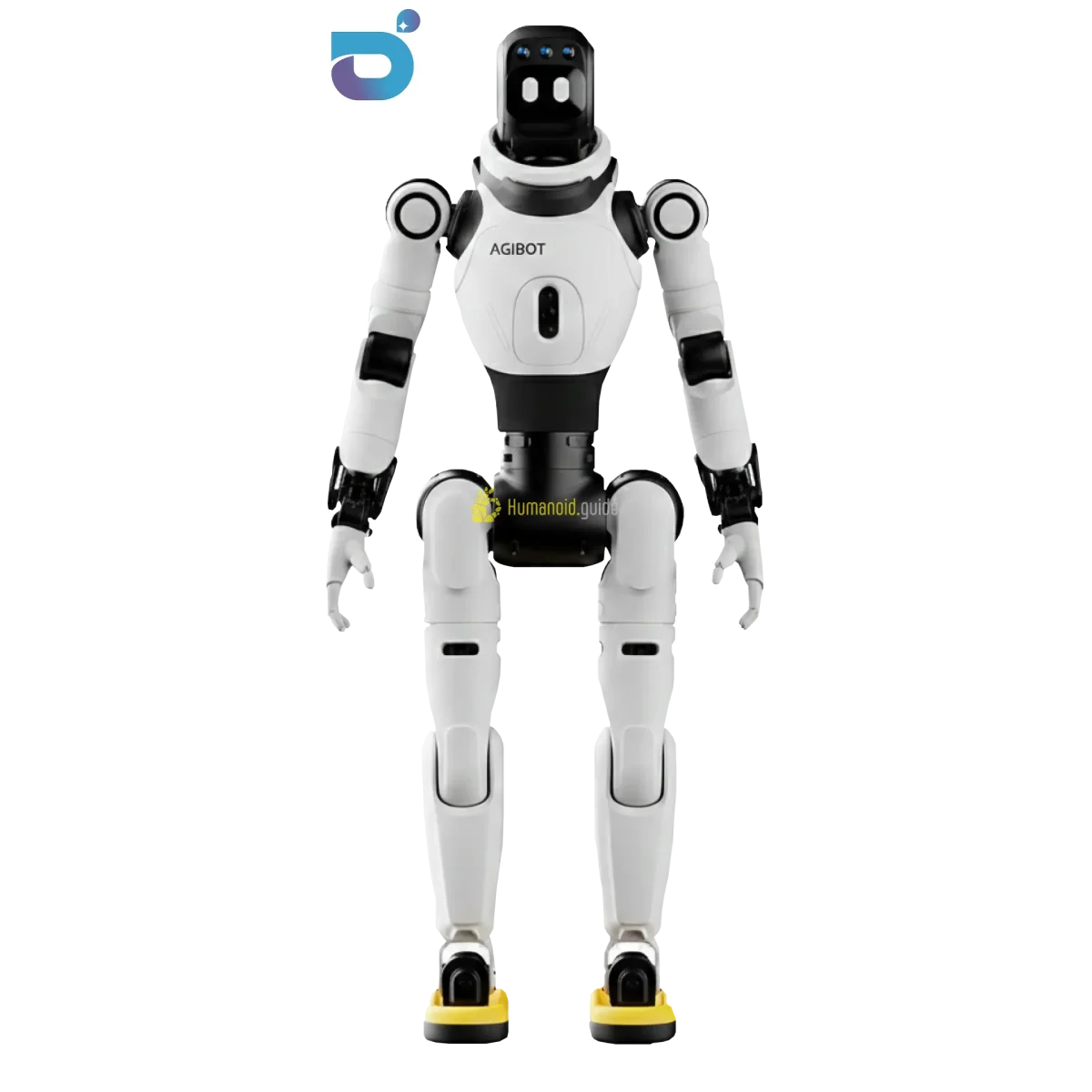
What is the Agibot Lingxi X1?
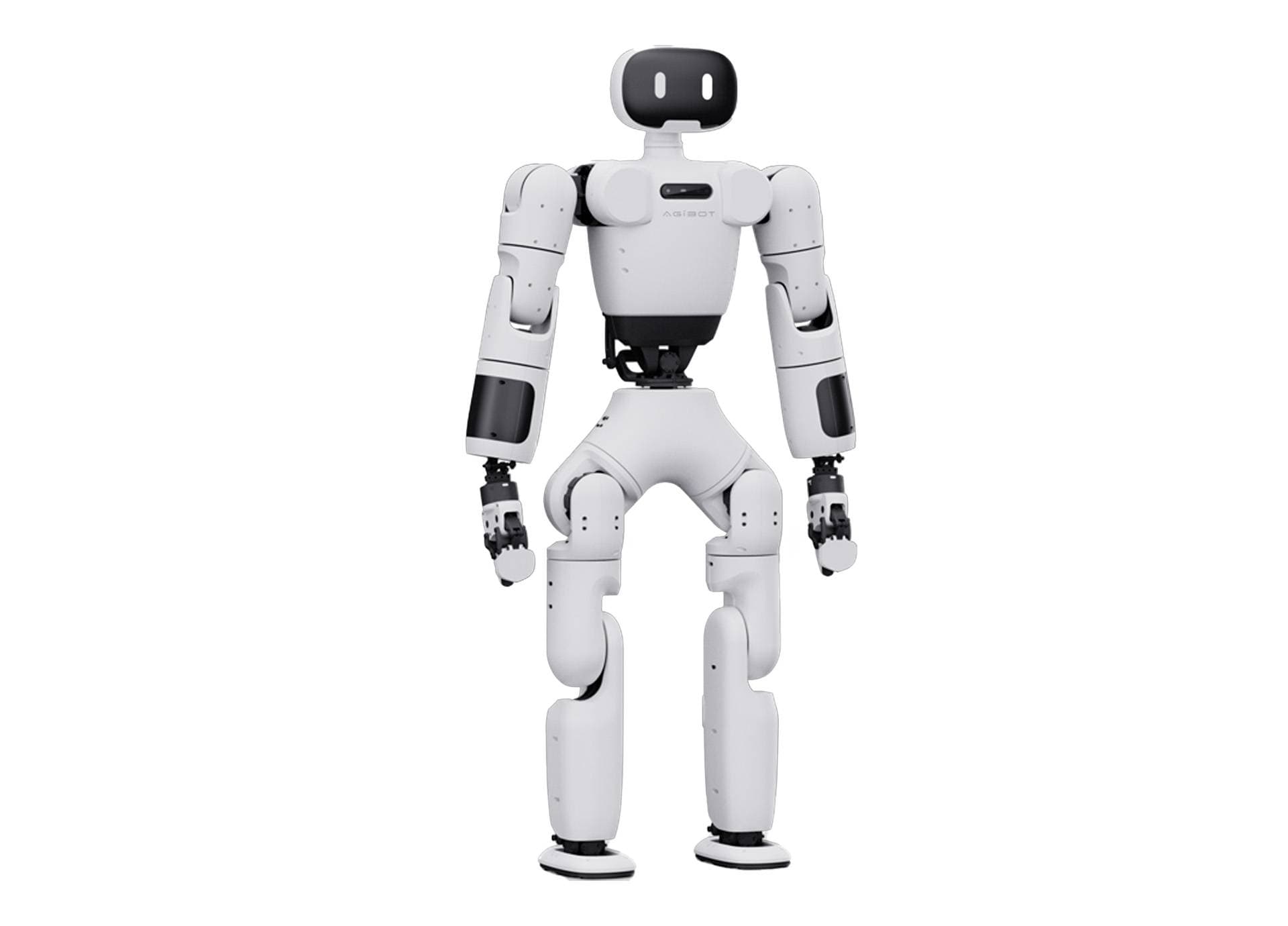
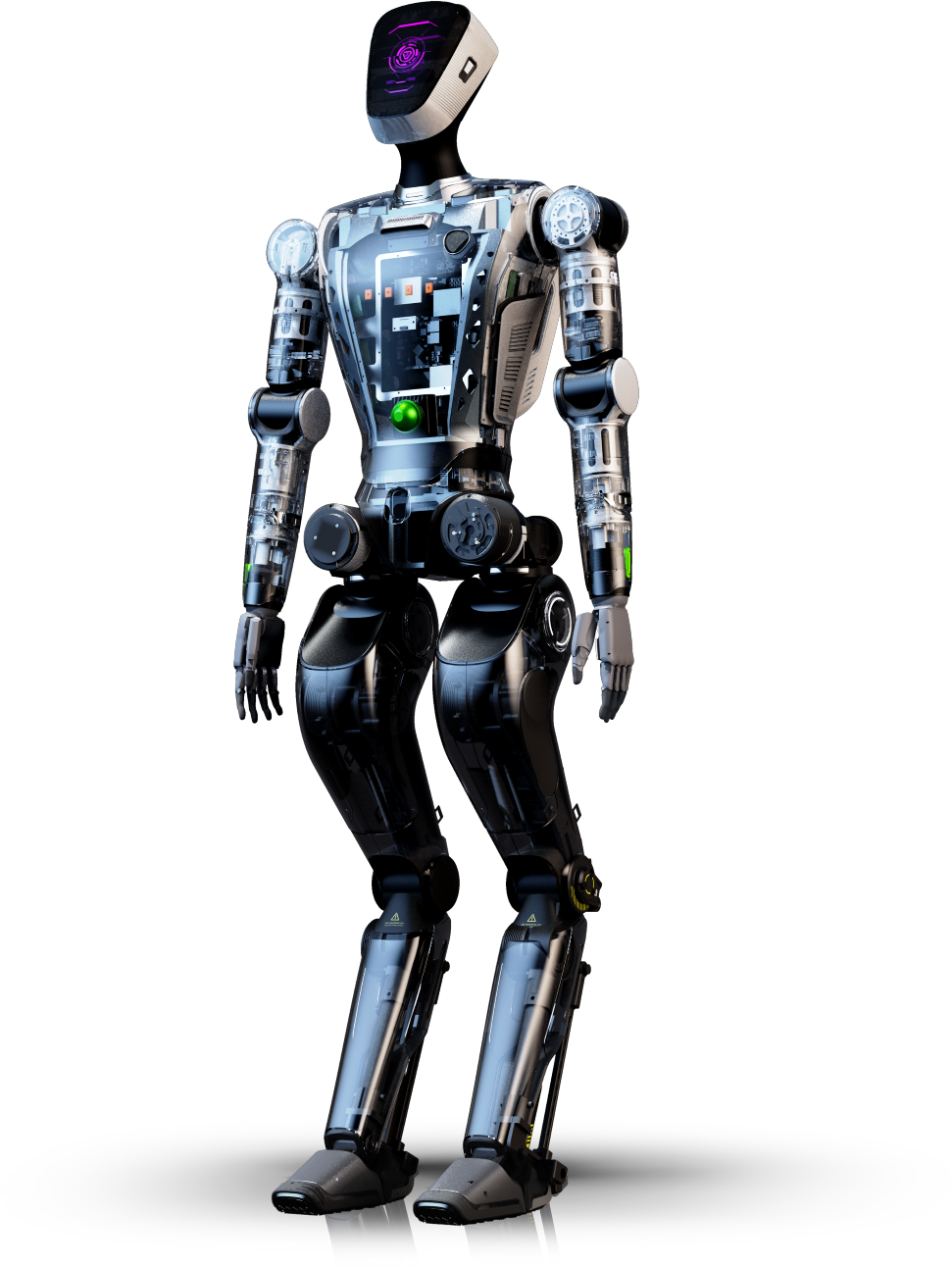
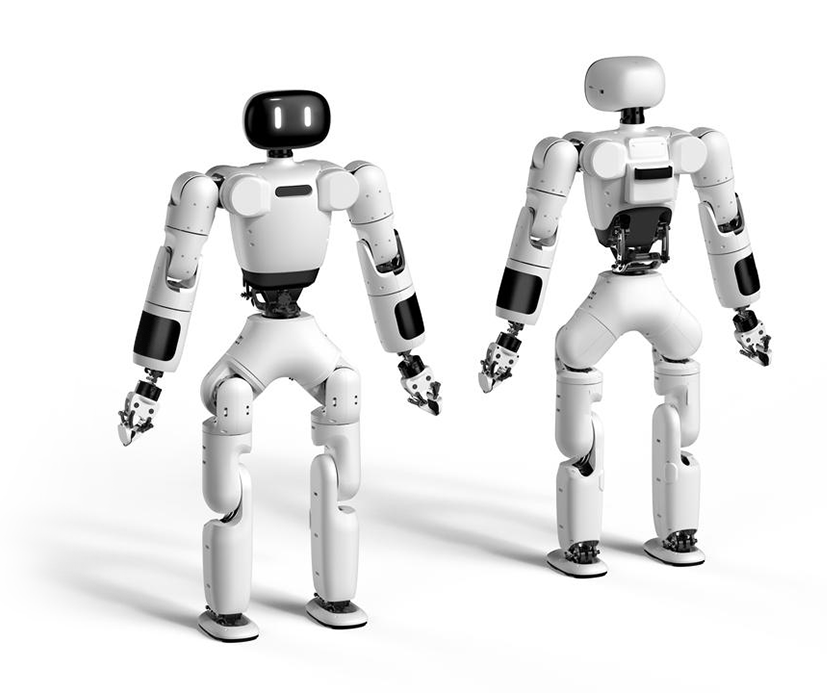
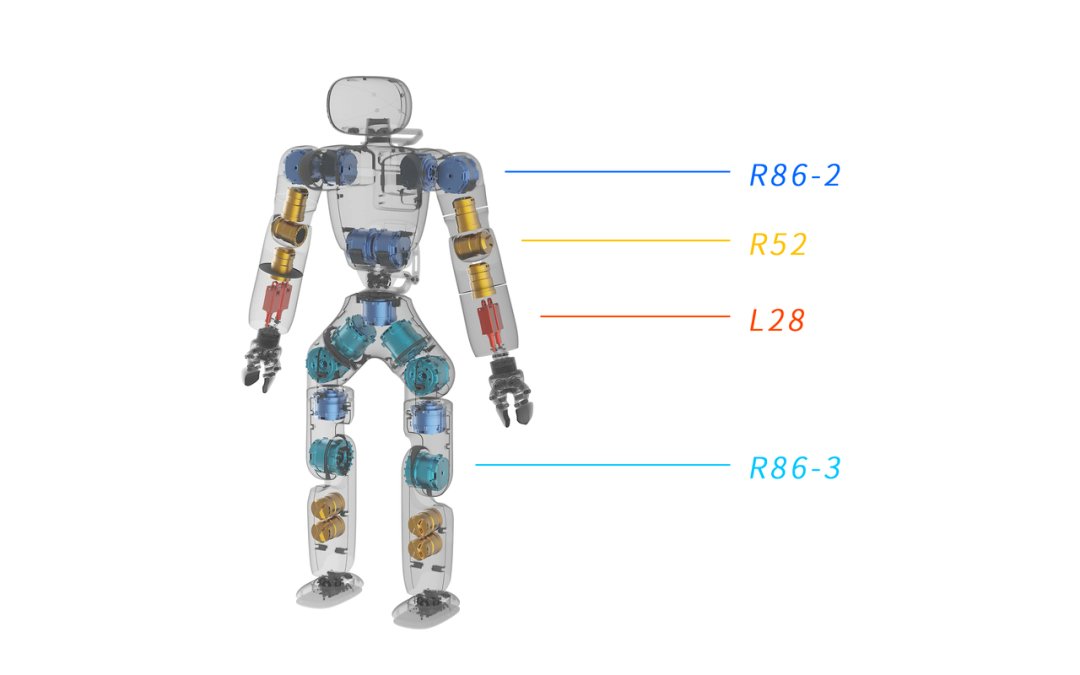
The AgiBot Lingxi X1 is an open-source humanoid robot developer kit by AgiBot (Shanghai, CN, est. 2016). Compact at 1.30 m and 33 kg, it offers 28 degrees of freedom (14 arms, 12 legs, 2 head) for bipedal locomotion and manipulation research. Designed as a modular platform, it ships with the open-source AimRT framework, Intel RealSense depth camera, optional LiDAR, and allows users to integrate their own compute (e.g., Jetson) and LLMs. It targets university research labs, makerspaces, and developers exploring embodied AI, not end-consumer applications.
Specifications
Here are the full technical specifications.
| Spec | Value |
|---|---|
| Height | 1.30 m |
| Weight | 33 kg |
| Degrees of freedom | 28 |
| Battery life | 2 hours |
| Max speed | 3.6 km/h |
| Payload | Not specified |
| Price (new) | $19,499 |
| Price (used range) | $10,000–$15,000 (est.) |
Price & Value
New MSRP: $19,499
Used range: $10,000–$15,000 (est.)
At $19,499, the Lingxi X1 developer kit is positioned as one of the most affordable full-DOF bipedal humanoids available for open-source research. The price includes the robot hardware and the AimRT real-time OS, but buyers must supply their own high-performance compute module (e.g., Nvidia Jetson Orin, costing $1,000–$3,000) and any additional sensors or end-effectors, bringing total system cost to around $25,000–$30,000 for a fully functional platform. Compared to the $16,000 Unitree G1, the X1 costs about $3,500 more, but that premium buys an additional 5 DOF and a license-free, completely open software stack. Depreciation is expected to be moderate over the next 24 months; because the robot's design is open-source, users can upgrade actuators and electronics, maintaining relevance longer than closed-platform alternatives. Used developer kits are extremely rare and likely to sell in the $10,000–$15,000 range if they include the compute module; otherwise, expect lower pricing. Overall, the X1 represents strong value for academic labs that prioritize full-stack control and long-term adaptability over turnkey simplicity.
Who Is It For?
Best for: - University robotics labs requiring an affordable, 28-DOF open-source humanoid for locomotion and manipulation algorithm development. - Embodied AI researchers needing a hackable platform to test foundation model integration without proprietary software lock-in. - Makers and advanced hobbyists with ROS2 or AIMRT experience who want to build custom humanoid applications from scratch.
Not for: - Industrial deployment — no IP rating, ruggedization, or certified payload capacity for factory work. - Beginners in robotics — demands significant assembly, programming, and own compute board setup, with no turnkey applications. - Buyers needing a ready-to-use service robot — the X1 ships as a bare-bones developer kit with no pre-programmed tasks.
Alternatives & Comparison
In the emerging market for affordable open-source humanoids, the Lingxi X1 faces direct competition from the Unitree G1 and, to a lesser extent, the much higher-end Fourier GR-1. While the G1 targets a similar price point and user base, the X1 distinguishes itself through a more permissive open-source ecosystem and greater DOF count.
| Model | Price | Available | Key Difference |
|---|---|---|---|
| Unitree G1 | $16,000 | yes | Proprietary SDK, 23 DOF, simpler out-of-box walking but less hardware openness. |
| Fourier GR-1 | $60,000 | enterprise-only | Industrial-grade, high payload, 40+ DOF, closed platform, triple the cost. |
Verdict: For academic researchers who need to modify every layer of the control stack, the Lingxi X1 is the clear winner — its open-source AimRT framework and user-supplied compute provide unparalleled freedom compared to the G1’s closed environment. That said, the G1’s lower cost and more turnkey walking behaviors make it a better fit for labs that want to start running experiments within days, not weeks. Buyers who need industrial robustness, high payload, and safety certifications must look to the Fourier GR-1, though at three times the price. Ultimately, the X1 carves a strong niche in the open-science community, but it requires a higher level of initial commitment.
Use Cases & Capabilities
Bipedal Locomotion Research
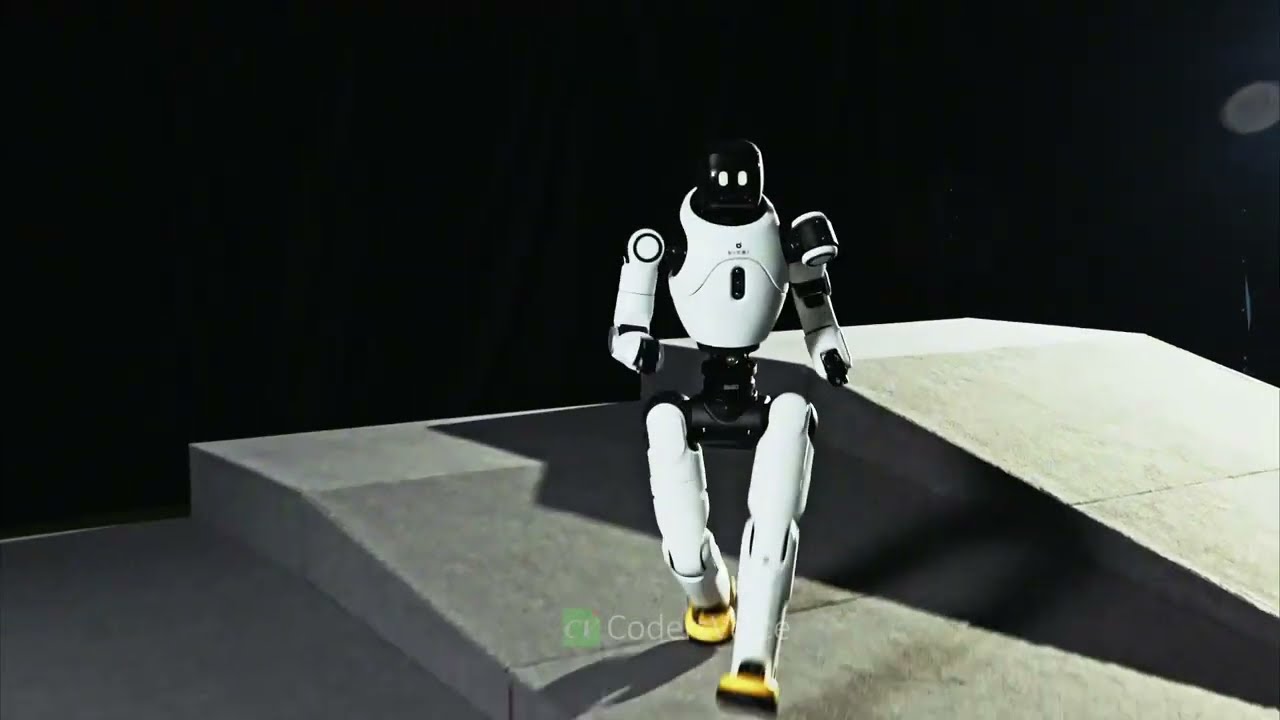
The X1’s 12 leg DOF and modular actuator design make it ideal for developing gait controllers, balance algorithms, and whole-body motion planning. Its open-source architecture grants low-level motor access at 1 kHz, allowing researchers to replace firmware without proprietary barriers. The 2-hour battery life supports iterative experiments, and the 1 m/s walking speed simulates real-world dynamics. Optional LiDAR enables vision-guided locomotion studies over uneven terrain. However, users must implement their own stability controllers from scratch.
Embodied AI & Foundation Model Integration
Developers can plug in their own inference modules — such as a Jetson Orin running a vision-language model — and experiment with closed-loop AI that converts sensor data into motor commands in real time. The Intel RealSense depth camera provides environmental understanding, while the open AimRT framework allows LLM integration via ROS2 bridges. This turns the X1 into a testbed for instruction-following, task planning, and human-robot interaction using large language models. Achieving sub-second latency demands careful system integration, as compute is user-supplied and not bundled.
Manipulation & Teleoperation Research
With 14 arm DOF, the X1 supports dexterous manipulation when fitted with appropriate end-effectors (not included). Researchers can implement teleoperation schemes using low-cost motion capture or haptic devices and test shared autonomy approaches. The quasi-direct-drive motors with low-ratio planetary reducers ensure inherent backdrivability, simplifying safety in collaborative tasks. Payload rating for the arms is not specified, but early reports suggest it can lift small objects up to about 3 kg, making it suitable for lightweight pick-and-place experiments.
Open-Source Robotics Education & Hobbyist Projects
Targeting advanced makerspaces and university courses, the X1 offers a complete platform for teaching full-stack humanoid robotics — from motor control to AI. Its modular design means broken components can be 3D-printed or replaced without proprietary service plans, and students can fork and improve the entire software stack. AgiBot’s documentation provides a starting point for assembly and initial walking gaits. The lack of a sleek enclosure or consumer polish means users will spend significant time on integration, which is both the appeal and the challenge for hands-on learning.
History & Background
AgiBot was founded in 2016 in Shanghai, China, with a mission to create general-purpose embodied AI robots. After years of stealthy development, the company emerged publicly in 2023–2024, unveiling several humanoid platforms: the full-sized G1 for industrial applications, the X2 for consumer and eldercare, the wheeled A2 series, and the Lingxi X1 as an open-source developer kit. The X1 was first shown in early 2024 as a compact, modular biped designed to let researchers bypass the high costs and closed ecosystems of existing humanoid robots. It adopts the same AimRT real-time framework that powers AgiBot’s larger platforms, but with a focus on user-supplied computing and hackable hardware. AgiBot’s GO-1 foundation model, released in 2025, provides vision-language capabilities that can be integrated into the X1, showcasing the company’s vertical integration of AI and robotics. As of 2026, the X1 is in limited production runs, targeting specialist labs and early adopters; it has not seen a mass-market retail release and remains a niche tool for cutting-edge robotics R&D.
Buying Used — What to Check
Verify actuator wear and firmware version Open-source units may be heavily modified; confirm that motors and controllers have not been overdriven or swapped for incompatible parts.
Confirm inclusion of compute module and accessories Resellers often strip out expensive add-ons like the Jetson board or depth camera; ensure the unit is complete as sold.
Backup of custom software stack The robot may run custom firmware or AIMRT modifications; ensure the seller provides a bootable image or source code to restore original functionality.