What is the Agility Robotics Cassie?
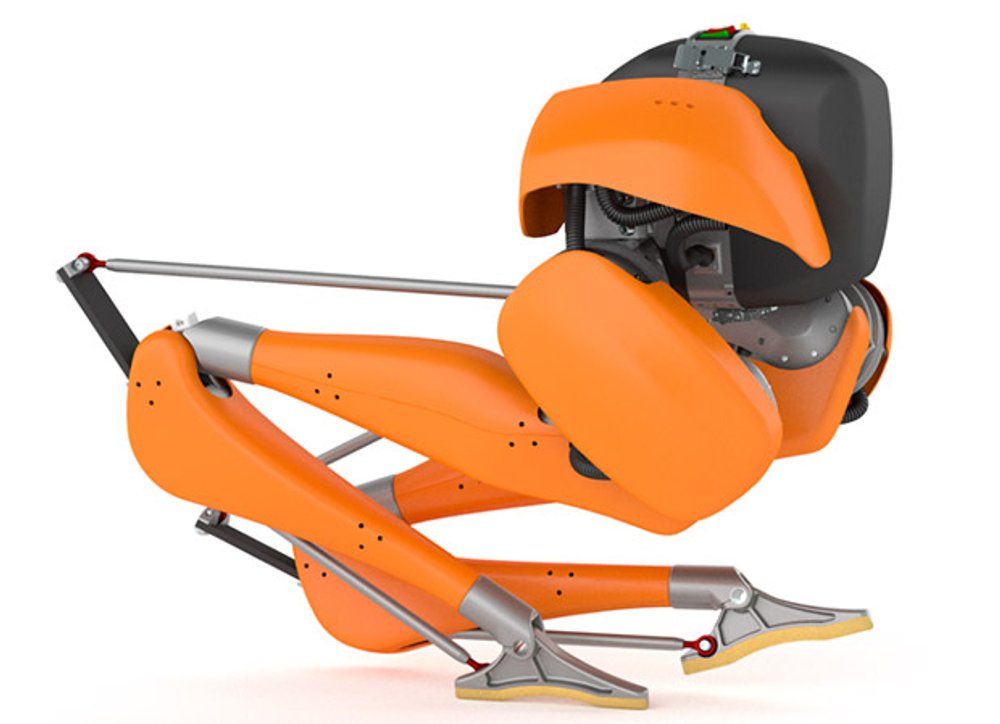
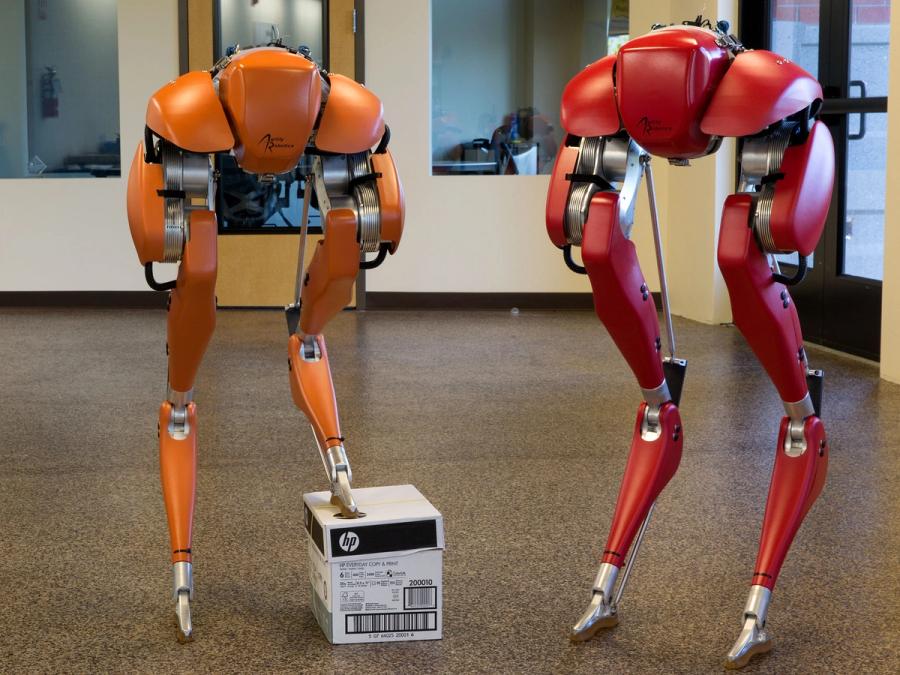
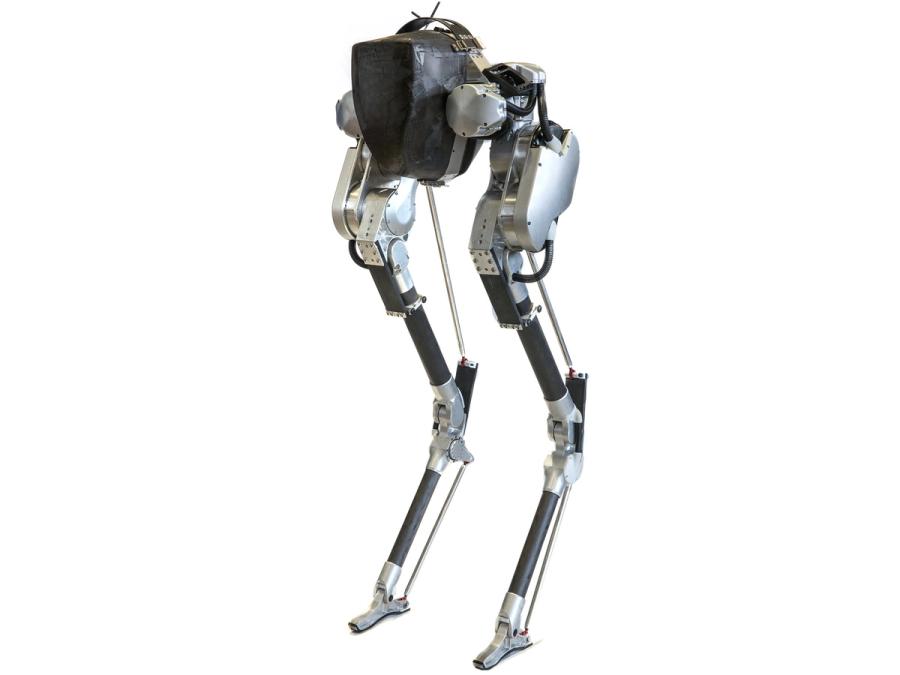
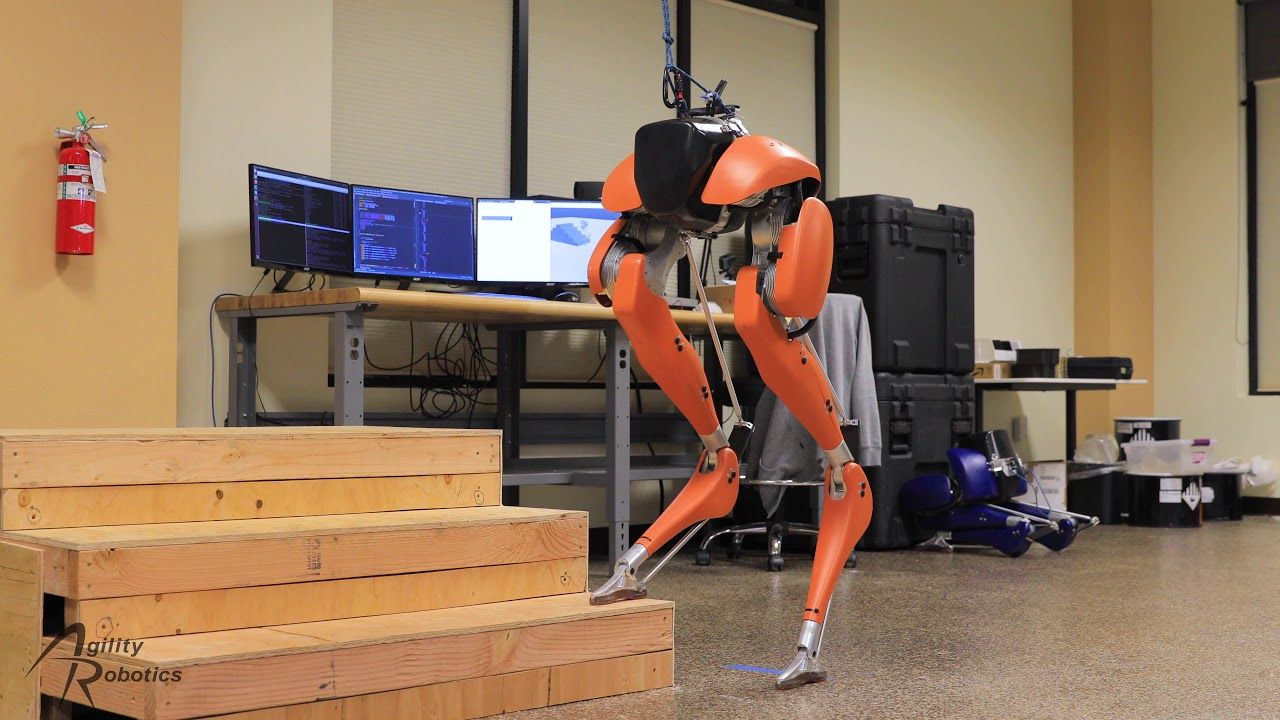
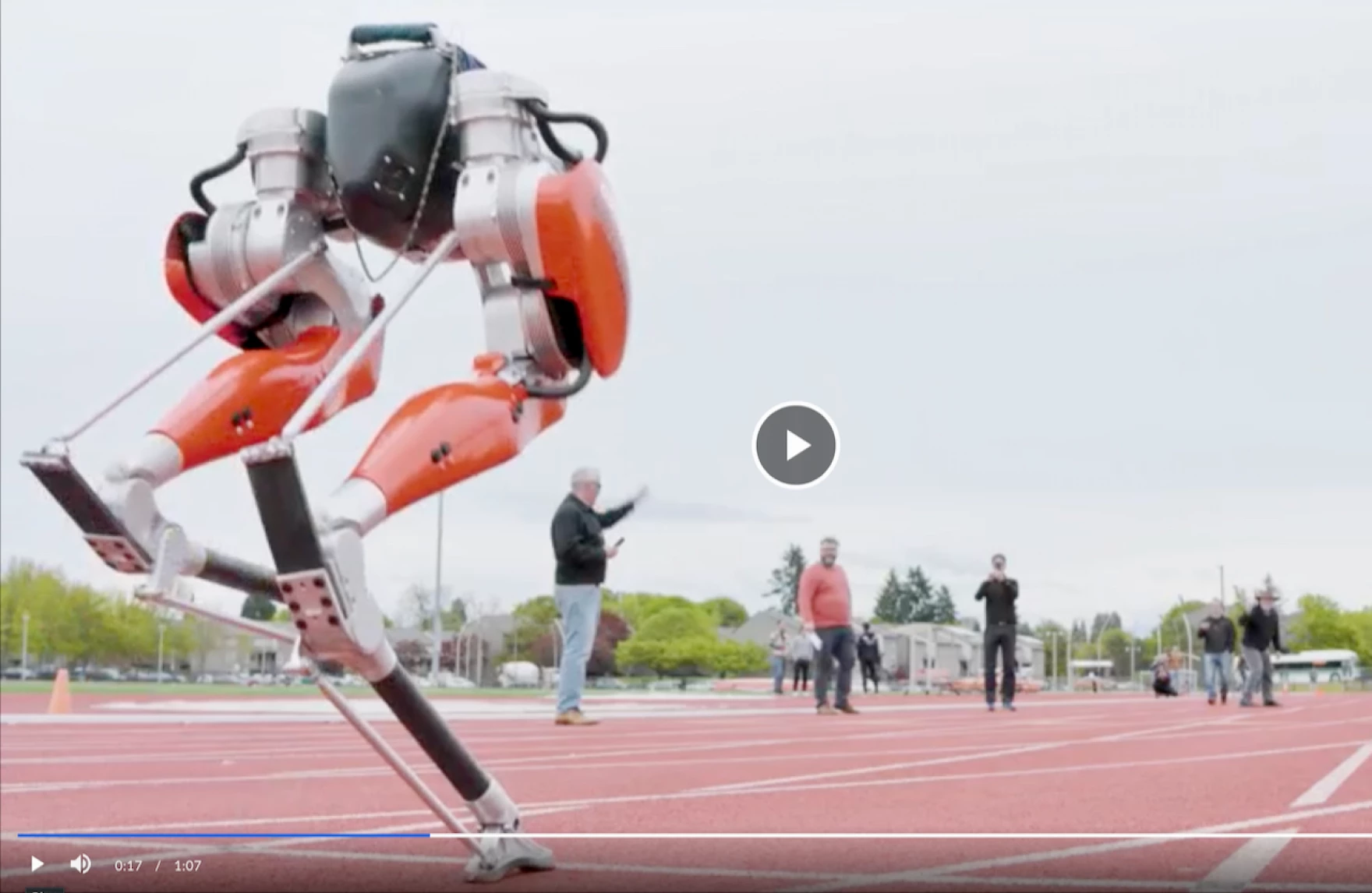
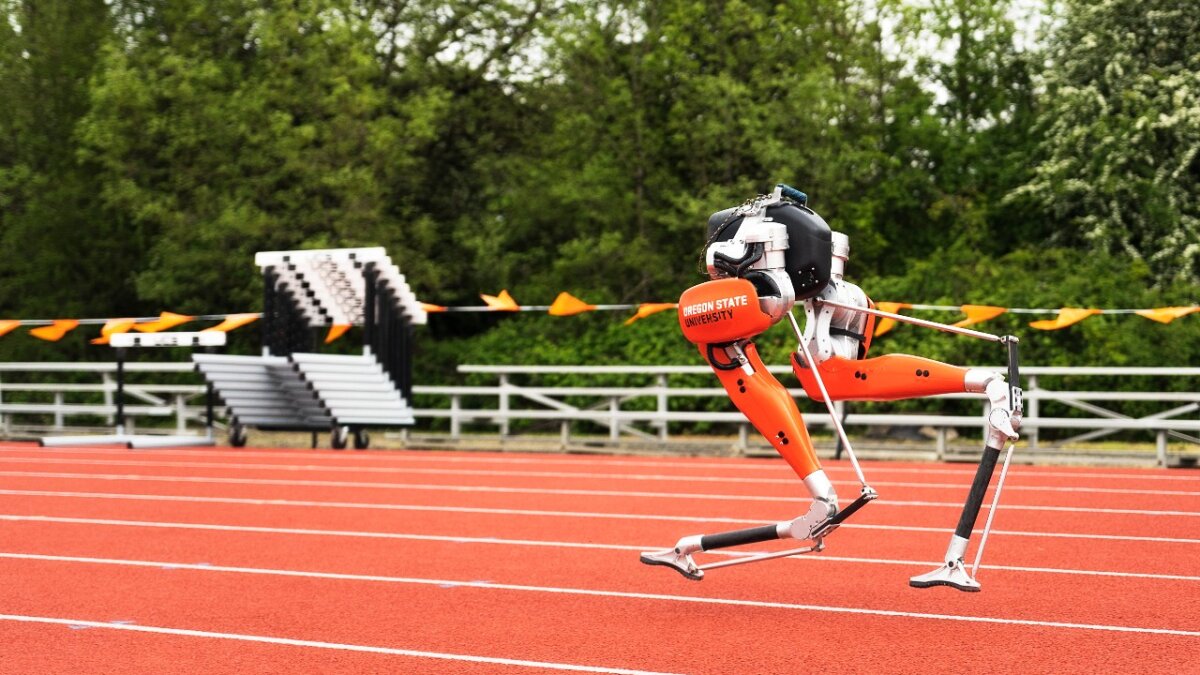
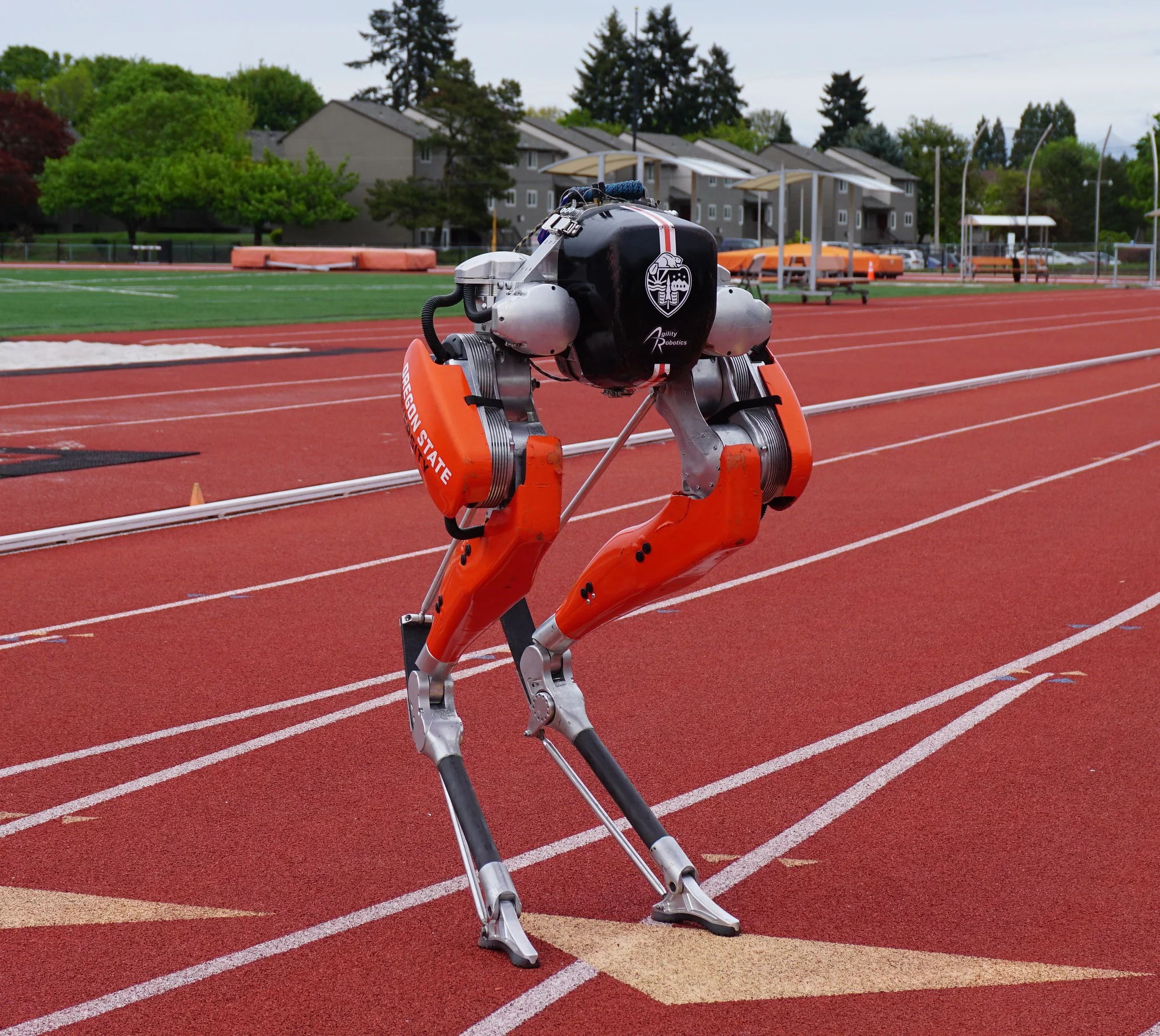
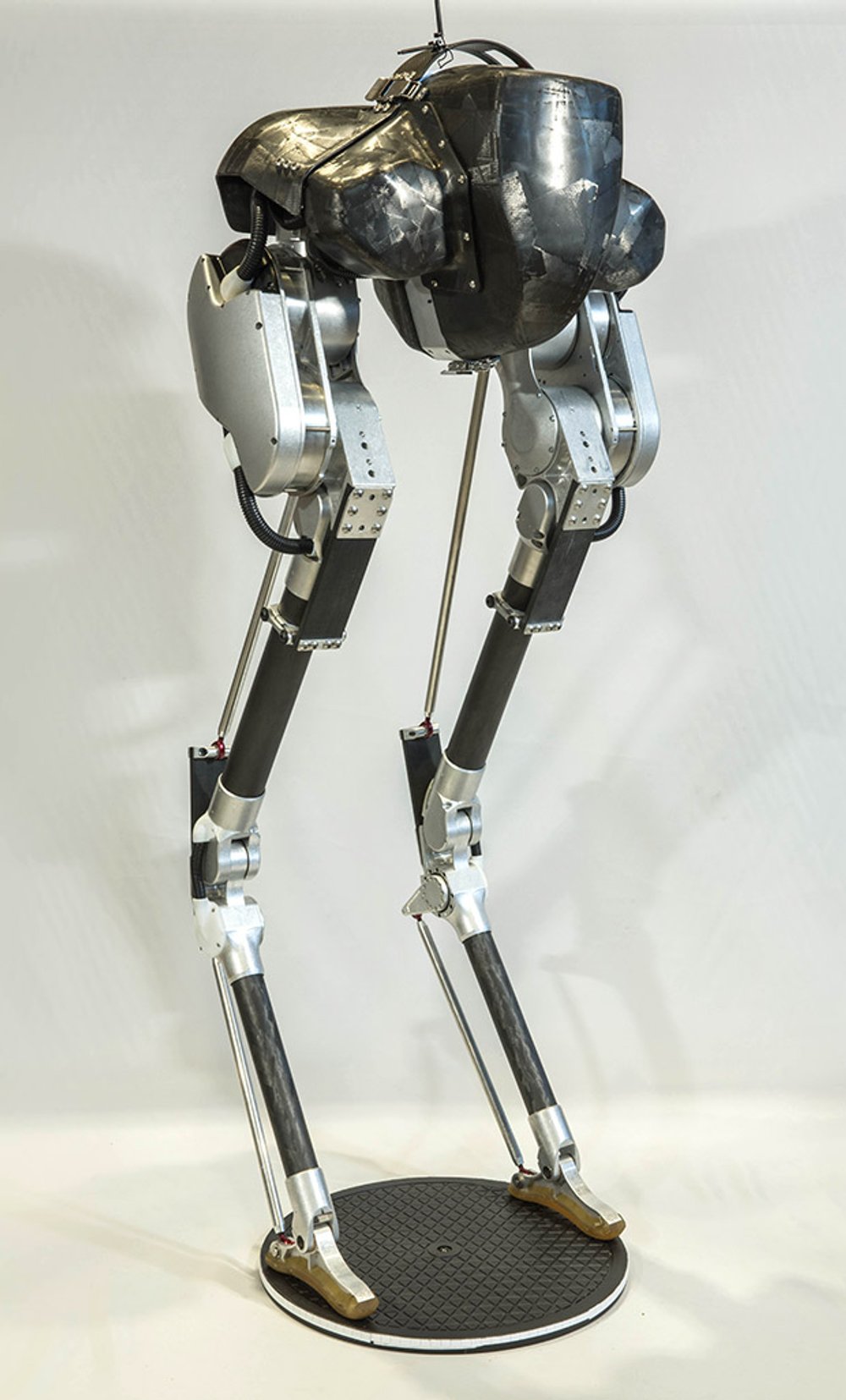
The Agility Robotics Cassie is a research-only bipedal robot developed in Tangent, Oregon, USA, designed for dynamic walking and running research. Unlike full humanoids, Cassie has no upper body, arms, or hands — only two legs with 10 degrees of freedom driven by series-elastic actuators. It is celebrated for its resilience: it could walk, run, and even complete a 5K on a single charge, all while open-sourced for academic locomotion algorithm development. Cassie directly preceded Agility Robotics’ commercial humanoid Digit, transferring its stable leg design into a practical logistics robot.
Specifications
Here are the full technical specifications.
| Spec | Value |
|---|---|
| Height | 1150 mm |
| Weight | 31 kg |
| Degrees of freedom | 10 |
| Battery life | ~0.9 h (5K run) |
| Max speed | 14.4 km/h |
| Payload | 0 kg |
| Price (new) | $300,000 |
| Price (used range) | N/A |
Price & Value
New MSRP: $300,000
Used range: N/A
Cassie was a high-end research platform at $300,000, comparable to other advanced bipedal locomotion prototypes. Without arms or manipulation, it offered limited commercial appeal, hence no used market exists. Its value was primarily in its open-source control framework and robust series-elastic actuators, which contributed to the subsequent commercial success of Digit. For researchers today, the same investment goes further with newer platforms like Unitree H1 or Digit itself, which include full-body capabilities.
Who Is It For?
Best for: - University robotics labs focused on bipedal locomotion research with an emphasis on algorithms rather than manipulation. - Researchers developing dynamic walking and running controllers for legged robots.
Not for: - Companies needing a production-ready humanoid for logistics (no arms, no payload). - Outdoor field trials in rain or dust (no IP rating).
Alternatives & Comparison
Cassie occupies a unique historical niche as a dedicated bipedal locomotion research platform, competing against its predecessor ATRIAS, its successor Digit, and the more advanced but inaccessible Atlas.
| Model | Price | Available | Key Difference |
|---|---|---|---|
| ATRIAS | Undisclosed (research platform) | no | Predecessor with passive dynamics; Cassie added active torque control and durability. |
| Digit | Undisclosed (enterprise) | yes | Successor with arms and upper body, designed for logistics; adds manipulation capabilities. |
| Boston Dynamics Atlas | Undisclosed (research prototype) | no | Full humanoid with hydraulic actuation and advanced parkour, not open-source. |
Verdict: For pure bipedal locomotion R&D, Cassie remains an iconic reference platform thanks to open-source control and robust hardware. However, if you need any manipulation or commercial path, Digit is the direct evolution. Atlas is overkill and not available, while ATRIAS is a historical footnote.
Use Cases & Capabilities
Dynamic walking and running research
Cassie excels as a testbed for bipedal locomotion algorithms, including reinforcement learning for gait control. Its springy legs and series-elastic actuators allow it to walk over uneven terrain, climb stairs, and run at up to 4 m/s. Researchers at Oregon State University used Cassie to set a Guinness World Record for the 100-meter dash by a bipedal robot. The open-source ROS framework makes it ideal for academic reproduction and comparison.
Locomotion algorithm development
Cassie’s 10-DOF leg configuration, with hip roll, hip yaw, hip pitch, knee pitch, and ankle pitch, provides a rich control space for developing torque-based walking controllers. The built-in IMU and joint encoders feed real-time state estimation, while the Intel NUC onboard compute allows complex model predictive control loops. It was the first robot to demonstrate stable blind walking over rough terrain without vision sensors, purely from proprioception.
Bipedal robot platform for comparative studies
As a standardized research platform sold to multiple universities, Cassie enabled reproducible locomotion experiments across labs. Its design — two identical legs with no torso — forced a focus on leg dynamics, isolating the core problem of stable bipedalism. The absence of upper body mass simplified dynamics modeling, making it an excellent benchmark for comparing and validating new control theories.
History & Background
Agility Robotics was founded in 2015 as a spin-out from Oregon State University’s Dynamic Robotics Laboratory, where the Cassie robot was developed. Cassie was first built in 2016 as the successor to the ATRIAS biped, which had demonstrated passive dynamic walking. The design improved on ATRIAS by adding ankle actuation for closed-loop torque control, enabling more robust walking and running. Cassie achieved several milestones: it completed a 5K run untethered in 2021, and in 2022 it set a Guinness World Record for the fastest 100-meter dash by a bipedal robot at 24.73 seconds. The platform was discontinued around 2019 as Agility shifted focus to the Digit humanoid, which incorporates Cassie’s leg design with an upper body and arms for warehouse logistics.
Buying Used — What to Check
Verify hardware condition Joints, actuators, and battery may have wear from years of research use.
Check for custom modifications Many labs added external sensors or code that may not be transferable.
Confirm software stack access Original ROS packages and documentation may be required for operation.