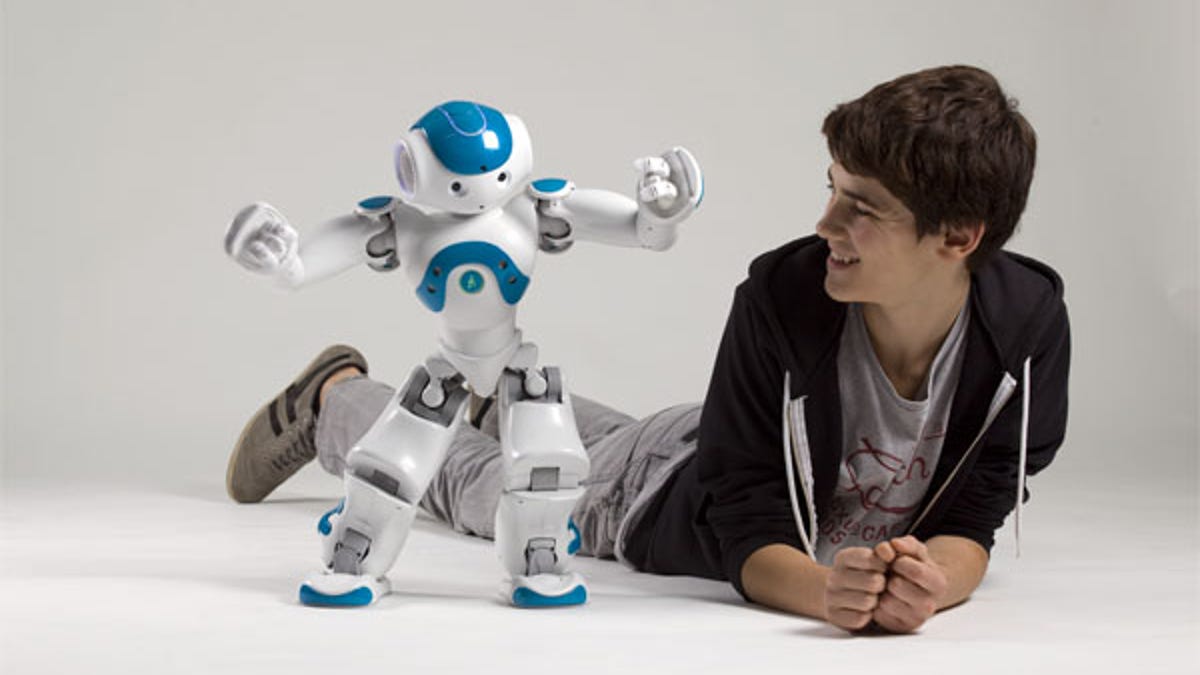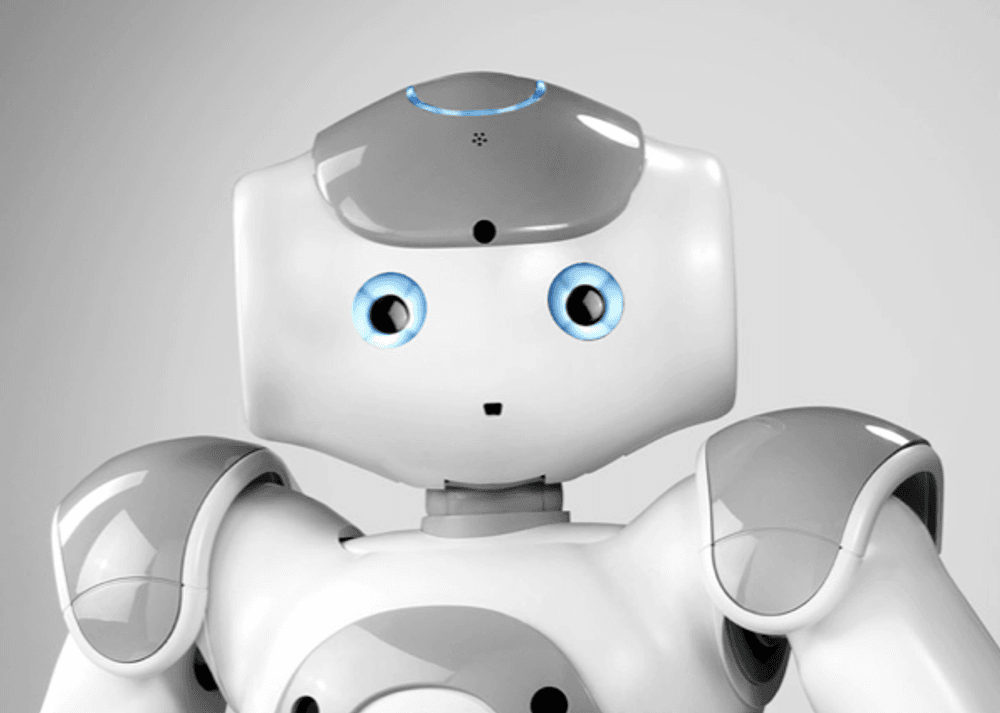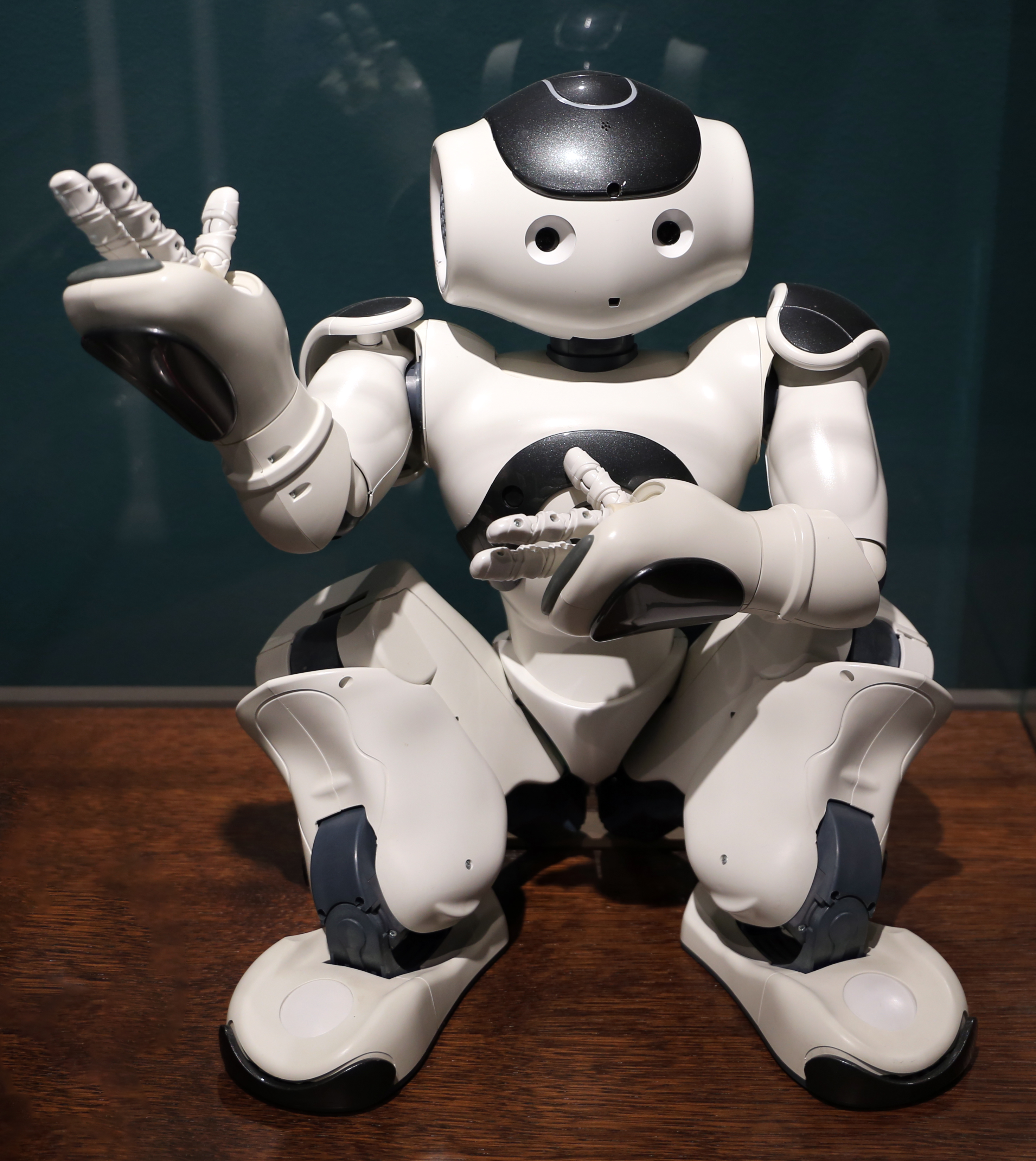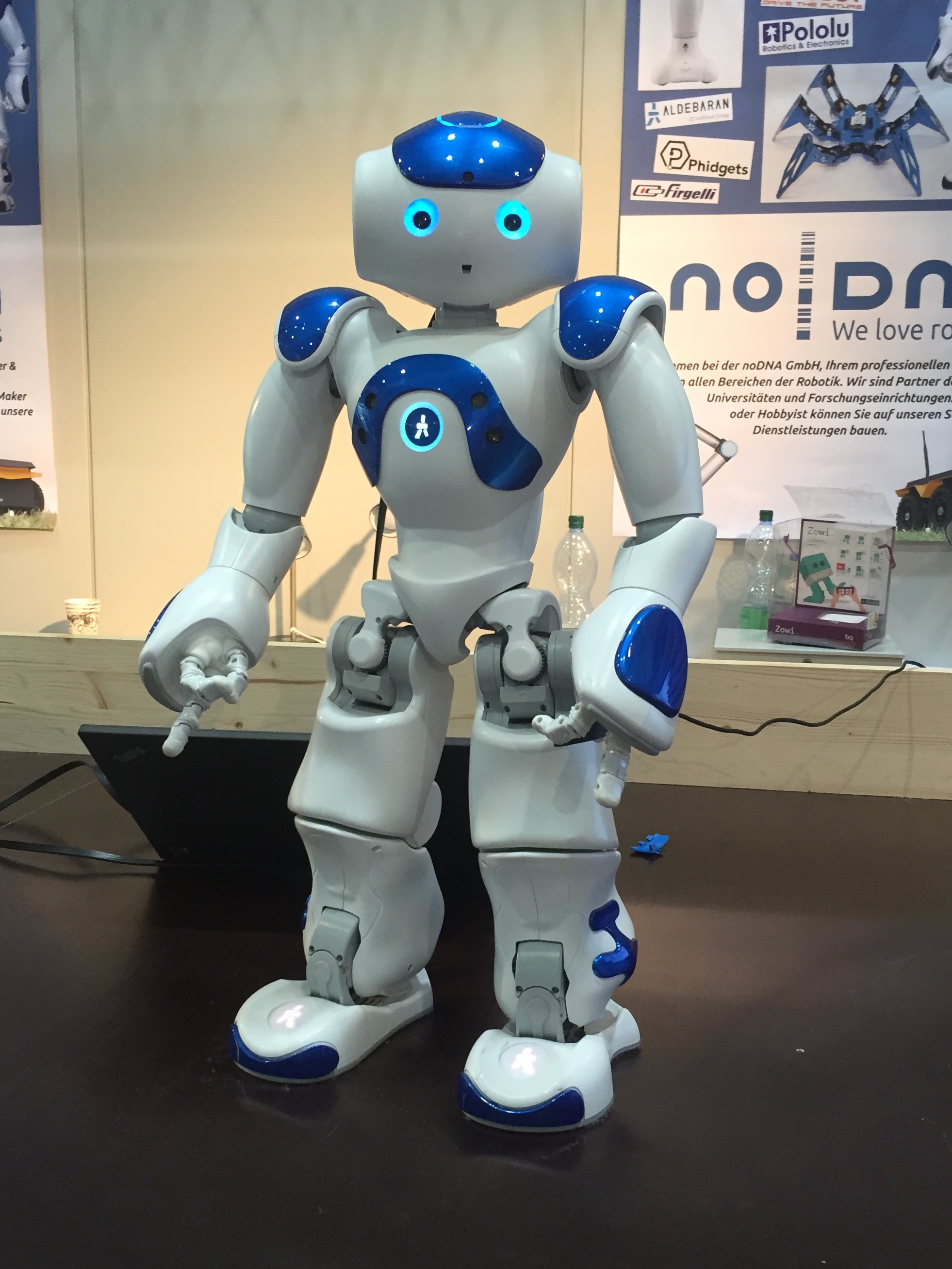
What is the Aldebaran Nao?
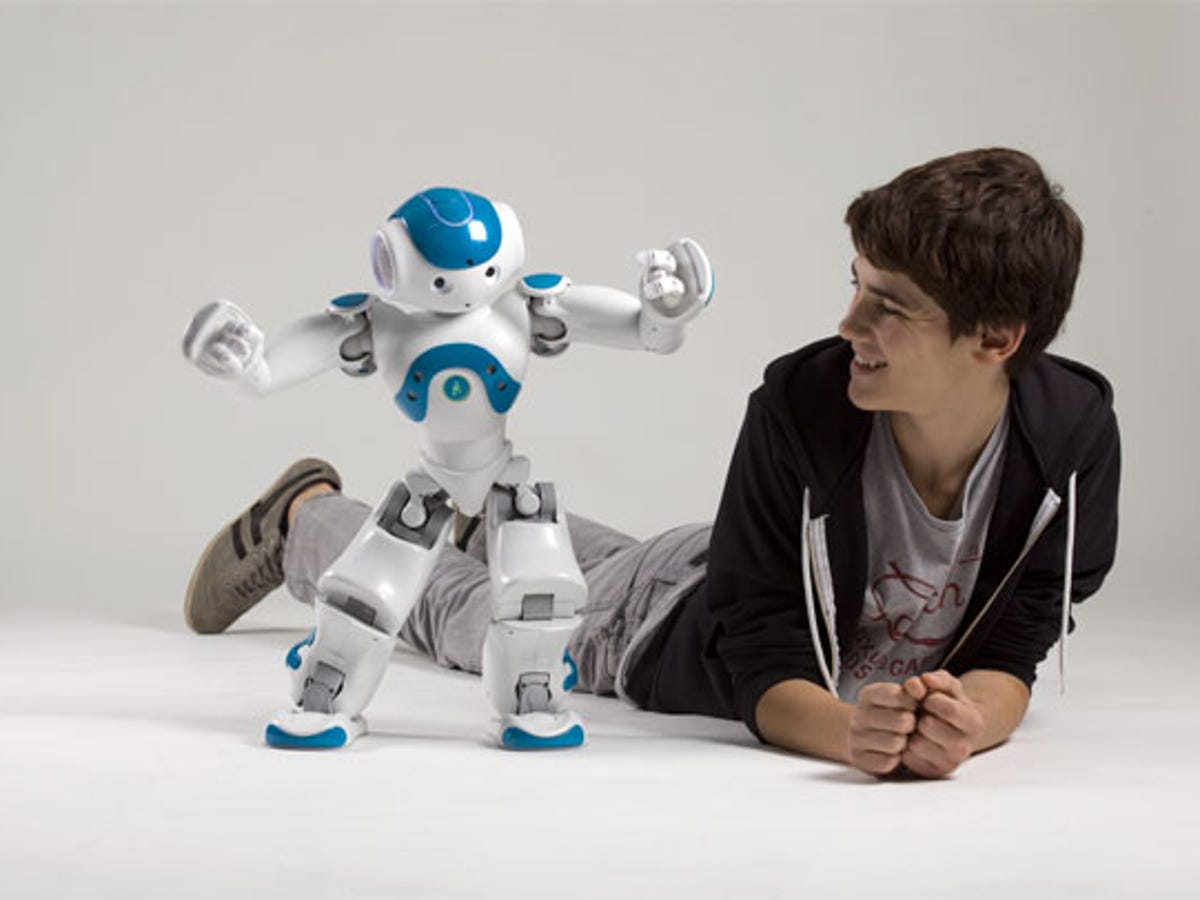
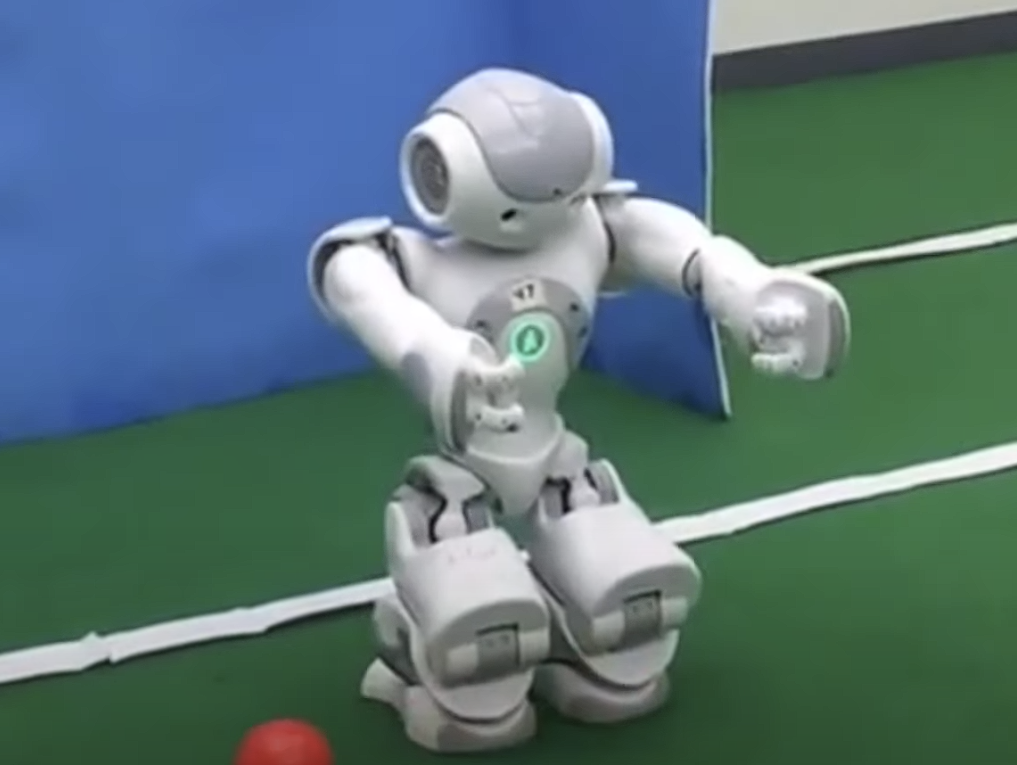
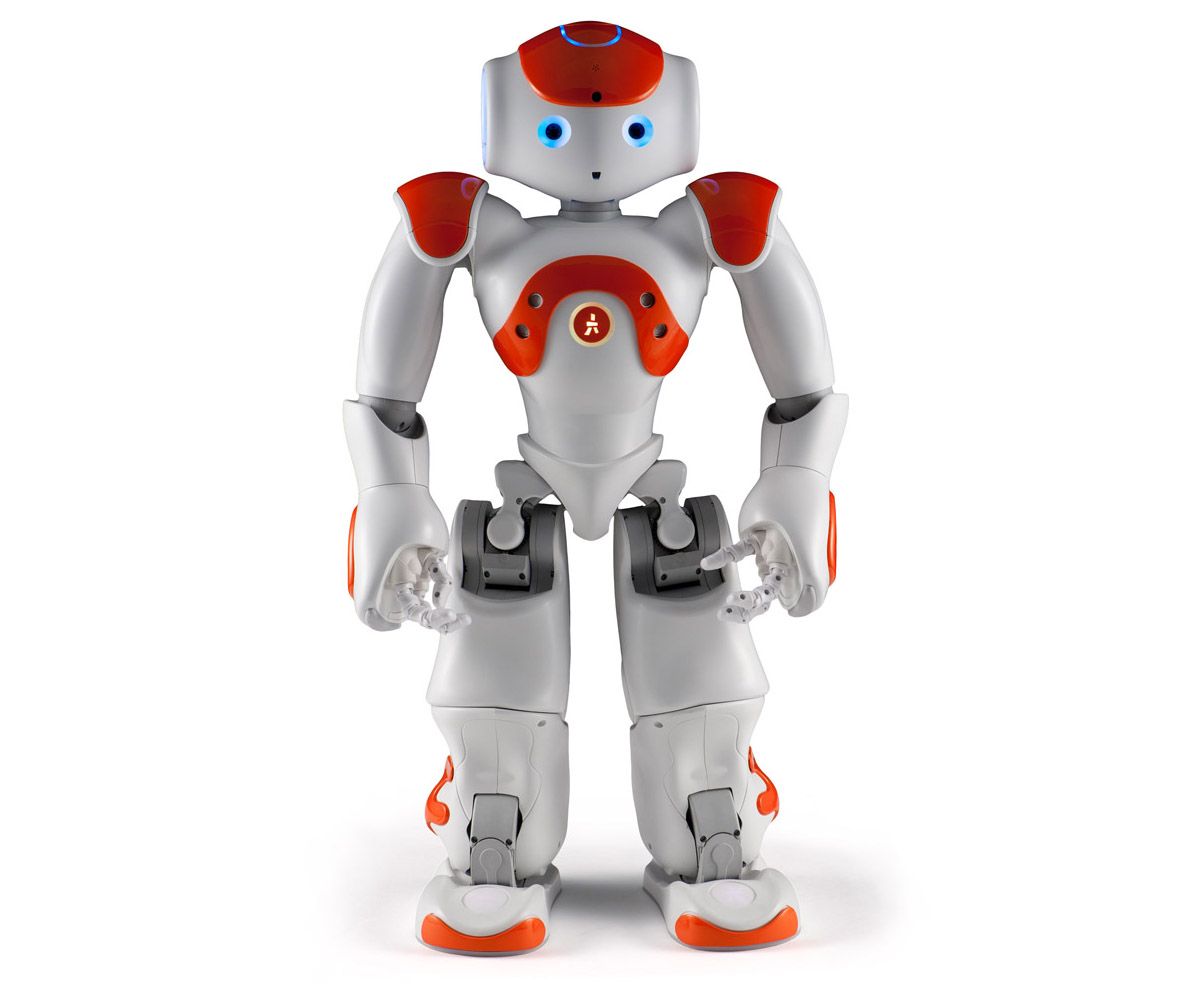
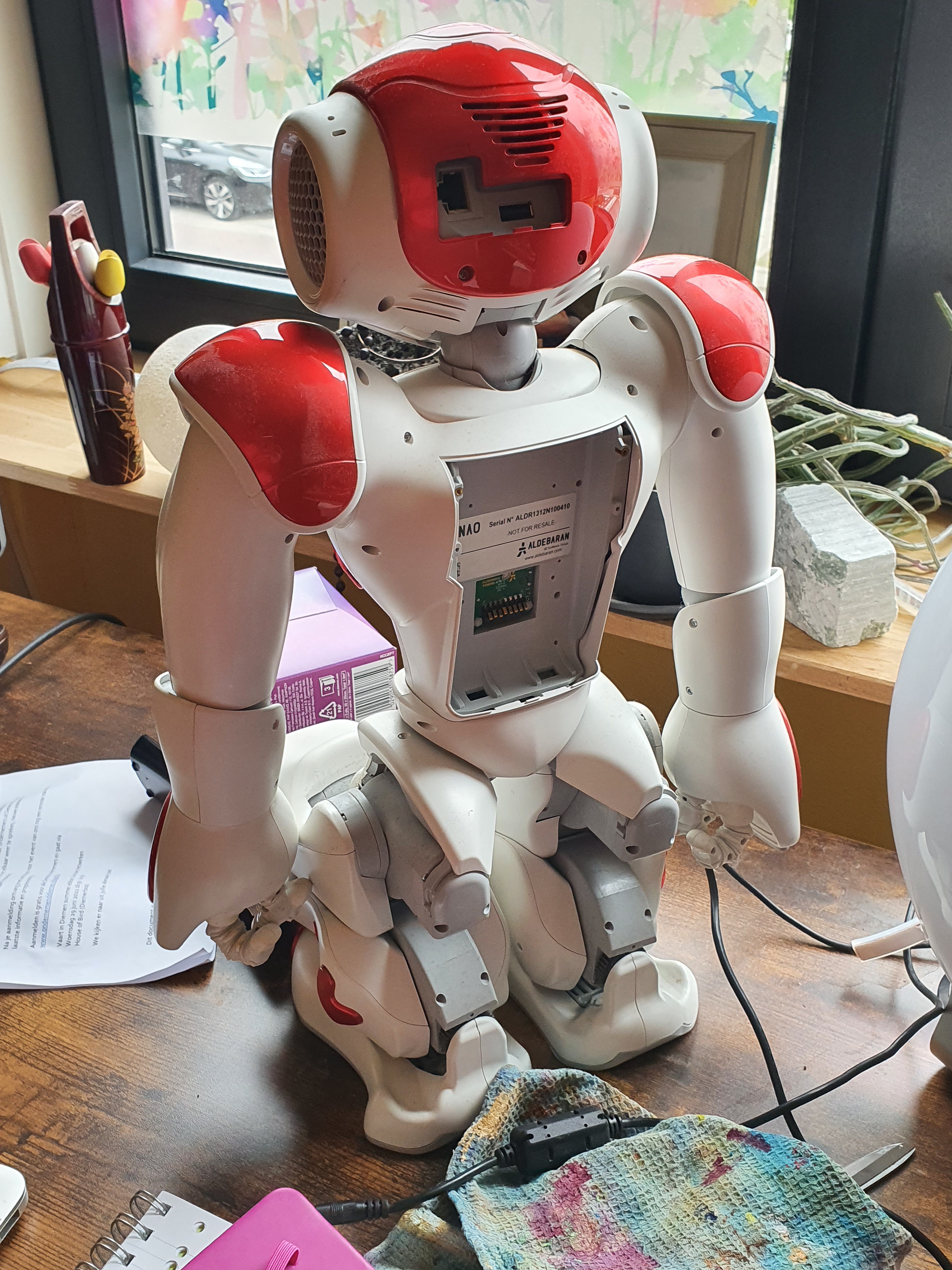
The NAO is a 58 cm tall, 25-DOF humanoid robot developed by Aldebaran Robotics (now part of SoftBank Robotics) in Paris, France. First released in 2008, it is the most deployed humanoid robot in research and education globally. NAO walks bipedally using ZMP control, features stereo vision, 4 microphones, tactile sensors, and a speech engine supporting 20 languages. It runs the Linux-based NAOqi OS and can be programmed in Python, C++, or via the Choregraphe graphical interface. NAO is used in universities, autism therapy, STEM education, and entertainment. It remains commercially available through SoftBank Robotics and authorized resellers.
Specifications
Here are the full technical specifications.
| Spec | Value |
|---|---|
| Height | 580 mm |
| Weight | 5.4 kg |
| Degrees of freedom | 25 |
| Battery life | 1.5 hours |
| Max speed | 0.36 km/h |
| Payload | 0.5 kg |
| Price (new) | $8,000–$16,000 |
| Price (used range) | $4,000–$10,000 |
Price & Value
New MSRP: $8,000–$16,000
Used range: $4,000–$10,000
NAO pricing scales with edition and licenses. The entry‑level Education V6 bundle starts at $9,000, including the robot, charger, and Choregraphe software. The full Research edition, with advanced APIs, gait optimization tools, and priority support, reaches $16,000. SoftBank Robotics and partners also offer leasing programs at $500–$1,000 per month, making NAO accessible for short‑term projects. On the used market, V5 and early V6 units typically trade from $4,000 to $8,000, while older V4 models may dip below $3,000 but lack software updates. Compared to the $12,000 ROBOTIS OP2 (open‑source) or the $20,000 SoftBank Pepper, NAO sits in a middle tier of cost and functionality. Total cost of ownership over 5 years should include battery replacements ($200–$400 each) and occasional actuator repairs ($150–$500). Despite the up‑front expense, NAO’s massive community, thousands of research papers, and ready‑to‑use curriculum provide unmatched value for institutional buyers.
Who Is It For?
Best for: - University robotics labs — NAO provides 25 DOF, stereo vision, and a mature SDK for human-robot interaction experiments - K-12 and university STEM educators — Choregraphe visual programming and curriculum resources simplify classroom use - Autism therapy clinics — proven in hundreds of studies for improving social engagement with predictable interactions - Developers of social robotics applications — speech recognition, gesture detection, and cross-platform APIs enable rapid prototyping
Not for: - Heavy industrial tasks — payload limited to 0.5 kg, no ruggedization for factory floors - High-speed navigation — max speed 0.36 km/h, unsuitable for warehouse or delivery roles - Budget-constrained hobbyists — new price starts at ~$8,000, cheaper humanoid kits like UBTECH Alpha Mini exist at $500
Alternatives & Comparison
For buyers considering a research humanoid, NAO competes with other small programmable bipeds and service robots. Below we compare against real alternatives in the $8k–$20k range.
| Model | Price | Available | Key Difference |
|---|---|---|---|
| SoftBank Robotics Pepper | $20,000 | yes | Larger, wheeled, more enterprise-focused |
| UBTECH Alpha Mini | $500 | yes | Toy-like, limited programmability compared to NAO |
| ROBOTIS OP2 | $12,000 | yes | Open-source, steeper learning curve |
Verdict: If you need a turnkey humanoid with proven reliability and a massive community, NAO wins. If you require full hardware customization and are comfortable with Linux and ROS, the ROBOTIS OP2 may be a better fit. For a wheeled, enterprise-facing robot, Pepper is more appropriate. Budget-constrained hobbyists should consider the Alpha Mini but will sacrifice programmability.
Use Cases & Capabilities
Human–Robot Interaction Research
NAO is a benchmark platform for HRI thanks to its 25 degrees of freedom, expressive LED eyes, and 4‑microphone array. Researchers run emotion recognition, gaze tracking, and dialog experiments using the onboard stereo HD cameras and speech engine. The NAOqi SDK provides Python and C++ APIs, while the Choregraphe tool enables rapid prototyping without coding. Thousands of papers, including work on cognitive architectures and social cue interpretation, have been published on NAO. It supports ROS packages, allowing integration with larger robotic systems, though the limited onboard compute (Intel Atom) constrains heavy machine learning inference. The robot’s slow walking speed and modest payload restrict physical HRI scenarios, but its stable bipedal gait and mature software make it a turnkey solution for human‑facing studies.
Autism Therapy
In autism therapy, NAO’s predictable, non‑threatening behavior and child‑sized stature encourage social engagement. Clinicians script activities like turn‑taking, emotion identification, and storytelling via the visual Choregraphe interface. Dozens of controlled studies report improved eye contact, verbal response, and imitation skills when NAO mediates therapy sessions. The robot’s tactile sensors allow gentle touch interactions, while its neutral voice reduces anxiety. SoftBank Robotics provides therapeutic guides, and some health insurers in Europe cover robot‑assisted sessions. However, the high unit cost (~$9,000) limits adoption to well‑funded clinics and research hospitals; reliable supervision by a human therapist remains essential.
STEM Education
NAO has become a flagship tool for teaching programming, robotics, and AI from middle‑school to graduate level. Using the drag‑and‑drop Choregraphe interface, beginners create complex behaviors without writing code, while Python and C++ APIs empower advanced coursework in machine learning and control theory. Educational bundles include lesson plans, assessments, and hardware kits, with the robot supporting the RoboCup Standard Platform League for inter‑school competition. SoftBank also offers teacher certification and remote support. The robot’s humanoid shape and expressive face captivate students, making abstract concepts tangible. Still, its high cost ($9,000+ per unit) means many schools share one NAO across entire departments or rely on grant funding to acquire a unit.
Public Speaking / Entertainment
NAO’s ability to deliver speeches with synchronized body language, change eye color, and play audio files makes it a popular emcee at conferences, museums, and theme parks. Users can script presentations using Choregraphe’s timeline or stream text‑to‑speech via API, and the robot’s 25 DOF allow dance routines and pantomimes. Hotels and retail stores have deployed NAO as a greeter, while universities use it for open‑house demonstrations. The built‑in stereo speakers and optional external audio input enable clear speech in small venues. Battery life of 1.5 hours requires careful scheduling for longer events, and the actuator whine can be noticeable in quiet settings. Many performers swap batteries or tether NAO to USB power to extend run time.
Robotics Research Platform
Beyond social interaction, NAO serves as a reliable platform for multi‑disciplinary robotics research. Its stereo cameras, IMU, and sonar sensors enable simultaneous localization and mapping (SLAM) studies, while the ZMP‑based walk supports gait optimization and balance experiments. Researchers have used NAO for multi‑robot coordination in RoboCup soccer, exploring team strategies and distributed sensing. The open‑source Naoqi SDK exposes all sensor streams and motor commands, and a dedicated ROS package facilitates integration with external compute. However, the closed‑source motor controllers limit low‑level torque experiments, and the 0.5 kg payload prevents carrying additional sensors. Despite these constraints, NAO’s consistent hardware and large user base make it a gold standard for publishing reproducible results.
History & Background
Aldebaran Robotics was founded in 2005 by Bruno Maisonnier in Paris, with backing from venture capital to develop a companion humanoid robot. After three years of development, the first NAO (V1) shipped in 2008 and immediately became the official platform for the RoboCup Standard Platform League, replacing Sony’s Aibo dog robot. This endorsement cemented NAO as the de facto research humanoid. The robot underwent six main generations: V2 (2010) added improved processors and sensors; V3 (2011) introduced a more expressive face and better speech; V4 (2012) brought full HD cameras; V5 (2014) upgraded to an Intel Atom E3845 and longer battery; and V6 (2018) switched to the Intel Atom x5‑Z8350, doubled RAM to 4 GB, and enhanced connectivity. In 2015, SoftBank Group acquired Aldebaran, rebranding it as SoftBank Robotics Europe. Manufacturing moved from France to Japan while R&D remains in Paris. Today, over 15,000 NAO units have been sold worldwide, making it the most deployed research humanoid in history, and it continues active production alongside Pepper.
Buying Used — What to Check
Verify battery health Batteries degrade after 300–500 cycles; replacement costs $200–$400.
Check actuator noise Worn motors produce excessive noise, indicating imminent failure.
Confirm software license transfer NAOqi OS licenses are non-transferable in some regions; verify with SoftBank.
Inspect tactile sensors Head and foot sensors can fail if the robot fell; replacements are expensive.