What is the Android Technics Fedor?
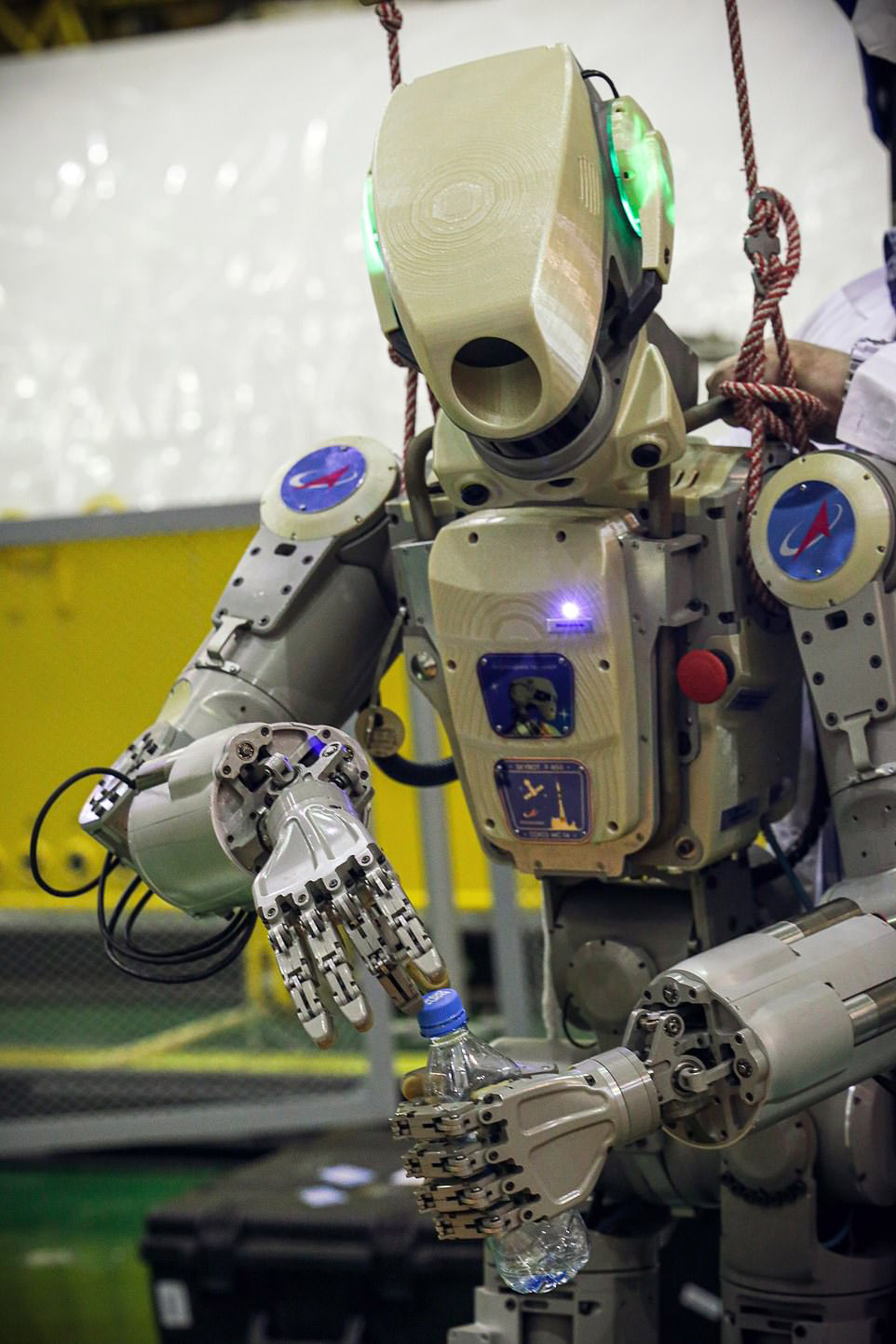
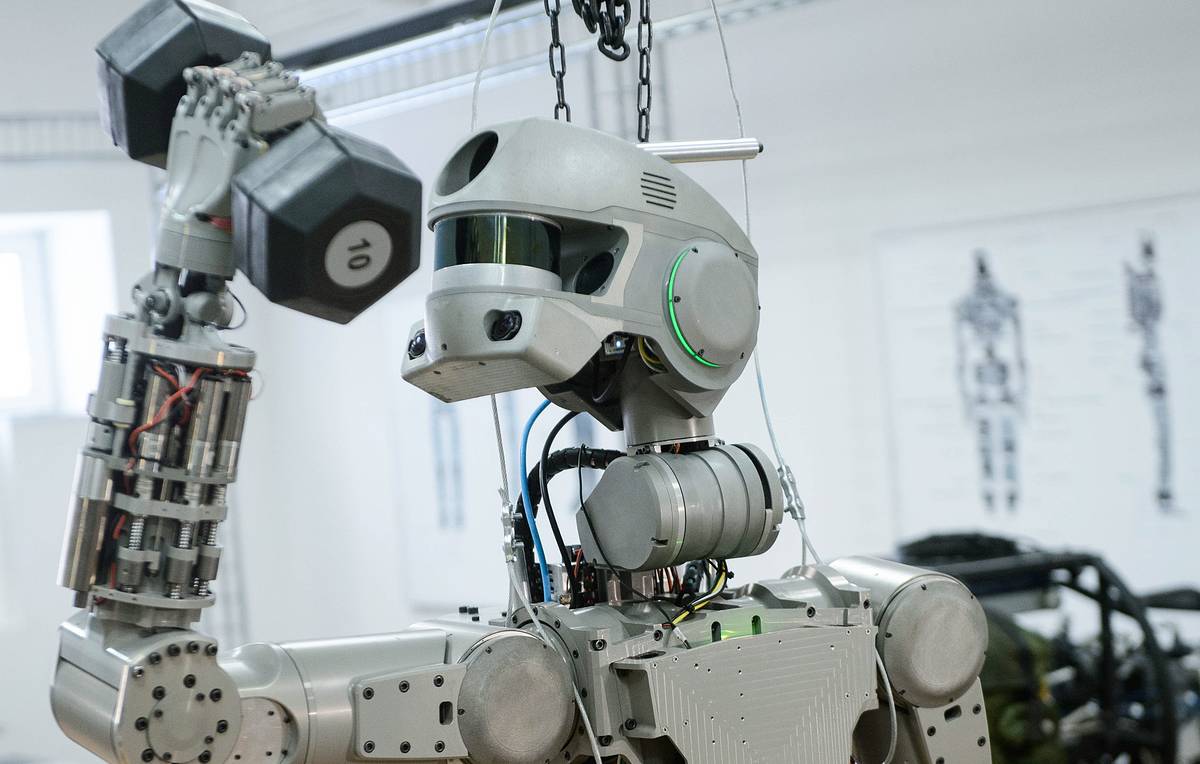
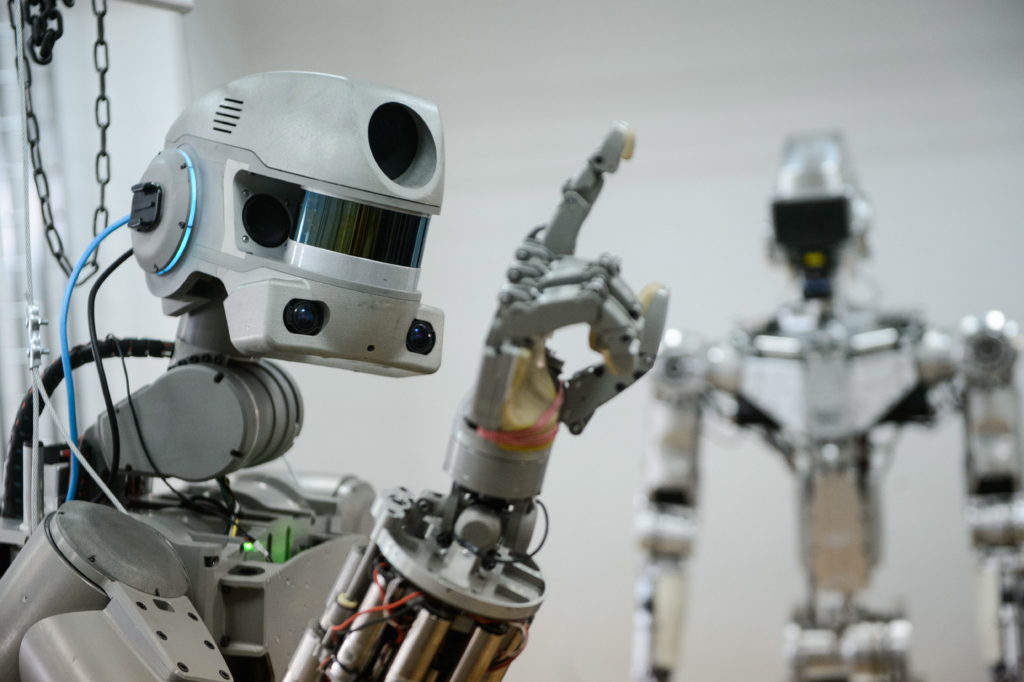
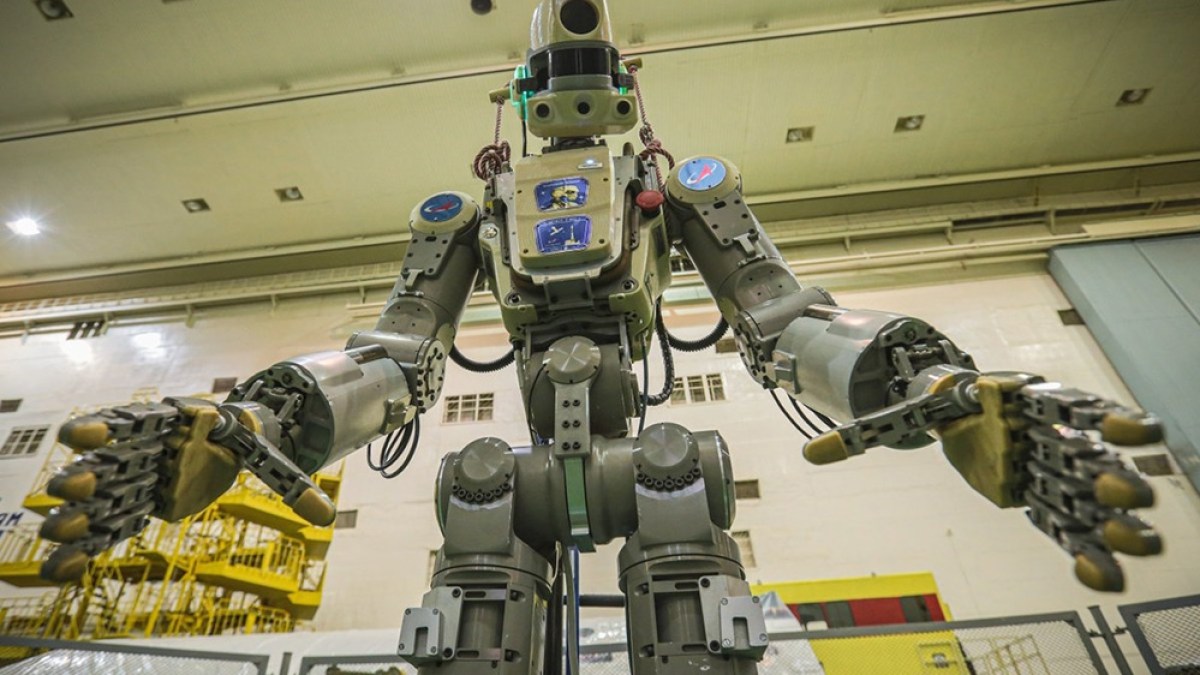
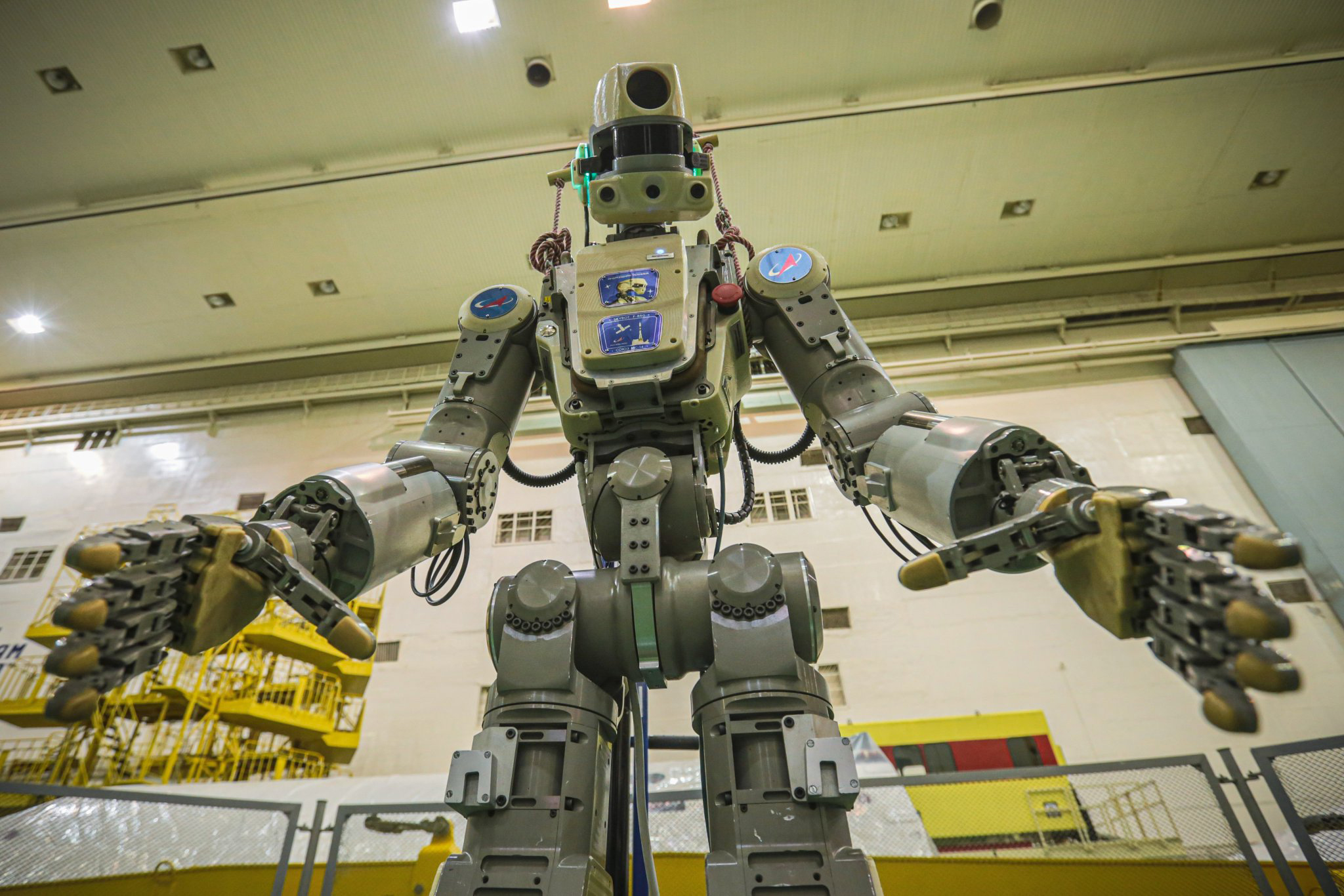
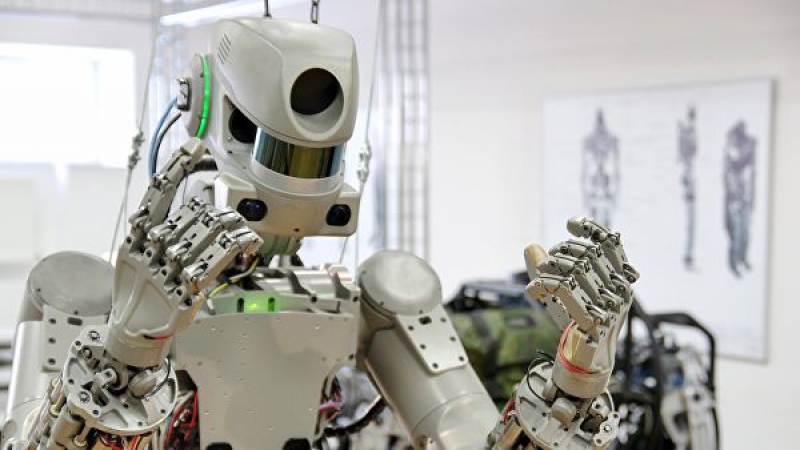
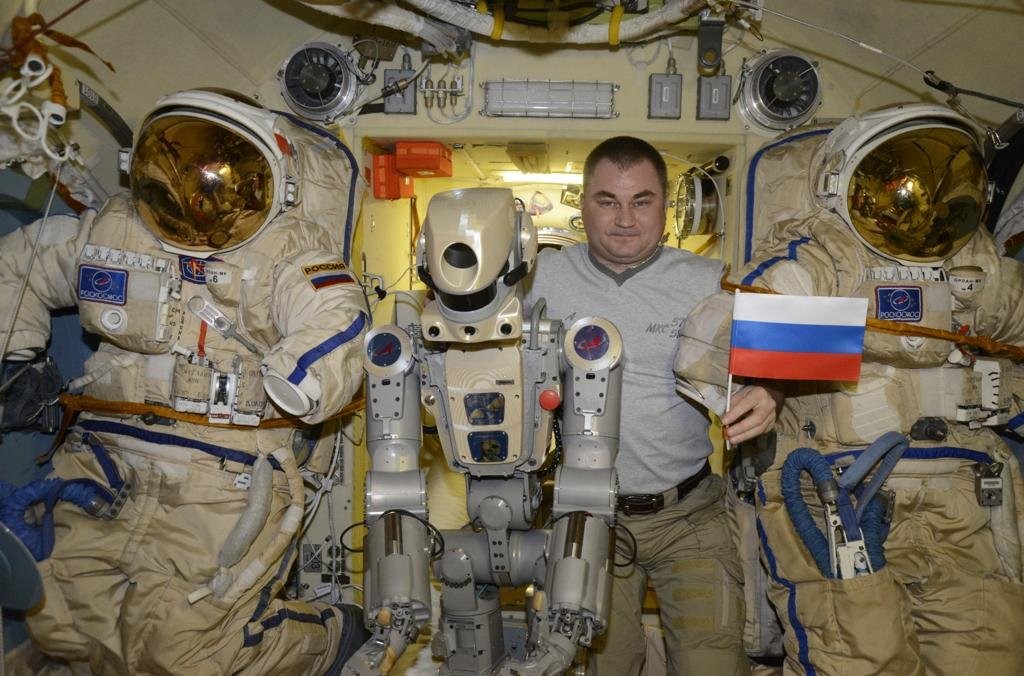
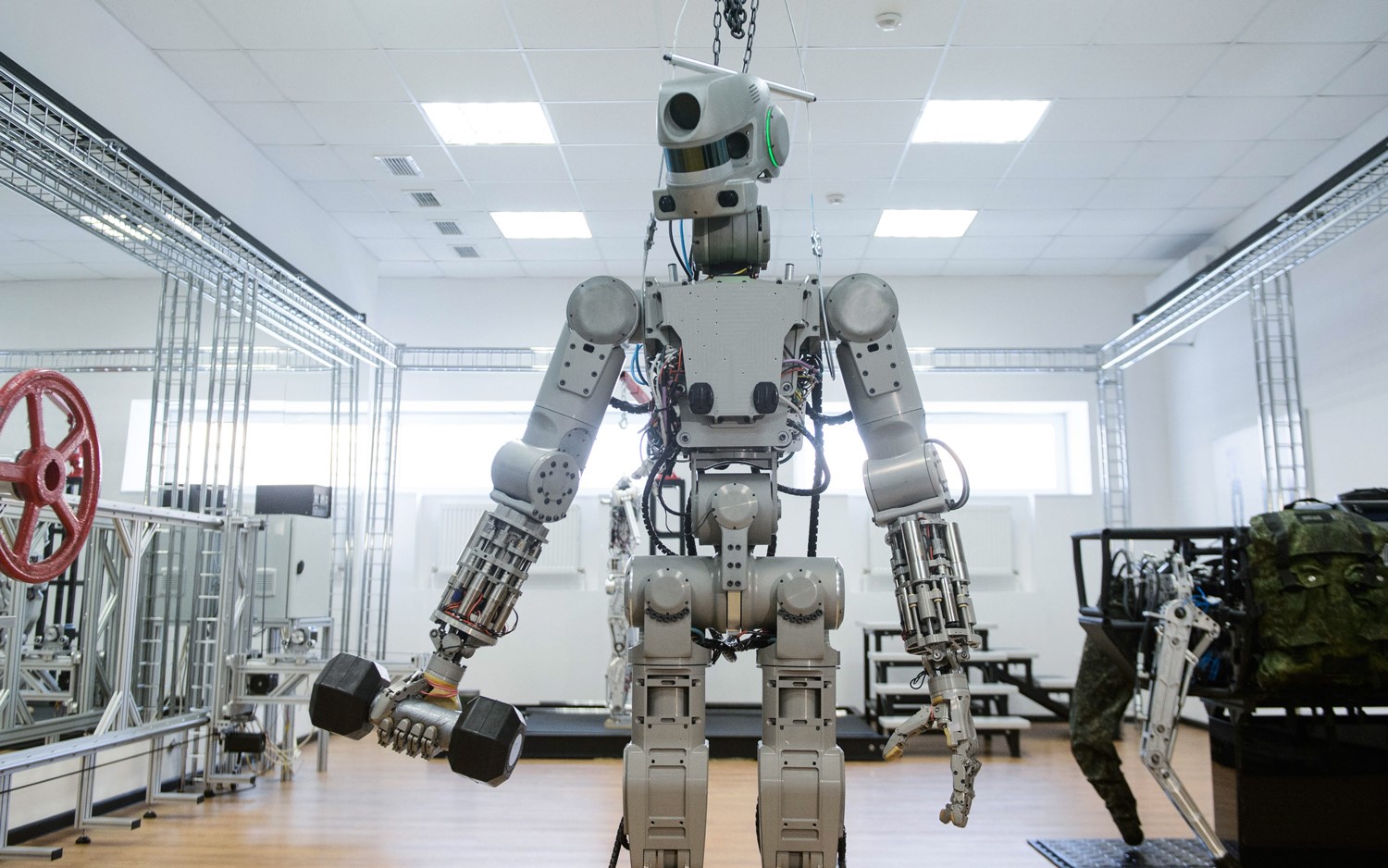
FEDOR (Final Experimental Demonstration Object Research), also called Skybot F-850, is a full-body humanoid robot created by Android Technics and the Russian Foundation for Advanced Research Projects. Designed for hazardous environments and space, it stands 1840 mm tall and weighs 106 kg. It features 48 degrees of freedom, stereo cameras, and series elastic actuators. FEDOR walks at 1.8 km/h, uses tools like screwdrivers and wrenches, and primarily operates via teleoperation with limited autonomous mode. It made history as the first humanoid to fly to the International Space Station in 2019 aboard Soyuz MS-14. The robot was never commercialized and remains a government research artifact.
Specifications
Here are the full technical specifications.
| Spec | Value |
|---|---|
| Height | 1840 mm |
| Weight | 106 kg |
| Degrees of freedom | 48 |
| Battery life | ~1 hour |
| Max speed | 1.8 km/h |
| Payload | Not specified |
| Price (new) | Undisclosed (government project) |
| Price (used range) | N/A |
Price & Value
New MSRP: Undisclosed
Used range: N/A
FEDOR was never sold commercially, funded solely by the Russian government for research and space demonstration. Its development costs remain undisclosed. As a discontinued, teleoperated robot with limited autonomy and a roughly one-hour battery, it had no path to commercial viability. There is no secondary market; any existing units are museum pieces or government property. Compared to other research humanoids like NASA’s Robonaut 2 or Boston Dynamics Atlas, FEDOR’s financial value is entirely historical — it cannot be purchased or leased. For organizations seeking a tele-operated space robot, successor platforms from Roscosmos or NASA represent the only forward-looking investment, though those too are not sold off the shelf.
Who Is It For?
Best for: - Space robotics historians tracking first humanoid ISS missions (unique flight heritage) - Researchers studying teleoperation for hazardous environments (48 DOF demo platform) - Russian space program enthusiasts (only humanoid to fly on Soyuz MS-14)
Not for: - Commercial warehouse or factory automation (no payload rating, slow, discontinued) - Dynamic locomotion research (max speed 1.8 km/h, no running or jumping) - Budget-conscious educational labs (zero availability, no spare parts)
Alternatives & Comparison
Though FEDOR was never a product, it competed for attention with other humanoid robots designed for hazardous duties and space. The following alternatives represent the closest research platforms of its era.
| Model | Price | Available | Key Difference |
|---|---|---|---|
| Robonaut 2 | Undisclosed | no | NASA upper-body humanoid with dexterous hands, permanently on ISS, no legs |
| Atlas | Undisclosed | no | Boston Dynamics’ dynamic locomotion research platform, no spaceflight |
| SAR-401 | Undisclosed | no | Russian upper-body teleoperation robot for ISS, similar origin but no legs |
Verdict: FEDOR holds a unique place as the first full-body humanoid to visit the ISS, but for practical research in dexterous manipulation or dynamic walking, Robonaut 2 and Atlas are far more capable. Within Russia's space program, SAR-401 was a contemporaneous torso-only counterpart. Today, any organization needing a space-qualified humanoid should pursue NASA’s Valkyrie or newer Roscosmos initiatives; FEDOR remains a historic footnote with no development lineage.
Use Cases & Capabilities
Space Station Maintenance
FEDOR was designed to assist cosmonauts with routine ISS tasks. In its 2019 mission, it successfully connected electrical cables, used a screwdriver, handled keys, and answered voice questions. Teleoperation by ground operators allowed safe execution without requiring full autonomy. Limitations included slow movement in microgravity and dependence on real-time communication, which restricted it to simple, non-critical duties.
Search and Rescue
Conceived for hazardous environments on Earth, FEDOR could operate in collapsed buildings, chemical spills, or radiation zones. Its humanoid form allowed use of standard tools like drills and fire extinguishers. However, its 1.8 km/h walking speed and ~1 hour battery made it unsuitable for time-critical operations, and full autonomy was absent, so a human operator had to maintain line-of-sight or radio link.
Hazardous Environment Inspection
With stereo cameras, laser rangefinders, and force/torque sensors, FEDOR could navigate and inspect contaminated or unsafe areas. It could manipulate valves and switches while relaying sensor data back to operators. The platform proved the concept of remotely controlled humanoid robots for industrial disaster response, but production-grade ruggedness and dexterity were never validated beyond prototype demos.
Teleoperation Research Platform
As a government-funded research effort, FEDOR served as a testbed for master-slave teleoperation with series elastic actuators and torque control. Researchers could study whole-body teleoperation in 48 DOF, feeding data back through haptics. The project generated valuable insights for future Russian humanoid designs, though the robot itself was eventually retired after the ISS flight.
History & Background
Android Technics was founded in 2009 in Magnitogorsk, Russia. Development of FEDOR began in 2015 as a joint project with the Russian Foundation for Advanced Research Projects. The robot was first demonstrated publicly in 2016, showcasing ability to lift weights, drive a car, and use power tools. After extensive testing, it underwent modifications for spaceflight and was renamed Skybot F-850 for its 2019 mission. Launched on Soyuz MS-14, it docked with the ISS in August 2019 and carried out several teleoperated tasks before returning to Earth. No further production or successor units were developed, and the program was effectively discontinued after the mission. The single flight unit remains a museum piece, and the company has shifted focus to other robotics projects.
Buying Used — What to Check
Verify flight-certified status Only one unit flew to ISS; any used claims must include verifiable Roscosmos documentation.
Inspect battery and electronics The ~1 hour runtime depends on aged Orlan-derived batteries, likely degraded if stored.
Confirm software and controller inclusion FEDOR required a custom ground-control station; missing components make the robot inoperable.