What is the Asimov Robotics Vyommitra?
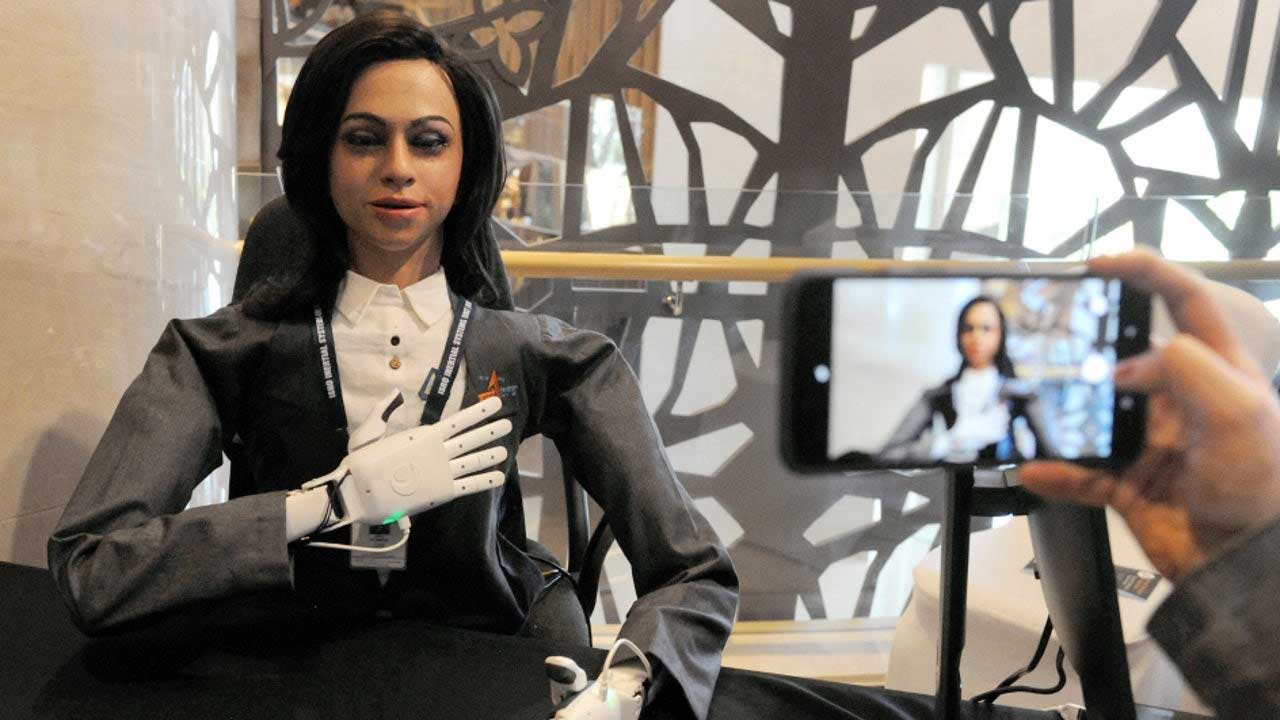
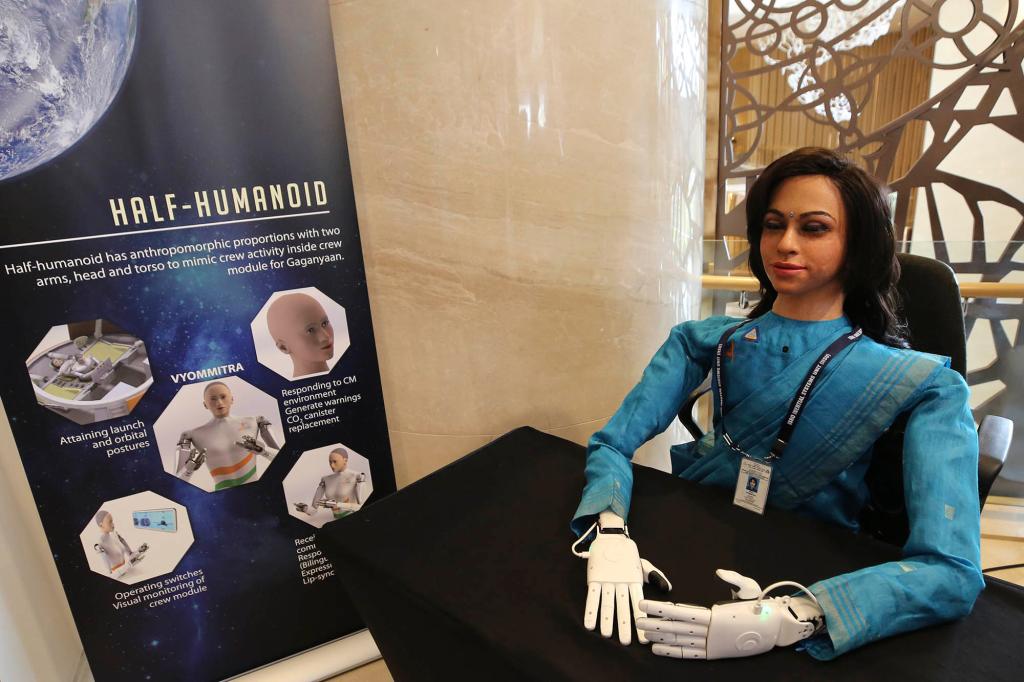
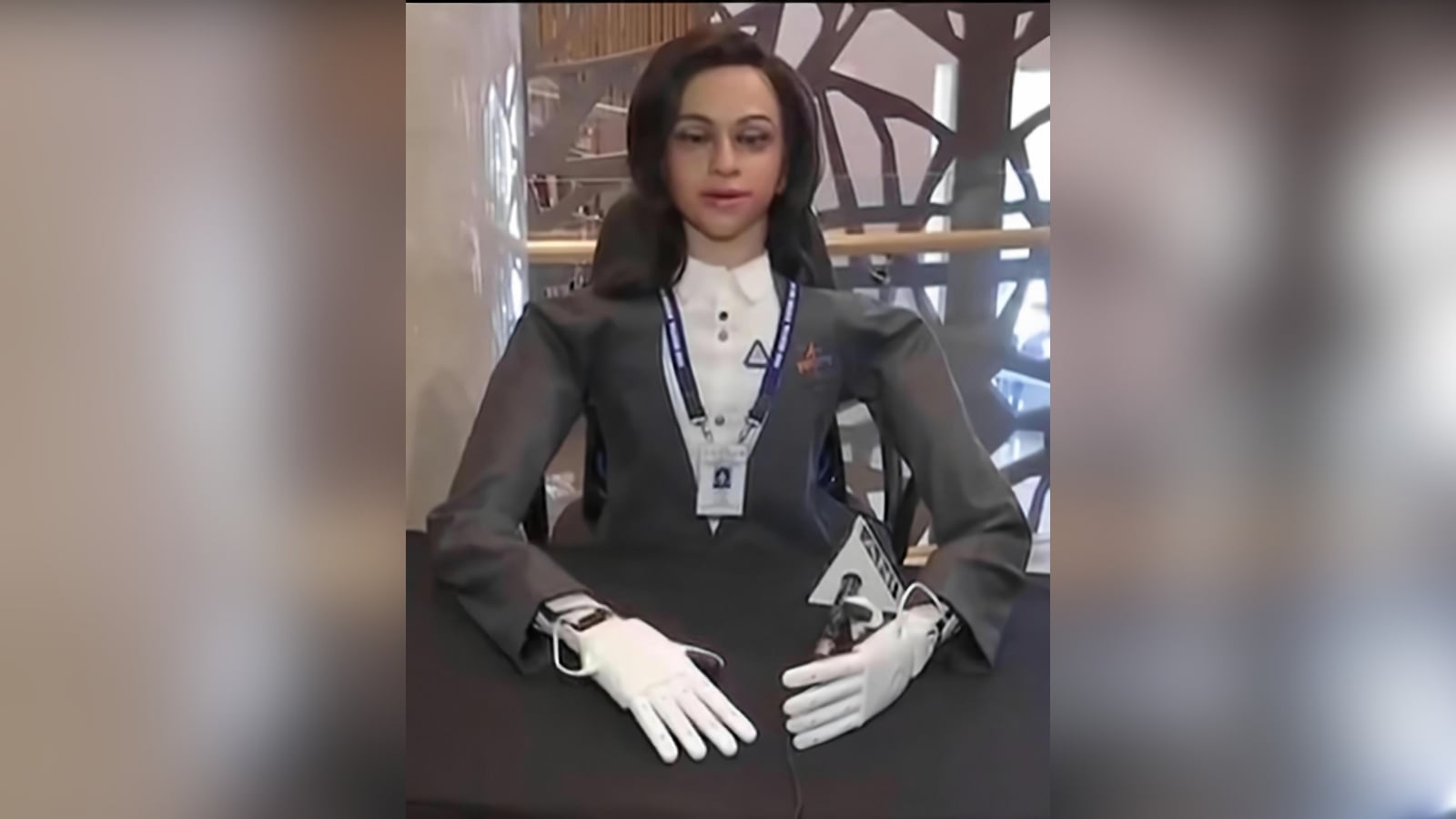
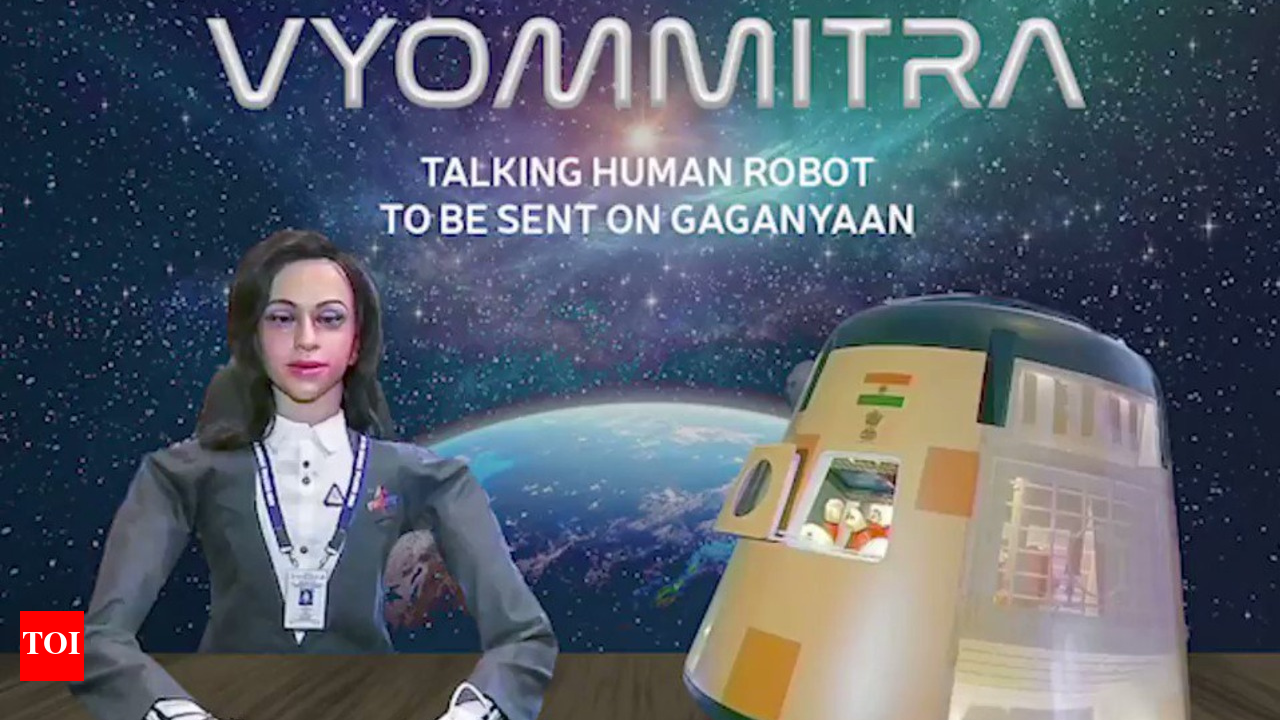
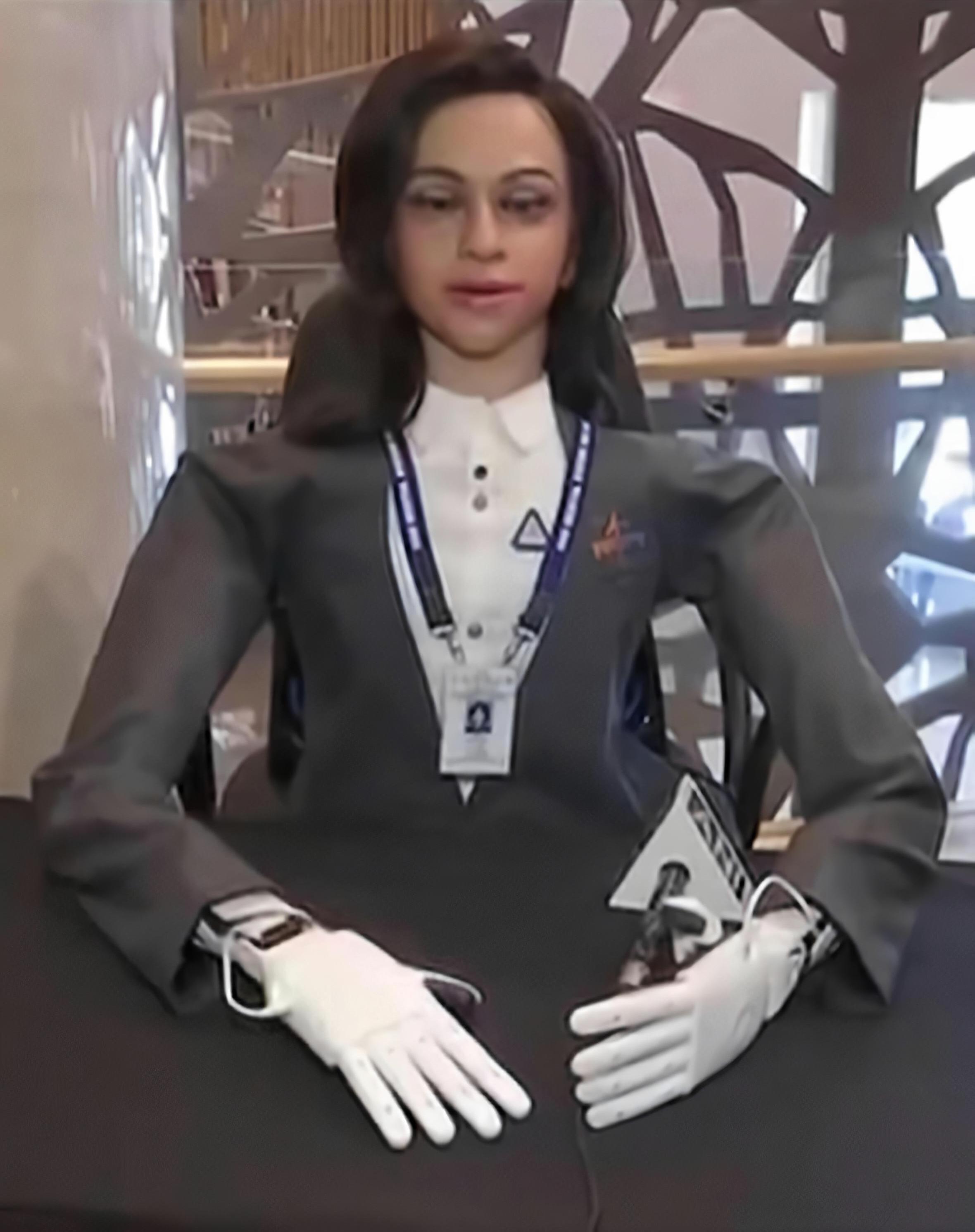
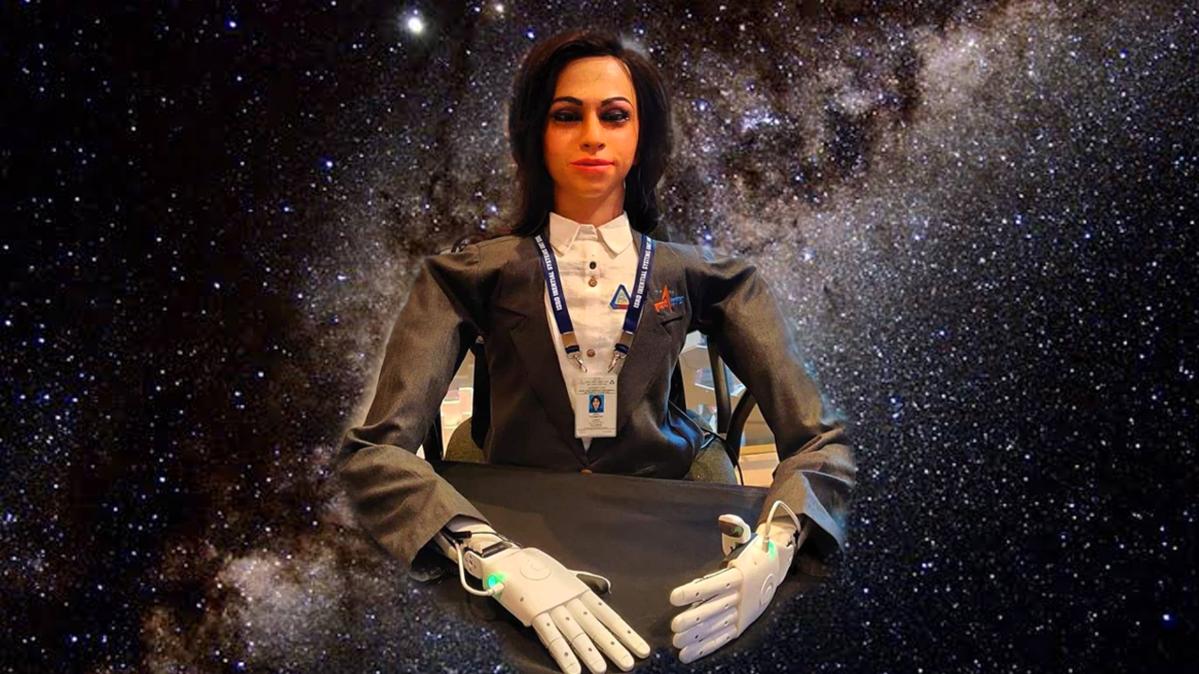
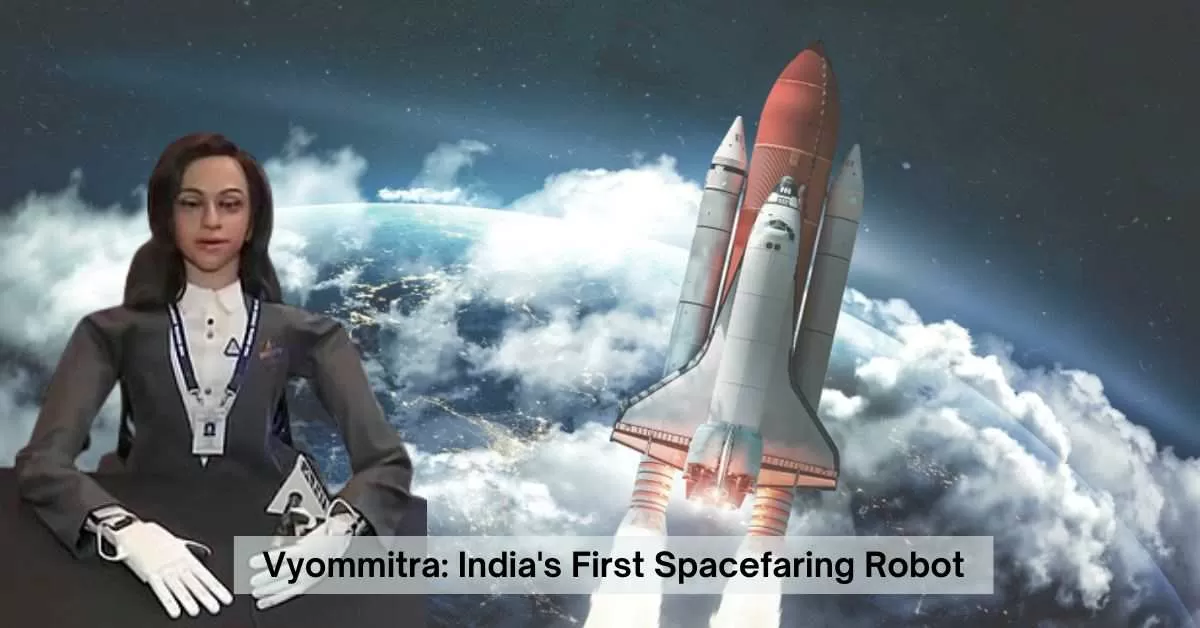
Vyommitra is a half-humanoid robot created by the Indian Space Research Organisation (ISRO) for the Gaganyaan human spaceflight program. The robot features a head, two arms, and a torso but no legs; it is designed to mount in a spacecraft seat. Its main roles are to simulate crew presence during uncrewed test flights, monitor spacecraft parameters, operate switch panels, and conduct human-robot interaction experiments. Development was revealed in January 2020, and the robot has undergone ground testing in preparation for orbital missions. Vyommitra represents India’s first humanoid space robot, distinguishing itself from full-legged competitors by focusing on upper-body tasks in a capsule environment.
Specifications
Here are the full technical specifications.
| Spec | Value |
|---|---|
| Height | 120 cm |
| Weight | 35 kg |
| Degrees of freedom | 23 |
| Battery life | 2 hours |
| Max speed | 3 km/h |
| Payload | Not applicable (half-humanoid, no legs, not designed to carry loads) |
| Price (new) | $4,100,000–$5,200,000 (estimated development cost) |
| Price (used range) | N/A |
Price & Value
New MSRP: $4,100,000–$5,200,000 (estimated development cost)
Used range: N/A
Vyommitra is not a commercial product; the published cost range of $4.1–$5.2 million reflects the total development and mission integration expenses borne by ISRO. As a government research project, these figures are not directly comparable to off-the-shelf robot prices. For reference, similar space humanoids like NASA’s Robonaut 2 also cost millions but never entered commercial sale. Because no secondary market exists and the robot is a bespoke one-off build, depreciation is irrelevant. Any institution seeking a comparable system would need to fund a custom program from scratch, making Vyommitra’s listed cost a rough benchmark for a single unit of a space-grade half-humanoid.
Who Is It For?
Best for: - Space agencies evaluating crew simulation for uncrewed orbital missions (23 DOF enables switch panel operation and monitoring) - Researchers studying human-robot interaction in microgravity environments (onboard AI and environmental sensors support conversational and situational tests)
Not for: - Locomotion research (no legs, confined to a fixed seat) - Industrial manipulation tasks requiring payload carrying (no payload capability)
Alternatives & Comparison
Vyommitra operates in the niche of half-humanoid space assistants, a category shared by only a few other government-funded prototypes.
| Model | Price | Available | Key Difference |
|---|---|---|---|
| Robonaut 2 (NASA) | Undisclosed (development cost estimated >$2.5 million) | no | Full upper body with legs, advanced manipulation and tool use |
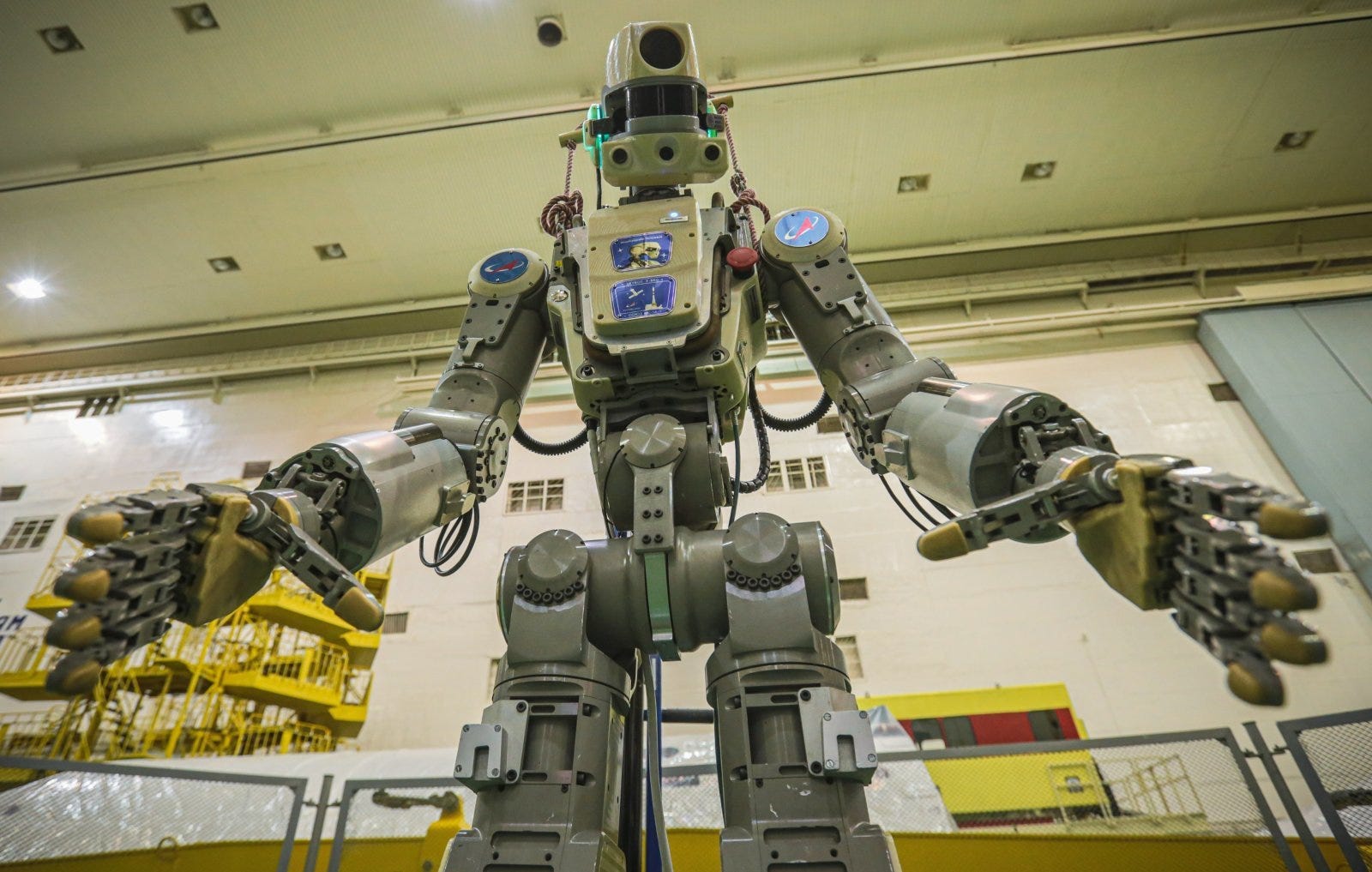
| FEDOR / Skybot F-850 (Russia) | Undisclosed | no | Full humanoid with legs, developed for orbital and planetary missions |
| Kirobo (JAXA/Toyota) | Undisclosed | no | Small companion robot for conversational interaction, no manipulation |
Verdict: Vyommitra is unique as a purpose-built crew simulation half-humanoid for capsule-based missions. It trades the mobility of Robonaut 2 and FEDOR for a simpler, lighter design optimized for switch panel interaction and in-cabin monitoring. For a space agency needing a crew proxy without external robotic tasks, Vyommitra offers a focused, lower-development-cost path. However, any requirement for extravehicular activity or object retrieval demands a full humanoid like Robonaut 2.
Use Cases & Capabilities
Crew simulation for spaceflight
Vyommitra is designed to occupy a crew seat during uncrewed test flights of the Gaganyaan spacecraft, replicating the presence of an astronaut. It can monitor environmental parameters such as temperature, pressure, and carbon dioxide levels, and report anomalies to ground control. Its 23 degrees of freedom allow it to flip switches, press buttons, and perform other manual tasks that verify the spacecraft’s controls function correctly before a crew launch. The robot’s onboard AI processor enables it to understand and respond to basic voice commands, simulating astronaut communication loops. Because it lacks legs, the robot is secured in place, simplifying its integration without compromising the essential verification tasks.
Human-robot interaction testing
As a conversational agent, Vyommitra can engage in dialogs in both Hindi and English, making it a testbed for human-robot interaction in a space cabin. ISRO uses it to study how crew members might communicate with an AI assistant during long-duration missions. Cameras, microphones, and environmental sensors feed into the robot’s AI to allow context-aware interactions. The robot can report spacecraft status, answer procedural questions, and provide companionship. These experiments help refine future AI systems for deeper-space voyages where crew mental health and efficient human-machine teamwork are critical.
History & Background
Vyommitra was unveiled by the Indian Space Research Organisation (ISRO) on January 22, 2020, as part of the Gaganyaan program aiming to send three Indian astronauts into low Earth orbit. The robot, whose name combines Sanskrit words for ‘space’ and ‘friend,’ was conceived to fly on the first two uncrewed Gaganyaan missions to validate onboard systems and human-robot interaction. It features a single-generation design with no subsequent hardware revisions. Ground testing has included simulated capsule scenarios at ISRO facilities, but as of 2026 the robot has not yet flown to space due to schedule delays in the Gaganyaan program. Vyommitra remains a one-off research asset with no commercial derivatives or ownership changes.
Buying Used — What to Check
Verify mission provenance Any unit appearing on the secondary market would be a museum piece or decommissioned test article; confirm flight history or test logs.
Confirm onboard AI functionality The AI processor may be tied to ISRO’s ground systems; a used unit might lack the software license or require re-integration.
Inspect for spaceflight modifications Hardware may have been altered for specific test conditions and may not operate outside ISRO’s infrastructure.