What is the Asimov?
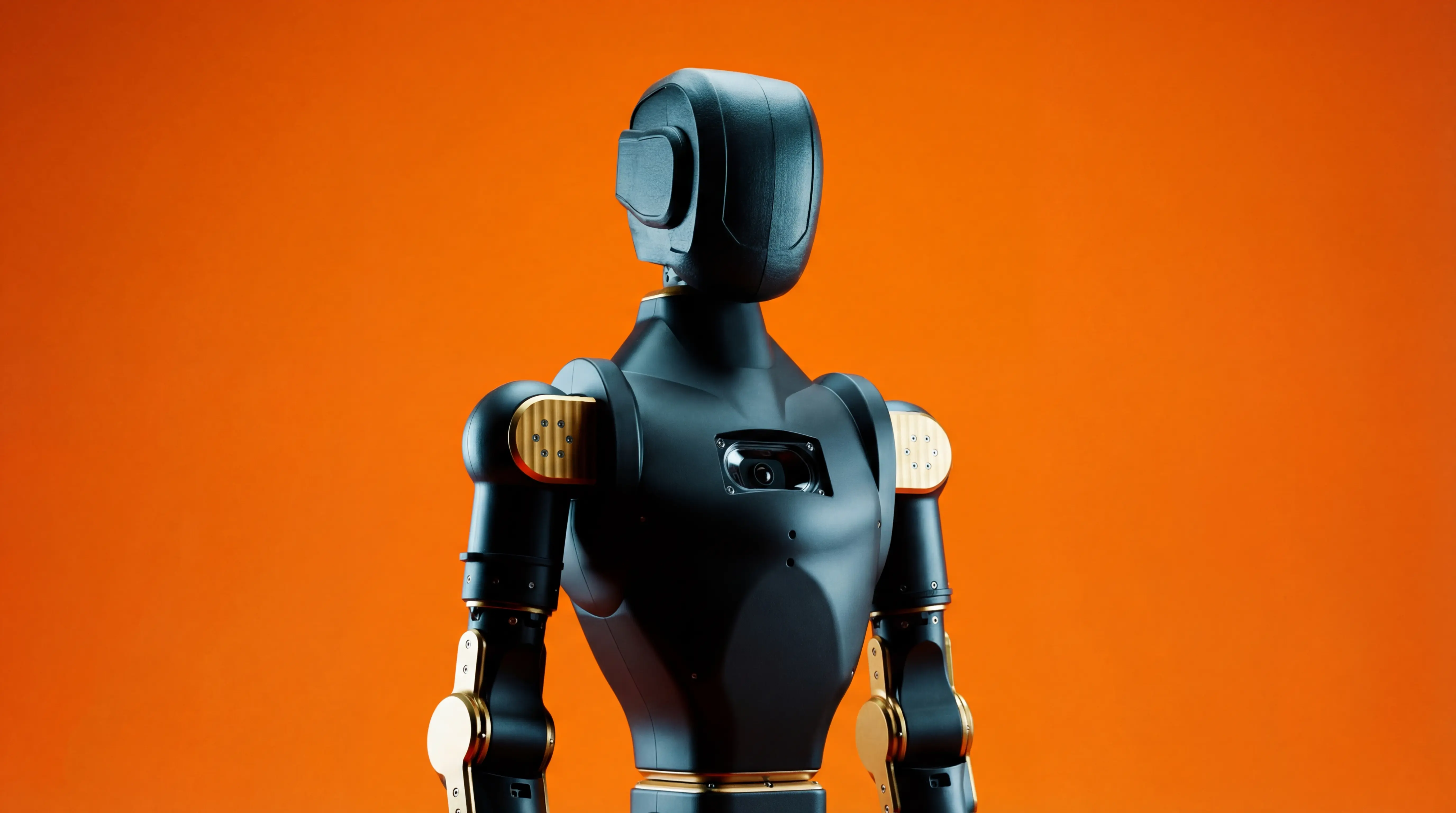
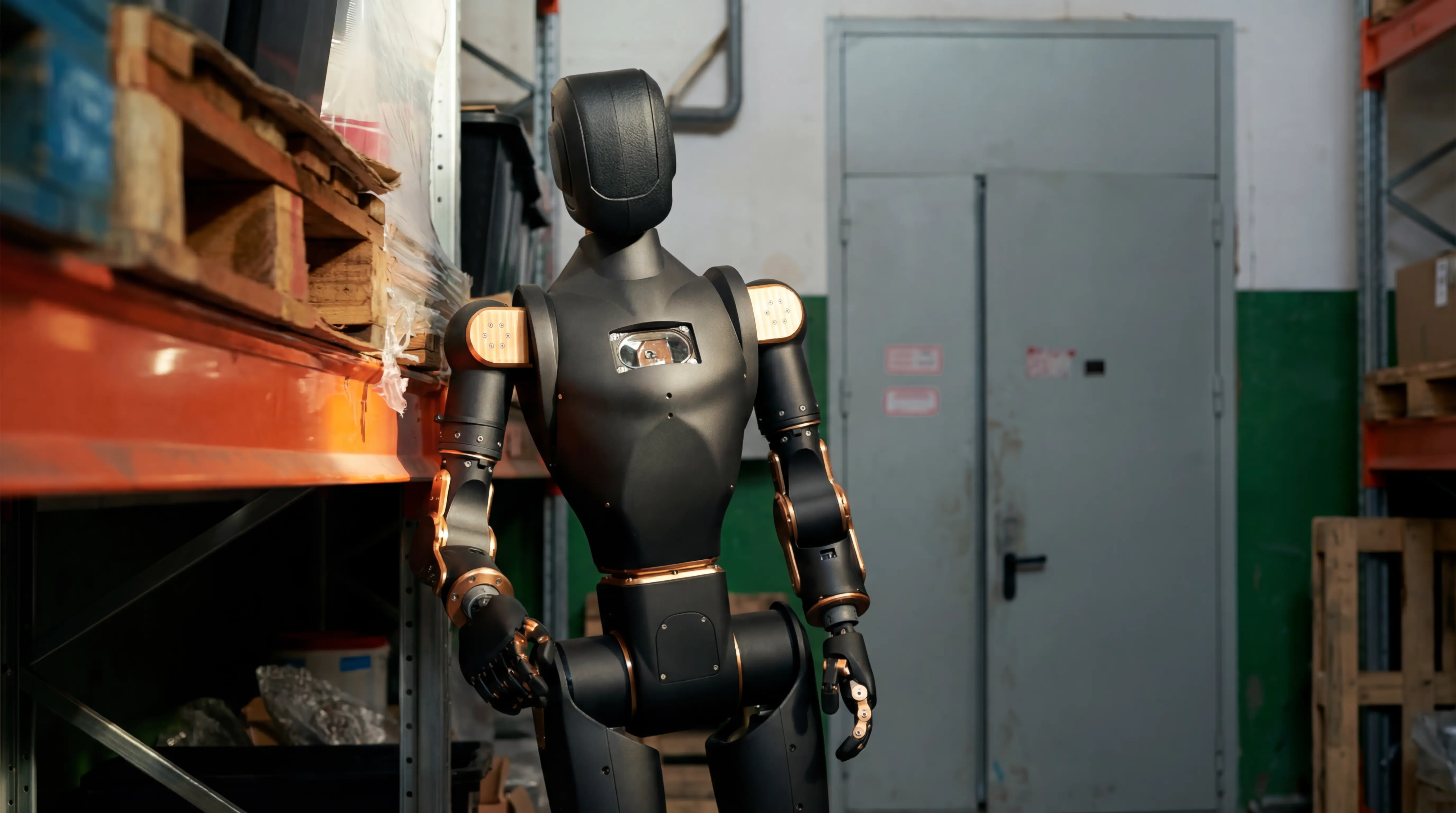
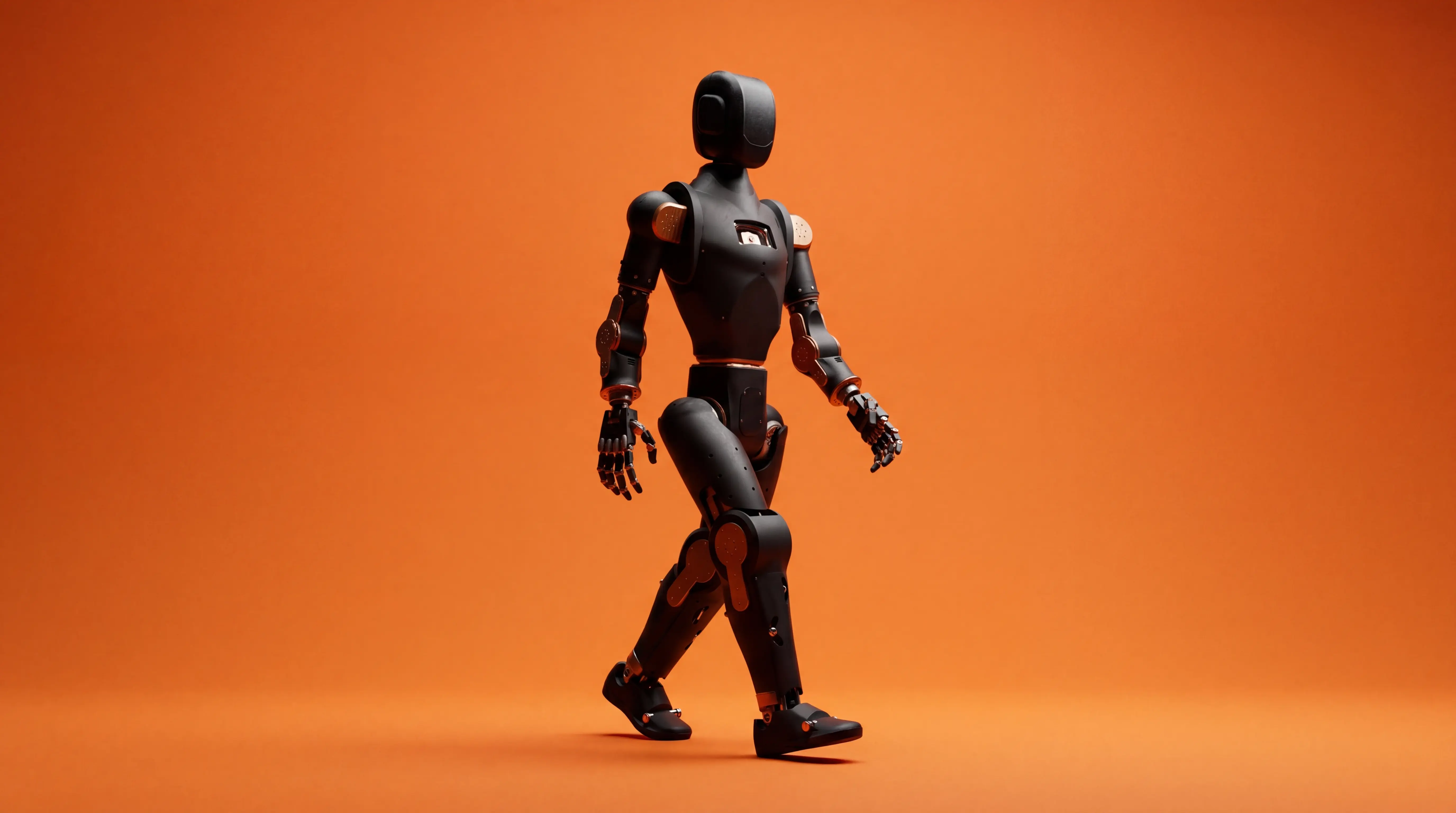
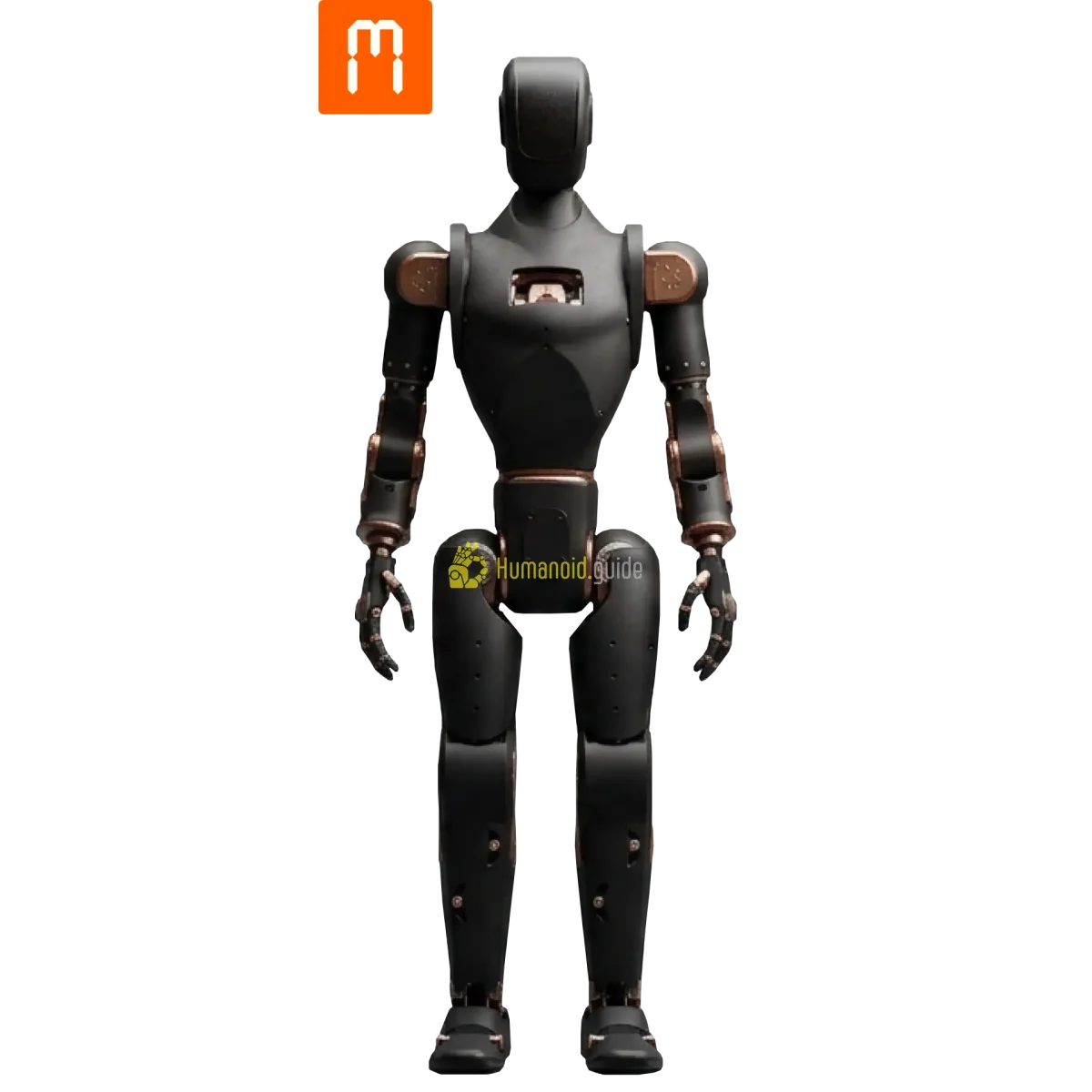
The Menlo AI Asimov is a humanoid robot DIY kit developed by Singapore-based Menlo AI. Named after the science fiction author, it is designed as a research and development platform for developers, research labs, robotics enthusiasts, and universities. Standing 120 cm tall and weighing 35 kg, the robot features 27 degrees of freedom, a 35 kg payload capacity, and a maximum speed of 3 km/h. Powered by electric actuators, it includes onboard compute (likely NVIDIA Jetson-class) and supports Ethernet and Wi‑Fi connectivity. With built-in LLM integration, the Asimov offers a hands-on platform for exploring embodied AI, manipulation, and locomotion in a safe, human-friendly form factor. It was first built in 2024 and remains in production.
Specifications
Here are the full technical specifications.
| Spec | Value |
|---|---|
| Height | 120 cm |
| Weight | 35 kg |
| Degrees of freedom | 27 |
| Battery life | 1.5 hours |
| Max speed | 3 km/h |
| Payload | 35 kg |
| Price (new) | $15,000 |
| Price (used range) | $10,000–$14,000 (est.) |
Price & Value
New MSRP: $15,000
Used range: $10,000–$14,000 (est.)
At $15,000, the Menlo AI Asimov is one of the most affordable full‑size humanoid kits on the market, placing it well below competitors like the Unitree H1 ($90,000+) or Fourier GR‑1 ($150,000+). This pricing reflects its DIY nature — buyers receive a kit that requires assembly, programming, and integration, which keeps the hardware cost low but demands significant technical skill. For research labs and universities, the value proposition is strong: a capable bipedal platform with reasonable payload and onboard AI compute for less than the cost of most industrial robot arms. On the secondary market, used Asimov kits may retain 70–90% of their value due to niche demand, but condition and completeness of the kit will heavily influence resale price. As a self‑build platform, total cost of ownership includes additional compute, sensors, and development time, which can easily add $2,000–$5,000 beyond the base kit price. In comparison to higher‑end humanoids, the Asimov sacrifices speed and battery life but offers a uniquely accessible entry point into humanoid robotics research.
Who Is It For?
Best for: - University robotics labs (27 DOF enables dexterous manipulation research on a budget) - Robotics enthusiasts and makers (DIY kit allows full customization and learning) - AI/ML researchers (onboard compute and LLM integration for embodied AI experiments)
Not for: - Industrial deployment (no IP rating or ruggedness, limited battery life) - Heavy payload tasks (max 35 kg payload suitable for light objects only) - Commercial service applications (no proven reliability for customer-facing roles)
Alternatives & Comparison
In the sub‑$20,000 humanoid market, the Asimov faces few direct competitors, but comparisons with higher‑priced research platforms highlight its trade‑offs.
| Model | Price | Available | Key Difference |
|---|---|---|---|
| Unitree H1 | ~$90,000 | yes | Higher speed (5 m/s) and 2‑hour battery life for demanding locomotion research |
| Poppy Humanoid | ~$8,000 | yes | Ultra‑low‑cost 3D‑printed platform, but much lower payload and less robust |
Verdict: For researchers with a strict sub‑$20k budget, the Asimov offers an unmatched combination of humanoid morphology and payload. However, labs that need ready‑to‑run performance and higher speed should invest in the Unitree H1, while makers seeking an even lower‑cost base can explore the Poppy platform. The Asimov wins as the most accessible full‑sized humanoid with professional build quality at its price point.
Use Cases & Capabilities
Research and Development
The Asimov provides a cost‑effective platform for prototyping manipulation and locomotion algorithms. Its 27 degrees of freedom allow for complex motion planning, while the onboard compute supports real‑time control. Researchers can attach custom end‑effectors or sensors, though the 1.5‑hour battery life limits untethered session length. The open architecture makes it easy to modify software stacks, from low‑level motor control to high‑level AI planning, enabling studies in human‑robot interaction, reinforcement learning, and biomechanics. With native LLM integration, developers can experiment with conversational agents directly on the robot, bridging the gap between language and physical actions.
Education and Training
Universities and technical schools use the Asimov to teach robotics fundamentals, from kinematics and dynamics to embedded systems and AI. Building the kit from parts gives students hands‑on experience with mechanical assembly, wiring, and calibration. The robot’s safety conscious design — limited speed and lightweight structure — reduces risk in classroom settings. Students can program sequences of movements or deploy simple machine learning models, fostering an understanding of full‑stack robotics development. Unlike simulation‑only courses, the Asimov provides tangible feedback, making abstract concepts concrete and preparing students for real‑world robotics careers.
Embodied AI Experimentation
With built‑in LLM support and onboard compute, the Asimov is an ideal testbed for embodied language models. Researchers can run vision‑language models to interpret commands and generate motor plans, all on‑device without cloud latency. The robot’s humanoid form factor enables natural interaction scenarios — pointing, nodding, and gesturing — that are critical for studying social AI. Because the platform is open, teams can replace the default AI stack with their own models, benchmarking performance on real hardware rather than simulated environments. The 35 kg payload also allows carrying lightweight objects, enabling tasks like fetch‑and‑deliver experiments.
Humanoid Locomotion Studies
The Asimov’s bipedal design and 27 DOF make it suitable for walking and balance control research. While its maximum speed of 3 km/h is modest, it provides a safe platform for testing walking gaits, push recovery, and terrain adaptation algorithms. Researchers can add sensors like IMUs and foot pressure arrays to close control loops. The kit’s modular joints can be upgraded or replaced with higher‑torque actuators if needed, offering a pathway from basic walking to dynamic maneuvers. As an open‑source friendly robot, it allows sharing of control libraries across academic labs, accelerating locomotion research without the high cost of industrial humanoids.
History & Background
Menlo AI was founded in Singapore with the mission to democratize humanoid robotics. The Asimov, named in homage to Isaac Asimov, was first built in 2024 as a DIY kit targeting the research and education markets. The robot was designed to be assembled by the end user, reducing cost and encouraging deep engagement with the hardware. Initial shipments began in late 2024 through Menlo AI’s website and select resellers like MERA Robotics. As of 2026, the Asimov remains in production with periodic firmware updates, though the company has not announced any second‑generation variant. Menlo AI continues to serve a niche community of developers and academics, focusing on accessibility and AI integration. Despite limited public marketing, the platform has gained attention in academic circles for its balance of functionality and price, with small user groups sharing custom software forks online.
Buying Used — What to Check
Verify kit completeness Missing structural parts or actuators render the robot unusable and replacements may be costly.
Inspect actuators and boards Previous assembly attempts can damage motors or the main compute board, especially if wiring was incorrect.
Confirm firmware availability Some resellers may not provide original build instructions or software, making setup impossible without manufacturer support.