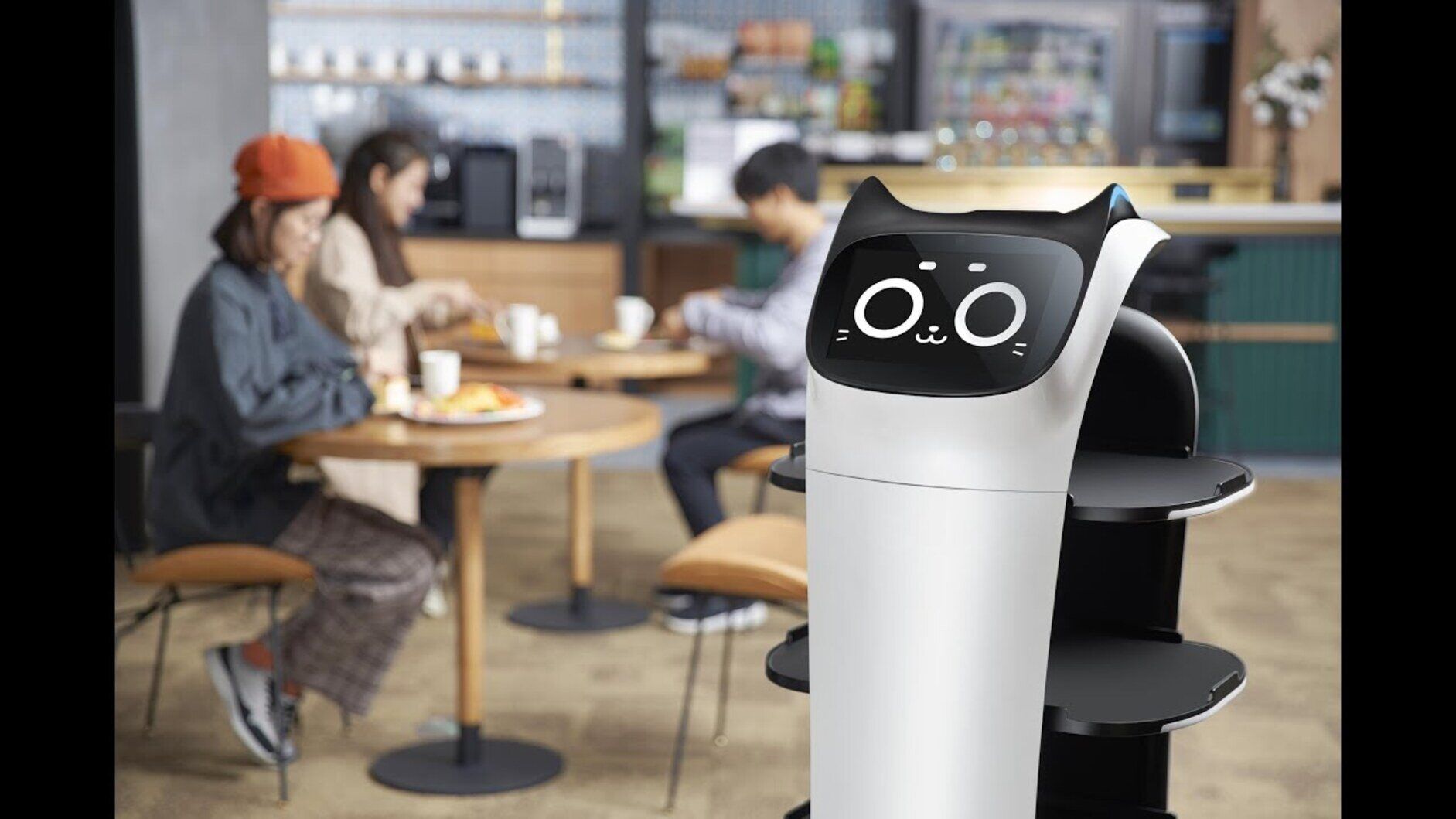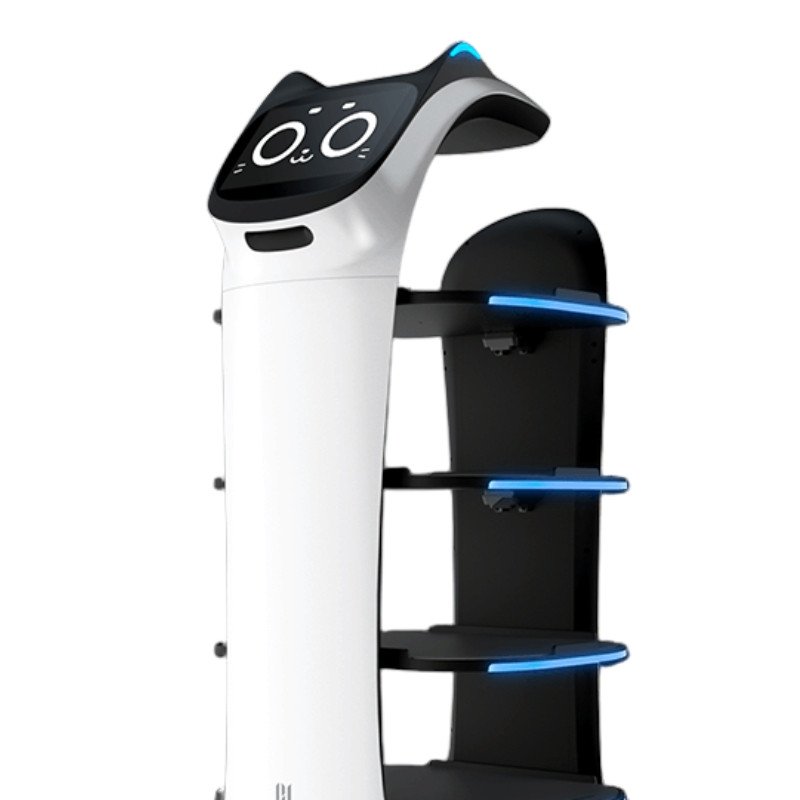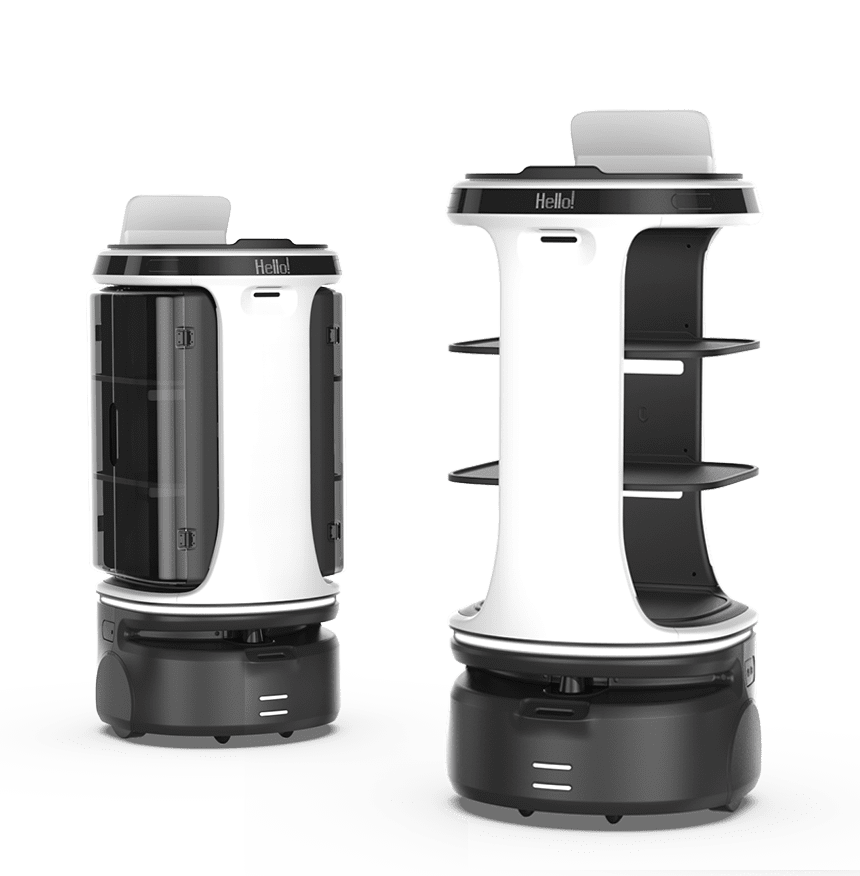
What is the Bear Robotics Servi?
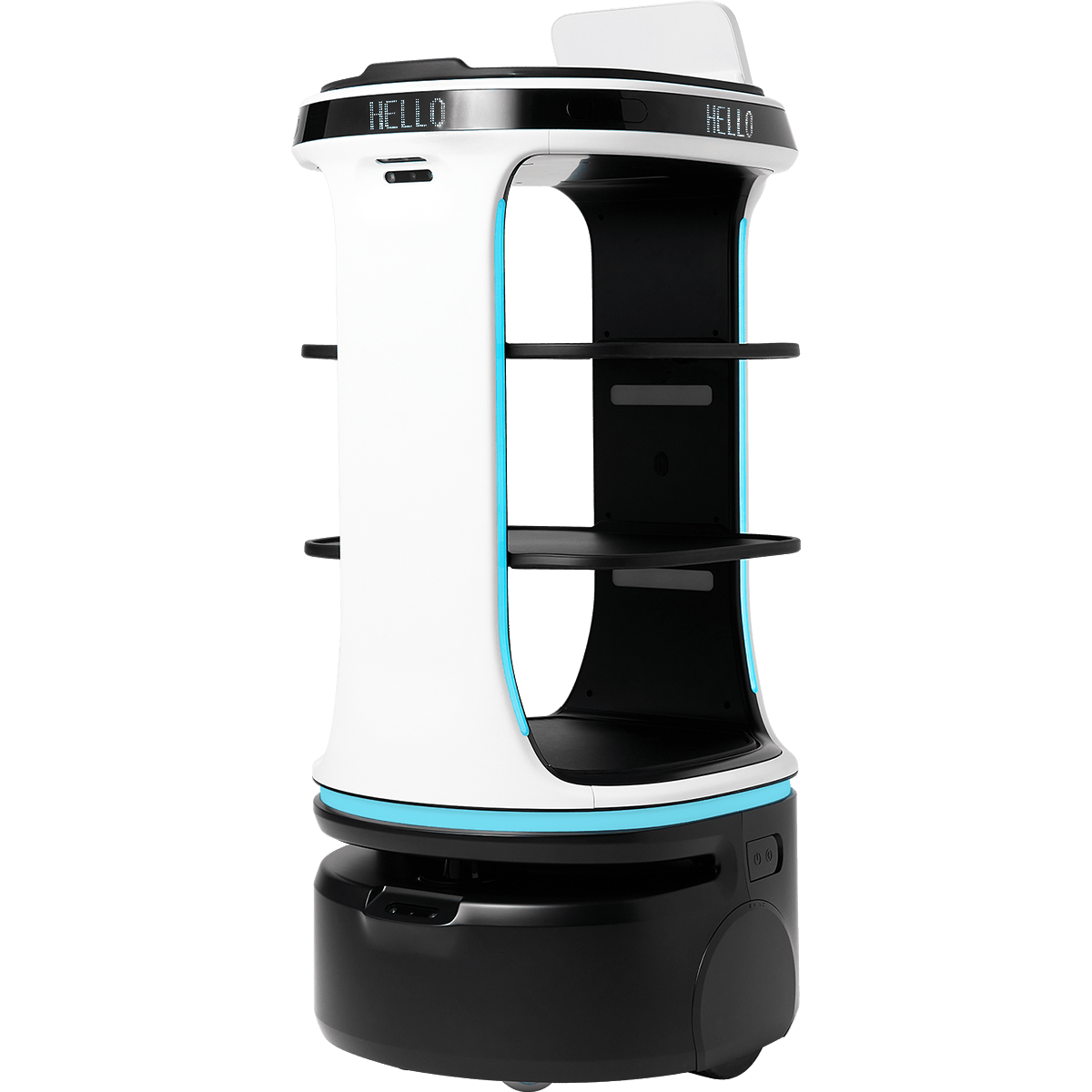
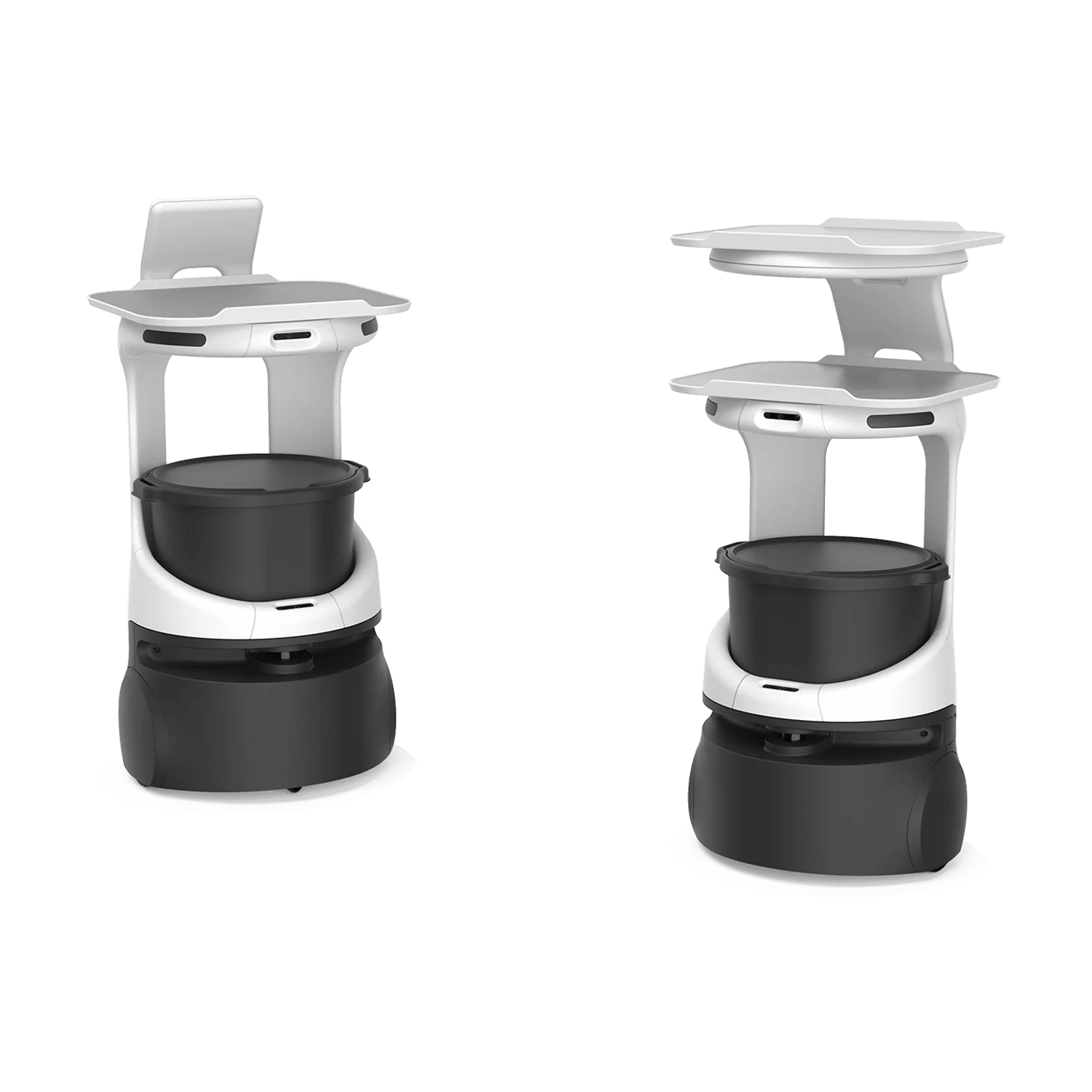
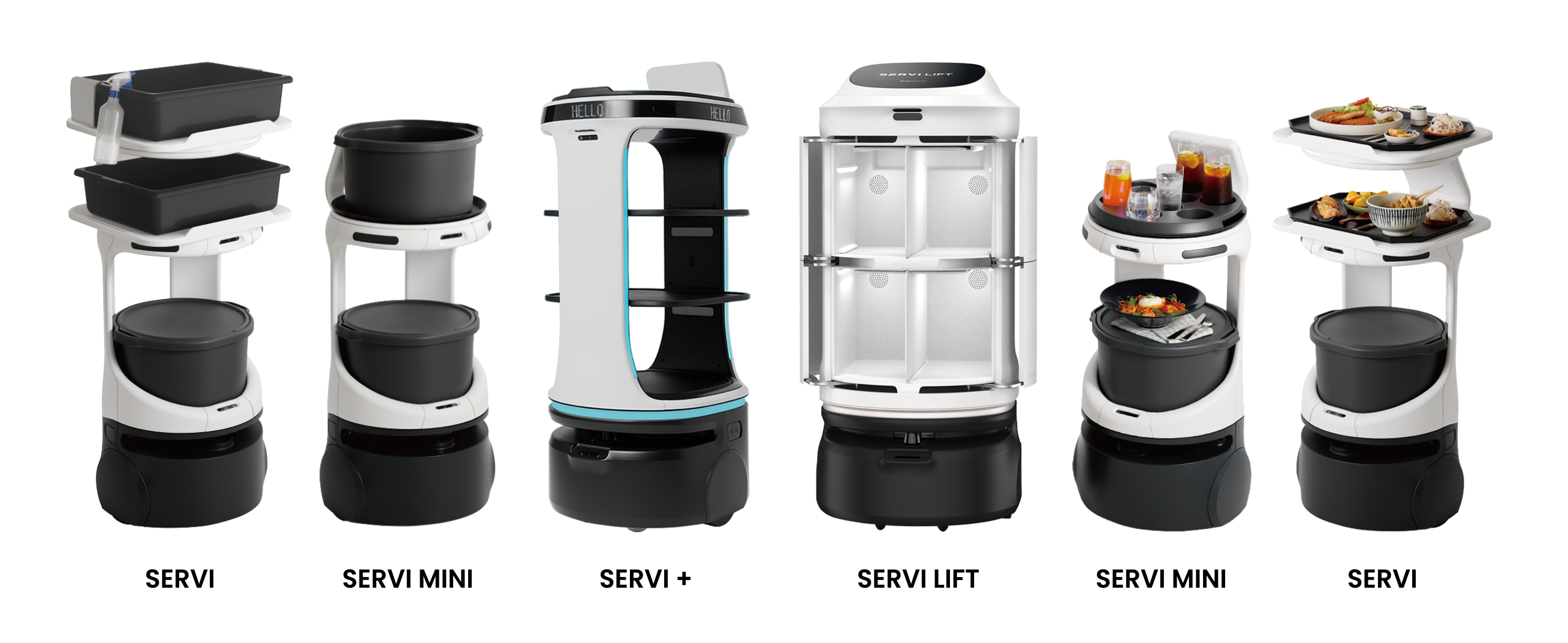
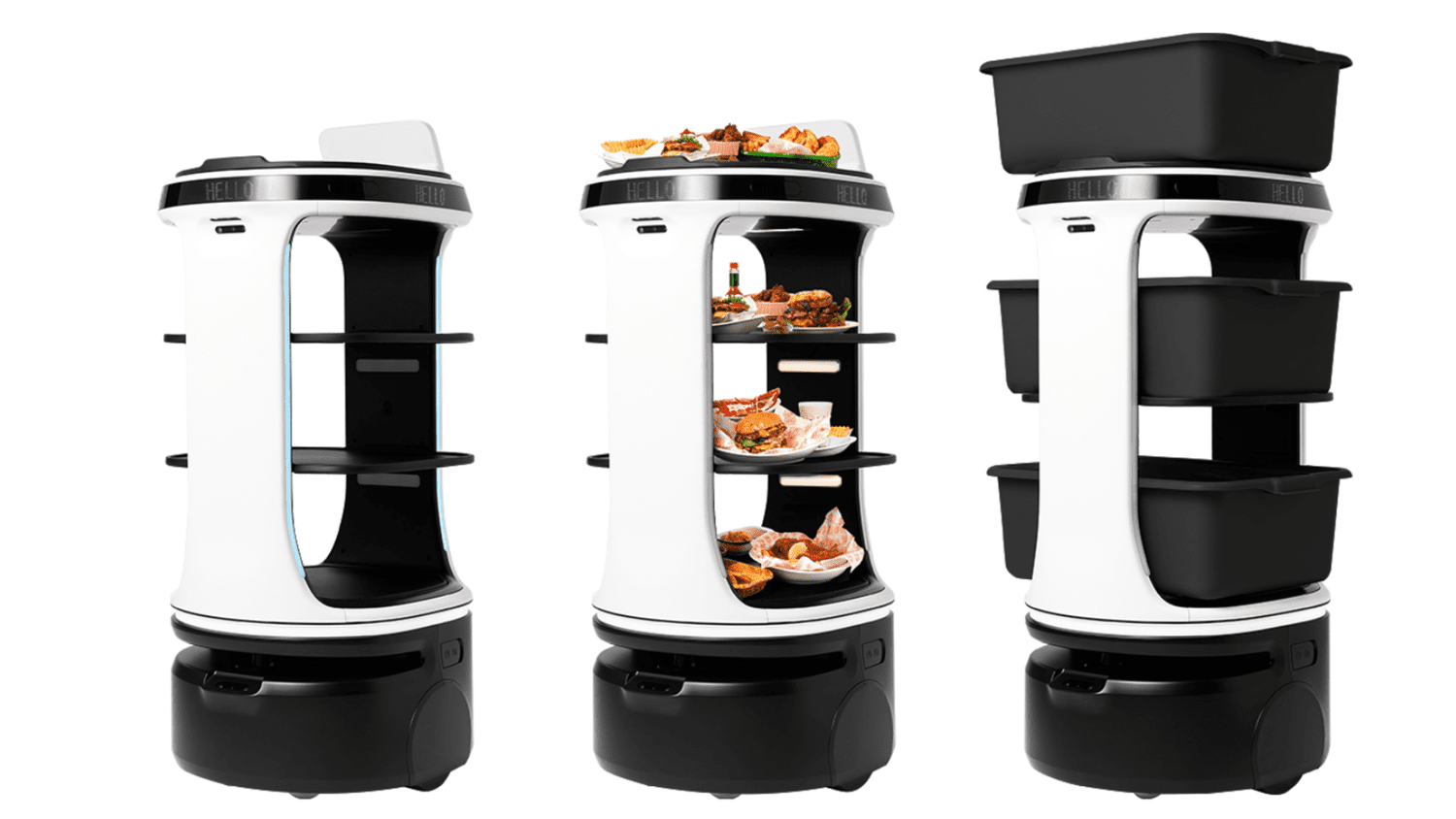
The Bear Robotics Servi is an autonomous delivery robot designed specifically for the food service and hospitality sectors. Manufactured by Bear Robotics in Redwood City, California, USA, the Servi features two 16-inch (40 cm) trays and a detachable bus tub, capable of carrying up to 30 kg total payload or 16+ entrees per trip. It navigates autonomously using a combination of 3D cameras and LiDAR, with real-time obstacle avoidance and internal weight sensors that detect delivery completion, triggering an automatic return to the kitchen. The robot includes an LCD display for promotional content and a full-perimeter LED lighting system that responds to its state for enhanced visibility. A cloud-based Fleet Control Suite enables centralized monitoring, troubleshooting, and multi-robot coordination to scale operations without congestion. NSF-certified for sanitary use and ADA-compliant for thresholds up to 1/2 inch, the Servi is built for front- and back-of-house safety. It operates for 8–12 hours on a single 4-hour charge from a standard wall outlet (100–240V AC). Commercially available since 2019, the Servi is a proven solution in thousands of venues globally.
Specifications
Here are the full technical specifications.
| Spec | Value |
|---|---|
| Height | 1,046 mm |
| Weight | 34 kg |
| Degrees of freedom | 0 |
| Battery life | 12 hours |
| Max speed | 3.6 km/h |
| Payload | 30 kg |
| Price (new) | $95,000 |
| Price (used range) | $40,000–$60,000 (estimated) |
Price & Value
New MSRP: $95,000
Used range: $40,000–$60,000 (estimated)
The Servi’s up-front cost of $95,000 places it at the premium tier of restaurant delivery robots, but this figure often includes the Fleet Control Suite software license. Industry reports indicate a robot-as-a-service lease model at roughly $950 per month, which lowers the barrier to entry for smaller establishments. When comparing to the labor cost of a full-time food runner, the robot can achieve ROI in 12–18 months for high-volume operations, though the initial capital outlay remains a hurdle. Resale values for used Servi units typically fall in the $40,000–$60,000 range, reflecting moderate depreciation due to advancing technology and wear on sensors and batteries. Total cost of ownership factors in battery replacement every 3–5 years (approximately $2,000–$4,000) and any ongoing software subscription fees. For multi-unit deployments, the centralized fleet management and scalability can drive further cost savings by optimizing traffic flow and reducing human touchpoints. Overall, the Servi offers a compelling value proposition for restaurants that can absorb the upfront investment and are looking for a fully certified, turnkey solution.
Who Is It For?
Best for: - Restaurants and cafes seeking to automate food running (30 kg payload, 16+ entrees per trip). - Hospitality venues (casinos, hotels) needing reliable drink and snack delivery with liquid stability. - Senior care facilities for meal delivery and bussing tasks, ADA accessible.
Not for: - Heavy industrial logistics (payload limited to 30 kg, no arm or manipulation). - Outdoor or uneven terrain (designed for smooth indoor floors, 1/2" threshold clearance only).
Alternatives & Comparison
The food service delivery robot market includes several established players at varying price points, from budget-friendly models to heavy-duty hospital systems. The Servi competes on payload, certification, and fleet management capabilities.
| Model | Price | Available | Key Difference |
|---|---|---|---|
| Pudu Robotics BellaBot | $15,000 | yes | Lower cost, cat-themed design, smaller payload (10 kg tray capacity). |
| Savioke Relay | $2,000/month (lease) | yes | Elevator integration and hotel focus, lower monthly lease. |
| Aethon TUG | $30,000 | yes | Heavy-duty hospital-grade with 453 kg payload, larger footprint. |
Verdict: For restaurants demanding high-volume food delivery with NSF sanitation compliance and the ability to scale seamlessly with multiple robots, the Servi is the top choice despite its higher price. Budget-conscious small cafes will find the BellaBot more than adequate at a fraction of the cost. For environments such as hospitals or large warehouses, the TUG's massive payload and durability make it the better investment.
Use Cases & Capabilities
Food running in fast-casual restaurants
The Servi excels at shuttling plates from kitchen to dining areas, handling up to 16 entrees per trip. Its weight sensors detect when the load is empty and automatically return the robot to the kitchen, minimizing manual interaction. The robot's speed and obstacle avoidance allow it to navigate crowded dining rooms without incidents, and the LED lighting signals its position to staff and patrons. Restaurants can deploy multiple units during peak hours, coordinated by the Fleet Control Suite to prevent bottlenecks. This reduces the physical strain on human servers and allows them to focus on customer engagement.
Bussing and table clearing
Using the included bus tub, Servi can collect dirty dishes and transport them back to the dishwashing area. The dishwasher-safe tray components simplify sanitation, meeting NSF certification. The robot’s calibrated motion ensures that stacked plates stay stable during transit. Once loaded, the weight sensors trigger the return journey, streamlining bussing workflows. This use case is especially valuable for high-turnover restaurants where quick table resets are critical.
Drink and liquid delivery service
Servi’s calibrated speed presets and parking routines are engineered for stable liquid transport, preventing spills of soups or drinks. It can carry multiple beverages on its trays, navigating thresholds up to 1/2 inch without jostling. The responsive LED perimeter changes color to signal alerts, such as when approaching patrons. In bars or casino floors, the robot can deliver orders directly to designated stations, reducing waitstaff travel. The 30 kg payload allows combining drinks with food orders in a single trip.
Senior care and assisted living meal delivery
In senior care facilities, the Servi supports independent living by delivering meals directly to resident tables or rooms. Its ADA compliance ensures safe navigation of ramps and accessible pathways. The robot’s calm, light-based communication is non-intrusive for elderly residents. Staff can load trays in the kitchen and let the Servi handle the repetitive transport, freeing caregivers for personal interaction. The cloud dashboard allows monitoring of multiple robots across different floors, ensuring on-time meal service.
Casino floor beverage and snack service
On busy gaming floors, Servi serves drinks and snacks while navigating through tight aisles and around guests. The full-perimeter LED lighting and LCD display can be customized with promotional content, enhancing guest engagement. The robot’s ability to operate for up to 12 hours matches typical shift lengths in casinos. With multi-robot coordination, casinos can scale coverage for peak times, such as during tournaments. Its liquid stability presets are particularly important for serving cocktails without spillage.
Multi-robot fleet management for large venues
For large-scale operations like convention centers or food courts, multiple Servi robots can be deployed in a synchronized fleet. The centralized Fleet Control Suite prevents deadlocks and optimizes routing, ensuring seamless flow even during peak demand. Each robot communicates status and location in real time, enabling dynamic task assignment. This scalability allows venues to add robots temporarily for events without requiring infrastructure changes. The system also provides performance analytics, helping managers refine workflows.
History & Background
Bear Robotics was founded in 2017 by John Ha, a former Google engineer, with the mission of addressing labor shortages in the food service industry. The company introduced the Servi in 2019, unveiling a compact, wheeled delivery robot specifically for restaurants. Early deployments quickly proved its effectiveness, leading to adoption by major chains such as Pizza Hut and Daejung. A second generation, the Servi Plus, was later released with improved navigation sensors and a larger cargo capacity for even heavier loads. Bear Robotics has since expanded its product line and fleet management software, securing NSF certification and ADA compliance for the Servi. As of 2026, thousands of units are deployed across the globe, making Servi one of the most recognized names in hospitality robotics. The company continues to innovate with software updates focusing on multi-robot coordination and AI-driven fleet optimization.
Buying Used — What to Check
Verify battery health and charge cycles Battery degradation can reduce runtime significantly; replacement is expensive.
Confirm software license transfer Fleet management access may be tied to the original account; ensure it can be reassigned.
Test all sensors and navigation accuracy LiDAR and 3D cameras can misalign over time, affecting obstacle avoidance.