What is the Boston Dynamics Hd Atlas?
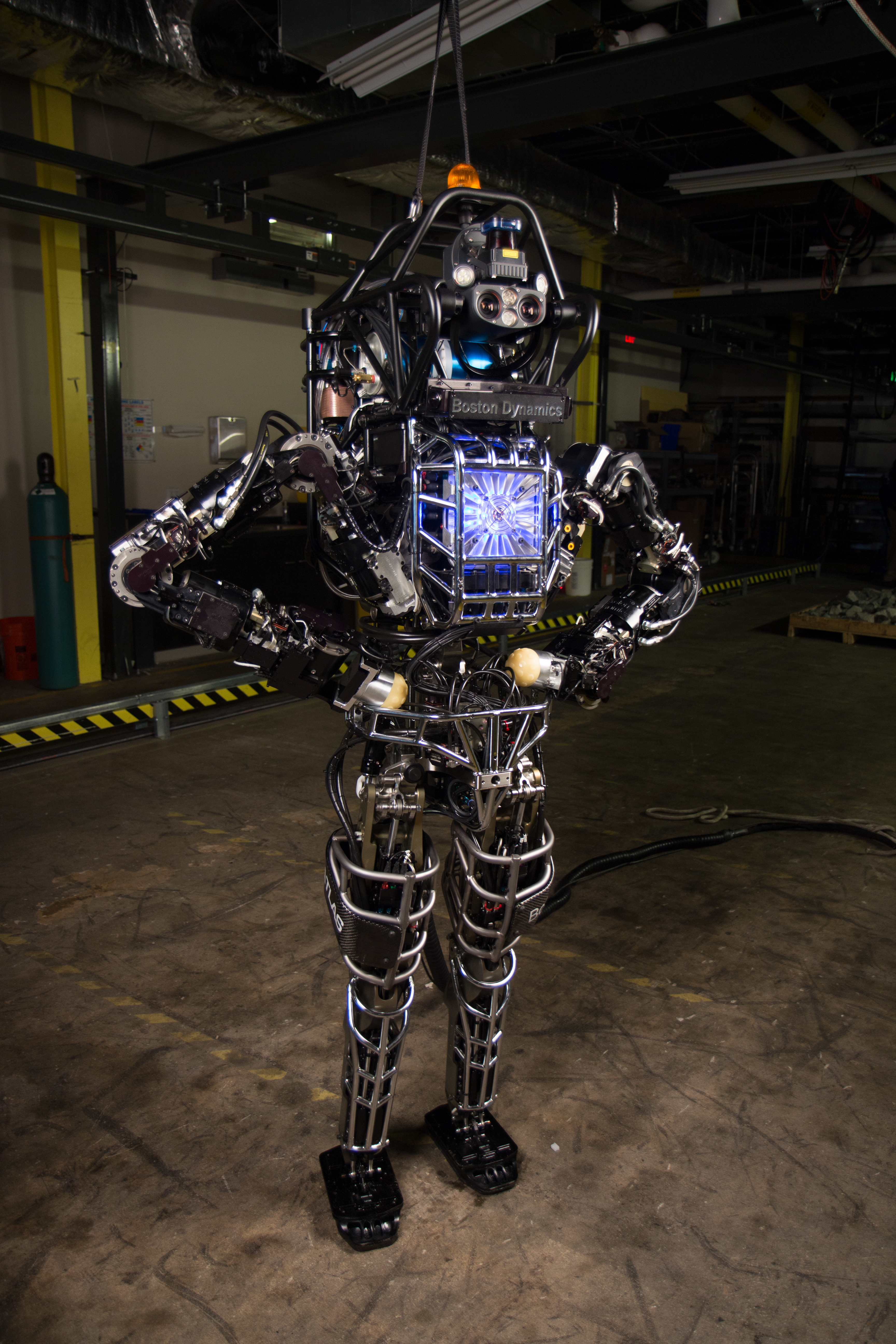
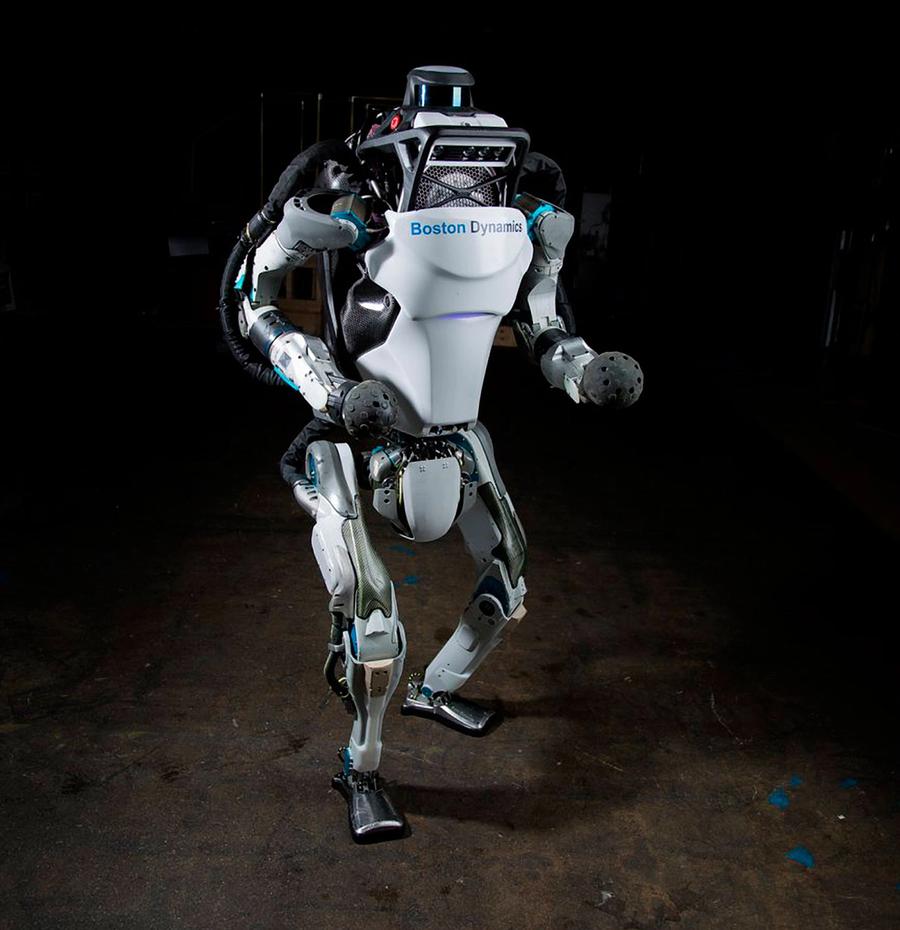
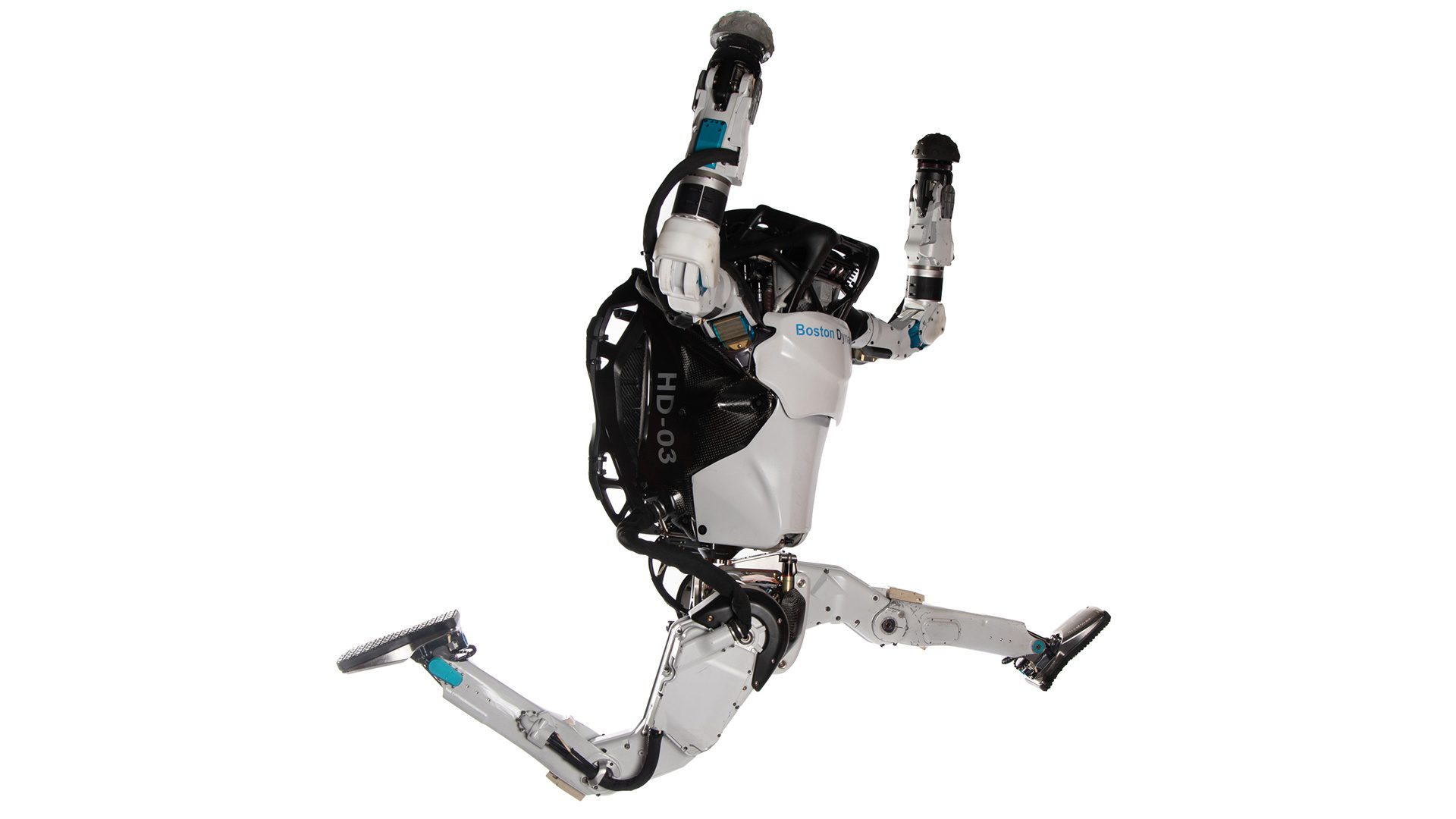
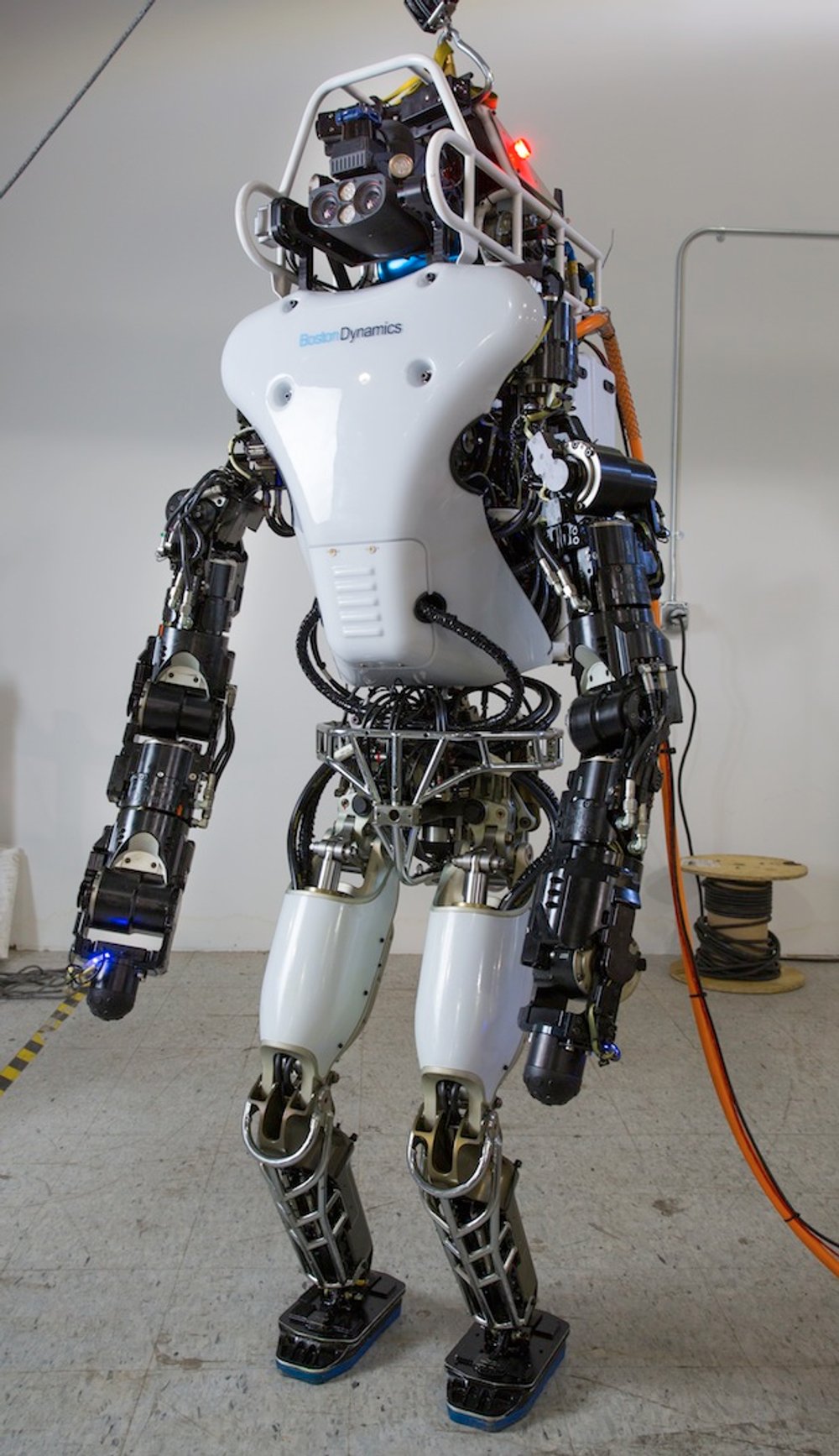
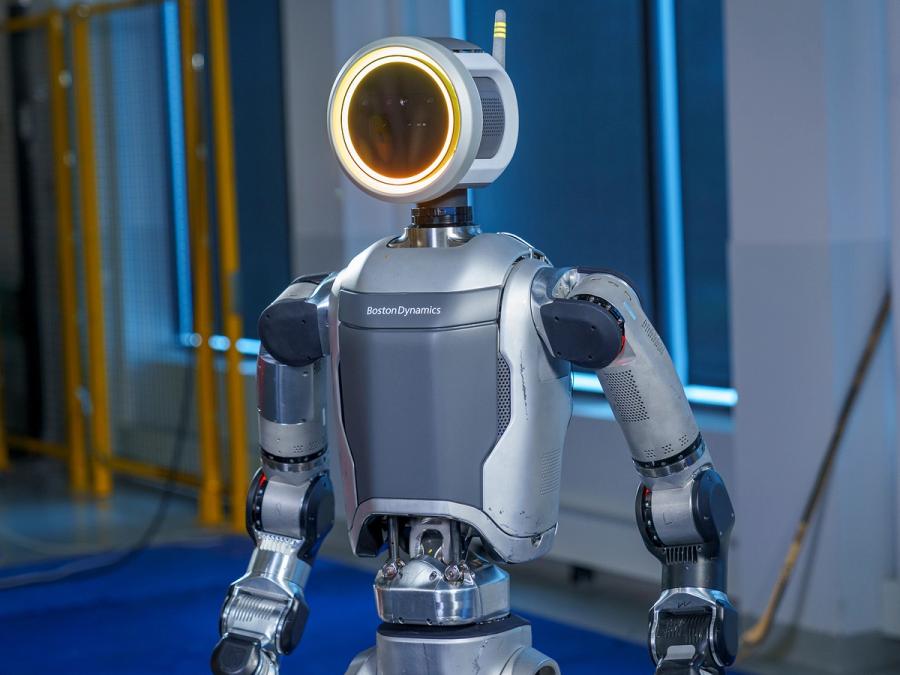
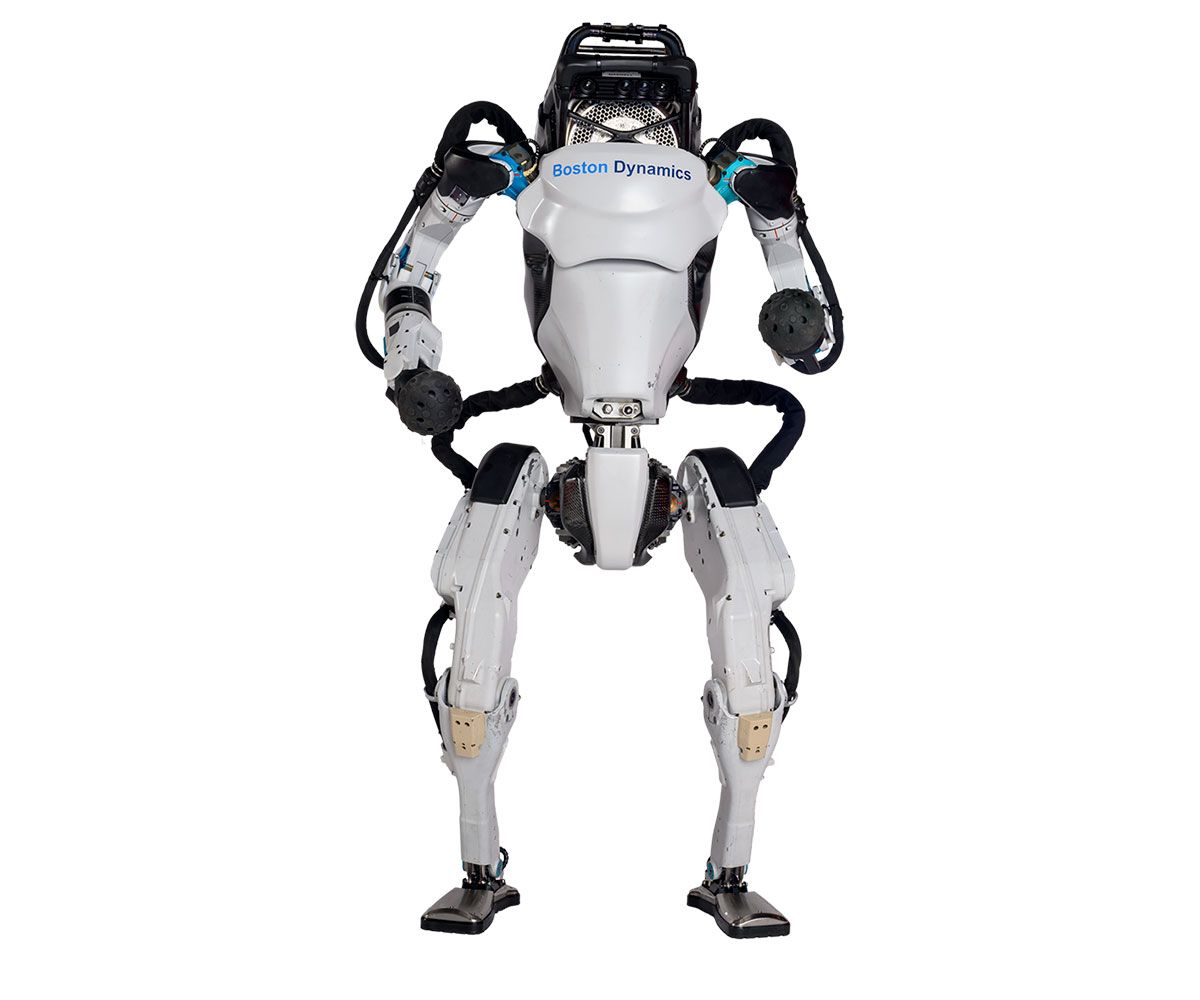
The Boston Dynamics HD Atlas is a full-size hydraulic humanoid robot designed for advanced research in dynamic bipedal locomotion and disaster response. Built by Boston Dynamics in Waltham, Massachusetts, USA, it was first unveiled in 2013 as the DARPA Robotics Challenge (DRC) platform. The refined HD version (2016–2024) stood 150 cm tall, weighed 89 kg, and offered 28 degrees of freedom powered by a high-pressure hydraulic system. Equipped with multispectral stereo cameras, a Velodyne LIDAR, and onboard computing, HD Atlas demonstrated unprecedented athletic abilities—backflips, parkour, and whole-body balancing—that redefined what humanoid robots could achieve. It was never sold commercially, serving exclusively as a research platform for Boston Dynamics and select partners before being retired in April 2024 and succeeded by the all-electric Atlas.
Specifications
Here are the full technical specifications.
| Spec | Value |
|---|---|
| Height | 150 cm |
| Weight | 89 kg |
| Degrees of freedom | 28 |
| Battery life | 1 hour |
| Max speed | 7.92 km/h |
| Payload | 4.5 kg |
| Price (new) | Not commercially available |
| Price (used range) | N/A |
Price & Value
New MSRP: Not sold commercially
Used range: N/A
HD Atlas was never offered for sale. Access was limited to research partnerships, with estimated unit costs in the millions of dollars given the custom hydraulic hardware, sensors, and compute. Total cost of ownership was prohibitive—regular hydraulic fluid leaks, tethered power in early versions, and intensive maintenance added substantial overhead. Compared to today’s electric humanoids like the new Atlas or Unitree H1, HD Atlas offers no commercial value: it is a legacy platform with no remaining support. Any surviving units exist only in museums or labs, making their valuation purely historical.
Who Is It For?
Best for: - Historical robotics research programs (legacy dynamic locomotion studies) - Museums and technology exhibitions that showcase milestones in humanoid robotics
Not for: - Commercial deployment (never certified for worksites, no safety certifications) - Startups or scale-ups (no longer available, no spare parts, and fully discontinued)
Alternatives & Comparison
While HD Atlas now belongs to robotics history, several modern humanoids offer far more practical performance and real-world viability.
| Model | Price | Available | Key Difference |
|---|---|---|---|
| Tesla Optimus Gen 2 | Undisclosed | no | Electric actuation, lighter weight, designed for mass production at lower cost, still in development. |
| Figure 02 | Undisclosed | no | Electric, advanced dexterous hands, AI-driven, commercial partnership with BMW. |
| Unitree H1 | $90,000 | yes | Electric, more affordable, lighter, used for dynamic locomotion research and industrial trials. |
| Agility Digit | $250,000 | yes | Electric, bird-like inverted knees, specialized for logistics with a proven warehouse-ready design. |
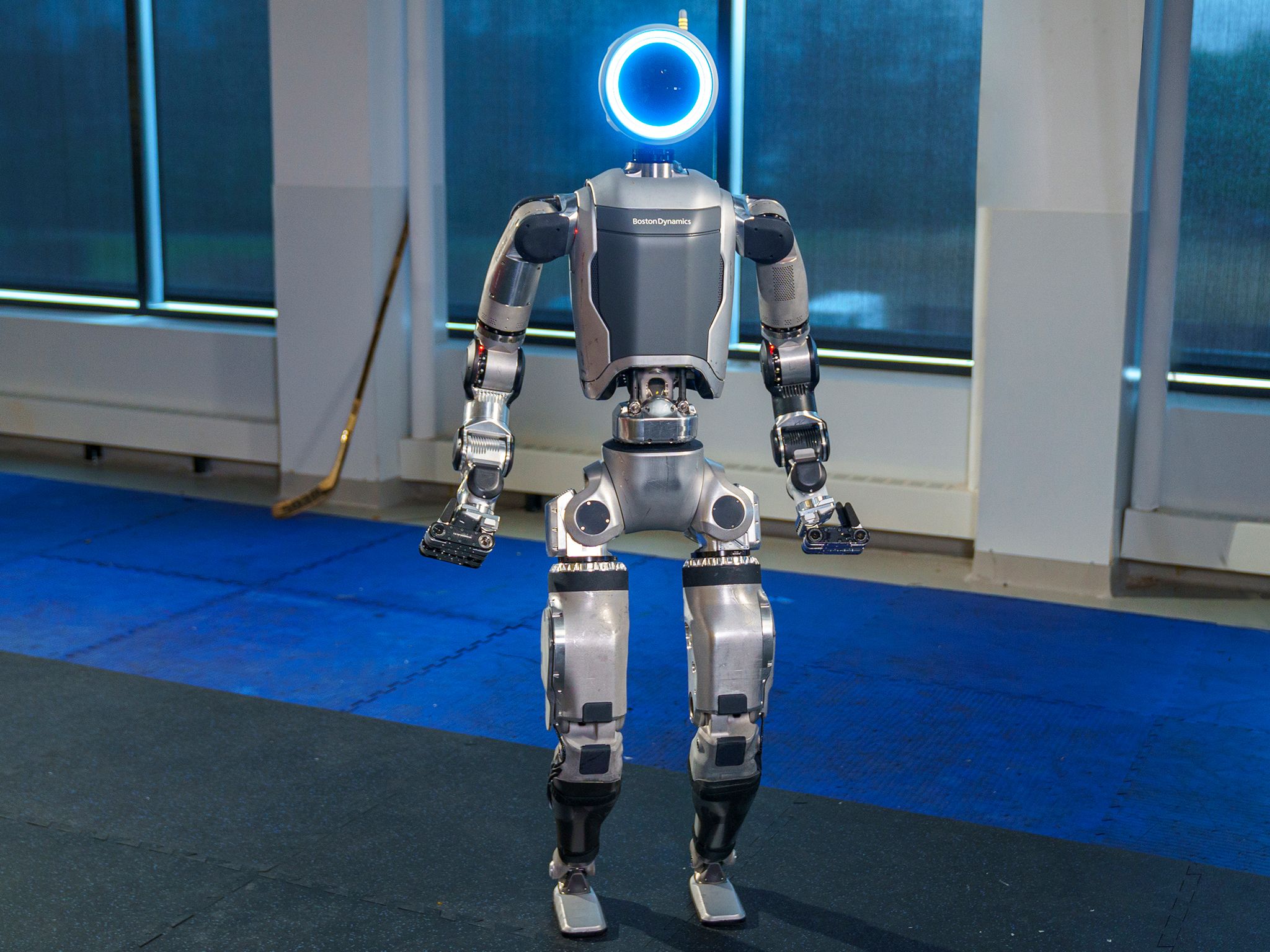
Verdict: For anyone evaluating humanoids today, HD Atlas is a museum piece. The Unitree H1 offers similar dynamic research capabilities at a fraction of the cost ($90,000) and with electric reliability. The new Electric Atlas and Figure 02 push boundaries further with AI-driven dexterity and modern sensing. If you want a piece of robotics history, HD Atlas is remarkable—but for actual work, pick a modern electric alternative.
Use Cases & Capabilities
Dynamic Locomotion Demonstrations
HD Atlas became world-famous for its parkour and backflip stunts, proving a humanoid robot could execute complex, explosive movements. Its hydraulic actuators provided the power density needed for jumping and whole-body coordination. These demonstrations set benchmarks for control algorithms and mechanical design that researchers still cite. However, such feats required highly structured environments and frequent resets due to falls, limiting real-world applicability.
Bipedal Locomotion Research
As a DARPA Robotics Challenge platform, HD Atlas was a testbed for walking over rubble, climbing stairs, and recovering from pushes. Its onboard LIDAR and stereo cameras fed 3D maps to a real-time controller that could plan footstep placement dynamically. Researchers used it to develop early versions of whole-body motion planning now standard in electric humanoids. The main drawbacks were the tethered power dependency in early iterations and the robot’s 89 kg weight, which complicated fall recovery experiments.
Payload Manipulation Prototyping
HD Atlas featured simple parallel grippers and could lift up to 4.5 kg with its arms. It demonstrated valve turning, door opening, and tool use in DRC trials. While grasping was rudimentary compared to modern dexterous hands, the platform proved that hydraulic humanoids could interact with human-scale objects. The payload capacity was intentionally limited to avoid overloading the arm hydraulic circuits, making heavy industrial manipulation impossible.
Disaster Response Research
The DRC was conceived after the Fukushima disaster, and HD Atlas was designed to navigate compromised human environments. It showed promise in tasks like clearing debris, driving a utility vehicle, and crawling through tight spaces. However, the hydraulic noise, fluid leaks, and reliance on a safety tether highlighted the impracticality of deploying such a robot in a real contaminated site. This research directly influenced Boston Dynamics’ later focus on electric designs for quieter, cleaner operation.
History & Background
Boston Dynamics, founded in 1992 in Waltham, Massachusetts, originally developed Atlas for the DARPA Robotics Challenge. The first hydraulic Atlas (2013) was 188 cm, 150 kg. In 2016, the team unveiled a redesigned 150 cm, 89 kg ‘HD Atlas’ with improved power density and dynamic balance. Videos of HD Atlas performing backflips and parkour captivated the world, showcasing the pinnacle of hydraulic humanoid locomotion. The robot remained a research platform, never sold commercially, during Boston Dynamics’ transitions under Google, SoftBank, and Hyundai ownership. In April 2024, Boston Dynamics retired HD Atlas and introduced a next-generation all-electric Atlas, closing the hydraulic chapter.
Buying Used — What to Check
Verify hydraulic system integrity Heavy use often causes leaks and pump wear; replacing custom hydraulic parts is near impossible today.
Check onboard compute and sensor stack The original Intel Xeon/Nvidia and Velodyne LIDAR may be obsolete, with no software updates since retirement.
Confirm no research agreement restrictions Most units were provided under DARPA or partner contracts that prohibit resale; legal clearance is essential.