What is the Dlr Toro?
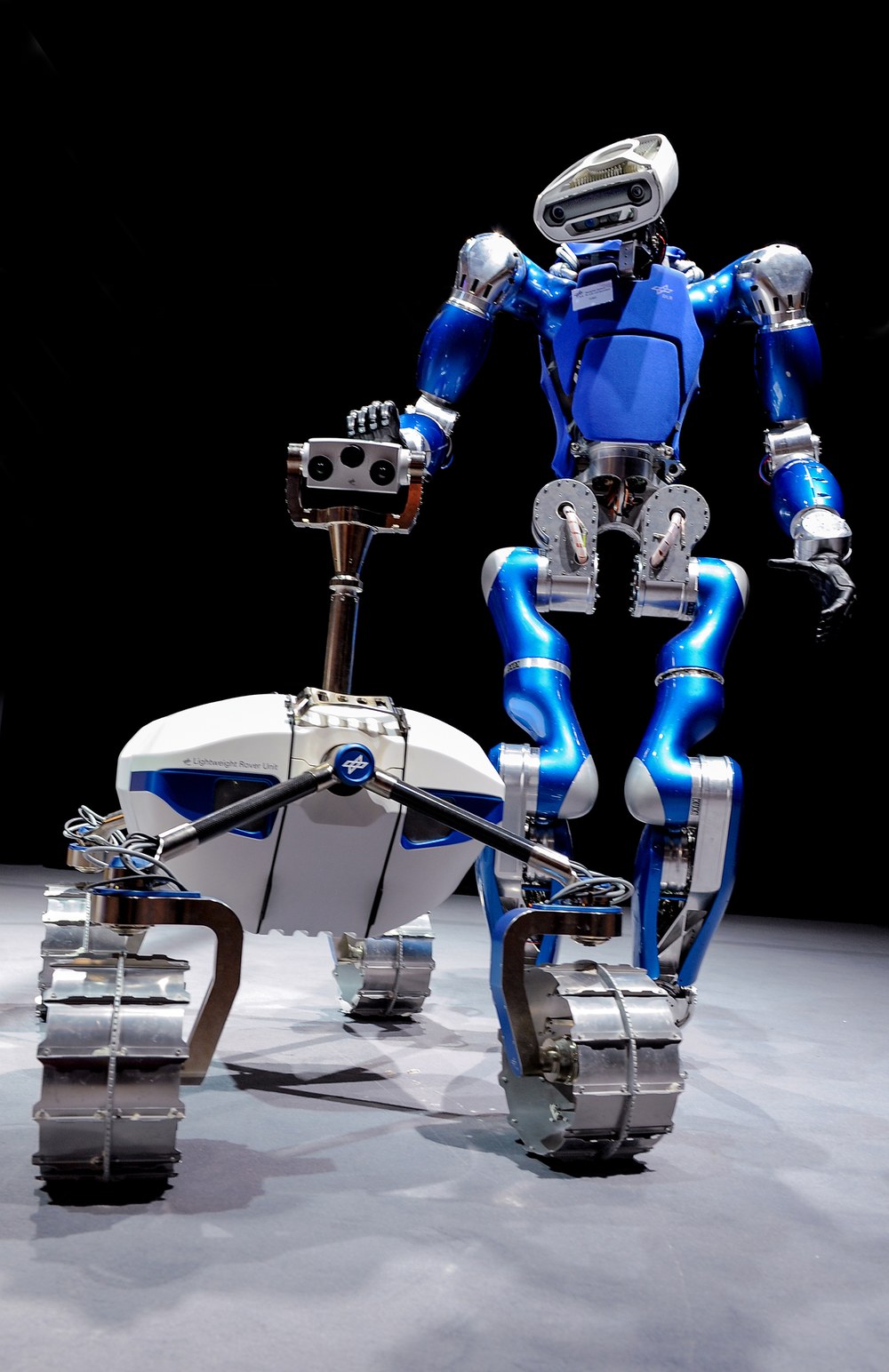
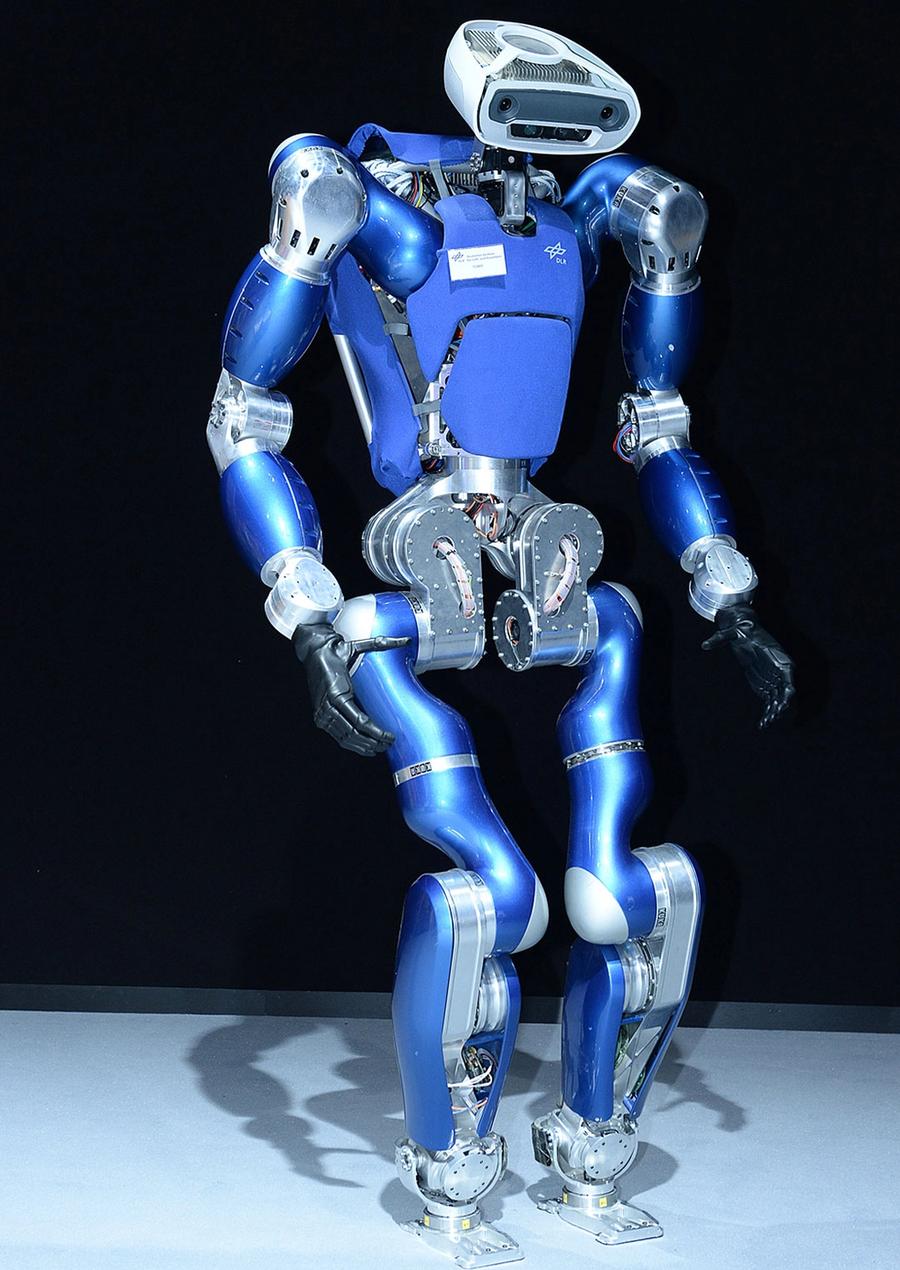
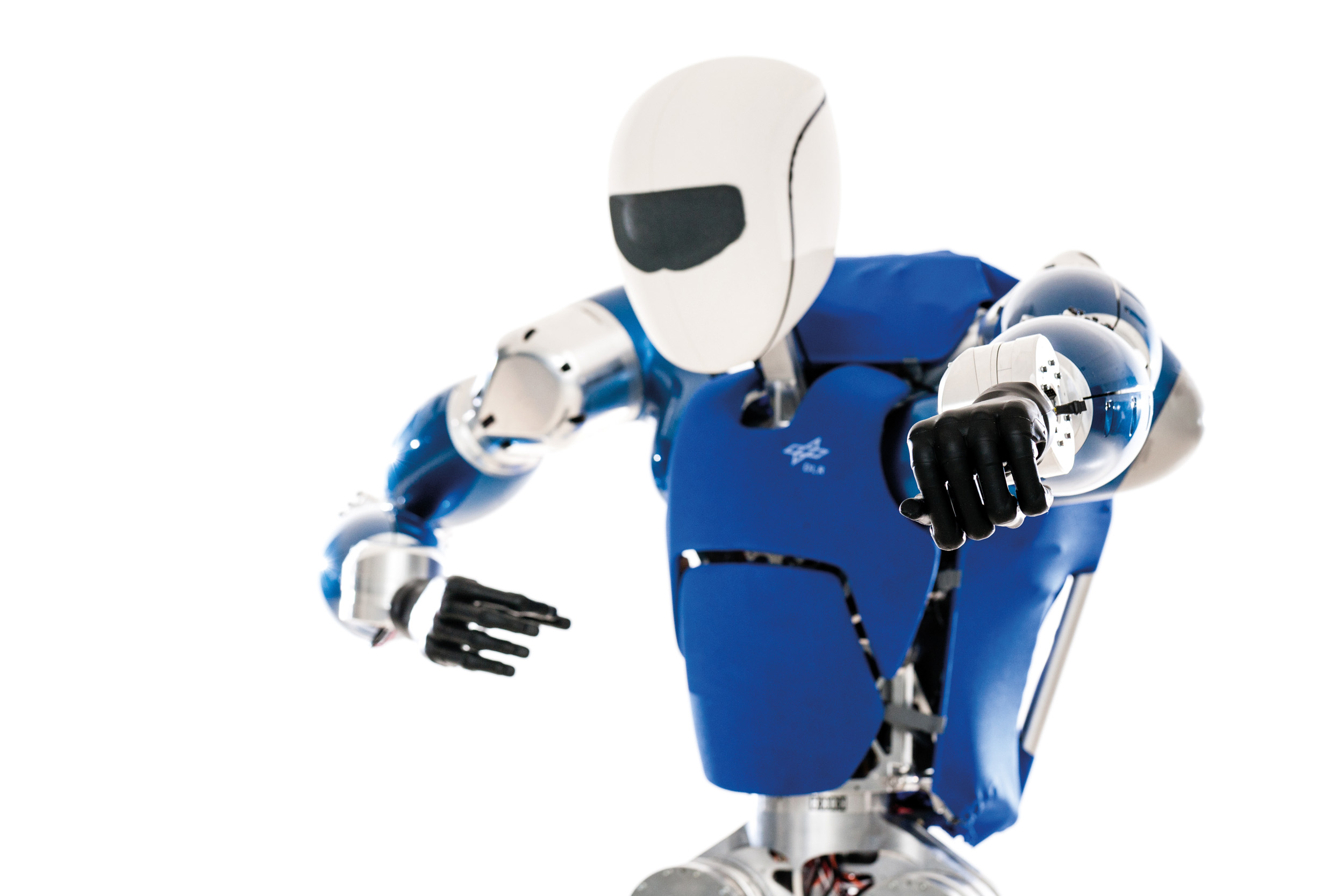
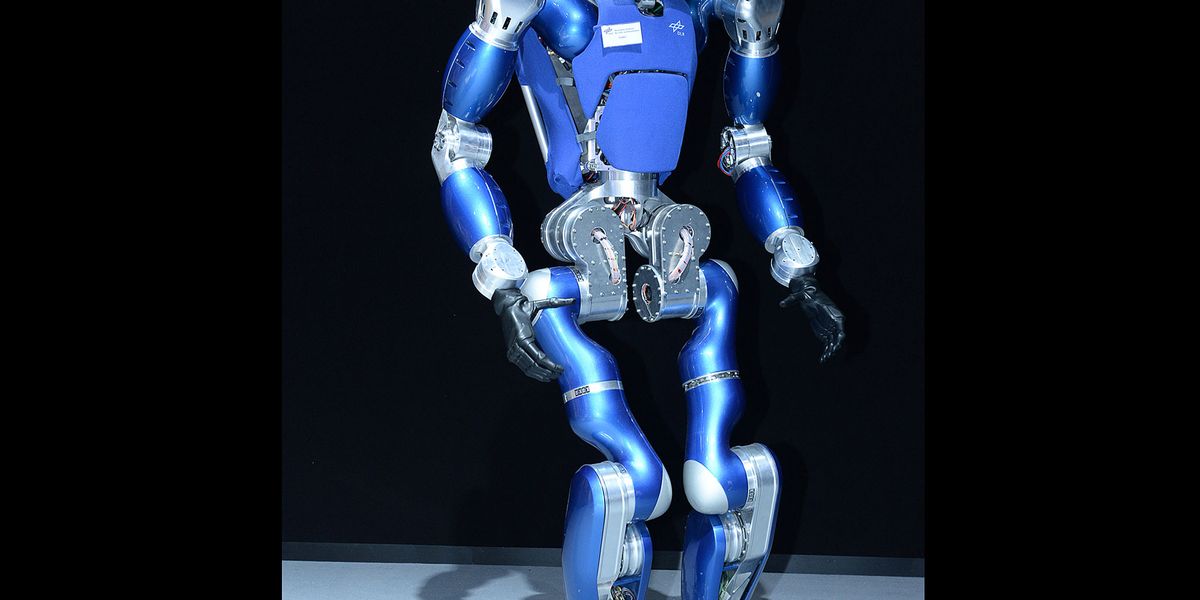
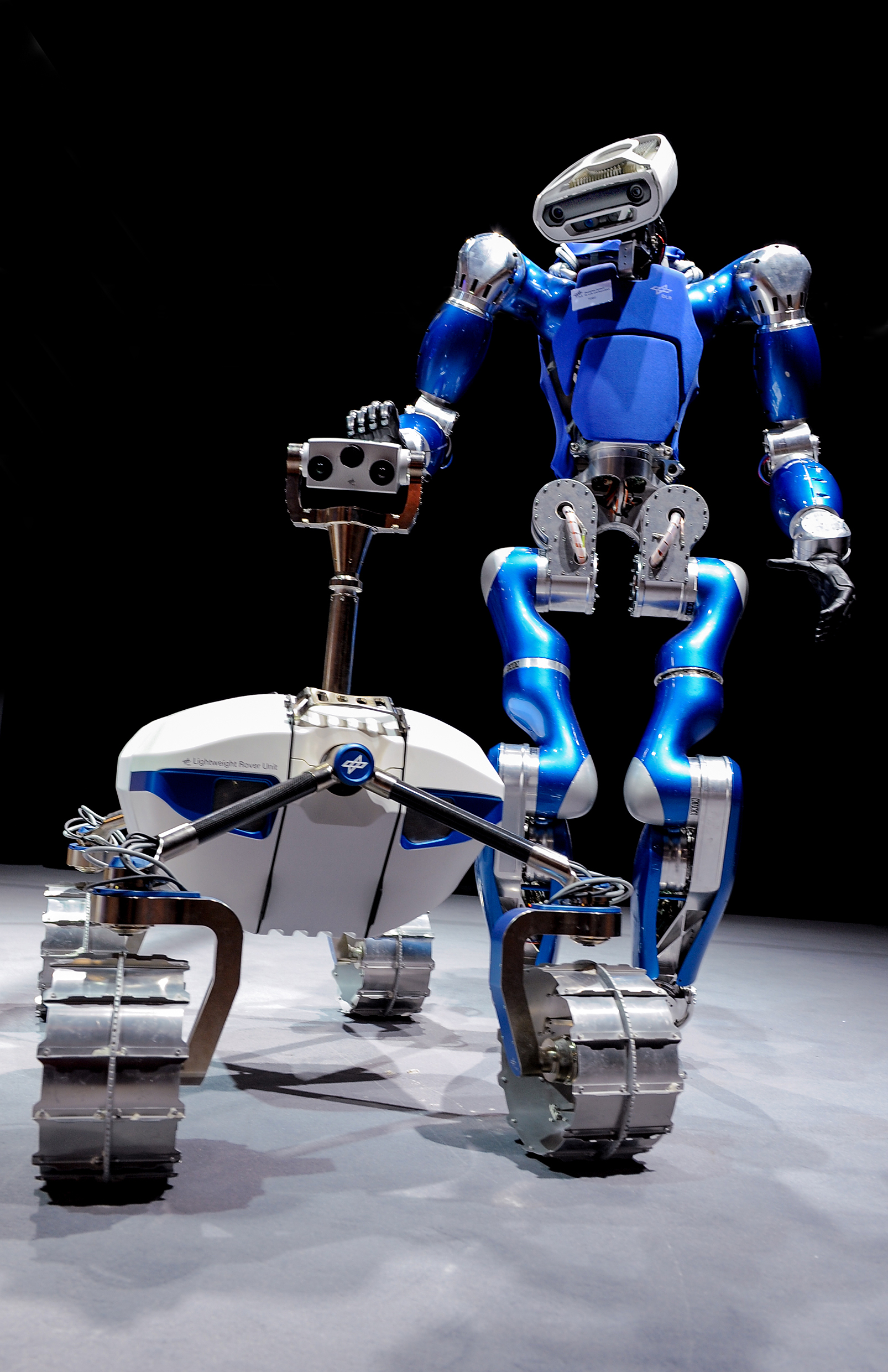
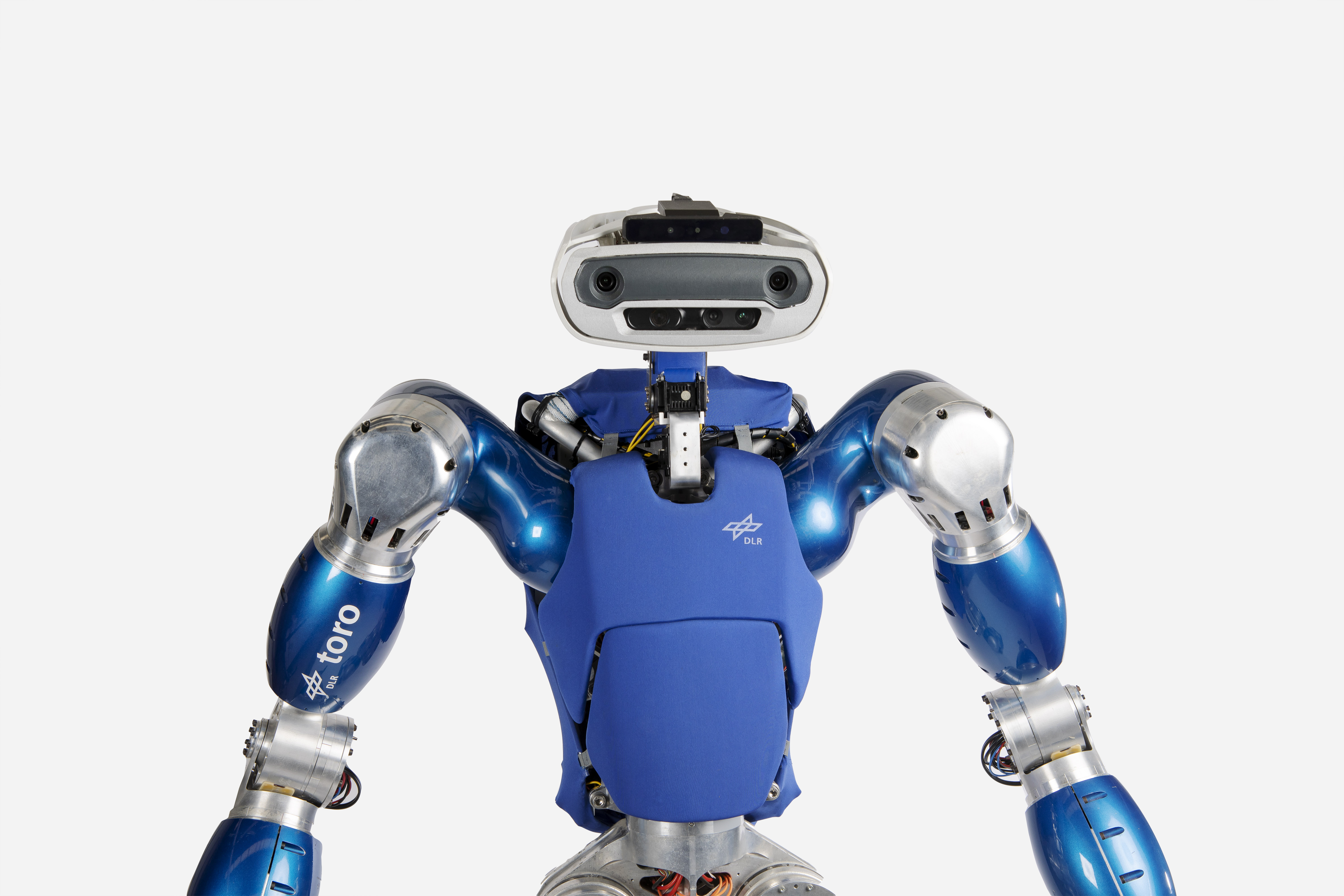
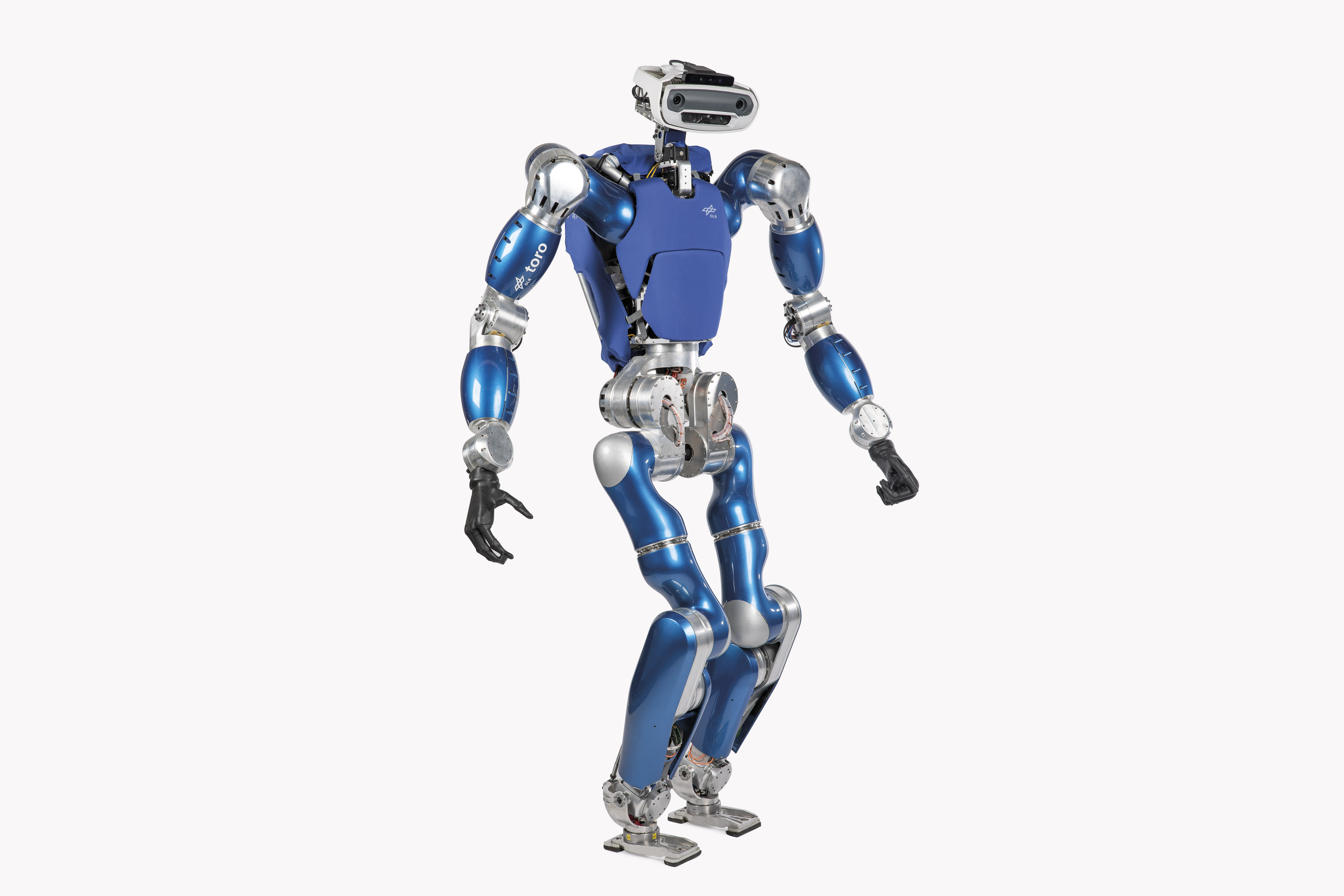
The DLR TORO (TOrque-controlled RObot) is a humanoid research platform developed by the German Aerospace Center (DLR) at its Institute of Robotics and Mechatronics in Oberpfaffenhofen, Germany. First introduced in 2013 as the successor to the DLR Biped, TORO is a full-size biped with 39 degrees of freedom, designed primarily for investigating whole-body torque control, bipedal walking, and loco-manipulation. Unlike many humanoids, TORO relies on custom torque-controllable joints with series elastic elements, enabling compliant interaction with the environment. The robot is tethered for external power and lacks onboard batteries, reflecting its purpose as a modular testbed rather than an autonomous product. Its actuation uses DLR's lightweight robot joint technology originally developed for the KUKA LWR arm.
Specifications
Here are the full technical specifications.
| Spec | Value |
|---|---|
| Height | 1.74 m |
| Weight | 55 kg |
| Degrees of freedom | 39 |
| Battery life | Tethered (no onboard battery) |
| Max speed | 0.72 km/h (est.) |
| Payload | 5 kg (per arm) |
| Price (new) | Undisclosed (contact manufacturer) |
| Price (used range) | N/A (pre-commercial research platform) |
Price & Value
New MSRP: Undisclosed (research platform only)
Used range: N/A
DLR TORO was never sold as a product and has no list price; it exists as a one-off internal research asset for the German Aerospace Center. A rough estimate for replicating its 39 custom torque-controlled joints, sensor suite, and compute hardware would be in the range of $200,000–$400,000, given the cost of DLR’s proprietary actuator technology. Compared to other non-commercial humanoids like Boston Dynamics’ Atlas, TORO offers superior joint-level torque control but sacrifices dynamic performance and outdoor mobility. There is no secondary market for used units, and any hypothetical sale would require DLR’s authorization and transfer of proprietary control software. Institutions interested in torque-controllable bipeds typically collaborate with DLR rather than purchasing hardware outright. As a research testbed, its value lies in the open scientific output rather than a commercial transaction.
Who Is It For?
Best for: - University robotics labs focused on bipedal locomotion and whole-body torque control (39 DOF enables rich interaction studies) - Researchers in compliant manipulation who need series elastic actuation with integrated torque sensing at each joint - Institutions with access to an external 48 V DC power tether and enough lab space for a 1.74 m, 55 kg robot
Not for: - Commercial deployment — TORO is not for sale and lacks industrial certifications - Field applications requiring battery power — it has no onboard energy source and must be tethered - High-speed or heavy-lifting tasks — walking speed is limited to ~0.72 km/h and arm payload is only 5 kg
Alternatives & Comparison
Several research humanoids overlap with TORO’s focus on whole-body control, but each occupies a distinct niche in dynamics, manipulation, or mobility.
| Model | Price | Available | Key Difference |
|---|---|---|---|
| Atlas (Boston Dynamics) | Undisclosed | no | Hydraulic actuation gives Atlas superior agility and outdoor capability, but TORO provides finer torque control at every joint. |
| WALK-MAN (IIT) | Undisclosed | no | WALK-MAN emphasizes heavy-disaster-response manipulation with powerful series-elastic arms, whereas TORO prioritizes precise walking dynamics. |
| Justin (DLR) | Undisclosed | no | Justin is an upper-body-only system with dexterous 4-finger hands and 61 DOF, while TORO adds full bipedal legs at the cost of hand dexterity. |
Verdict: TORO remains one of the most torque-transparent humanoids for walking research, but its tether and modest speed confine it to the lab. For dynamic outdoor locomotion, Atlas outperforms it; for heavy manipulation, WALK-MAN is the choice. Justin offers more hand dexterity but cannot walk. Choose TORO if your research demands whole-body compliant torque control and you can accept a tethered lab setup.
Use Cases & Capabilities
Bipedal Locomotion Research
TORO’s primary purpose is studying stable bipedal walking using whole-body torque control. Its 12 leg DOF and foot-mounted 6-axis force/torque sensors allow researchers to test push recovery, uneven terrain walking, and balance strategies. The compliant series-elastic joints soften ground impacts and enable energy-efficient gait transitions. However, its walking speed is limited to about 0.72 km/h, and rough-terrain performance is constrained by the tether and lack of robust perception for outdoor use. It serves mainly as a testbed for control algorithms rather than a deployment-ready walker.
Whole-Body Torque Control
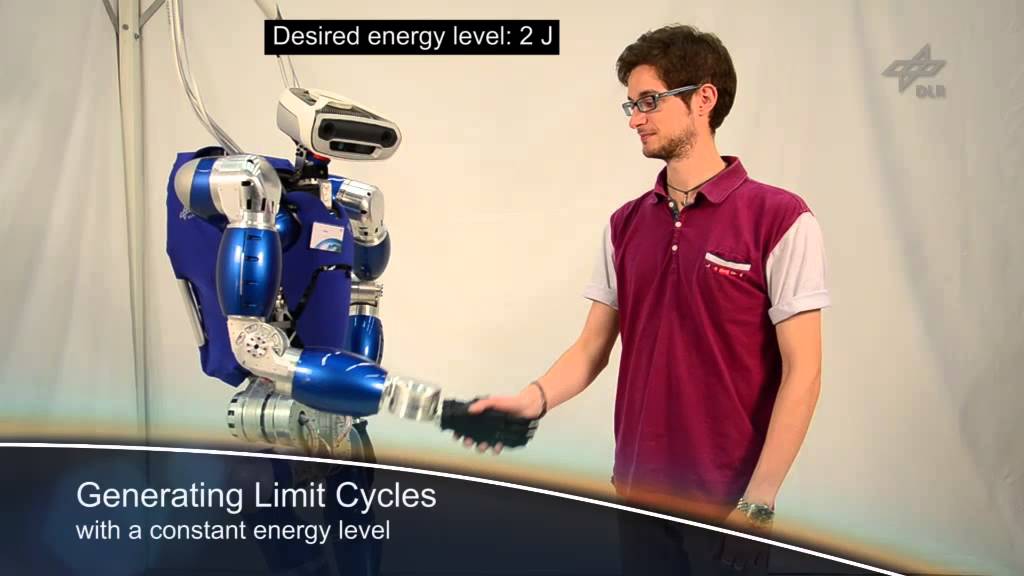
Thanks to its custom joint torque sensors and series elastic elements, TORO can execute highly transparent impedance and admittance control across all 39 axes. This makes it an ideal platform for research on compliant whole-body movements, including balancing while pushing against external objects or reacting to unexpected forces. Researchers can precisely specify joint stiffness and damping in real time, testing advanced control laws like hierarchical optimization. The absence of rigid position-controlled motors differentiates TORO from many commercial robots and aligns it with the philosophy of intrinsically safe physical human–robot interaction, though it has no industrial safety rating.
Loco-Manipulation Studies
TORO integrates 12-DOF arms with the bipedal base, enabling experiments where the robot must maintain balance while manipulating objects. Tasks such as opening a door or moving a light object while standing and stepping have been demonstrated in lab settings. The 5 kg per arm payload is modest, and the robot lacks dexterous hands (simple grippers when fitted), so manipulation is limited to simple grasps. However, the whole-body torque control allows coordinated arm–leg motions, a core challenge in humanoid robotics, making TORO a valuable platform for advancing the state of the art in dynamic loco-manipulation.
History & Background
The German Aerospace Center (DLR), founded in 1969, established its Institute of Robotics and Mechatronics in Oberpfaffenhofen to pioneer lightweight robotic arms for space applications. The DLR-KUKA Lightweight Robot (LWR) arm, commercialized with KUKA, became a cornerstone of torque-controlled robotics. Building on this expertise, DLR developed a series of bipedal robots, starting with the DLR Biped in 2009. TORO (TOrque-controlled RObot) was introduced in 2013 as a full-body humanoid integrating two LWR-derived arms and custom legs with series elastic actuators, totaling 39 DOF. Unlike its predecessor, TORO incorporates a 1-DOF hip yaw and 2-DOF torso, improving upper-body mobility. The robot is continuously upgraded—later iterations added a rotating laser scanner and RGB-D camera for perception. As of 2026, TORO remains an active research platform at DLR, contributing to advancements in whole-body model predictive control and compliant walking.
Buying Used — What to Check
Verify torque sensor integrity TORO’s custom joint torque sensors and harmonic drives are critical to its research value; damage or calibration drift could render the platform unusable without DLR support.
Obtain control software access The low-level real-time control stack running on Linux/Xenomai is proprietary; without it, the robot’s torque-control capabilities cannot be replicated.
Check tether and power supply compatibility TORO requires a stable external 48 V DC supply; any used unit must come with the original power management and tether to operate.