What is the Dobot Atom Max?
The Dobot Atom Max is an advanced humanoid robot under development by DOBOT Robotics, a company based in Shenzhen, Guangdong, China, known for its collaborative robotic arms. Standing 170 cm tall and weighing 55 kg, the Atom Max is designed for research, education, teleoperation, and demonstration applications. It features 45 degrees of freedom, including 12-DoF five-fingered hands, and is equipped with a high-performance Intel i9 CPU, a graphics card with 16 GB GDDR6 memory, and a Linux-based control OS. With a payload capacity of 8 kg and a maximum walking speed of 4 km/h, it targets advanced humanoid research and workforce development. The robot incorporates high-precision harmonic and planetary drive actuators and a suite of sensors including binocular Full HD cameras and an Intel RealSense D455 RGB-D depth camera.
Specifications
Here are the full technical specifications.
| Spec | Value |
|---|---|
| Height | 170 cm |
| Weight | 55 kg |
| Degrees of freedom | 45 |
| Battery life | 3 hours |
| Max speed | 5 km/h |
| Walking speed | 4 km/h |
| Payload | 8 kg |
| Degrees of freedom (hands) | 12 |
| Number of fingers | 5 per hand |
| IP rating | IP20 |
| Operating system | Linux-based control OS |
| Compute | Intel i9 + Graphics card with 16GB 256-bit GDDR6 |
| Connectivity | Ethernet, USB, Wi-Fi |
| Camera resolution | Binocular Full HD + Intel RealSense D455 (1280x720 depth, 1920x1080 color) |
| Latency (end-to-end) | <200 ms |
| Actuator type | High-precision servo motor system with harmonic/planetary drives |
| Material | Lightweight aluminum + composite shell |
| Shipping dimensions | 190 × 70 × 60 cm |
| Price (new) | $68,000 |
| Price (used range) | N/A (pre-commercial) |
Price & Value
New MSRP: $68,000
Used range: N/A (pre-commercial)
Priced at $68,000, the Dobot Atom Max undercuts many research humanoids, such as the Unitree H1 ($90,000) and Fourier GR-2 ($100,000), while providing higher dexterity (45 DoF). This aggressive pricing likely reflects DOBOT’s strategy to enter the humanoid market by leveraging its existing supply chain for cobot components. However, as a prototype, the $68,000 may not include essential accessories, software licenses, or support contracts, potentially raising total cost. The lower battery life and speed compared to competitors mean users may require additional peripherals or tethering for extended operations. For research labs with limited budgets, the Atom Max offers a unique proposition: affordable access to a full-body 45-DoF platform for manipulation studies, provided they can accept the performance trade-offs. Depreciation is hard to predict, but if production ramps up, prices could drop, making this early pricing both an opportunity and a risk.
Who Is It For?
Best for: - University robotics labs (45 DOF enables dexterous manipulation research) - Teleoperation development projects (low latency <200ms and full-body control) - STEM education programs needing an advanced humanoid platform for teaching AI and robotics - Demonstration and public engagement exhibits (silver aesthetic, safe interaction design)
Not for: - Heavy industrial tasks (payload limited to 8 kg, IP20 rating) - Outdoor autonomous navigation (max speed only 5 km/h, battery life 3 hours) - Commercial production deployment (prototype stage, no certifications or warranties)
Alternatives & Comparison
The Dobot Atom Max sits in the growing niche of affordable full-body humanoids, challenging more established robots like the Unitree H1 and Fourier GR-2. It differentiates through high dexterity at a lower cost, but sacrifices speed and runtime.
| Model | Price | Available | Key Difference |
|---|---|---|---|
| Unitree H1 | $90,000 | yes | Higher speed (18 km/h), 6h battery, 30 kg payload, but 38 DoF |
| Fourier GR-2 | $100,000 | yes | Higher payload (20 kg), robust construction, but fewer DoF (40 total) |
Verdict: For universities and teleoperation developers who need a high-DoF platform under $70k, the Atom Max is the clear winner. But for researchers requiring endurance, payload, or dynamic locomotion, the Unitree H1’s 6-hour battery and 30 kg payload at $90k deliver better value.
Use Cases & Capabilities
Humanoid Manipulation Research
With 45 degrees of freedom and 12-DoF hands, the Atom Max provides a flexible platform for studying dexterous grasping and object manipulation. Its Intel i9 compute and RealSense depth cameras support computer vision research, while the Linux-based OS allows custom control algorithms. The 8 kg payload is sufficient for handling laboratory objects and tools, enabling experiments in human-robot handovers or precision assembly. However, the 3-hour battery life may require tethered operations for extended sessions.
Teleoperation and Telerobotics Development
The Atom Max’s sub-200ms end-to-end latency makes it suitable for real-time teleoperation research. Researchers can explore immersive control via VR headsets or haptic gloves, leveraging the full-body motion tracking and high-speed communication (Ethernet, Wi-Fi). Its bipedal walking at 4 km/h allows studies in remote navigation and task execution in simulated hazardous environments. The relatively low weight (55 kg) makes it easier to transport and set up compared to heavier competitors.
Humanoid Interaction and Demonstration
Designed with safe human-robot interaction (IP20, safety-rated sensing), the Atom Max can serve in public engagement, museum exhibits, or corporate demonstrations. Its silver aluminum and composite shell convey a modern, approachable aesthetic. The 5-finger hands and expressive motion range attract attention in STEM outreach programs, while the high DOF allows lifelike gestures. Battery runtime of 3 hours is adequate for short demos, though longer events require a power tether.
Bipedal Locomotion and Balance Research
The Atom Max’s 45-DoF bipedal structure, coupled with high-precision harmonic and planetary drives, offers a testbed for gait generation and dynamic balance algorithms. Researchers can implement custom control loops on the Linux OS, integrating IMU and camera data for real-time feedback. The 4 km/h walking speed and 5 km/h max allow safety-focused experiments without extreme dynamics. Its lightweight 55 kg frame simplifies handling during lab setup and reduces potential damage from falls.
History & Background
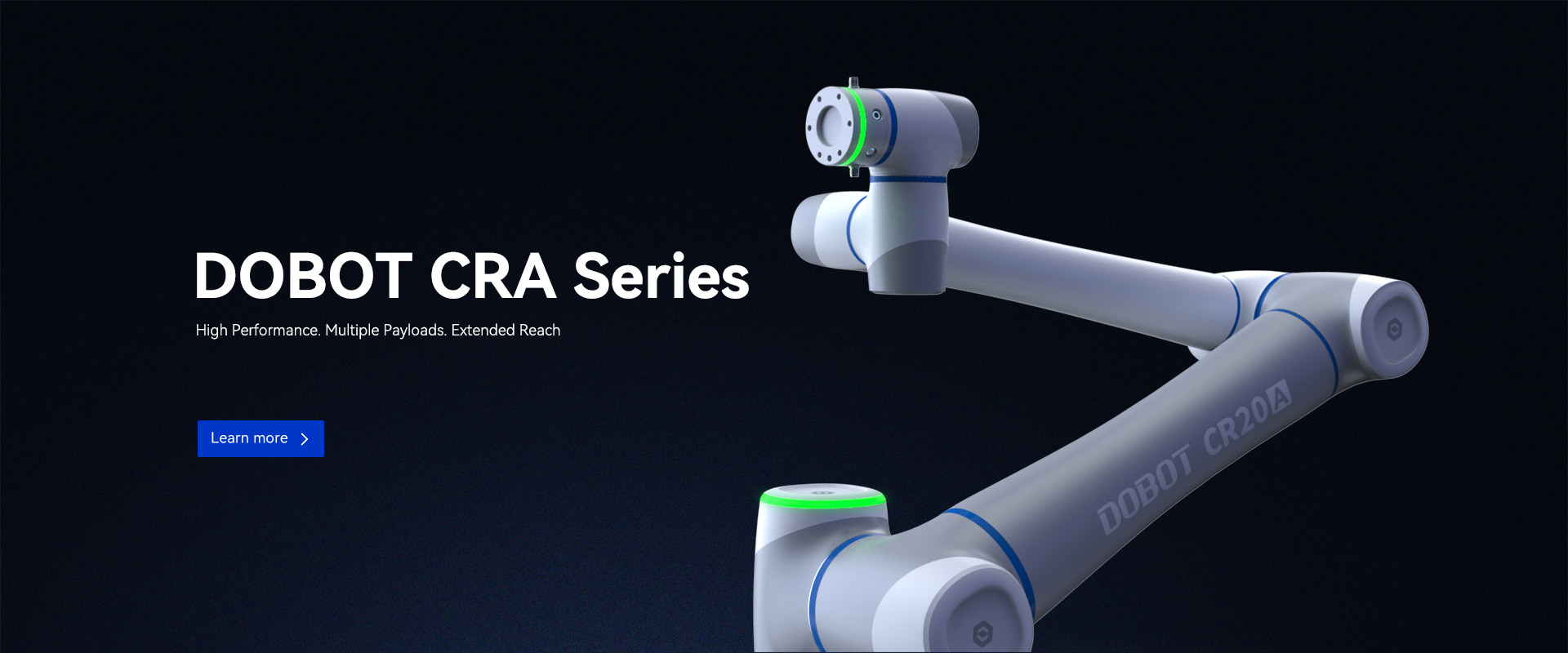
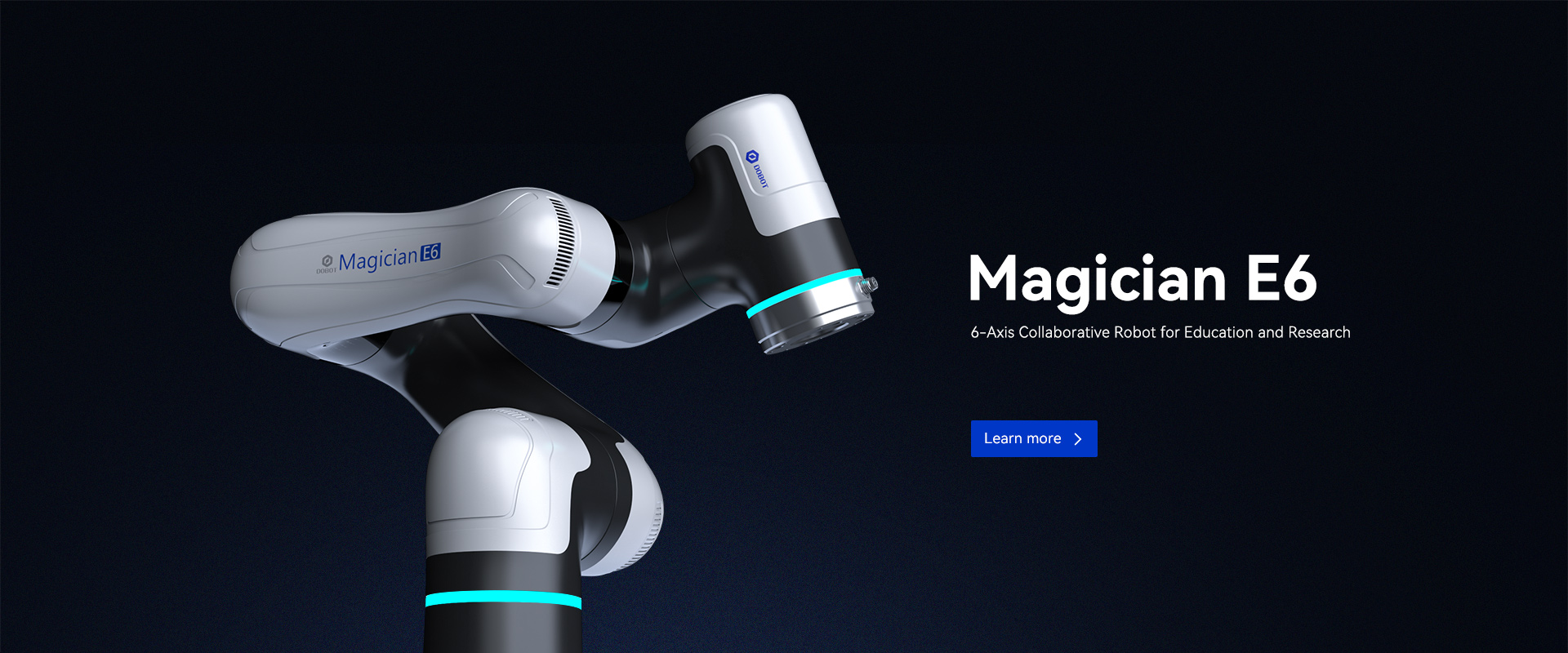
DOBOT Robotics, founded in 2015 and headquartered in Shenzhen, China, built its reputation on affordable collaborative robotic arms used in education and light industry. The company’s Magician and CRA series cobots achieved global adoption, selling over 100,000 units into schools and small factories. In late 2024 or early 2025, DOBOT unexpectedly entered the humanoid market with the Atom, a 153 cm, 62 kg research robot with 41 degrees of freedom. The Atom garnered interest for its high DOF but was constrained by limited compute and payload. Responding to feedback, DOBOT unveiled the Atom Max in 2025, a significantly upgraded version standing 170 cm tall and weighing just 55 kg. Equipped with a powerful Intel i9 CPU and upgraded vision suite, the Atom Max increases DOF to 45 and refines walking speed and payload. The Atom Max prototype has been showcased in limited form at trade events, with DOBOT soliciting feedback for a production version. As of 2026, the Atom Max remains in prototype stage, with DOBOT inviting research and education inquiries but no announced production start.
Buying Used — What to Check
Verify payload rating Payload and runtime are critical for your tasks; early prototypes may deviate from published specs.
Battery endurance and battery health Battery cells degrade; confirm actual runtime matches the claimed 3 hours, and check availability of replacements.
Software stack maturity As a prototype, the SDK and drivers may be incomplete or poorly documented; confirm compatibility with your development pipeline.