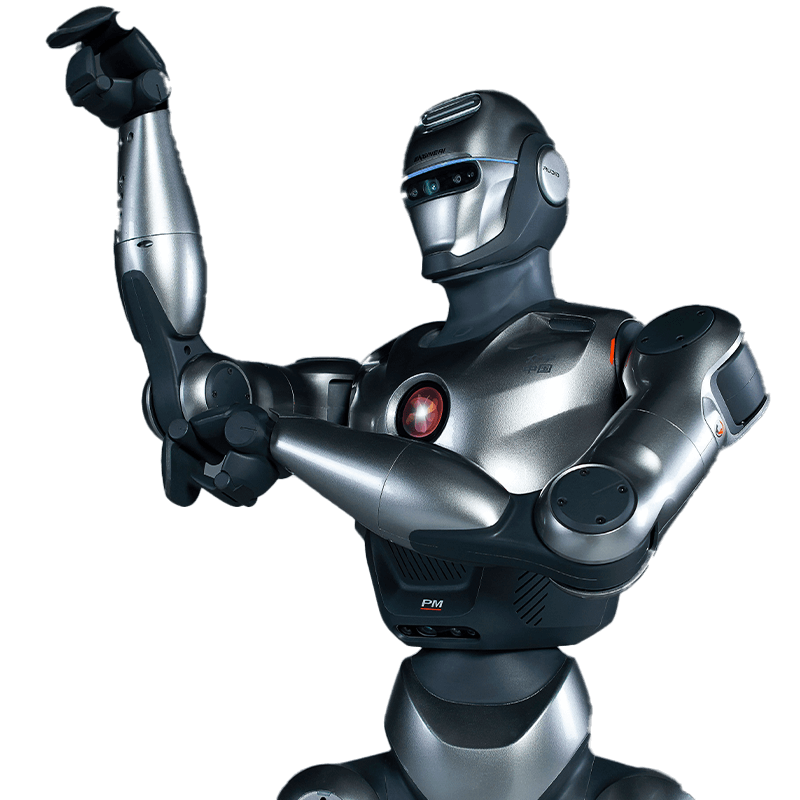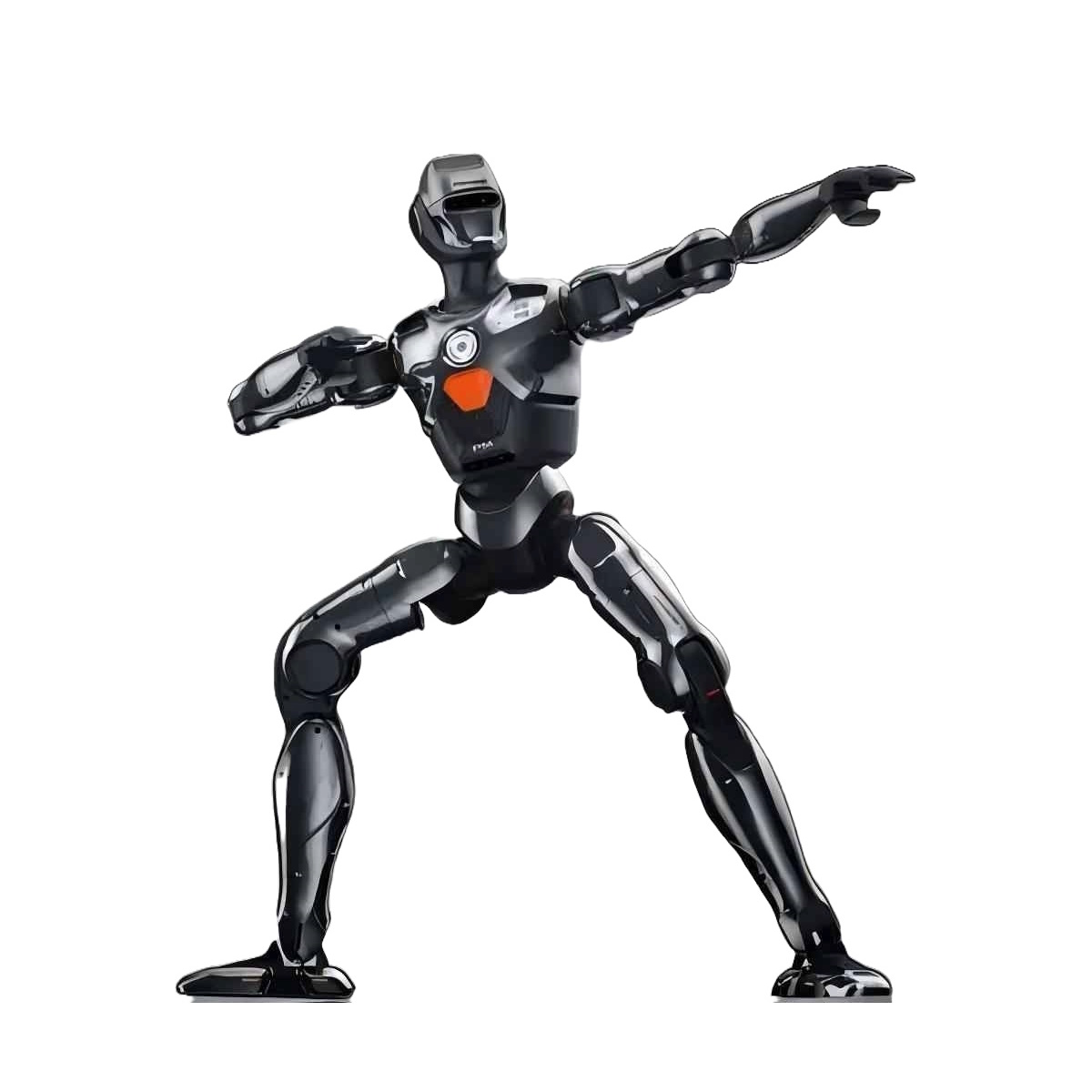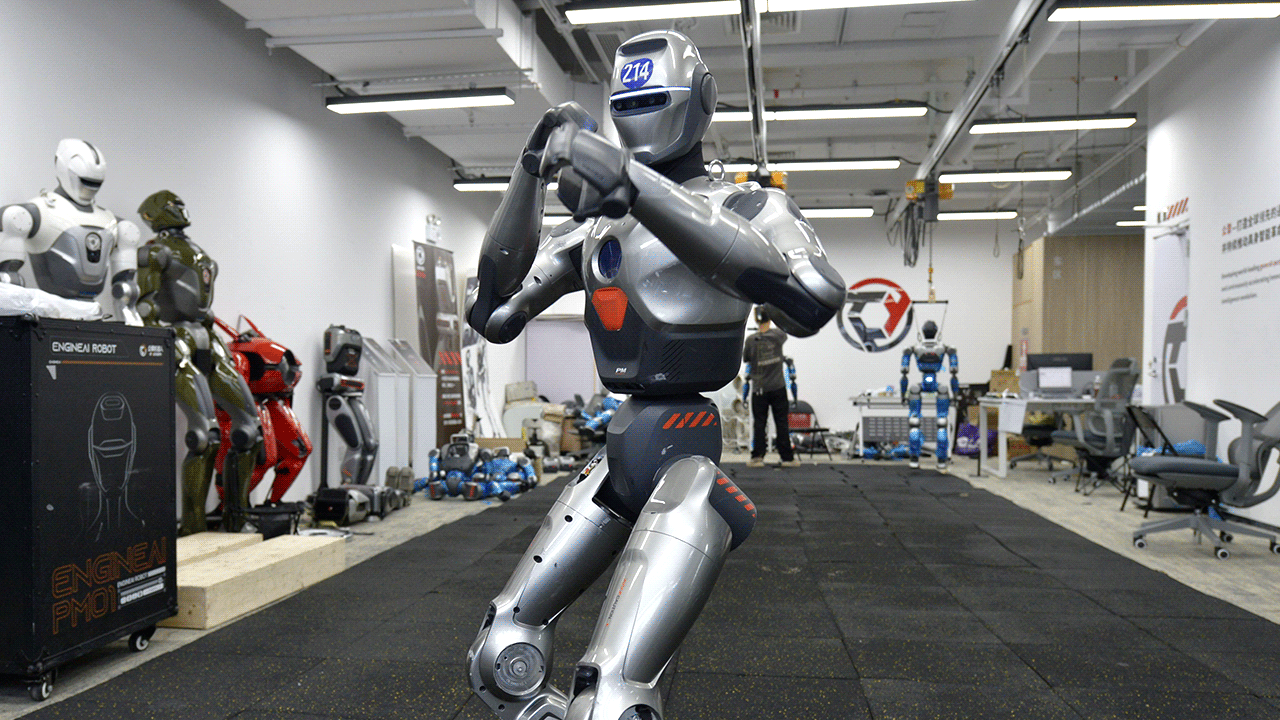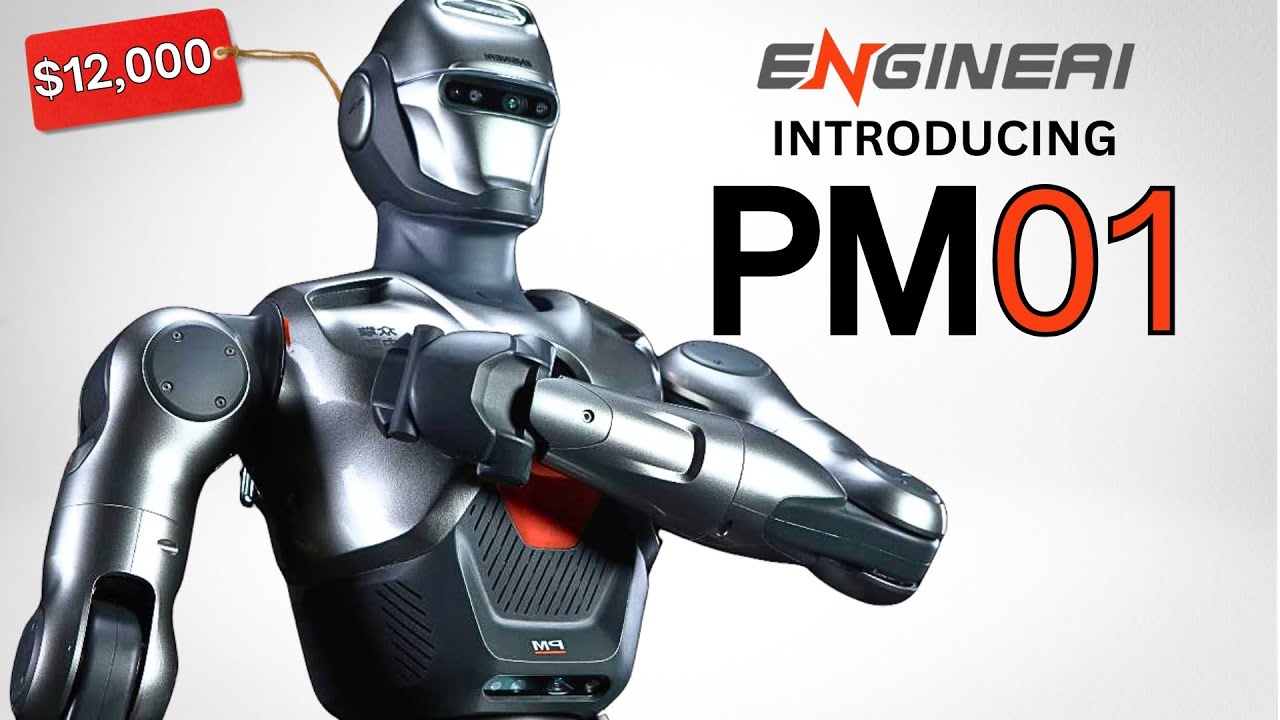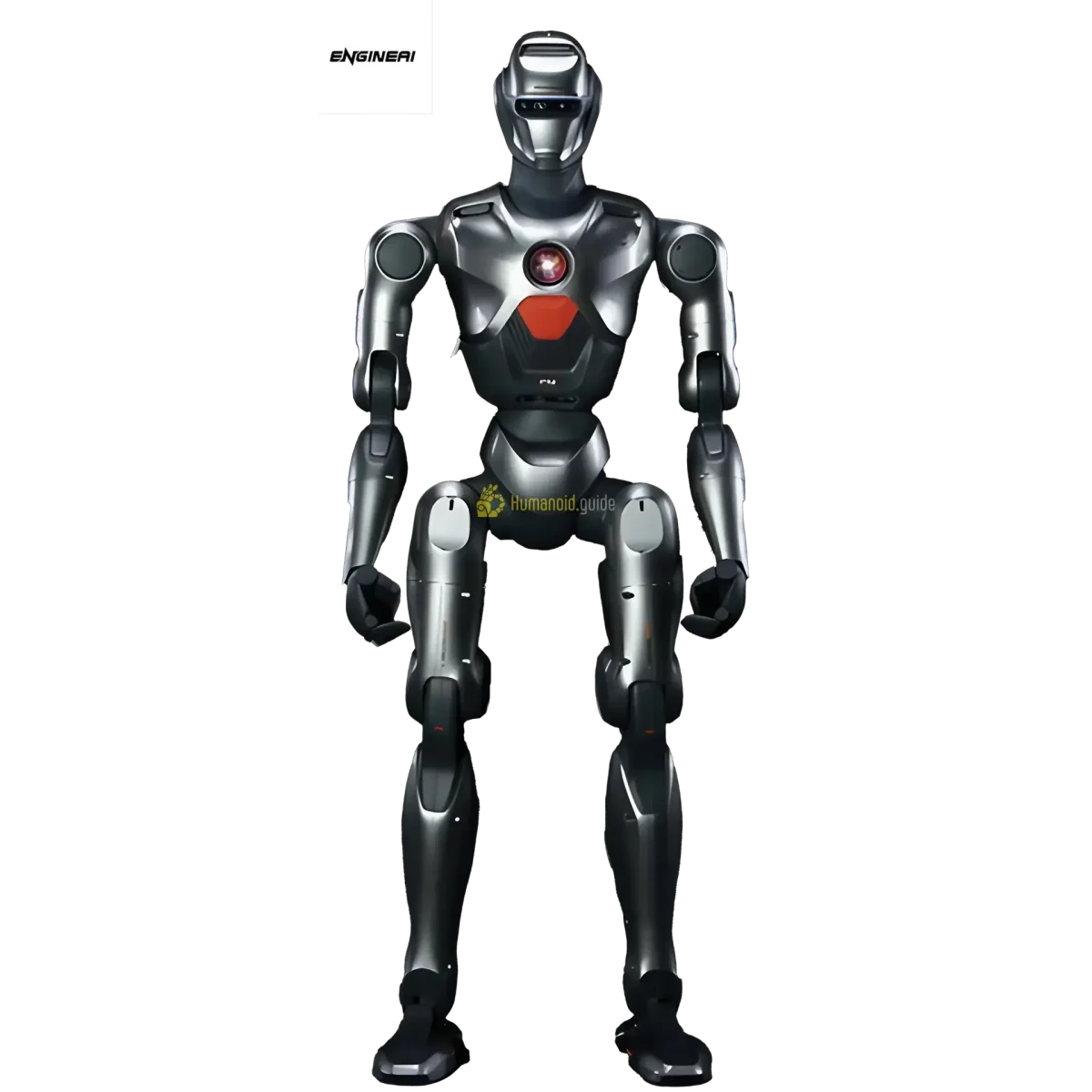
What is the Engineai Pm01?
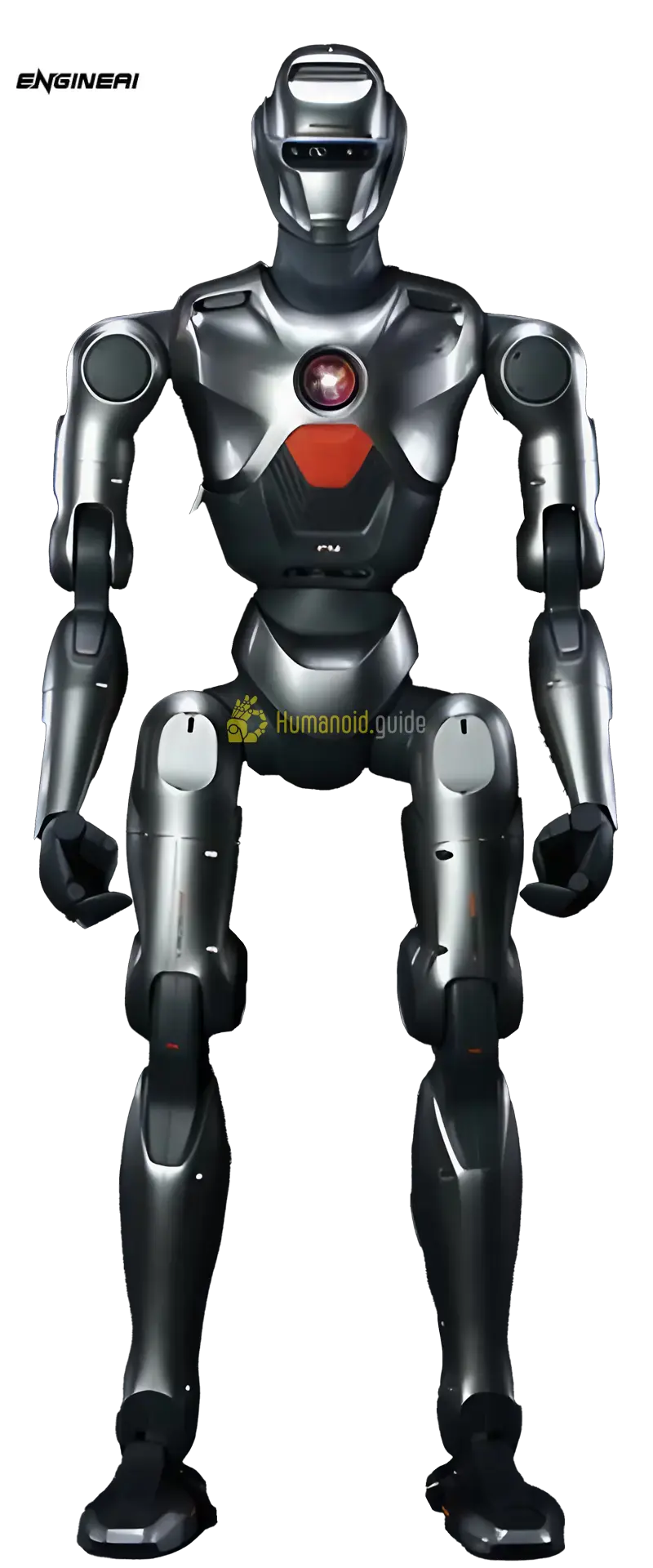
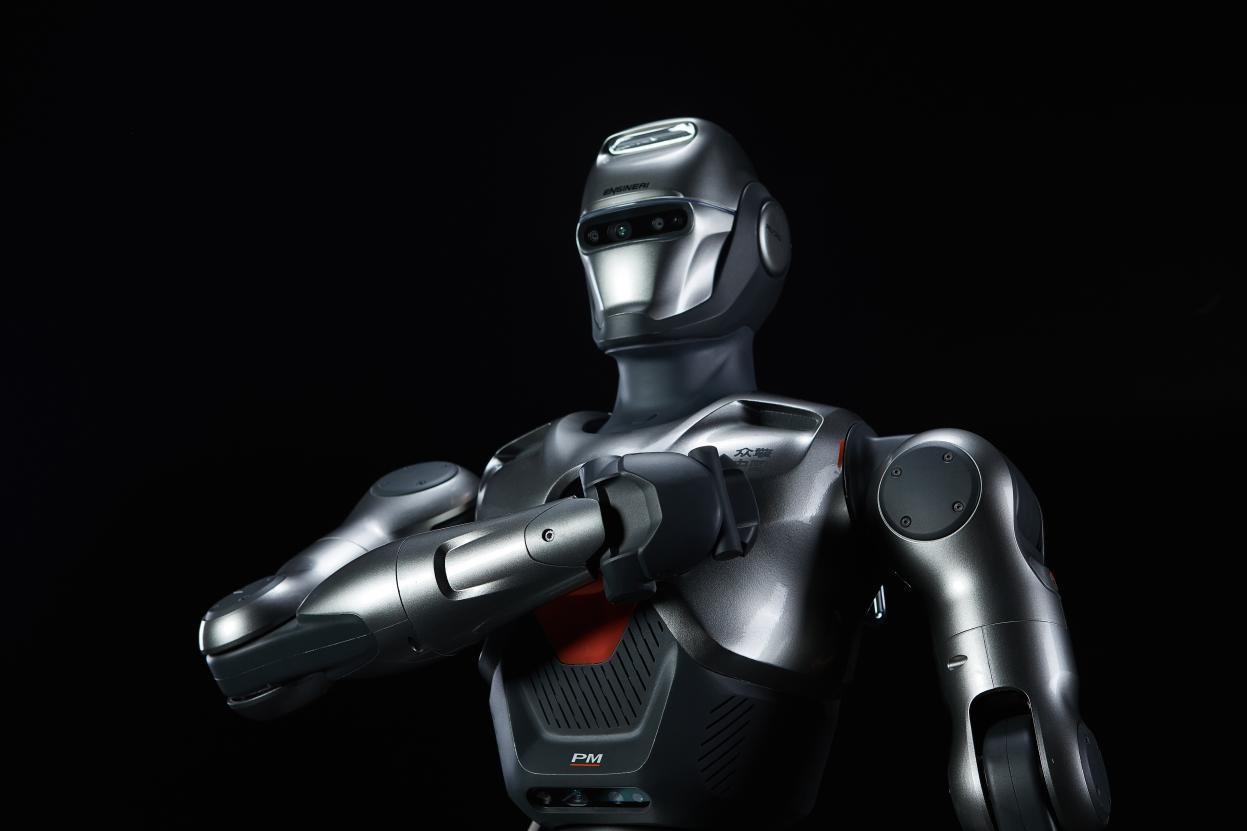
The EngineAI PM01 is an entry-level bipedal humanoid robot designed for research, education, and agile demonstrations. Developed by Shenzhen-based EngineAI Robotics, founded in 2023, the PM01 stands 1.38 m tall and weighs 40 kg. It features 24 degrees of freedom and an open-platform architecture, allowing developers to customize control and AI algorithms. Its standout capability is extreme agility, including running, dancing, and performing front flips — unusual for a robot in this price tier. The PM01 is priced to undercut rivals like the Unitree G1, making full-body humanoid research accessible to startups and university labs.
Specifications
Here are the full technical specifications.
| Spec | Value |
|---|---|
| Height | 1.38 m |
| Weight | 40 kg |
| Degrees of freedom | 24 |
| Battery life | 2 hours |
| Max speed | 7.2 km/h |
| Payload | Not specified |
| Price (new) | $12,000–$30,000 (est.) |
| Price (used range) | N/A (pre-order) |
Price & Value
New MSRP: $12,000–$30,000
Used range: N/A (pre-order)
EngineAI positions the PM01 as the most affordable full-size research humanoid on the market, with a base price of $12,000—roughly 25% less than the nearest competitor, the Unitree G1 at $16,000. Fully equipped versions may reach $30,000, but even that upper limit remains competitive for labs on a budget. Because the robot is still in pre-order, no used units have yet traded, but once deliveries begin, expect prices to settle around $9,000–$20,000 depending on condition and upgrades. Total cost of ownership is minimal given the open-platform software and standard 2‑hour swappable batteries; maintenance largely involves joint and sensor wear after intensive acrobatic use. Overall, the PM01 delivers strong value for locomotion and whole-body control research, though laboratories requiring precise manipulation should note the lack of a published arm payload rating.
Who Is It For?
Best for: - University robotics labs exploring bipedal locomotion and whole-body control on a budget (24 DOF open platform enables custom controllers). - AI and embodied intelligence developers needing an affordable, agile physical avatar for sim‑to‑real experiments.
Not for: - Industrial or warehouse tasks requiring high payload manipulation (arm payload rating not specified). - Environments demanding long untethered operation beyond 2 hours without battery swapping.
Alternatives & Comparison
The PM01 enters a competitive landscape of mid‑price research humanoids, where agility and open‑source access are key differentiators.
| Model | Price | Available | Key Difference |
|---|---|---|---|
| Unitree G1 | $16,000 | yes | Earlier release, shorter (1.27 m) and lighter (35 kg); lacks the extreme acrobatic capability of the PM01. |
Verdict: For research groups prioritizing dynamic locomotion and acrobatic motion learning, the PM01 is the clear winner with its front‑flip capability and lower entry price. If you need a mature ecosystem with extensive community resources and assured unit availability, the Unitree G1 is the safer, more battle‑tested choice.
Use Cases & Capabilities
Research
The PM01 serves as a cost‑effective platform for academic research in bipedal locomotion, balance, and whole‑body control. With 24 degrees of freedom and open‑source software, researchers can implement novel learning‑based controllers using reinforcement learning or model predictive control. Its ability to run and perform flips provides a challenging benchmark for robust gait generation and fall recovery. On‑board compute is unspecified, but the open platform allows integration of external GPUs or edge devices. Priced at a fraction of traditional humanoid platforms, the PM01 enables multiple‑robot experiments at scale in university labs. Its open access invites collaborative development of new algorithms and sensor fusion techniques.
Education
Teachers can use the PM01 to give students hands‑on experience with humanoid robotics, covering topics from inverse kinematics to sensor fusion. Its manageable height and weight make it suitable for classroom demos without special safety infrastructure. Pre‑loaded dance and gymnastic routines spark student interest in STEM. The 2‑hour battery life is sufficient for consecutive lab sessions, with quick battery swaps minimizing downtime. The open SDK lowers the barrier for programming in Python or ROS, enabling project‑based learning across multiple courses. As an open platform, students can modify the robot's walking gait or add external sensors, promoting deep dives into hardware‑software integration.
Athletic Demonstrations
EngineAI markets the PM01 as a high‑dynamic performer, capable of front flips, running, and dance routines that attract attention at trade shows and robotics events. These extreme motions showcase the robot's lightweight construction and powerful actuators. Event organizers can leverage the PM01 for live performances that highlight the state of the art in humanoid agility. However, frequent acrobatics may accelerate joint wear, so teams should budget for periodic maintenance. Still, the PM01 fills a unique niche as a small‑scale, crowd‑pleasing athlete. Compared to larger humanoids, the PM01's compact size simplifies transport and setup at exhibitions.
Developer Platform
For software developers building embodied AI agents, the PM01 offers a blank canvas with full API access and ROS compatibility. Its open platform means no black‑box control layers—every joint and sensor can be accessed programmatically. Startups can prototype dexterous manipulation later by adding custom end‑effectors, though the out‑of‑box payload is limited. The pre‑order pipeline ensures each unit comes with factory‑fresh calibration, reducing initial setup time. Combined with a $12k starting price, the PM01 lowers the barrier for AI companies experimenting with physical humanoid interaction. A vibrant developer community is expected to grow around the robot, sharing control libraries and simulation models.
History & Background
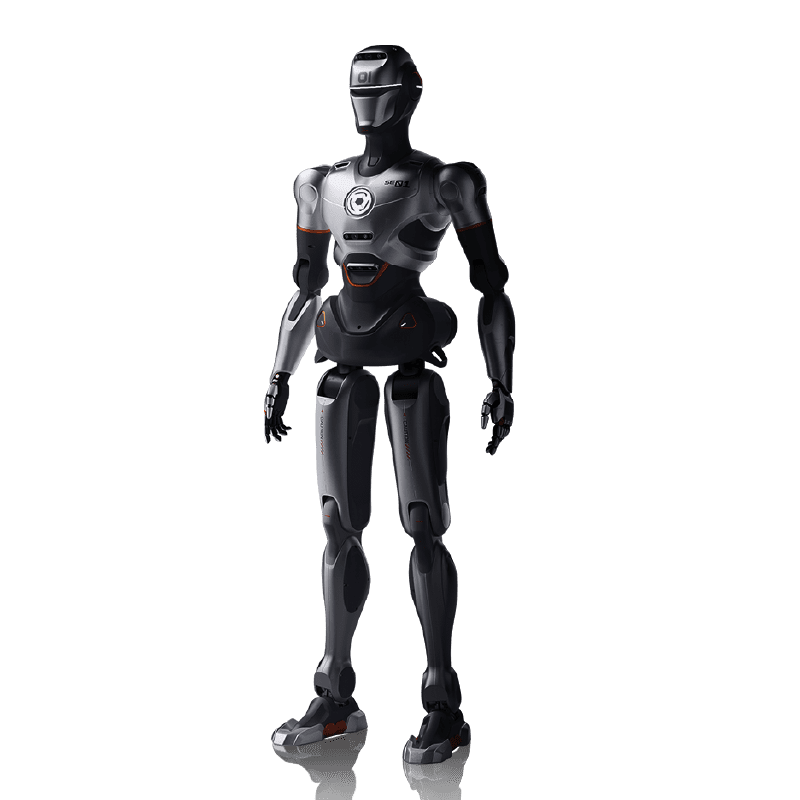
EngineAI Robotics was founded in 2023 in Shenzhen, China, aiming to commoditize humanoid robot hardware. Its first two platforms were the full‑size SE01 and the compact PM01. The PM01 was first built in 2024 and publicly unveiled in late 2024 with demo videos showing running, dancing, and front flips. Priced aggressively from $12,000, the robot targeted academic and startup research labs. Pre-orders opened that year, and as of 2026 the PM01 remains in its first generation with no major variants announced. EngineAI's manufacturing base in Shenzhen enables cost advantages over competitors, leveraging the region's robotics supply chain. The PM01 is positioned as an open‑platform alternative to the Unitree G1, emphasizing extreme agility over raw payload or sensor suite.
Buying Used — What to Check
Verify battery health Lithium‑polymer cells degrade with age and cycle count; a 2‑hour runtime may drop below acceptable limits.
Check joint actuators Acrobatic movements strain knee/hip joints—inspect for excessive backlash or clicking before purchase.
Confirm SDK access The open platform is a core selling point; ensure no vendor‑locked firmware or subscription requirements persist.