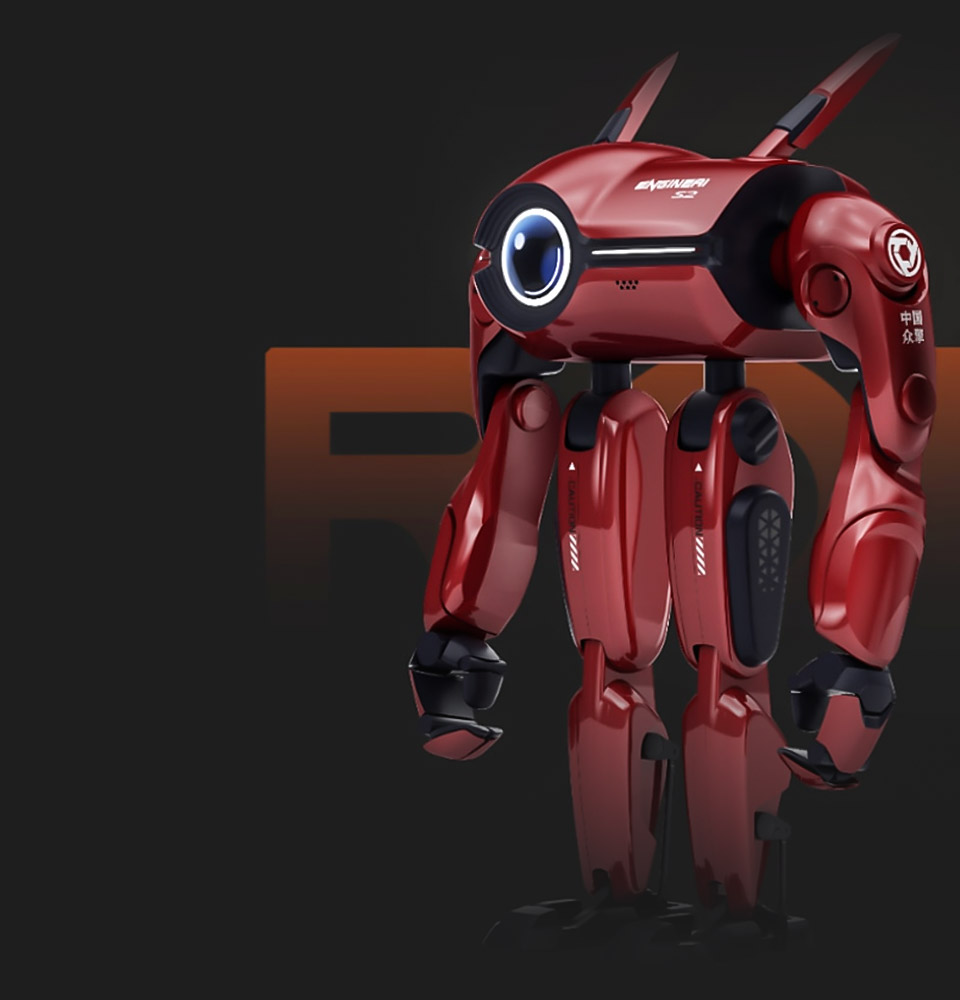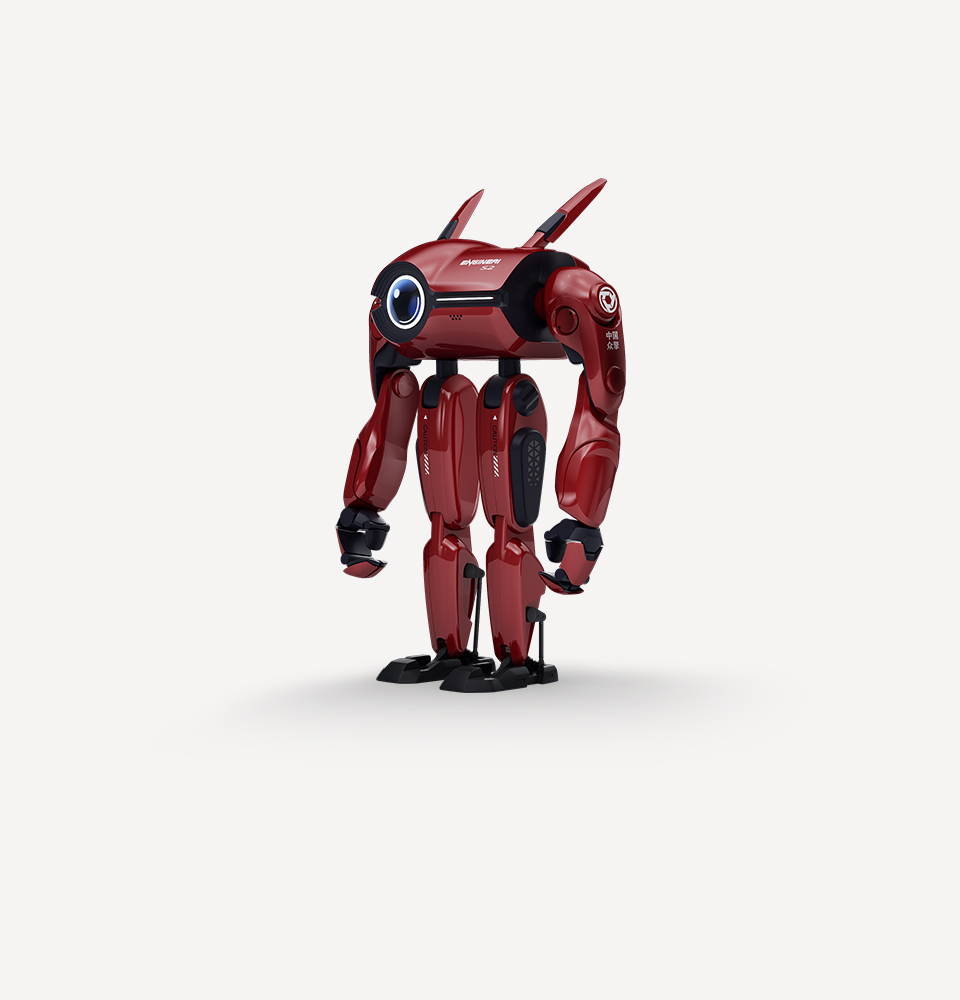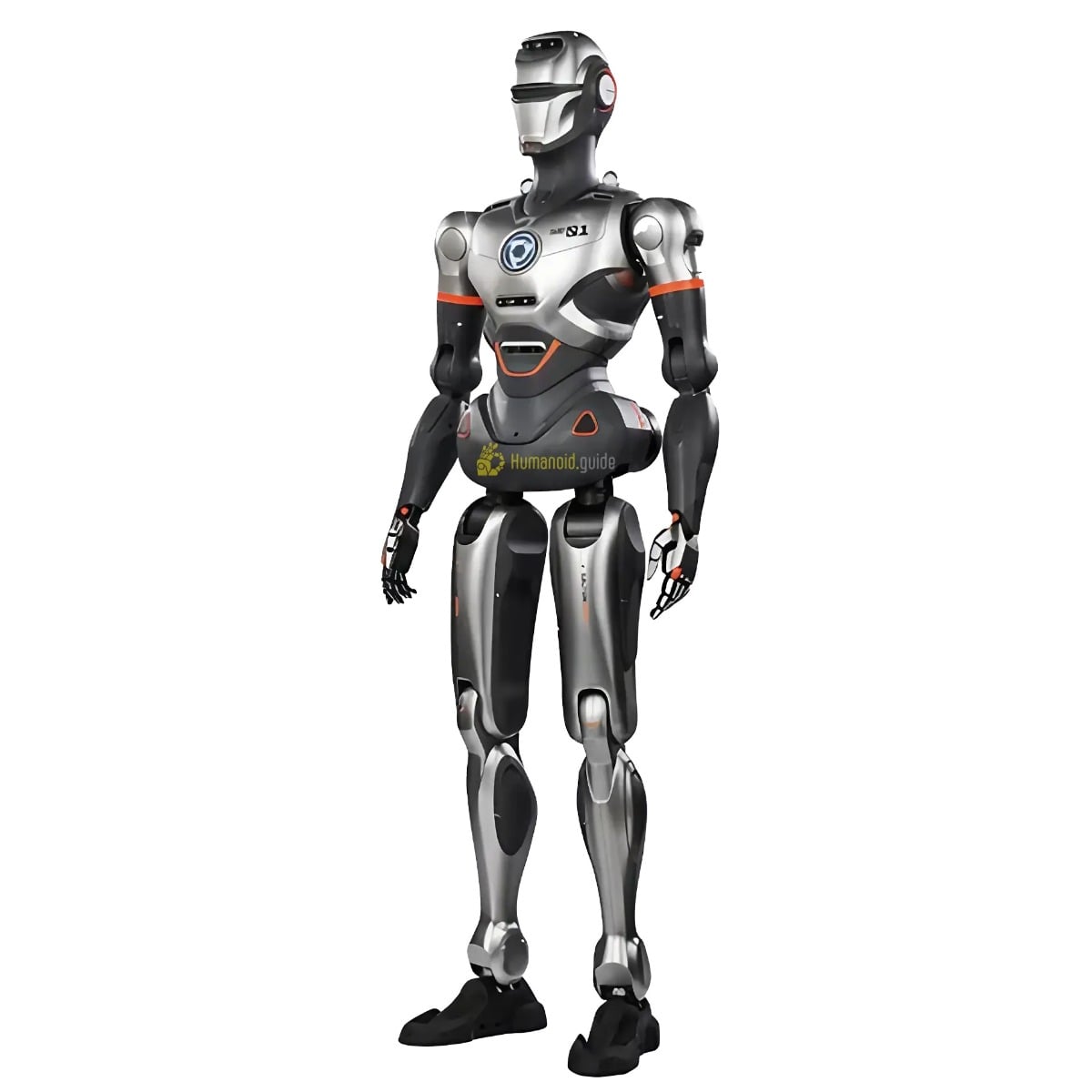
What is the Engineai Sa01?
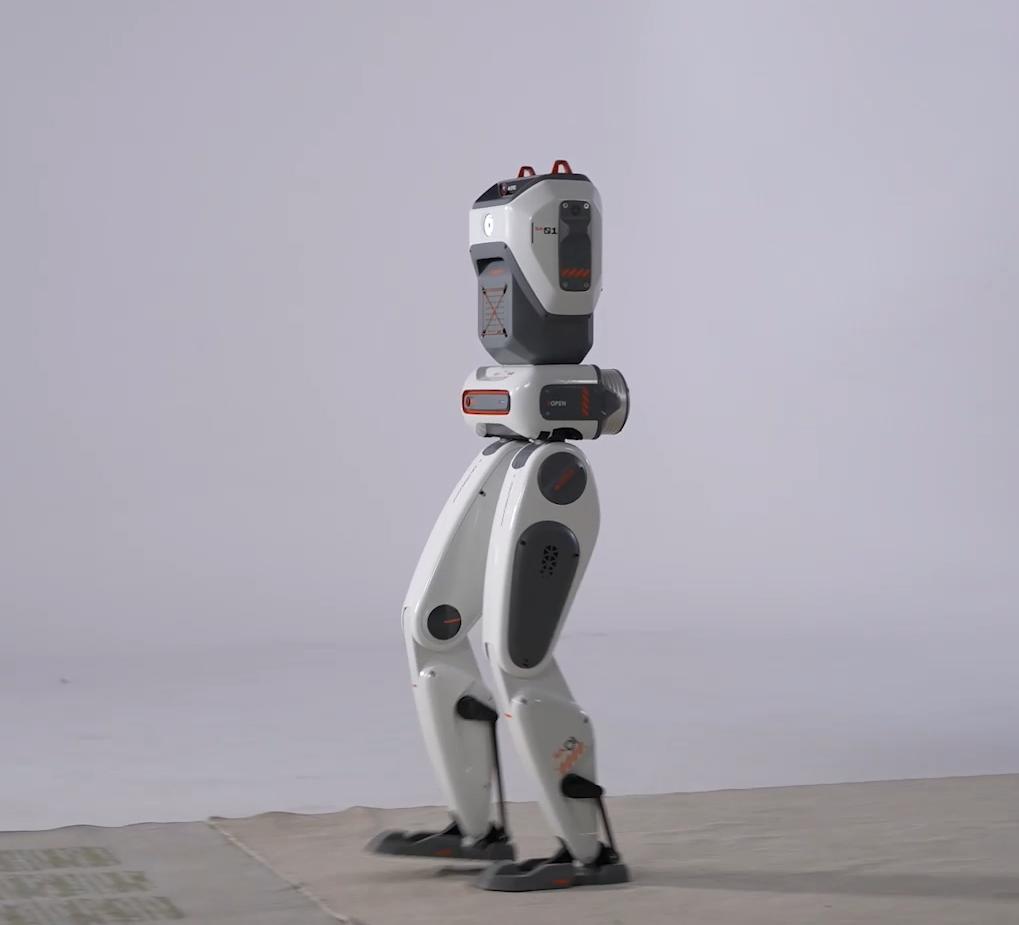
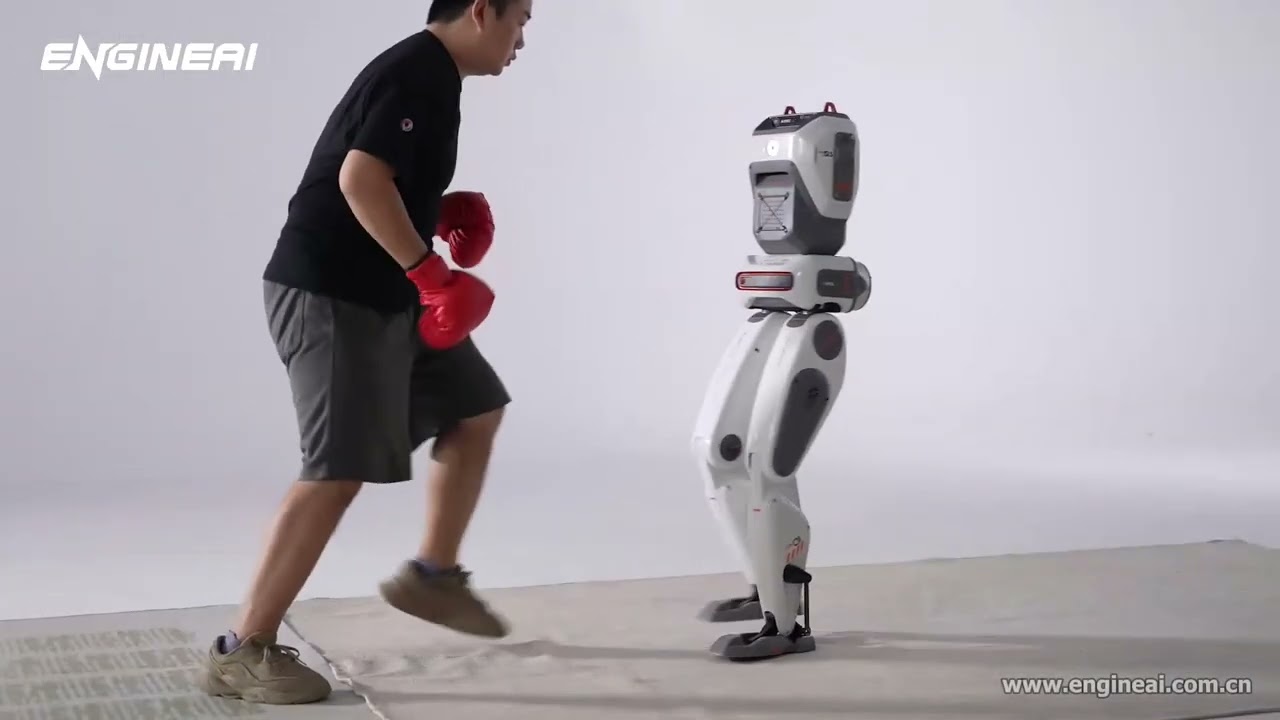
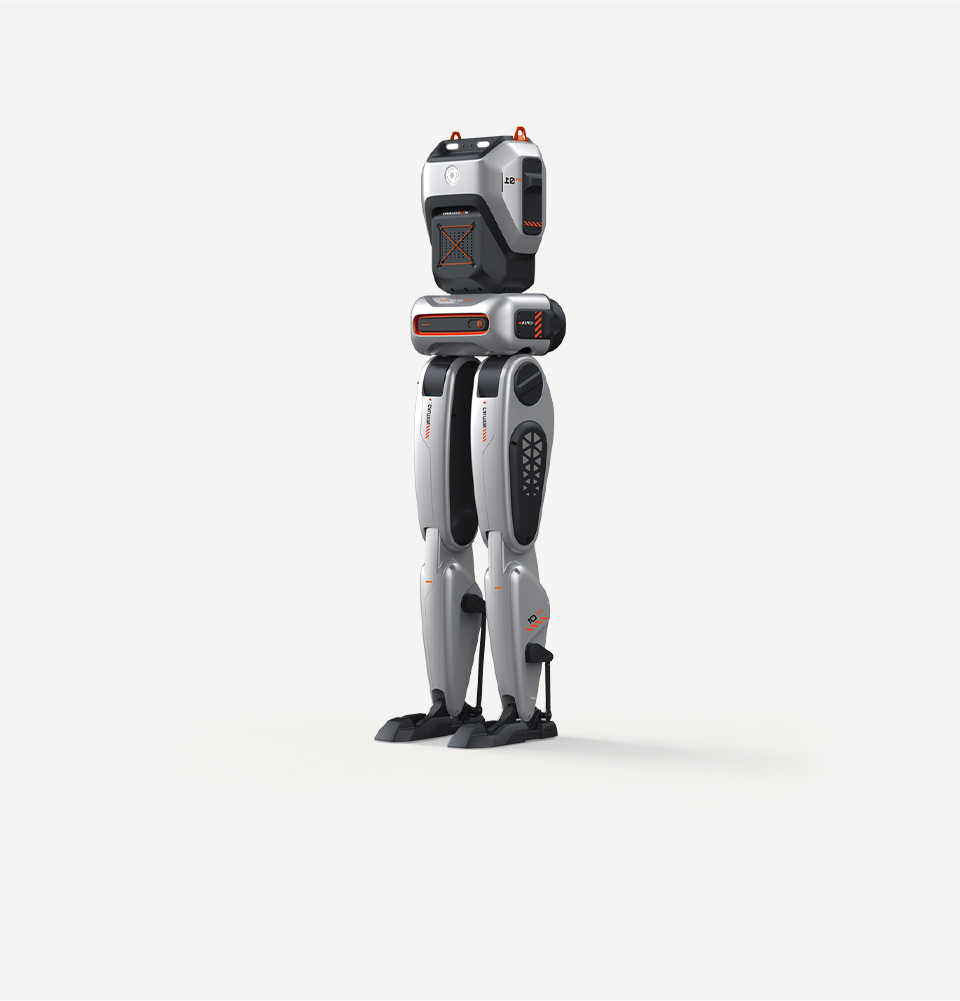
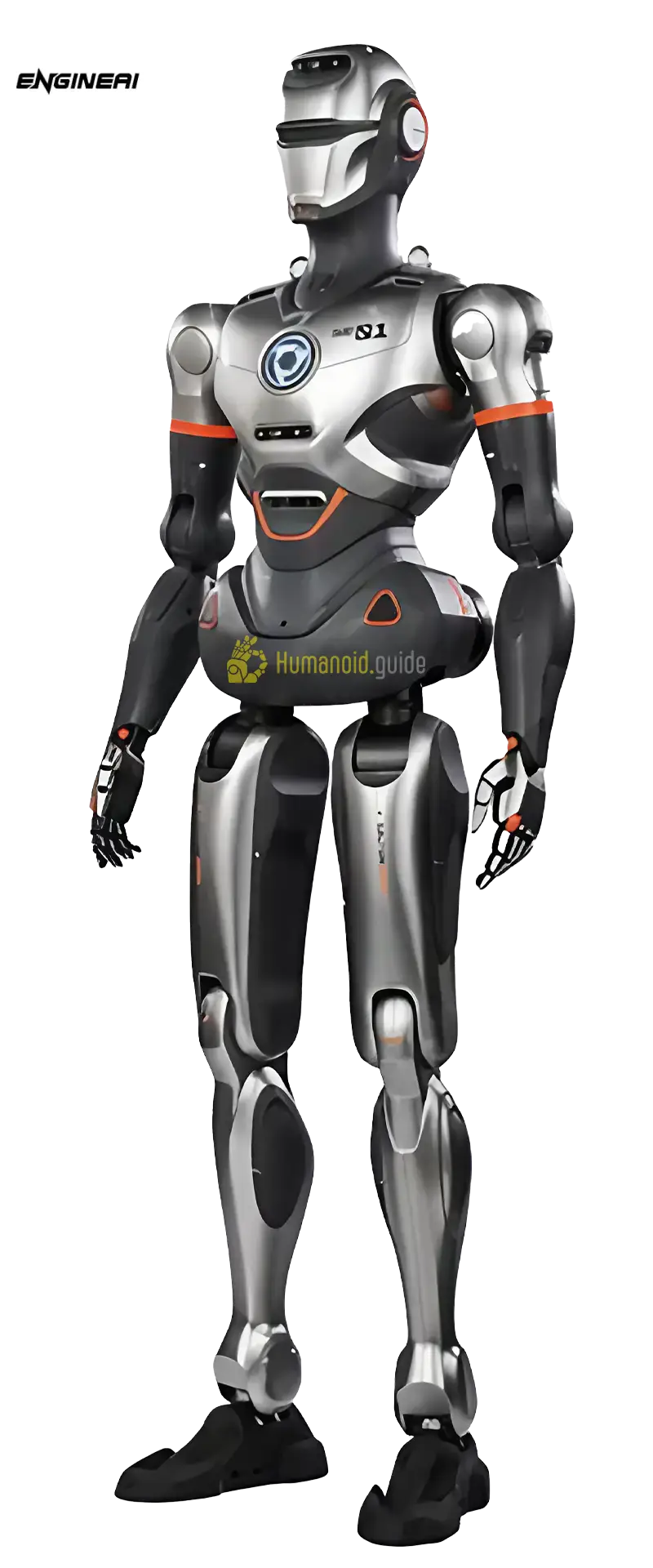
The EngineAI SA01 is a compact, open-source humanoid robot kit engineered by EngineAI (founded 2023, Shenzhen, China) to make low-cost bipedal research accessible. Standing just 390 mm tall and weighing 3.5 kg, it packs 19 degrees of freedom into a 3D-printable chassis driven by serial bus servo motors. The robot targets education, embodied intelligence research, and reinforcement learning labs, running Ubuntu 20.04 with ROS2 Humble on an optional Raspberry Pi 4. An ESP32 handles low-level motor control, while standard sensors include an IMU and optional camera. Its DIY assembly kit requires soldering and 3D printing of structural parts, offering a deep hands-on experience. With full ROS2/Gazebo simulation support and Python/C++ examples, the SA01 is one of the most affordable bipedal humanoids capable of walking, simple manipulation, and gait learning. Known limitations include a small payload capacity and the fragility of 3D-printed components, which require occasional reprinting after rough landings.
Specifications
Here are the full technical specifications.
| Spec | Value |
|---|---|
| Height | 390 mm |
| Weight | 3.5 kg |
| Degrees of freedom | 19 |
| Battery life | 1.5 hours |
| Max speed | 1.1 km/h |
| Payload | Not officially published |
| Price (new) | $1,999 |
| Price (used range) | ~$1,500–$1,900 (est.) |
Price & Value
New MSRP: $1,999
Used range: ~$1,500–$1,900 (est.)
At $1,999, the EngineAI SA01 occupies a unique niche: a full-body bipedal humanoid with ROS2 support for the price of a premium laptop. Compared to the $899 Hiwonder Q1, the SA01 offers greater computing flexibility (optional Raspberry Pi and open‑source stack vs. closed firmware) and more DOF (19 vs. 16). Against the $249 Petoi Bittle quadruped, the humanoid form factor unlocks bipedal locomotion research. Used kits are still scarce given the 2024 launch, but we estimate a 10–25% depreciation once the market matures, with fully assembled and tested units holding value better than unassembled boxes. Total cost of ownership includes filaments for reprinting parts and a Raspberry Pi 4, adding roughly $100–$300, still keeping the full build under $2,500. For a university lab or dedicated hobbyist seeking an extensible ROS2 humanoid, the SA01 delivers exceptional bang-per-buck.
Who Is It For?
Best for: - University robotics labs needing a low-cost bipedal platform for gait and reinforcement learning research - STEM educators who want students to build a humanoid from scratch with full software control - ROS2 developers seeking an affordable physical testbed for navigation and whole-body control algorithms
Not for: - Payload-heavy tasks (no official payload rating; the small frame and 16 kg·cm servos limit lifting ability) - Sensory-heavy applications like autonomous navigation in cluttered spaces (only IMU and optional camera onboard) - Users expecting an out-of-the-box experience (assembly requires soldering, 3D printing, and Linux configuration)
Alternatives & Comparison
In the under-$2,500 small humanoid market, the SA01 competes primarily with the Hiwonder Q1 and extends the educational robotics space also occupied by quadruped kits like Petoi Bittle. Larger open-source arms like Reachy occupy a vastly different price bracket.
| Model | Price | Available | Key Difference |
|---|---|---|---|
| Hiwonder Q1 | $899 | yes | More affordable but closed firmware, fewer DOF (16), and limited compute options. |
| Petoi Bittle | $249 | yes | Quadruped form factor—cheaper but cannot study bipedal locomotion. |
| Pollen Robotics Reachy | $17,000 | yes | Full-size arm/torso system, precision manipulation, 8× the price. |
Verdict: For bipedal locomotion education and ROS2 hacking under $2,000, the SA01 wins decisively with its open-source software, 19 DOF, and strong community simulation tools. The Hiwonder Q1 saves money but forfeits the hackability that makes the SA01 a research tool rather than a toy. If budget is the only concern, the Petoi Bittle delivers robotics fundamentals at a fraction of the cost—but it is not a humanoid. For labs that need serious manipulation, stepping up to Reachy or a full-size platform is necessary, but for learning to make a robot walk, the SA01 is the most capable choice at this price point.
Use Cases & Capabilities
Reinforcement Learning for Bipedal Walking
The SA01’s 19 DOF and ROS2/Gazebo simulation pipeline make it a ready-made platform for training neural-network gait controllers. Researchers can develop policies in simulation using PyBullet or MuJoCo, then transfer them to the physical robot via the ROS2 control stack. The low weight and small size reduce risk during stumble-heavy training, and the open‑source servo firmware allows direct torque and position access. Community‑shared walking gaits on GitHub accelerate the initial ramp‑up, though the 3D‑printed joints require occasional reprint after repeated falls—a manageable overhead for a learning lab.
STEM Education & Hands‑On Assembly
Universities and maker spaces use the SA01 as a capstone project that spans mechanical design, electronics, and software. Students 3D‑print the chassis, solder the ESP32 control board, and integrate the Raspberry Pi, learning CAD, embedded systems, and ROS2 fundamentals. The kit’s clear documentation and example Python/C++ code flatten the learning curve. Because every part is user‑sourced (filament, Pi), the assembly cost is transparent and incremental. The result is a fully programmable humanoid that can wave, walk, and respond to sensor input, giving students a tangible outcome from weeks of work.
Embodied Intelligence & Human‑Robot Interaction
With the optional USB webcam and on‑board Raspberry Pi 4, the SA01 becomes a testbed for vision‑guided behaviors and simple HRI experiments. Researchers can implement object following, gesture recognition, or voice‑controlled actions using ROS2 packages and Python libraries. The 1‑DOF head (pan) lets the robot direct its gaze, enhancing interactive demos. The platform’s limited payload restricts heavy sensors, but a lightweight camera and a small speaker are sufficient for prototyping service‑robot behaviors in a lab environment.
Gait Algorithm Benchmarking
Because the SA01’s kinematics are fully open and its servo parameters tunable, it serves as a reproducible benchmark for comparing model‑predictive control, ZMP‑based walking, or central pattern generator approaches. The robot’s slow speed (1.1 km/h max) and lightweight legs let researchers test algorithms safely on a desk. Logging via ROS2 topics captures joint states, IMU readings, and motor currents for offline analysis. Several GitHub repositories already provide baseline walking controllers, making the SA01 a shared reference platform for academic papers on small‑scale bipedal locomotion.
Rapid Prototyping of Robotic Accessories
The fully 3D‑printable structure invites custom modifications. Engineers can design and print new end‑effectors, sensor mounts, or even extended legs to experiment with different morphologies. The open‑source 3D model files provided with the kit serve as a starting point for modifications in Fusion 360 or Blender. Because the BOM is low‑cost, breaking or losing a custom part is a minor inconvenience rather than a budget‑busting repair. This hackability makes the SA01 a favorite in hackathons and rapid‑innovation labs where time and cost are critical.
History & Background
EngineAI was founded in 2023 in Shenzhen, China, with a mission to democratize humanoid robotics. The SA01, released in June 2024, marked the company’s debut product—an ultra‑affordable, open‑source kit targeting students and researchers. In its first year, the SA01 gained traction on GitHub and robotics forums, praised for filling a gap between toy‑grade robots and six‑figure research platforms. EngineAI quickly followed with larger models: the PM01 (170 cm, 23 DOF) in late 2024 and the SAO2 (48 DOF) in 2025, but the SA01 remains their entry‑level staple. The company’s presence at CES 2025 showcased the full lineup, confirming their commitment to an ecosystem of scalable humanoids. As of 2026, the SA01 is still actively sold, with assembly tutorials and community‑maintained ROS2 packages continually updated.
Buying Used — What to Check
Servo condition Serial bus servos can develop jitter or stripped gears after repeated falls—test each joint across its full range before purchase.
Frame integrity 3D‑printed PLA/ABS parts, especially ankle and shoulder joints, are prone to cracks; inspect closely for stress whitening or repaired sections.
Compute module included The base kit does not include the Raspberry Pi 4; confirm whether the used unit comes with the Pi and any pre‑loaded SD card to avoid extra costs and setup time.