What is the Engineered Arts Ameca?
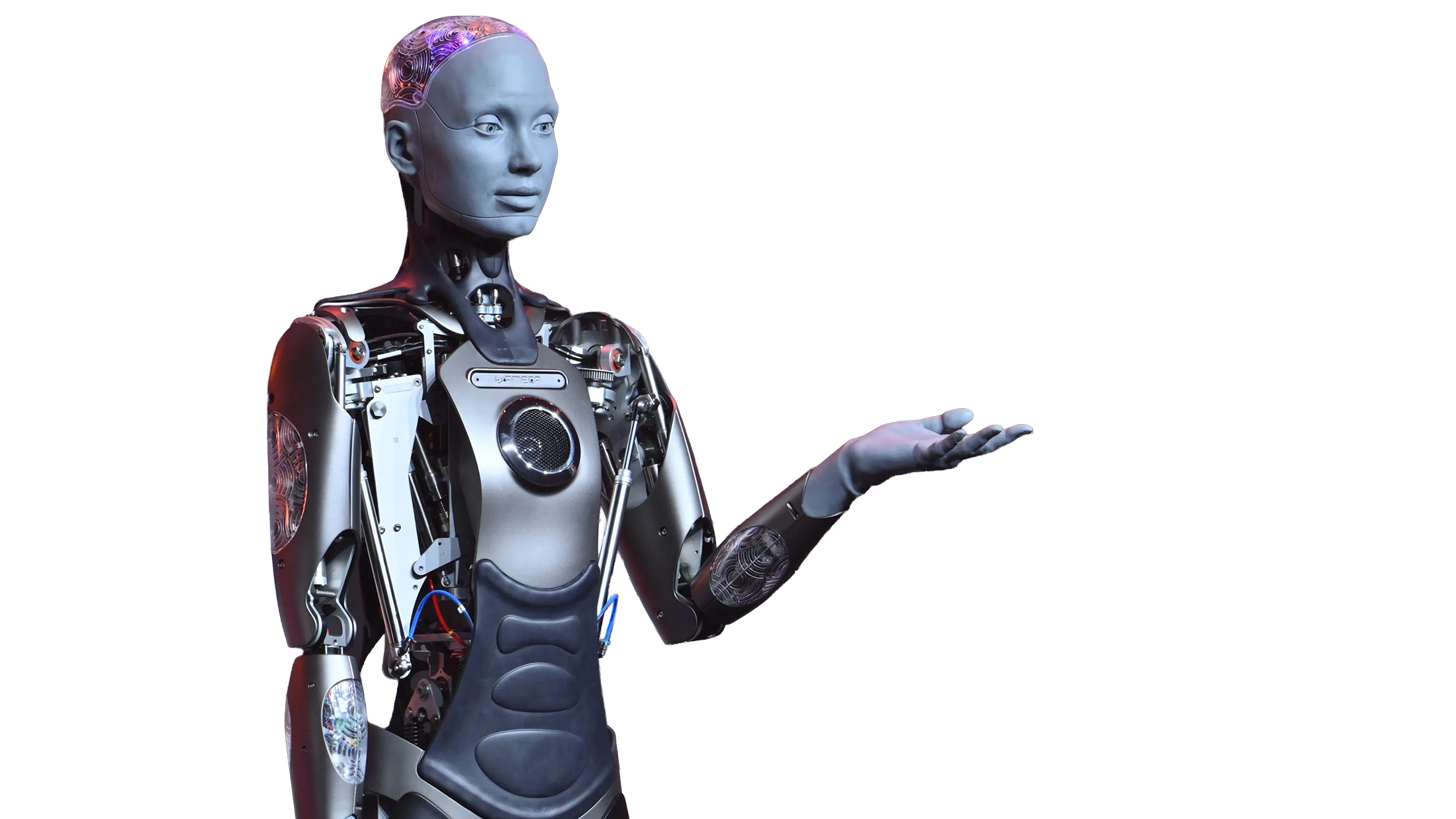
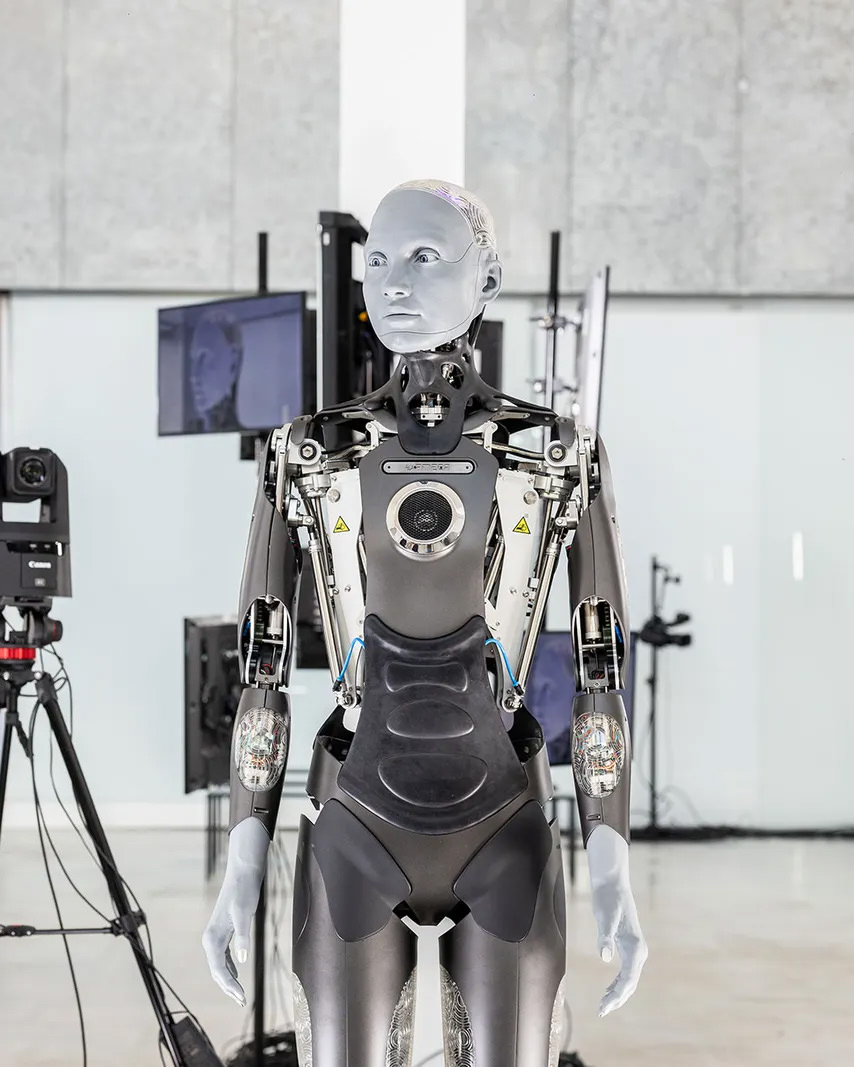
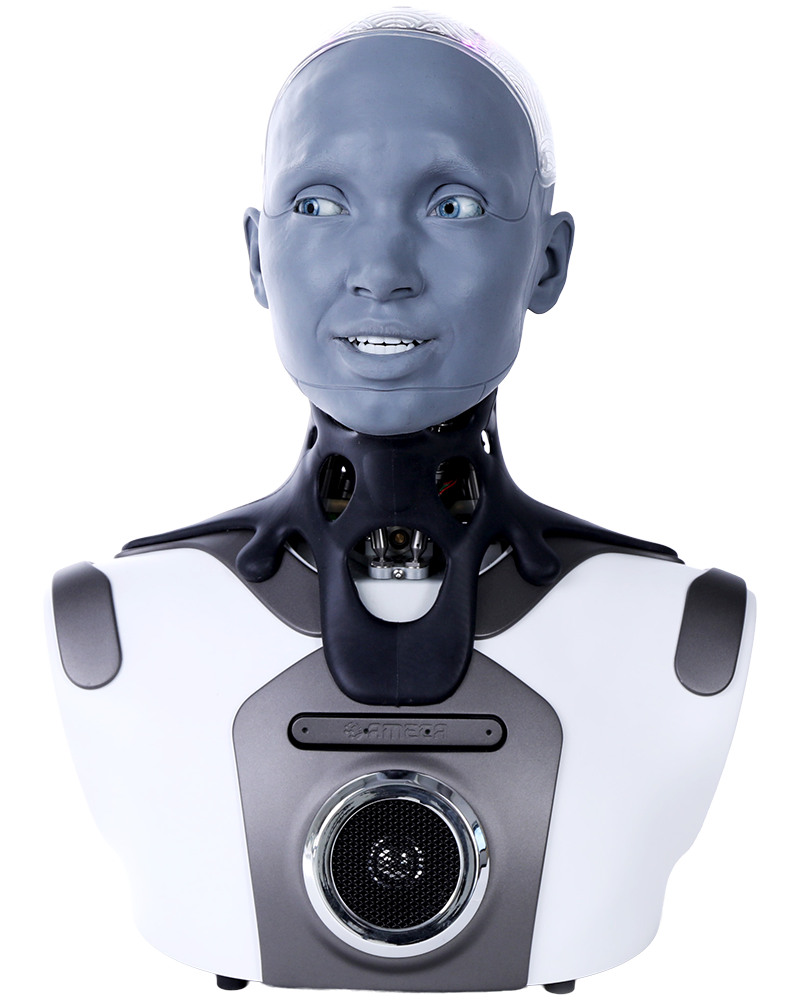
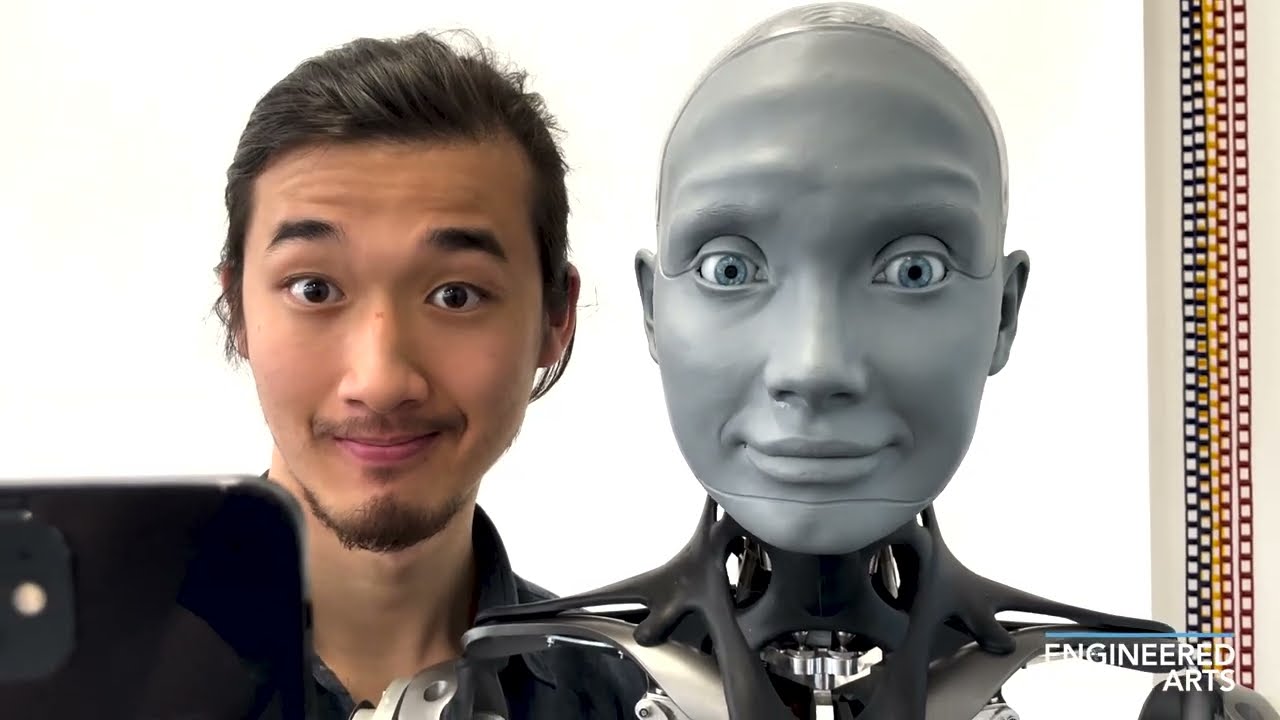
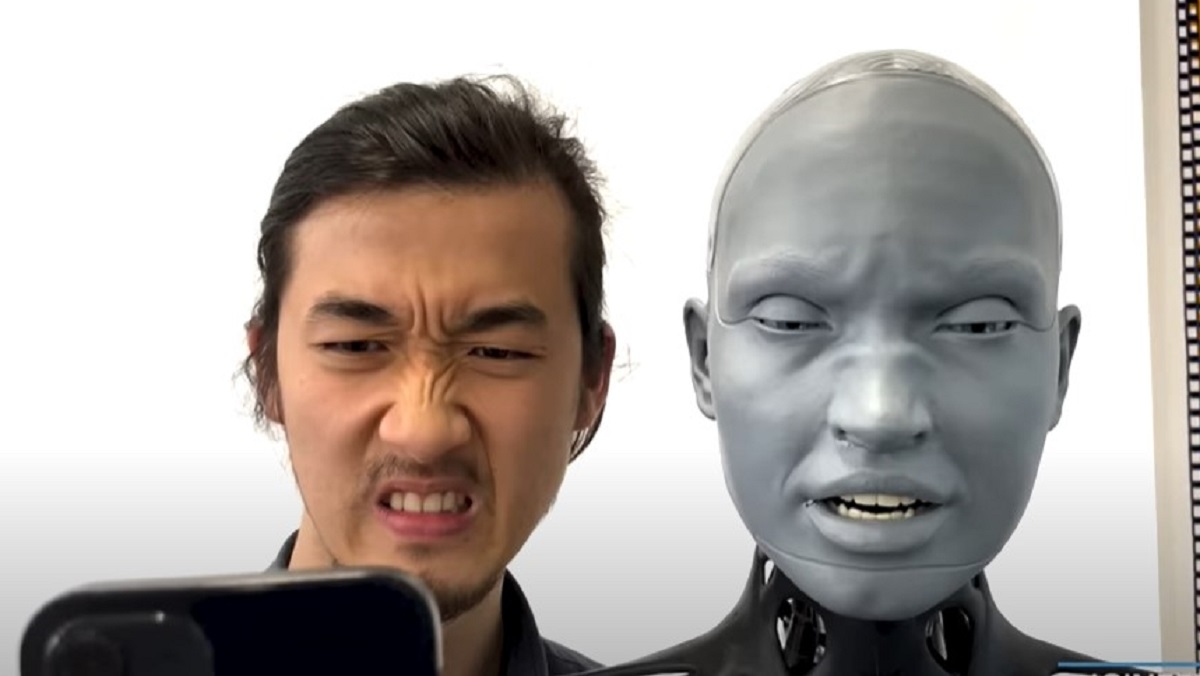
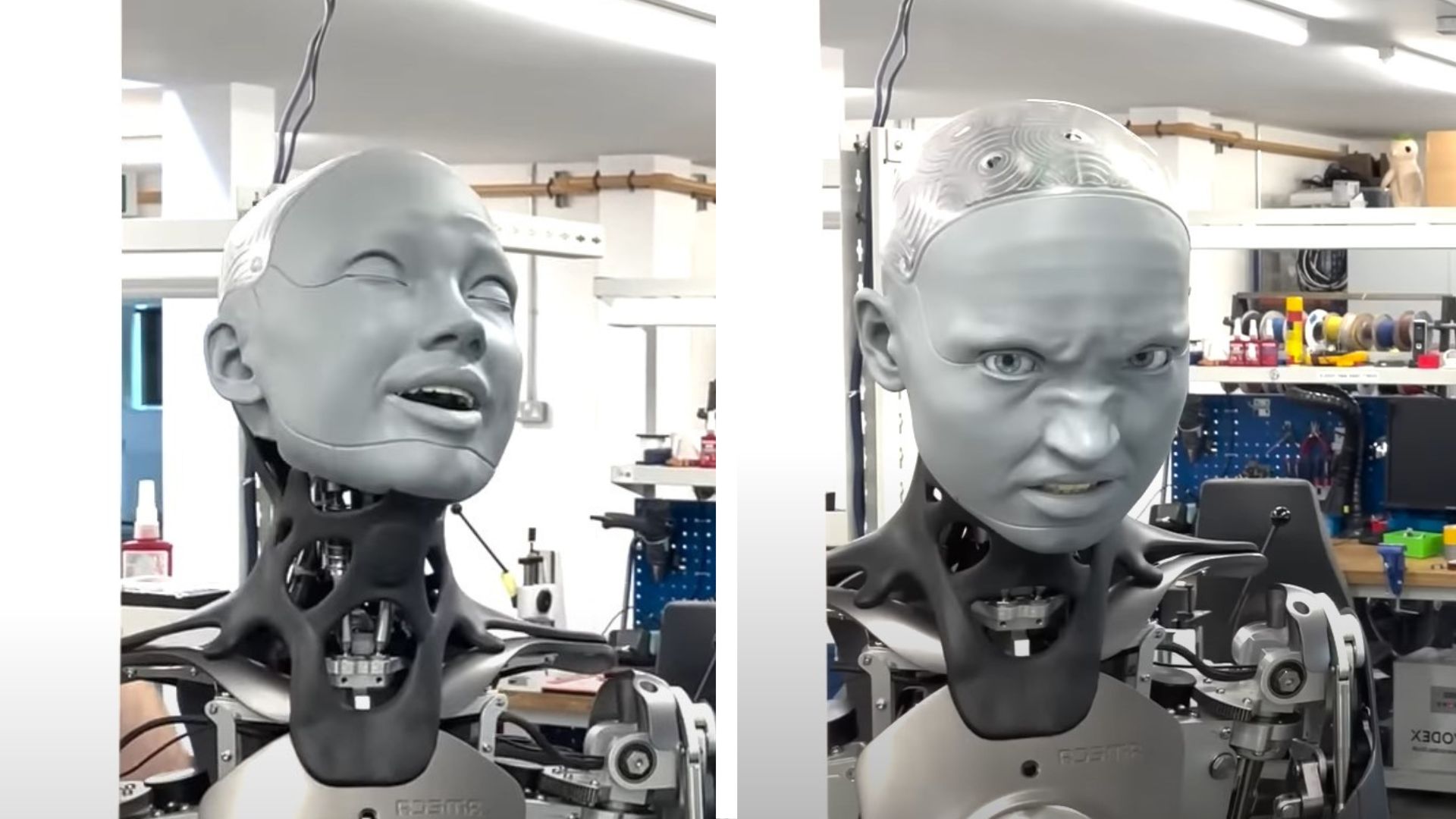
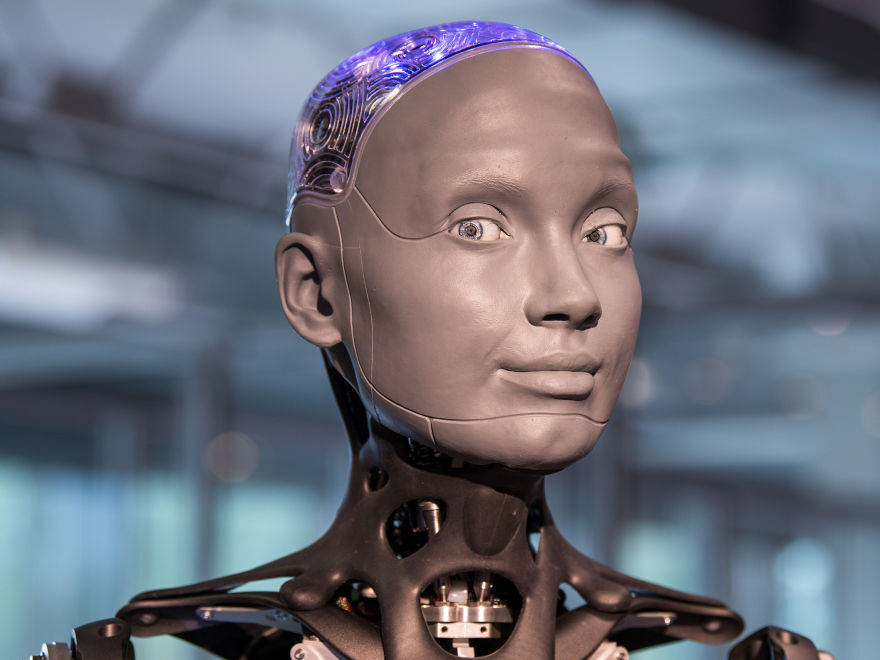
The Engineered Arts Ameca is a cutting-edge humanoid robot designed for the most natural human-robot interaction possible. Developed in Penryn, United Kingdom, Ameca features an expressive silicone face and 31 degrees of freedom across its upper body, enabling subtle gestures and lifelike facial expressions without falling into the uncanny valley. It is a stationary platform, mounted on a wheeled base for controlled setups, and is intended for public engagement, research, and entertainment. Unlike fully bipedal robots, Ameca focuses purely on upper-body communication, making it ideal for reception, stage shows, and social robotics demonstrations. Its open software architecture and compatibility with AI systems allow developers to create tailored behaviors.
Specifications
Here are the full technical specifications.
| Spec | Value |
|---|---|
| Height | 1600 mm |
| Weight | 35 kg |
| Degrees of freedom | 31 |
| Battery life | Not applicable (mains powered) |
| Max speed | Not applicable (stationary) |
| Payload | 2 kg per arm |
| Price (new) | $100,000 – $500,000 |
| Price (used range) | N/A (no established used market) |
Price & Value
New MSRP: $100,000 – $500,000
Used range: N/A (limited used market)
Ameca’s starting price of $100,000 positions it as a premium investment for institutions seeking the most advanced humanoid expressions. The wide range up to $500,000 reflects deep customization for specific roles, from educational demonstrations to branded event appearances. While expensive, the robot’s lifelike interaction capabilities and robust software platform justify the cost for research labs and entertainment venues that demand high engagement. There is no established used market yet; most units are built to order, so second-hand availability is extremely limited. For organizations on a tighter budget, rental options from Engineered Arts or third-party providers can provide temporary access without the capital outlay. Compared to the Hanson Robotics Sophia ($150,000), Ameca offers more natural motion and easier integration, making it the better value for expressive HRI applications.
Who Is It For?
Best for: - Museums and science centers requiring an interactive exhibit (expressive gestures and speech captivate audiences) - University robotics and HRI labs (open platform for behavioral research) - Event organizers and brand activations (custom scripts and remote operation for live appearances)
Not for: - Outdoor or mobile applications (no legs, tethered power, no autonomous navigation) - Industrial automation tasks (payload limited to 2 kg per arm, not rated for repeatable precision)
Alternatives & Comparison
For organizations evaluating expressive humanoid robots, Ameca stands out for its fluid, natural motion and practical design. The key alternative is the Hanson Robotics Sophia, which takes a more anthropomorphic approach but at a slightly higher base price.
| Model | Price | Available | Key Difference |
|---|---|---|---|
| Hanson Robotics Sophia | $150,000 | yes | Sophia has human-like artificial skin and hair, but Ameca's mechanical aesthetic avoids the uncanny valley and offers more modular maintenance. |
Verdict: For research and public engagement where natural expressions and ease of repair are paramount, Ameca is the clear winner. Sophia may appeal to projects requiring a more human-like face for symbolic AI demonstrations, but Ameca’s robust, transparent design provides a more reliable platform for daily interaction. If your priority is long-term maintainability and lifelike motion, go with Ameca.
Use Cases & Capabilities
Public Engagement and Events
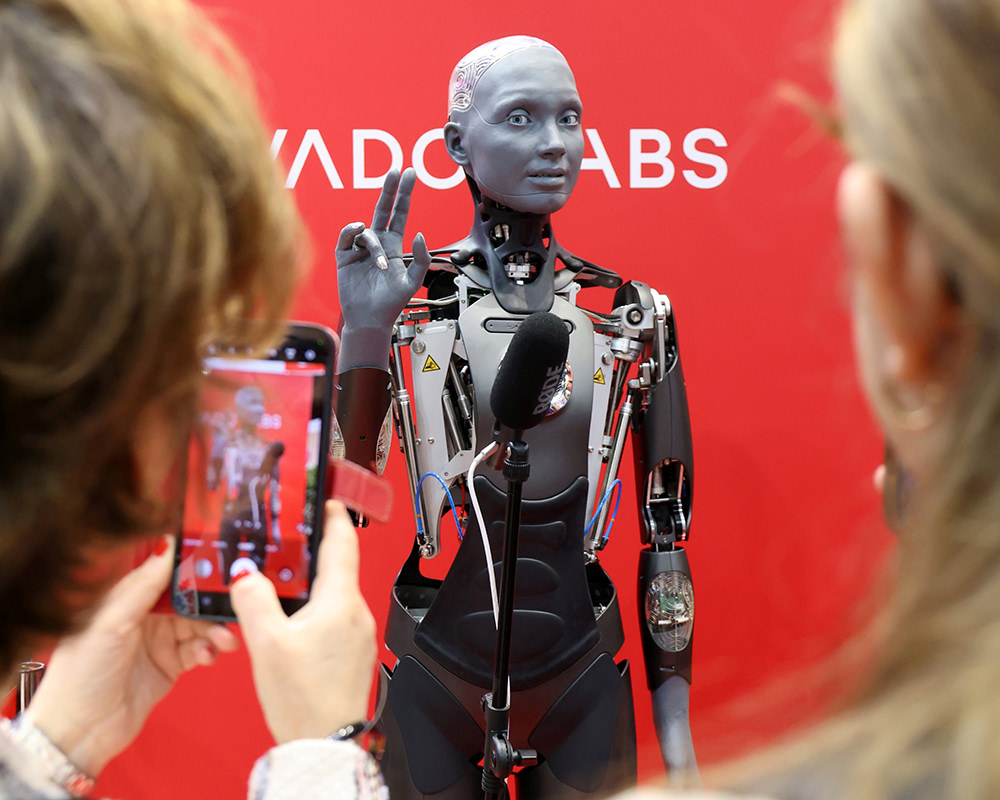
Ameca excels as a greeter or stage performer at conferences, trade shows, and cultural venues. Its pre-programmed facial animations and speech capability allow it to deliver scripted presentations or answer visitor questions with personality. The robot’s non-threatening, clearly robotic appearance encourages audience interaction without misleading people. Multiple units can be networked for synchronized performances, and remote operators can control the robot live for spontaneous conversations. Limitations include the need for a controlled indoor environment and a dedicated mains power connection.
Human-Robot Interaction Research
Academic labs use Ameca to study psychology, social robotics, and AI-driven behaviors. The robot’s 31 degrees of freedom enable realistic emotional expression, providing a high-fidelity platform for experiments. Its open software stack allows researchers to integrate custom machine learning models for facial recognition, dialogue, and gesture generation. The stationary design simplifies setup and reduces safety concerns during studies. However, the lack of mobility means experiments requiring locomotion or navigation are not feasible with this platform.
Receptionist and Hospitality
Hotels and corporate lobbies deploy Ameca to welcome guests, provide directions, and handle check-in queries. The robot’s expressive face makes interactions feel more personal than screen-based kiosks. Integration with backend systems enables real-time information on room availability or event schedules. Its tethered power means it stays at a dedicated station, which is acceptable for reception roles. In noisy environments, voice recognition may require additional noise-cancelling solutions to ensure accurate responses.
Education and STEM Outreach
Schools and universities use Ameca to inspire students in robotics and AI. The robot can serve as a teaching assistant, explaining concepts or leading interactive demos. Its visual capabilities, such as eye tracking and facial expressions, make lessons engaging and memorable. Engineered Arts provides educational resources and remote support to help institutions integrate the robot into curricula. The high cost means only well-funded programs can afford a permanent unit, but short-term rentals are a popular alternative for special events.
Social Robotics Development
Companies building conversational AI or healthcare companion applications use Ameca as a hardware platform. The robot’s expressive feedback improves user engagement in therapeutic settings, such as assisting children with autism. Its modular design allows swapping of hands or face overlays for tailored studies. The robust API simplifies integration with cloud-based language models and other services. Deployments require technical expertise to customize behaviors, and costs escalate with added hardware or software complexity.
History & Background
Engineered Arts was founded in 2004 by Will Jackson in Penryn, Cornwall, United Kingdom, initially focusing on theatrical animatronics. The company’s early products, such as the RoboThespian, were used in museums and theme parks for scripted performances. In December 2021, Engineered Arts unveiled Ameca, its most advanced humanoid platform, designed from the ground up for natural social interaction. The robot incorporates decades of development in fluid motion control and expressive facial hardware. Ameca’s debut video went viral, amassing millions of views and cementing its reputation. The company continues to iterate on the platform through software updates and custom configurations, though only one hardware generation exists as of 2026. Ameca remains in active production, with units deployed globally across research labs, museums, and commercial venues.
Buying Used — What to Check
Confirm power supply compatibility Ameca is tethered and requires a dedicated AC supply; ensure the used unit’s power unit matches your region’s voltage.
Inspect facial calibration drift Operators have reported occasional calibration issues after extensive use; verify that the face actuators return to neutral accurately.
Request demo of all DOF Since the robot relies heavily on precise servo movements, a full motion test ensures no worn or sticky joints.