What is the Engineered Arts Robothespian?
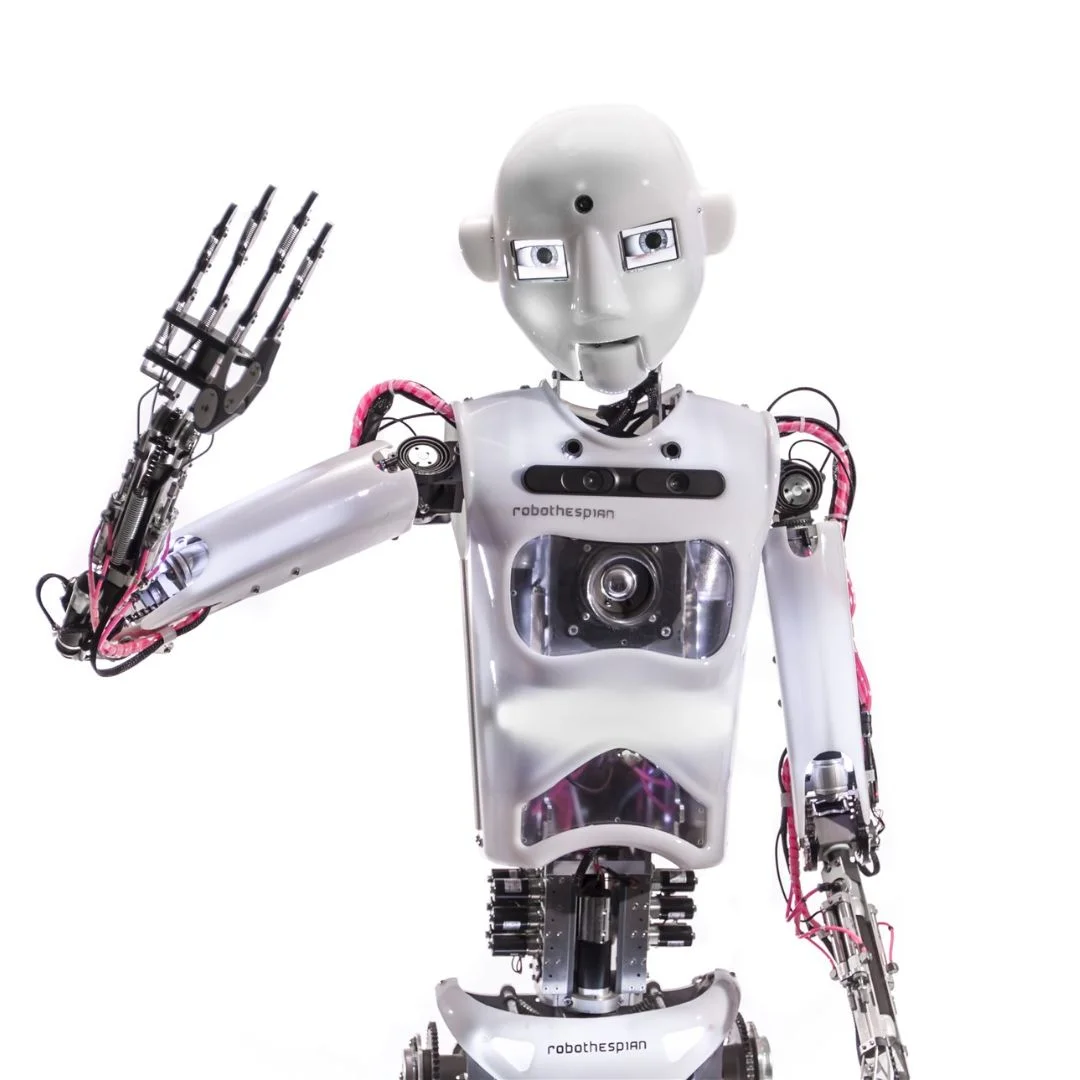
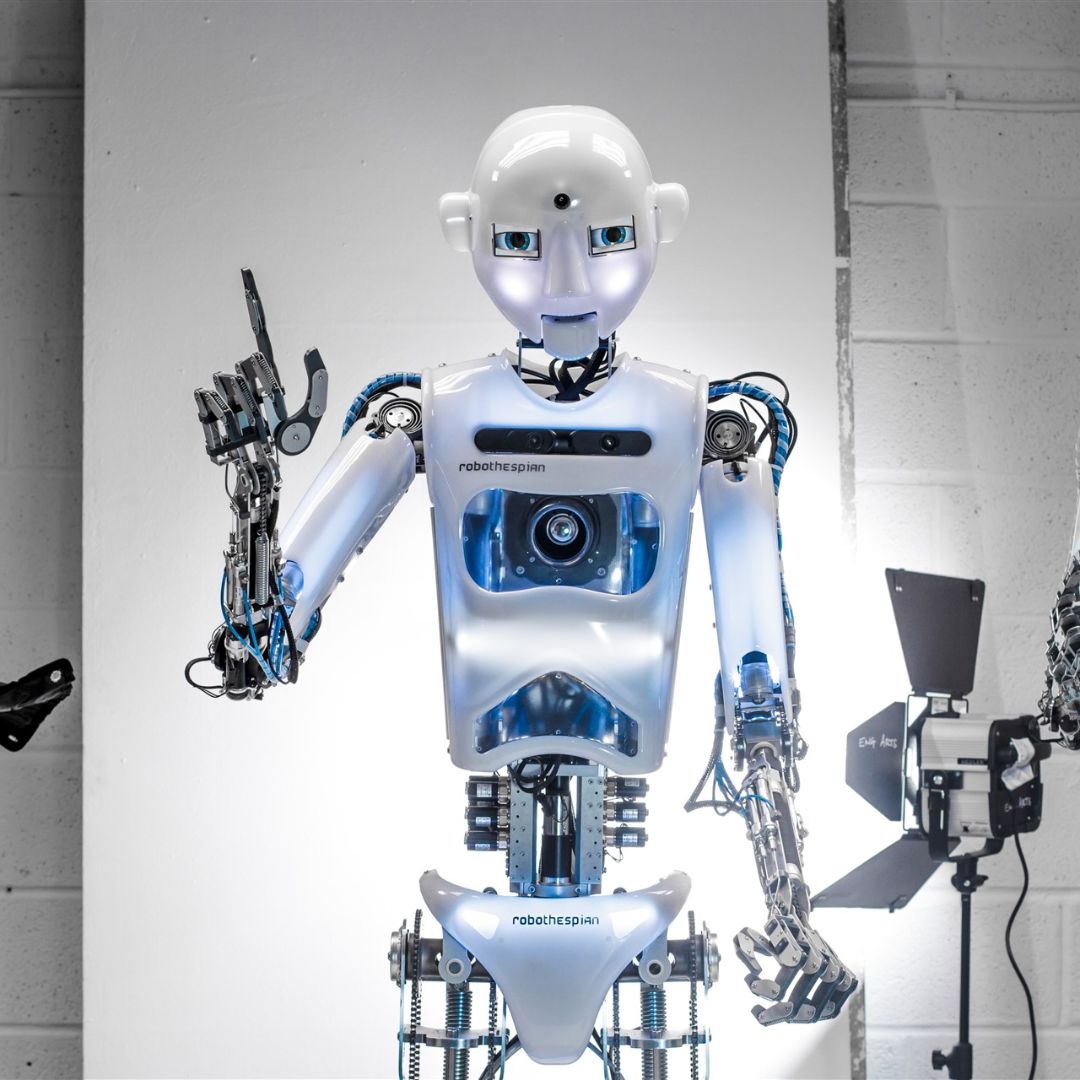
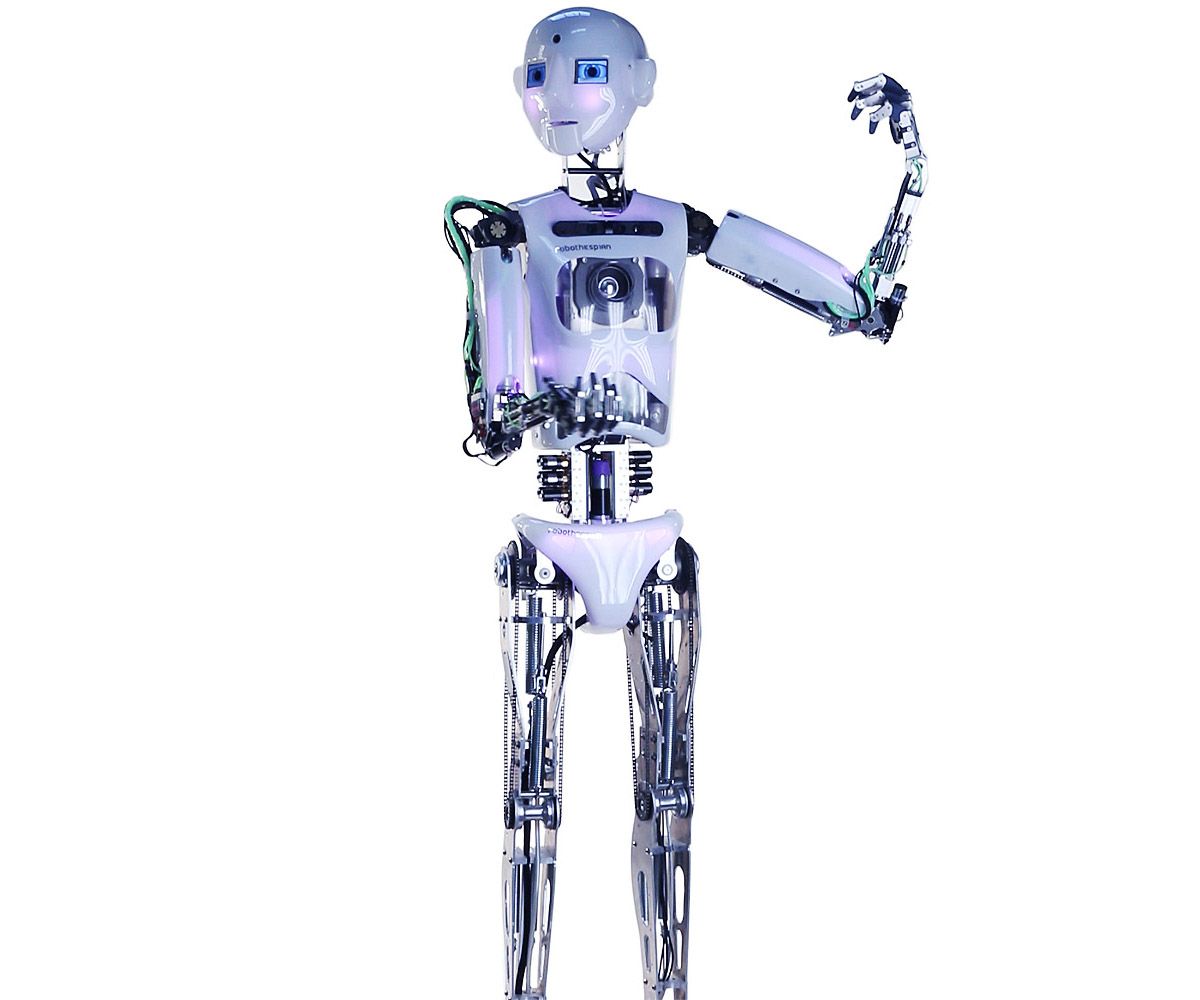
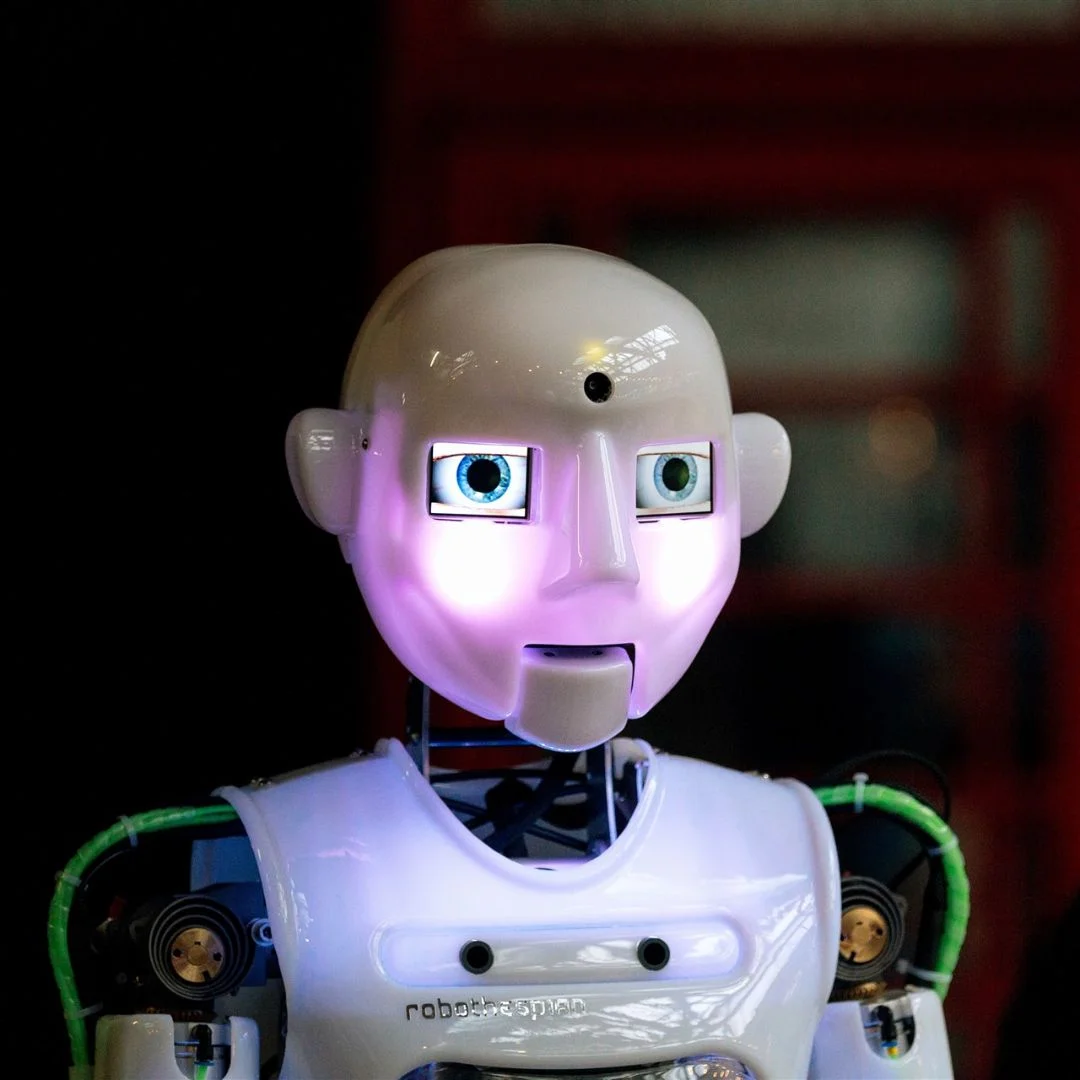
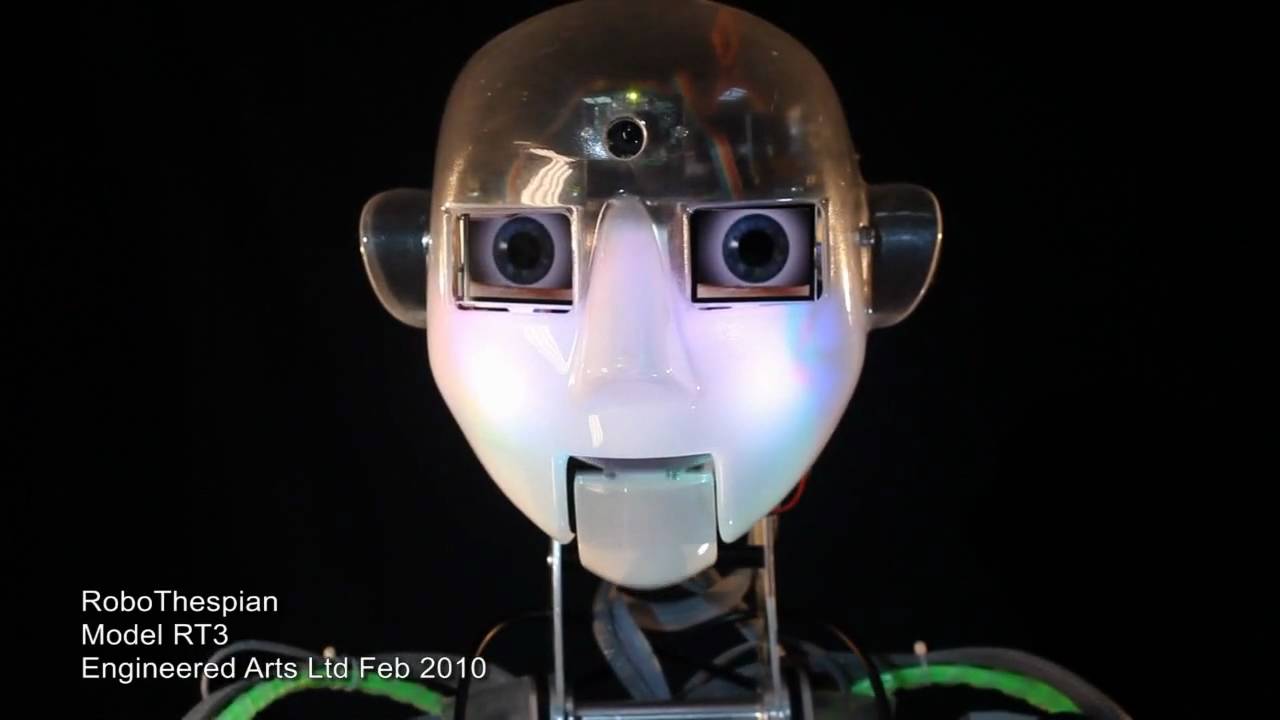
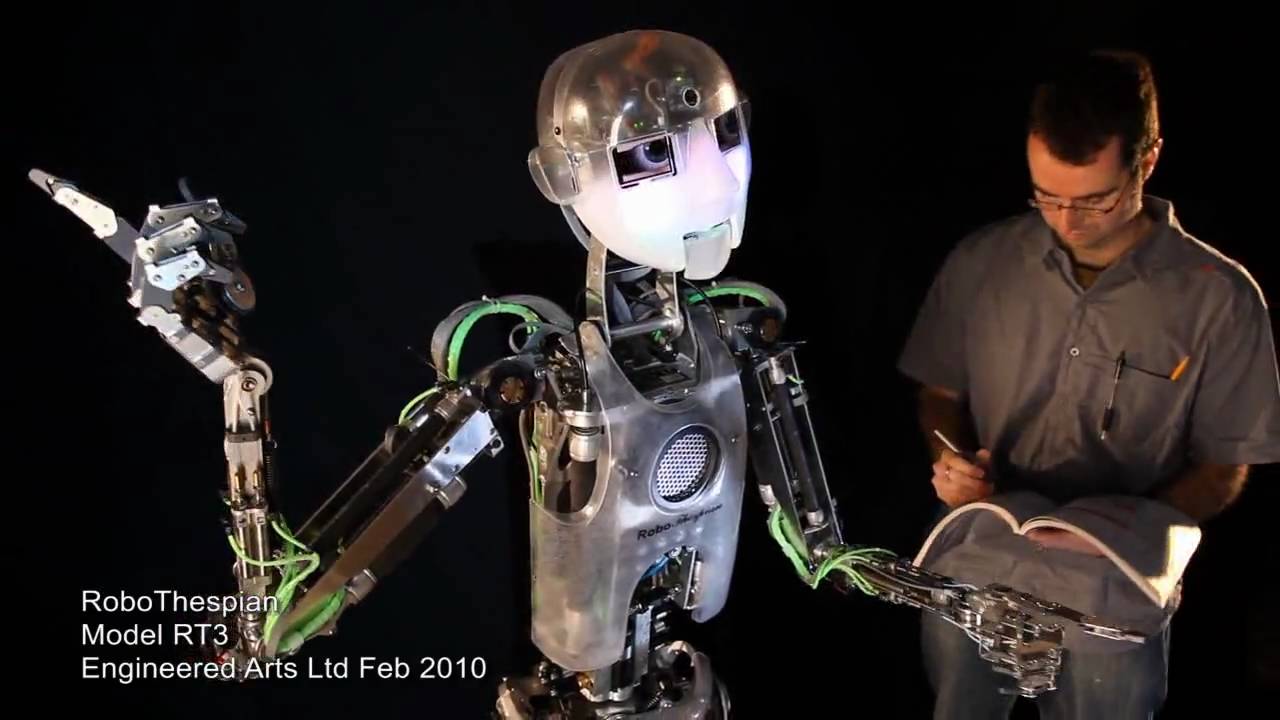
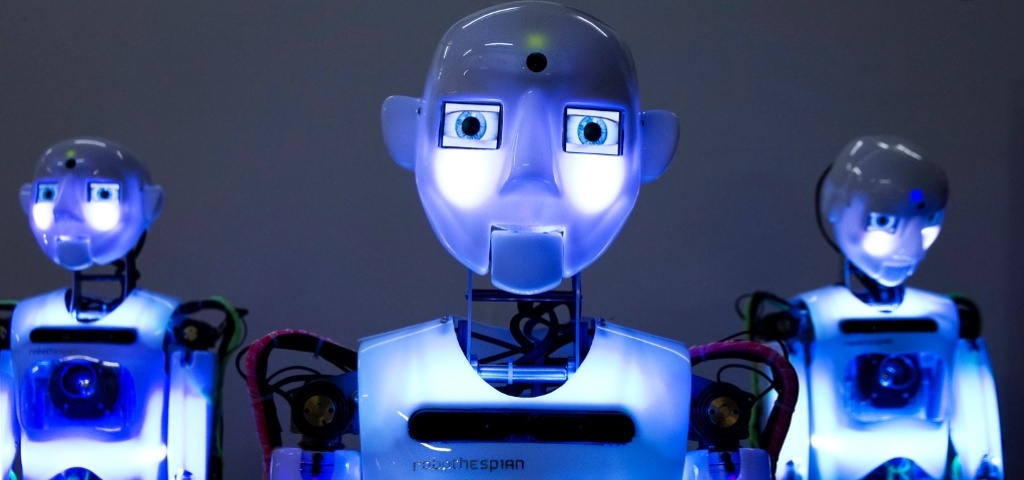
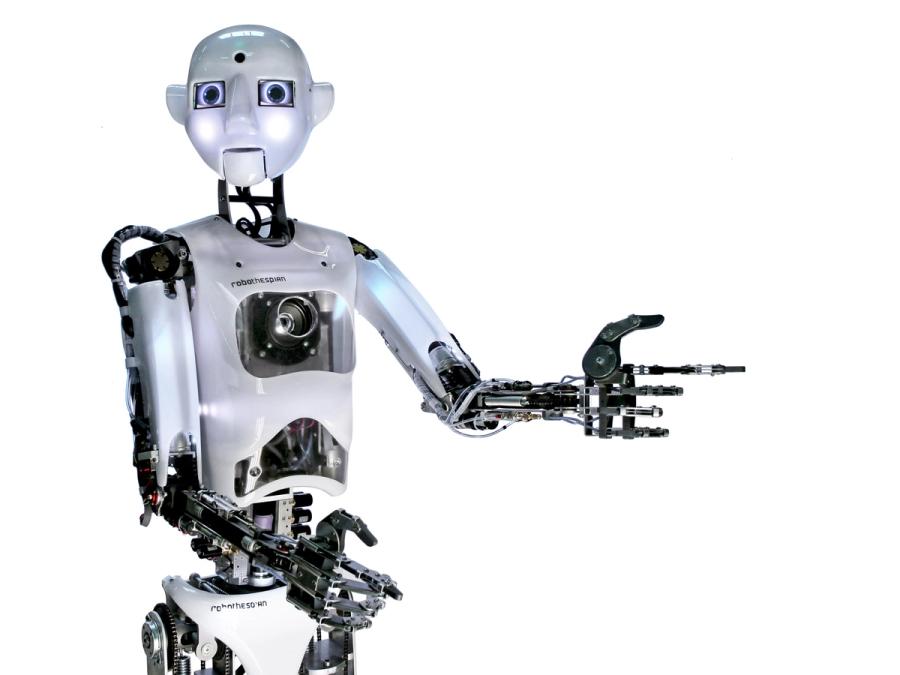
The RoboThespian is a life-sized humanoid robot designed for entertainment and public engagement, manufactured by Engineered Arts in Falmouth, UK. Standing 1.75 meters tall and weighing 33 kg, it features 32 electric degrees of freedom, including 22 for highly expressive facial animations. Unlike autonomous mobile robots, it is a stationary, mains-powered performer that can lip-sync, gesture, and interact with audiences using pre-scripted content or telepresence. The robot is built on an aluminum frame with silicone skin and uses onboard PC computing with Engineered Arts' proprietary Tritium software. It is popular in museums, theme parks, corporate events, and research labs for its theatrical presence and realistic human-like movement.
Specifications
Here are the full technical specifications.
| Spec | Value |
|---|---|
| Height | 1.75 m |
| Weight | 33 kg |
| Degrees of freedom | 32 (22 facial) |
| Battery life | Mains powered |
| Max speed | N/A (stationary) |
| Payload | Not rated |
| Price (new) | $79,000 (starting, ex. customization) |
| Price (used range) | ~$40,000 – $60,000 (est.) |
Price & Value
New MSRP: $79,000 (starting, varies with customization)
Used range: ~$40,000 – $60,000 (few secondary market listings)
At $79,000, the RoboThespian sits in the mid-range for full-size expressive humanoids, undercutting bespoke research platforms like the Ameca. However, the base price is for a stripped-down unit; adding custom content, installation, and support can push costs significantly higher. Compared to smaller interactive robots like Pepper (~$20,000), it offers much richer physical expression but trades off portability. On the secondary market, decade-old units occasionally appear at steep discounts, though buyers should budget for maintenance and possible software upgrades. The total cost of ownership includes annual Tritium software licensing and content programming, making it a commitment for venues aiming for long-term audience engagement. For organizations that can afford it, the RoboThespian delivers unmatched theatrical performance in a standard humanoid form factor.
Who Is It For?
Best for: - Museums and science centers needing an interactive presenter (32 DOF enabling expressive storytelling) - Corporate events and brand activations requiring a human-like host (mains-powered reliability) - Performing arts organizations exploring robotic actors (realistic lip-sync and gesture control)
Not for: - Unmanned autonomous interaction (requires external scripting/operator) - Battery-operated mobile deployment (stationary, no locomotion) - Budget-constrained schools (starting price $79k plus content)
Alternatives & Comparison
The RoboThespian competes with other expressive humanoid platforms primarily in the entertainment and engagement space, though few match its full-body performance capability at this price.
| Model | Price | Available | Key Difference |
|---|---|---|---|
| Engineered Arts Ameca | ~$130,000 (est.) | yes | More advanced facial realism and AI integration, but less body articulation and higher cost. |
| SoftBank Robotics Pepper | $20,000 | yes | Cheaper, mobile, but torso-only with tablet face and far fewer expressive degrees of freedom. |
Verdict: For venues needing a stationary, full-body humanoid actor with proven reliability in live shows, the RoboThespian is the clear choice. If budget is limited and mobility matters, Pepper offers a more accessible entry point. For cutting-edge facial realism and AI conversation, the Ameca is superior but at nearly double the price.
Use Cases & Capabilities
Live Theatrical Performances
RoboThespian shines as a robotic actor in scripted plays, comedic sketches, or musical numbers. Its 32 DOF allow naturalistic arm gestures and facial expressions that can be synchronized with audio and lighting. Productions benefit from its reliability and ability to repeat exact movements night after night. The robot can interact with human performers through pre-programmed cues. However, it requires skilled operators to choreograph and program each scene.
Museum and Science Center Exhibits
Many museums deploy RoboThespian as a resident guide or science communicator. It can deliver scripted talks about exhibits, answer audience questions via telepresence, and perform demonstrations. Its expressive face and human-like motions attract and hold visitor attention better than static displays. The chest touchscreen enables interactive quizzes and information access. Setup for museum use typically includes integration with exhibit control systems.
Corporate Events and Brand Experiences
Companies use RoboThespian at trade shows and product launches to wow audiences. It can present keynotes, interact with attendees, and pose for photos. The robot's ability to mimic human speech and gestures makes it a memorable brand ambassador. Custom skins and programming can align with corporate identity. Logistically, it requires a dedicated space with mains power and programming support.
History & Background
Engineered Arts was founded in 2004 in Falmouth, UK, by Will Jackson. RoboThespian was first built in 2008 as the Mk1, initially conceived for live theater. Over subsequent years, the platform evolved through Mk2 and Mk3 iterations, adding improved facial expression mechanisms and onboard computing. The current RT4 generation streamlines design and expands API connectivity for easier integration. RoboThespian gained international recognition for its performances at events like TED and in museums worldwide. Unlike many research robots, it was commercialized early, with units sold to institutions globally. As of 2026, it remains in production alongside Engineered Arts' more advanced Ameca line, continuing to serve as an accessible entry point to expressive humanoid robotics.
Buying Used — What to Check
Verify actuator health 32 electric joints can wear over time; check for smooth motion and unusual noise.
Confirm Tritium software license transfer The proprietary software may require de-registration and re-licensing from Engineered Arts.
Inspect custom content compatibility Used units may have shows or gestures tailored to previous venue that need reprogramming.