What is the Figure 01?
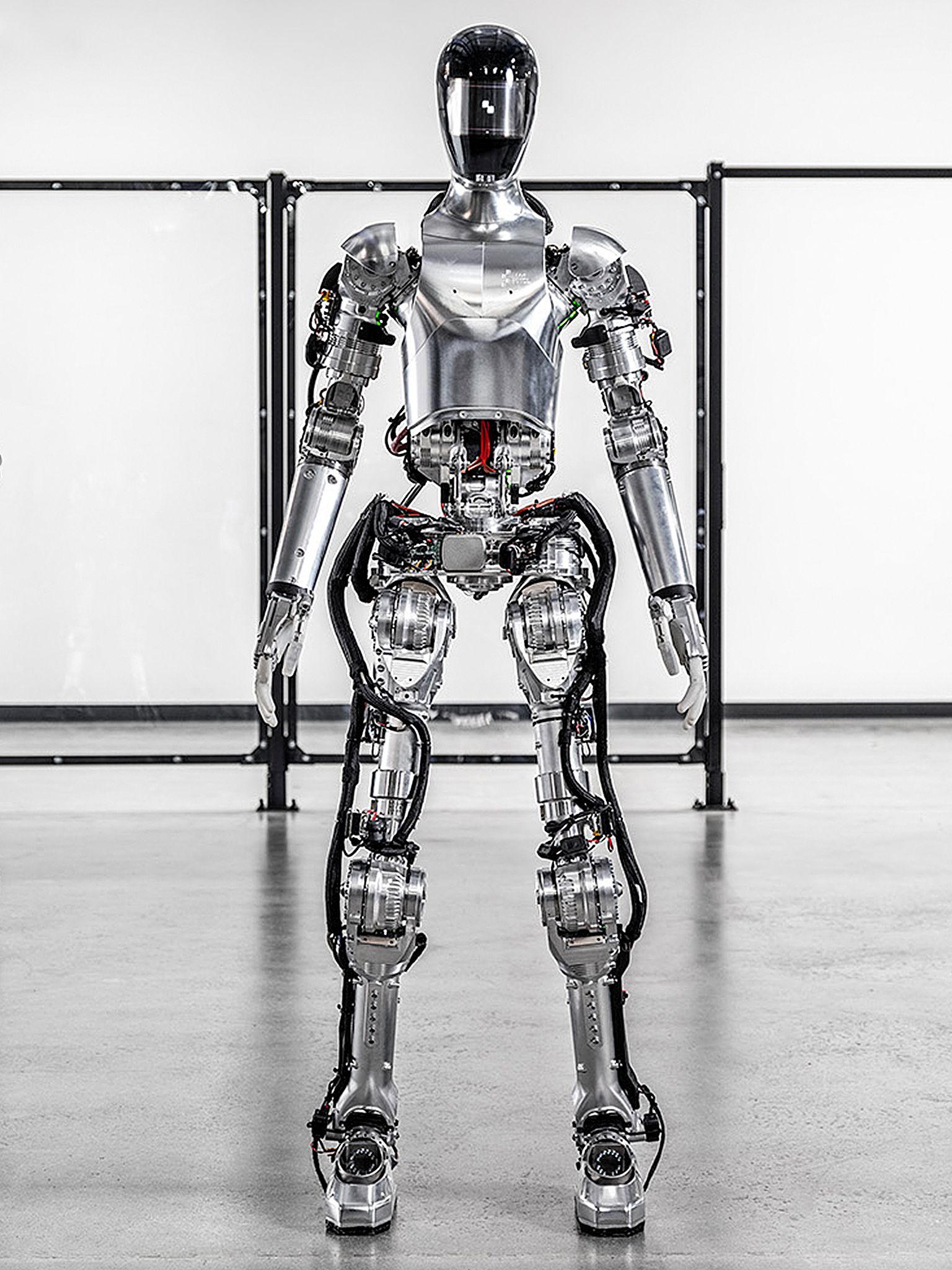
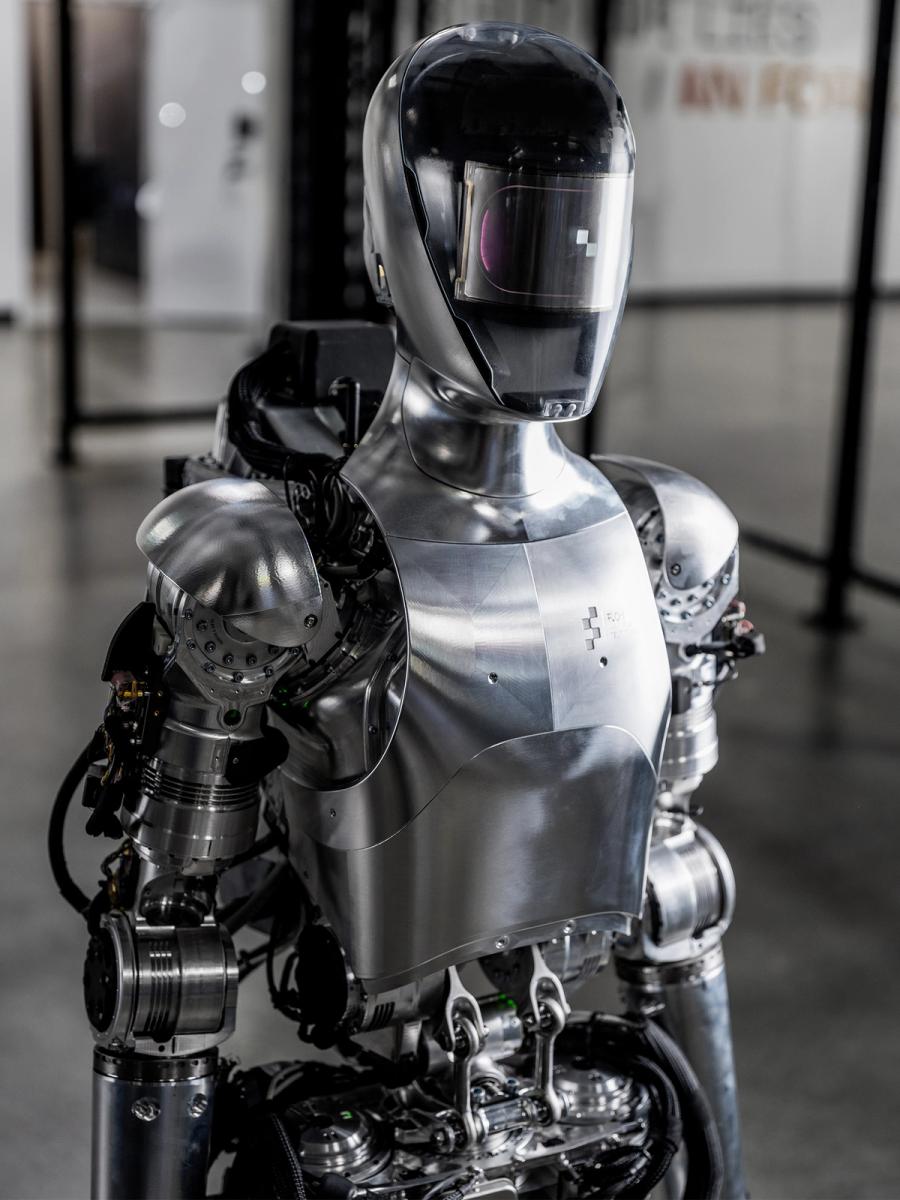
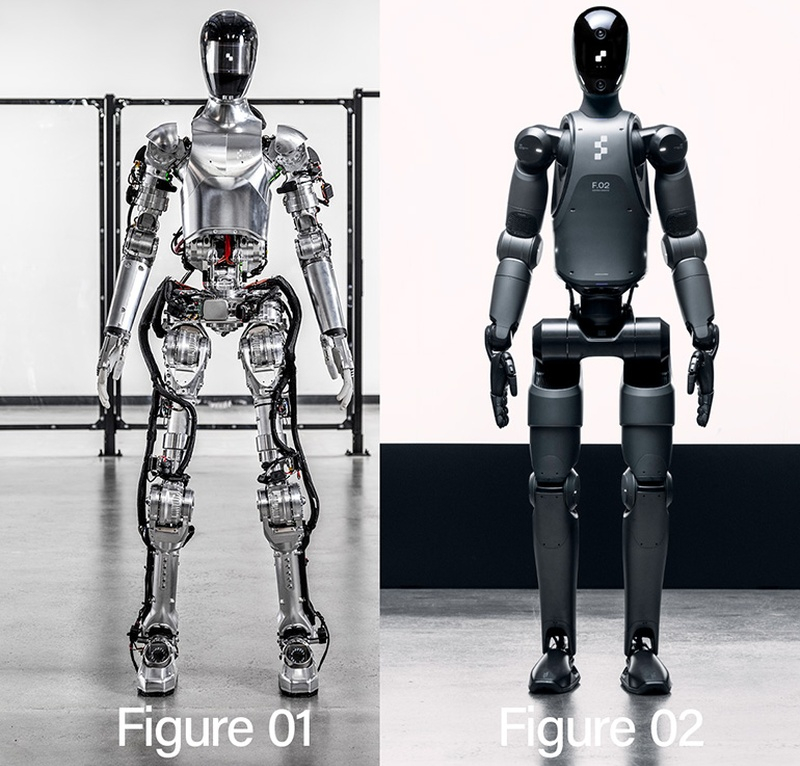
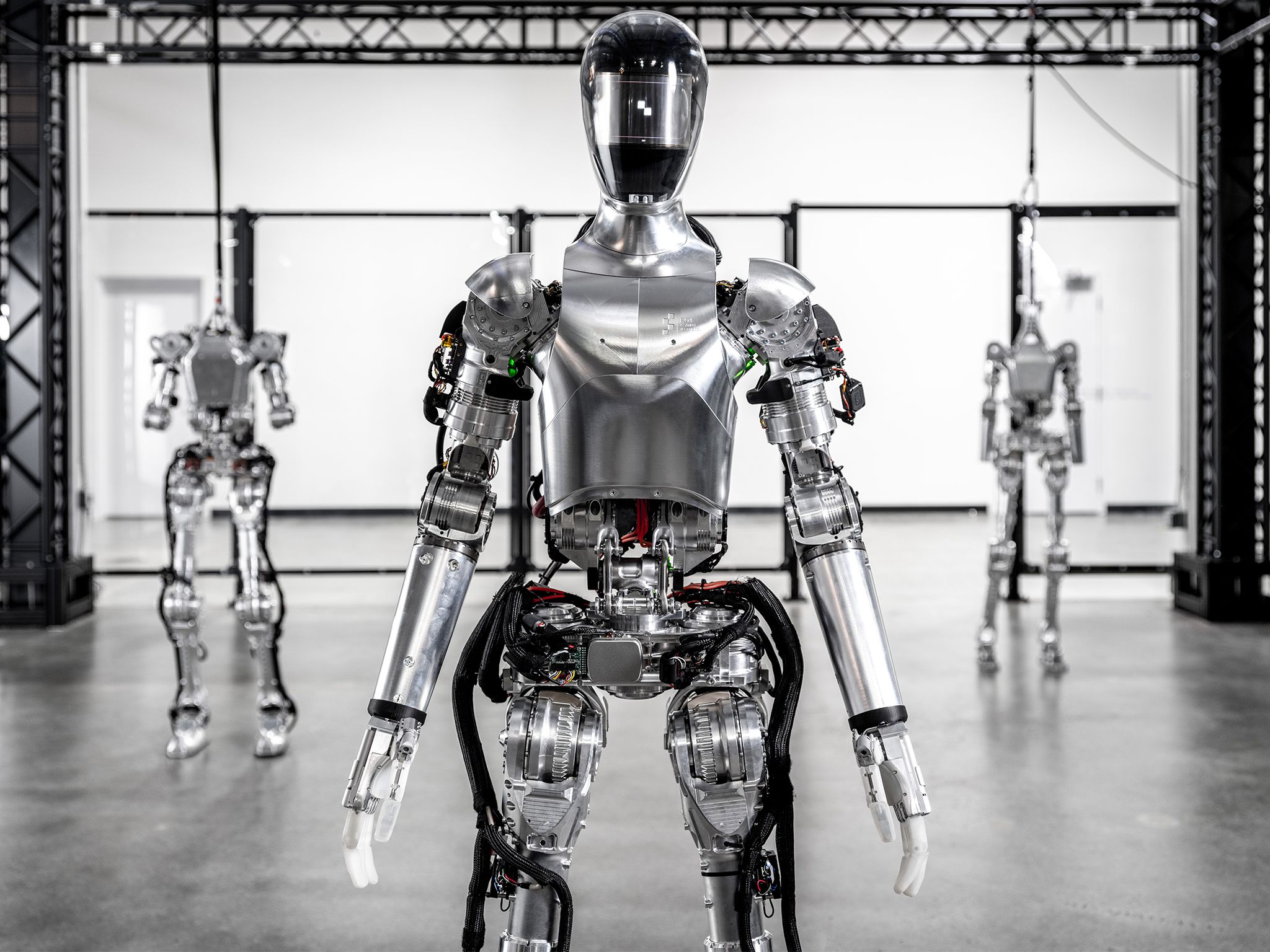
Figure 01 is a pioneering humanoid robot developed by Figure AI, founded in 2022 and headquartered in San Jose, California. Standing 1.68 m tall and weighing 60 kg, it features 41 degrees of freedom with electric actuation and a 5-finger hand design offering 6 DOF per hand. The robot is notable for integrating large language models—specifically, an OpenAI-powered conversational system—enabling real-time, context-aware voice interaction alongside physical tasks. It served as Figure AI’s proof-of-concept, demonstrated capabilities like brewing coffee, moving boxes, and assisting in a BMW logistics pilot in 2024. Production ceased after the introduction of its successor, Figure 02, in 2024, making Figure 01 a phased-out research prototype.
Specifications
Here are the full technical specifications.
| Spec | Value |
|---|---|
| Height | 1680 mm |
| Weight | 60 kg |
| Degrees of freedom | 41 |
| Battery life | 5 hours |
| Max speed | 4.32 km/h |
| Payload | 20 kg |
| Price (new) | Not commercially sold (estimated $67,500 for research placements) |
| Price (used range) | N/A |
Price & Value
New MSRP: Undisclosed (contact manufacturer)
Used range: N/A
Figure 01 was never sold as a commercial product. A frequently cited estimated price of $67,500 refers to early research institution placements and not a public retail figure. As a research prototype that is now discontinued, no secondary market exists for used units, and any remaining robots are likely in partner labs. The robot’s value was primarily in demonstrating the feasibility of integrating advanced AI with a humanoid form factor, rather than as a scalable tool. Compared to commercial alternatives like Apptronik Apollo or Agility Robotics Digit (both with actual pricing models), Figure 01’s economic proposition is zero for most buyers; it represents a research milestone. Prospective users seeking a Figure humanoid should look to Figure 02, which has entered commercial discussions.
Who Is It For?
Best for: - University robotics labs studying humanoid AI integration (41 DOF and live LLM interaction) - Museums or historical exhibits showcasing the first AI-powered humanoid - Researchers analyzing early embodied AI with precise manipulation (12 hand DOF) and bipedal walking
Not for: - Production warehouses (discontinued, no spare parts, limited runtime) - Businesses needing a commercially supported humanoid for daily operation (no warranty, no manufacturer support) - Outdoor or harsh environments (no IP rating, walking stability still developmental)
Alternatives & Comparison
While Figure 01 is no longer available, its competitors in the humanoid space during its active period remain relevant benchmarks.
| Model | Price | Available | Key Difference |
|---|---|---|---|
| Tesla Optimus | Undisclosed | no | Factory-focused design with Tesla AI stack, still in development |
| Boston Dynamics Atlas | Undisclosed | no | High-performance dynamic locomotion, no integrated conversational AI |
| Apptronik Apollo | Undisclosed | preorder | Enterprise-ready humanoid targeting logistics with interchangeable batteries |
| Agility Robotics Digit | $250,000 | yes | Specialized for warehouse tote handling with proven commercial deployment |
Verdict: Figure 01 is a historical artifact, not a viable purchase. For researchers wanting to explore AI-embodied interaction, newer platforms like Tesla Optimus or the successor Figure 02 offer more mature technology. If the goal is a commercially available humanoid today, Agility Digit’s proven warehouse integration or Apptronik Apollo’s upcoming rollout provide realistic paths. The true legacy of Figure 01 is in proving that general-purpose humanoids with conversational AI can work in real environments, setting the stage for all that followed.
Use Cases & Capabilities
General Object Manipulation
Figure 01 demonstrated robust pick-and-place of everyday items such as boxes, cups, and tools, leveraging its 41 DOF and force-torque sensors. The dual 6-DOF hands enabled grasping of diverse shapes, while computer vision identified objects in cluttered scenes. In a BMW logistics pilot, the robot moved totes and sorted parts, showing basic warehouse utility. However, the 20 kg payload limit and 5-hour runtime restricted continuous heavy-duty operation. These trials proved that a general-purpose humanoid could handle real-world manipulation tasks without task-specific engineering.
Coffee Making Demonstration
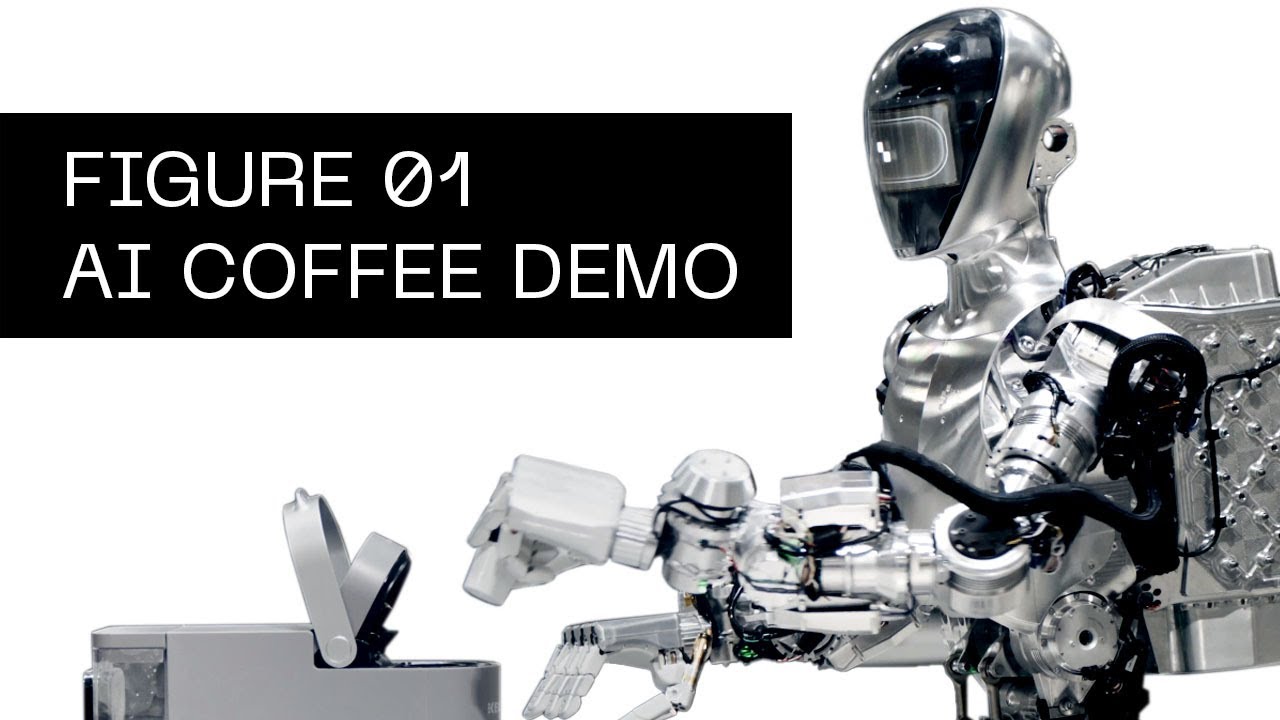
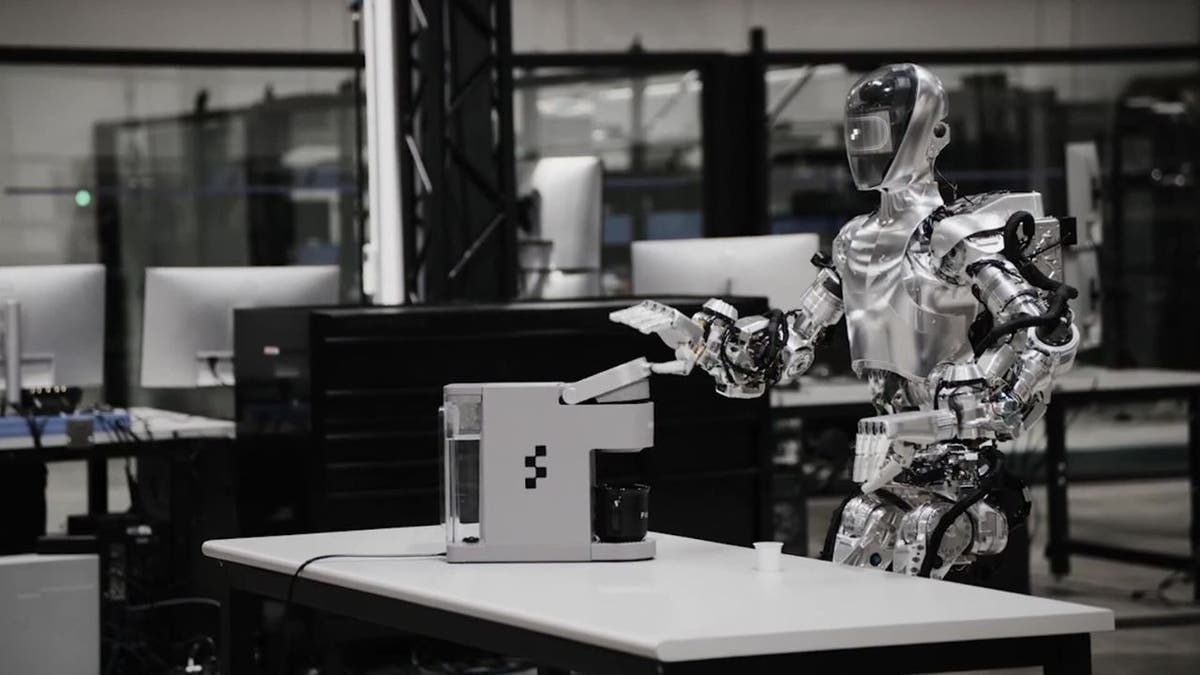
One of Figure 01’s most publicized demos was preparing a cup of coffee, including handling a coffee pot, pouring water, and operating a machine. This required precise motion planning, object recognition, and gentle force control to avoid spills. The integrated OpenAI speech model allowed the robot to explain its actions and answer questions in real time. The task highlighted the robot’s ability to combine long-horizon planning with fine motor skills, although execution was relatively slow. It became a flagship example of embodied AI’s potential in service roles.
Human-Robot Interaction Research
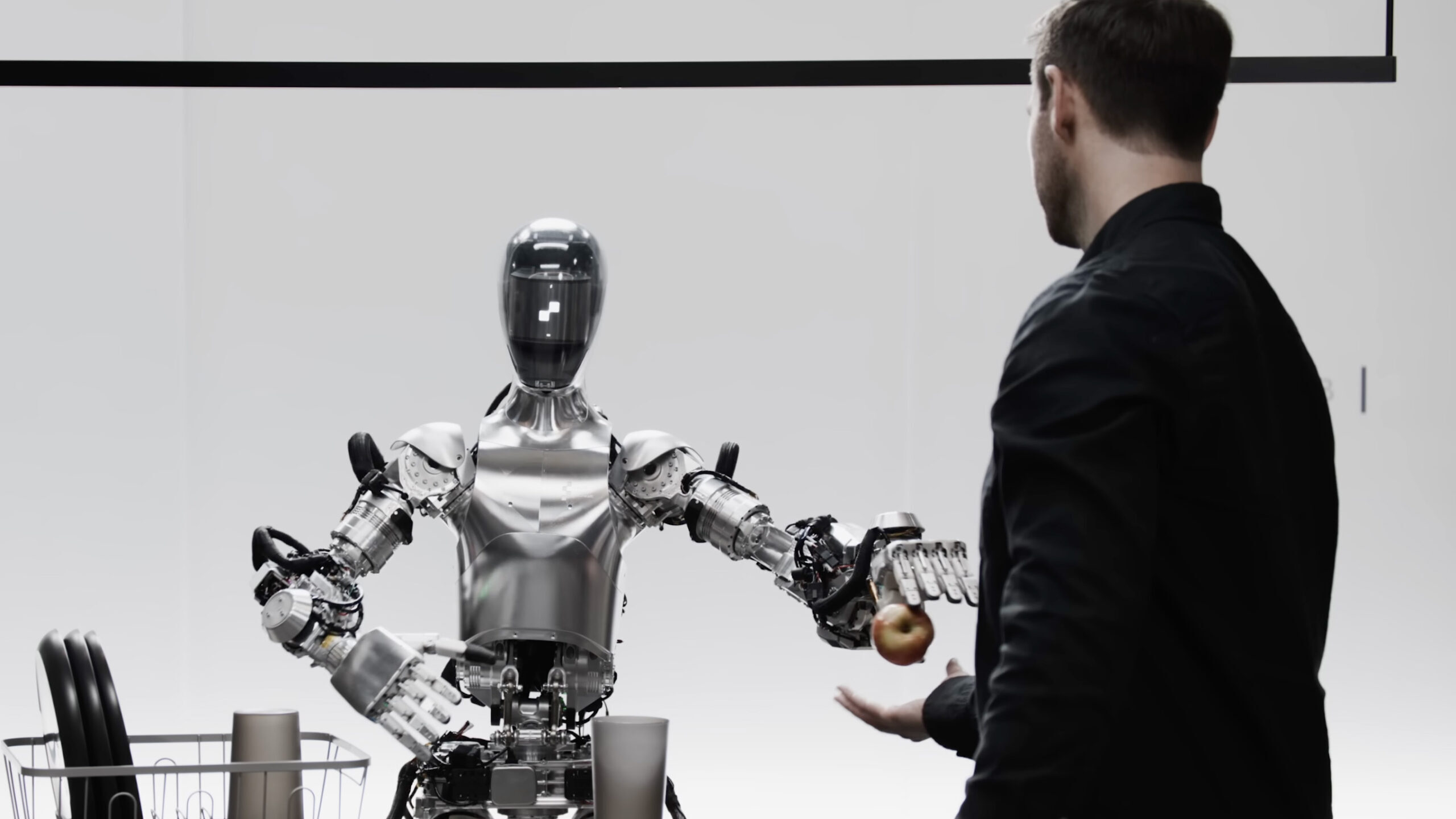
Equipped with an onboard AI processor running a large language model, Figure 01 enabled natural language dialogues, making it a unique platform for HRI studies. Researchers could test task instruction understanding, gesture coordination, and the impact of anthropomorphic design on user trust. The robot’s cameras and depth sensors provided environmental context for situated conversations. While not yet ready for clinical or retail deployment, these interactions yielded valuable data on how humans respond to conversational humanoids. The project influenced the design of Figure 02’s more polished user interface.
History & Background
Figure AI was founded by Brett Adcock in 2022 in Sunnyvale, California, later moving to San Jose. The company burst onto the scene in early 2023 with the reveal of Figure 01, the first humanoid robot to integrate OpenAI’s GPT models for real-time conversation and task execution. It stood 1.68 m tall, weighed 60 kg, and featured 41 DOF with electric actuation, delivering a practical 5-hour battery life. Highlights included making a cup of coffee, moving warehouse items, and a pilot program with BMW’s Spartanburg plant in early 2024, where Figure 01 moved bins and totes. August 2024 marked the introduction of Figure 02, a more robust and commercially oriented successor with improved batteries, computing, and dexterity. Production of Figure 01 ceased, and existing units remain only in partner research labs. As of 2026, the robot is retired, but its AI-first design philosophy lives on in Figure AI’s subsequent models.
Buying Used — What to Check
Verify battery health and remaining cycles Lithium-ion packs degrade over time; a 5-hour new runtime may have dropped significantly, affecting usability.
Inspect joint actuators for wear Custom electric actuators used in the 41-DOF system are not easily replaceable and may require OEM service that is no longer available.
Confirm software stack and licenses The onboard AI integrates OpenAI models that may have license restrictions or require cloud connectivity that is no longer supported.