What is the Figure 02?
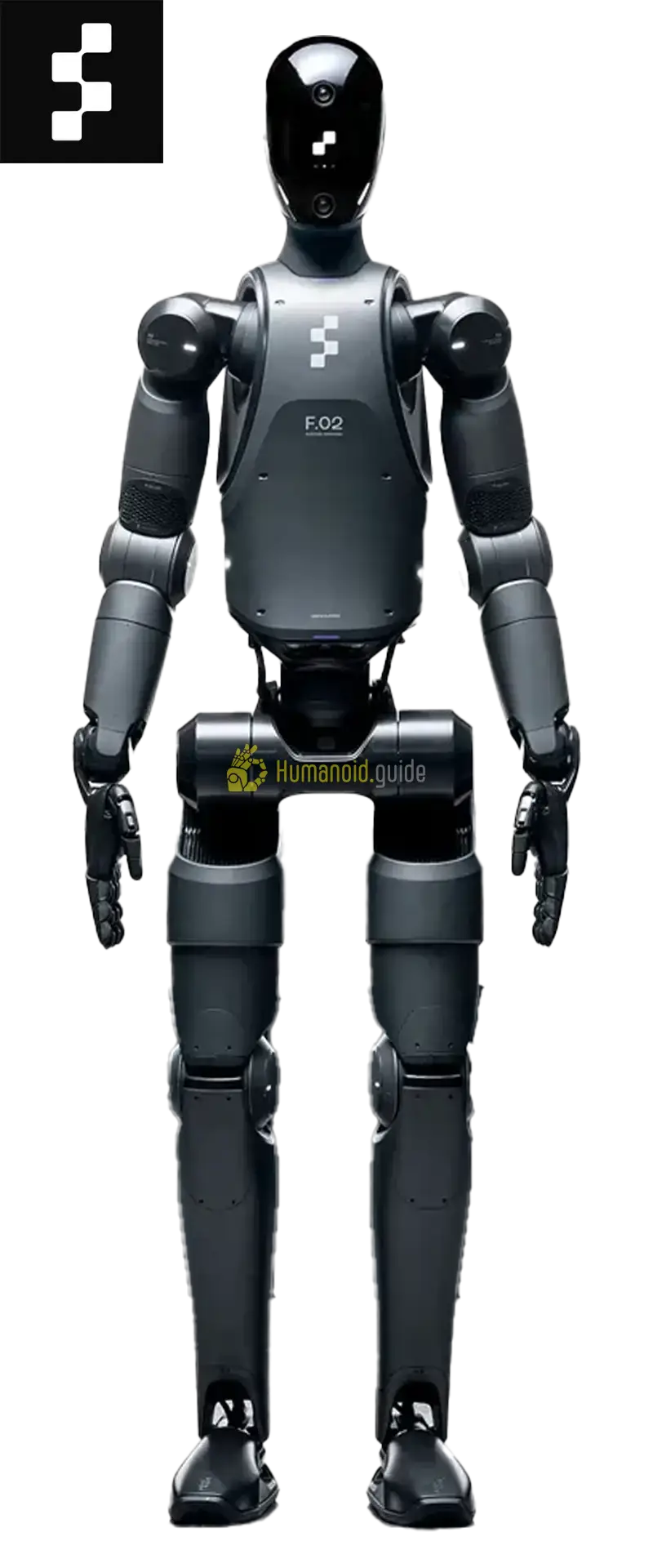
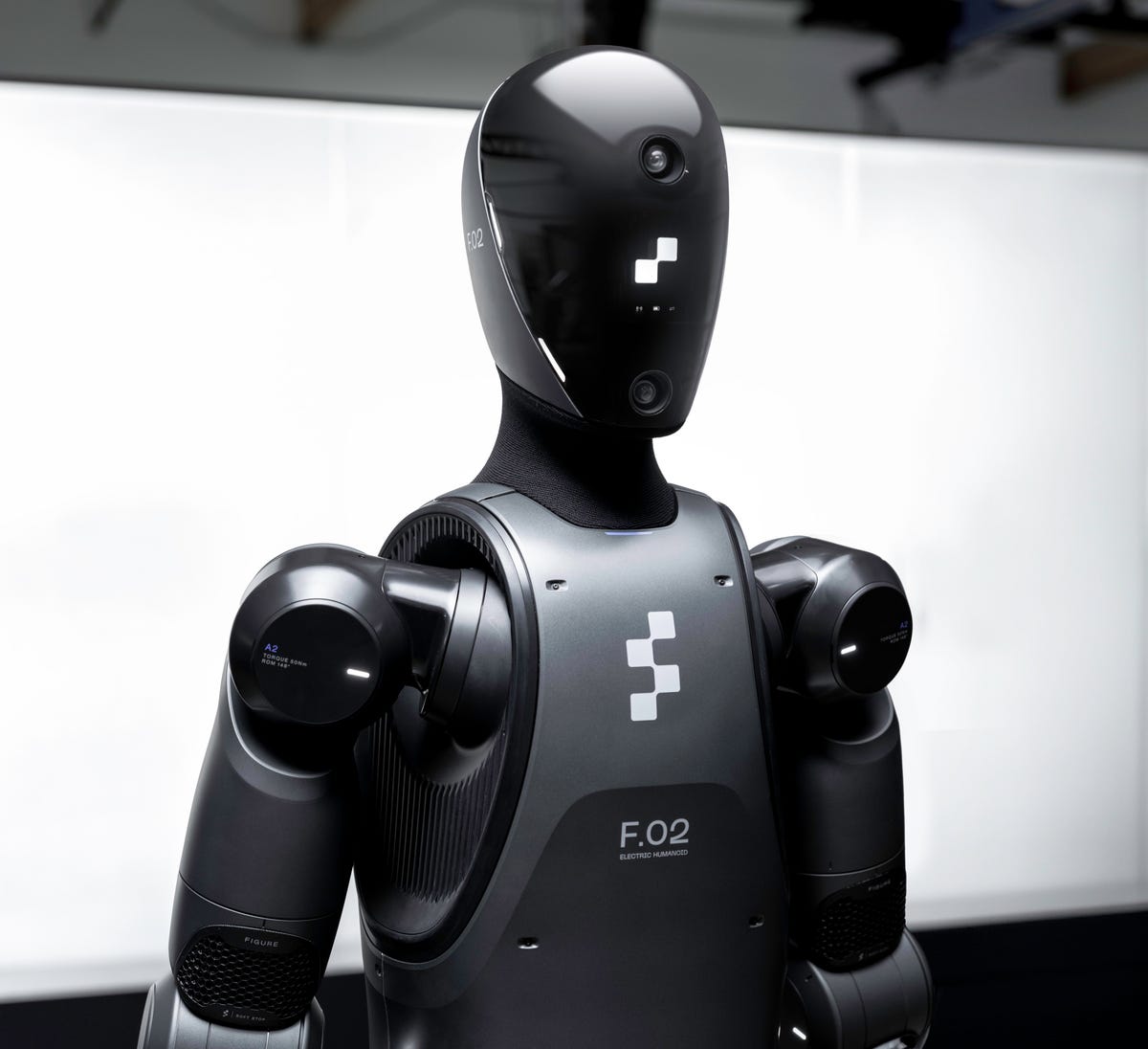
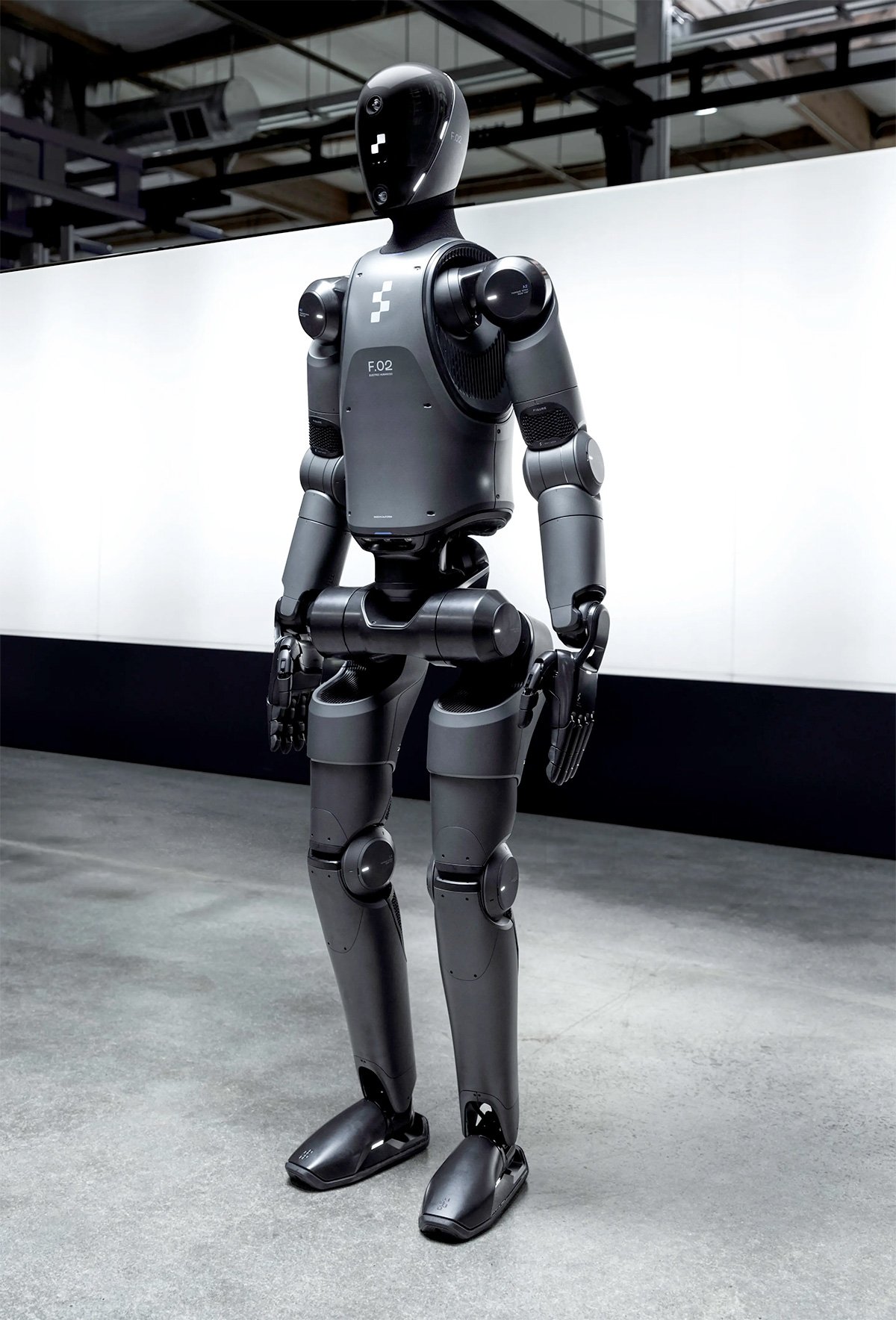
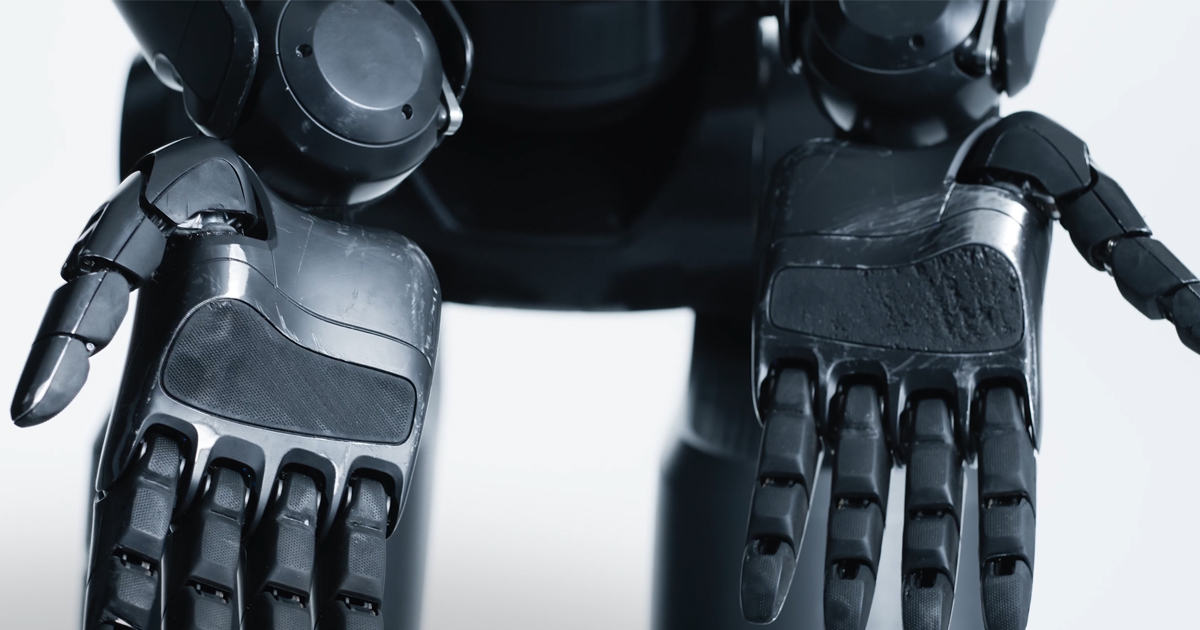
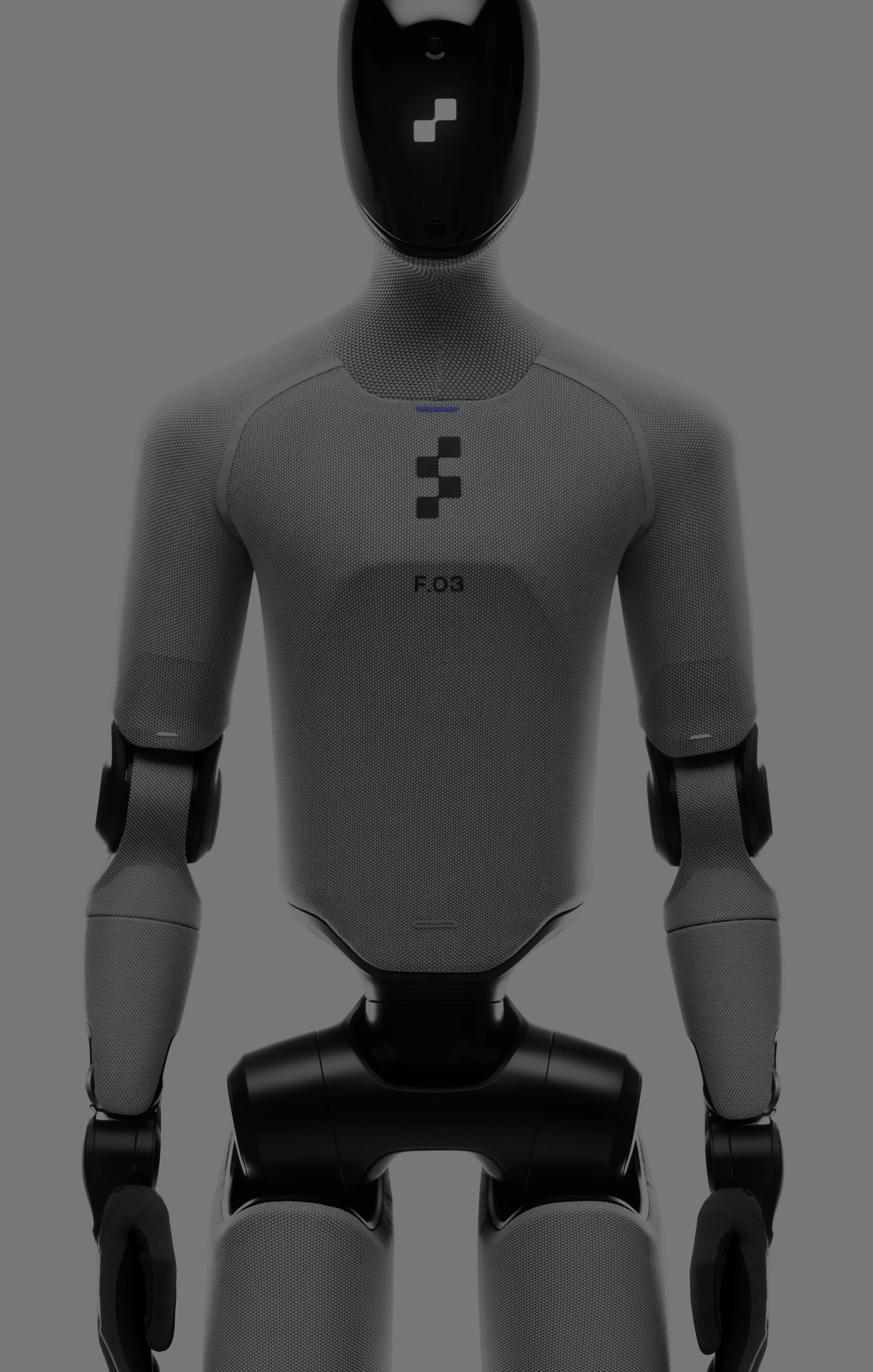
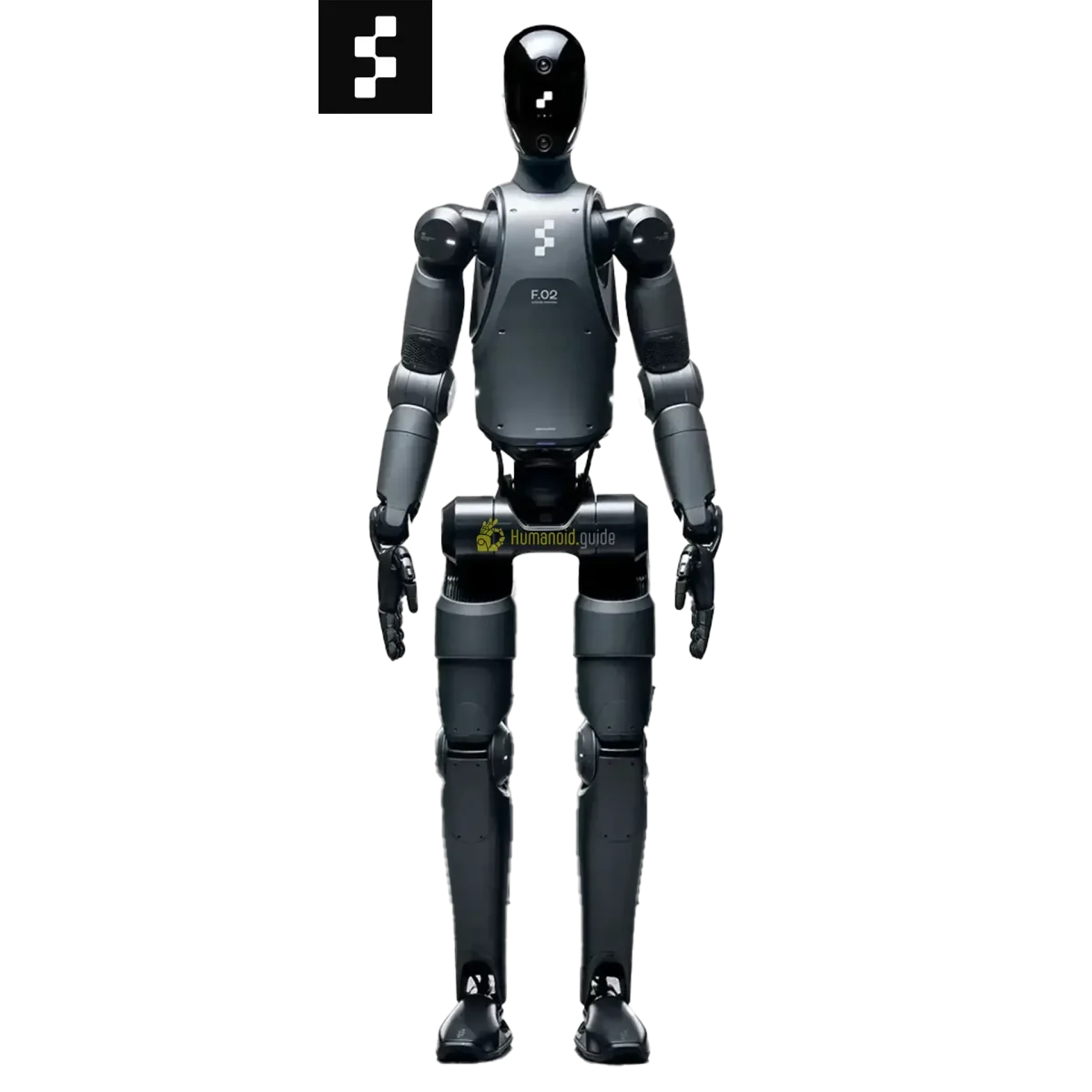
The Figure 02 is a second-generation electric humanoid robot developed by Figure AI, a Sunnyvale, California-based startup founded in 2022. Standing 1.68 m tall and weighing 70 kg, it features 28 degrees of freedom and a 20 kg payload capacity. Built for industrial material handling, assembly, and inspection, the Figure 02 uses a custom electric rotary actuation system, six RGB cameras, LiDAR, and an IMU for perception. Its on-board NVIDIA Jetson Orin compute, paired with the proprietary Helix multimodal AI model, enables vision-language-action (VLA) capabilities and speech interaction via OpenAI integration. The robot is currently in pilot deployments with BMW for manufacturing tasks.
Specifications
Here are the full technical specifications.
| Spec | Value |
|---|---|
| Height | 1.68 m |
| Weight | 70 kg |
| Degrees of freedom | 28 |
| Battery life | 5 hours |
| Max speed | 3 m/s |
| Payload | 20 kg |
| Price (new) | $130,000 (estimated, pilot pricing) |
| Price (used range) | N/A |
Price & Value
New MSRP: $130,000 (estimated)
Used range: N/A
Figure AI has not publicly disclosed pricing for the Figure 02, but aggregator estimates place it around $130,000 for research or pilot programs. This puts it in the range of other advanced humanoids like Unitree H1 ($90,000) but below Digit (est. $200k+). Given the robot's early development stage and limited deployability, there is no used market; depreciation will heavily depend on future commercial scaling. Total cost of ownership beyond hardware—including Helix model licensing, training, maintenance, and integration—remains undefined, making pilots the only practical entry point. For organizations negotiating pilot contracts, the per-unit cost is likely bundled with engineering support, not a standalone purchase.
Who Is It For?
Best for: - Manufacturing pilot programs at automotive or logistics firms (material handling, assembly, inspection tasks) - Research institutions exploring vision-language-action humanoids with industrial-grade hardware - Companies evaluating humanoid automation that need on-site pilot validation before committing to fleet deployments
Not for: - Small businesses expecting off-the-shelf automation (no commercial product yet) - Applications requiring high-speed locomotion (3 m/s max, but bipedal stability unproven in unstructured environments) - Industrial safety-certified operations (no ISO 10218 or CE marking)
Alternatives & Comparison
The Figure 02 competes with other general-purpose humanoids targeting industrial deployment, though most remain pre-commercial as well.
| Model | Price | Available | Key Difference |
|---|---|---|---|
| Tesla Optimus | Undisclosed | no | Designed for in-house Tesla factory use, not sold externally; powered by custom FSD computer and Optimus AI. |
| Unitree H1 | $90,000 | yes | Commercially available general-purpose humanoid with lower payload (around 12 kg arm payload), no demonstrated industrial pilots. |
| Digit (Agility Robotics) | Undisclosed | no | Logistics-focused humanoid with unique bird-like legs, less dexterous hands, and limited upper-body manipulation; targeted at warehousing. |
Verdict: For organizations seeking an industrial pilot with proven BMW testing, Figure 02 offers the most credible roadmap. However, if immediate purchase and integration flexibility matter, the Unitree H1 is the only humanoid you can buy today at a known price. Digit excels in logistics, but Figure 02's general-purpose design may afford wider automation scope once commercialized.
Use Cases & Capabilities
Automotive Assembly
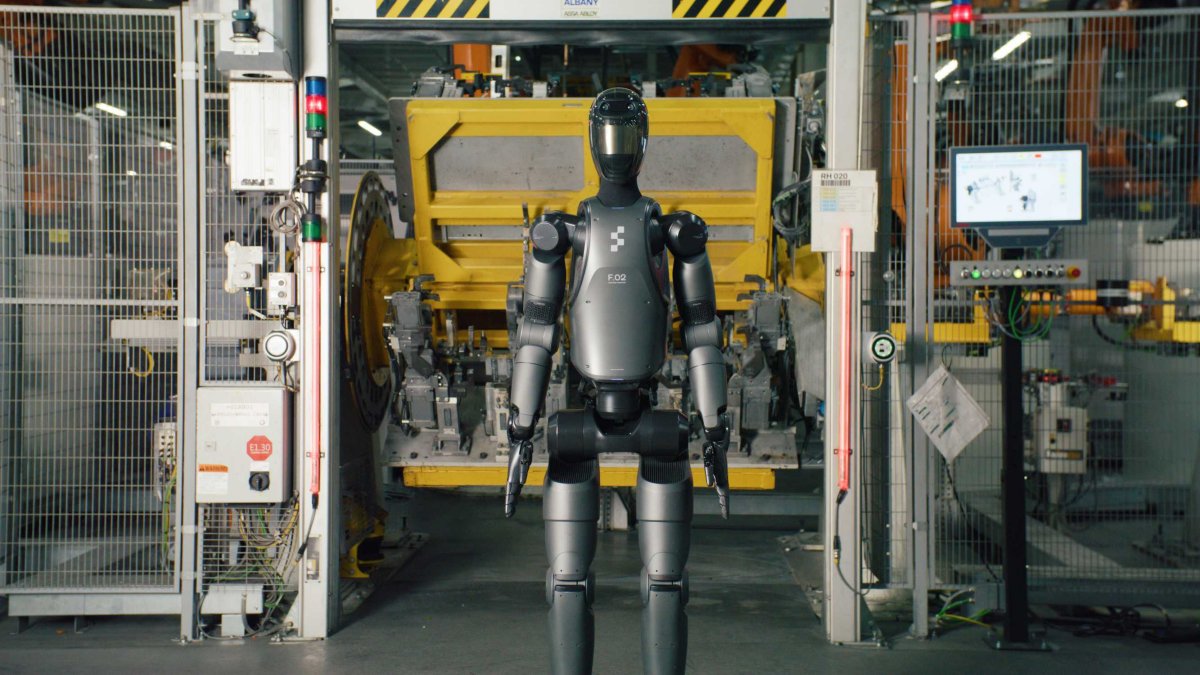
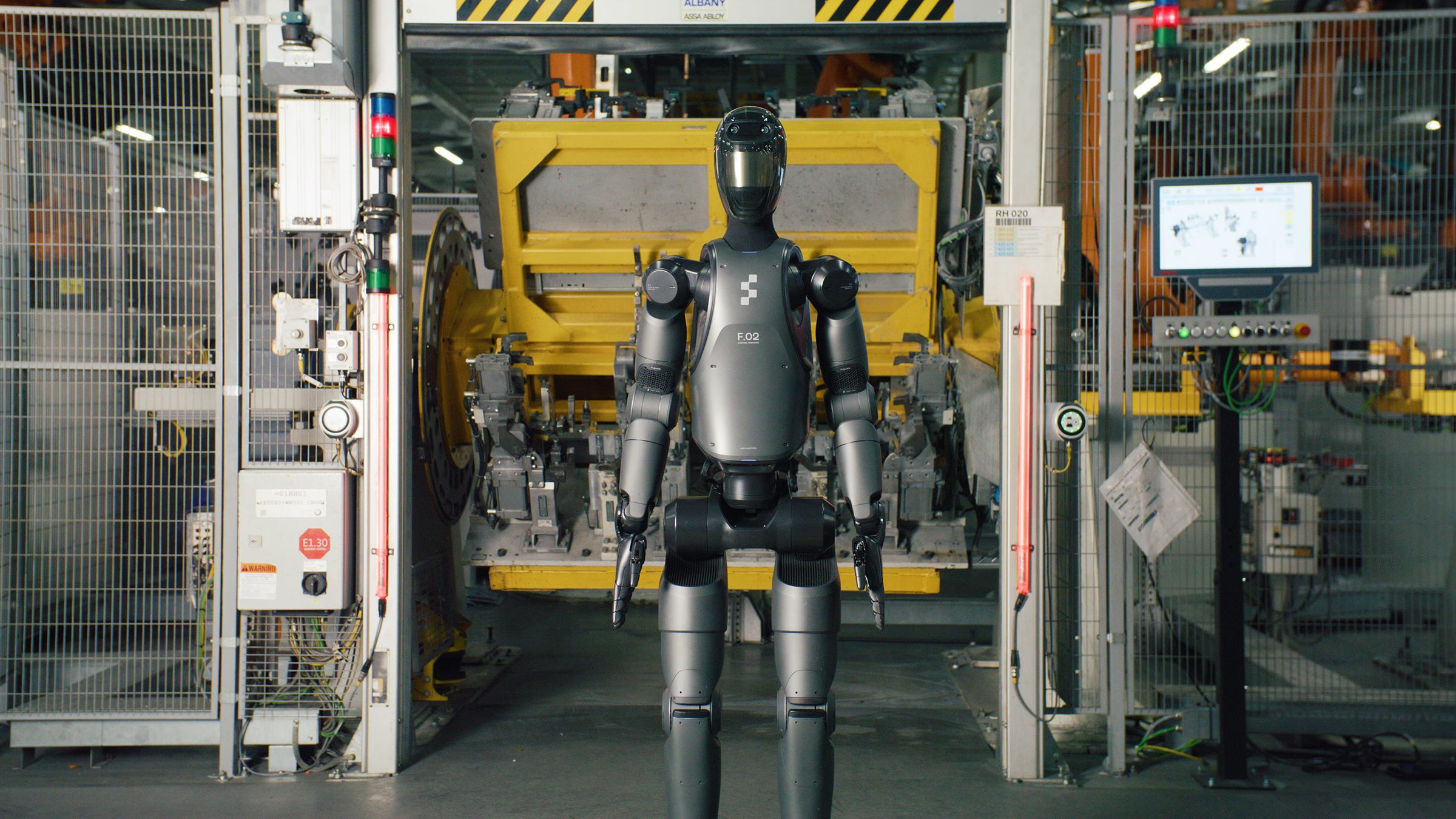
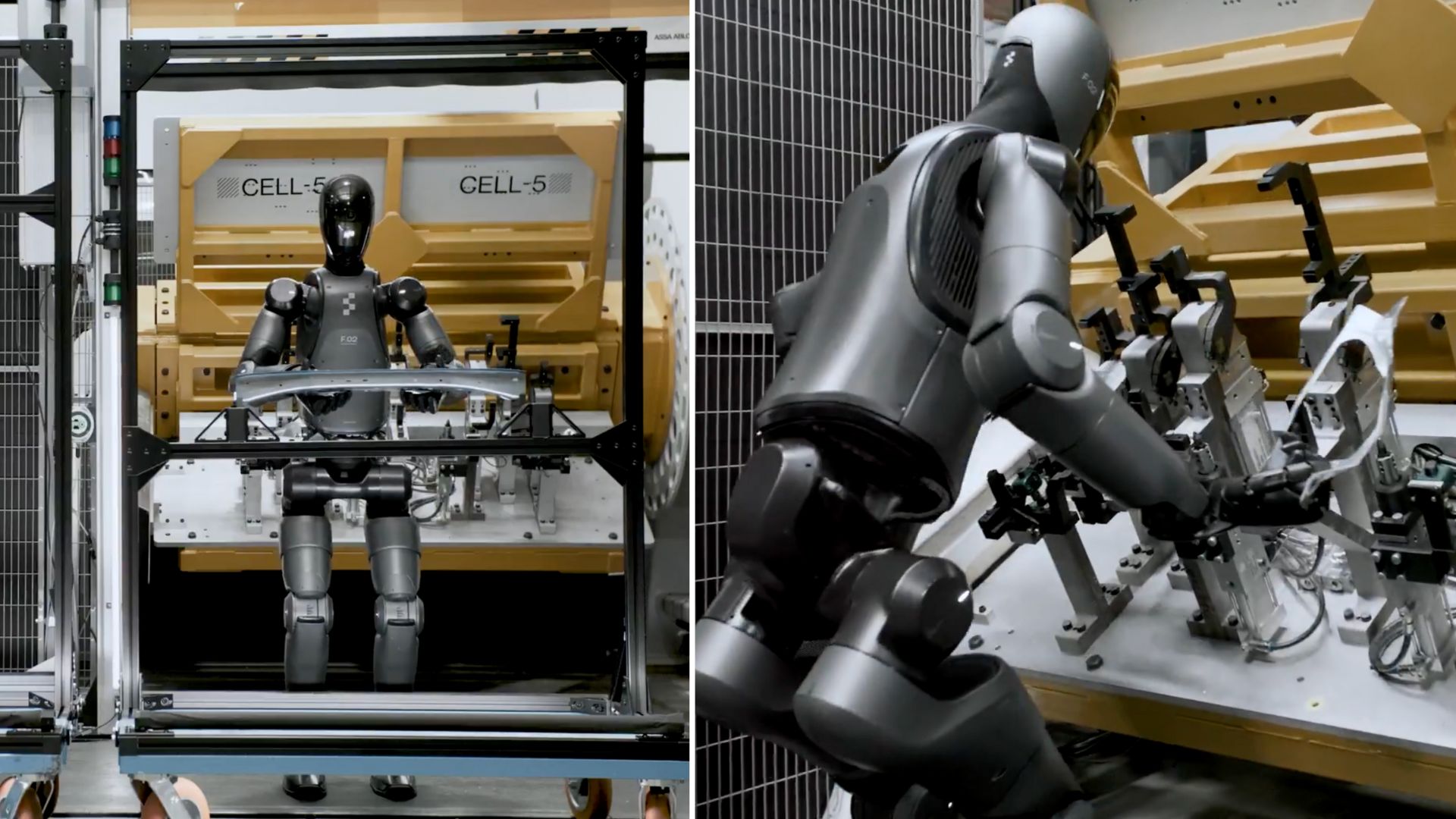
The Figure 02’s 20 kg payload and 28-DOF arms enable it to pick and place parts, install components, and assist on automotive assembly lines. Its Helix AI model can interpret natural language instructions and adapt to dynamic environments, reducing programming overhead. In BMW’s pilot, the robot performed tasks such as moving bins and inserting components. While speed is limited to 3 m/s, the bipedal form allows it to navigate factory floors and reach human-centric workstations. As the system matures, it may handle screw-driving and torque-sensitive assembly with future software updates.
Warehouse Material Handling
With a 5-hour battery runtime and ability to lift 20 kg, the Figure 02 can transport totes, load pallets, and move inventory in logistics centers. Its six RGB cameras and LiDAR provide real-time obstacle avoidance for safe operation alongside human workers. The robot’s Helix VLA model allows it to identify objects and follow verbal commands, making it adaptable to changing warehouse layouts. However, current speed (3 m/s maximum) and bipedal locomotion limits sustained throughput compared to AMRs. Expected future improvements include swappable batteries and higher payload capacity.
Inspection & Quality Control
The Figure 02's vision system, with six high-definition RGB cameras and depth sensing, enables it to visually inspect parts for defects, read gauges, and record measurements. Its Helix AI can compare observed features against digital twins or CAD data, flagging anomalies in real time. The robot can navigate around production lines, accessing challenging viewpoints thanks to its bipedal mobility. Speech-to-speech capabilities via OpenAI allow operators to query inspection results conversationally. At present, the lack of explicit environmental sealing limits use to clean indoor environments.
Research & Development for Embodied AI
The Figure 02 serves as an ideal platform for AI researchers developing vision-language-action models and sim-to-real transfer algorithms. Its powerful on-board NVIDIA Jetson Orin and dual RTX GPUs provide ample compute for running neural networks in real time. The Helix VLA system can be probed via natural language, enabling rapid experimentation with task planning. While currently limited to pilot partners, the platform’s open potential makes it a candidate for future academic consortia if Figure AI expands access. Researchers should note that low-level control APIs are not publicly documented, restricting deep customization.
History & Background
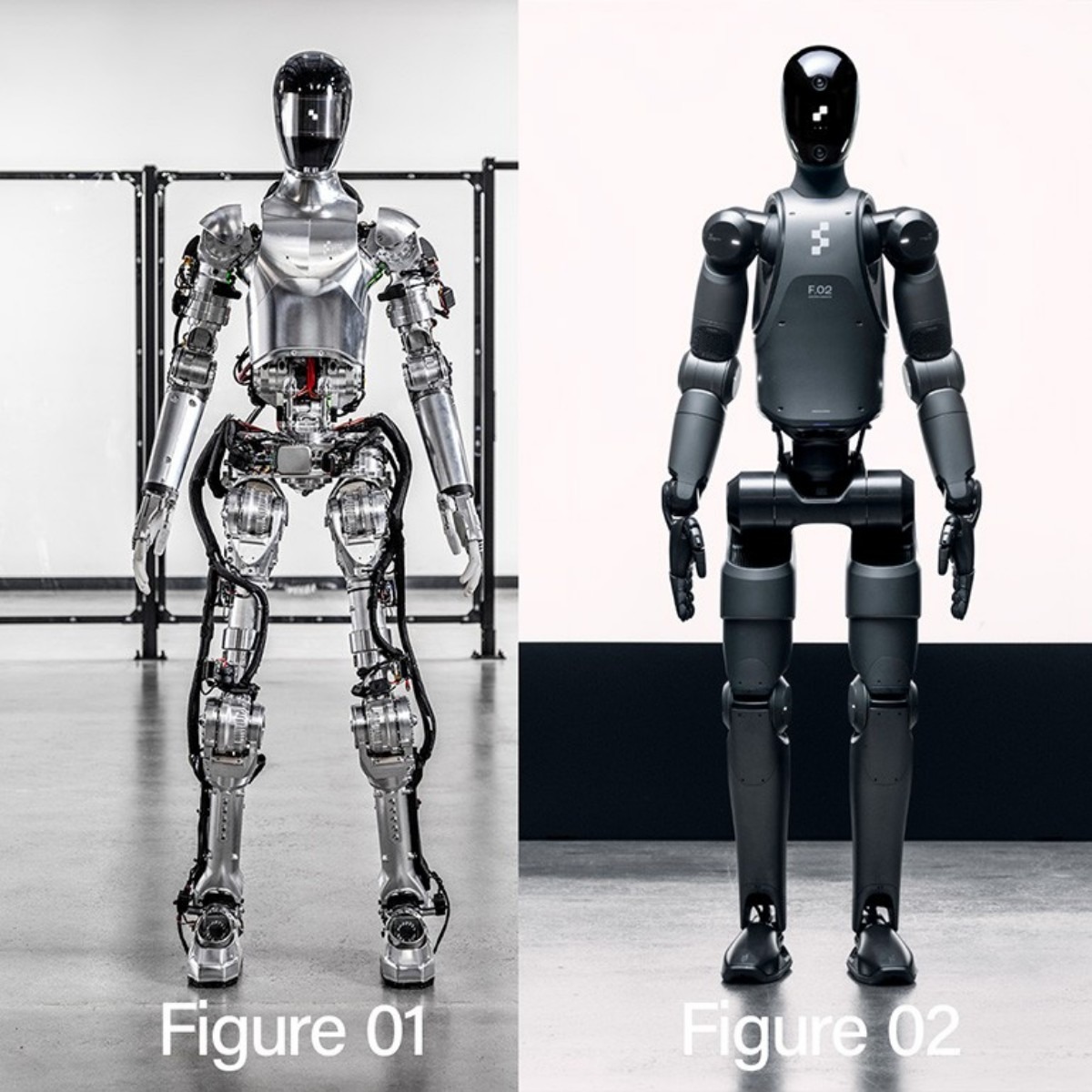
Figure AI was founded in 2022 by Brett Adcock, with headquarters in Sunnyvale, California, aiming to create general-purpose humanoid robots. The company emerged from stealth in 2023 with the Figure 01 prototype, a proof-of-concept that showcased dexterous manipulation and basic locomotion. In August 2024, Figure 02 was unveiled as the second generation, featuring a matte-black exterior with integrated cabling, improved hand dexterity, and a custom electric actuation system. The robot integrated OpenAI’s speech-to-speech capabilities early on, later evolving into the proprietary Helix multimodal model for vision-language-action tasks. The first public pilot was with BMW’s Spartanburg plant in 2025, performing parts handling and inspection. As of 2026, Figure 02 remains in development with ongoing pilot programs, with no commercial sales announced.
Buying Used — What to Check
Verify payload and battery health Payload capacity and runtime degrade with use; ensure the unit still meets your operational needs.
Inspect actuator and joint wear Custom electric rotary actuators are expensive to replace; check for slop or overheating history.
Confirm software licensing transfer Helix AI and OpenAI integration may be tied to the original owner’s account; verify transferability.