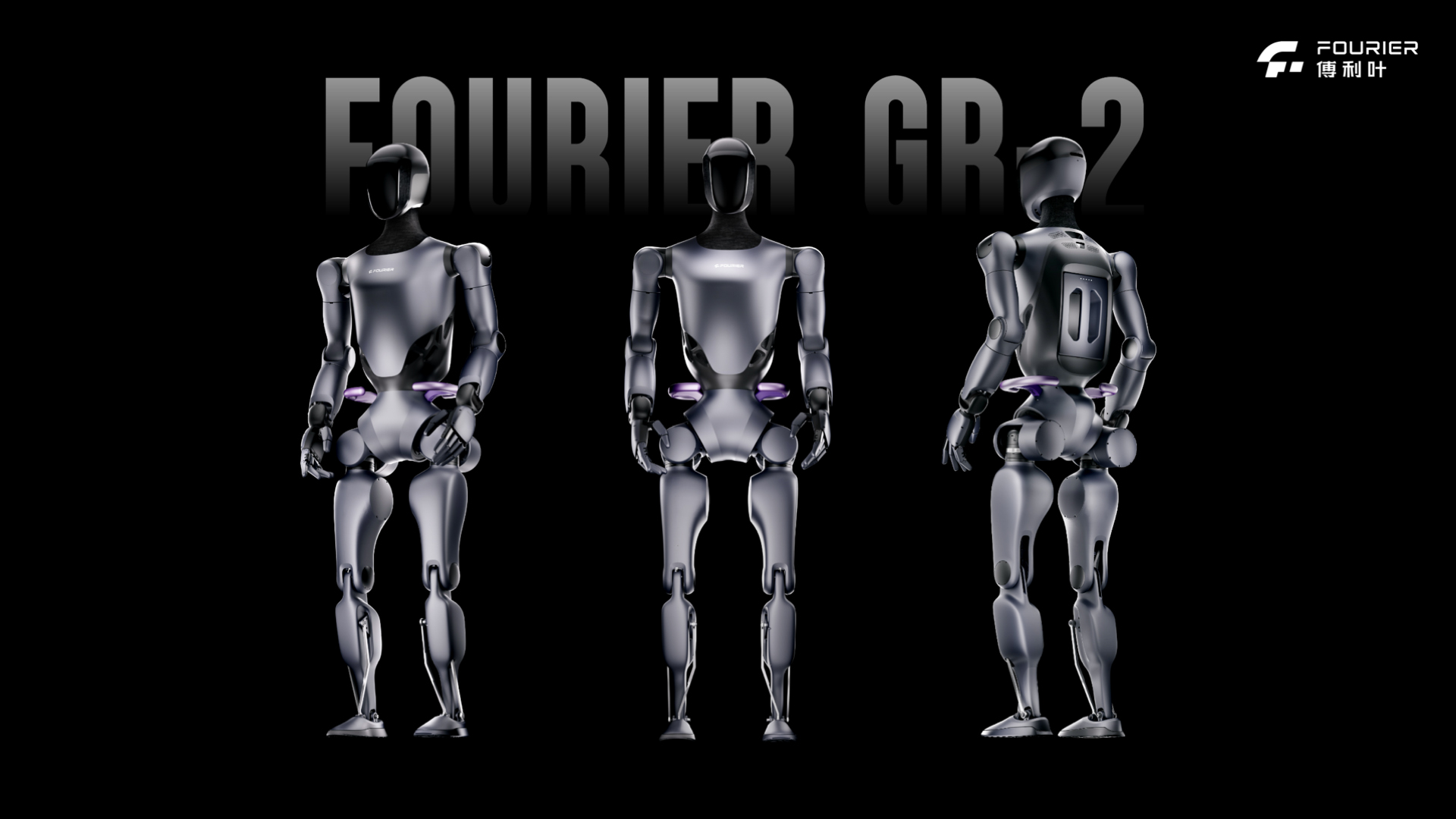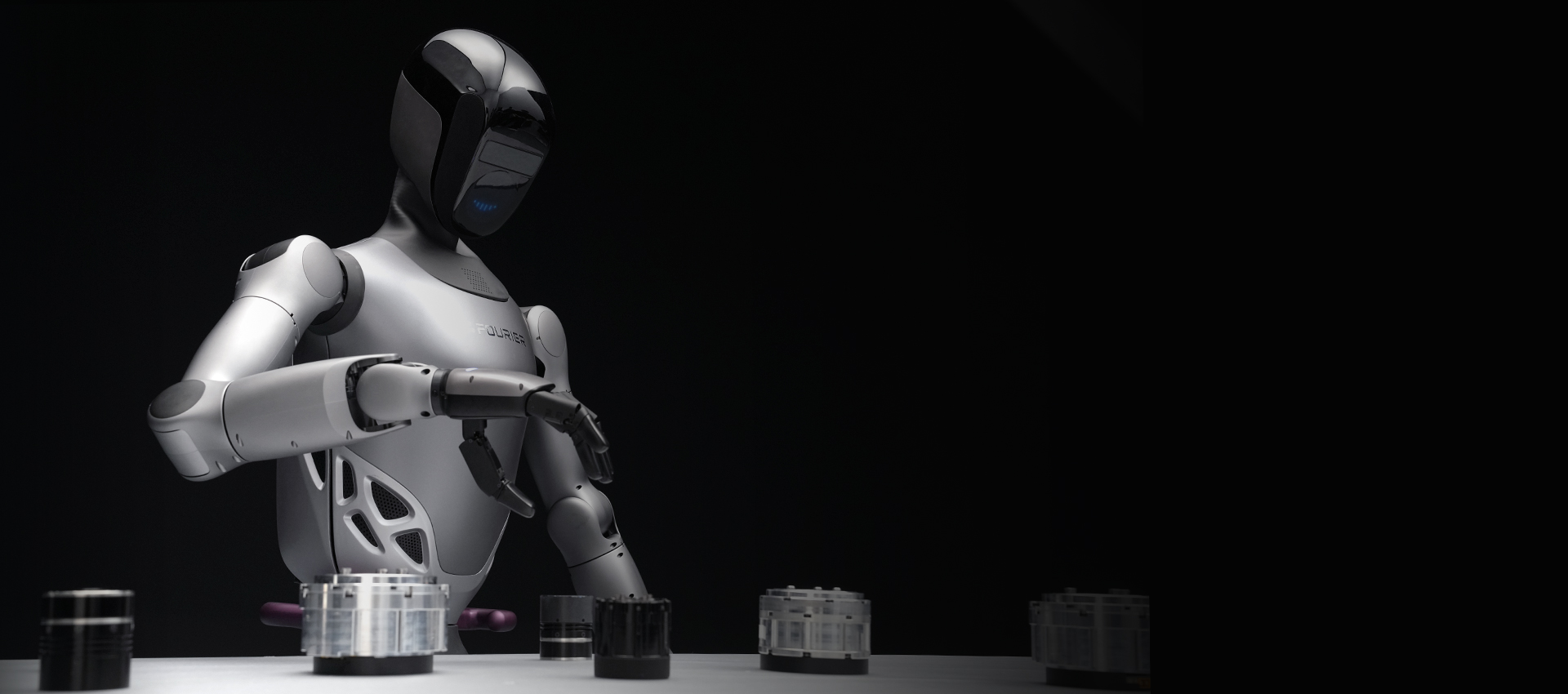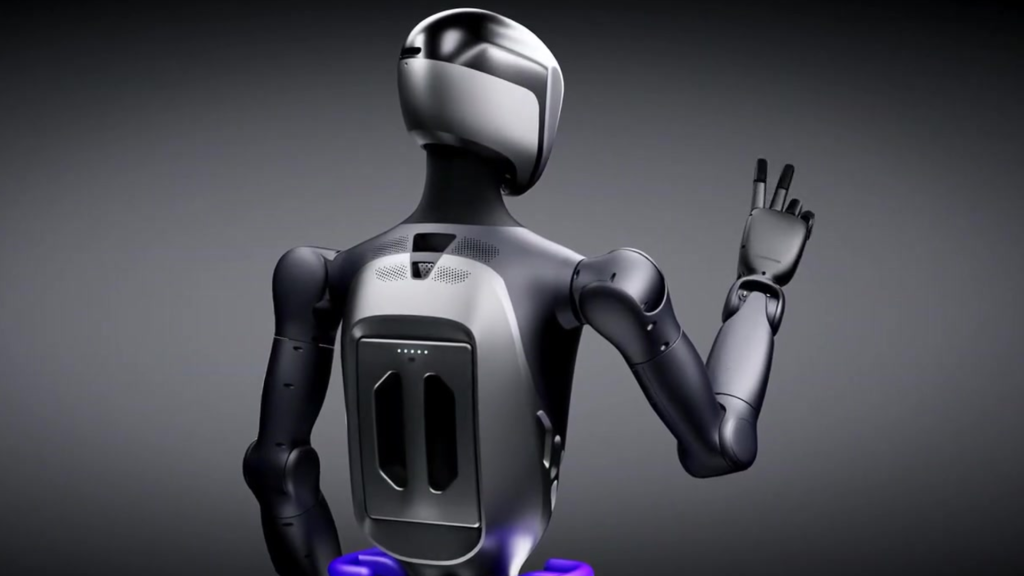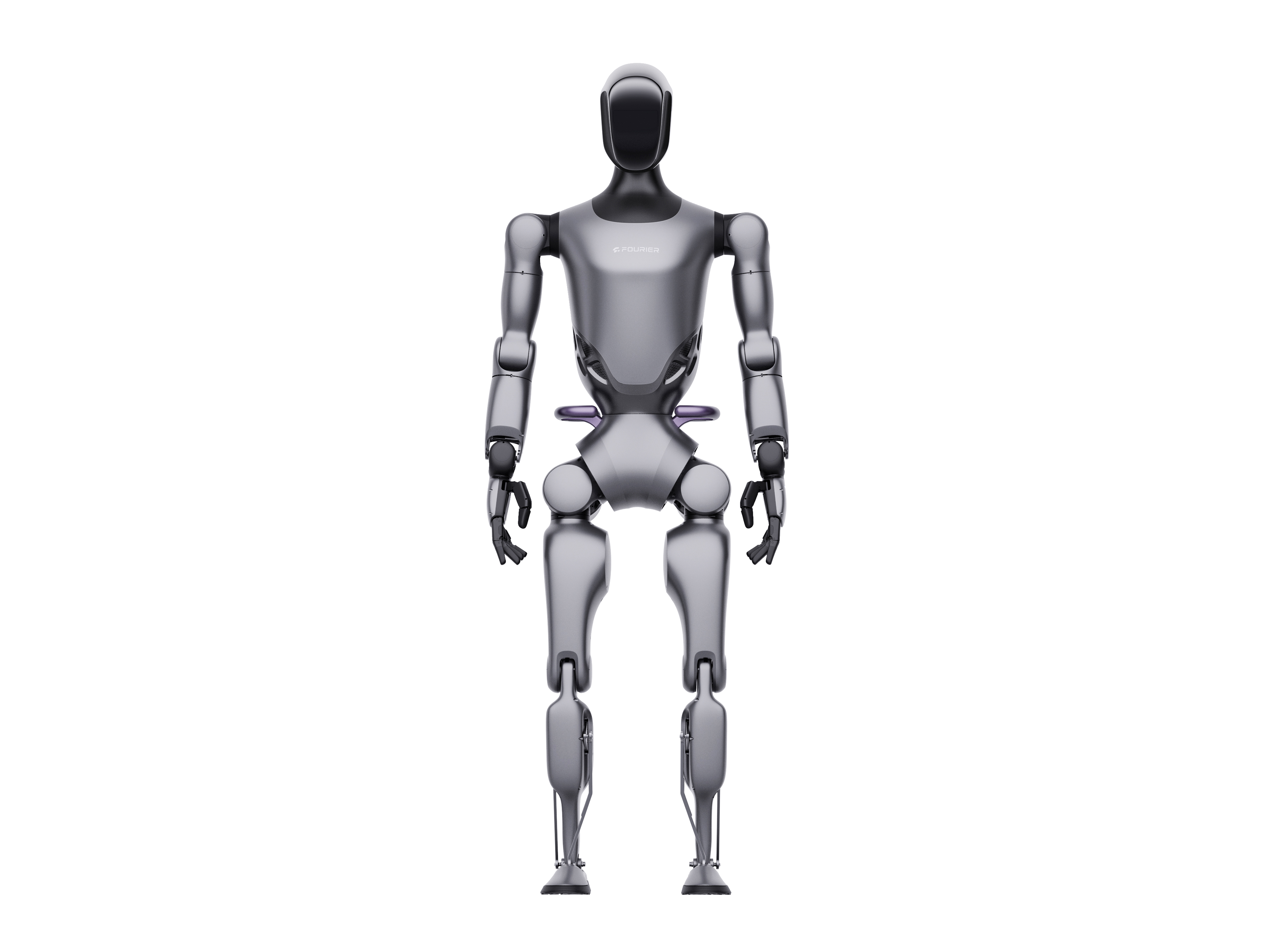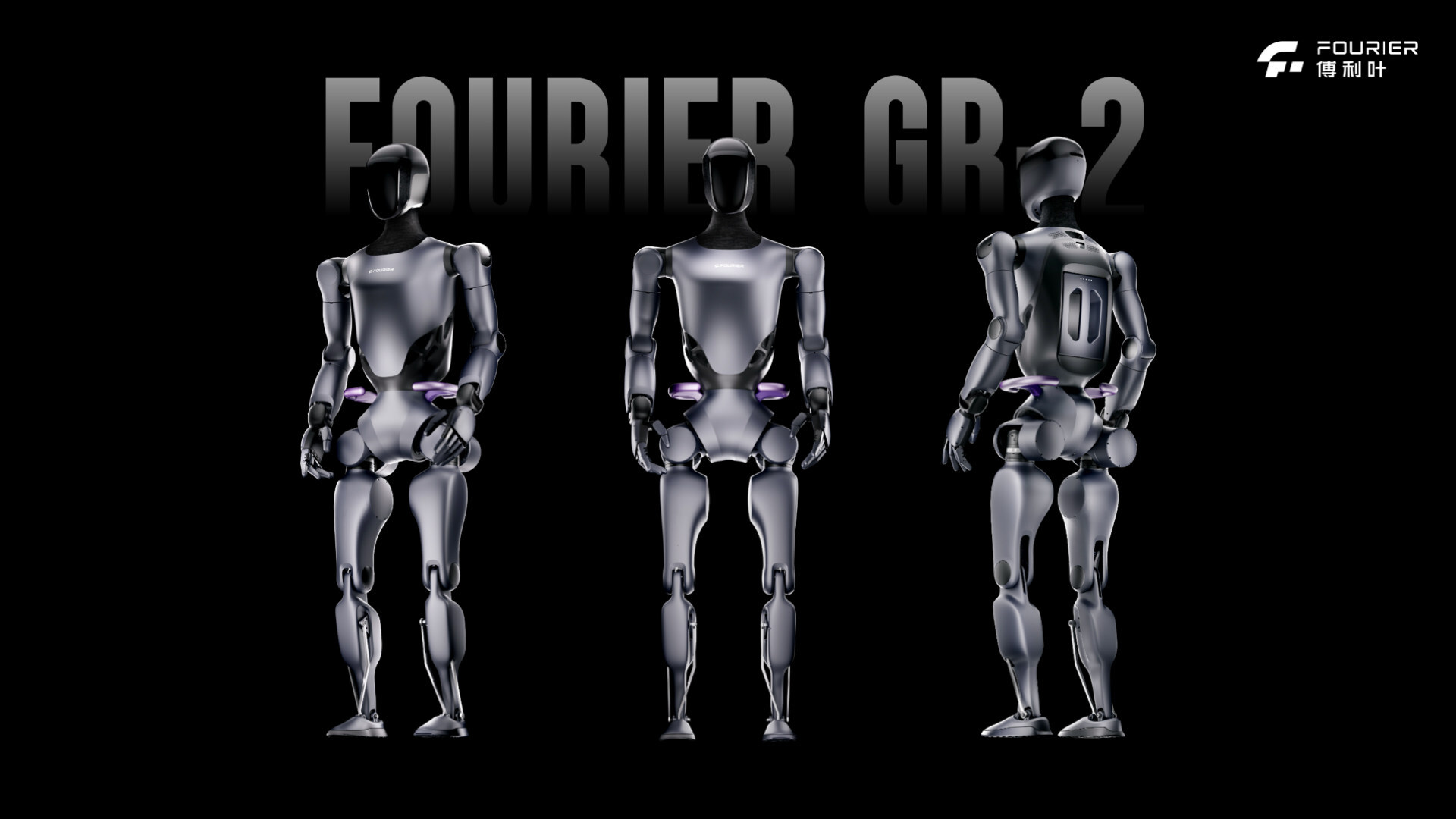
What is the Fourier Gr2?
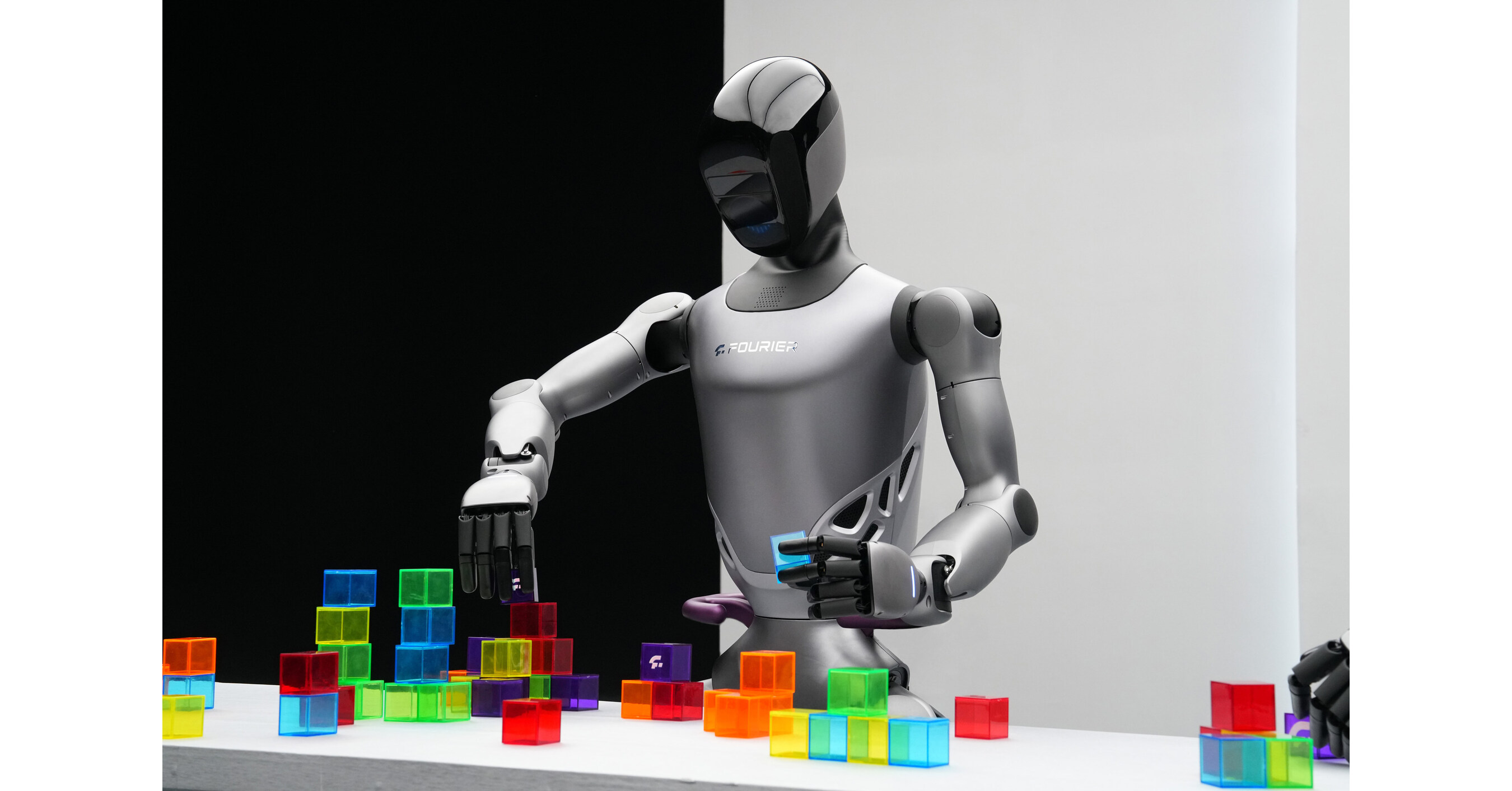
The Fourier GR-2 is a full‑body humanoid robot developed by Shanghai‑based Fourier Robotics (formerly Fourier Intelligence). Evolved from the earlier GR-1, this R&D platform doubles hand dexterity to 12 degrees of freedom per hand (24 total) and adds force‑torque sensing across all 53 joints. It runs on swappable lithium batteries, carries a 3 kg arm payload, and reaches a peak joint torque of 380 N·m. The robot is designed as an open AI research tool, natively compatible with NVIDIA Isaac Lab, ROS, and MuJoCo, and collects motion‑path and tactile data for imitation‑ and reinforcement‑learning pipelines.
Specifications
Here are the full technical specifications.
| Spec | Value |
|---|---|
| Height | 175 cm |
| Weight | 63 kg |
| Degrees of freedom | 53 |
| Battery life | 2 hours |
| Max speed | 18 km/h |
| Payload | 3 kg (per arm) |
| Price (new) | Undisclosed (enterprise pre-order) |
| Price (used range) | N/A |
Price & Value
New MSRP: Undisclosed (enterprise pre-order through Fourier Robotics)
Used range: N/A
Official pricing for the GR‑2 has not been publicly disclosed. Fourier Robotics lists the unit for enterprise pre‑order, suggesting a bespoke quotation process that likely involves NDAs and site‑specific configuration. In the broader humanoid market, the GR‑2’s value proposition hinges on its 24‑DOF dexterous hands, open‑source‑friendly software stack, and high torque output — features that place it in the same league as research platforms costing $200,000 – $500,000. Its competitive edge lies in the integration of array‑type tactile sensors and a modular, serviceable frame, which could justify a premium over rivals like the $90,000 Unitree H1 that lack such fine manipulation. Because the GR‑2 is still in pre‑order phase, no used units exist; early adopters should budget for potential rapid depreciation once production scales and newer generations emerge.
Who Is It For?
Best for: - University robotics labs (53 DOF and tactile hands enable dexterous‑manipulation research with MuJoCo/Isaac Lab) - Industrial R&D departments (lead‑through programming and 380 N·m torque for prototyping light‑assembly tasks) - AI companies developing imitation‑learning pipelines (built‑in data‑collection of motion paths and tactile responses)
Not for: - Heavy‑payload manufacturing (arm payload limited to 3 kg, unsuitable for lifting >3 kg per arm) - Budget‑constrained education (enterprise‑only pricing and undisclosed cost make it inaccessible for classroom use) - Field deployments requiring >2‑hour runtime (battery life is 2 h, swappable, but no hot‑swap capability confirmed)
Alternatives & Comparison
The GR‑2 competes in the high‑end humanoid‑research segment alongside several announced and shipping platforms. Below we compare it with key alternatives that blend dexterity, AI‑friendliness, and industrial potential.
| Model | Price | Available | Key Difference |
|---|---|---|---|
| Tesla Optimus | ~$20,000 (projected) | preorder | Mass‑manufacturing scale and low target price, but lower hand dexterity and no tactile sensors |
| Figure 02 | Undisclosed | preorder | OpenAI collaboration for advanced manipulation, human‑scale, but no public torque or speed specs |
| Agility Digit | $250,000 | yes | Proven logistics platform with walking speed, bipedal but not fully humanoid, less hand dexterity |
| Unitree H1 | $90,000 | yes | Much lower price, high agility, but lower torque (360 N·m) and no tactile hands |
| Sanctuary AI Phoenix | Undisclosed | preorder | Focus on upper‑body intelligence and dexterity, heavier, no walking speed or full‑body specs published |
Verdict: For research groups that need the highest dexterity and a fully open AI platform, the GR‑2 is the strongest candidate — its 24‑DOF tactile hands and 380 N·m torque outclass all listed competitors. If budget is the primary constraint, the Unitree H1 delivers 90 % of the agility at a fraction of the cost, but lacks the fine manipulation that sets the GR‑2 apart. Enterprises evaluating logistics‑only tasks should consider the proven Digit, while those partnering with OpenAI may lean toward Figure 02, though that robot remains even more opaque in specs and pricing.
Use Cases & Capabilities
Humanoid Robotics Research
The GR‑2 is built as an open platform for whole‑body control and dexterous manipulation research. Its 53 degrees of freedom, including 12‑DOF hands with six array‑type tactile sensors each, allow researchers to explore in‑hand manipulation, tool use, and force‑sensitive object handling. Native support for MuJoCo, NVIDIA Isaac Lab, and ROS streamlines sim‑to‑real transfer, while the integrated data‑collection system records motion paths and tactile feedback for imitation learning. The modular frame and swappable battery further enable long‑duration experiments without hardware lock‑in.
Industrial Automation & Logistics
With a 3 kg payload per arm and 380 N·m peak joint torque, the GR‑2 is suited for light assembly, kitting, and material‑handling tasks in controlled environments. Its lead‑through programming and VR‑remote‑control modes allow operators to quickly teach new workflows without coding. The quick‑change battery design minimises downtime, and the FSA 2.0 actuators, tailored to each joint’s torque requirements, improve energy efficiency. However, the limited payload and 2‑hour runtime mean it is not intended for heavy or continuous‑duty industrial roles.
Healthcare Assistance & Rehabilitation
Fourier Robotics’ origins in exoskeletons and rehabilitation technology carry over into the GR‑2’s potential as a healthcare assistant. The robot can perform gentle, repeatable motions for physical‑therapy exercises, leveraging its force‑torque sensors for compliant interaction. Its tactile hands can identify object shape and material, aiding in tasks like fetching adaptive equipment. Data collected during assistance sessions — motion paths, tactile responses — can train AI models for personalised care. Currently this application remains pre‑commercial, as regulatory clearance would be required.
History & Background
Fourier Robotics (originally Fourier Intelligence) was founded in 2015 in Shanghai, China, initially focused on powered exoskeletons and rehabilitation robotics. In 2023 it unveiled the GR‑1 general‑purpose humanoid, which served as a proof‑of‑concept for the company’s actuator and control technology. Building on that platform, the GR‑2 was announced in September 2024 with a substantial upgrade: 53 degrees of freedom (24 in the hands alone), the new FSA 2.0 actuator series, and a fully open software stack supporting NVIDIA Isaac Lab, ROS, and MuJoCo. The robot is positioned as an R&D tool for AI‑driven motion learning, and Fourier has made the platform available for enterprise pre‑order, emphasising its modular, serviceable design. As of early 2026, the GR‑2 remains the company’s flagship humanoid, with no successor yet announced.
Buying Used — What to Check
Verify actual payload rating and battery endurance Pre‑production units may have software‑limited payload or degrade faster than final hardware; confirm the 3 kg arm payload and 2‑hour runtime via manufacturer documentation or test logs.
Confirm software stack compatibility Early developer units may not have the full commercial SDK; verify that your specific version of MuJoCo, ROS, or Isaac Lab is supported, and that the data‑collection pipeline operates as described.
Inspect tactile sensor calibration and actuator wear The 12 array‑type tactile sensors and FSA 2.0 actuators are the most advanced components; check for dead pixels, inconsistent force readings, or joint backlash that could indicate prototype‑only hardware.