What is the Hal?
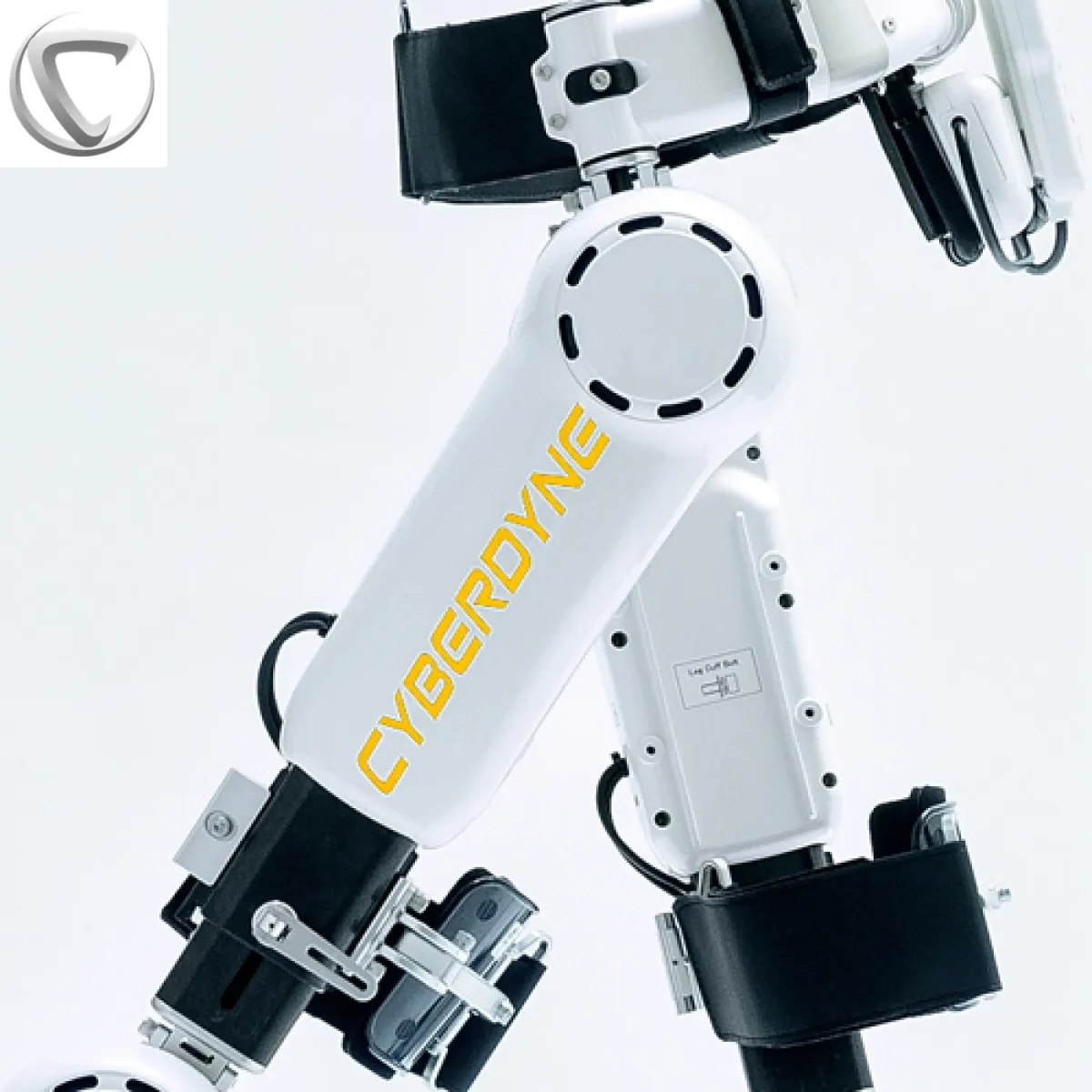
The Cyberdyne HAL (Hybrid Assistive Limb) is a wearable cyborg-type exoskeleton developed by Cyberdyne Inc., headquartered in Tsukuba, Japan. Unlike autonomous humanoid robots, HAL is a teleoperation suit that detects the wearer’s muscle activation through electromyography (EMG) electrodes placed on the skin, enabling it to amplify or reproduce intended limb movements in real time. The system targets the hip and knee joints bilaterally, using brushless DC motors to provide assistive torque. HAL has been applied primarily in medical gait rehabilitation for patients with spinal cord injury, stroke, and neuromuscular disorders, where its biofeedback loop is thought to promote neural recovery. Additionally, Cyberdyne has adapted the platform for industrial lifting support and as a master controller for teleoperating humanoid robots in research labs, making it one of the most versatile exoskeleton systems on the market. The device is not sold directly to consumers but distributed through a leasing model to hospitals and institutions.
Specifications
Here are the full technical specifications.
| Spec | Value |
|---|---|
| Height | 1230 mm |
| Weight | 14 kg |
| Degrees of freedom | N/A (assistive exoskeleton) |
| Battery life | ~1 hour |
| Max speed | Not applicable (wearer-dependent) |
| Payload | Amplifies strength 2–10× |
| Price (new) | Undisclosed (lease only) |
| Price (used range) | Extremely rare; contact manufacturer |
Price & Value
New MSRP: Undisclosed (lease only)
Used range: Extremely rare; contact manufacturer
Cyberdyne does not publicly disclose a purchase price for HAL, as the system is predominantly leased to medical institutions and research labs under service contracts. Typical lease agreements for medical exoskeletons range from $5,000 to $10,000 per month, covering hardware, software updates, and maintenance, though exact figures for HAL are confidential. This leasing model minimizes upfront capital expenditure for hospitals but results in a total cost of ownership that can exceed $120,000 over a two-year period, which is comparable to competing devices like ReWalk or Ekso GT. For research institutions, outright purchases are occasionally possible through special agreements, but used HAL units are extremely rare because the devices are returned to Cyberdyne at lease end. The value proposition hinges on clinical outcomes: if HAL’s EMG-based biofeedback proves superior in promoting neuroplasticity, the premium over passive exoskeletons may be justified. The 1-hour battery constraint and the need for trained personnel to assist donning can increase operational costs, so buyers should request a detailed cost-benefit analysis from Cyberdyne.
Who Is It For?
Best for: - Rehabilitation hospitals using EMG-guided gait therapy for stroke patients (biofeedback enables neuroplastic training) - University robotics labs needing a bimanual teleoperation master for imitation learning (captures joint angles and EMG data) - Industrial facilities with intermittent heavy lifting tasks (strength amplification 2–10×, user weight 40–100 kg)
Not for: - Individuals seeking a personal mobility device (not sold to consumers; expensive lease model) - Continuous, all-day industrial use (1‑hour battery limits shift‑long operation) - Patients outside the 40–100 kg weight range or with severe spasticity (unsuitable fit and EMG signal detection)
Alternatives & Comparison
The exoskeleton market for rehabilitation and assistive walking includes several key players, each with distinct technology approaches. Cyberdyne HAL is one of the few that uses EMG-based control, while most competitors rely on pre-programmed gait patterns or balance sensors.
| Model | Price | Available | Key Difference |
|---|---|---|---|
| ReWalk | Undisclosed (lease) | yes | Passive/active hybrid for spinal cord injury; FDA cleared; no EMG biofeedback |
| Ekso GT | Undisclosed (lease) | yes | Adjustable stroke/SCI exoskeleton with data monitoring and smart assist algorithms |
| Indego | Undisclosed (lease) | yes | Lightweight, modular, smartphone-controlled; longer battery than HAL |
| SuitX Phoenix | Undisclosed (lease) | yes | Modular, low-cost open-architecture exoskeleton for medical and industrial use |
Verdict: For institutions that can afford the lease and prioritize EMG-driven therapy, HAL’s biofeedback is unmatched. Budget-conscious clinics may lean toward Indego’s modular, longer-running design. Research teams needing a teleoperation master will find HAL uniquely suitable, as no competitor offers the same level of EMG integration, though ReWalk and Ekso GT are viable for pure gait training without a biofeedback premium.
Use Cases & Capabilities
Gait Rehabilitation
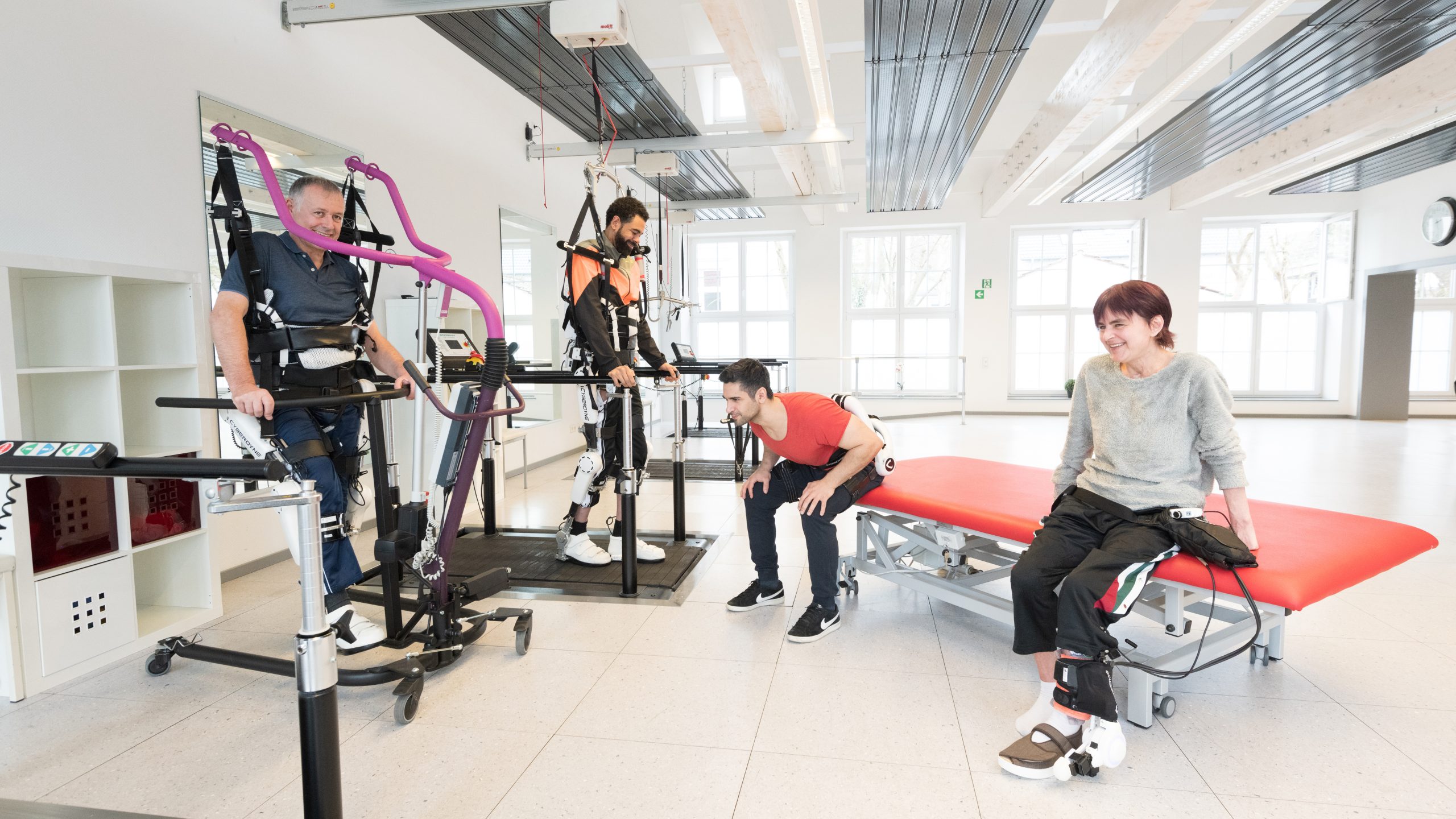
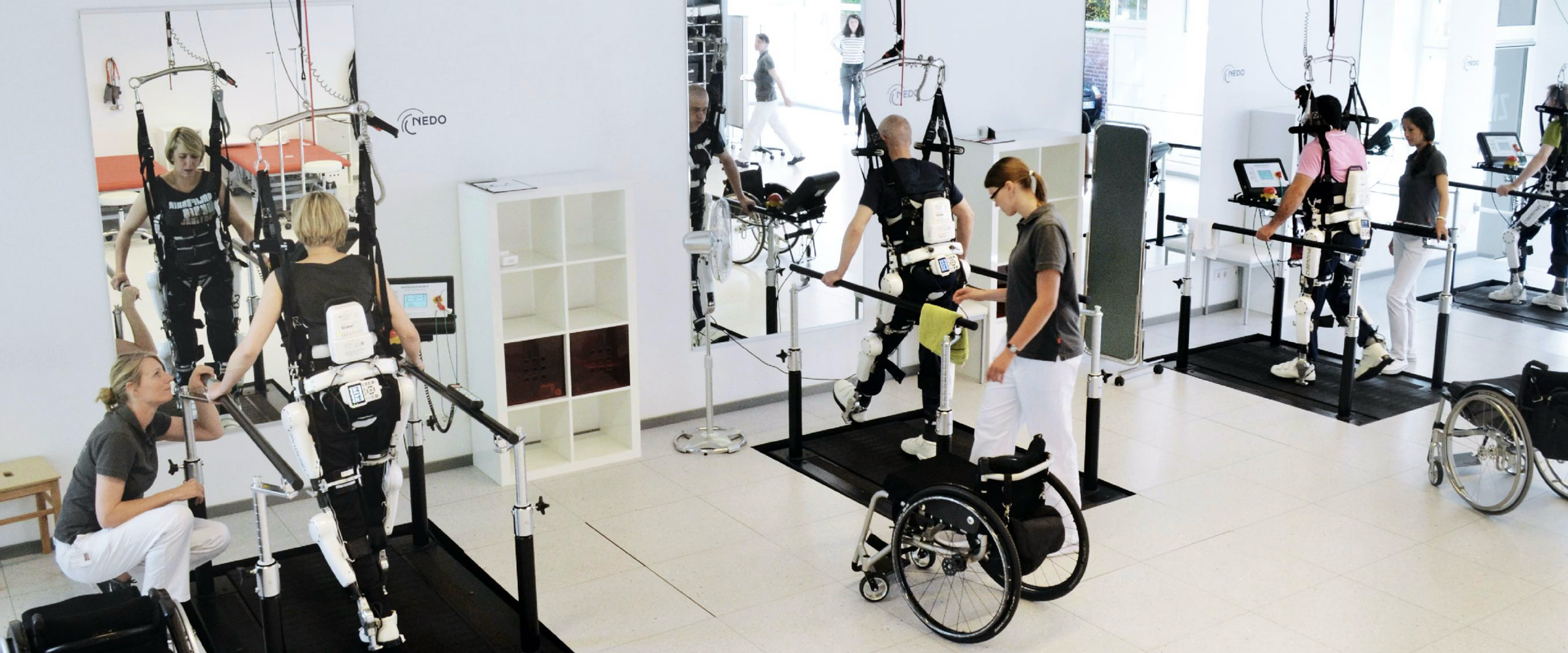
HAL is predominantly used in clinical gait rehabilitation for patients recovering from stroke, spinal cord injury, or neuromuscular diseases. In a typical session, a therapist helps the patient don the exoskeleton, which uses EMG electrodes to detect residual muscle signals in the paretic limb. When the patient initiates a walking motion, HAL provides precisely timed assistive torque at the hip and knee, reinforcing correct movement patterns. This intention‑based assistance is believed to engage neuroplastic mechanisms, and multiple randomized controlled trials have reported significant improvements in walking speed and endurance. The therapy requires supervision and is limited to patients weighing 40–100 kg; sessions typically last 30–45 minutes due to battery capacity.
Mobility Assistance
For individuals with permanent mobility deficits, HAL can serve as a long‑term ambulation assistive device. The double‑leg model allows users to walk over ground and climb stairs with reduced effort, while the single‑leg model addresses unilateral weakness. Weighing 14 kg and worn over clothing, it enables community mobility, but the 1‑hour battery life restricts continuous use. Users often report improved confidence and reduced fatigue during daily activities, though the device’s bulk and noise may limit social acceptance. Cyberdyne does not offer a consumer version, so personal use is managed through medical leasing.
Teleoperation Training
In robotics research, HAL serves as a bimanual teleoperation interface for controlling humanoid or dexterous robots. An operator wears the exoskeleton, and the joint angles and EMG data are streamed to a remote robot, which mimics the motions in real time. This setup allows intuitive and precise control of complex tasks, such as manipulation or traversing uneven terrain, and is invaluable for collecting training data for imitation learning algorithms. Laboratories involved in the DARPA Robotics Challenge have utilized HAL to transfer human skills. The lightweight, unpowered master mode conserves battery, and research institutions often purchase units outright through grants, making them the most common buyers on the secondary market.
Industrial Heavy Lifting
The HAL for Labor variant amplifies the wearer’s leg and back strength during heavy lifting, reducing spinal compression and muscle fatigue in logistics, construction, and manufacturing. The suit provides assistive torque proportional to the user’s effort, enabling workers to lift loads that would otherwise be strenuous. Field trials in Japanese warehouses reported a reduction in back pain among users. However, the 1‑hour runtime limits its use to intermittent lifting tasks rather than continuous production line work. The exoskeleton requires training to don and operate safely, and its cost may be prohibitive for widespread deployment in smaller operations.
Elderly Care & Nursing
In Japan’s rapidly aging society, HAL is deployed in nursing homes and eldercare facilities to support both caregivers and residents. For staff, the exoskeleton reduces the physical strain of lifting and transferring residents, potentially decreasing work‑related injuries. For elderly residents, HAL can assist with standing, walking exercises, and maintaining mobility to delay the onset of frailty. The single‑leg model is often used for clients with hemiparesis after a stroke. Practical challenges include the time required to don the exoskeleton and the limited battery life, which necessitate careful scheduling of therapy sessions. Several Japanese prefectures have subsidized HAL deployments in public elder‑care programs.
History & Background
The HAL project originated in 1998 at the University of Tsukuba under Professor Yoshiyuki Sankai, who envisioned a wearable robot that could merge human and machine. Sankai founded Cyberdyne Inc. in 2004 to commercialize the technology, naming it after the fictional company in the Terminator franchise as a playful nod and caution. The first functional prototype, HAL‑3, demonstrated lower‑limb assistance using EMG signals. HAL‑5, released around 2005, introduced a full‑body exoskeleton with arm and leg support, attracting global attention at the 2005 World Exposition. Cyberdyne achieved CE marking for its medical model (HAL for Medical) in 2013, clearing it for clinical use in the European Union. The company went public on the Tokyo Stock Exchange in 2014, raising funds to establish Cybernics Treatment Centers worldwide. Subsequent variants include HAL for Care Support and HAL for Labor. As of 2026, HAL remains in active production, with continuous improvements in battery efficiency and sensor integration, though it is still primarily a leased medical device rather than a consumer product.
Buying Used — What to Check
Battery condition and remaining cycles The custom battery degrades over time, and a worn pack may not hold a full 1‑hour charge, impacting therapy sessions.
Service and calibration history Regular maintenance is essential for EMG sensor accuracy and motor performance; ask for logs.
Fit and donning accessories HAL comes in sizes S/M/L; verify the unit matches the intended user’s body measurements (40–100 kg) and that all straps are intact.