What is the Honda Asimo?
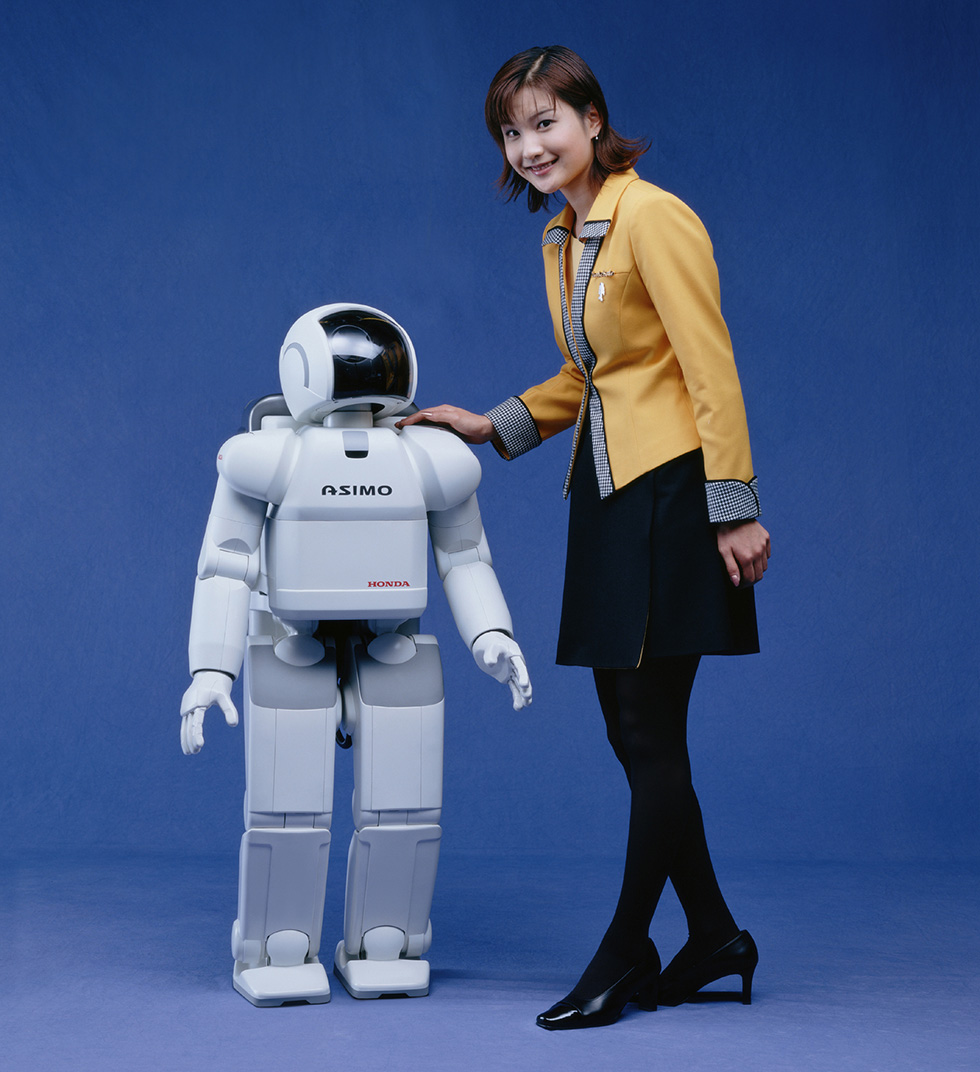
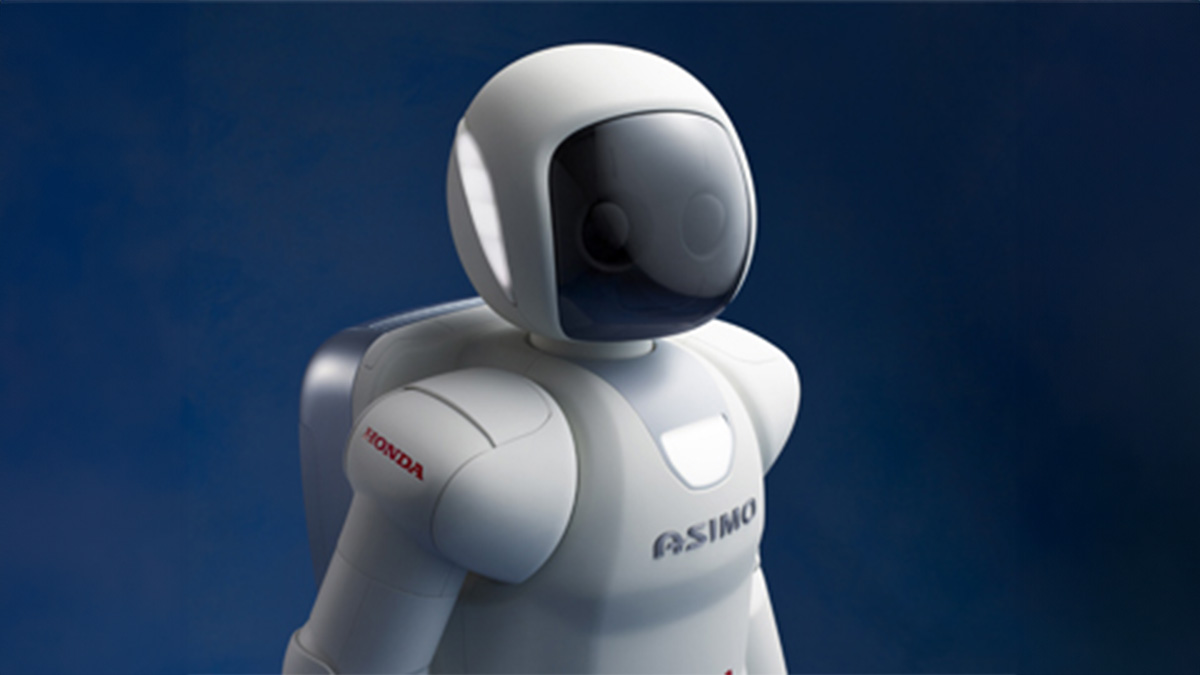
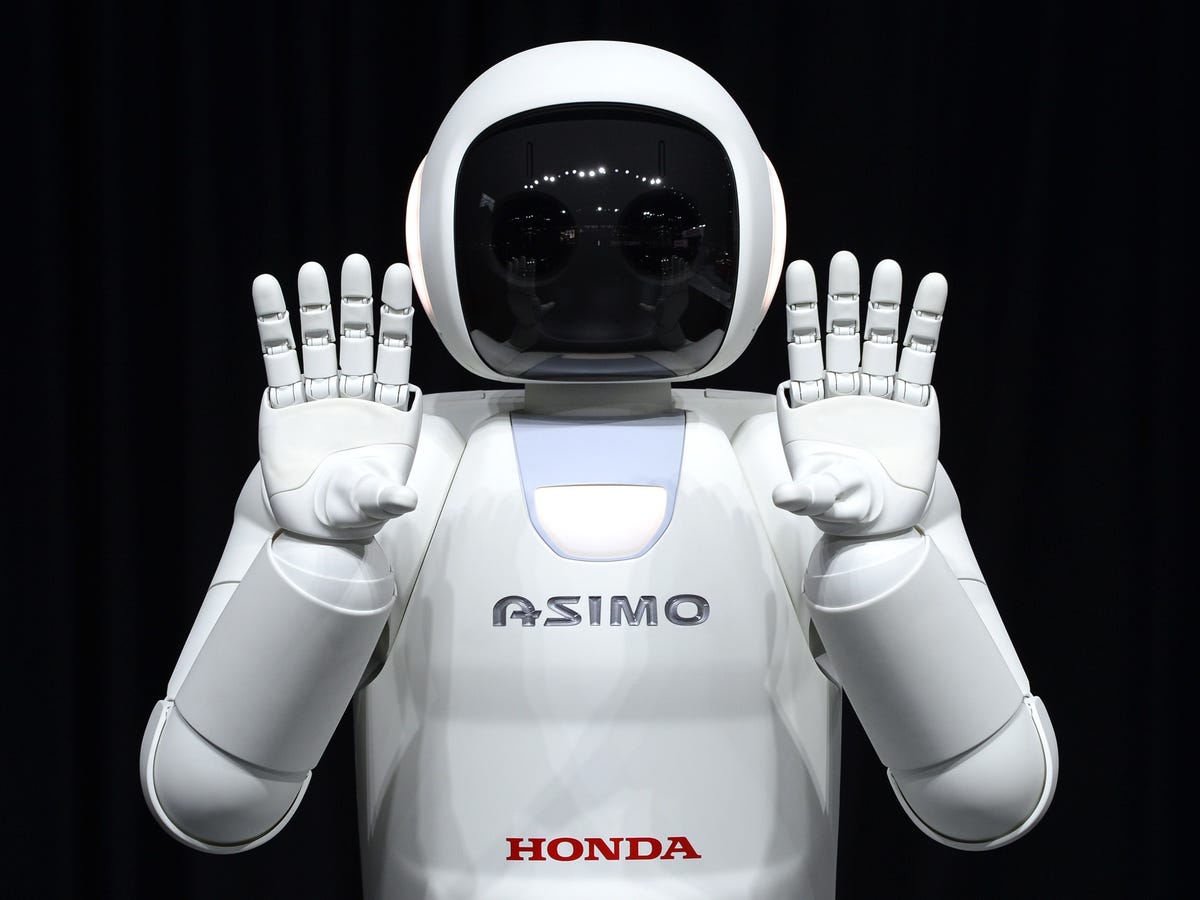
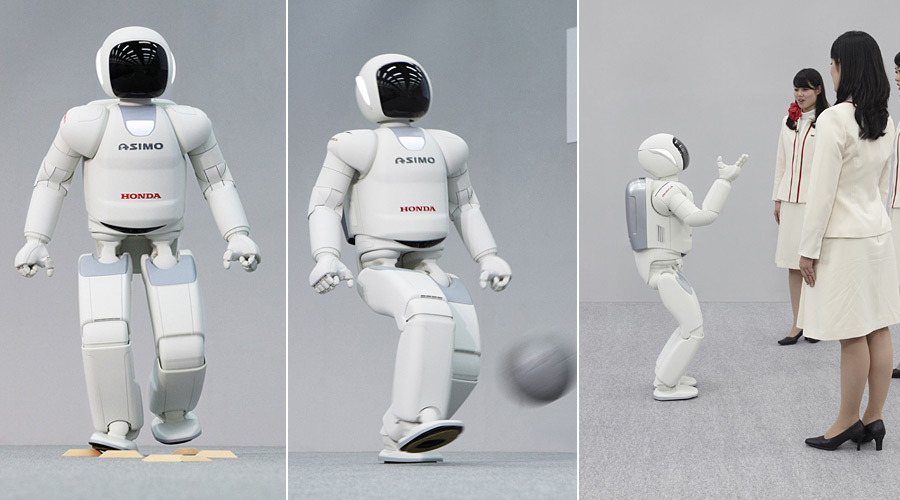
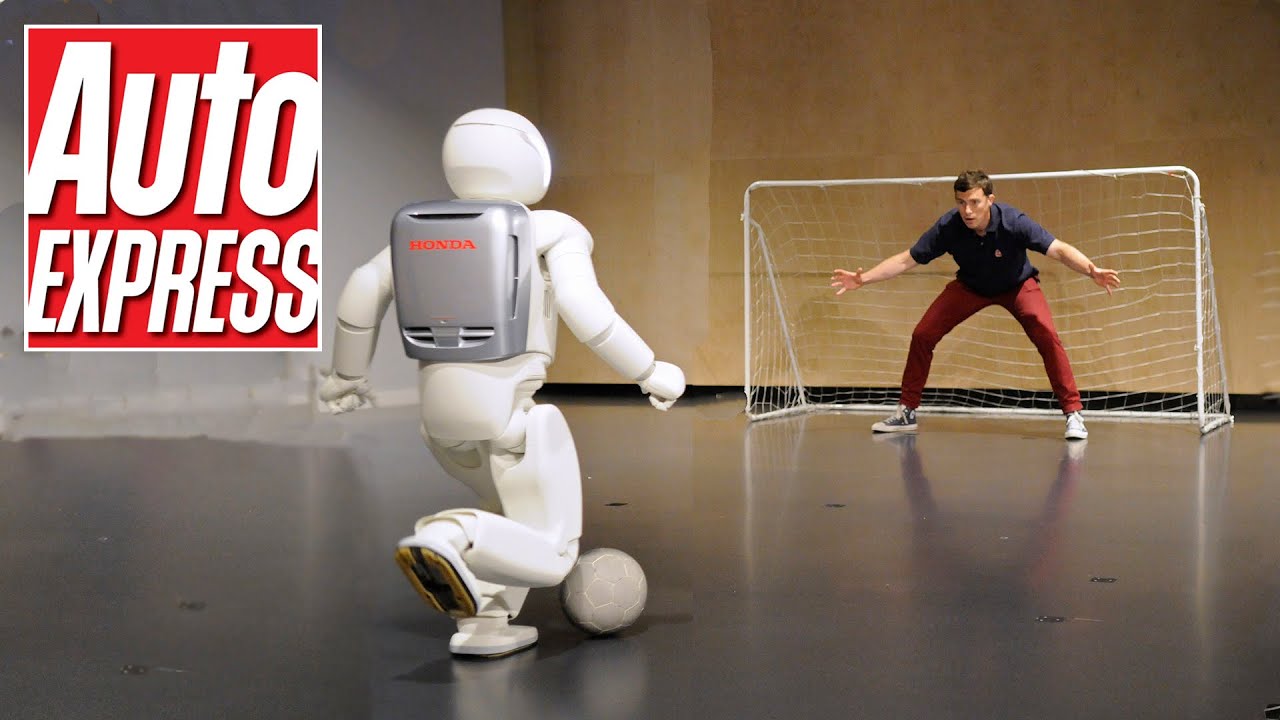
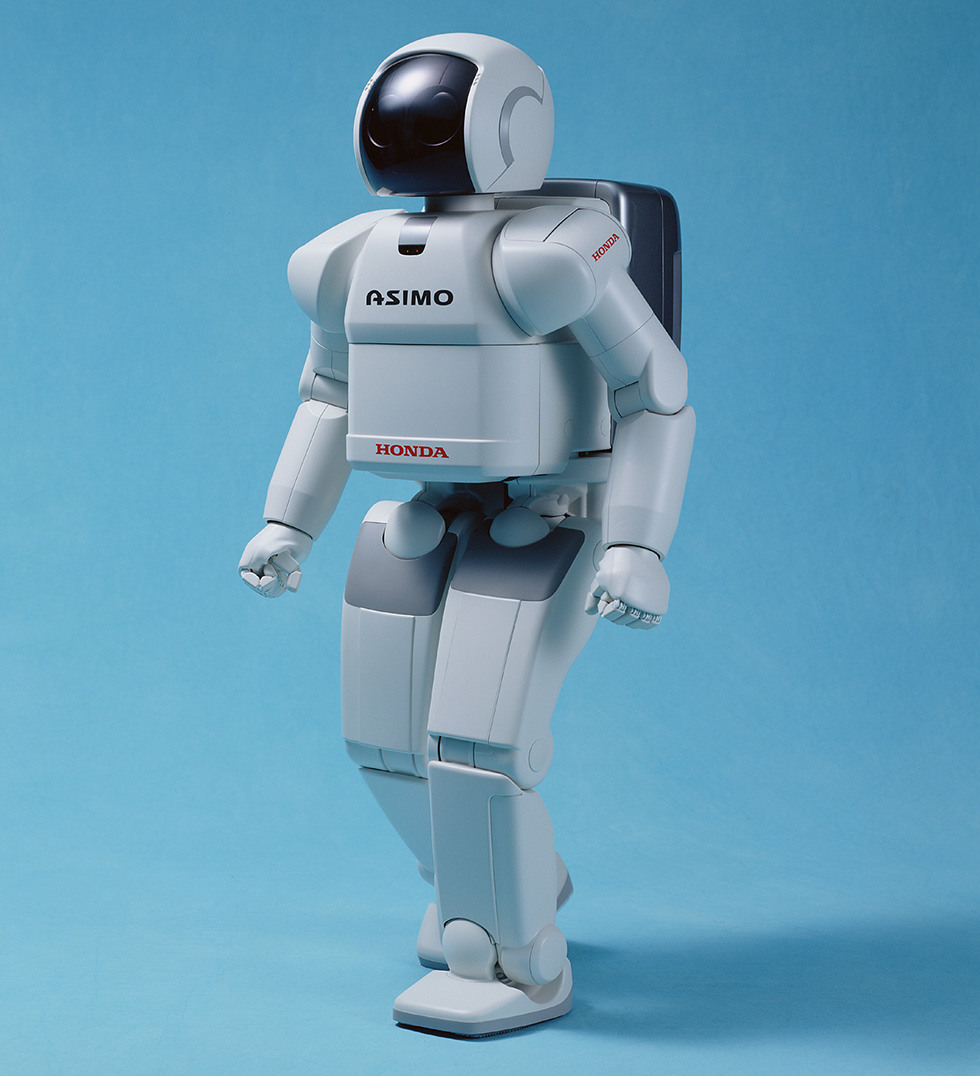
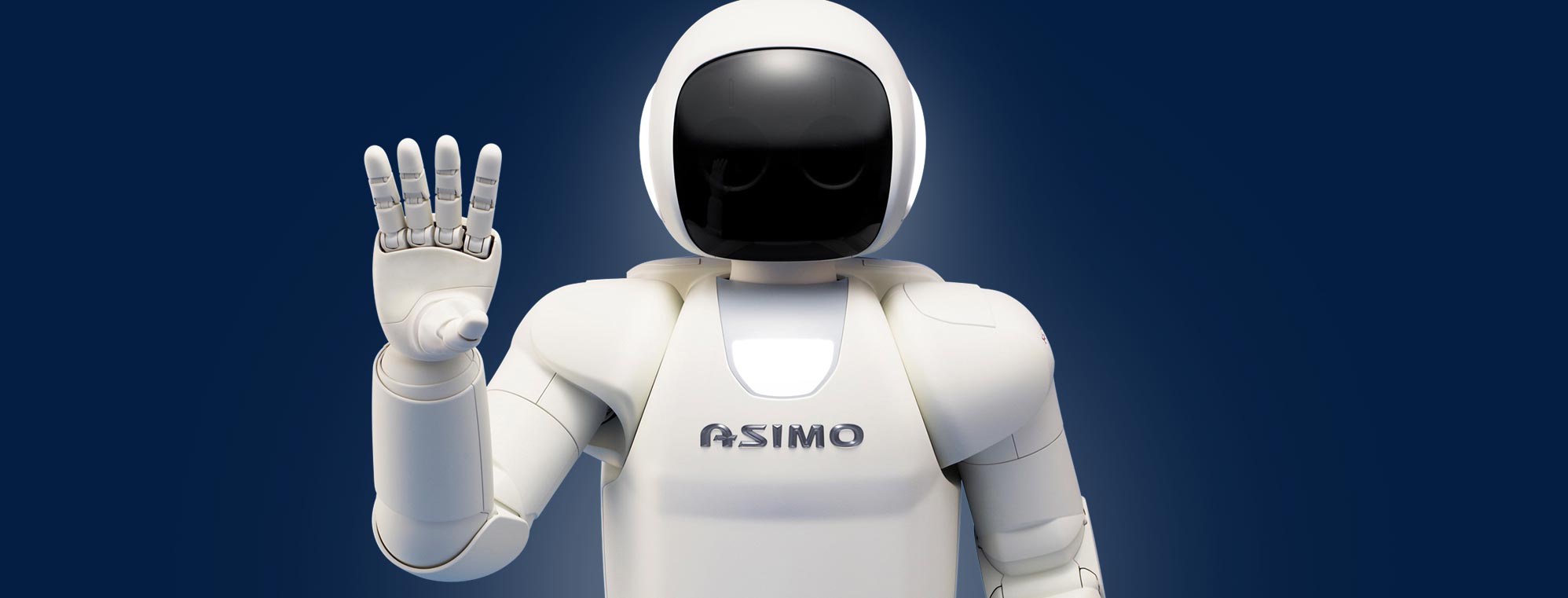
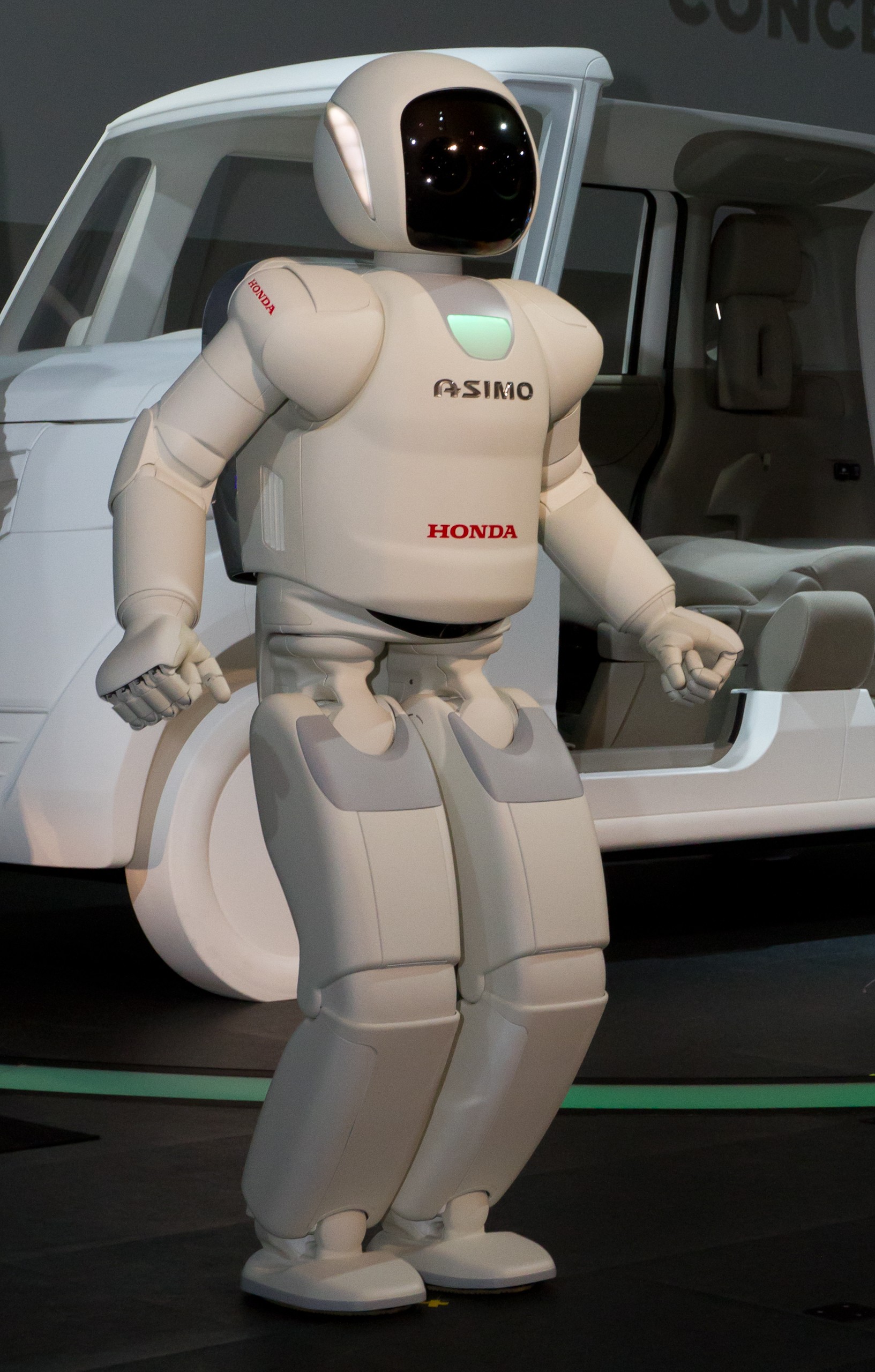
ASIMO (Advanced Step in Innovative Mobility) was a humanoid research robot developed by Honda Motor Co., Ltd. in Tokyo, Japan. First unveiled in 2000 and evolving through multiple generations, ASIMO became the world’s most recognized bipedal humanoid robot. Standing 1.30 m tall and weighing 48 kg, it was designed to assist in domestic and healthcare environments, though never commercialized. ASIMO could walk, run, climb stairs, recognize faces and voices, and interact with people through gesture recognition. Its final 2011 model featured 57 degrees of freedom and artificial intelligence capabilities, setting benchmarks for humanoid robotics research despite being retired in 2022.
Specifications
Here are the full technical specifications.
| Spec | Value |
|---|---|
| Height | 1.30 m |
| Weight | 48 kg |
| Degrees of freedom | 57 |
| Battery life | 1 hour |
| Max speed | 9 km/h |
| Payload | Not officially specified |
| Price (new) | Not sold commercially |
| Price (used range) | N/A |
Price & Value
New MSRP: Not sold commercially
Used range: N/A
Honda never released a price for ASIMO; it was a pure research platform with lease arrangements to a handful of universities and museums. Industry estimates place the development cost of each ASIMO unit in the millions of dollars, far beyond any practical commercial product. In contrast, today’s bipedal humanoids like Agility Robotics’ Digit are priced around $250,000 for industrial use, while simpler social robots like SoftBank’s Pepper cost $20,000. ASIMO’s value proposition was never financial; it demonstrated the potential of humanoid mobility and AI interaction, paving the way for modern robotics. As a historical artifact, existing units are priceless, residing in institutions like the Smithsonian. For any practical deployment today, newer, less costly robots with more robust capabilities have superseded ASIMO.
Who Is It For?
Best for: - Robotics researchers studying humanoid locomotion history - Museums and educational institutions for public engagement - Developers of bipedal walking algorithms (reference platform) - Honda’s internal R&D for next-gen mobility solutions
Not for: - Commercial or industrial deployment (no payload rating, low battery life) - Cost-sensitive projects (development costs in millions) - Outdoor rough-terrain applications (indoor-optimized) - Heavy manipulation tasks (hands designed for light objects only)
Alternatives & Comparison
ASIMO’s direct peers are other research humanoids that pushed the boundaries of bipedalism and interaction. While none were commercially sold, they each advanced specific capabilities. Below, we compare ASIMO to other notable humanoids from its era and contemporary successors.
| Model | Price | Available | Key Difference |
|---|---|---|---|
| Atlas (Boston Dynamics) | Undisclosed | no | Hydraulic actuation, highly dynamic parkour, taller (1.5 m), 28 DOF |
| SoftBank Robotics Pepper | $20,000 | yes | Social humanoid, wheeled base, touch screen, commercially sold |
| Toyota T-HR3 | Undisclosed | no | Master-slave control, 32 DOF, used for telepresence and care |
| Agility Robotics Digit | $250,000 | yes | Bipedal with arms, designed for logistics, mobile manipulation, outdoor capable |
Verdict: For historical significance and advancing the understanding of smooth bipedal walking, ASIMO remains unparalleled. However, for practical tasks today, Atlas excels in dynamic mobility, Digit in logistics, and Pepper in social interaction at a fraction of the cost. If you’re a researcher studying humanoid history or need a gentle indoor assistant, ASIMO’s design principles are still valuable; otherwise, modern platforms offer more immediate utility.
Use Cases & Capabilities
Humanoid robotics research
ASIMO served as a testbed for advanced bipedal locomotion, including stable walking on uneven surfaces, stair climbing, and running. Its 57 DOF allowed exploration of full-body coordination and balance control. Many algorithms developed on ASIMO influenced subsequent humanoid designs. Researchers leveraged its onboard sensors and computing to test real-time environment adaptation, and its published documentation continues to inspire new generations of roboticists.
Technology demonstrations and public engagement
ASIMO performed at Honda events, Disneyland, and international exhibitions, captivating audiences with its smooth movements and polite interactions. It successfully demonstrated face recognition, voice commands, and object manipulation, inspiring a generation of roboticists. These demonstrations showcased the potential of humanoid robots to coexist with humans in public spaces and became a key part of Honda’s brand innovation narrative.
Elderly care assistance prototype
Honda envisioned ASIMO assisting in domestic environments, particularly for the elderly, by fetching objects, opening containers, and providing reminders. Although never deployed, its gentle movements and safe interaction were designed with human coexistence in mind. This use case highlighted the need for low-cost, durable humanoids, a challenge that later robots like Toyota’s HSR attempted to address.
Educational outreach
ASIMO visited schools and universities, helping teach robotics concepts and STEM engagement. It showed how sensors, AI, and actuators integrate in a humanoid form. Even after discontinuation, archived footage and publications continue to educate new engineers. Its approachable design made complex robotics principles accessible to students of all ages.
History & Background
Honda Motor Co., founded in 1948, began its humanoid robotics program in 1986 with the E-series, evolving into the P-series (P1–P3) in the 1990s. The first ASIMO was revealed on October 31, 2000, named after Isaac Asimov. Over two decades, Honda released five major ASIMO generations, each improving walking speed, obstacle avoidance, running (2005), and stair climbing (2007). The 2011 model marked the pinnacle with 57 degrees of freedom and advanced AI for real-time environment adaptation. Despite its iconic status, Honda shifted focus to autonomous vehicle technology and disaster-response robots, ultimately retiring ASIMO in 2022. ASIMO remains a symbol of Japan’s humanoid robotics achievements and is preserved in museums worldwide.
Buying Used — What to Check
Verify generation documentation ASIMO evolved through five generations; the 2011 model with 57 DOF is the most advanced. Earlier versions have fewer sensors and capabilities.
Assess battery condition The proprietary lithium-ion battery may degrade after years, and replacements are unavailable, limiting operational usefulness.
Provenance and maintenance history Units from museums or Honda partnerships are more likely to have been properly stored and maintained, ensuring rarity and authenticity.