What is the Iit Icub?
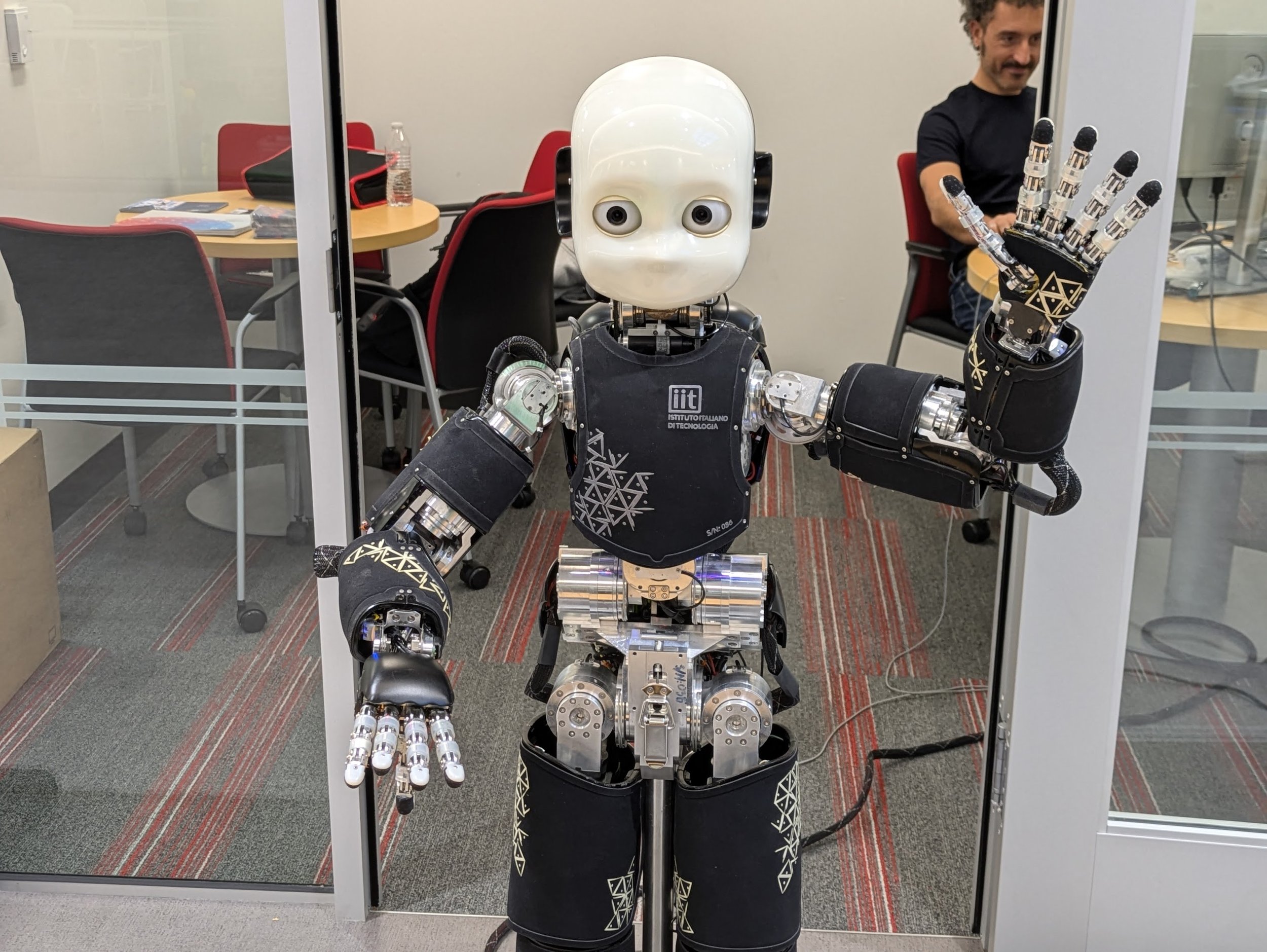
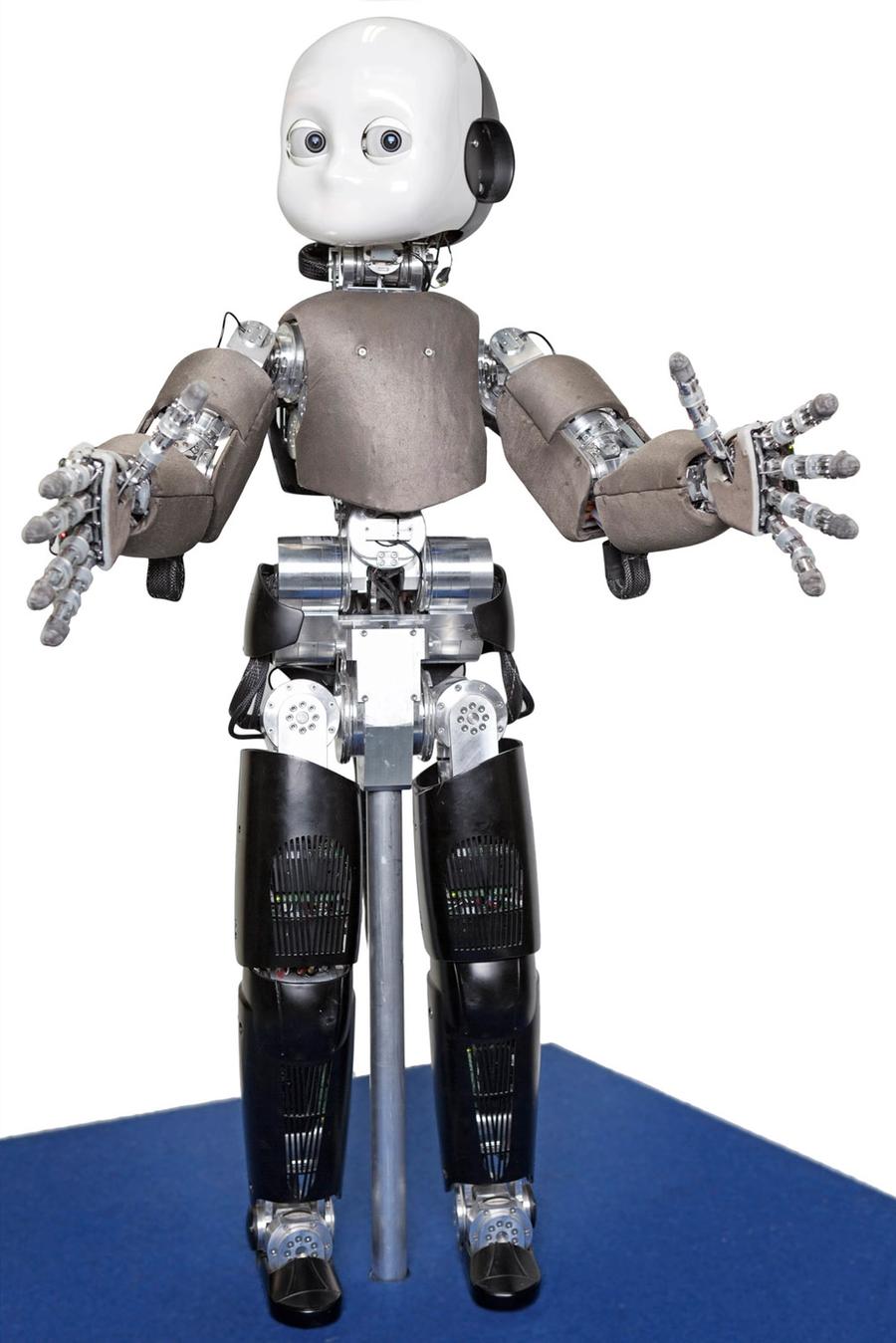
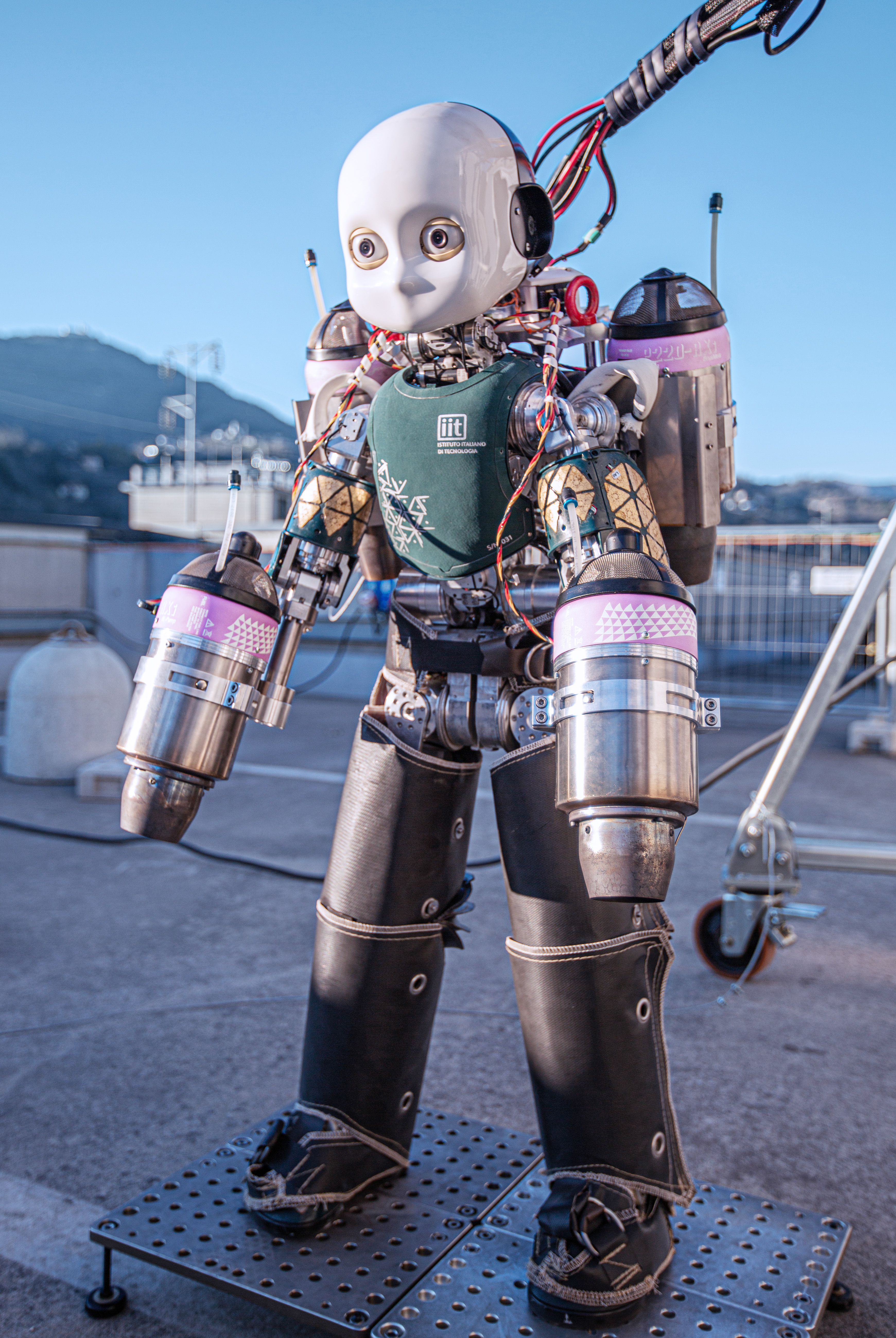
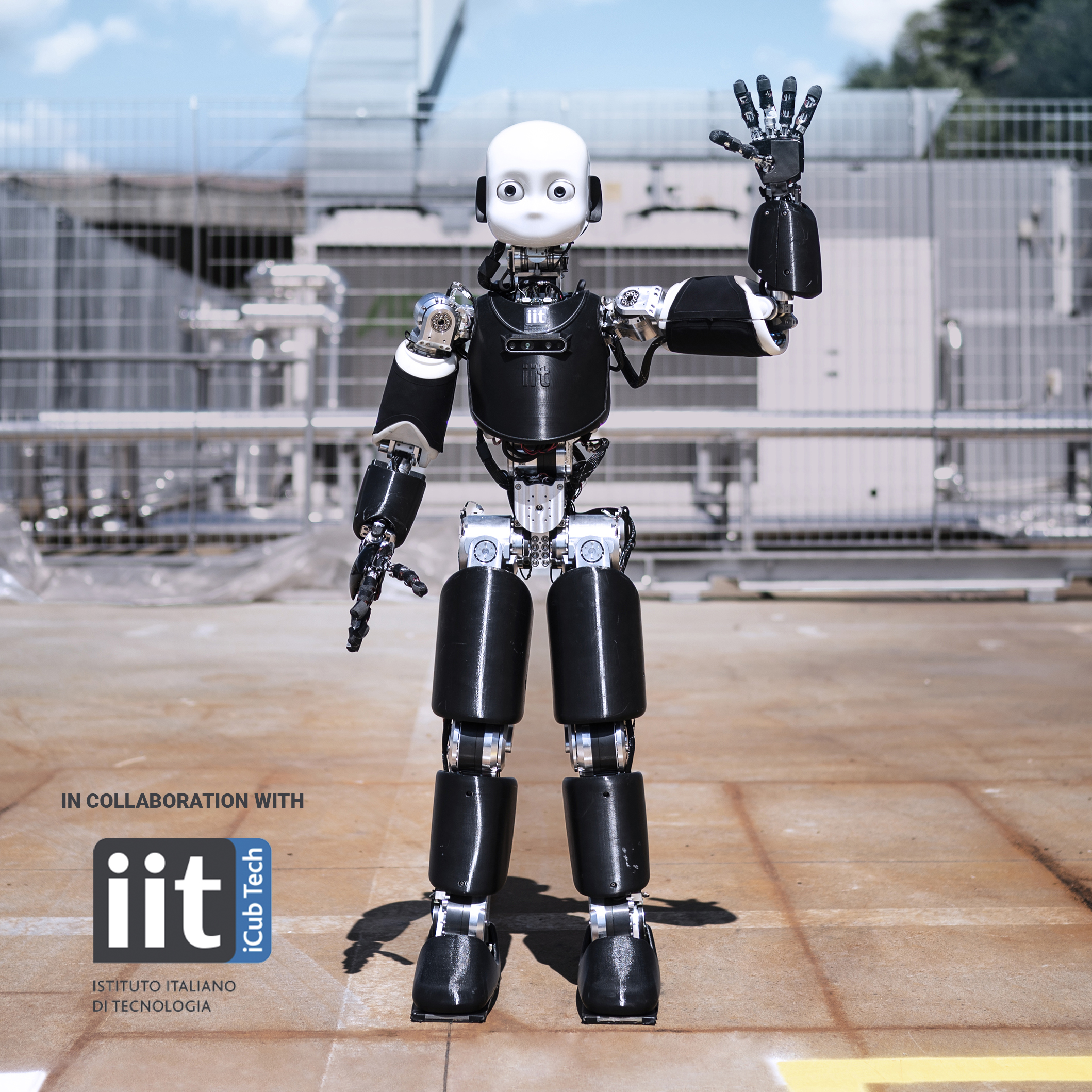
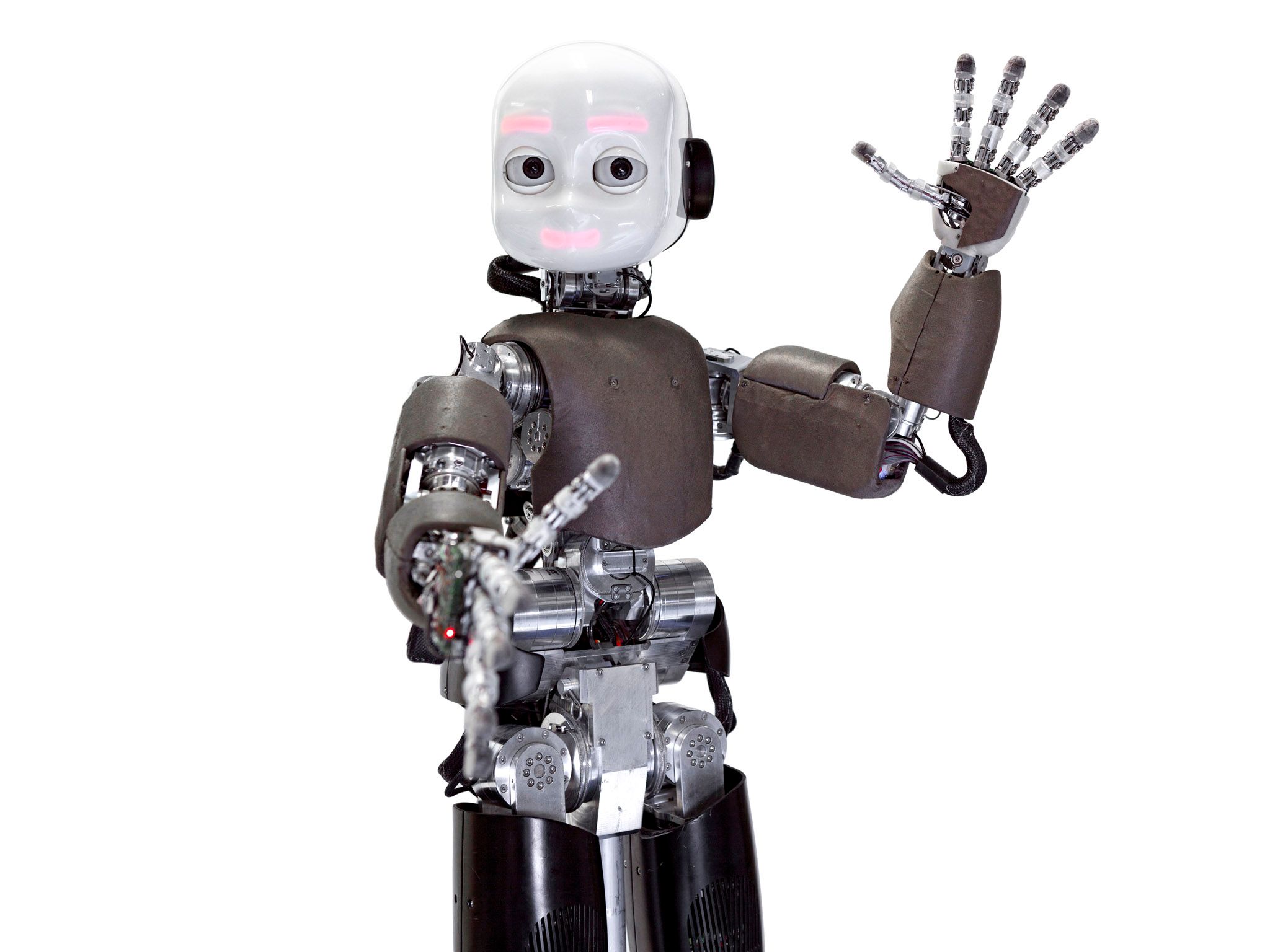
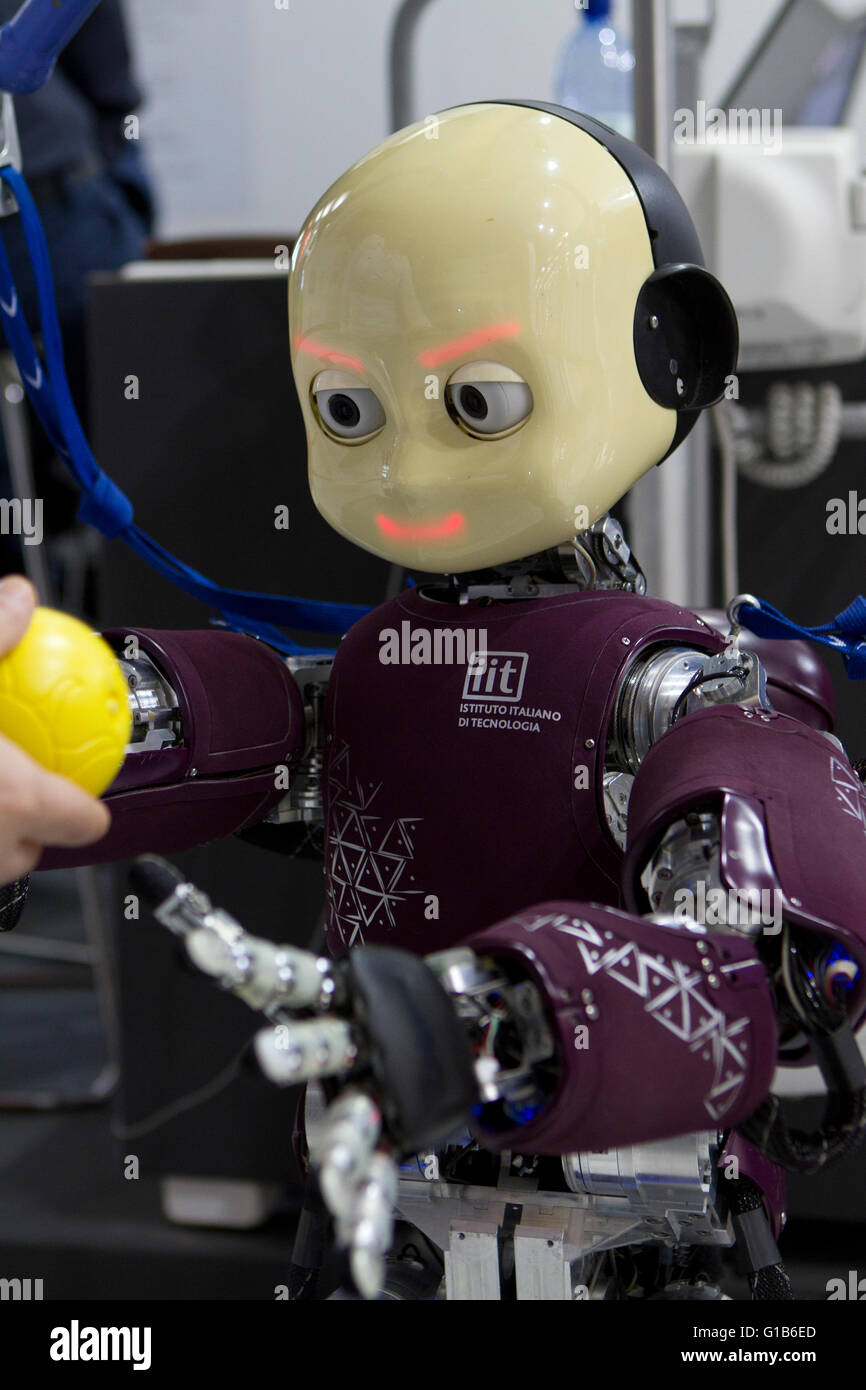
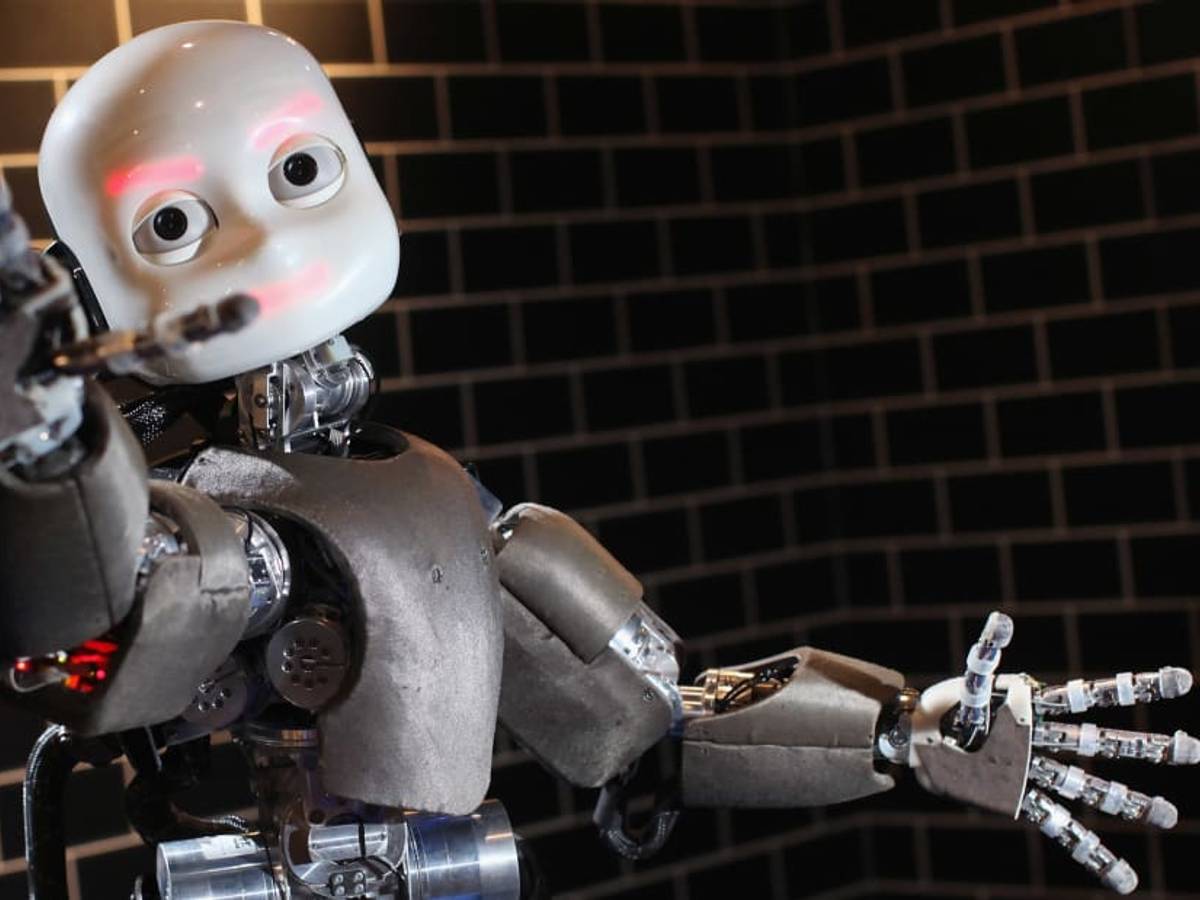
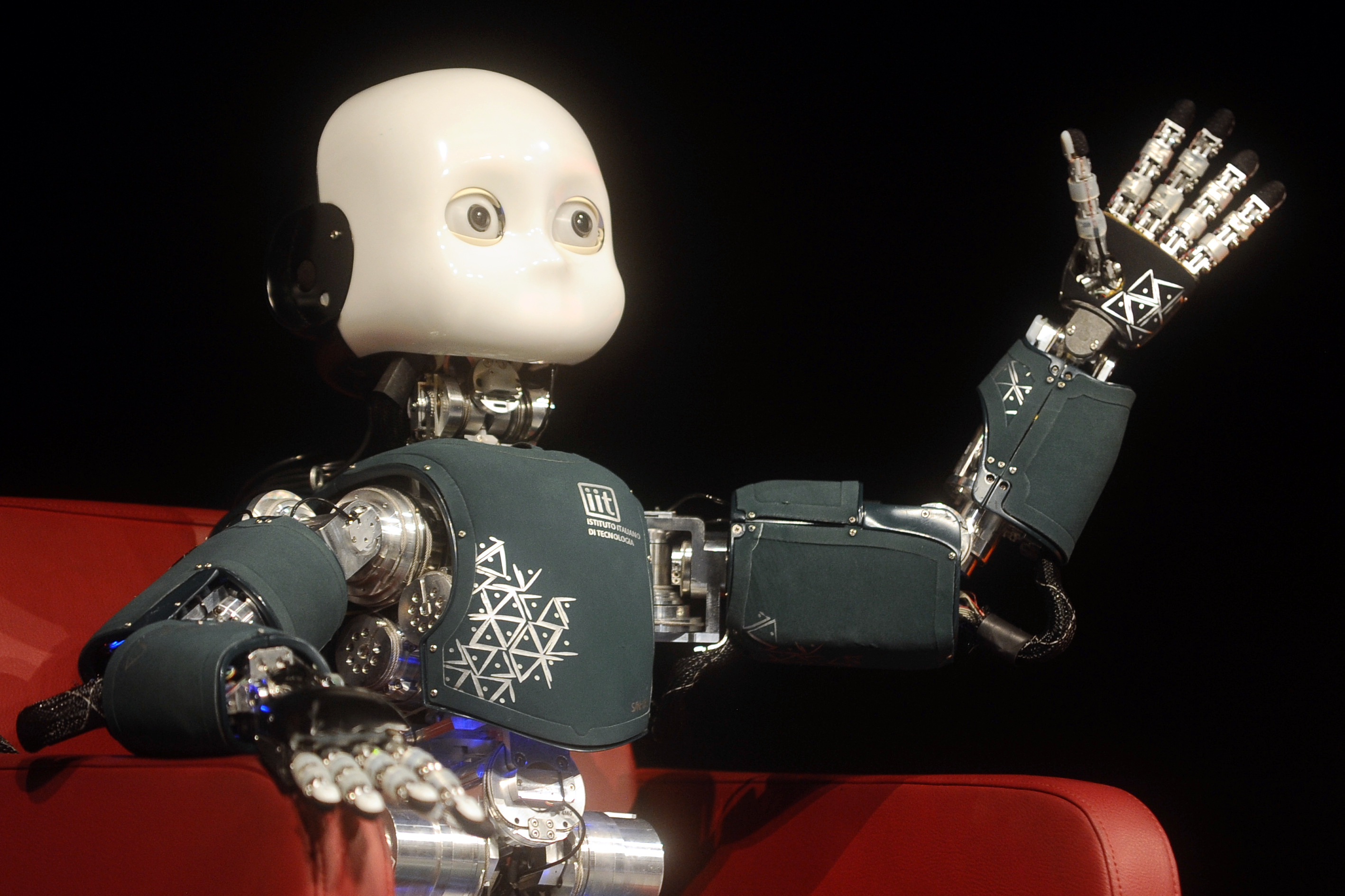
The iCub is a child-sized humanoid robot developed by the Italian Institute of Technology (IIT) in Genoa, Italy, designed for cognitive robotics and embodied AI research. With 53 degrees of freedom, a full-body capacitive tactile skin, and open-source YARP middleware, it mimics a ~3.5-year-old child in size and kinematics. First built in 2008, iCub has evolved through multiple generations (1.0 to 3.0) and is used by over 40 research labs worldwide for studying development, manipulation, and human-robot interaction. It is not a commercial product but available to academic consortia at cost.
Specifications
Here are the full technical specifications.
| Spec | Value |
|---|---|
| Height | 1.04 m |
| Weight | 33 kg |
| Degrees of freedom | 53 |
| Battery life | 1.5 hours |
| Max speed | Not specified |
| Payload | Not specified |
| Price (new) | ~$270,000 (full robot) |
| Price (used range) | ~$150,000–$250,000 (est.) |
Price & Value
New MSRP: ~€200,000 (upper-body) / ~€250,000 (~$270,000 full)
Used range: ~$150,000–$250,000 (est., rarely available)
iCub is a research instrument sold at near‑cost to academic partners. A full humanoid costs ~€250,000 ($270,000), while an upper‑body‑only unit is ~€200,000. There is no official used market, but older iCub 2.0/2.5 units occasionally change hands between labs at €100,000–200,000. Total cost of ownership is significant: fragile hands and custom actuators often require IIT‑supplied spare parts, adding 10–20% of purchase price per year for heavily used bots. Compared to child‑sized research platforms like the HRP‑4 or budget alternatives like NAO ($9k) and OP2 ($12k), iCub’s unmatched sensor density and dexterous hands justify its price for labs running advanced cognitive or manipulation experiments, but it is overkill for education or simple HRI studies. Depreciation is steep—a well‑maintained 5‑year‑old iCub 2.5 might sell for half its original cost—but access to the vibrant open‑source ecosystem and continuous software updates sustain long‑term value.
Who Is It For?
Best for: - University robotics labs studying embodied cognition and developmental learning (53 DOF and tactile skin enable rich sensorimotor experiments) - Human-robot interaction researchers needing a physically expressive, child-sized platform - Consortia members with in-house YARP expertise and dedicated maintenance staff (iCub requires specialized support)
Not for: - Industrial automation or heavy payload applications (no payload rating, hands fragile) - Budget-constrained educational settings (NAO or OP2 are far cheaper) - Buyers seeking a ready-to-deploy commercial product (iCub is a research tool with steep learning curve)
Alternatives & Comparison
iCub occupies a unique niche among child-sized humanoid research platforms, competing with smaller educational bots like NAO and OP2, and with similarly sized research humanoids like the HRP-4.
| Model | Price | Available | Key Difference |
|---|---|---|---|
| SoftBank NAO | $9,000 | yes | Much smaller (58 cm), 25 DOF, no tactile skin; fraction of the cost, widely used in education. |
| Kawada HRP-4 | Undisclosed | yes | Similar child‑sized research humanoid with excellent bipedal walking focus; lacks full tactile skin and has only 6 DOF hands. |
| ROBOTIS OP2 | $12,000 | yes | Open-source, 20 DOF, no tactile skin, far cheaper but limited for complex manipulation studies. |
Verdict: For labs pursuing cutting‑edge cognitive development research that demands rich tactile sensing and dexterous manipulation, iCub is the gold standard. HRP‑4 is a better fit if bipedal walking is the primary focus. NAO and OP2 serve teaching and budget‑limited projects well but cannot replicate iCub’s sensorimotor breadth.
Use Cases & Capabilities
Cognitive developmental robotics
iCub emulates a young child’s learning processes—grasping objects, using tools, and grounding language through physical interaction. Its capacitive skin, stereo cameras, and force/torque sensors supply dense, multimodal feedback vital for training neural models of object affordances and causality. Experiments often combine imitation learning with multi‑stage manipulation, leveraging iCub’s 53 DOF, including the 9‑DOF hands, to test sensorimotor primitives. The open‑source iCub ecosystem provides pre‑built YARP modules for low‑level motor control, allowing researchers to focus on higher‑level learning algorithms.
Human‑robot interaction
Standing 1.04 m tall with child‑like proportions and an expressive LED face, iCub is inherently approachable for HRI studies. Researchers use it to explore joint attention, turn‑taking, social gaze, and emotion recognition. The tactile skin enables safe, contact‑rich interactions, while the integrated stereo microphones support spoken dialogue. YARP’s modular architecture makes it straightforward to plug in custom perception or dialogue systems, enabling HRI experiments that merge physical co‑presence with cognitively plausible models of social behaviour.
Dexterous manipulation research
Each hand has three underactuated fingers and a thumb, totalling 18 DOF across both hands, plus fingertips instrumented with capacitive touch sensors and 6‑axis force/torque sensors in each wrist. This setup allows in‑depth studies of precision grasping, in‑hand manipulation, and tool use on a physical platform. Researchers regularly benchmark tasks like pouring liquids, stacking blocks, and manipulating deformable objects. Maintenance is intensive: finger tendons and couplings wear over time and require periodic replacement, but the open‑source CAD models enable custom redesigned end‑effectors.
Multi‑modal perception and sensor fusion
iCub’s full‑body capacitive skin, dual stereo cameras, binaural microphones, and IMU offer a comprehensive sensory suite for building and testing sensor fusion algorithms. The platform is used to develop object recognition from combined visual and tactile features, auditory source localisation, and body‑schema representation. The standard PC104+ embedded computer handles real‑time sensory processing, and the YARP framework distributes data streams across a lab network for more demanding off‑board computation. This richness makes iCub a benchmark for evaluating biologically inspired perception models.
History & Background
The Italian Institute of Technology (IIT) was founded in 2003 in Genoa, and the iCub project emerged from the EU‑funded RobotCub consortium (2004–2010). The first physical iCub 1.0 was completed in 2008, a child‑sized robot with 53 DOF and a focus on cognitive development research. iCub 2.0 followed in 2011 with improved actuators and sensing, then 2.5 in 2014 introduced more robust hands and a faster embedded computer. The current generation, iCub 3.0 (2018–2019), upgraded the PC104+ to an Intel i7, added higher‑resolution joints, and refined the tactile skin. Over 40 labs on six continents now operate iCub, and IIT continues to distribute new units and maintain the open‑source YARP software stack. The platform is still actively developed, with ongoing improvements to walking capability and hands.
Buying Used — What to Check
Verify version and generation iCub 3.0 vs 2.5 differ in actuators, compute, and hand design; older models may lack firmware updates and spare parts availability.
Inspect hands and actuators Fingers are prone to tendon and coupling wear; replacement requires IIT‑supplied parts and can be costly.
Confirm YARP software version and licenses Some consortium‑only modules may not be transferred; ensure all necessary repositories are accessible and up‑to‑date.
Request maintenance logs and spare parts inventory A well‑documented history reduces the risk of hidden damage and indicates how the robot was treated.