What is the Kawada Nextage?
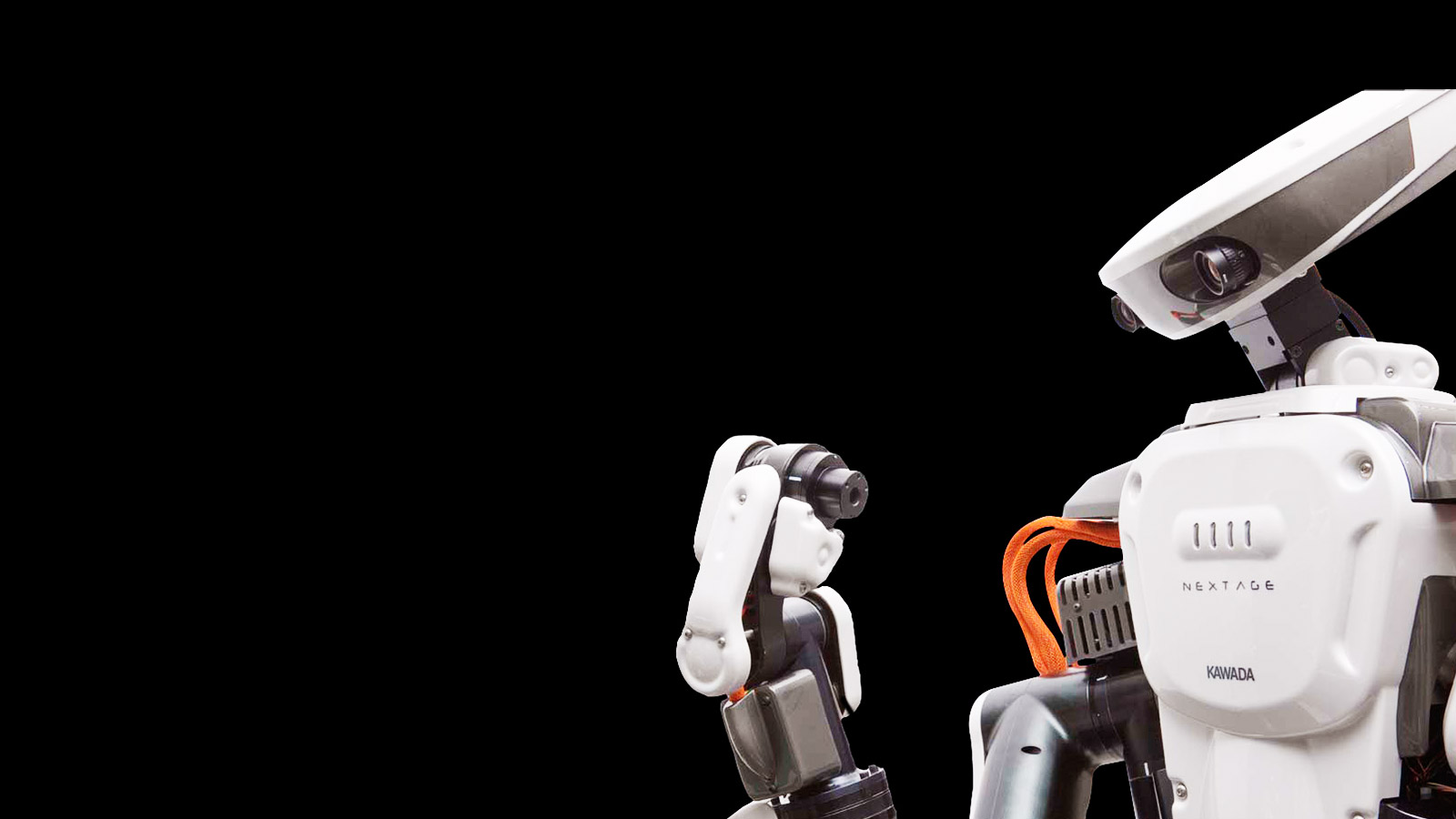
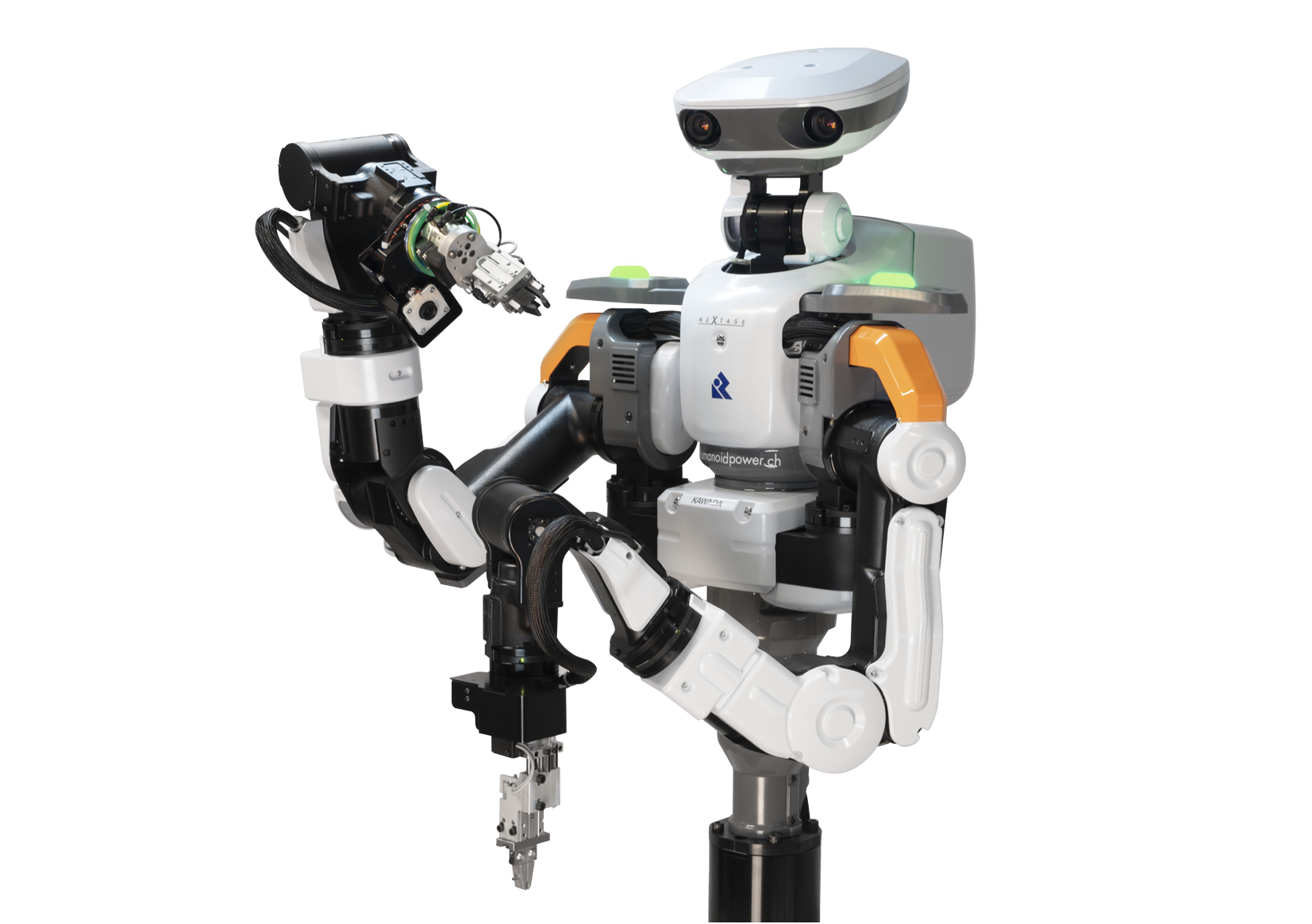
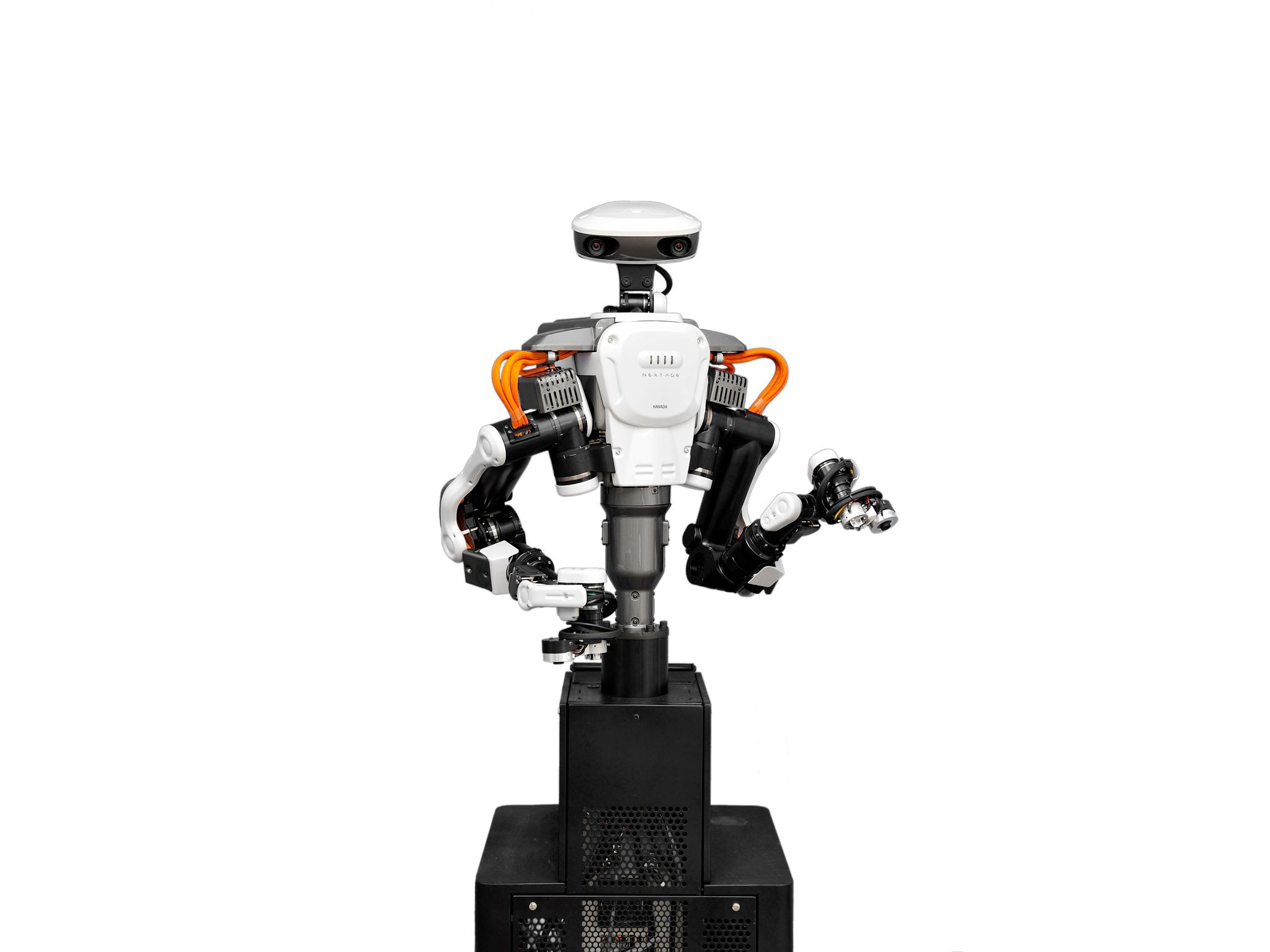
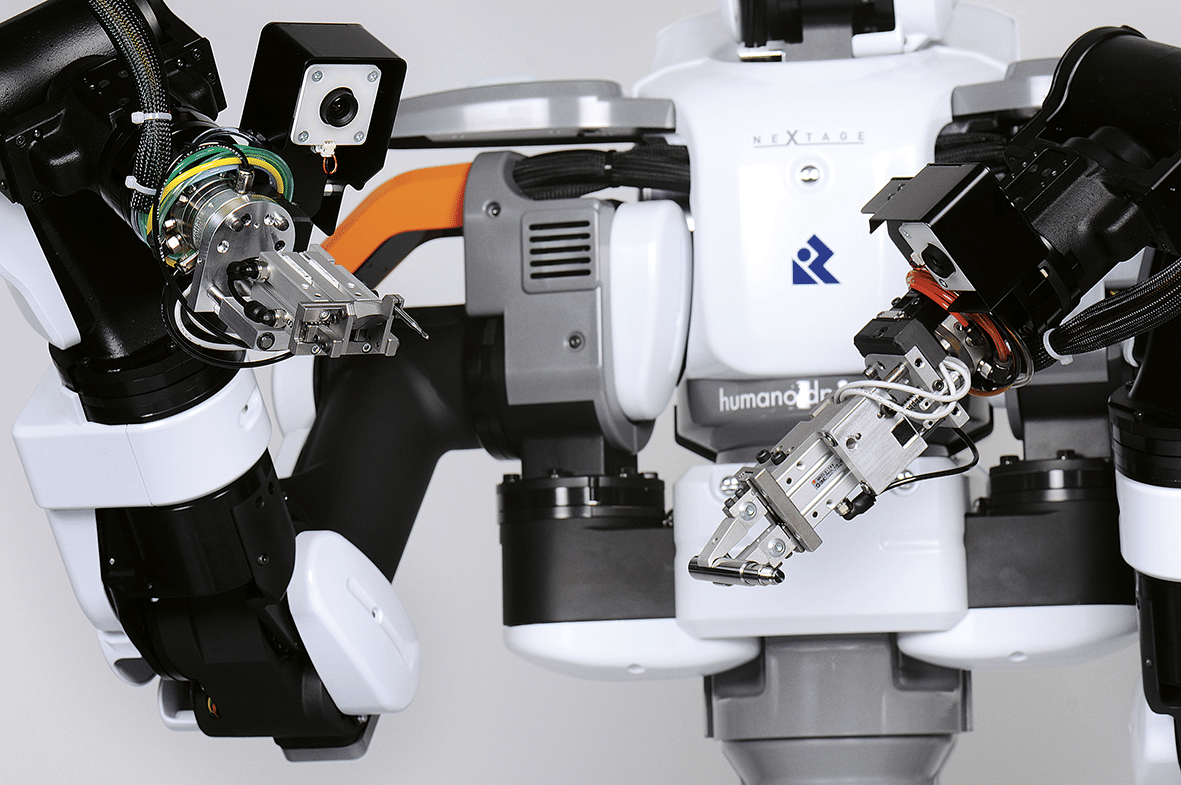
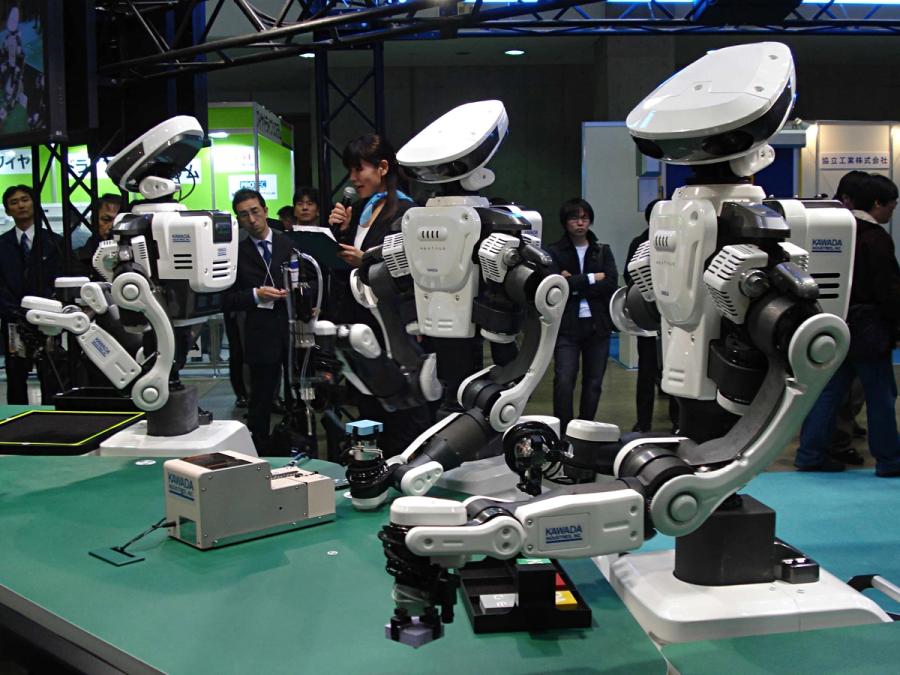
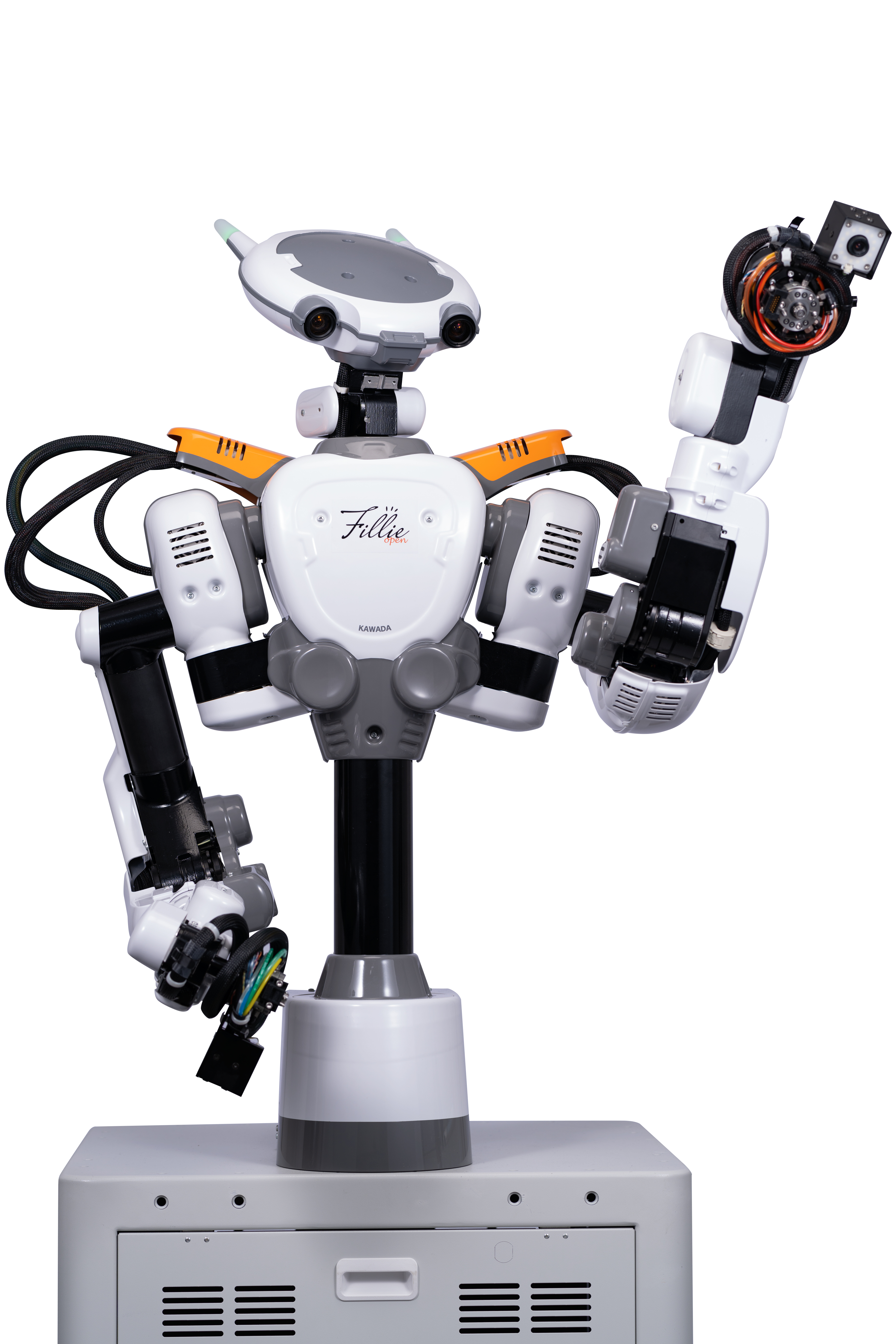
The Kawada Robotics NEXTAGE is a dual-arm industrial humanoid robot designed for fenceless human-robot collaboration on the factory floor. Developed in Japan and launched in 2009, NEXTAGE features a humanoid upper torso with two multi-axis arms, a rotating waist, and a pan-tilt head for vision systems. It is permanently mounted on a wheeled trolley and requires AC power; there is no onboard battery or bipedal locomotion. NEXTAGE is primarily used for assembly, machine tending, and quality inspection tasks, and it has been deployed at over 100 companies worldwide. Unlike mobile humanoids, NEXTAGE stays in one workstation, working side-by-side with human operators without safety fencing. Its collaborative nature and human-like reach make it unique in the cobot market.
Specifications
Here are the full technical specifications.
| Spec | Value |
|---|---|
| Height | ~1,600 mm (est.) |
| Weight | Not disclosed |
| Degrees of freedom | 15 (est.) |
| Battery life | Mains powered (no battery) |
| Max speed | N/A (stationary) |
| Payload | Not disclosed |
| Price (new) | Custom quote (enterprise-only) |
| Price (used range) | Rare, no typical range |
Price & Value
New MSRP: Custom quote (undisclosed)
Used range: N/A (rare)
Kawada Robotics sells NEXTAGE exclusively through direct sales and authorized distributors, with no published list price. Prospective buyers must go through a consultation and quotation process, which typically includes system integration and safety assessments. Because the robot is a capital investment for industrial end-users, total cost of ownership includes training, maintenance, and potential end-of-arm tooling. There is no established used market, but decommissioned units may appear on specialized auction sites or directly from companies upgrading their lines. When budgeting, consider that a NEXTAGE setup can easily reach six figures once fully integrated. Unlike some cobots with transparent pricing, NEXTAGE's value is in its proven fenceless collaborative capabilities and humanoid form factor, which can reduce the cost of additional safety systems.
Who Is It For?
Best for: - Manufacturers seeking fenceless human-robot collaboration for assembly and machine tending (humanoid reach enables natural workspace sharing) - Companies that already use Kawada's industrial robots and want a collaborative upgrade (shared control ecosystem) - R&D labs studying human-robot interaction and dual-arm coordination (NEXTAGE OPEN variant offers open-source ROS interface)
Not for: - High-speed high-volume pick-and-place operations (not optimized for speed) - Battery-powered mobile applications (fully tethered and stationary) - Budget-sensitive small workshops (requires enterprise sales process and integration costs)
Alternatives & Comparison
NEXTAGE competes with a handful of dual-arm collaborative robots, though its humanoid torso and head set it apart from compact tabletop units.
| Model | Price | Available | Key Difference |
|---|---|---|---|
| ABB YuMi | ~$50,000 (est.) | yes | YuMi is a compact dual-arm cobot without a head or torso, optimized for small parts assembly with 7-axis arms and a 0.5 kg payload. |
| Rethink Robotics Baxter | ~$25,000 (est.) | no (discontinued) | Baxter was a two-armed industrial humanoid with compliant actuators and an expressive display face, but the company ceased operations in 2018. |
Verdict: If you need a human-height, fenceless collaborative robot with a head and full torso rotation for assembly lines, NEXTAGE is unmatched among currently supported systems. ABB YuMi is better for fine, high-precision small-part work at a lower, more transparent cost. Used Baxter units may offer a budget way into dual-arm cobotics but lack active manufacturer support.
Use Cases & Capabilities
Collaborative Assembly
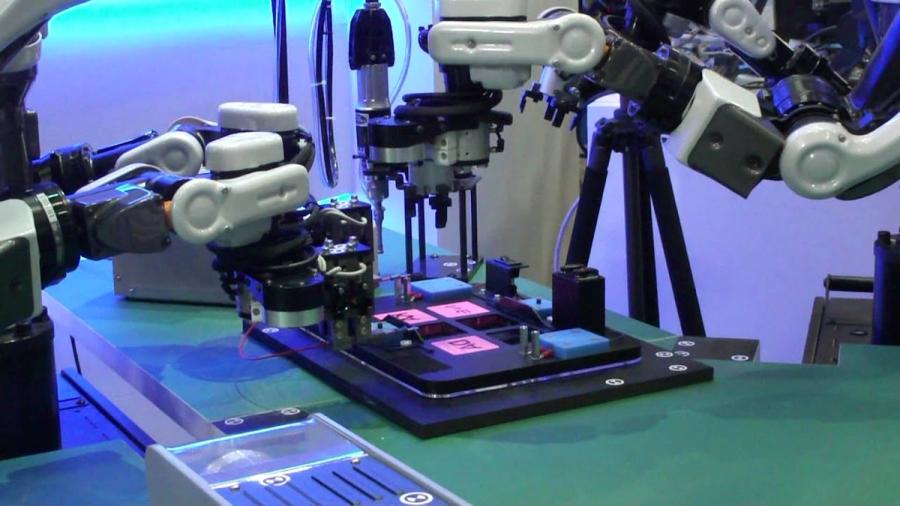
NEXTAGE excels at working side-by-side with human assemblers, performing tasks such as screwdriving, part insertion, and adhesive dispensing. Its two arms and waist rotation allow it to cover a large workspace without needing a safety cage, reducing floor space. Force-limited joints and built-in proximity sensors enable safe human interaction, making it suitable for electronics and automotive subassembly lines. The robot can autonomously handle small components while the operator manages complex fitting and quality checks.
Machine Tending
Stationed next to CNC machines or injection molders, NEXTAGE can load and unload workpieces without fencing. Its human-like upper body can reach into machines and fixtures that were originally designed for human operators. The rotating torso gives it a wide service window around a machine, and its vision system aids in part location and orientation detection. This use case reduces manual labor for repetitive, ergonomically challenging tasks and improves throughput.
Quality Inspection
With integrated stereo cameras and optional end-of-arm inspection tools, NEXTAGE can perform visual and tactile inspections on production lines. It can hold parts up to cameras or laser scanners, check for defects, and sort good from bad. The robot’s head can pan and tilt to view parts from multiple angles, mimicking a human inspector’s movements. This application is common in automotive and electronics where consistent, high-precision defect detection is critical.
R&D and Education
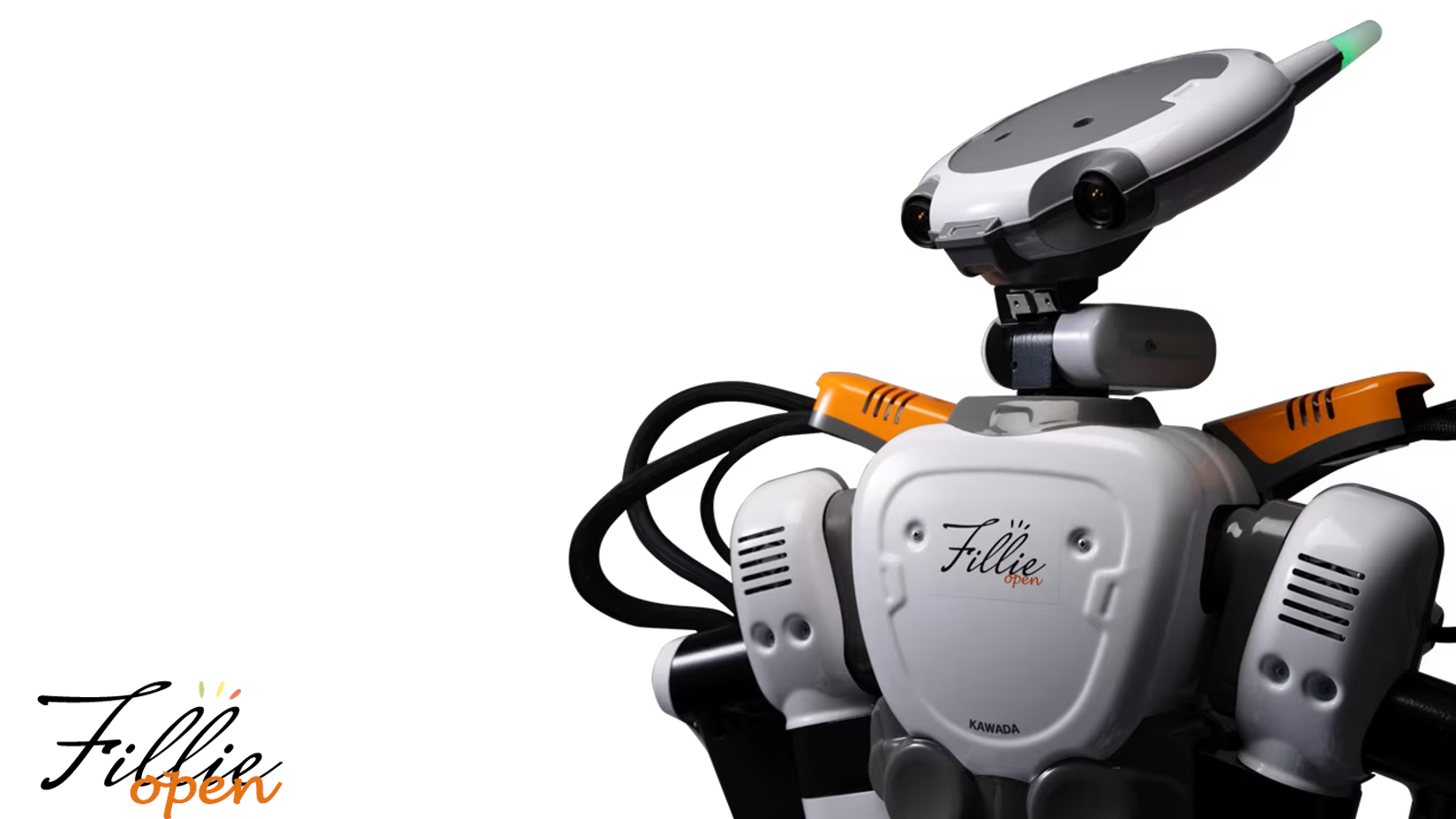
The NEXTAGE OPEN variant, introduced in 2015, provides a ROS-compatible software stack and open interfaces, making it a platform for universities and research labs. Researchers can program dual-arm manipulation, develop advanced perception algorithms, and study human-robot interaction without industrial restrictions. Its humanoid form factor creates realistic test scenarios for collaborative robotics research. Over 30 research institutes worldwide use NEXTAGE OPEN for academic purposes.
Electronics Assembly
In electronics manufacturing, NEXTAGE handles delicate connectors, flex cables, and PCB assembly tasks that require gentle force control. Its dual arms can mimic the coordinated actions of two human hands, such as holding a board while inserting a component. The robot’s vision system enables high-accuracy placement, and its compliance ensures it doesn’t damage sensitive parts. This use case targets low-volume, high-mix production environments typical of industrial equipment manufacturing.
History & Background
Kawada Robotics, a Tokyo-based industrial robot manufacturer, developed NEXTAGE in collaboration with Japan’s National Institute of Advanced Industrial Science and Technology (AIST) and debuted it in 2009. The original NEXTAGE model featured dual 6-axis arms and a distinct head with stereo cameras for human-like vision. In 2015, the NEXTAGE OPEN variant was launched, offering a research-friendly software architecture and open-source ROS interface to encourage academic and industrial innovation. Over the years, Kawada has continually refined the robot’s safety systems and ease of use, enabling fenceless operation outside of dedicated robot cells. By 2026, NEXTAGE has been deployed in over 100 companies globally, including major automotive and electronics manufacturers, solidifying its position as one of the longest-running collaborative humanoid robots in industrial service.
Buying Used — What to Check
Verify robot condition and runtime hours NEXTAGE units in industrial settings accumulate high hours; check motor and joint wear before purchase.
Confirm safety certifications Collaborative requirements may have been updated; ensure the used unit still meets current safety standards.
Check spare parts availability Kawada still supports NEXTAGE, but older models may have limited part supply—verify with Kawada first.
Test arm calibration and repeatability Dual-arm precision degrades over time; a used robot should be tested for repeatable accuracy.