What is the Kawasaki Kaleido Slc?
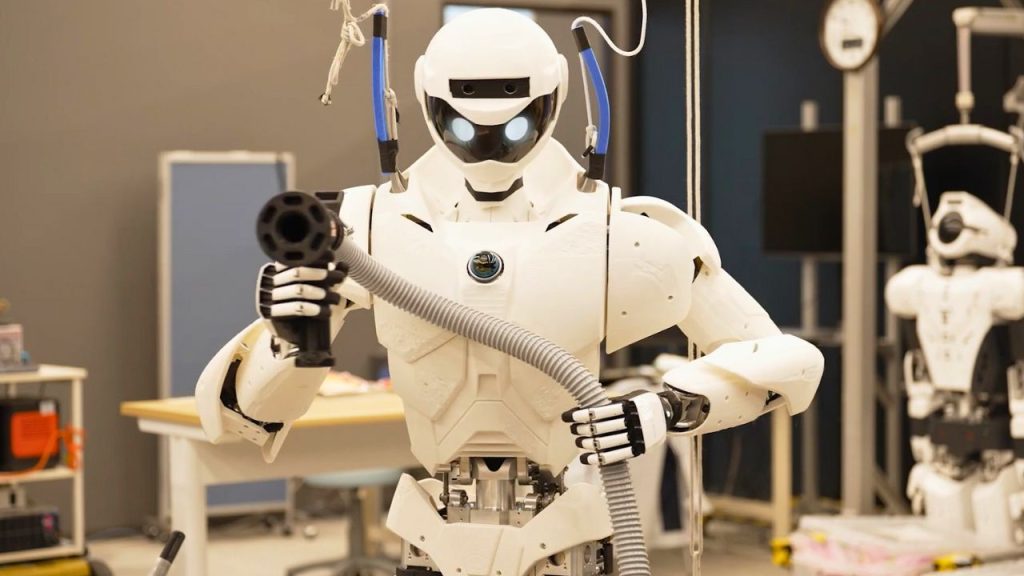
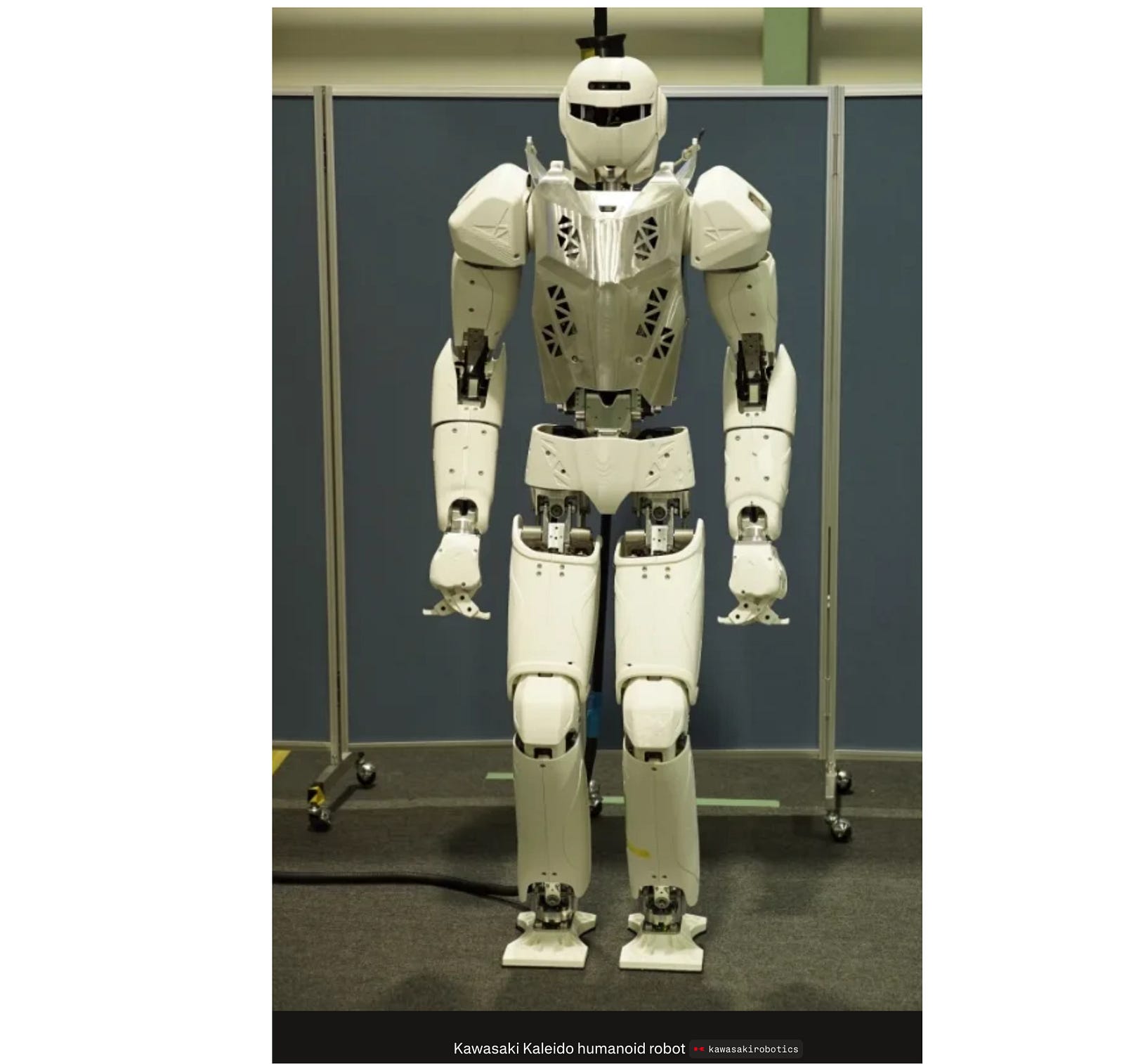
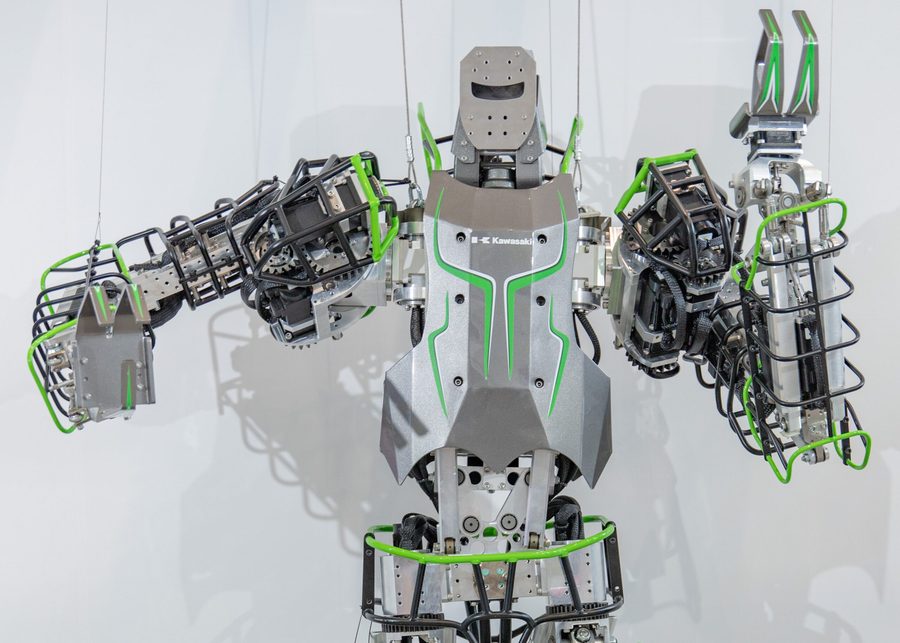
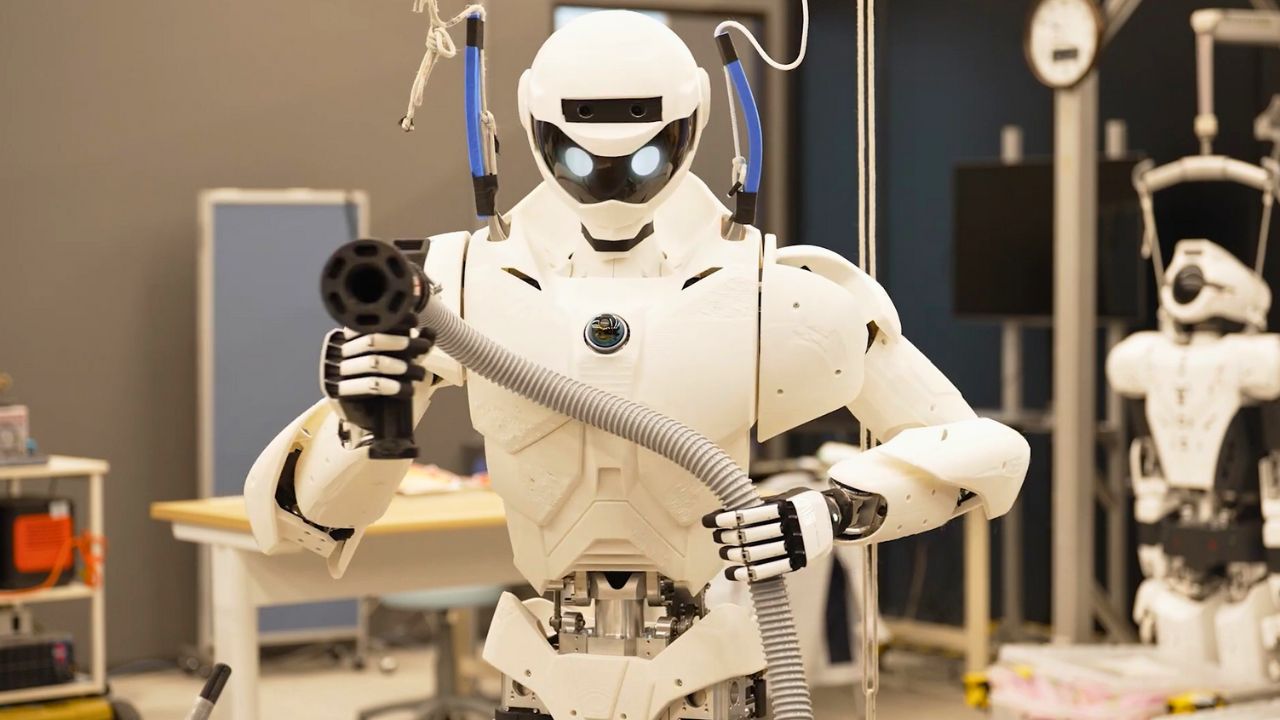
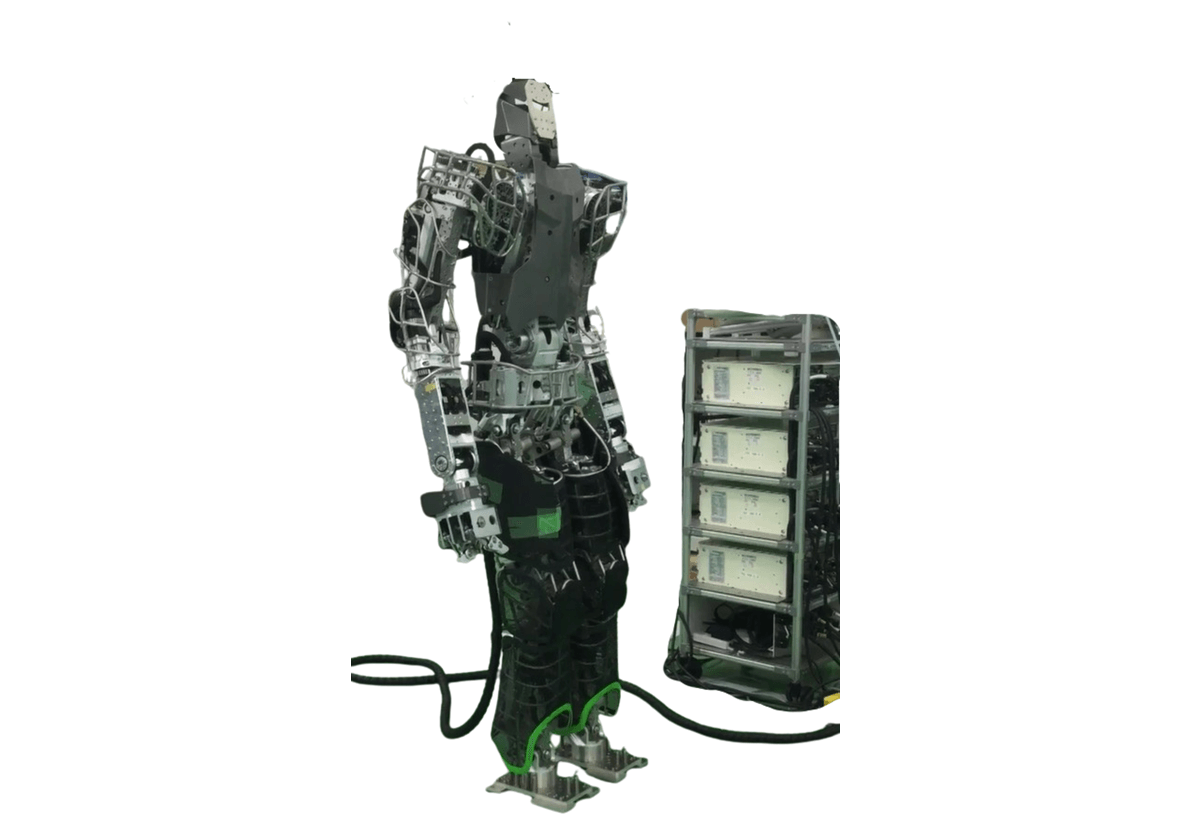
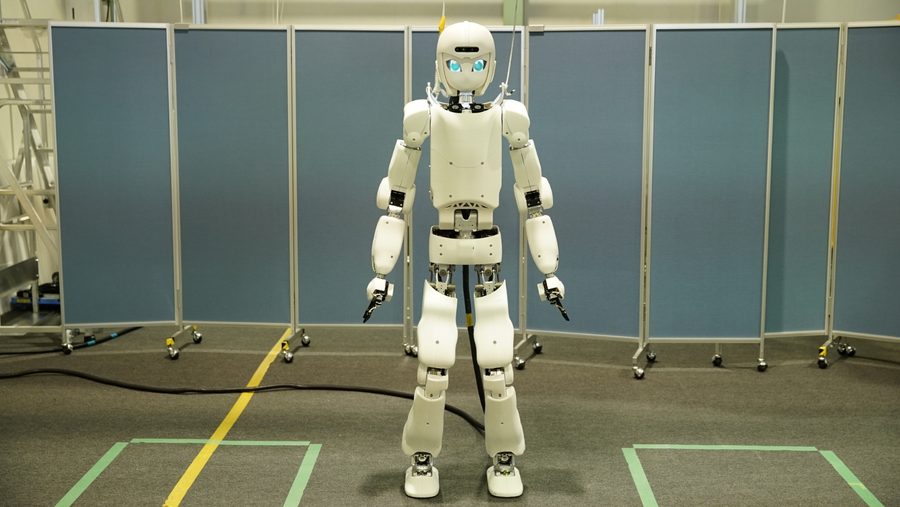
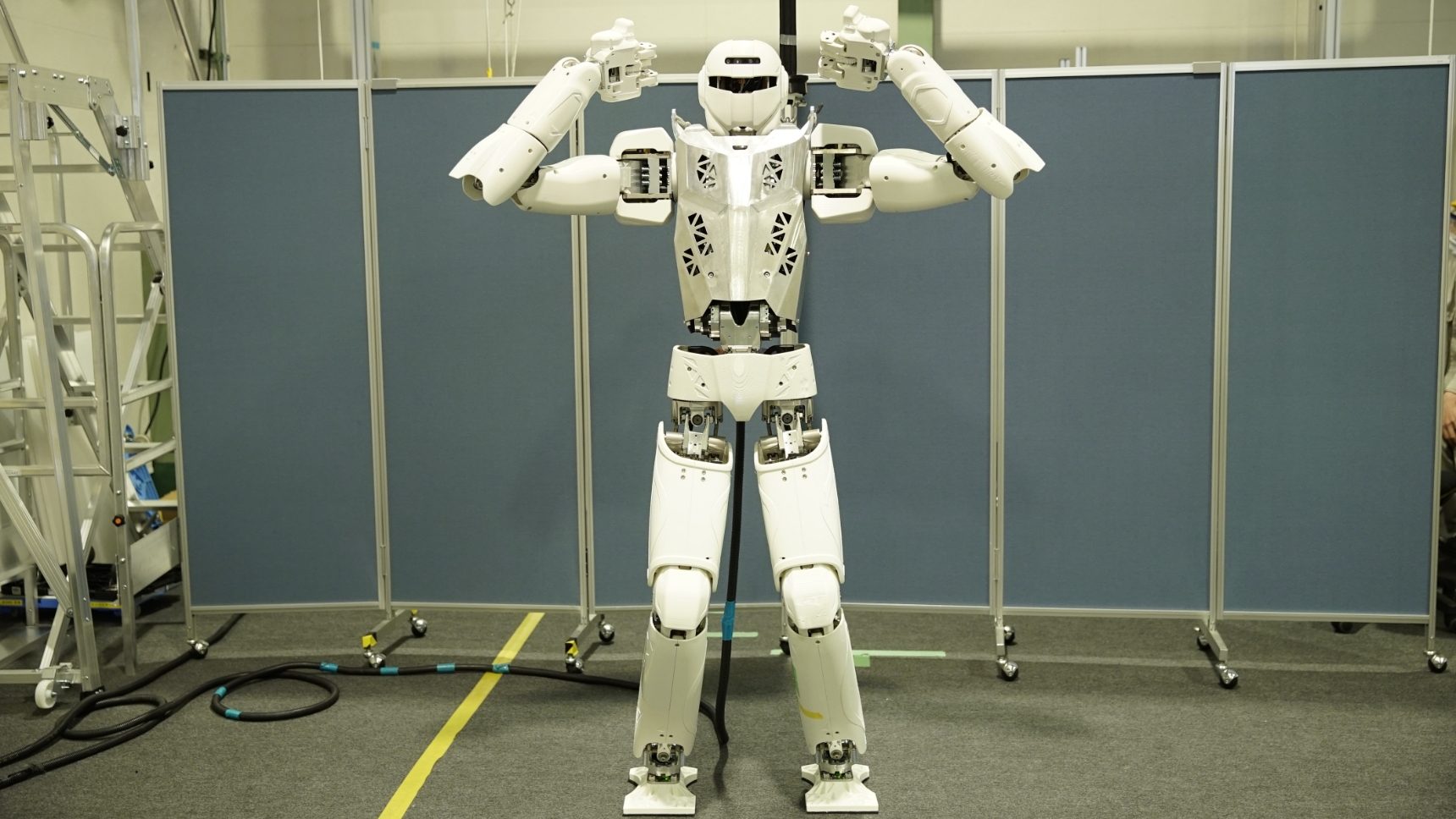
The Kawasaki Kaleido SLC is a research humanoid robot developed by Kawasaki Heavy Industries (founded 1896, Kobe, Japan) as part of its Kaleido humanoid program. Designed for heavy-duty tasks, it targets disaster response, construction, and industrial maintenance. Unlike commercial humanoids, the SLC variant remains a development platform with no public release date or pricing. Weighing 85 kg, it is heavier than many research humanoids, hinting at a robust build for harsh environments. Kawasaki has iterated through multiple Kaleido generations since 2015, with the SLC designation likely representing a specific configuration. Technical specifications such as degrees of freedom, battery life, and payload are not publicly disclosed, underscoring its prototype status.
Specifications
Here are the full technical specifications.
| Spec | Value |
|---|---|
| Height | Not specified |
| Weight | 85 kg |
| Degrees of freedom | Not specified |
| Battery life | Not specified |
| Max speed | Not specified |
| Payload | Not specified |
| Price (new) | Undisclosed |
| Price (used range) | N/A |
Price & Value
New MSRP: Undisclosed
Used range: N/A
The Kawasaki Kaleido SLC is not a product for sale; there is no MSRP. It is a research platform, and therefore pricing information is not publicly available. Comparisons with other heavy-duty humanoid robots like Boston Dynamics Atlas are moot since Atlas is also not sold. The only humanoid with a stated price target is Tesla Optimus at around $20,000, but that price is aspirational and years from realization. If Kawasaki were to commercialize a Kaleido successor, the price would likely be in the $100,000–$200,000 range, consistent with the cost of industrial-grade humanoids such as those used for maintenance and inspection. However, no official estimate exists. Organizations seeking to collaborate with Kawasaki on the Kaleido program must contact the manufacturer directly. There is no used market, and total cost of ownership is undefined, making any purchase discussion speculative at best.
Who Is It For?
Best for: - University and corporate research labs prototyping heavy-duty bipedal manipulation and locomotion in unstructured environments. - Disaster response agencies evaluating humanoid platforms for search-and-rescue scenarios where robust, high-payload bots are needed. - Industrial robotics developers studying integration of humanoids for inspection, maintenance, and construction tasks.
Not for: - Startups or SMEs seeking an off-the-shelf humanoid — no commercial availability. - Applications requiring light, agile movements — Kaleido’s 85-kg frame suggests strength over speed, but actual dynamics are unknown. - Budget-conscious projects; even if sold, the price would likely exceed $100,000.
Alternatives & Comparison
The Kawasaki Kaleido SLC operates in a small field of heavy-duty research humanoids that includes Boston Dynamics Atlas, Tesla Optimus, and Agility Robotics Digit. None are currently available for purchase, making direct comparisons based on cost or off-the-shelf performance impossible.
| Model | Price | Available | Key Difference |
|---|---|---|---|
| Boston Dynamics Atlas | Undisclosed | no | Focused on dynamic mobility and agility; not a commercial product. |
| Tesla Optimus | ~$20,000 (projected) | no | Lower projected cost; general-purpose manufacturing focus. |
| Agility Robotics Digit | Undisclosed | no | Designed for logistics and package handling; walking warehouse assistant. |
Verdict: For organizations evaluating humanoid platforms for disaster response or heavy-duty industrial tasks, Kaleido SLC and Atlas represent the most technically mature options, both with years of development. However, neither can be bought, so any near-term deployment is unrealistic. If a budget is a primary concern and long-term development is acceptable, Tesla Optimus promises a disruptive price point, but its capabilities are still unvalidated. Agility Digit is the only option targeting immediate commercial logistics, though in a different duty category. Ultimately, for 2026 planning, these humanoids remain laboratory curiosities rather than operational tools.
Use Cases & Capabilities
Disaster Response Research
The Kaleido SLC is designed to evaluate humanoid viability in disaster zones where human entry is hazardous. Its presumably high payload and robust construction suggest it could manipulate heavy debris, operate tools, or carry supplies. Kawasaki has demonstrated earlier Kaleido units climbing ladders and navigating rubble, indicating research focus on mobility in collapsed structures. However, without published speed or endurance data, real-world deployment remains theoretical. The platform serves as a testbed for sensors and control algorithms in extreme environments.
Industrial Maintenance and Inspection
In industrial settings like power plants or factories, the SLC could be used to research autonomous inspection and maintenance tasks. Its heavy build hints at the ability to handle tools and components that lighter humanoids cannot. Research demonstrations have shown Kaleido variants performing manipulation of large objects, suggesting potential for valve turning, panel operation, and equipment repair. Lack of public payload and dexterity specifications means practical application is still unproven. The robot is primarily a research tool for Kawasaki’s internal development of durable bipeds.
Heavy-Duty Humanoid Development
The Kaleido SLC is a key platform for advancing bipedal robotics capable of operating in harsh, non-lab environments. It allows researchers to test full-body control, balance under load, and long-term mechanical reliability. Weighing 85 kg, it pushes the envelope for humanoid durability beyond typical lightweight research bots. Although specific actuators and compute are unknown, the iterative Kaleido program has shown incremental improvements in autonomy and strength. This use case primarily benefits Kawasaki’s own R&D, with findings potentially feeding into future commercial systems.
History & Background
Kawasaki Heavy Industries, founded in 1896 in Kobe, Japan, began as a shipbuilding company and has since expanded into aerospace, energy, rolling stock, and robotics. The company’s robotics division has long produced industrial arms, but its humanoid program, Kaleido, was officially launched in 2015. The first generation of Kaleido was presented in 2017, demonstrating basic bipedal locomotion, ladder climbing, and the ability to traverse uneven surfaces. Since then, Kawasaki has developed multiple iterations, each advancing robustness and autonomy. By late 2025, the company publicly referenced reaching Kaleido 9, indicating a continuous R&D effort. The 'SLC' suffix appears to denote a specific configuration or research focus within this lineage, though Kawasaki has not published detailed specifications. The Kaleido program remains an internal research project with no announced plans for commercialization. Public demonstrations have shown the robot performing tasks such as heavy tool manipulation and simulated disaster relief, underscoring its potential for industry.
Buying Used — What to Check
Confirm availability The Kaleido SLC has never been sold; beware of scams or mislabeled units.
Verify hardware generation Multiple Kaleido variants exist; ensure any unit matches SLC specs.
Request documentation Without public specs, any offer should include original Kawasaki documentation.