What is the Kawasaki Kaleido?
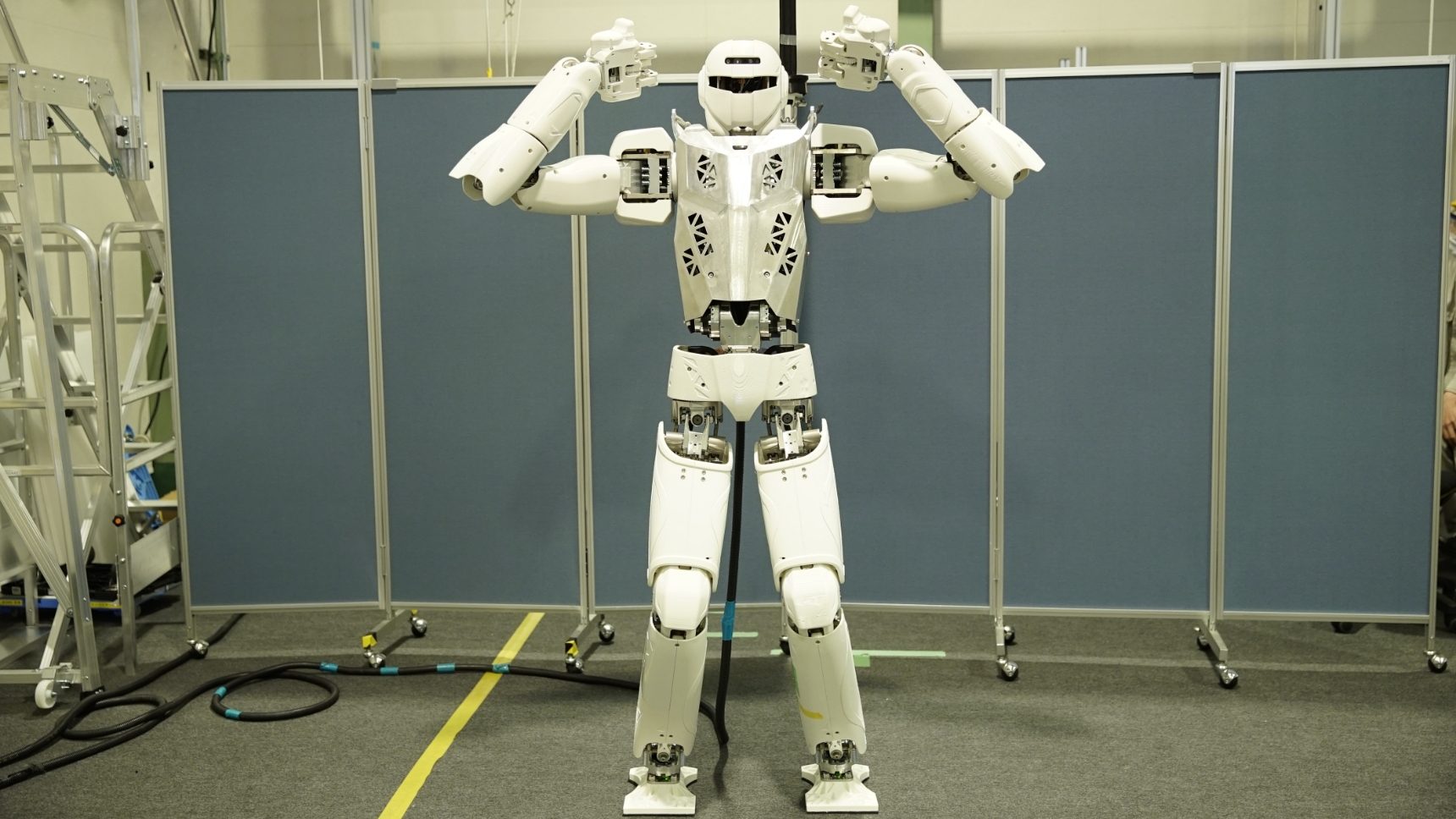
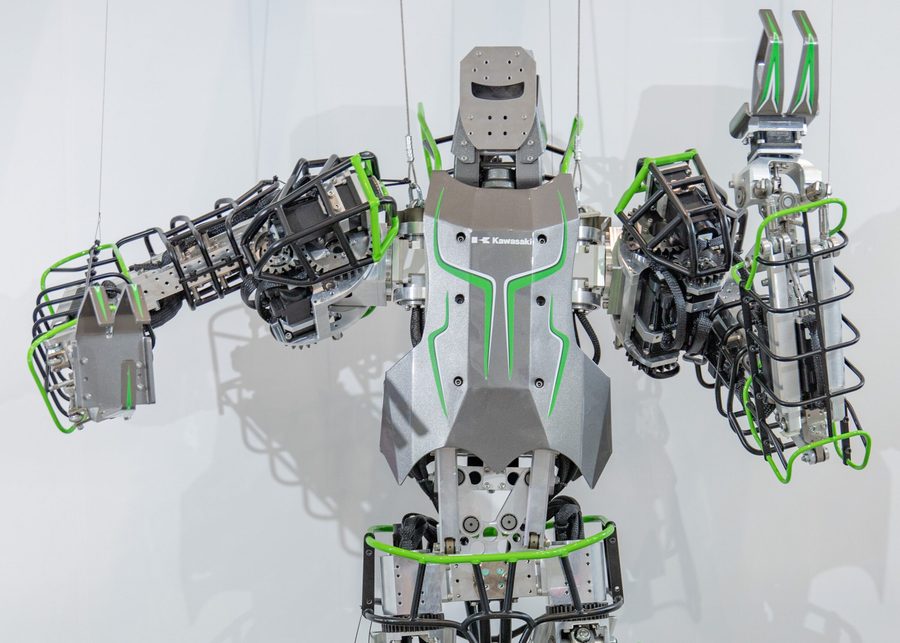
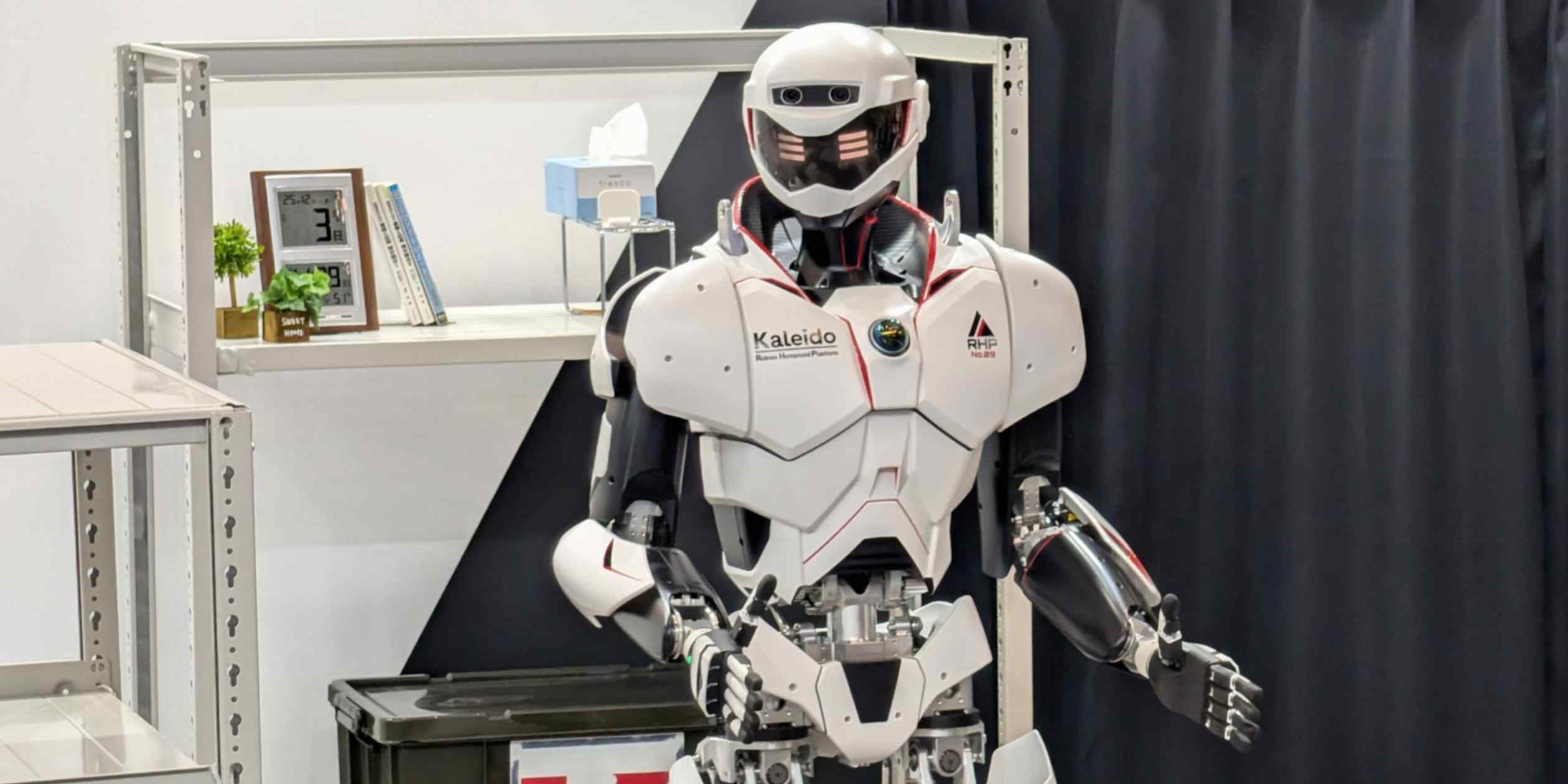
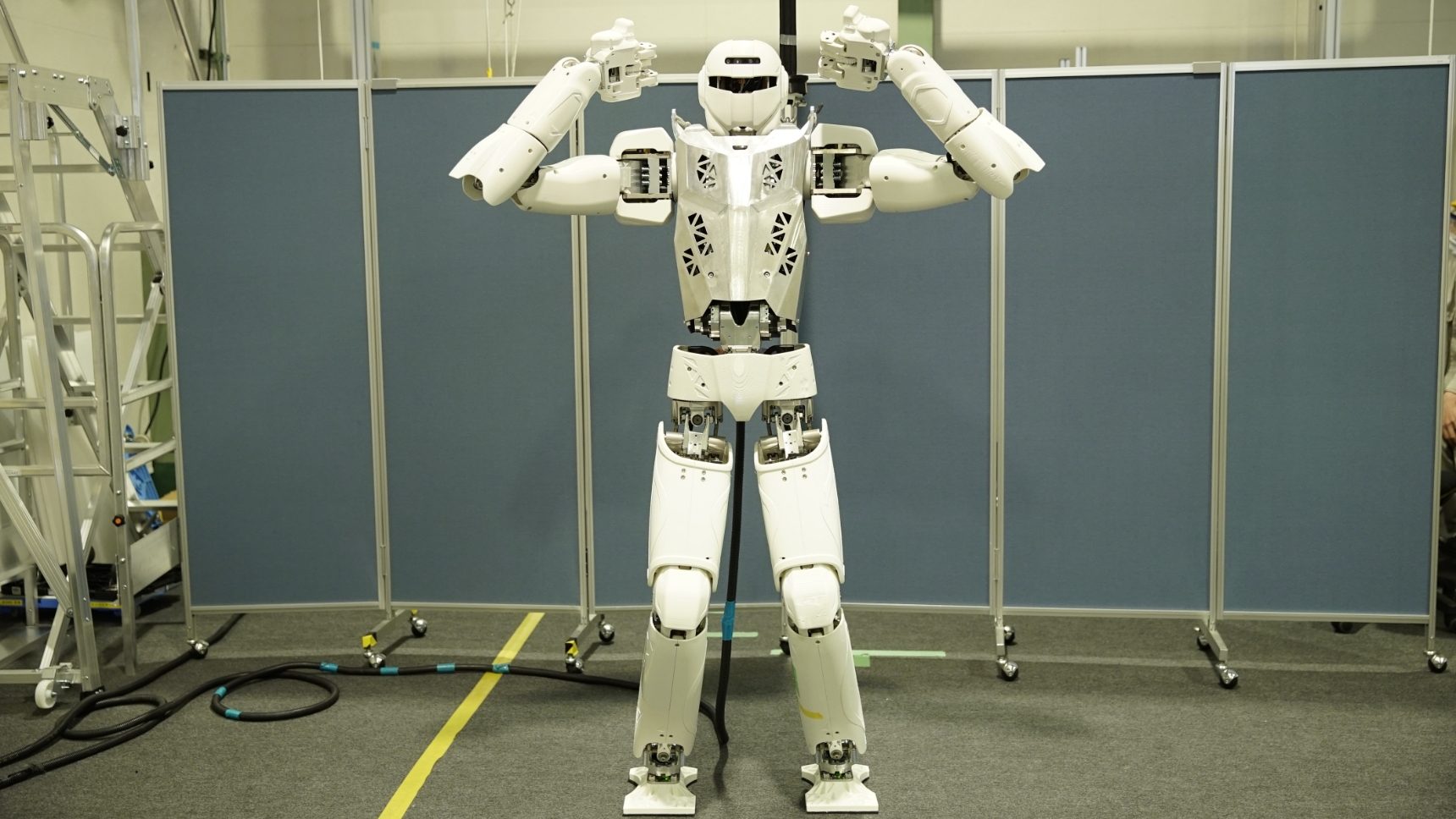
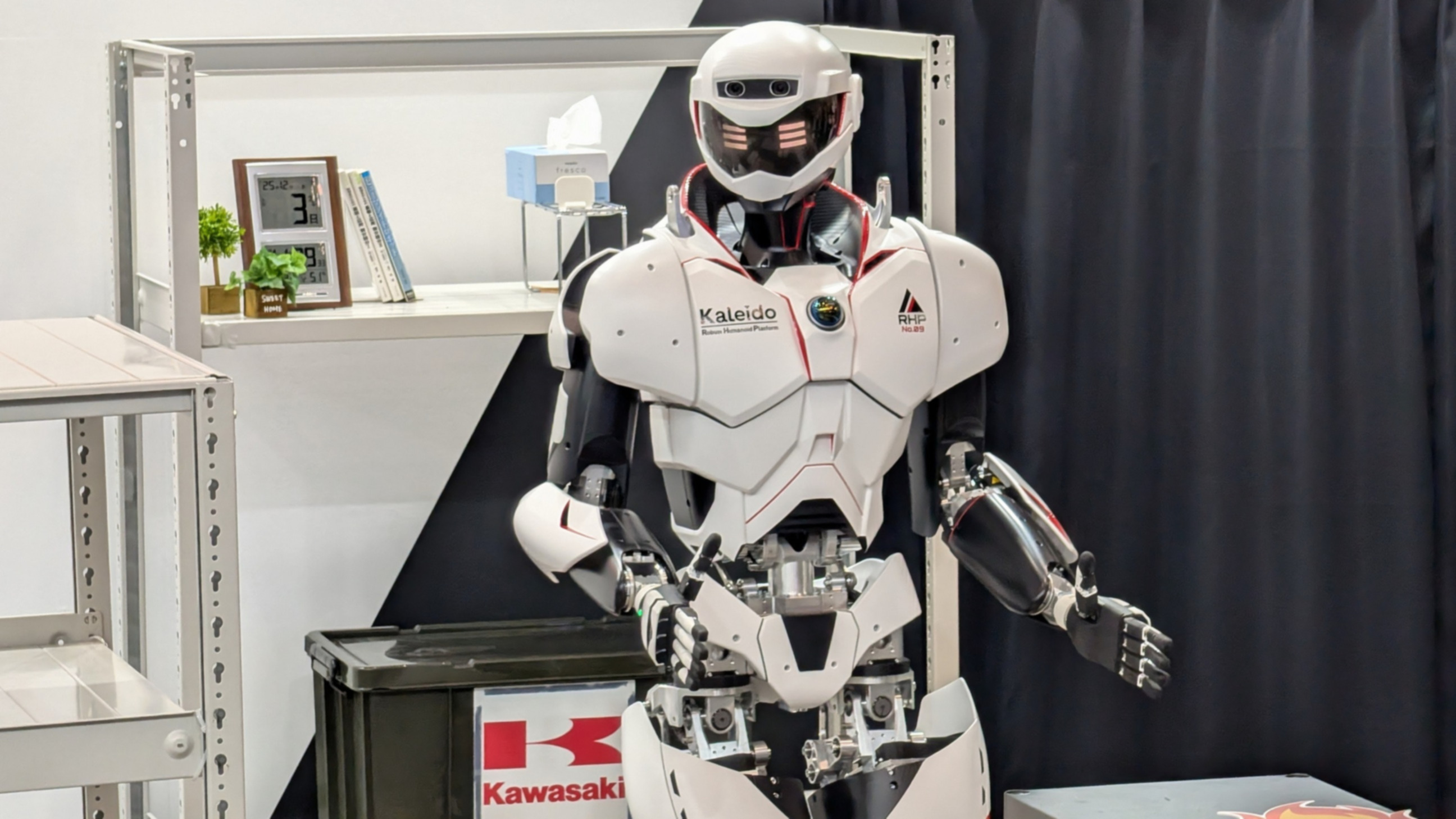
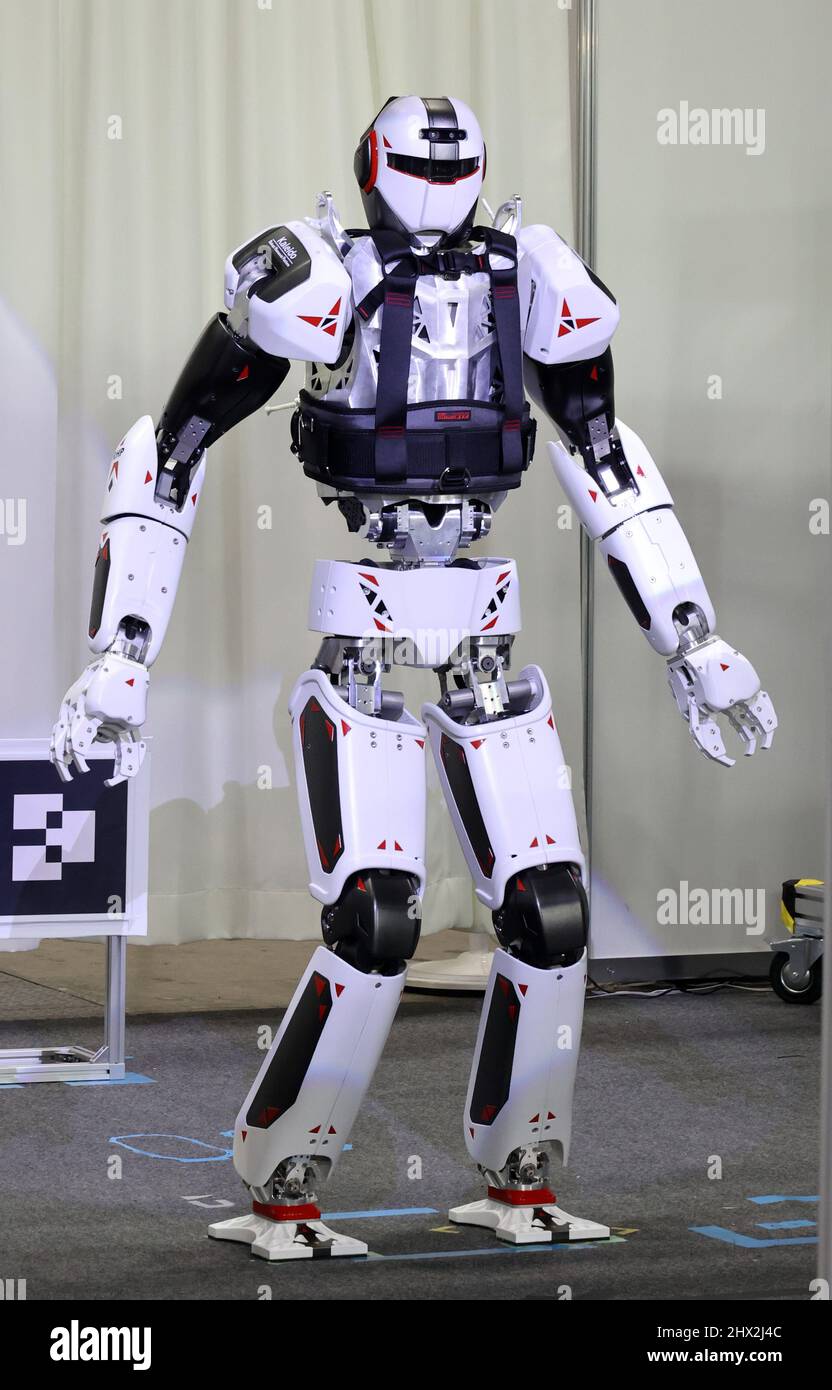
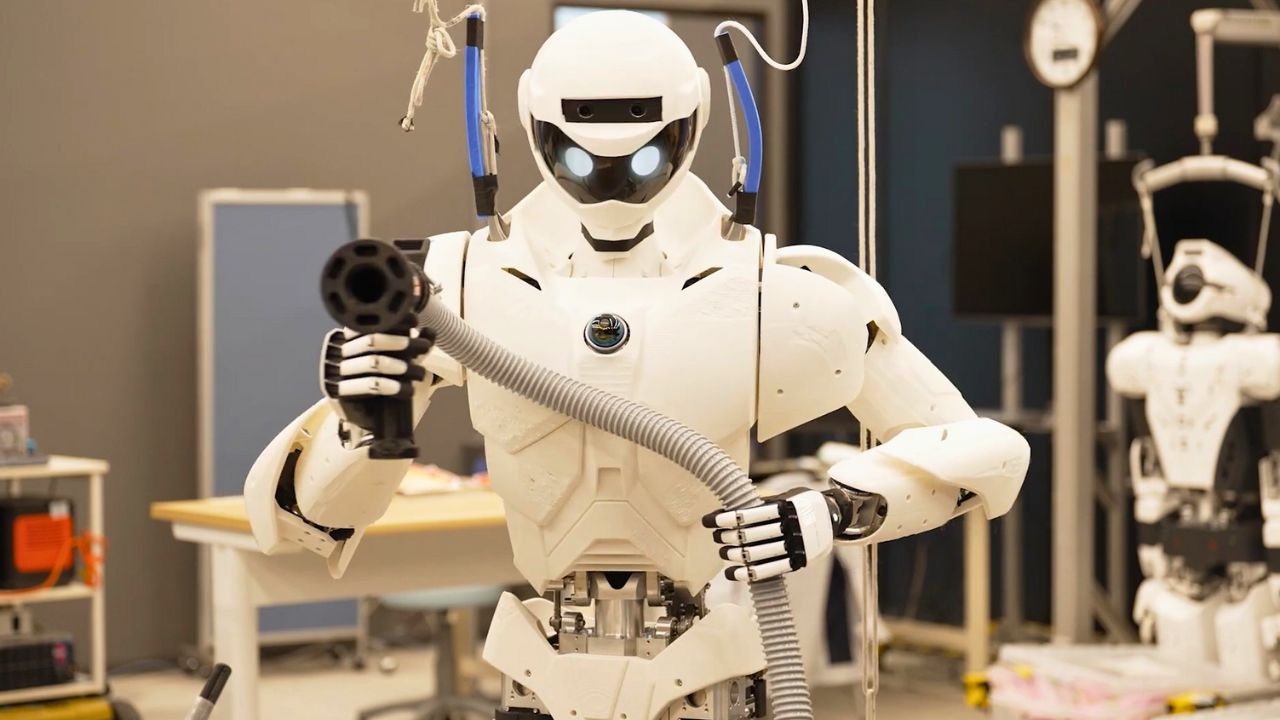
The Kawasaki Kaleido is a full-sized humanoid robot built by Kawasaki Heavy Industries in Kobe, Japan. It was designed primarily for disaster response and operations in hazardous environments where human access is dangerous. Unveiling its first generation in 2017 at iREX, Kawasaki positioned Kaleido as a research platform rather than a commercial product. The robot stands approximately 1.80 m tall, weighs around 85 kg, and features 32 degrees of freedom for human-like movement. Its most distinctive trait is exceptional upper-body strength—early reports cite an arm payload of up to 60 kg, making it one of the strongest humanoid arms in its class. Kaleido remains an internal R&D project, offered free to partner institutions through the YouComeLab program.
Specifications
Here are the full technical specifications.
| Spec | Value |
|---|---|
| Height | ~1.80 m |
| Weight | ~85 kg |
| Degrees of freedom | 32 |
| Battery life | Not specified |
| Max speed | Not specified |
| Payload | 60 kg |
| Price (new) | Not for sale (R&D platform) |
| Price (used range) | N/A |
Price & Value
New MSRP: Not for sale (R&D platform)
Used range: N/A
The Kawasaki Kaleido is not a commercial product; it has never been sold and carries no public price tag. Instead, Kawasaki makes units available to partner universities and research institutions through its YouComeLab program at no cost, framing it as an open collaboration tool. This means that for organizations able to join the program, the acquisition cost is effectively zero, though the total cost of ownership includes integration, maintenance, and potential modifications. From a value standpoint, it competes against other non-commercial humanoids like HRP‑2 Kai or Atlas, which similarly stay within well‑funded research labs. Because there is no retail price, depreciation and resale are irrelevant—units circulate only among institutions. If Kawasaki ever commercializes the platform, its value will hinge on unique attributes like the 60‑kg arm payload.
Who Is It For?
Best for: - Disaster‑response research teams (high payload for moving debris, operating in collapsed buildings) - University robotics labs developing force‑based manipulation (60 kg arm payload enables heavy‑lifting experiments)
Not for: - Commercial deployments or SMEs (not available for purchase; locked behind partnership program) - Applications needing published battery life or speed metrics (these specifications are not disclosed)
Alternatives & Comparison
The Kaleido sits in a small field of high‑strength, disaster‑response humanoid prototypes. Its direct peers are the Boston Dynamics Atlas and the HRP‑2 Kai, both also pre‑commercial research platforms.
| Model | Price | Available | Key Difference |
|---|---|---|---|
| Boston Dynamics Atlas | Undisclosed | no | Atlas focuses on extreme agility and acrobatic mobility, while Kaleido prioritises industrial‑grade lifting (60 kg vs Atlas’s unverified payload). |
| HRP-2 Kai | Undisclosed | no | HRP‑2 Kai has years of proven disaster‑response field tests in Japan, whereas Kaleido is newer with unmatched upper‑body strength. |
Verdict: If your primary need is lifting heavy wreckage or tools in hazardous spaces, Kaleido’s 60‑kg arm payload gives it a clear edge. For labs studying dynamic locomotion over rough terrain, Atlas remains the benchmark. For organisations wanting a disaster‑response robot with a track record of real‑world field trials, HRP‑2 Kai is the safer choice. None of these platforms are buyable, so access depends entirely on institutional partnerships.
Use Cases & Capabilities
Disaster Response and Search & Rescue
Kaleido is purpose‑built for first‑entry operations in collapsed or contaminated sites. Its 60‑kg arm payload lets it shift heavy debris, cut through wreckage, or carry life‑saving equipment that lighter humanoids cannot manage. The robot’s humanoid form allows it to climb ladders, open doors, and traverse environments designed for humans. Because Kawasaki has not published a battery runtime or speed, real‑world endurance under rescue conditions remains unknown, limiting the robot to short, high‑value interventions. The YouComeLab programme has placed units with rescue engineering groups, but no field‑deployed rescue has yet been documented publicly.
Hazardous Environment Operations
Designed with industrial robustness in mind, Kaleido can operate in chemical spills, nuclear facilities, or other toxic atmospheres where remote human operators are at risk. The robot’s sturdy build and high‑torque actuators, inherited from Kawasaki’s industrial robotics heritage, make it suitable for valve turning, sample collection, or emergency shut‑off tasks. Again, the lack of specified battery endurance means mission planning is difficult—operators must assume a limited active window. As an R&D platform, it serves mainly as a testbed for developing autonomous manipulation routines in confined hazardous settings, rather than a ready‑deployable tool.
Heavy‑Payload Robotics Research
Universities and research institutes can use Kaleido as a hardware platform for whole‑body control, force‑sensitive manipulation, and human‑robot collaboration studies. The 32‑DOF kinematic structure and the claimed 60‑kg arm payload provide capabilities rarely found in other open‑access humanoids. Researchers can validate algorithms for bimanual heavy‑lifting, compliance control, and safe human interaction. The free‑of‑charge YouComeLab access makes it unusually attractive for labs without the budget for a commercial humanoid, though support and documentation are limited to the partner network.
History & Background
Kawasaki Heavy Industries, founded in 1896 in Kobe, Japan, has a long history of industrial robotics but entered humanoid development in the 2010s. The Kaleido project began in 2015, aiming to transfer Kawasaki’s factory‑grade actuation expertise into a bipedal form for disaster response. The first‑generation robot was publicly unveiled at the 2017 International Robot Exhibition (iREX) in Tokyo, drawing attention for its human‑like proportions and claimed 60‑kg arm payload. Kawasaki did not commercialise the robot, instead creating the YouComeLab programme to share units with research partners free of charge. Over the following years, the platform was refined: by 2025, a Kaleido 9 variant emerged with a lighter but improved 18‑kg payload (a 35% increase over its predecessor) and enhanced safety software. Despite persistent speculation, Kawasaki has confirmed no plans for retail sale, keeping Kaleido an evolving research platform rather than a product.
Buying Used — What to Check
Verify payload rating Payload specs vary sharply between generations (60 kg reported for the original vs 18 kg for the Kaleido 9). Clarify which variant you are acquiring.
Confirm battery specs No official runtime is published. Ask the source institution about real‑world endurance and any aftermarket battery modifications.
Sensor and calibration status Kaleido units are R&D prototypes; sensors may be custom or calibrated for a specific partner’s project. Verify that all sensor suites and control software are intact.