What is the Keenon Xman R1?
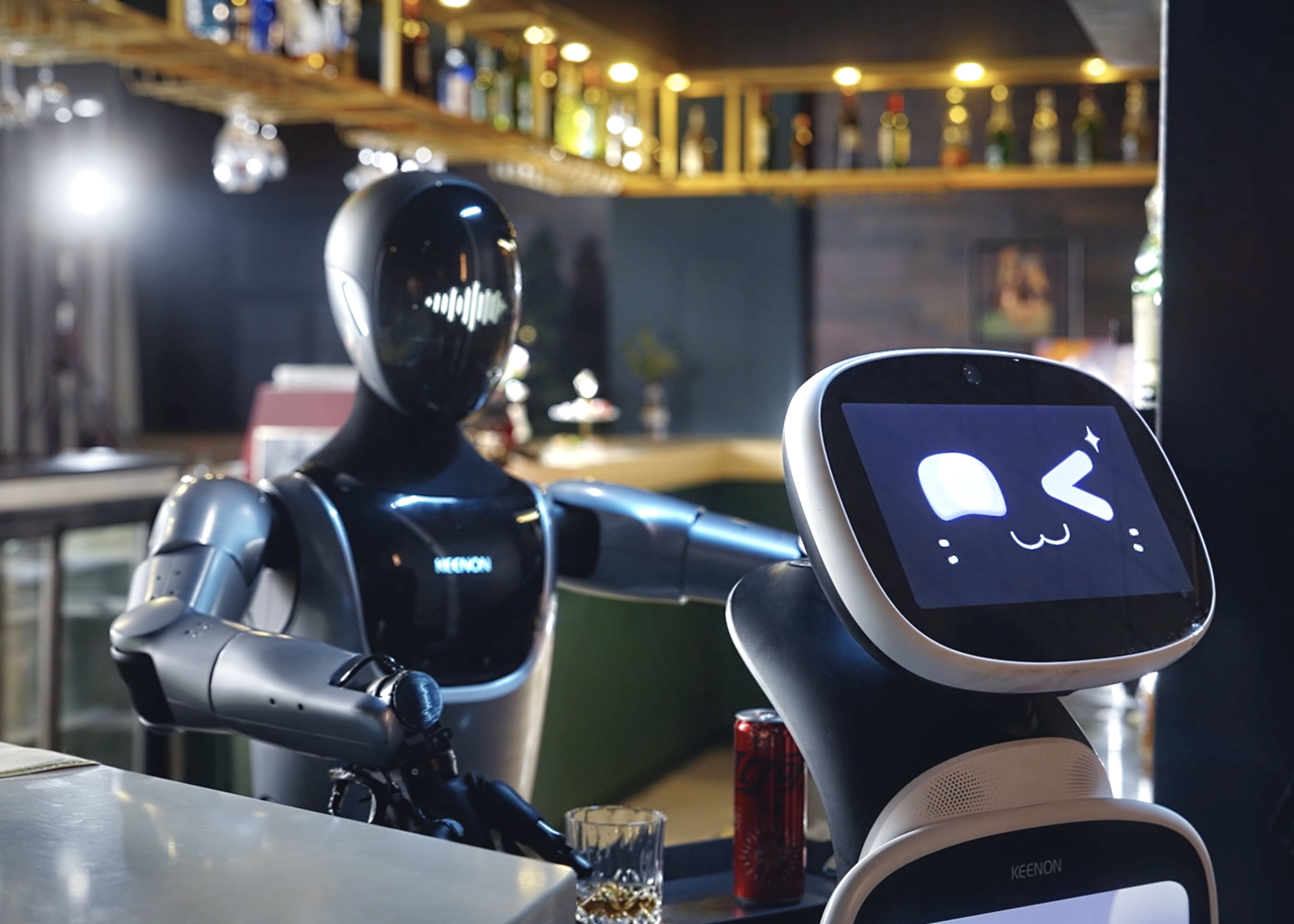
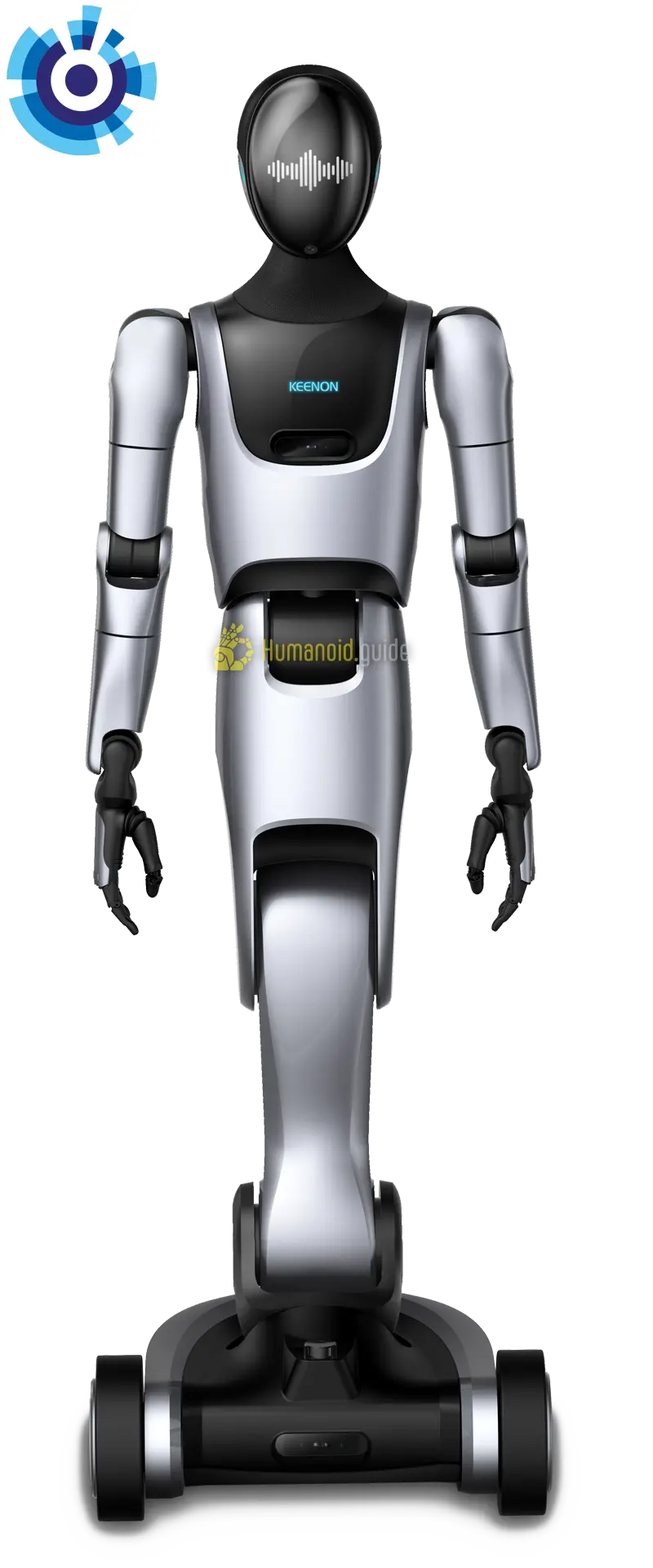
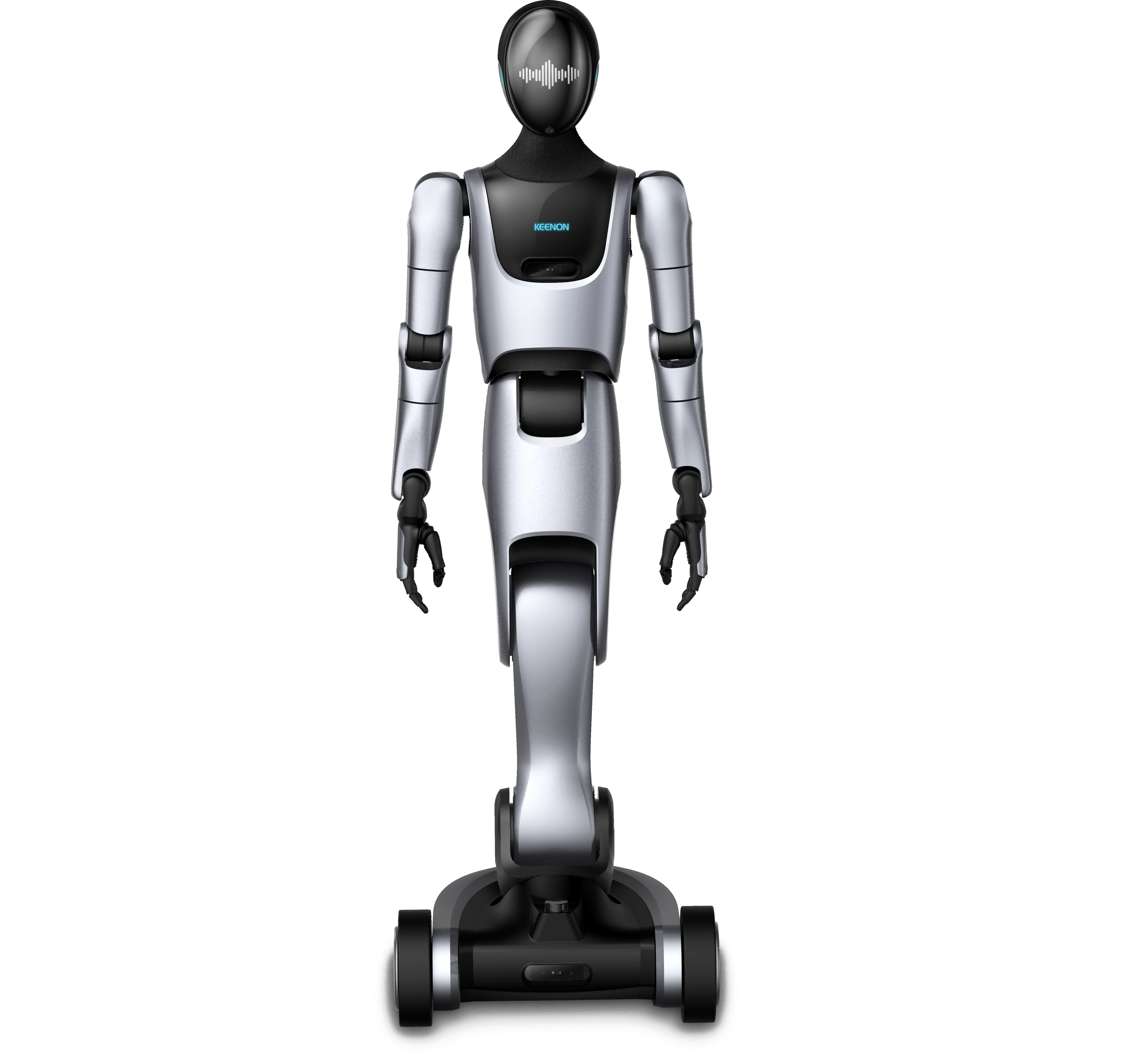
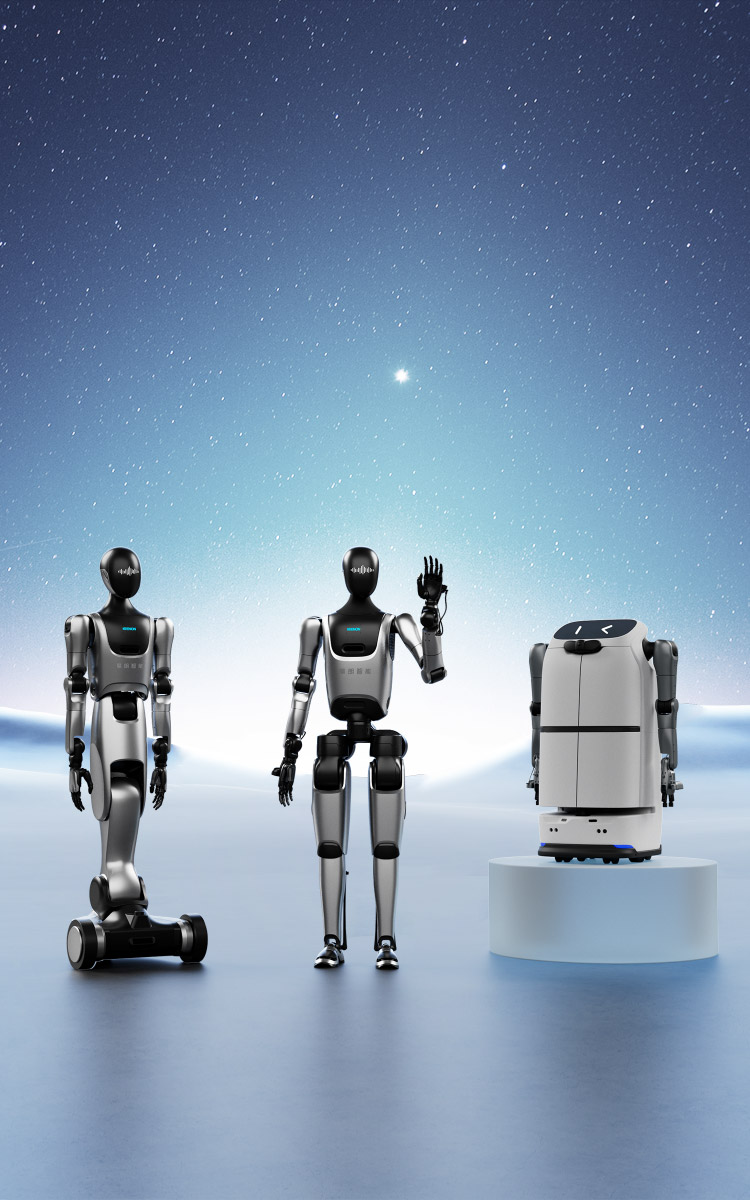
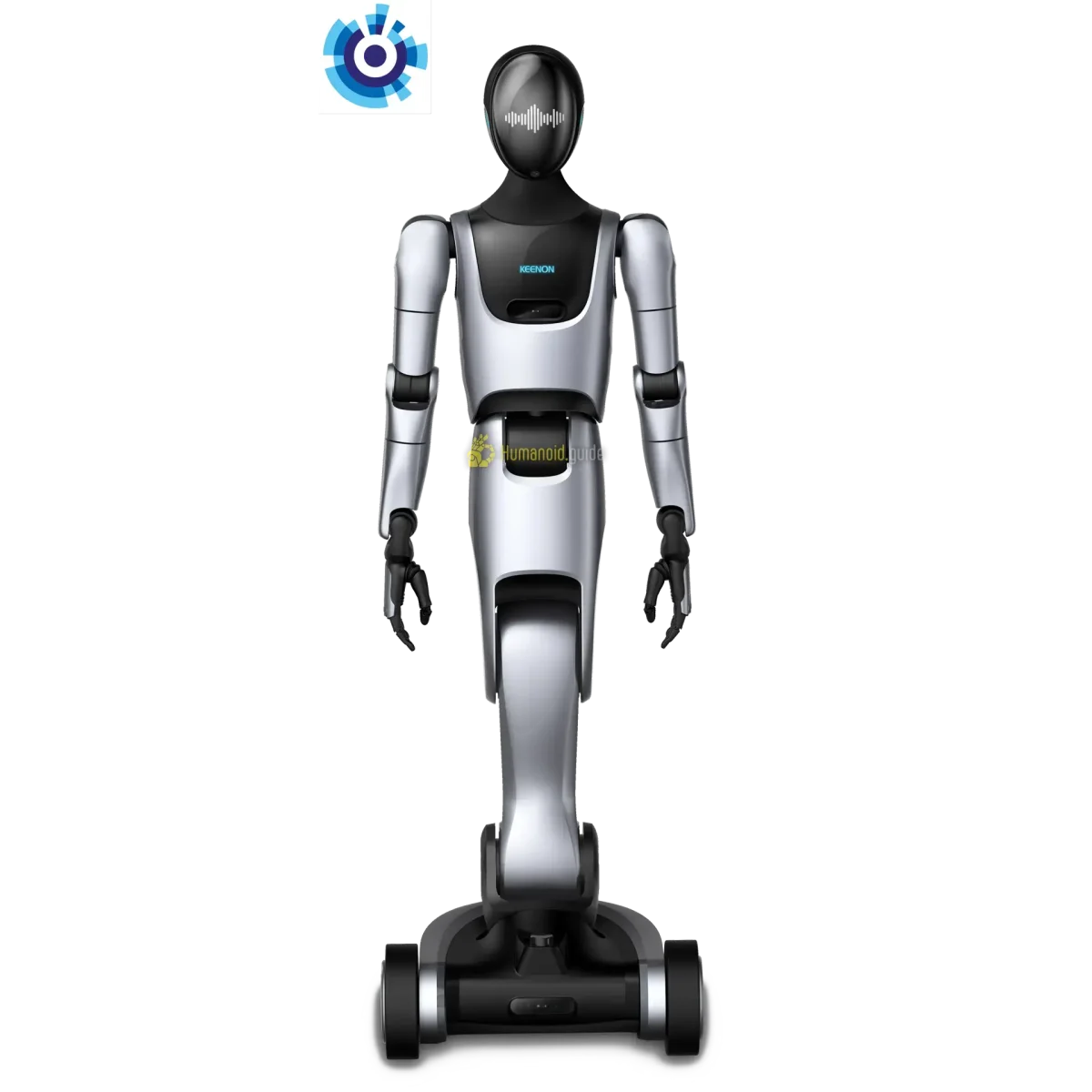
The Keenon XMAN‑R1 is a full-sized bipedal humanoid robot developed by KEENON Robotics, a Shanghai-based company known for its restaurant delivery robots. Standing 172 cm tall and weighing 110 kg, the XMAN‑R1 is designed for customer-facing roles in hospitality, retail, and education. It features 36 degrees of freedom (DOF), including six per hand with ten fingers, enabling expressive gestures and object interaction. The robot is built on a Linux operating system using high-precision motors, achieving a walking speed of 2.9 km/h and a claimed 3‑hour battery runtime. While many technical specifications remain undisclosed, the XMAN‑R1 represents Keenon’s entry into the humanoid market, leveraging its service robot experience to create a safe, human‑friendly platform.
Specifications
Here are the full technical specifications.
| Spec | Value |
|---|---|
| Height | 172 cm |
| Weight | 110 kg |
| Degrees of freedom | 36 |
| Battery life | 3 hours |
| Max speed | 2.9 km/h |
| Payload | 3 kg |
| Price (new) | Undisclosed (contact manufacturer) |
| Price (used range) | N/A (pre-commercial) |
Price & Value
New MSRP: Undisclosed (contact manufacturer)
Used range: N/A
Keenon has not publicly disclosed the XMAN‑R1’s price; any figures circulating online are unverified and should be treated with caution. Should the robot eventually be priced around $100,000, it would sit between budget bipedal options and premium torso‑only models like Ameca. Enterprises already invested in Keenon’s delivery robots may benefit from integrated fleet management, but unknown maintenance costs and software licensing could add significantly. The development timeline means early adopters might face supply delays. For now, interested parties should request a quote directly from Keenon to understand total cost of ownership, including support contracts and training.
Who Is It For?
Best for: - Hotels and corporate lobbies requiring a full‑body humanoid receptionist (safe navigation, 36 DOF for natural gestures) - Retail showrooms looking for an interactive guide robot that can handle light tasks (3 kg payload) - Entertainment venues wanting a programmable humanoid performer with expressive motion
Not for: - Heavy industrial tasks (payload limited to 3 kg, slow 2.9 km/h speed) - All‑day continuous operation (battery runtime only 3 hours) - Buyers needing immediate delivery (still in development, no commercial units)
Alternatives & Comparison
The XMAN‑R1 enters a competitive field of full‑sized humanoid service robots designed for customer‑facing roles, ranging from research platforms to commercial receptionist bots.
| Model | Price | Available | Key Difference |
|---|---|---|---|
| Engineered Arts Ameca | ~$150,000 (est.) | yes | Torso‑only design with expressive face; no lower body mobility, but highly realistic facial expressions. |
| UBTECH Walker S | ~$50,000 (est.) | preorder | Fully bipedal with 41 DOF and higher walking speed; targeted at industrial and consumer markets. |
| Fourier GR-2 | Undisclosed (likely >$100k) | preorder | Designed for research and light industrial tasks, with 53 DOF and higher payload capacity. |
Verdict: For buyers seeking a polished, human‑like receptionist, Ameca’s facial expression technology is unmatched, though limited to torso interactions. The Walker S offers better mobility and a lower price point for bipedal roles, while the XMAN‑R1 may appeal to existing Keenon customers wanting a full‑body humanoid from a known brand. Ultimately, the XMAN‑R1’s value will depend on its final pricing and reliability once commercially launched.
Use Cases & Capabilities
Reception
In a hotel lobby, the XMAN‑R1 can greet guests by name, check reservation details, and issue key cards. Its full‑body movement and 36 DOF enable natural gestures, making interactions engaging. It can hand over small welcome gifts like bottled water or brochures. With safe navigation, it can guide guests to elevators while answering questions. Its 3‑hour battery means continuous operation during peak shifts may require charging breaks.
Guiding
As a museum docent or retail concierge, the XMAN‑R1 walks alongside visitors, pointing out exhibits or product locations. Using its built‑in navigation, it can autonomously move through crowded spaces at 2.9 km/h while maintaining safe distance. It can also project information onto nearby screens via connectivity. The ability to gesture towards items makes it more intuitive than a wheeled robot. The relatively slow speed ensures safety but may reduce throughput in fast‑paced environments.
Entertainment & Education
At a tech expo or theme park, the XMAN‑R1 can perform choreographed dance routines, thanks to its 36 DOF and high‑precision motors. It can interact with visitors through basic gestures and hold props for magic shows or product demos. The Linux OS allows custom scripting for unique performances. With its humanoid appearance, it draws crowds and enhances brand engagement. However, the 3‑hour runtime limits its show schedule without frequent recharging.
Retail Assistance
In a boutique, the robot can act as a roving sales assistant, showing off accessories on its arms and offering style advice. It can carry lightweight items, such as clothing or small packages, within its 3 kg payload. Its presence can increase foot traffic and customer dwell time. Safety features ensure it does not collide with shoppers or displays. Yet, the lack of a published LLM may hinder complex, open‑ended conversations.
History & Background
KEENON Robotics was founded in 2010 in Shanghai, China, initially focusing on developing autonomous delivery and service robots for the restaurant and hospitality industries. Their DINERBOT and KLEENBOT products gained widespread adoption in Asia and globally. In 2024, Keenon unveiled the XMAN‑R1, its first bipedal humanoid robot, expanding from wheeled platforms to legged mobility. The robot was designed to perform reception, guiding, and entertainment tasks, leveraging Keenon’s expertise in safe human‑robot interaction and autonomous navigation. As of mid‑2026, the XMAN‑R1 remains in development, with no confirmed release date or commercial units shipped. The company continues to demonstrate prototypes and gather feedback from potential enterprise customers, aiming to enter the growing humanoid service robot market.
Buying Used — What to Check
Verify final production specs Payload and runtime may differ from prototype claims once commercial units ship; confirm with manufacturer.
Examine actuator wear High‑precision motors in 36 joints may require maintenance history and could influence long‑term reliability.
Ensure software support Confirm ongoing OS updates, connectivity features, and any proprietary control applications before purchase.