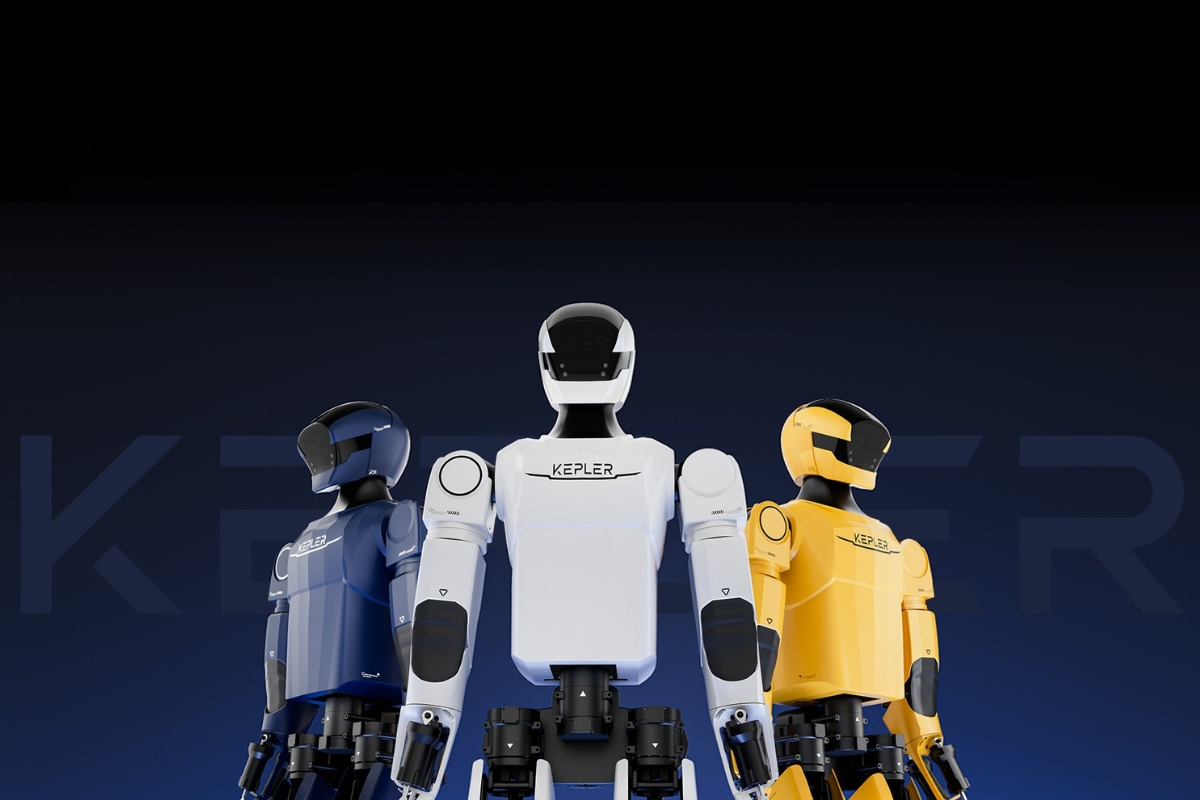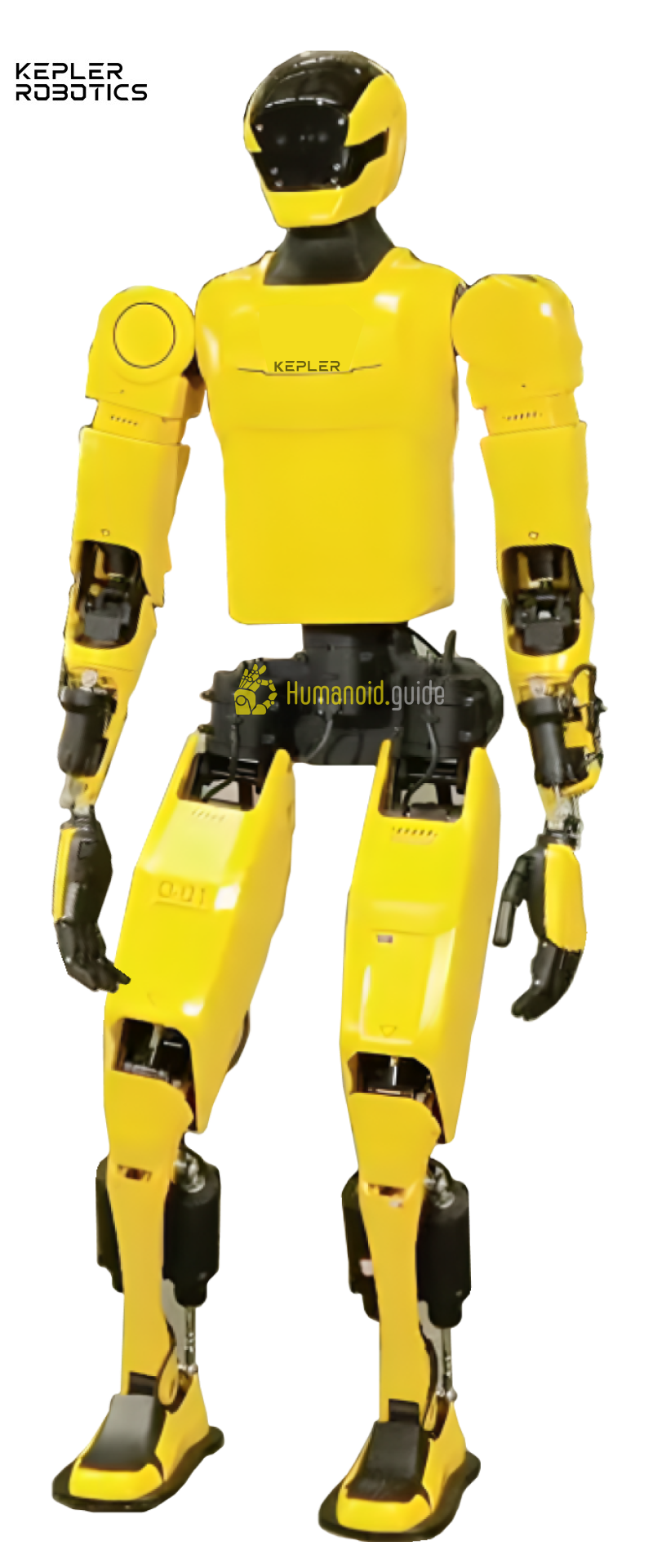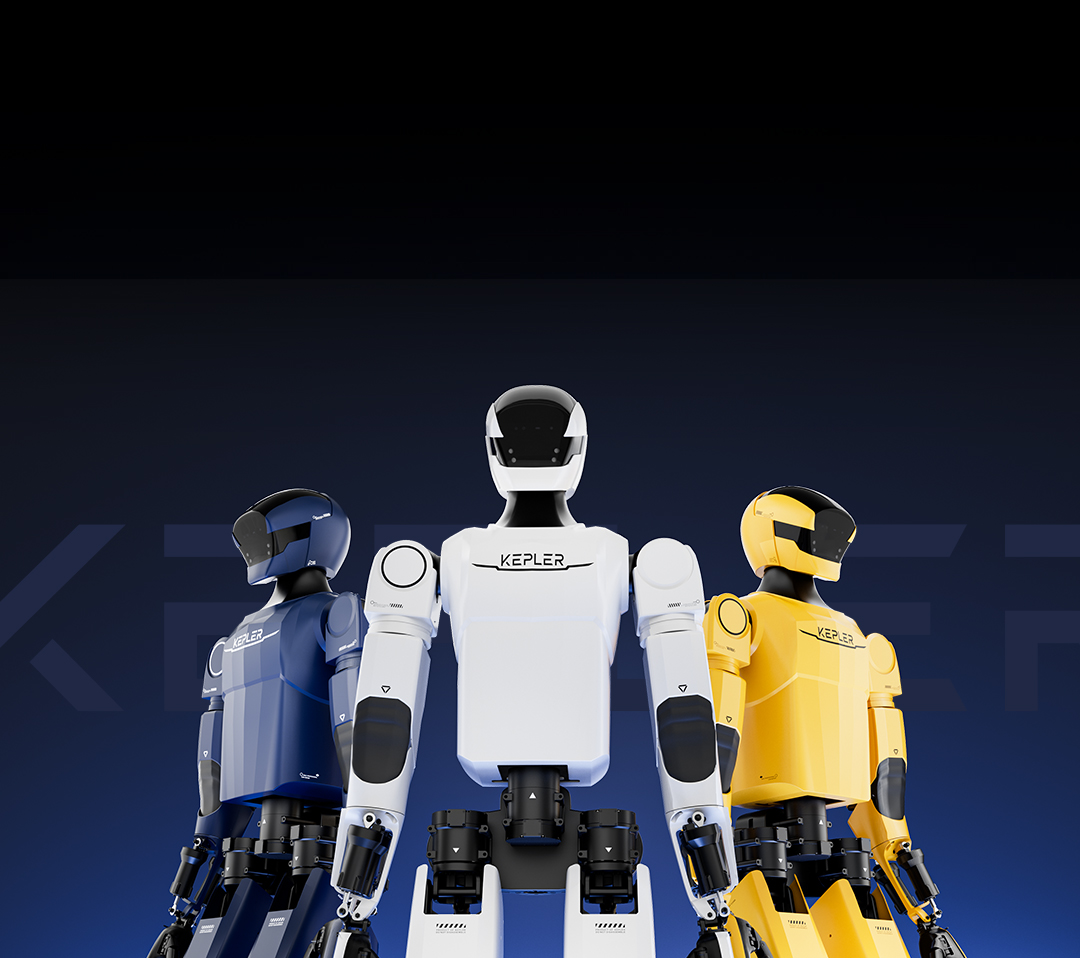
What is the Kepler Forerunner K2?
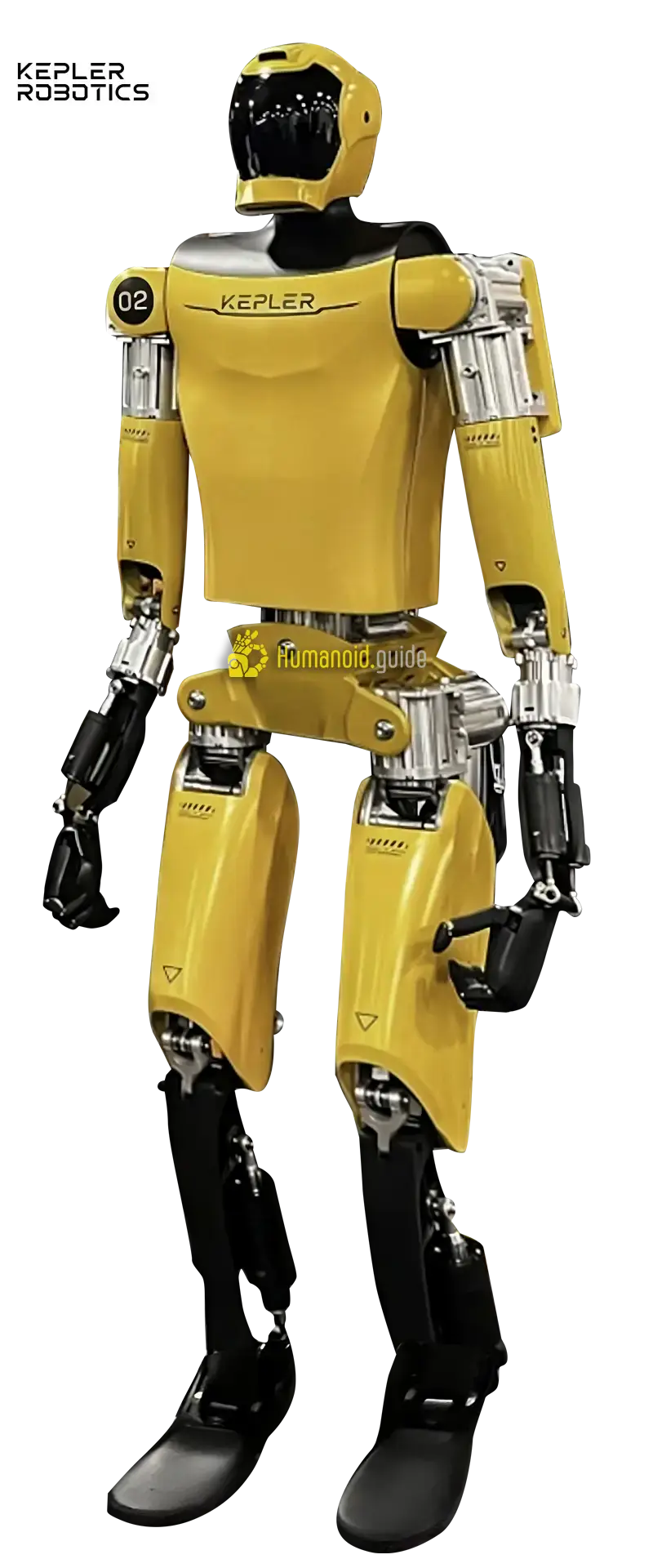
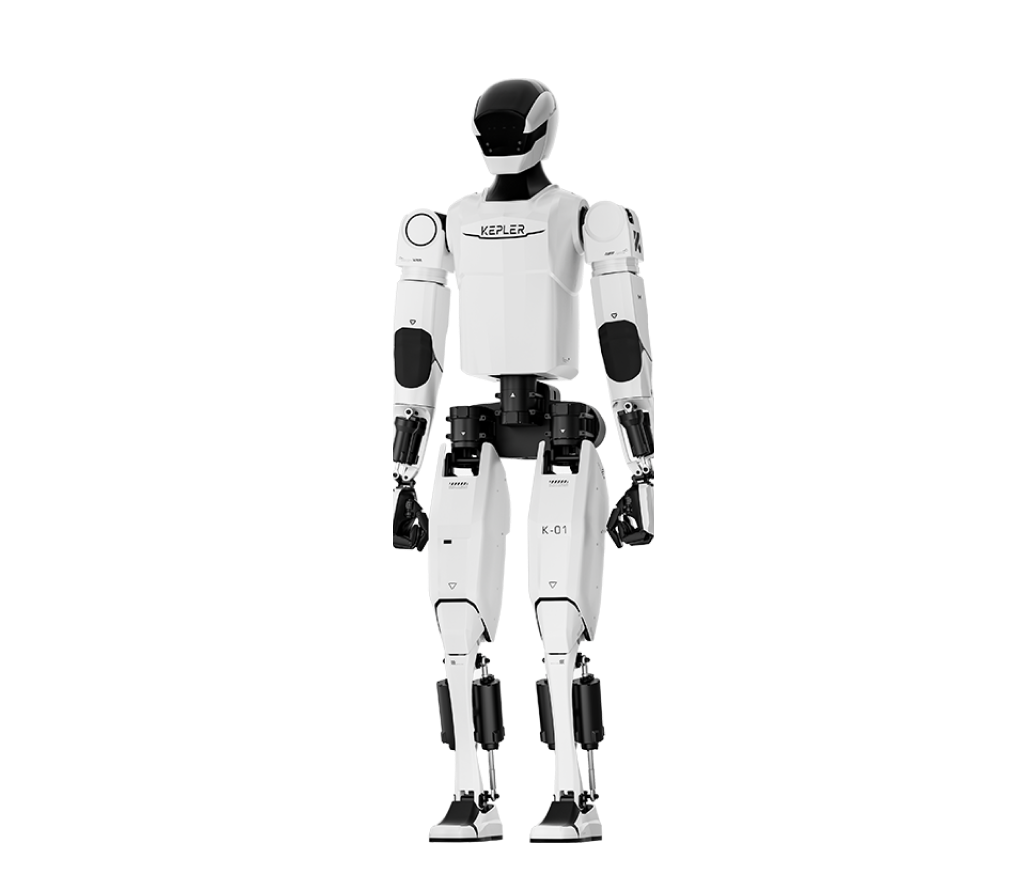
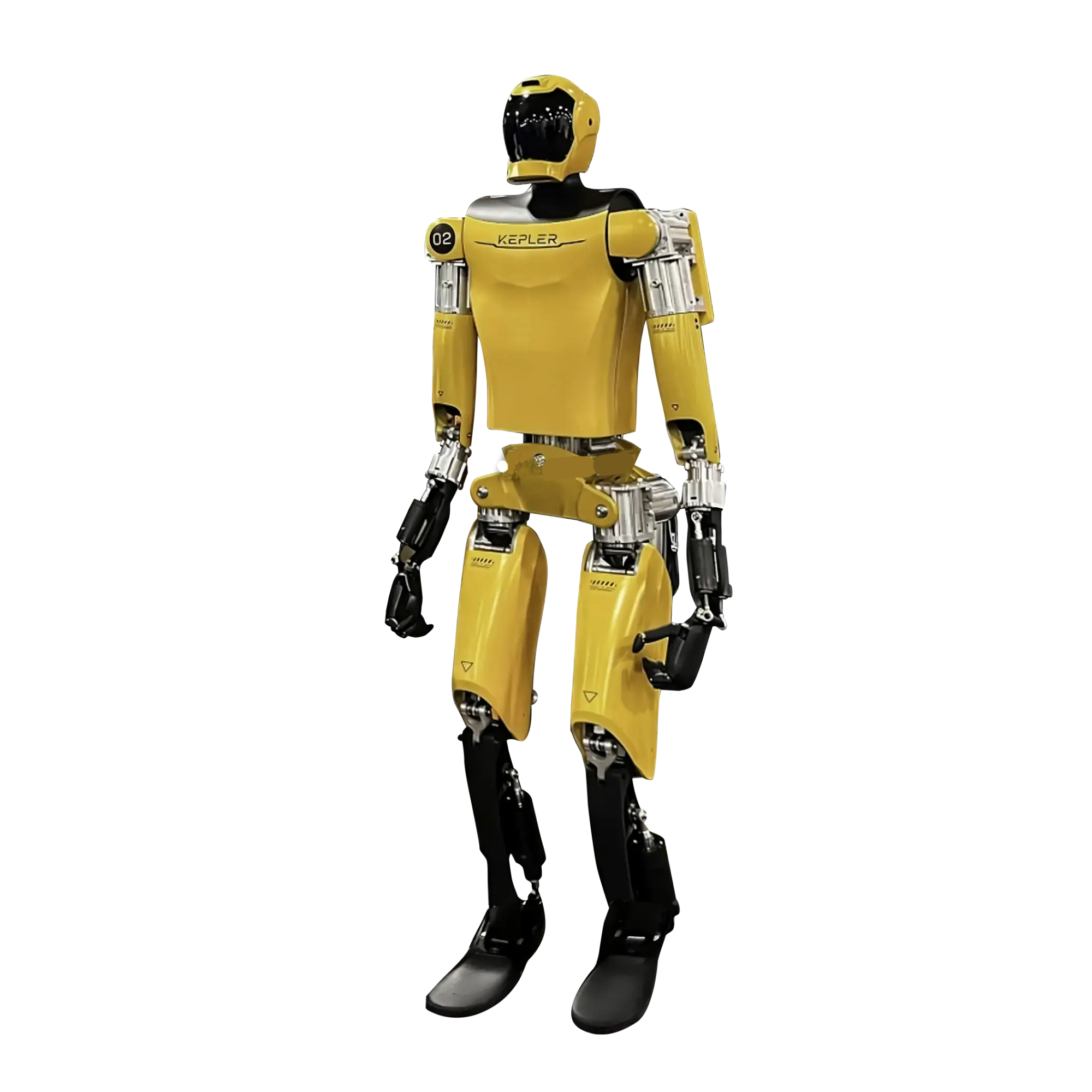
The Kepler Forerunner K2 is a full-sized humanoid robot developed by Kepler Exploration Robot Co., based in Shanghai, China. Designed for industrial tasks such as manufacturing, logistics, and blue-collar labor replacement, it stands 1.78 m tall and weighs 85 kg. The robot features 52 degrees of freedom, including advanced dexterous hands, and is rated for a 30 kg manipulation payload. Its bipedal locomotion reaches up to 4 km/h, with a 3-hour battery life per charge. The K2 is positioned as a cost-effective alternative to larger-scale humanoids, targeting factory floors and assembly lines. It was announced in 2024 and is currently available for pre-order.
Specifications
Here are the full technical specifications.
| Spec | Value |
|---|---|
| Height | 1.78 m |
| Weight | 85 kg |
| Degrees of freedom | 52 |
| Battery life | 3 hours |
| Max speed | 4 km/h |
| Payload | 30 kg |
| Price (new) | $30,000 – $50,000 |
| Price (used range) | N/A (no used market, pre-release) |
Price & Value
New MSRP: $30,000–$50,000
Used range: N/A (pre-order)
Kepler Robotics has quoted a base price of $30,000 for the Forerunner K2, with some distributors listing it up to $50,000, likely reflecting configuration upgrades or support packages. At this price, the K2 undercuts many Western humanoid robots by a factor of 5–10×, making it one of the most accessible full-spec humanoids announced. The 30 kg payload and 52 degrees of freedom give it practical factory-handling versatility, though the 3-hour battery life is modest for continuous shifts. As a pre-order product from a startup founded in 2023, depreciation outlook is uncertain, and early units may face rapid obsolescence if Kepler iterates quickly. Total cost of ownership will depend on support contracts, spare parts availability, and software integration costs, which remain unconfirmed. Potential buyers should budget for a proof-of-concept deployment rather than immediate ROI, as commercial validation is still forthcoming.
Who Is It For?
Best for: - Manufacturing and logistics operations seeking a low-cost humanoid for assembly, sorting, or material handling (52 DOF and 30 kg payload provide dexterity, while the $30,000 entry price lowers barrier to trial) - Research and development labs exploring humanoid automation in industrial settings, given the open architecture implied but unconfirmed
Not for: - Continuous heavy-duty shift work (3-hour battery life requires frequent recharging, limiting uptime) - Outdoor or rugged environments (no IP rating or robustness certification disclosed)
Alternatives & Comparison
The Kepler Forerunner K2 competes in the emerging sub-$100k industrial humanoid space, where it faces rivals like the Unitree H1, Fourier GR-1, Agility Digit, and Tesla Optimus—each with distinct design philosophies.
| Model | Price | Available | Key Difference |
|---|---|---|---|
| Unitree H1 | Undisclosed; est. ~$90,000 | preorder | Smaller size, lower price point, different actuator design |
| Fourier GR-1 | Undisclosed; est. ~$150,000 | preorder | Earlier generation humanoid, fewer DOF, medical focus |
| Agility Digit | ~$250,000+ | enterprise-only | Armless design, optimized for logistics and last-mile delivery |
| Tesla Optimus | $20,000–$30,000 (target) | preorder | Mass-market target, Tesla ecosystem integration, lower cost goal |
Verdict: The Kepler K2 is the dollar-for-value leader if arms and manipulation are critical: its 52 DOF and 30 kg payload at $30,000 outclass competitors at similar price points. However, for logistics-only roles, the Agility Digit’s proven armless design and enterprise support may justify its higher cost. The Tesla Optimus remains a wildcard with a disruptive price target but unknown real-world capabilities; early adopters who need a humanoid now will find the K2 the most pragmatic bet.
Use Cases & Capabilities
Manufacturing Assembly
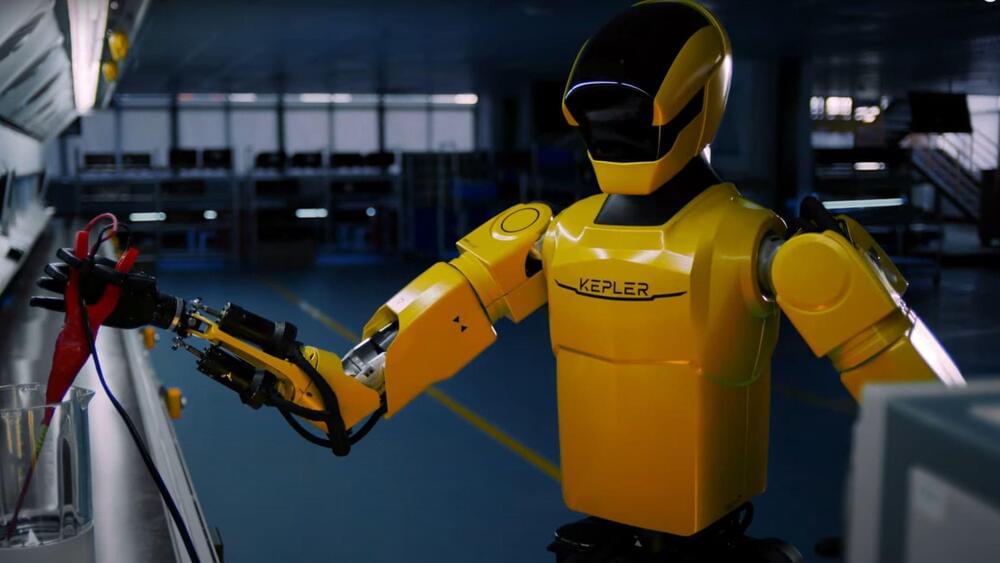
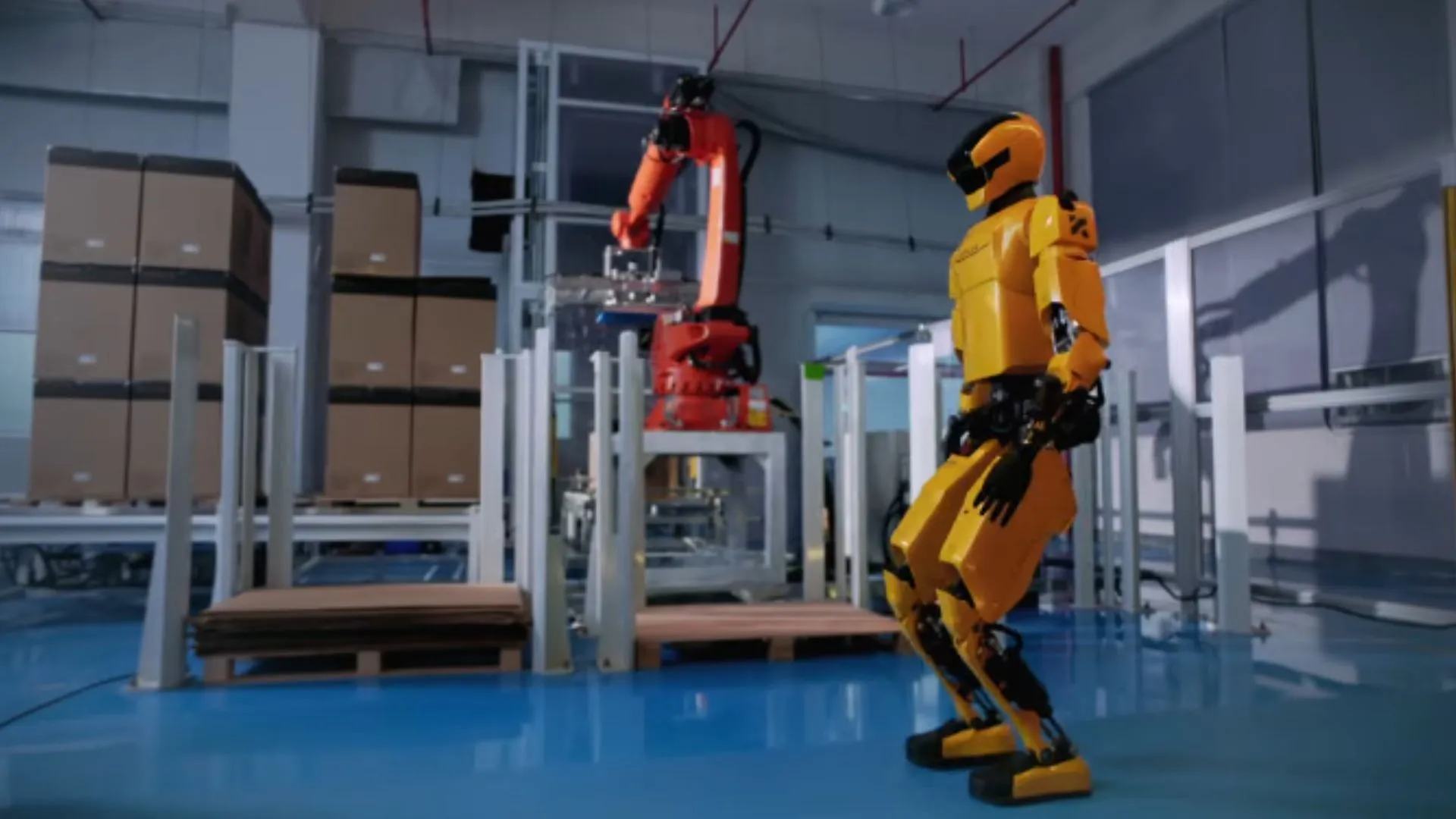
The K2’s 52 degrees of freedom, including dexterous hands, enable it to perform intricate assembly tasks such as placing small components, tightening fasteners, and aligning parts on production lines. Its 30 kg payload allows it to handle moderately heavy subassemblies without external lift assistance. With a walking speed of 4 km/h, it can move between workstations to supplement human operators during peak demand. However, the 3-hour battery life limits autonomous operation between shifts, so deployment must account for recharging stations along the line. Early demonstrations suggest the K2 is well-suited for electronics and automotive component assembly where precision and repeatability are key.
Logistics and Material Handling
In warehouses and distribution centers, the Forerunner K2 can perform sorting, palletizing, and kitting tasks using its full range of arm motion and gripper dexterity. Its bipedal locomotion lets it navigate narrow aisles and uneven surfaces that wheeled robots cannot traverse. A 30 kg lifting capacity covers most small-box and parcel handling, while the 1.78 m height matches typical workbench dimensions. The lack of an IP rating means it must operate indoors in clean, dry environments. Combined with its competitive pricing, the K2 could serve as a cost‑effective alternative to fixed automation for small‑ to mid‑sized logistics operations.
Research and Development
Universities and corporate R&D labs can leverage the K2 as an affordable platform for humanoid robotics research. The 52‑DOF kinematic chain provides ample opportunity for work on whole‑body control, dexterous manipulation, and human‑robot interaction. At under $50,000, it undercuts most academic humanoid platforms, meaning labs could purchase multiple units for multi‑agent studies. However, the limited documentation, unknown software stack, and pre‑order horizon require strong in‑house integration skills. Early adopters should verify API availability and sensor driver maturity before committing, as the robot’s research utility hinges on accessible, well‑supported development tools.
History & Background
Kepler Exploration Robot Co. was founded in Shanghai, China, in 2023, emerging from the country’s booming humanoid robotics sector. The company quickly unveiled its first humanoid, the Kepler Forerunner (also referred to as K1), in late 2023, featuring 40 degrees of freedom and a 20 kg payload, followed by the K2 in October 2024. The K2 model increased degrees of freedom to 52, payload to 30 kg, and refined the bipedal walking to 4 km/h. A special edition, the K2 Bumblebee, was announced for 2025 with additional sensors. Kepler’s strategy has been to aggressively price its robots for broad industrial adoption, citing a base price of $30,000 for the K2—a fraction of comparable Western humanoids. As of early 2026, the K2 remains in pre-order status, with no confirmed volume shipments, though demonstrations at trade shows have generated significant interest.
Buying Used — What to Check
Verify battery life under real loads Rated 3 hours may drop with heavy manipulation; test in intended use case.
Check payload rating and arm endpoint rigidity 30 kg payload is manipulation; ensure arm does not sag at full extension.
Confirm software and API maturity Integration costs can inflate total cost; ask for SDK and support SLAs before purchase.