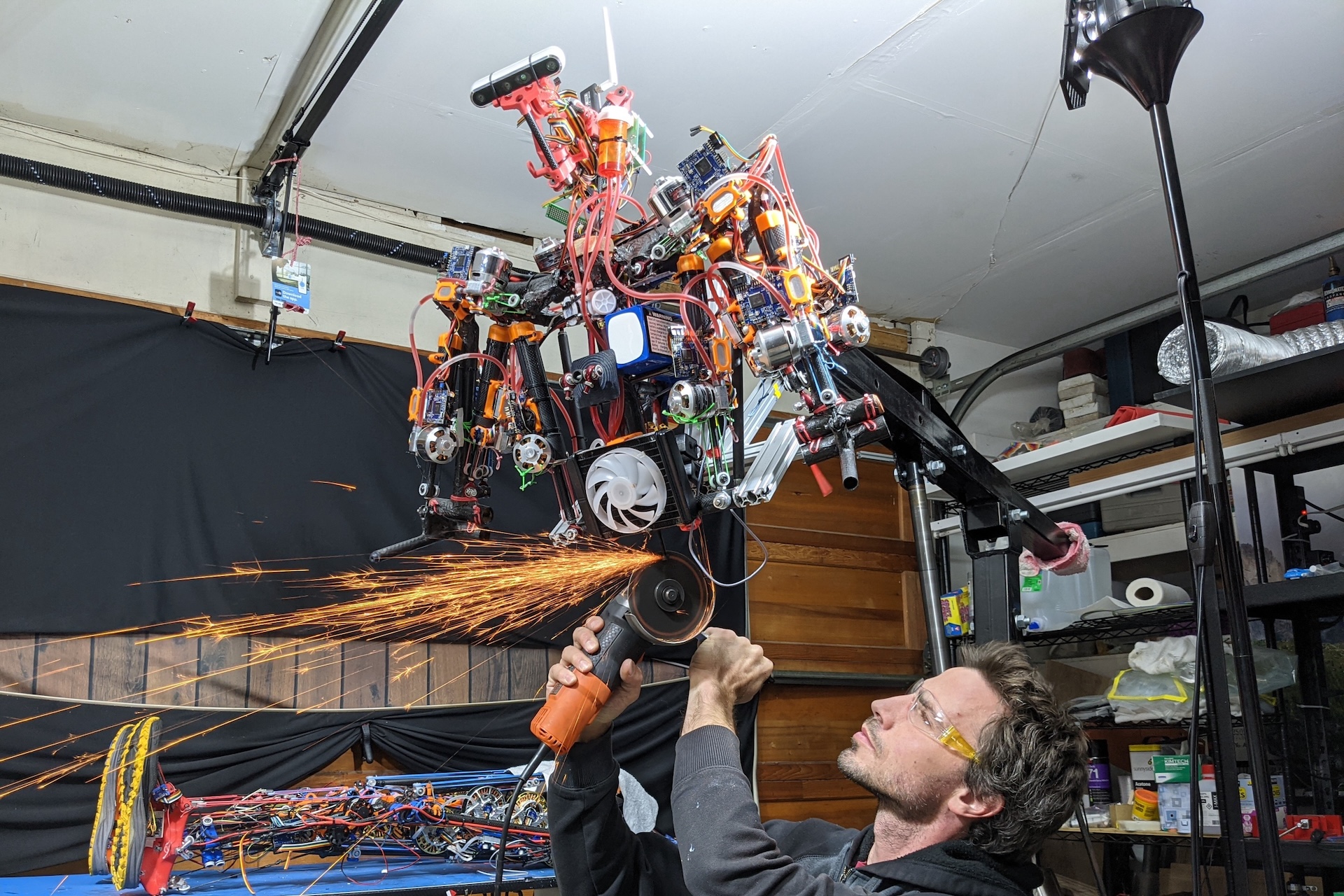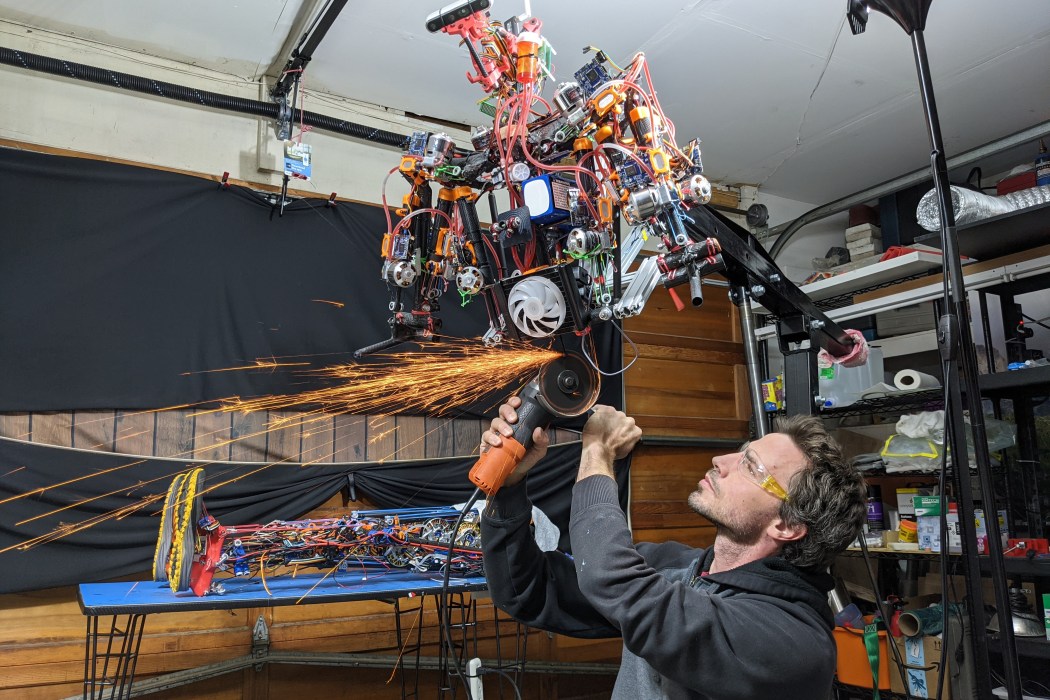
What is the Kind Humanoid Mona?
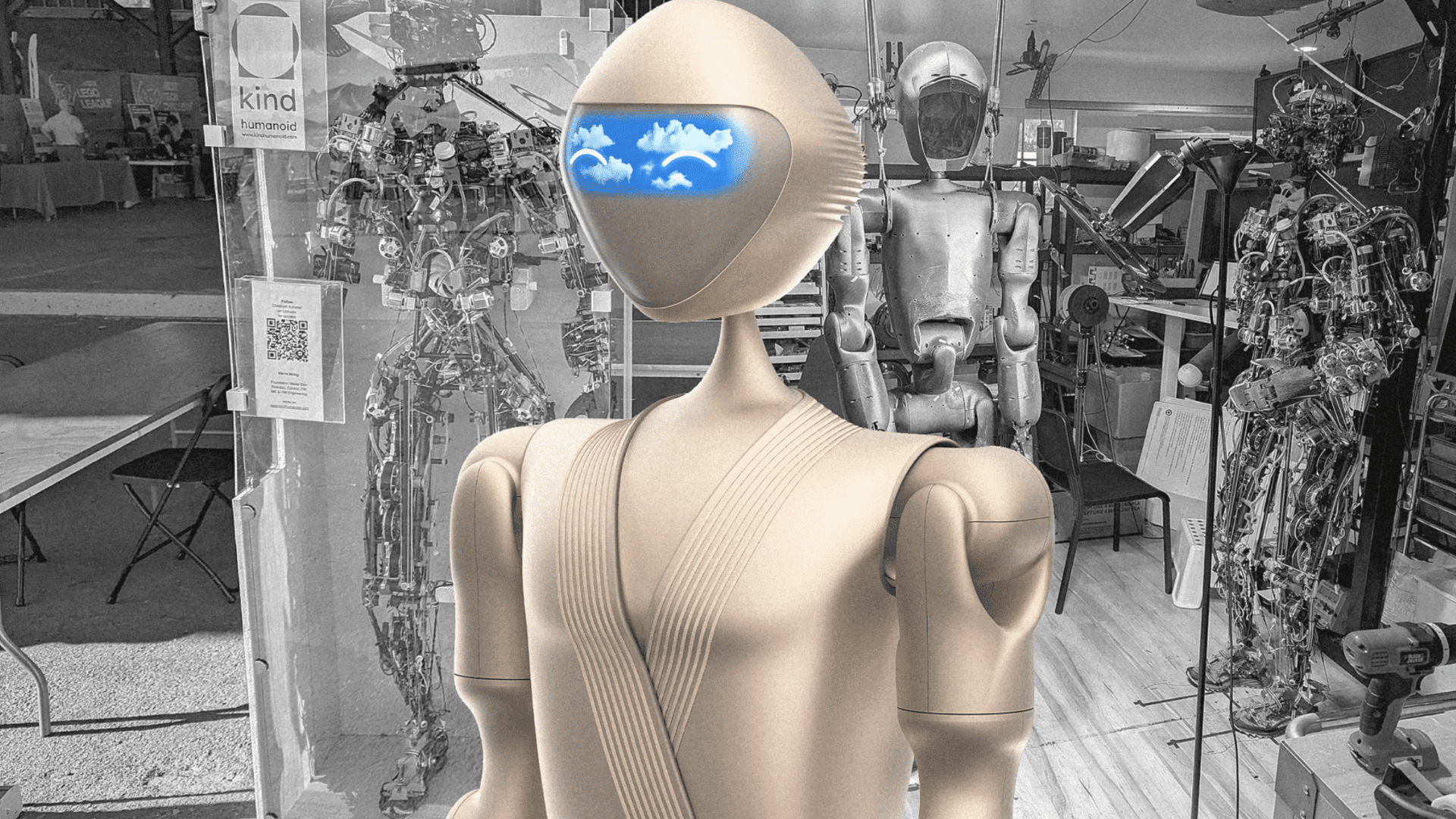
Kind Humanoid Mona is a bipedal humanoid prototype developed by Kind Humanoid, a Palo Alto-based robotics startup founded in 2023. Designed by renowned industrial designer Yves Béhar / fuseproject, it features a distinctive bio-inspired form aimed at blending into domestic environments. Mona is intended as a general-purpose home assistant and care robot, targeting applications in household support, caregiving, and healthcare. Very few technical specifications have been publicly disclosed; the robot exists predominantly as a proof-of-concept. In January 2025, Kind Humanoid was acquired by 1X Technologies, the Norwegian maker of the NEO humanoid, integrating Mona’s design philosophy into a broader home-robotics vision.
Specifications
Here are the full technical specifications.
| Spec | Value |
|---|---|
| Height | Not specified |
| Weight | Not specified |
| Degrees of freedom | Not specified |
| Battery life | Not specified |
| Max speed | Not specified |
| Payload | Not specified |
| Price (new) | Undisclosed |
| Price (used range) | N/A |
Price & Value
New MSRP: Undisclosed
Used range: N/A
No pricing information has ever been announced for the Kind Humanoid Mona, as it remains a pre-commercial prototype. The startup’s acquisition by 1X Technologies in early 2025 makes it unlikely that Mona will ever be sold as a standalone product. Any future home humanoid from 1X—likely influenced by Mona’s design DNA—may eventually carry a price tag, but currently even 1X’s NEO remains unreleased with no public price. There is no used market for Mona, as no commercial units were ever produced. Organizations interested in a home-care humanoid should monitor 1X NEO’s pricing as a potential future benchmark, while bearing in mind that the field is still in its infancy.
Who Is It For?
Best for: - Design-centric robotics researchers and human-robot interaction labs (bio-inspired aesthetics and fuseproject design provide a unique form factor for studies) - Investors tracking convergence of home-care robots and design-led hardware (acquisition by 1X highlights strategic value of industrial design in humanoids) - Technology journalists covering the next generation of domestic humanoids (Mona represents a stylistic vision that may influence mass-market products)
Not for: - Commercial deployment in home or healthcare settings (prototype only, no published operational specs or safety certifications) - Developers needing a programmable platform (no OS, sensors, or API documentation available) - Organizations requiring heavy-lifting or industrial capabilities (payload unpublished; design emphasizes caregiving, not logistics)
Alternatives & Comparison
The Kind Humanoid Mona exists in a nascent space of design-forward domestic humanoids, where few contenders have been commercialized. The following compares it to other notable humanoid platforms, though most remain prototypes like Mona itself.
| Model | Price | Available | Key Difference |
|---|---|---|---|
| 1X NEO | Undisclosed | no | Same parent company; lighter weight with soft-touch exterior for home safety |
| Tesla Optimus | Undisclosed | no | Broader industrial and domestic ambition; mass-production potential |
| Figure 02 | Undisclosed | no | Advanced dexterous hands, targeting logistics rather than home care |
| Agility Digit | ~$250,000 (est.) | yes | Commercially deployed in warehouses, not designed for home environments |
Verdict: For those committed to a home-care humanoid, 1X NEO (the acquirer's own robot) is the natural successor to Mona’s vision, though it too lacks commercial availability. Buyers needing a proven bipedal platform today should look to Agility Digit, but be prepared to repurpose a logistics robot for domestic tasks. Tesla Optimus and Figure 02 are more versatile but currently prioritize industrial use cases.
Use Cases & Capabilities
Home Assistance
Mona was envisioned as a domestic helper capable of performing light household tasks such as tidying, fetching items, and basic organization. Its bio-inspired design and soft aesthetic were intended to make it a welcome presence in living spaces. However, no operational capabilities have been demonstrated beyond basic walking. The lack of published payload, dexterity specs, and autonomy means any real-world home assistance remains aspirational.
Elderly Care
A key target market for Kind Humanoid was elder care—providing non-medical support like medication reminders, companionship, and supervision. The fuseproject design aimed for a non-threatening appearance well suited for interacting with older adults. As a concept, it would require advanced safety features, fall detection, and voice interaction, none of which have been documented in Mona’s prototype stage. Integration with existing smart-home systems was never detailed.
Healthcare Support (Non-Clinical)
Mona’s design brief included healthcare settings such as assisted living facilities, where it could deliver items, guide patients, or perform environmental monitoring. A humanoid form factor is appealing for patient-robot interaction, but specific sensor payloads and certifications would be mandatory. Since Mona remains a prototype with no disclosed hardware specs, its suitability for any healthcare scenario is untested. The acquisition by 1X may redirect these ambitions toward a future platform.
Human-Robot Interaction Research
With its striking design by Yves Béhar, Mona offers a unique embodiment for academic studies on anthropomorphic robot acceptance and aesthetic influence on trust. Its bipedal form and care-oriented persona could be a benchmark for design-led HRI experiments. However, researchers would need to build most of the autonomy stack themselves, as Kind Humanoid released no software development kit. The transition to 1X ownership may make access to similar platforms easier through future 1X research partnerships.
History & Background
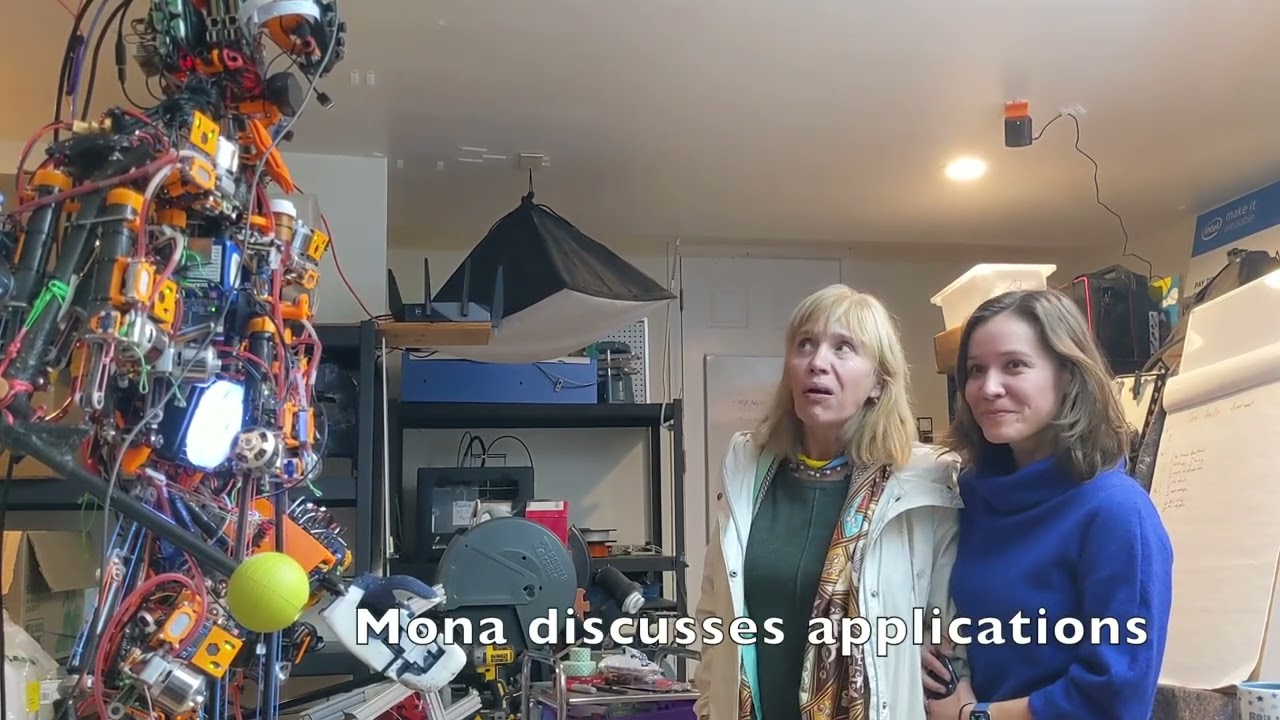
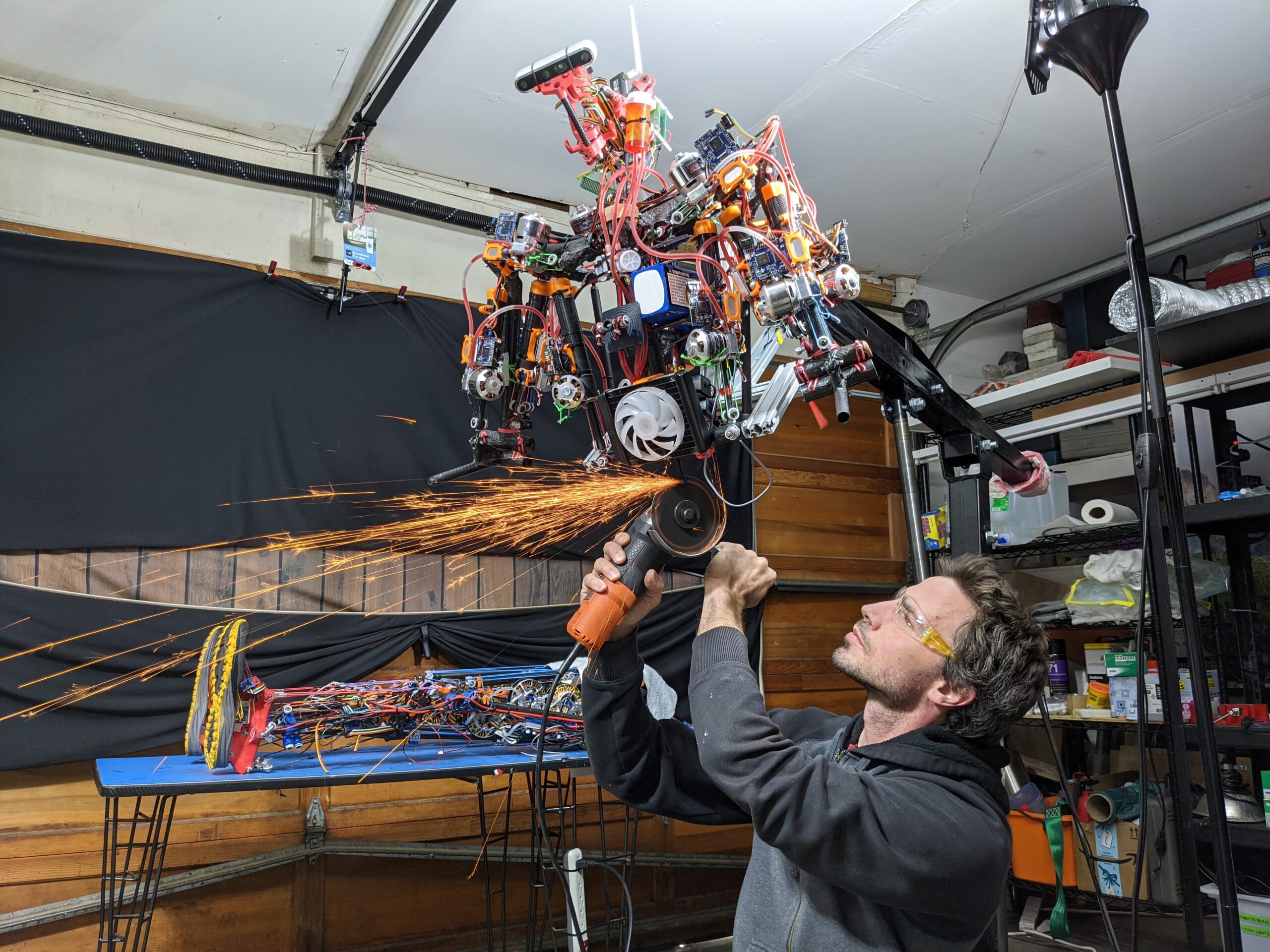
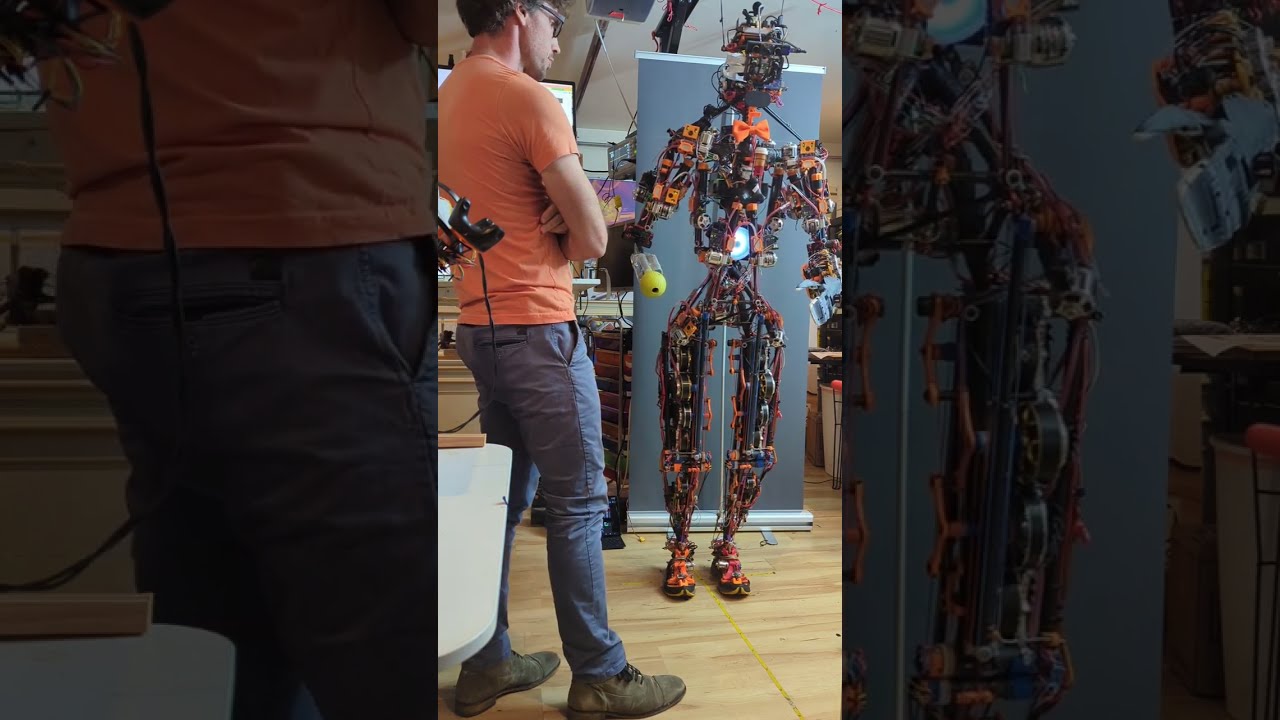
Kind Humanoid was founded in 2023 by Christoph Kohstall, PhD, in Palo Alto, California, with a mission to create a humanoid robot purpose-built for home and care environments. Operating in stealth, the company eventually unveiled Mona—a bipedal prototype with a biomorphic look designed by Yves Béhar’s fuseproject. The first public glimpse came circa 2024–2025 in a LinkedIn post showing Mona taking its first steps, highlighting a sleek, approachable form. In January 2025, 1X Technologies—the Norwegian-American company behind the NEO humanoid—acquired Kind Humanoid. This acquisition is widely interpreted as a move to fold Kind Humanoid’s design talent and home-focused vision into 1X’s own product roadmap. As of 2026, no further development milestones have been announced for Mona as an independent product, and it remains a research-only prototype.
Buying Used — What to Check
Verify actuator specification All key specs remain undisclosed; any used unit would need thorough assessment of its DOF and mobility.
Assess 1X software compatibility Since Kind Humanoid was acquired, a used Mona may lack software integration; check if it can run on future 1X stacks.