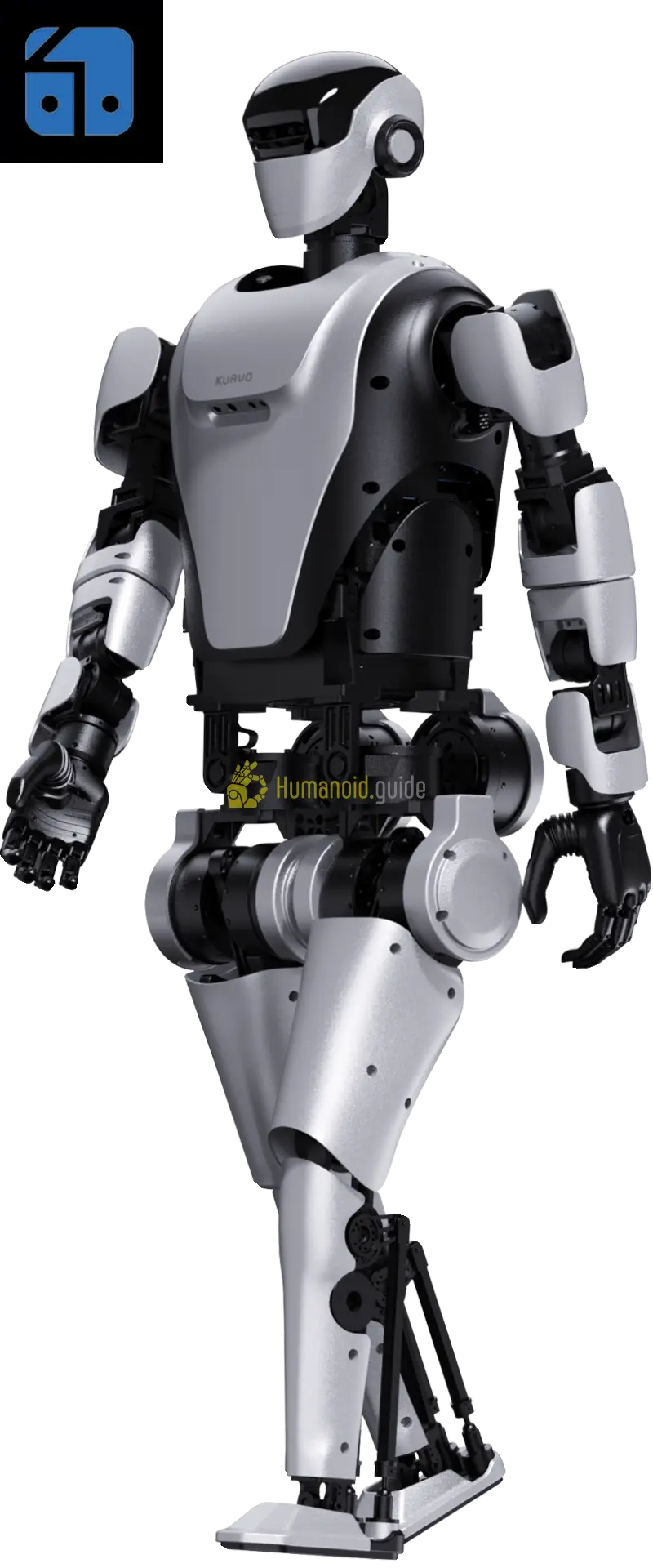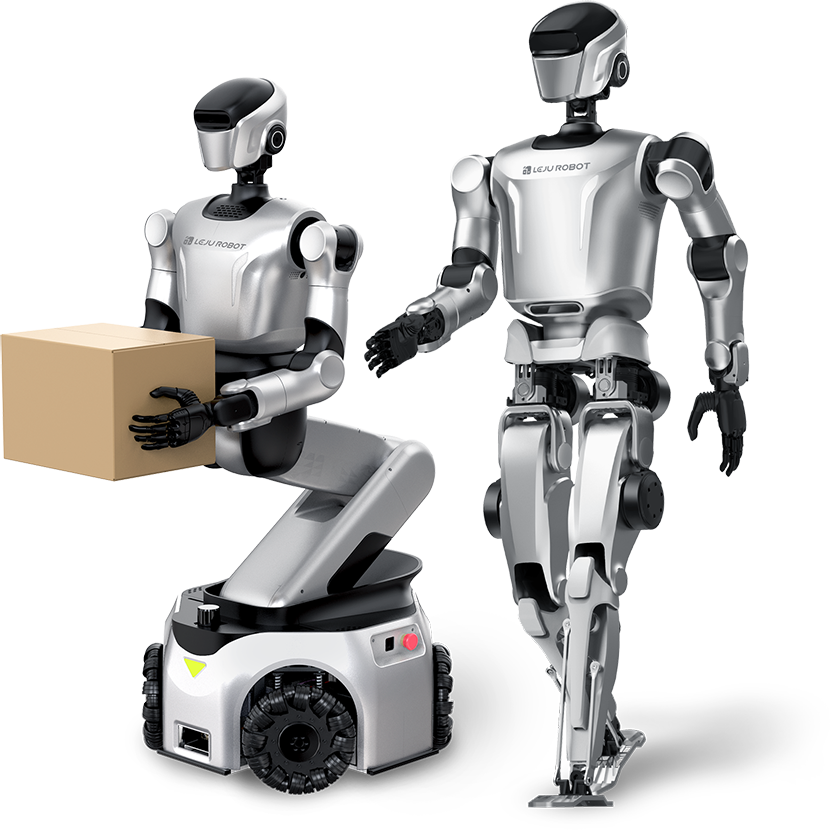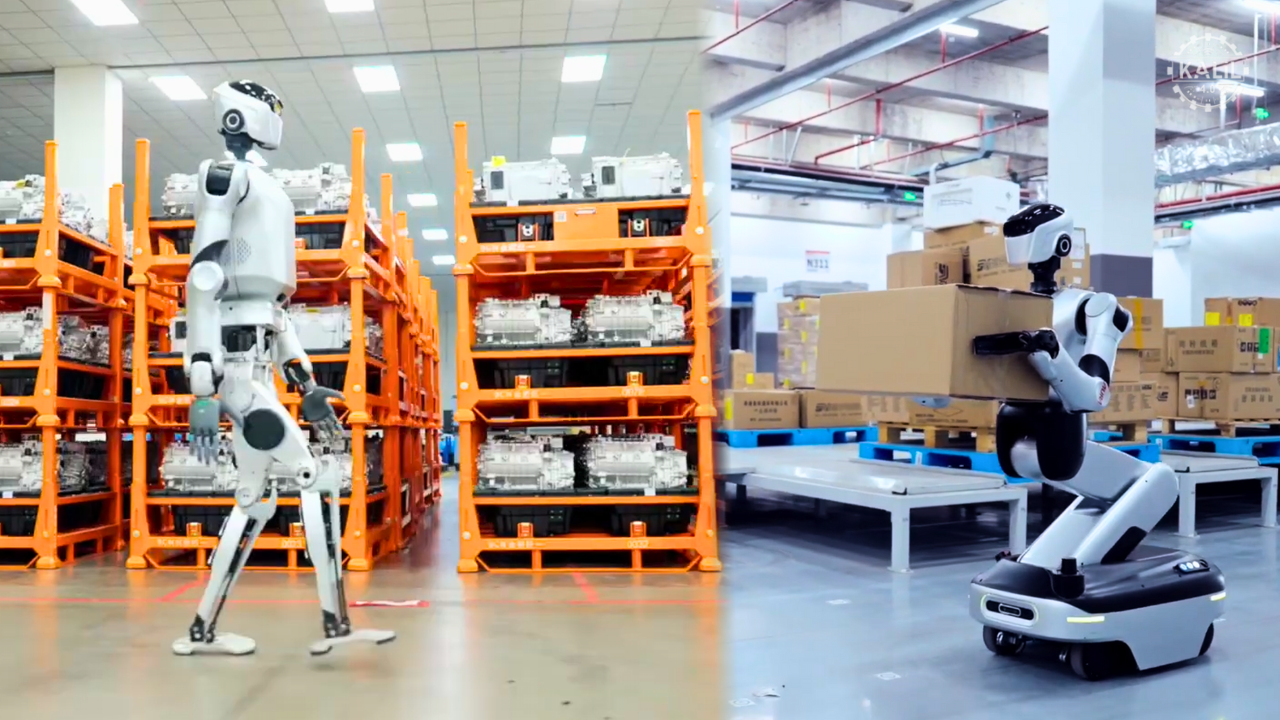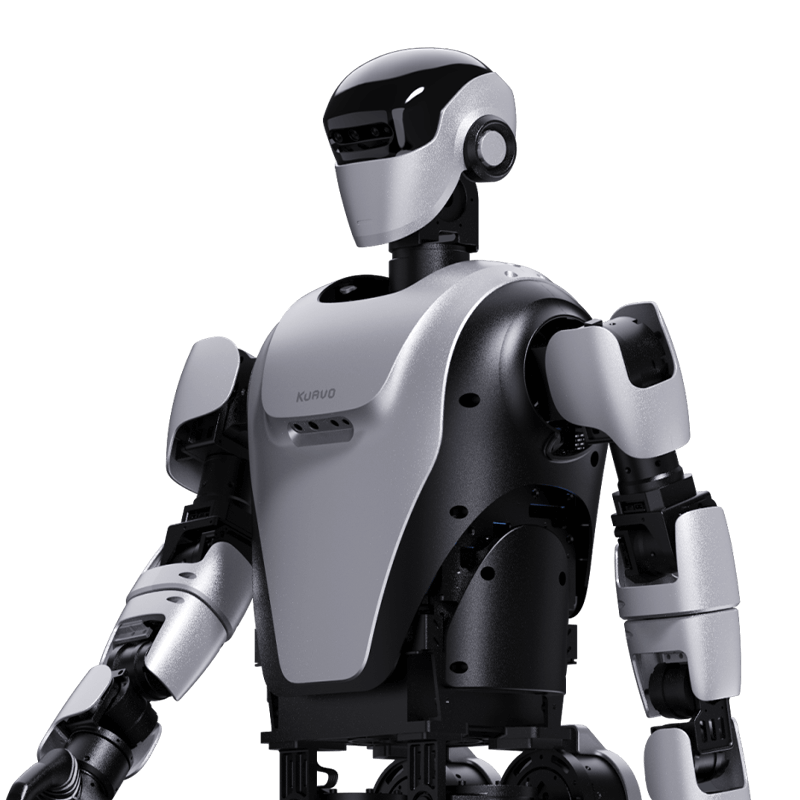
What is the Leju Kuavo?
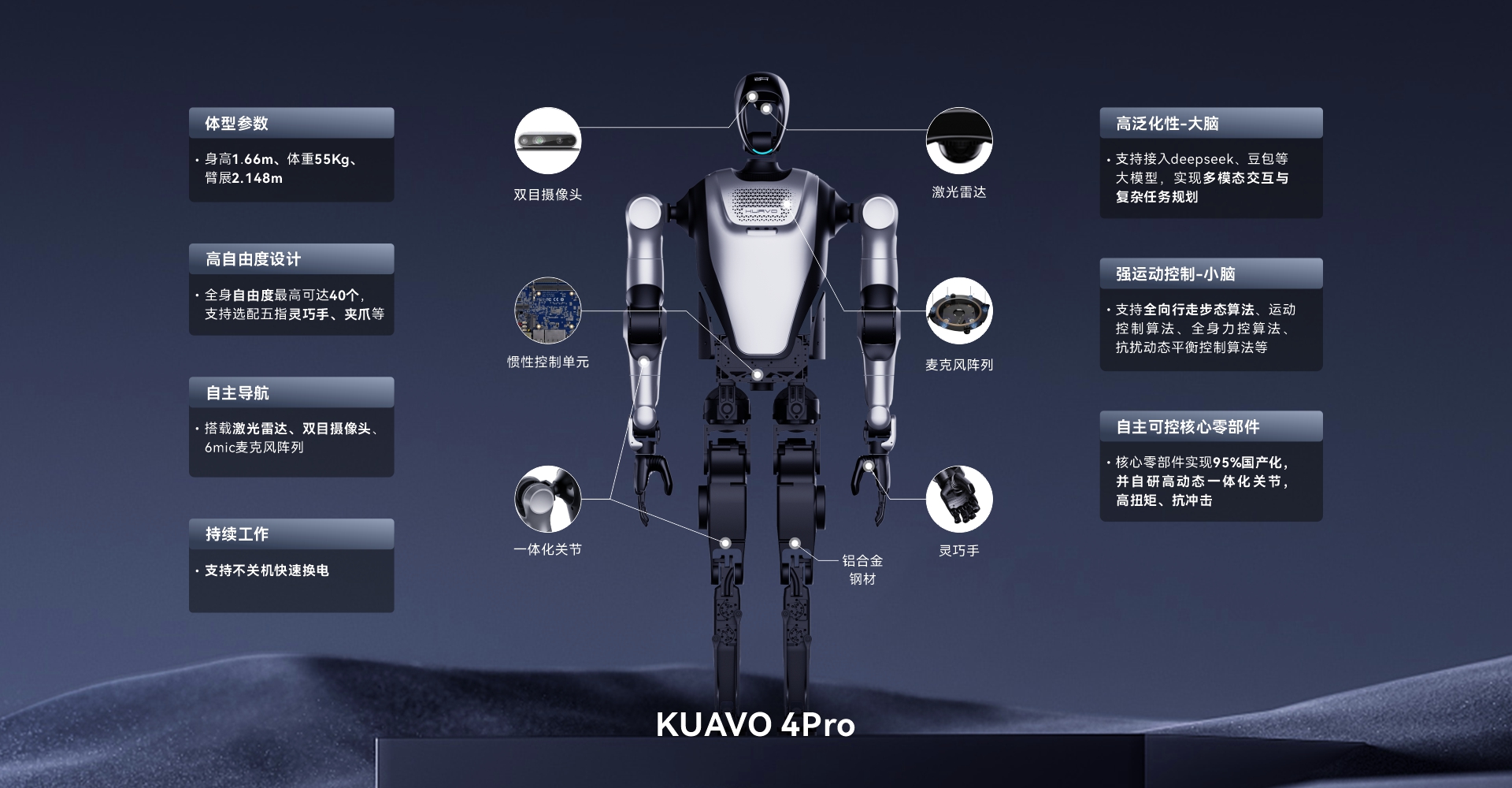
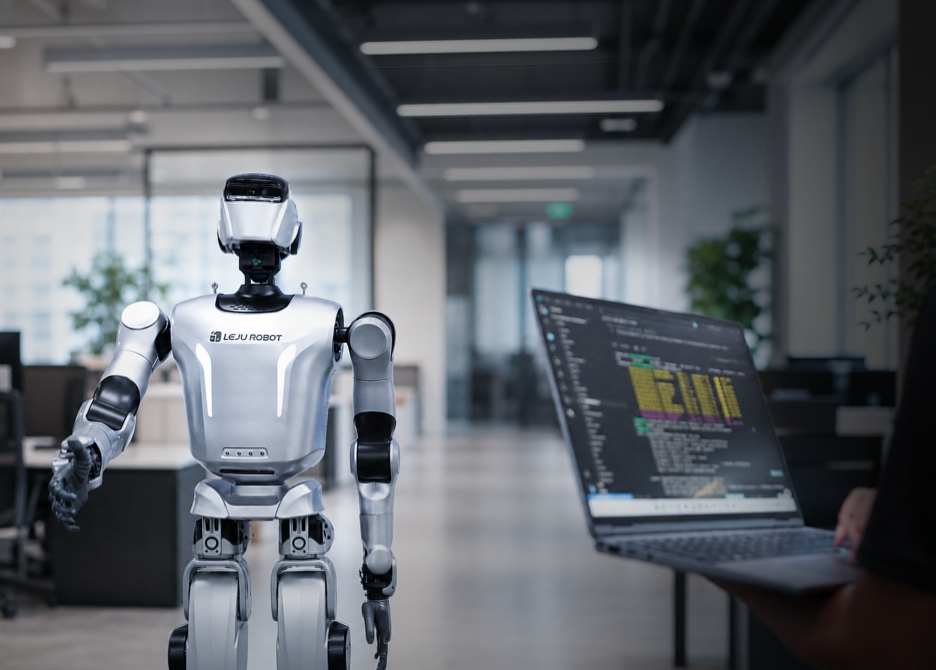
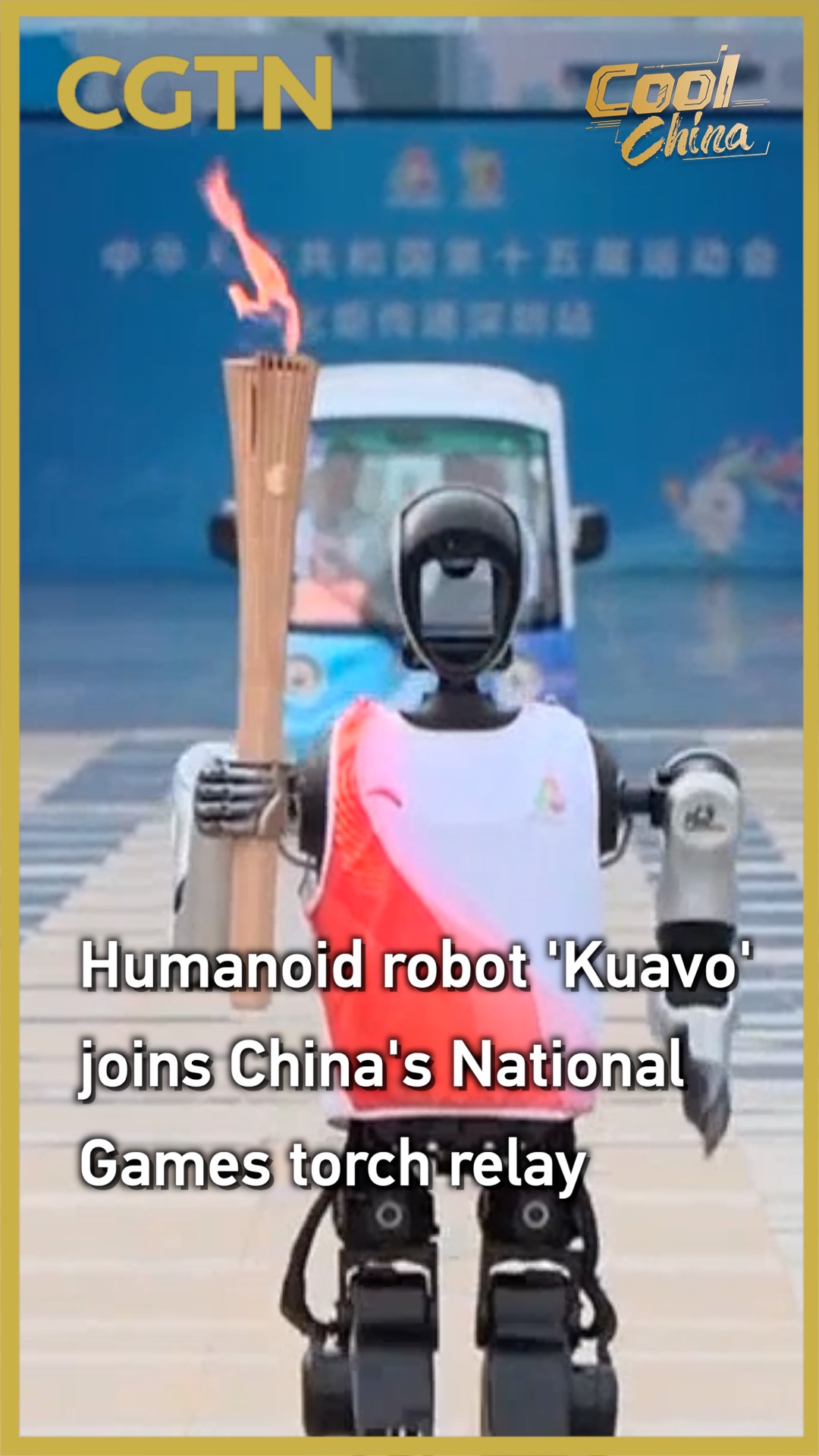
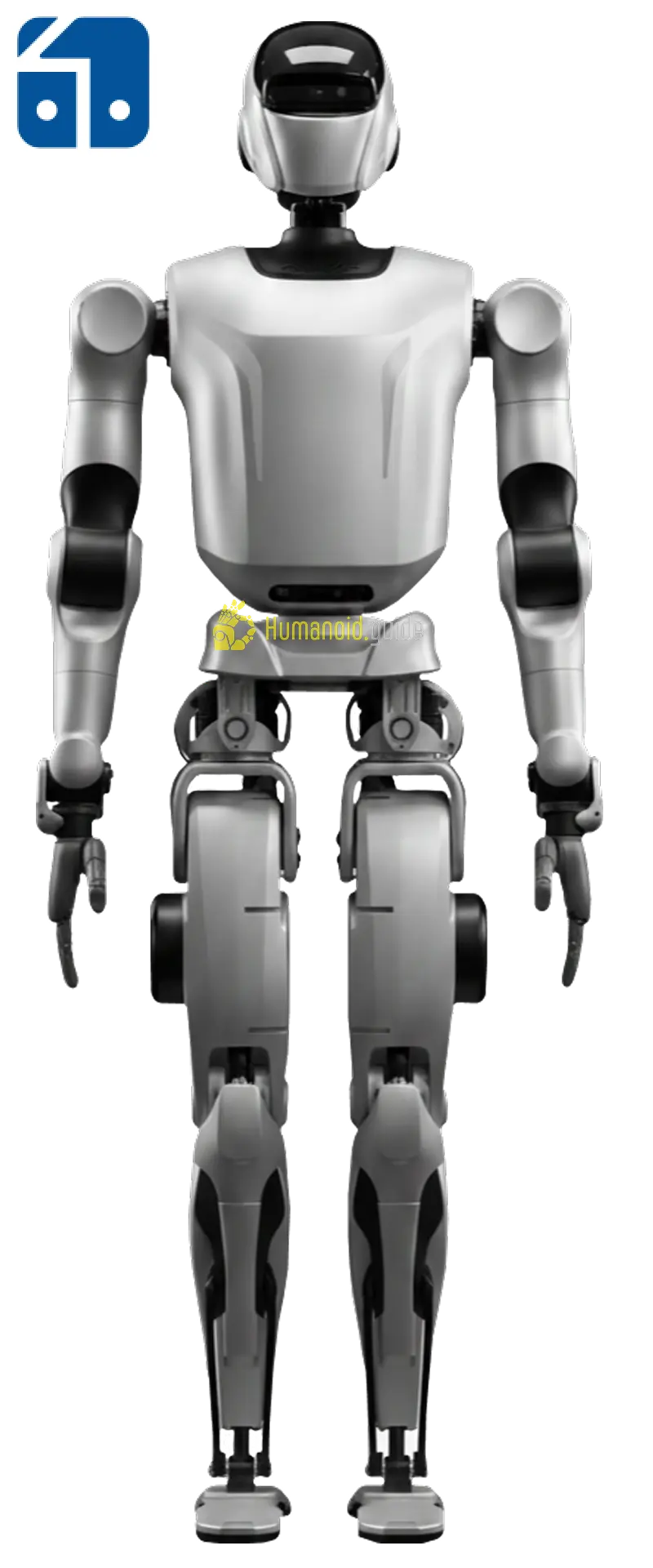
The Kuavo is a full-size humanoid robot developed by Leju Robotics (Suzhou Leju Robotics Co., Ltd.), headquartered in Shenzhen, China. Designed as a research platform for human-robot interaction, the Kuavo blends bipedal locomotion with upper-body manipulation. It runs on the open-source HarmonyOS operating system, with compute likely provided by a Huawei Kirin chip and AI integration via Huawei’s Pangu large language model. The robot stands 170 cm tall and weighs 55 kg, giving it a human-like presence. Key differentiators include its deep integration with the Huawei software ecosystem and a low expected price point that could democratize full-size humanoid robotics for academic labs.
Specifications
Here are the full technical specifications.
| Spec | Value |
|---|---|
| Height | 170 cm |
| Weight | 55 kg |
| Degrees of freedom | 26 |
| Battery life | 2 hours |
| Max speed | 3.6 km/h |
| Payload | Not specified |
| Price (new) | Undisclosed |
| Price (used range) | N/A (pre-commercial) |
Price & Value
New MSRP: Undisclosed
Used range: N/A
Leju has not publicly confirmed pricing for the Kuavo, but online chatter suggests a target as low as $10,000—an astonishing figure for a full-size humanoid. If that pricing materializes, the Kuavo would be the most affordable bipedal research robot by a wide margin, undercutting competitors like the Unitree H1 ($90,000) and Fourier GR-2 ($150,000). However, such low pricing remains unverified and may rely on volume production that has not yet begun. Researchers should expect additional costs for software, sensors, and support. Until commercial shipments begin, total cost of ownership is impossible to estimate, and depreciation is speculative. Early adopters may benefit from academic discounts if Leju follows a nonprofit pricing model.
Who Is It For?
Best for: - Academic robotics labs researching bipedal locomotion and human-robot interaction (low expected cost enables multi-robot experiments) - Educators wanting a full-size humanoid for classroom demonstrations without the six-figure price tag of alternatives
Not for: - Heavy industrial manipulation (no published payload rating) - High-speed dynamic tasks (max speed 3.6 km/h) - Outdoor or rugged environments (no IP rating and limited onboard sensing for autonomous navigation beyond structured spaces)
Alternatives & Comparison
The Kuavo competes in the emerging full-size humanoid market alongside several pre-commercial and commercial platforms. Its unique value proposition is HarmonyOS integration and a possible bargain price.
| Model | Price | Available | Key Difference |
|---|---|---|---|
| Unitree H1 | $90,000 | yes | Significantly faster max speed (4.3 m/s) and more powerful actuation, but no HarmonyOS or Huawei AI stack. |
| Fourier GR-2 | $150,000 | enterprise-only | Designed for heavy industrial tasks with higher payload and rugged build, but at triple the expected cost of Kuavo. |
| Tesla Optimus | Undisclosed (target ~$20,000) | preorder | Closed Tesla ecosystem for factory use; not available for research labs without Tesla partnership. |
Verdict: If Leju actually delivers Kuavo at a price under $15,000, it will be the hands-down winner for university labs and public research—no competitor matches that value. However, buyers who need proven reliability and speed should look at the Unitree H1, which is already shipping. For industrial pilots, the Fourier GR-2 offers a mature, enterprise-supported platform. Reserve the Kuavo for academic exploration or wait for the first production units.
Use Cases & Capabilities
Academic Locomotion Research
The Kuavo’s bipedal design and moderate walking speed of 3.6 km/h make it ideal for studying dynamic walking algorithms, gait optimization, and balance control. Its lightweight 55 kg frame and 26 degrees of freedom provide a reasonable testbed for reinforcement learning without requiring heavy-duty hardware. Researchers can integrate external sensors through the robot’s connectivity options, enabling custom perception setups. The low expected price point would allow labs to purchase multiple units for comparative studies or swarm experiments—a rare capability in full-size humanoids. The robot’s open HarmonyOS platform and Pangu AI model offer access to frontier language and vision models for embodied intelligence research.
Human-Robot Interaction Studies
Standing 170 cm tall, the Kuavo matches human eye level, making it well-suited for natural interaction experiments in public spaces, campuses, or museums. The integrated Intel RealSense D435i depth camera and ultrasonic sensors provide multimodal perception for gesture recognition, face tracking, and person following. With HarmonyOS’s mobile-adjacent architecture, developers can rapidly prototype social behaviors using Android-like tools. The robot’s collaborative-safe design and low inertia reduce risks during close-proximity user studies, an advantage over heavier industrial humanoids. However, researchers should verify actual speech and dialogue capabilities, as detailed AI integrations remain unconfirmed.
Hospitality & Service Pilots
For startups and corporate labs exploring service applications, the Kuavo offers a platform to prototype receptionist, concierge, or information guide roles. Its human-scale presence and potential for LLM-driven conversation make it a compelling front-desk agent in controlled indoor environments. The robot’s connectivity suite (5G-A, Wi‑Fi, Ethernet) enables cloud-based AI processing for low-latency interactions. Navigation capabilities are rated basic (3 out of 5), so deployment would require structured spaces with clear waypoints. Without a published payload rating, the robot is not suitable for luggage handling or meal delivery beyond lightweight objects.
Home Assistance Prototyping
As a research platform for domestic robotics, the Kuavo can be used to develop personal assistant behaviors in mock home labs. Its tall stature and articulated arms offer potential for simple fetch-and-carry tasks, though the lack of a specified payload and hand DOF data limits fine manipulation capability. The robot’s quiet harmonic-drive actuators suit residential noise requirements, and its HarmonyOS integration could one day tie into smart home ecosystems. Early adopters should plan for additional gripper or end-effector upgrades to match productivity needs. Until Leju confirms domestic safety certifications, long-term home deployment remains hypothetical.
History & Background
Leju Robotics was founded in 2016 in Shenzhen, China, initially focusing on educational and entertainment robots. The Kuavo humanoid line was first unveiled in 2023 as a prototype, with a distinctive focus on integrating Huawei’s HarmonyOS ecosystem. The robot was developed with funding and technical collaboration from Huawei and the Shenzhen government. In December 2023, Leju showed a walking Kuavo unit with teleoperation capabilities. A fifth-generation variant, the Kuavo-5, was announced with upgraded specifications: 40 DOF, 7-hour runtime, and 5 km/h max speed. The company also produces smaller models like the Kuavo-my (145 cm tall) and an XTRON variant. As of 2026, the base Kuavo remains a pre-commercial platform, with units deployed to select research partners. Leju continues to refine the robot’s AI, aiming to lower the cost barrier for humanoid research.
Buying Used — What to Check
Verify actual DOF and payload Prototype specs may differ from final production; confirm with manufacturer before purchase.
Confirm OS and AI integration HarmonyOS and Pangu AI are critical selling points; ensure they are licensed and updated.
Check battery endurance in real tasks The claimed 2-hour runtime may drop significantly under dynamic walking and manipulation.