What is the Limx Cl1?
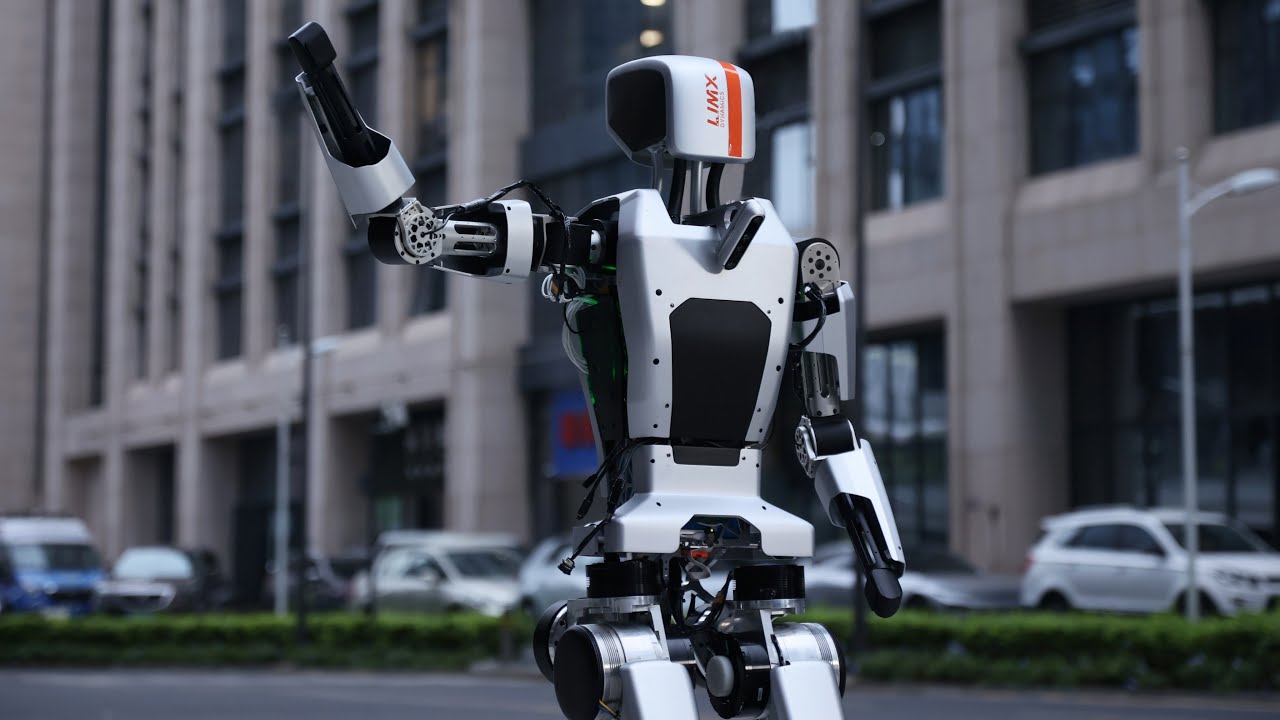
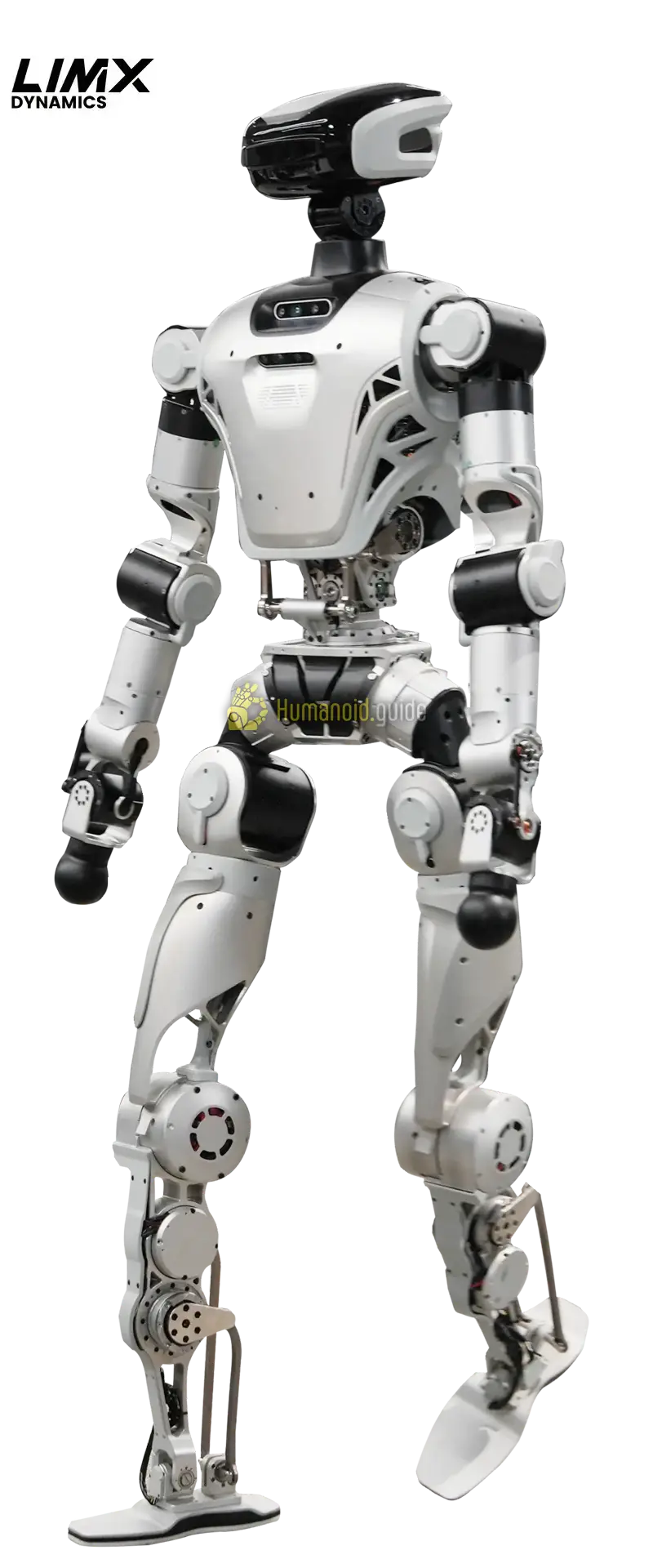
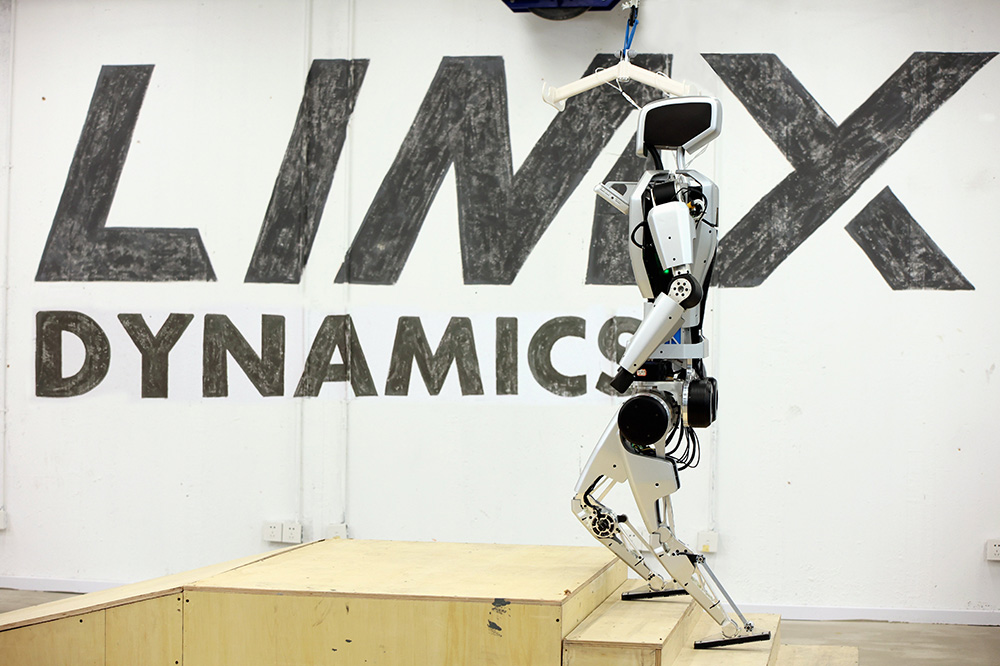
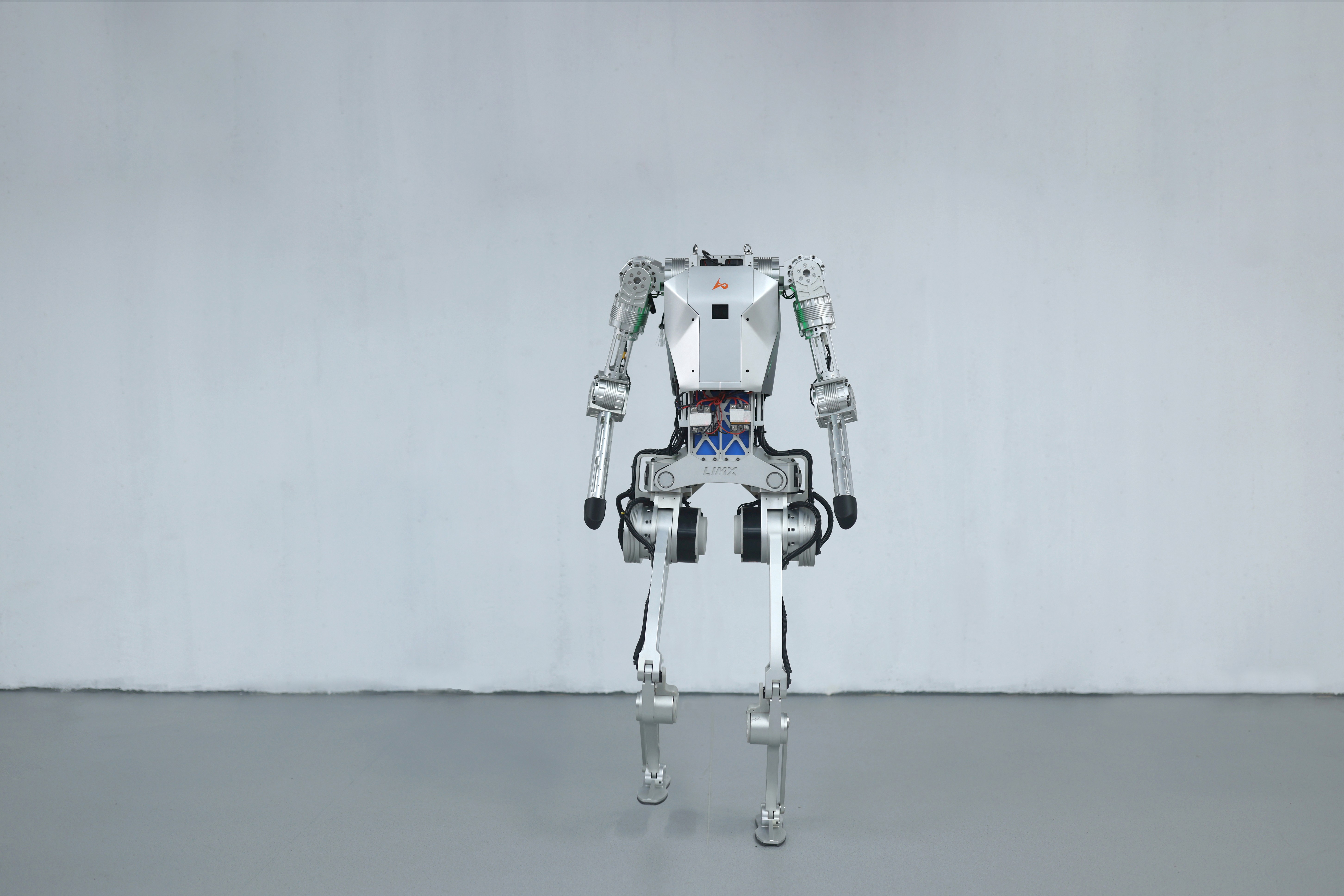
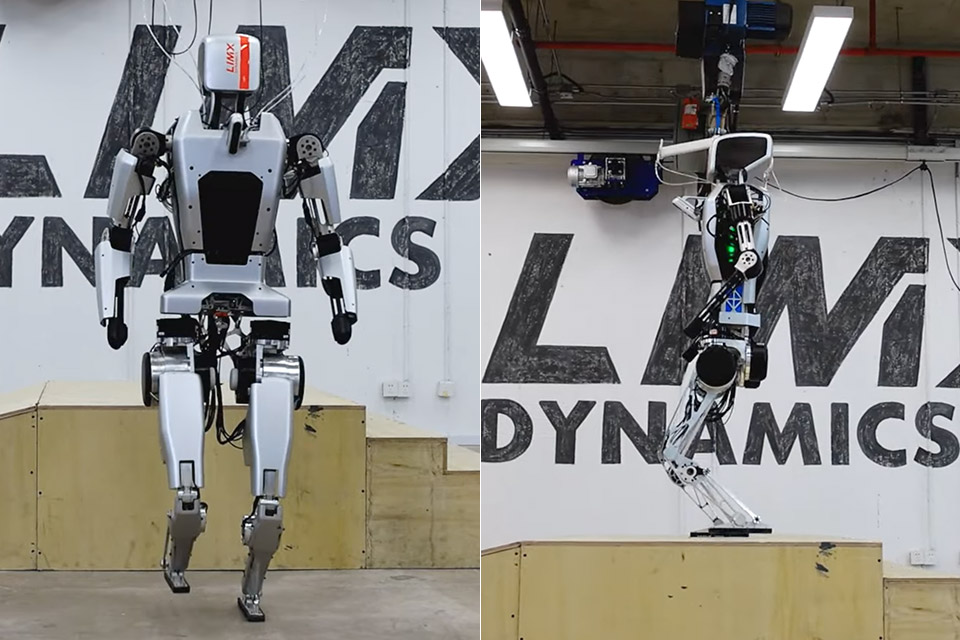
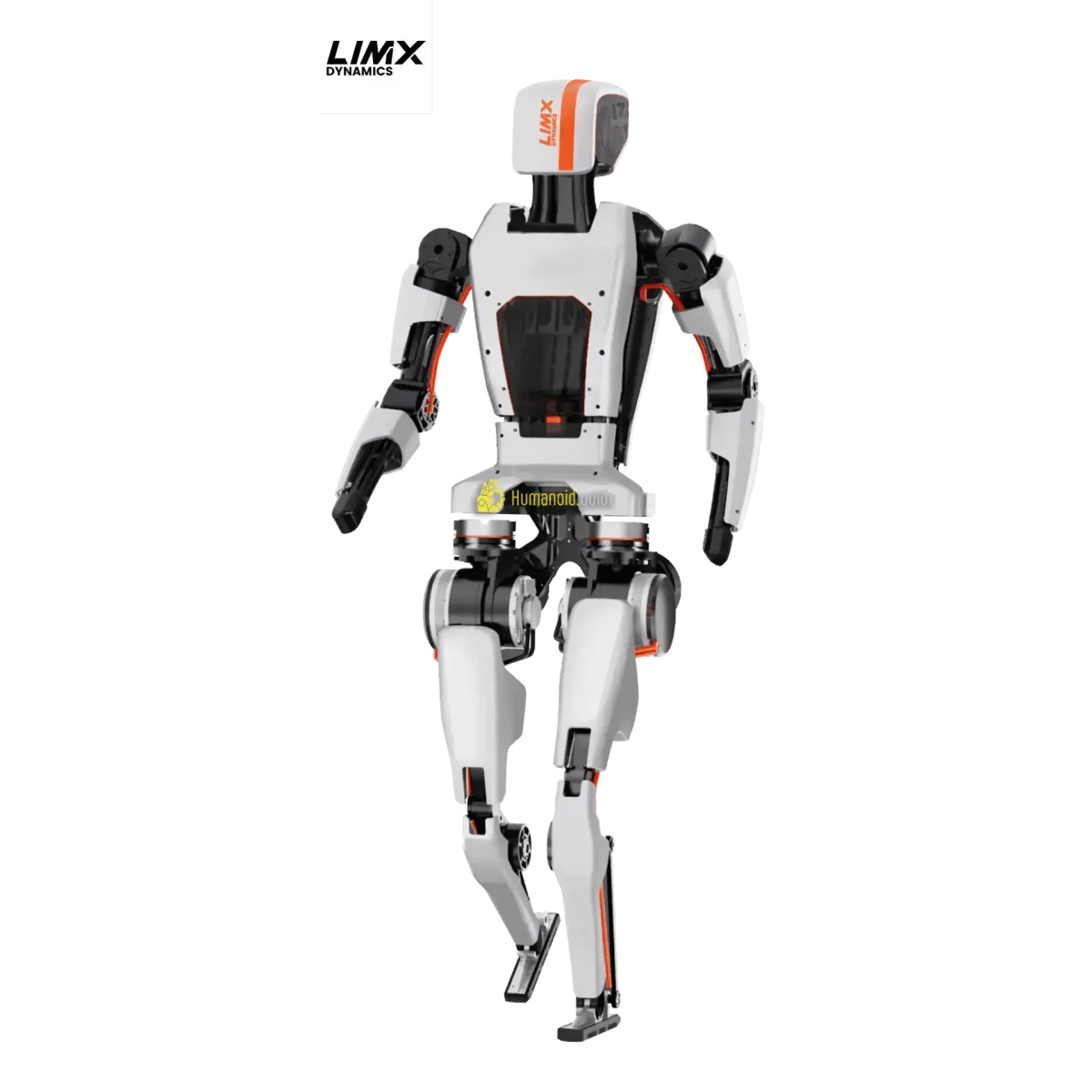
The LimX Dynamics CL-1 is a full-size bipedal humanoid robot built in Shenzhen, China, by LimX Dynamics, a robotics startup founded in 2022 with prior experience in quadruped platforms (Luna). The CL-1 focuses on dynamic bipedal locomotion and stable stair climbing using real-time perception via cameras, lidar, and IMU fusion. It features 32 degrees of freedom, electric actuation, and an open ROS-based architecture for research and industrial integration. Standing 1.57 m tall and weighing 50 kg, the CL-1 can handle up to 20 kg payload, walk at 1.2 m/s, and operate for up to 2 hours on a charge. Its unique selling point is its ability to climb stairs dynamically with environmental perception, unlike many competitors relying on pre-mapped steps. The robot targets manufacturing, logistics, and inspection use cases.
Specifications
Here are the full technical specifications.
| Spec | Value |
|---|---|
| Height | 1.57 m |
| Weight | 50 kg |
| Degrees of freedom | 32 |
| Battery life | 2 hours |
| Max speed | 4.32 km/h |
| Payload | 20 kg |
| Price (new) | ~$40,000 (est., official undisclosed) |
| Price (used range) | N/A (pre-order, limited used availability) |
Price & Value
New MSRP: ~$40,000 (aggregator estimate, not confirmed by manufacturer)
Used range: N/A (pre-order; no used units yet)
LimX Dynamics has not released an official price, but aggregators place the CL-1 at around $40,000. This positions it as an affordable humanoid alternative to the Unitree H1 ($90,000) and Fourier GR-1 ($150,000). However, the actual cost may vary depending on configuration, sensors, and order volume. Buyers should budget for additional costs such as software licensing, training, and perimeter safety equipment. Because the robot is still in pre-order with limited deliveries, resale values are speculative, but early adopters may face steep depreciation once mass production begins. Overall, the CL-1 offers a compelling value proposition for organizations needing dynamic stair climbing at a sub-$50k price point, if the estimated price holds.
Who Is It For?
Best for: - Manufacturing and logistics companies testing humanoid automation for stair-heavy environments - Research institutions studying dynamic locomotion and real-time perception in bipedal robots - Inspection teams requiring mobile sensor platforms for terrain that includes stairs
Not for: - Heavy industrial material handling (payload limited to 20 kg) - Budget-constrained projects (price uncertain and may require enterprise agreements) - Users seeking a fully autonomous integrated solution (the CL-1 is primarily a locomotion platform and requires custom software integration)
Alternatives & Comparison
The LimX CL-1 competes in the emerging humanoid robotics market against similarly bipedal platforms from Unitree and Fourier.
| Model | Price | Available | Key Difference |
|---|---|---|---|
| Unitree H1 | $90,000 | yes | Lighter weight (47 kg), faster speed (3.3 m/s), higher payload (30 kg) but lacks dynamic stair climbing with perception. |
| Fourier GR-1 | $150,000 | preorder | Higher payload (40 kg) and industrial robustness, but heavier and without real-time stair climbing perception. |
Verdict: For organizations needing cost-effective dynamic stair climbing, the CL-1 is the clear winner at around $40,000, assuming the price estimate is accurate. The Unitree H1 is better for speed and payload in flat environments, while the Fourier GR-1 suits heavy industrial tasks but costs significantly more. Early adopters of the CL-1 may trade-off maximum payload for unique locomotion capabilities.
Use Cases & Capabilities
Dynamic Stair Climbing and Terrain Inspection
The CL-1 excels in environments requiring real-time stair navigation and uneven terrain traversal. Its perception system uses lidar and cameras to map steps on the fly, avoiding the need for pre-programmed pathways. This makes it ideal for inspection of multi-story industrial facilities, warehouses with mezzanines, or outdoor sites with stairs. While climbing, it maintains a stable gait thanks to torque-controlled joints and an IMU, though heavy debris or loose surfaces may still pose challenges. The robot's 2-hour runtime allows extended patrols, and its compact size fits through standard doorways.
Light Material Handling and Logistics
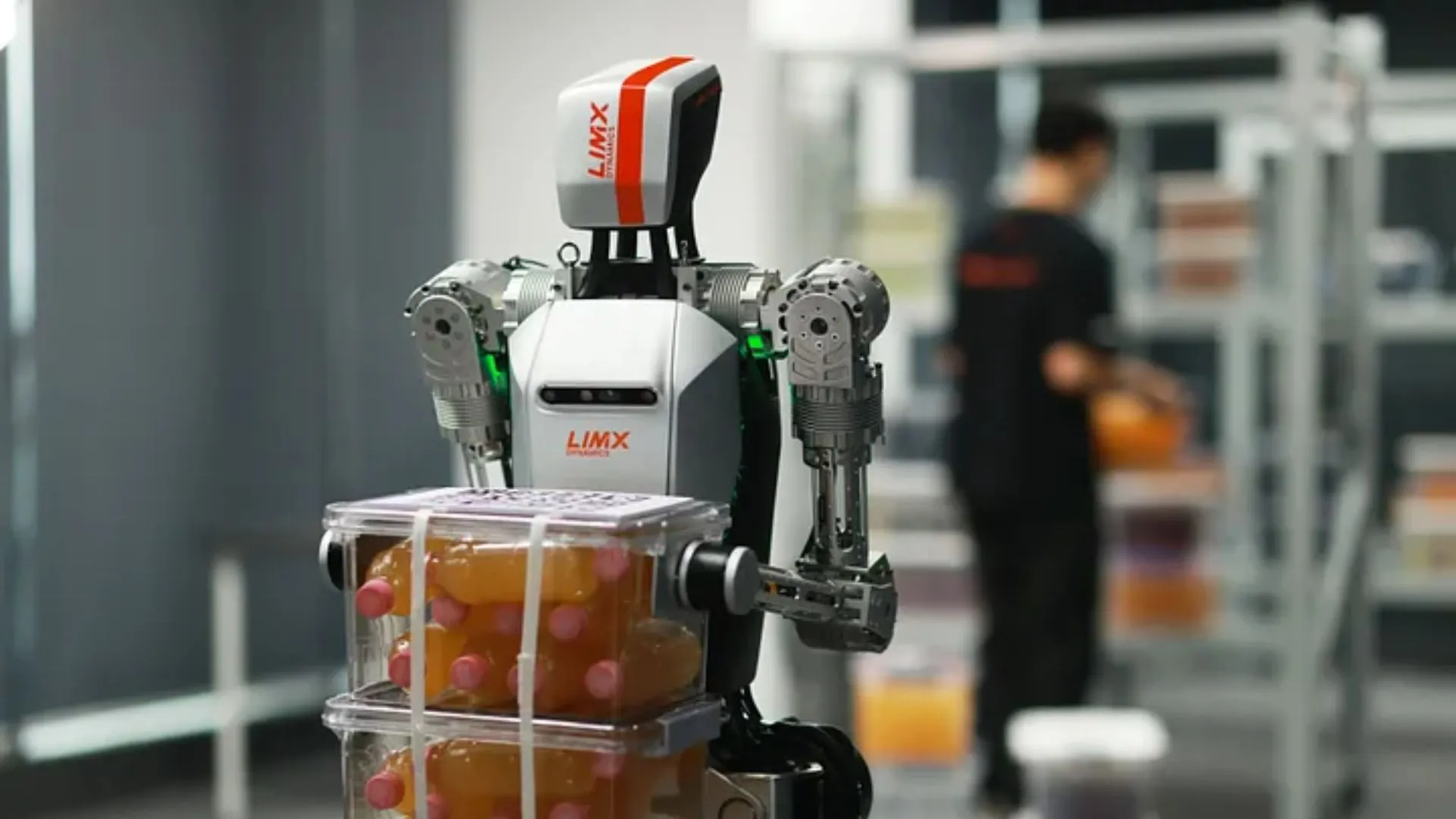
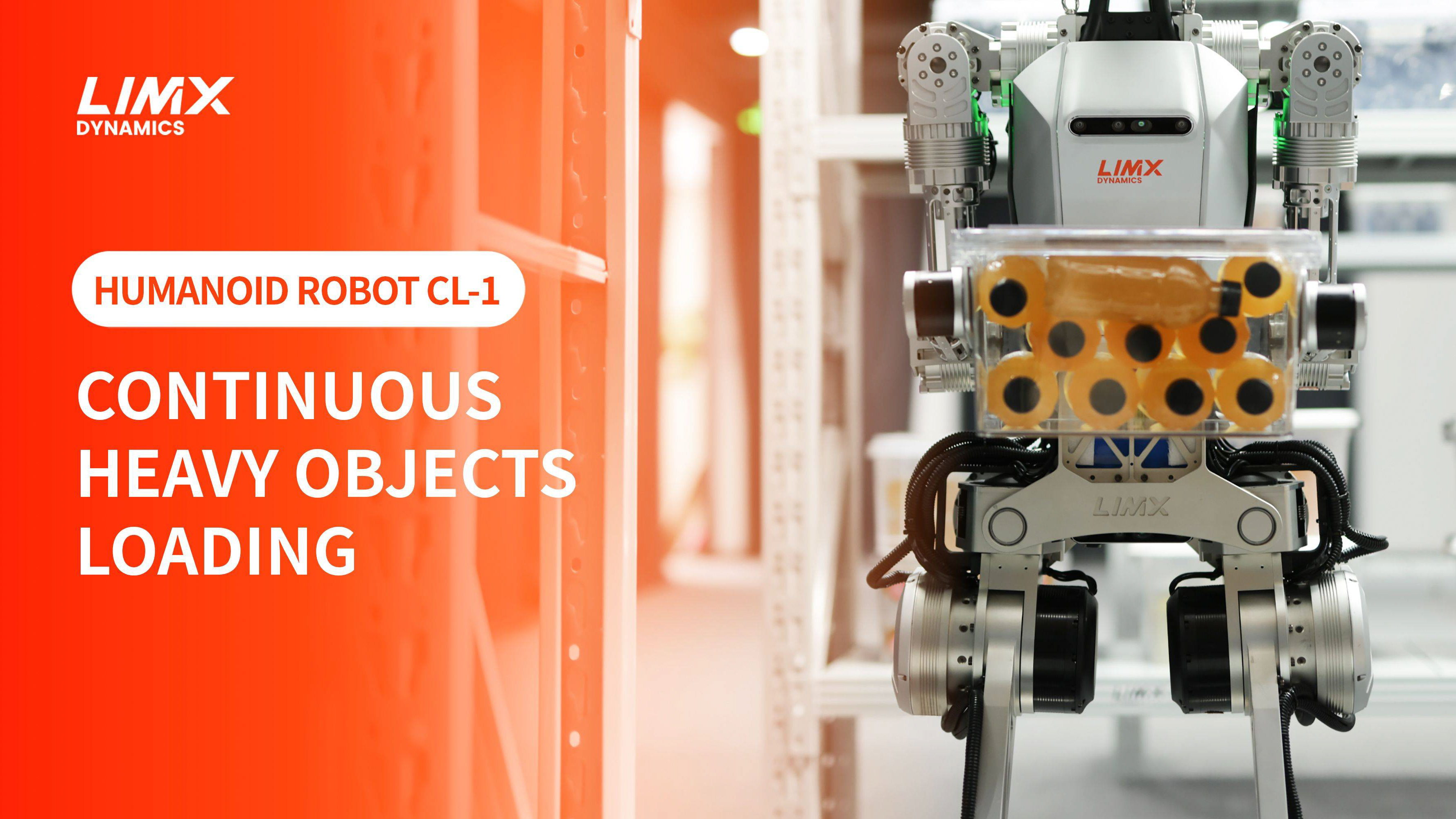
With a 20 kg arm payload, the CL-1 can assist in moving small boxes, tools, or components along manufacturing lines and between floors. Its ability to climb stairs reduces the need for separate vertical transport systems. The robot can be integrated via ROS to perform pick-and-place tasks with appropriate end effectors. However, its payload limits it to light items, and the lack of built-in grippers means custom tooling is required. For logistics, the CL-1 could be used in last-mile delivery within urban buildings, carrying packages up and down stairs.
Research and Development for Bipedal Locomotion
Academic and corporate labs will value the CL-1 as an open-architecture platform for testing bipedal control algorithms and perception. Its NVIDIA Jetson compute and ROS compatibility allow researchers to modify locomotion policies and sensor fusion. The robot's stair-climbing benchmark can be compared against simulation, enabling advances in dynamic walking. Limitations include the partially closed-source nature of some proprietary perception modules. Despite this, the CL-1 offers a more affordable entry point than many custom-built bipedal research robots, accelerating progress in humanoid locomotion.
History & Background
LimX Dynamics was founded in 2022 in Shenzhen, China, by a team with expertise from leading robotics labs. The company initially launched the Luna quadruped robot, which showcased advanced mobility algorithms. In 2023, LimX revealed the CL-1 bipedal humanoid, emphasizing dynamic stair climbing using onboard perception. The CL-1 made its public debut in videos navigating staircases autonomously, quickly gaining attention. As of 2026, the robot remains in pre-order with limited shipments to research and industry partners. No second generation has been announced, but LimX continues to develop the platform with improved software updates for perception and manipulation.
Buying Used — What to Check
Verify payload rating Payload claims may vary between arm and total; confirm actual lift capacity for your application.
Inspect battery health 2-hour runtime may degrade over time; ask for charge cycle count.
Confirm sensor suite configuration Some units may have different cameras/lidar setups; ensure it matches your needs.