What is the Memo?
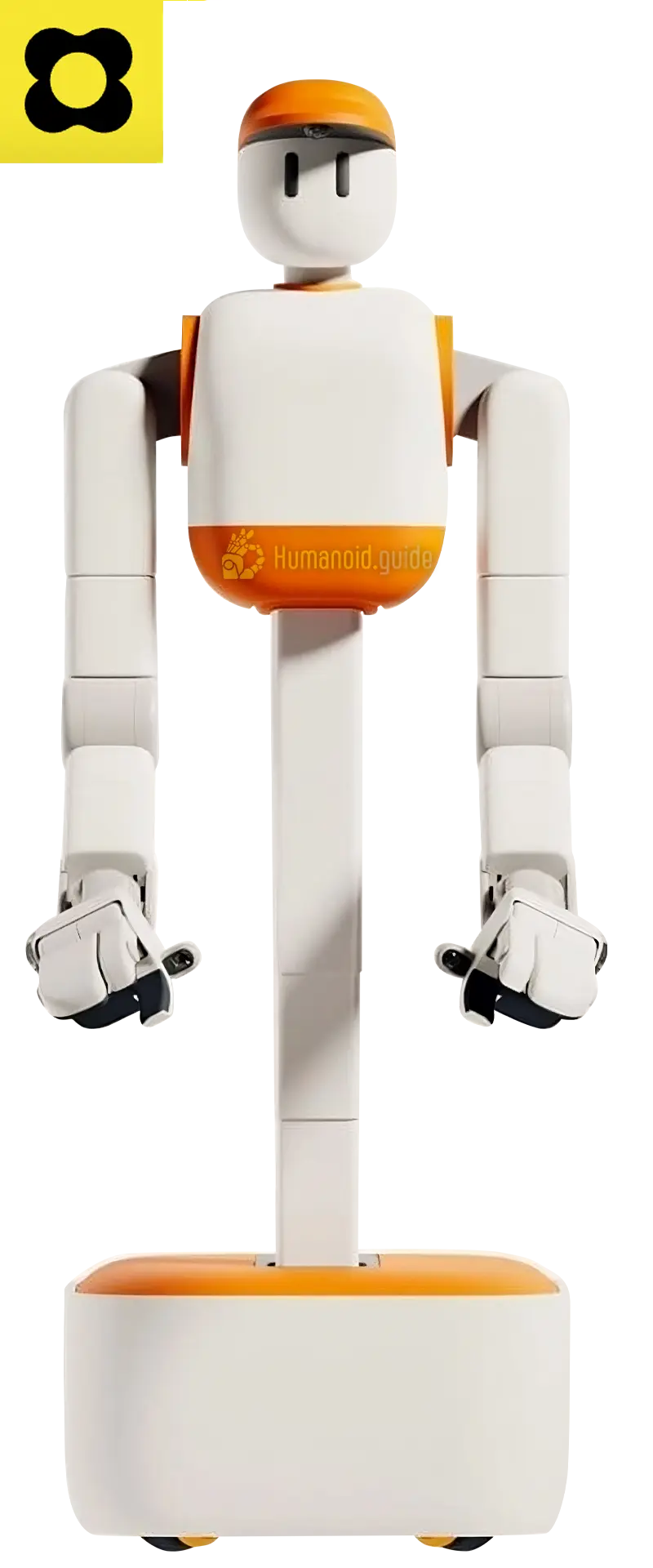
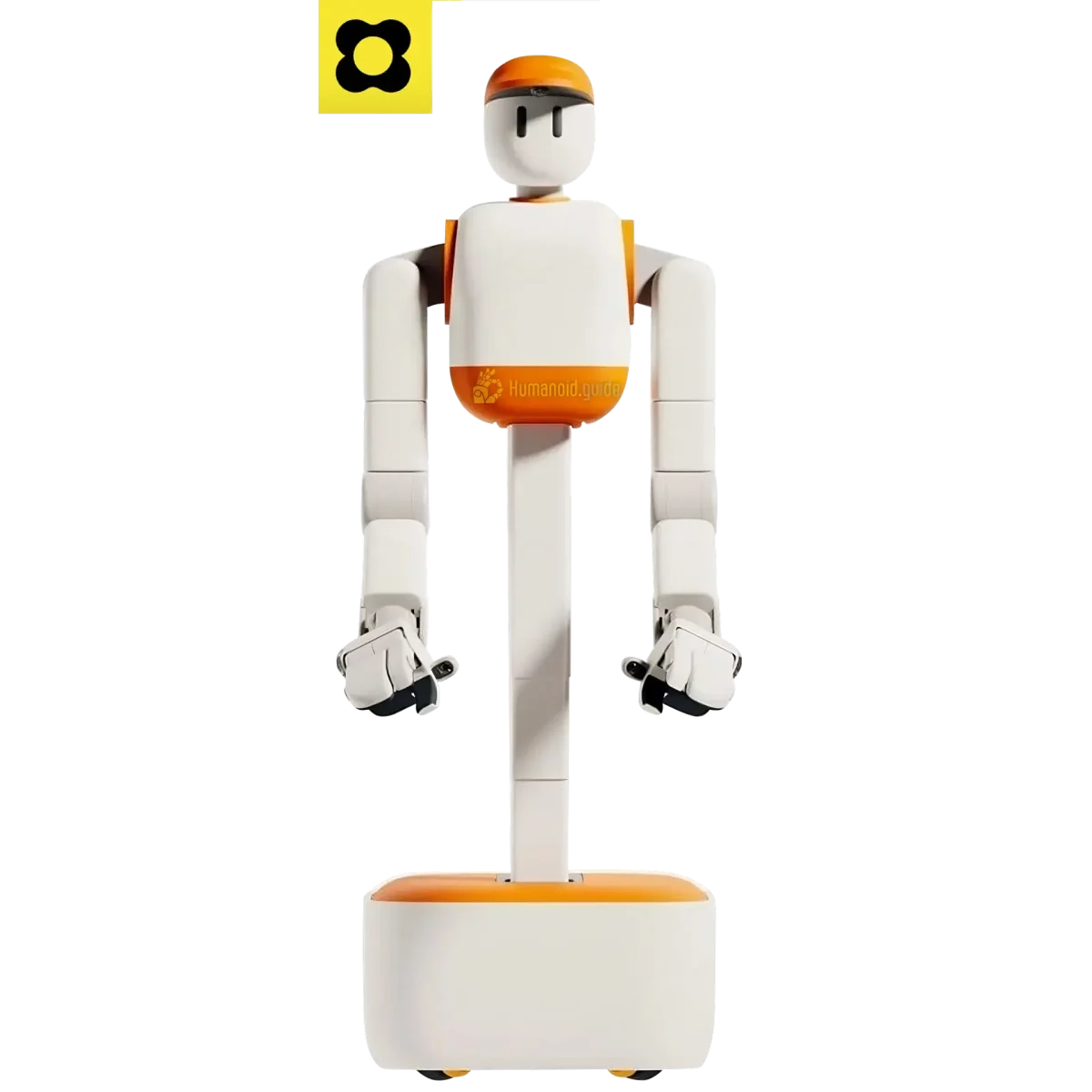
The Sunday Robotics MEMO is a prototype bipedal humanoid assistant designed for domestic chores, office support, and eventually commercial service. Developed by Seoul-based Sunday Robotics (founded 2019), the robot stands 170 cm tall, weighs 77 kg, and features 20 degrees of freedom with 4-fingered hands capable of 6 kg payload. It navigates using LIDAR and visual SLAM, walks at up to 3.6 km/h, and integrates the ACT‑1 foundation model for autonomous task planning. A 10.1‑inch chest display and soft silicone outer shell emphasize safe human interaction. While demonstrated in controlled environments, the MEMO remains in development with no confirmed release date, and conflicting reports about its target market—from home chores to office delivery—highlight its evolving design.
Specifications
Here are the full technical specifications.
| Spec | Value |
|---|---|
| Height | 170 cm |
| Weight | 77 kg |
| Degrees of freedom | 20 |
| Battery life | 4 hours |
| Max speed | 3.6 km/h |
| Payload | 6 kg |
| Price (new) | Undisclosed |
| Price (used range) | N/A |
Price & Value
New MSRP: Undisclosed (contact manufacturer)
Used range: N/A (prototype only)
As a pre‑commercial prototype, the Sunday Robotics MEMO has no official pricing. If it reaches production, a price between $10,000 and $15,000 would be plausible based on similar‑capability service robots, but this remains speculative. At that level, its bipedal mobility and ACT‑1 AI would offer a unique value proposition compared to wheeled delivery robots costing roughly the same. However, without a shipping product, buyers have no data on reliability, service costs, or software licensing fees. Until Sunday Robotics announces manufacturing plans and support infrastructure, the MEMO should be treated as a research project rather than a purchasable device, and its total cost of ownership is entirely unknown.
Who Is It For?
Best for: - Research labs exploring humanoid manipulation and navigation (20 DOF and open AI stack enable dexterous task studies) - Assistive living trials for domestic tasks (soft shell and slow speed aim for safe human interaction)
Not for: - Commercial heavy‑lift logistics (payload limited to 6 kg) - Outdoor or rough‑terrain applications (no IP rating, insufficient speed and stability for unstructured environments)
Alternatives & Comparison
While MEMO’s bipedal form is distinctive at its projected price point, several wheeled service robots already handle the indoor delivery and greeting tasks it aims to perform.
| Model | Price | Available | Key Difference |
|---|---|---|---|
| Pudu Robotics BellaBot | $15,000 | yes | Wheeled design with emotional expressions; proven in restaurants vs. MEMO’s unproven bipedal prototype |
| Bear Robotics Servi | Undisclosed | yes | Larger payload and global deployments; MEMO offers manipulation arms for door handling |
| Keenon T5 | Undisclosed | yes | General‑purpose delivery robot without arms; MEMO’s humanoid build enables direct object interaction |
Verdict: If immediate, reliable indoor delivery is your goal, the wheeled BellaBot, Servi, or T5 are available today with proven track records. For anyone needing a humanoid platform with manipulation and advanced AI—and willing to wait for production—MEMO could be a uniquely affordable bipedal alternative. Until it leaves the prototype stage, however, the established non‑humanoid robots remain the safer choice for real‑world deployments.
Use Cases & Capabilities
Home Assistance and Chores
MEMO is designed to carry out light household tasks like transporting groceries, tidying up items, and opening doors. Its 6 kg payload lets it handle typical laundry baskets or shopping bags, and the 170 cm height ensures it can reach countertops and navigate standard doorways. A soft silicone exterior and 3.6 km/h walking speed make accidental bumps less dangerous for residents. However, the 4‑hour battery limits continuous use over a full day without recharging, and its ability to handle stairs or unpredictable home layouts remains unverified.
Office Assistance
In an office environment, MEMO could deliver documents, coffee, or small packages while operating doors and elevators with its manipulators. LIDAR‑based navigation with visual SLAM allows it to map and remap dynamic office layouts, and the 10.1‑inch display can show meeting schedules or company announcements. The anthropomorphic design may improve co‑worker acceptance, but the robot’s 6 kg payload is insufficient for heavy parcels, and frequent charging stops could disrupt workflow in large office suites.
Research and Development
MEMO’s 20 degrees of freedom and ACT‑1 foundation model make it an appealing platform for academic and corporate robotics labs. Researchers can test dexterous manipulation with its 4‑fingered hands (3 DOF in fingers) and advance bipedal locomotion algorithms on real hardware. Onboard GPU‑accelerated compute likely supports real‑time policy inference, and the Linux‑based OS (disclosed) simplifies custom software integration. Yet as a prototype, hardware consistency, spares availability, and long‑term manufacturer support are uncertain.
Commercial Service (Future)
Sunday Robotics envisions MEMO eventually serving in restaurants, cafes, hotels, and retail—performing food delivery, table bussing, and customer interaction. Its humanoid form could become a marketing differentiator, drawing attention in crowded commercial spaces. The robot already holds KC certification and likely CE, indicating a path toward public‑use compliance. Nevertheless, achieving the reliability needed for high‑traffic settings, along with regulatory approval for bipedal robots in public areas, are significant hurdles that have yet to be cleared.
History & Background
Sunday Robotics was founded in 2019 and is headquartered in Seoul, South Korea. The MEMO robot was first revealed in 2020 as a prototype targeting domestic and office assistance. Demonstration videos on YouTube and Korean tech blogs from 2020–2022 showed the robot walking smoothly, opening doors, and manipulating objects using its 4‑fingered hands. The platform gained attention for its ACT‑1 foundation model, which enables autonomous task planning without explicit programming. Only one generation of MEMO has been shown so far. Conflicting reports have placed the company’s operations in the United States and Spain, but authoritative sources consistently point to Seoul as the primary location, with a website at sundayrobotics.com. As of 2026, MEMO remains a pre‑commercial prototype; no mass production or official pricing has been announced, and the company has not publicly integrated its AI with large language models.
Buying Used — What to Check
Manufacturer support and warranty As a prototype, any used unit would come without certified after‑sales support—critical for a platform with complex joints and proprietary AI.
Battery health and charging cycles The sealed 4‑hour battery degrades over time; a second‑hand MEMO may deliver significantly less runtime if heavily demoed.
Software stack version ACT‑1 and the underlying OS might not be upgradeable; ensure the robot runs the latest available firmware and that API documentation is included.