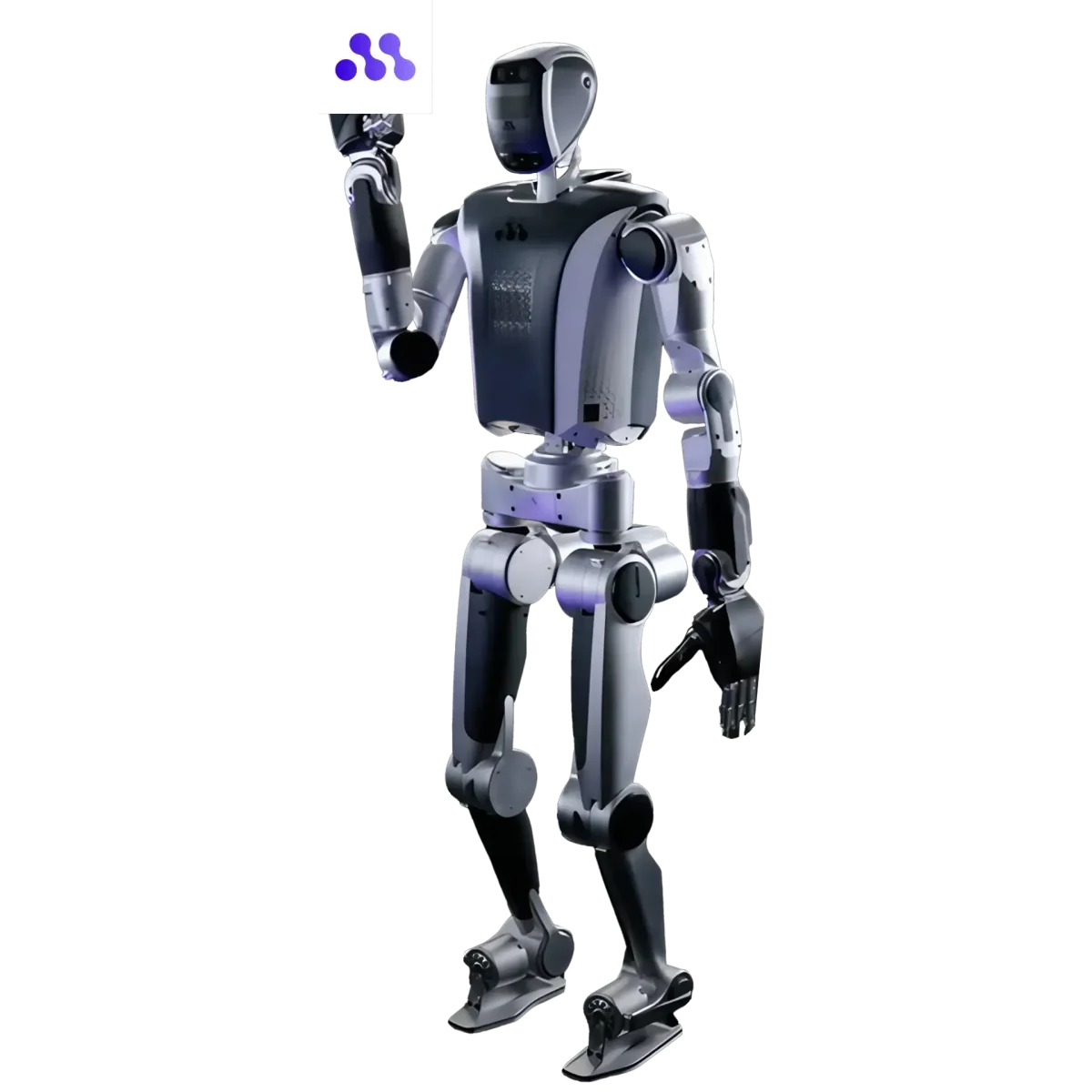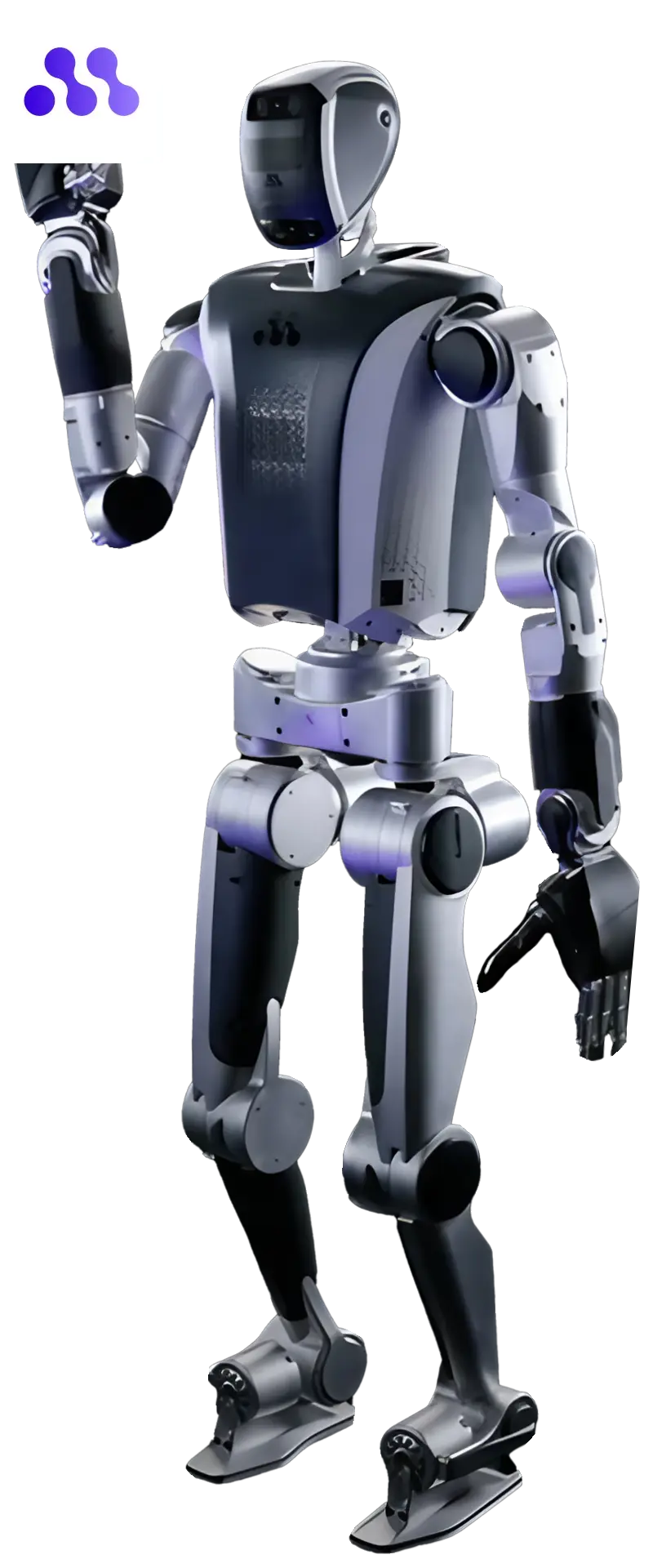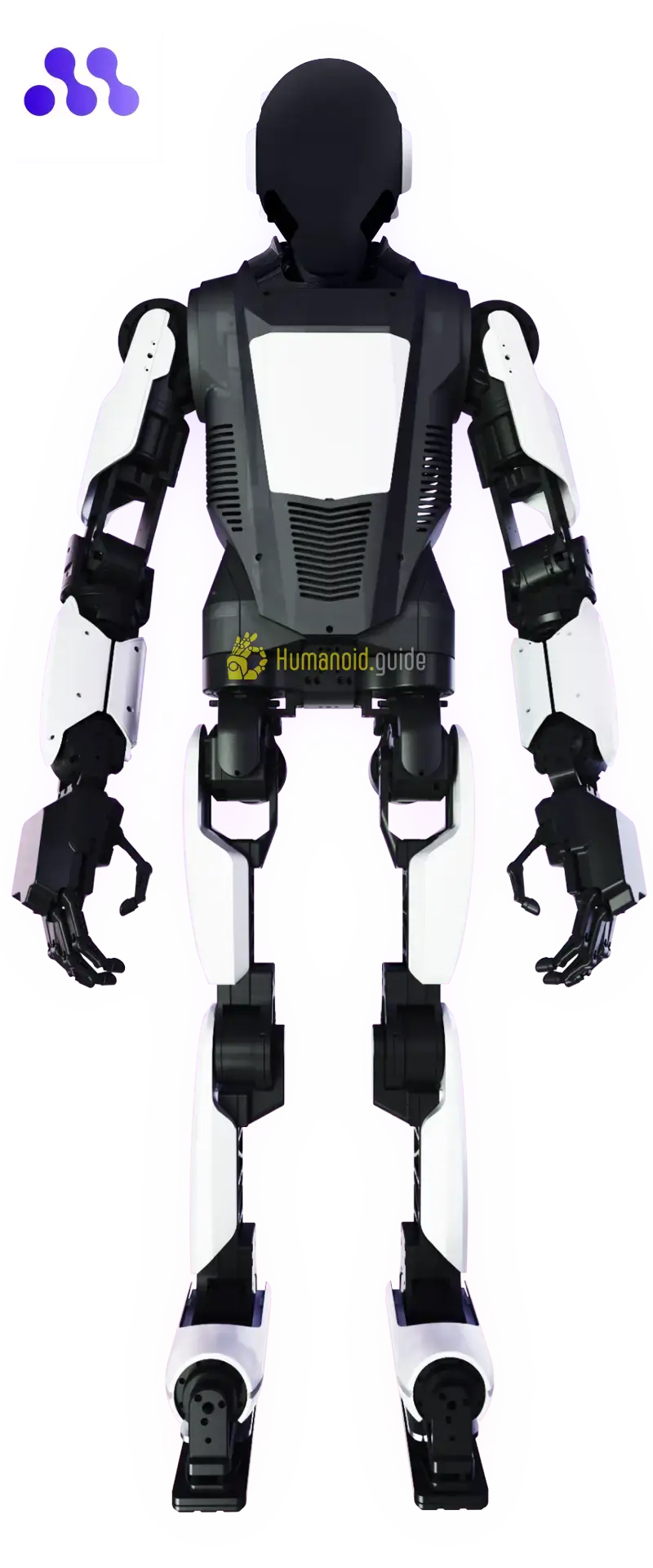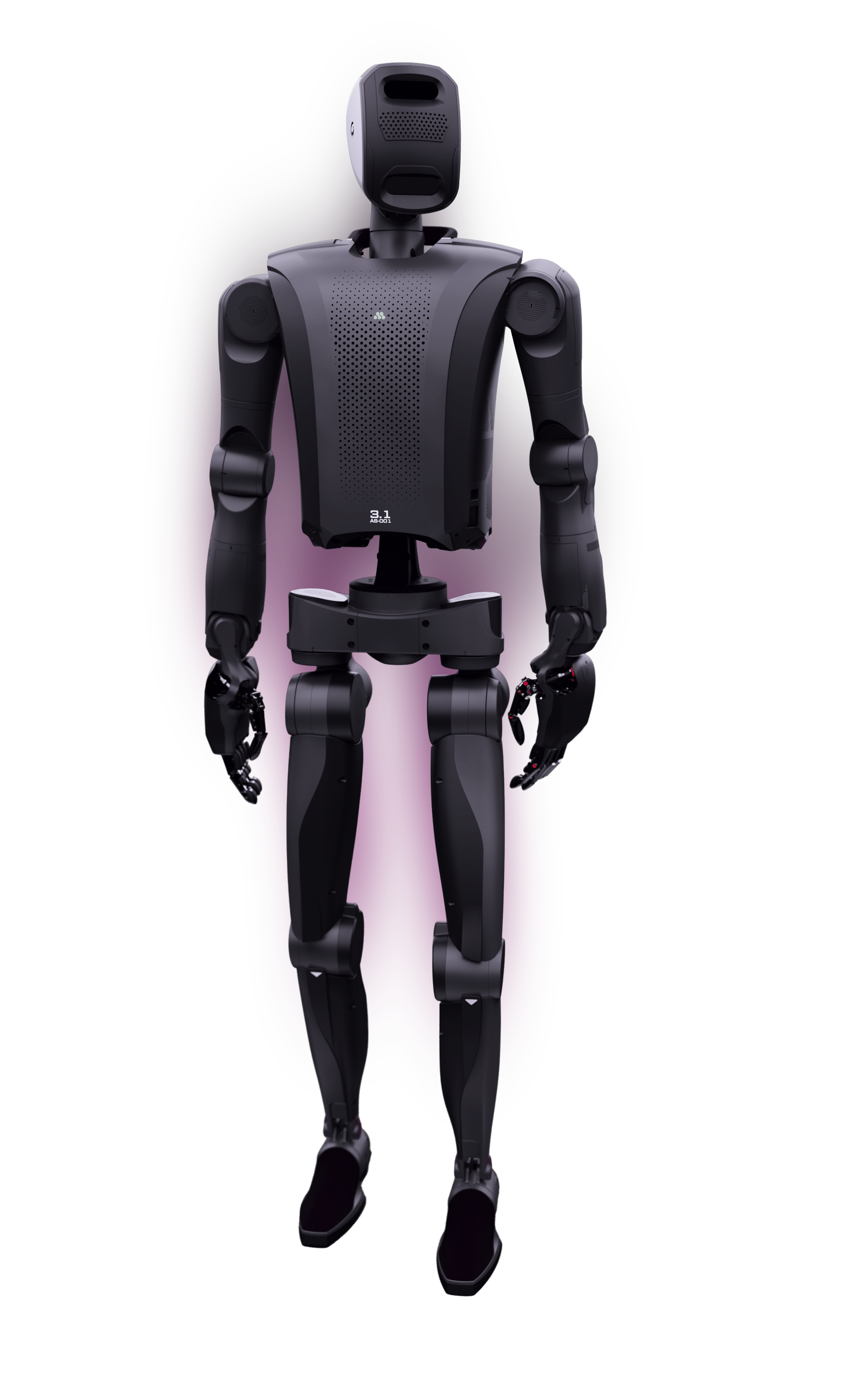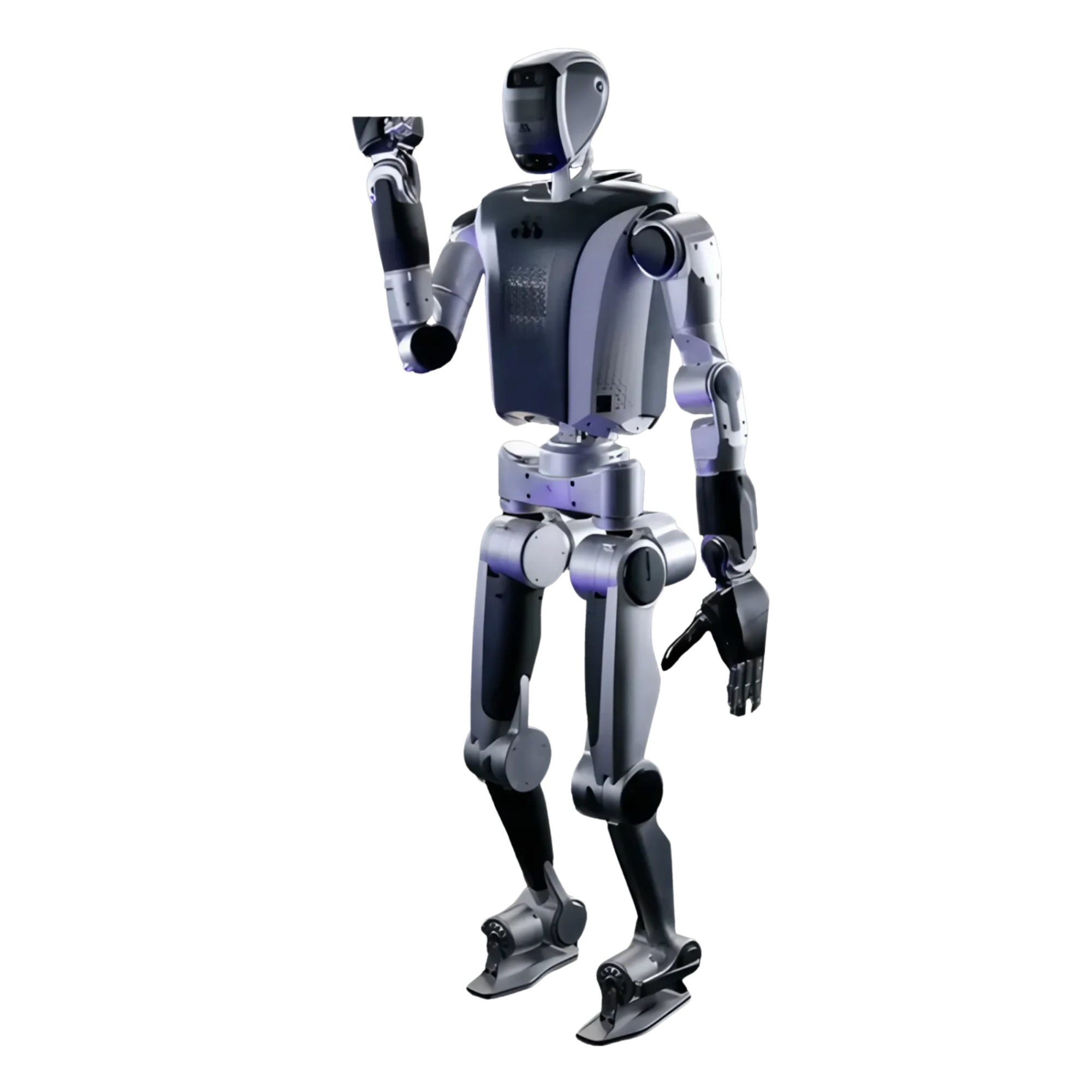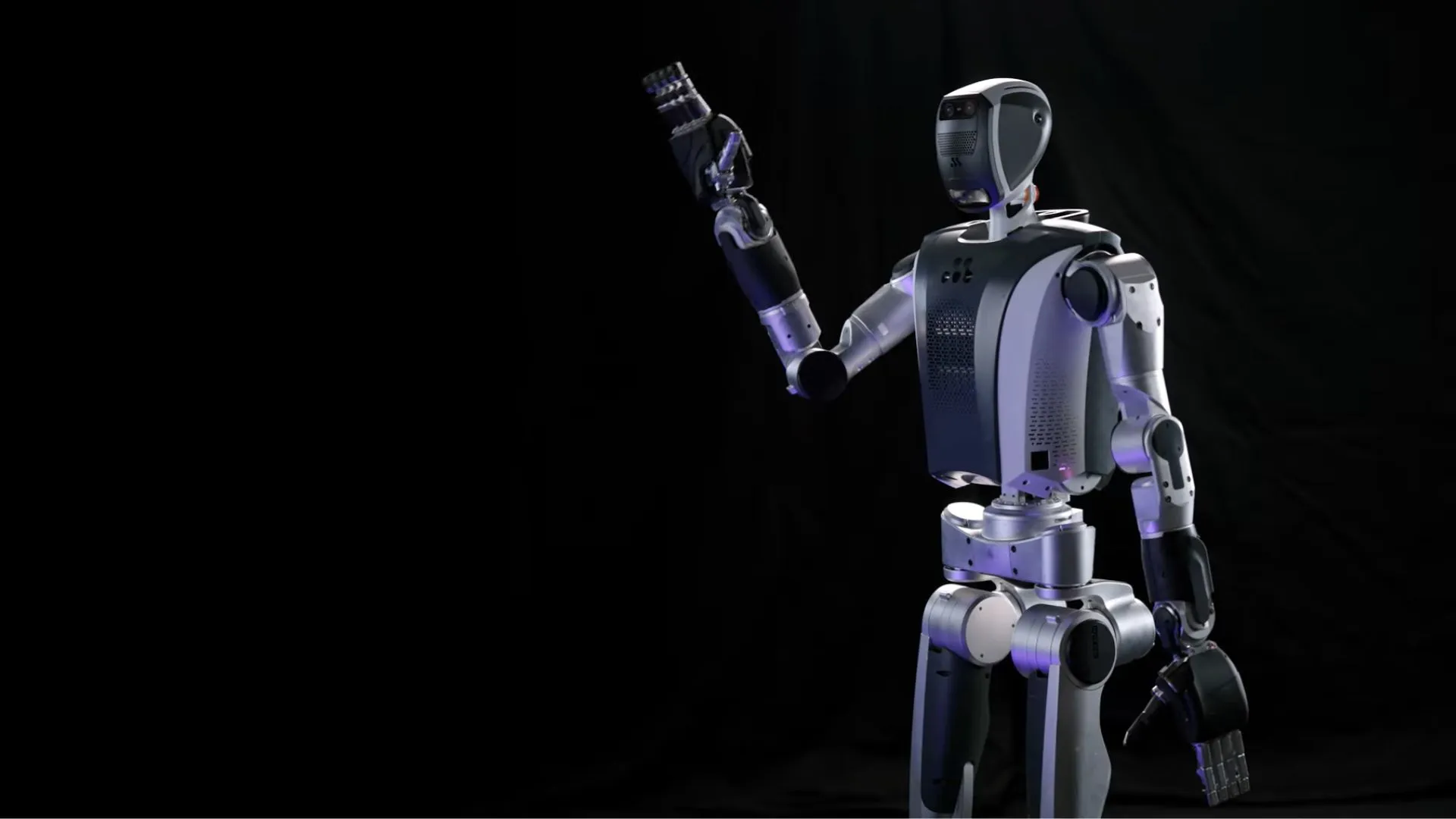
What is the Mentee Robotics Menteebot?
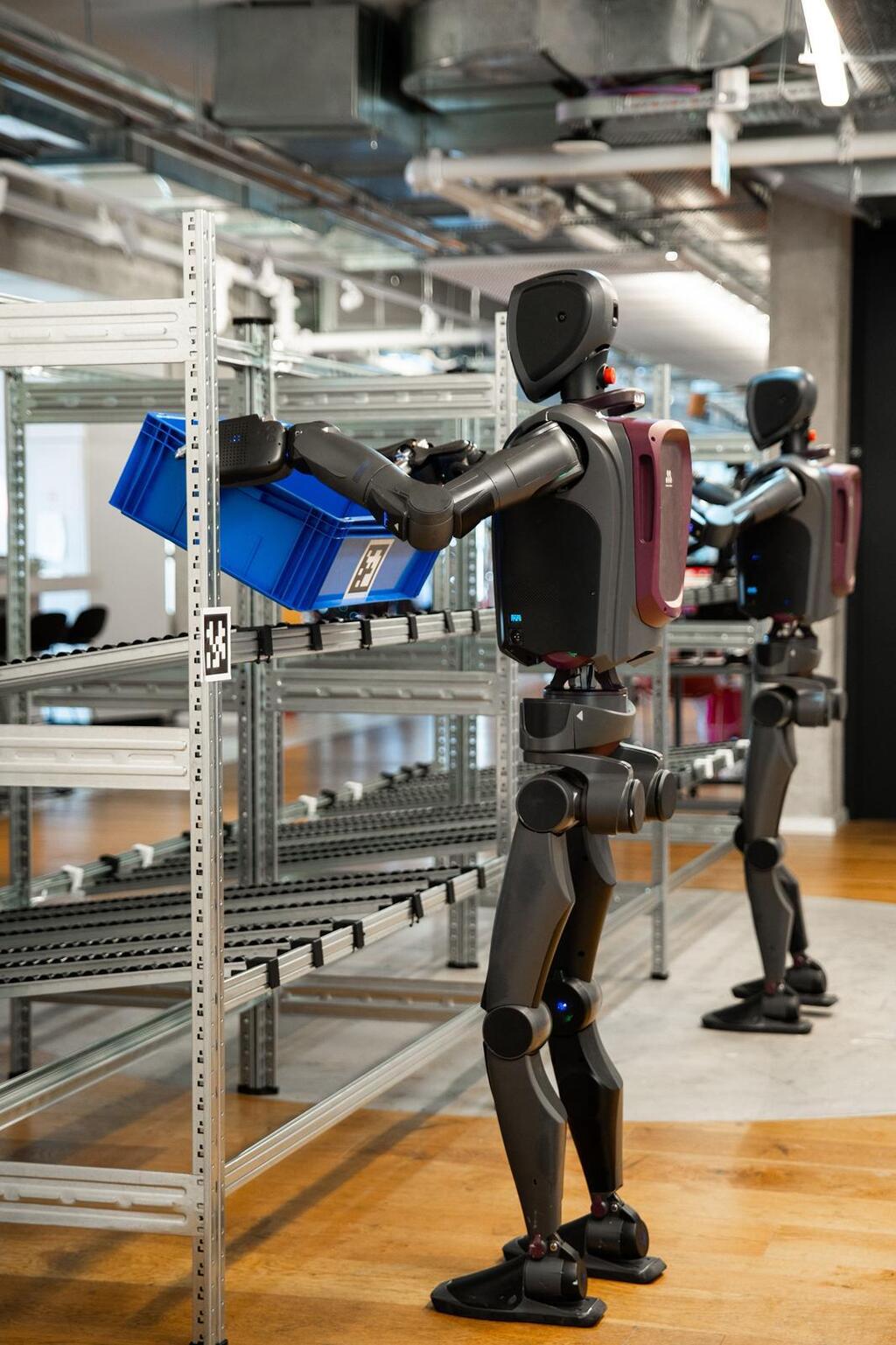
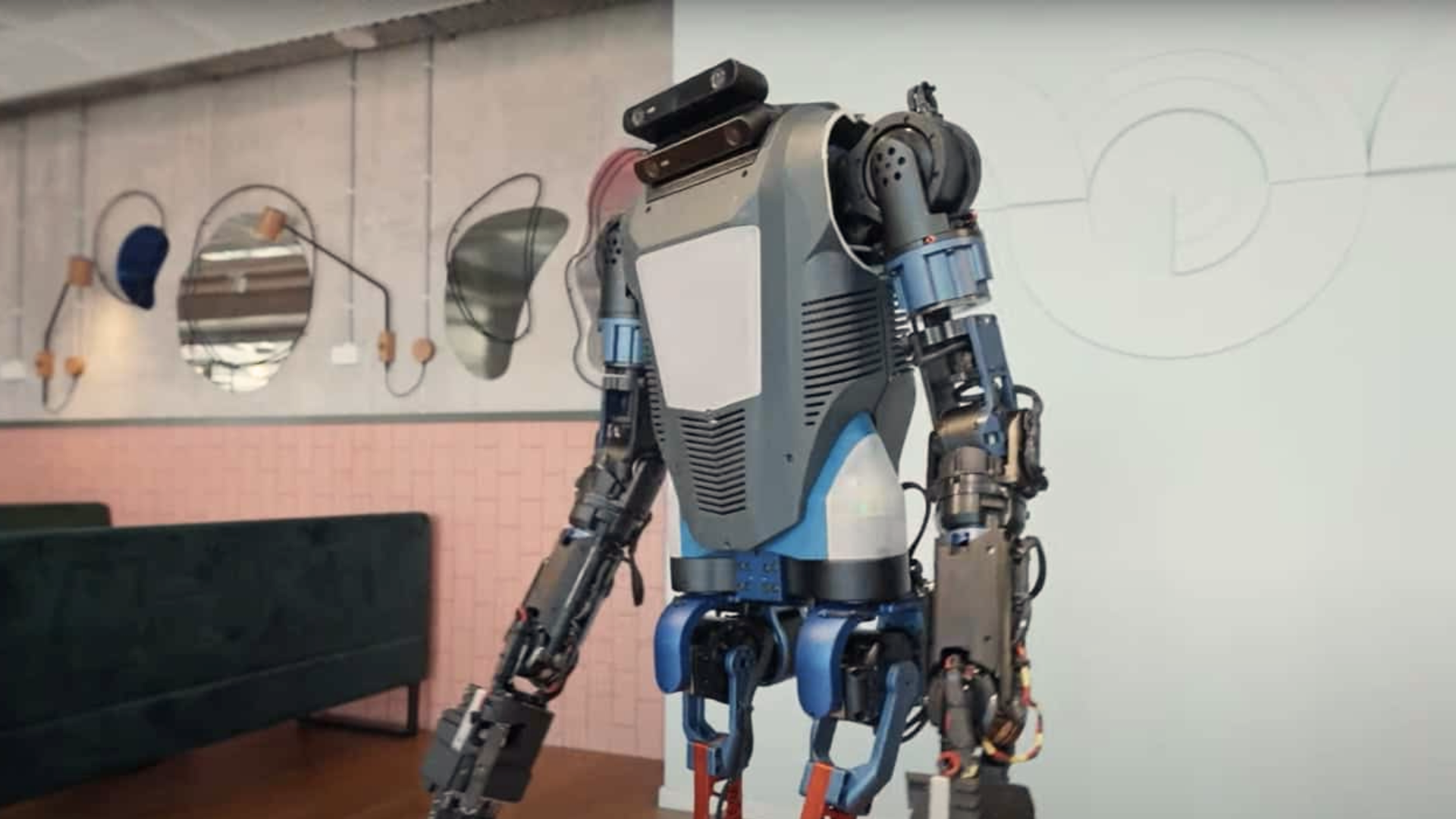
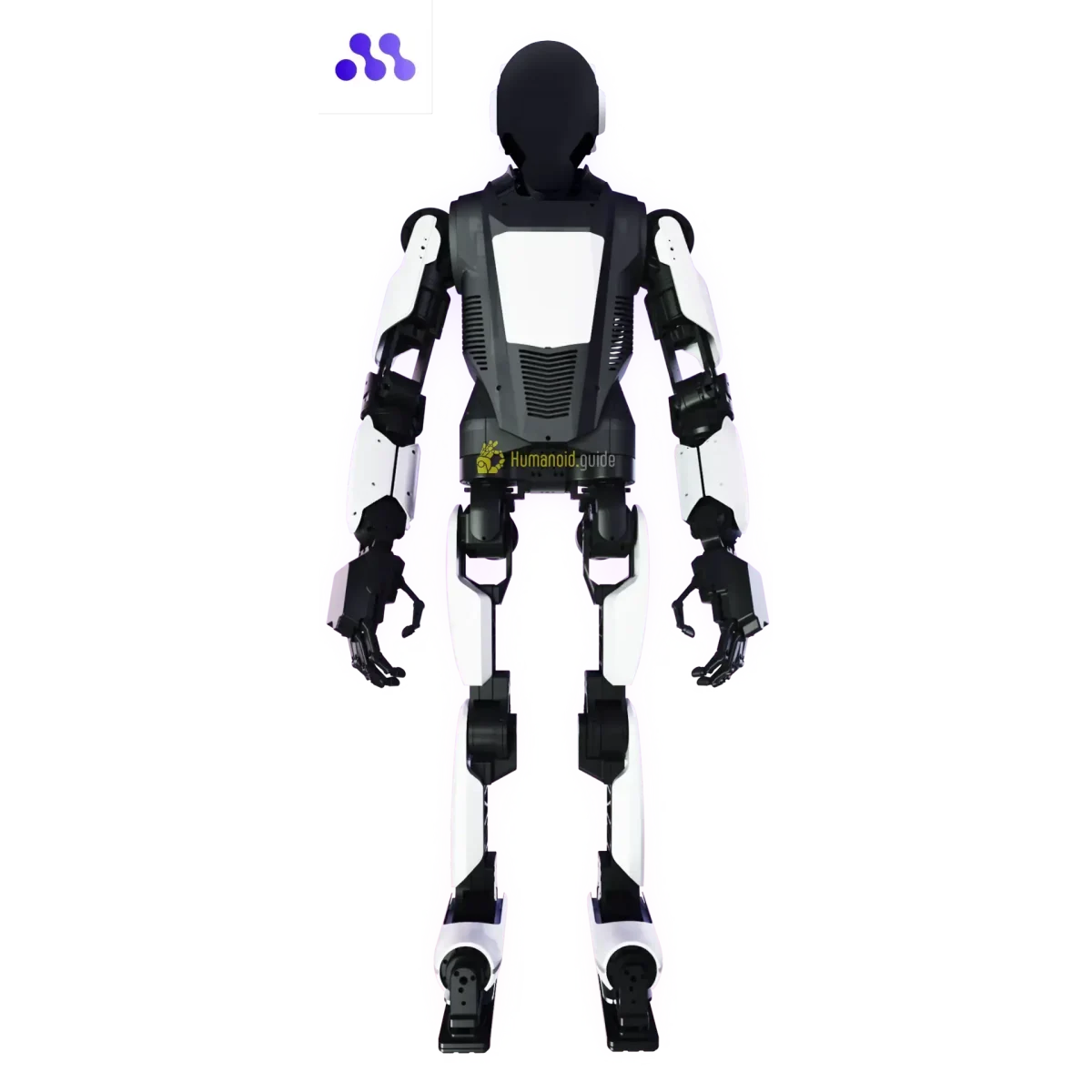
The Mentee Robotics MenteeBot is an AI-powered, general-purpose bipedal humanoid robot designed for both household assistance and industrial automation. Developed by Mentee Robotics, an Israeli startup founded in 2022, the robot stands 175 cm tall and weighs 70 kg, with 40 degrees of freedom enabling dexterous whole-body motion. It leverages Sim2Real-trained locomotion and large language models for task planning, aiming to operate seamlessly in human environments. The current V3 prototype, unveiled in 2025, features hot-swappable batteries for 24/7 operation, a 25 kg total payload capacity, and 4-hour battery runtime per charge. Still in development, the MenteeBot is not yet commercially available.
Specifications
Here are the full technical specifications.
| Spec | Value |
|---|---|
| Height | 175 cm |
| Weight | 70 kg |
| Degrees of freedom | 40 |
| Battery life | 4 hours |
| Max speed | 3 km/h |
| Payload | 25 kg |
| Price (new) | Undisclosed (contact manufacturer) |
| Price (used range) | N/A |
Price & Value
New MSRP: Undisclosed (contact manufacturer)
Used range: N/A
Mentee Robotics has not disclosed official pricing for the MenteeBot, as it remains a pre-commercial prototype. However, early reports suggested a possible price point around $35,000 for a consumer version, though this has not been confirmed by the manufacturer. Given its 25 kg payload, 40 DOF, and hot-swappable battery system, the MenteeBot would compete in the mid-range humanoid sector, potentially undercutting systems like the Digit (priced at ~$150,000) if priced aggressively. Until commercial release, total cost of ownership—including maintenance, training, and software licensing—is speculative. Prospective buyers should contact Mentee Robotics directly for pilot program opportunities and pricing quotes. If Mentee Robotics eventually commercializes the platform, resale values will depend heavily on the installed base and ongoing software support.
Who Is It For?
Best for: - Research labs exploring AI-driven whole-body control and imitation learning - Early industrial pilot programs needing versatile manipulation in semi-structured environments - Home automation enthusiasts interested in cutting-edge robotic assistants (once commercially available)
Not for: - High-speed logistics or heavy payload tasks (max speed 3 km/h, payload 25 kg total is not suitable for warehouse material handling at scale) - Budget-constrained organizations (pricing undisclosed but likely substantial given the technology) - Deployment without skilled engineering support (prototype requires significant integration and teleoperation setup)
Alternatives & Comparison
As a prototype humanoid for home and industry, the MenteeBot faces established and emerging competitors in the general-purpose robotics space. Below we compare it to Tesla Optimus, Figure 01, and Digit—three alternatives with overlapping use cases.
| Model | Price | Available | Key Difference |
|---|---|---|---|
| Tesla Optimus | Undisclosed | preorder | AI-driven whole-body control using Tesla's full self-driving stack, still in early testing phase |
| Figure 01 | Undisclosed | preorder | General-purpose with dexterous hands, commercial partnerships with major manufacturers |
| Digit | ~$150,000 | yes | Legged logistics specialist, more mature platform with real deployments in warehouses |
Verdict: The MenteeBot's dual-target design (home + industry) and AI-based learning approach offer a unique value proposition, but its lack of commercial availability and unverified real-world performance put it behind more mature competitors like Digit. For immediate industrial deployment, Digit remains the safer bet; for cutting-edge AI research, MenteeBot and Tesla Optimus are compelling options, but buyers should plan for a long development timeline.
Use Cases & Capabilities
Household Assistance
The MenteeBot is designed to perform everyday household tasks such as tidying up, fetching objects, and simple meal preparation. Its 175 cm human-scale height and 25 kg payload allow it to operate standard appliances, open doors, and manipulate household items with its dexterous arms. The robot’s AI-driven planning, enabled by large language models, interprets natural language commands, making it accessible to non-technical users. However, due to its prototype status, practical home deployments are not yet possible, and safety certification for human coexistence remains unconfirmed. Once fully developed, the MenteeBot could serve as a robotic butler in smart homes.
Industrial Automation
In industrial settings, the MenteeBot targets sorting, assembly, and material handling tasks that require flexibility beyond fixed automation. With 40 degrees of freedom and whole-body control, it can adapt to changing production lines, pick and place diverse items, and assist with kitting or packaging. Its hot-swappable batteries support continuous 24/7 operation in pilot factories, minimizing downtime. The robot’s imitation learning capabilities allow it to quickly learn new tasks from human demonstrations, reducing reprogramming costs. The robot’s 175 cm stature and bipedal mobility allow it to navigate factory floors with stairs and uneven terrain, offering flexibility that wheeled robots lack. However, for heavy-duty logistics with payloads over 25 kg, other platforms like Digit or custom industrial arms may be better suited.
Research and Development
Academic and corporate R&D labs will find the MenteeBot a valuable platform for advancing embodied AI, whole-body control algorithms, and human-robot interaction. Its integration of Sim2Real-trained locomotion and LLMs offers a rich environment for benchmarking real-world robot learning. The open-ended API and teleoperation interface (if provided) allow researchers to collect large-scale demonstration data. As of 2026, Mentee Robotics has not disclosed formal academic pricing or SDK availability, but researchers should contact the company for potential collaboration. Until then, platforms like Digit or the open-source TALOS provide more established research ecosystems.
History & Background
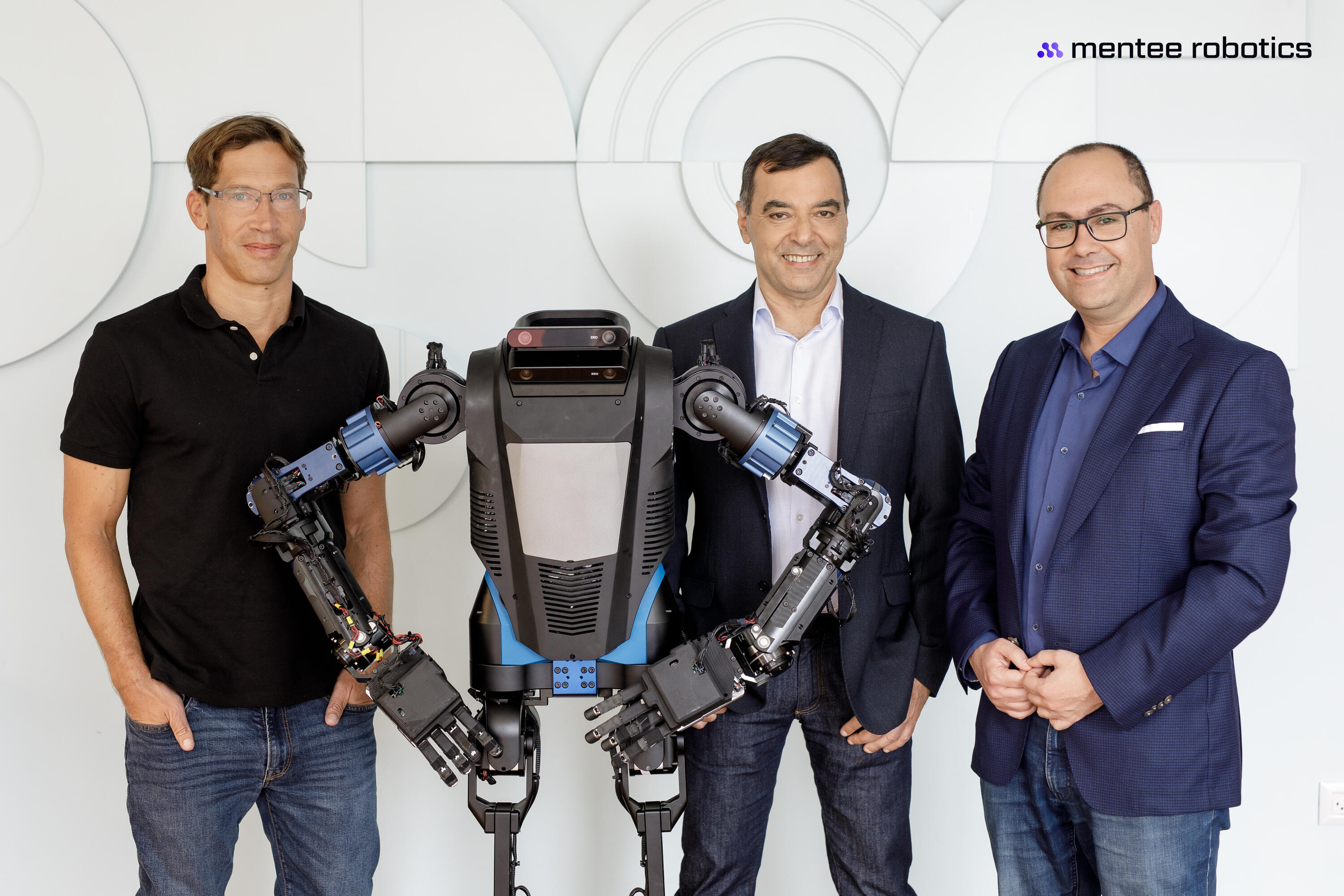
Mentee Robotics was founded in 2022 in Israel by a team of AI and robotics experts, though specific founders and headquarters remain undisclosed. The company emerged from stealth with the announcement of the MenteeBot, a general-purpose humanoid designed for both home and industry. Early prototypes appeared in 2023, featuring 40 DOF and basic locomotion. By 2025, the V3 iteration was unveiled, introducing enhanced whole-body control, hot-swappable batteries, and a 25 kg total payload capacity. The robot’s unique selling point is its end-to-end AI pipeline that combines imitation learning from human teleoperation with large language models for task planning. As of 2026, the MenteeBot remains in active development, with no confirmed release date or commercial orders.
Buying Used — What to Check
Verify payload rating Payload and battery endurance claims from manufacturer may differ from real-world performance; ensure the robot meets your application's weight requirements.
Check software support AI-based systems require ongoing updates and cloud connectivity; confirm availability of SDK and long-term support.
Inspect hot-swappable battery system 24/7 operation depends on battery swap ergonomics and spare battery cost; verify power management reliability.