What is the Nasa Robonaut?
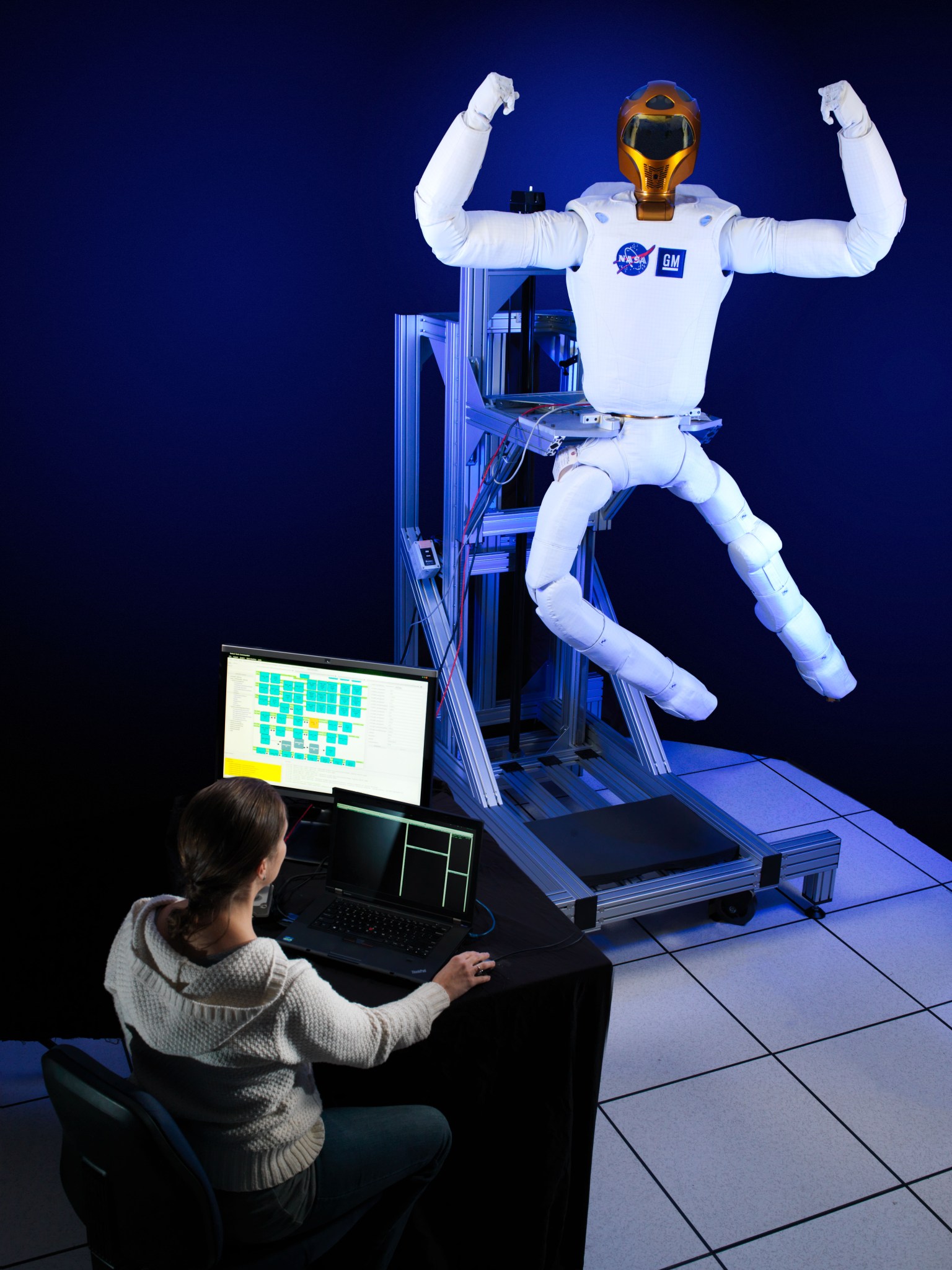
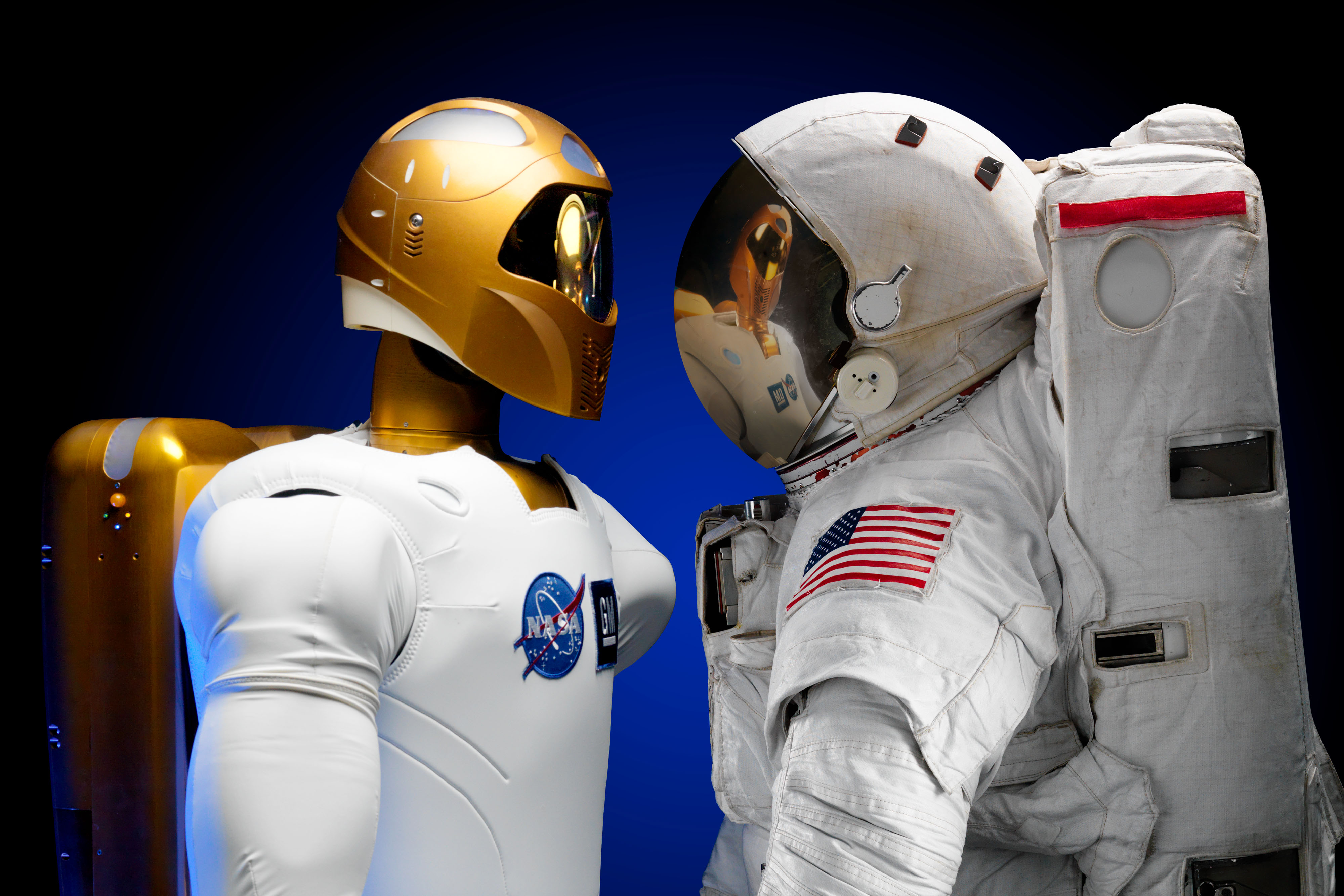
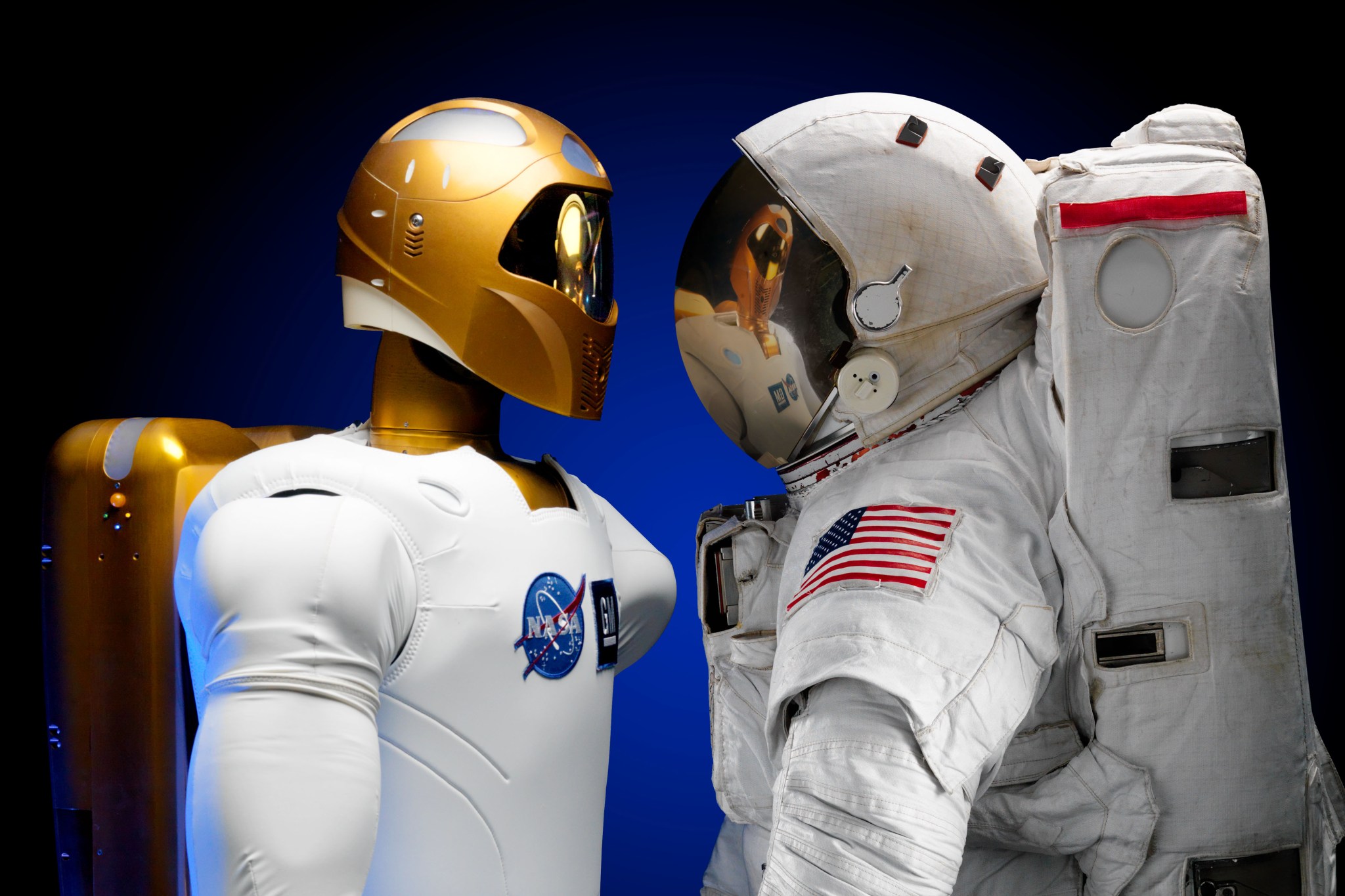
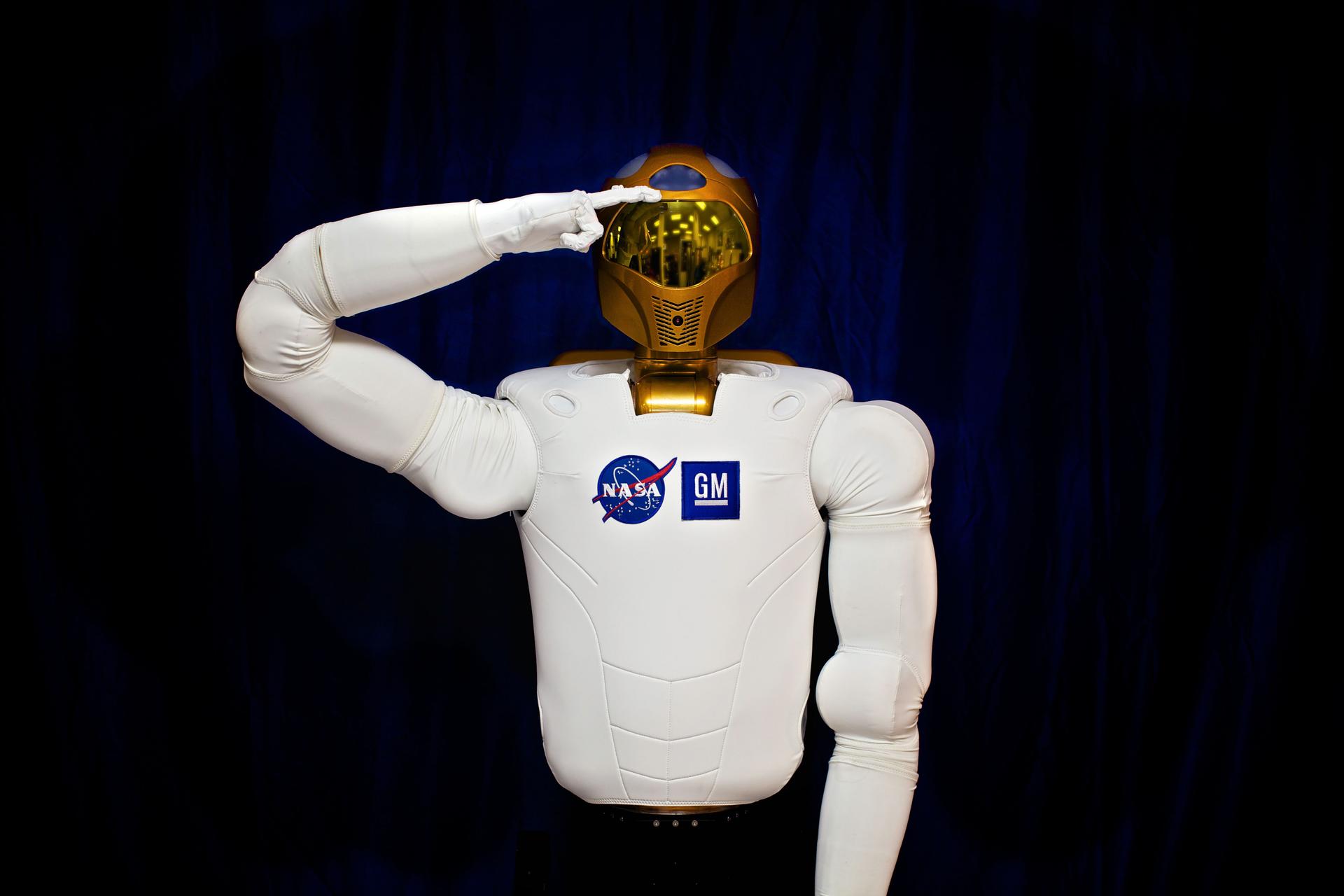
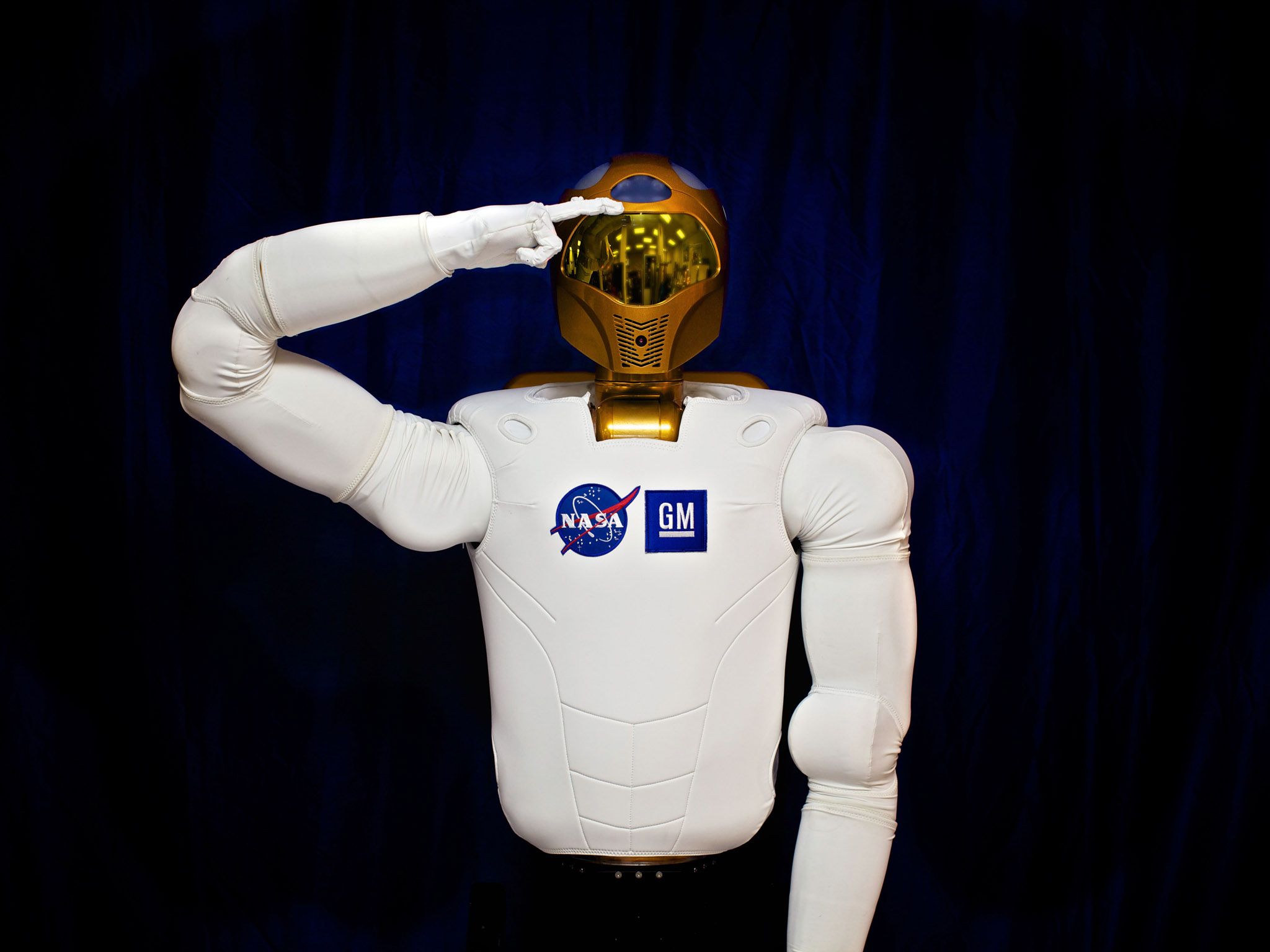
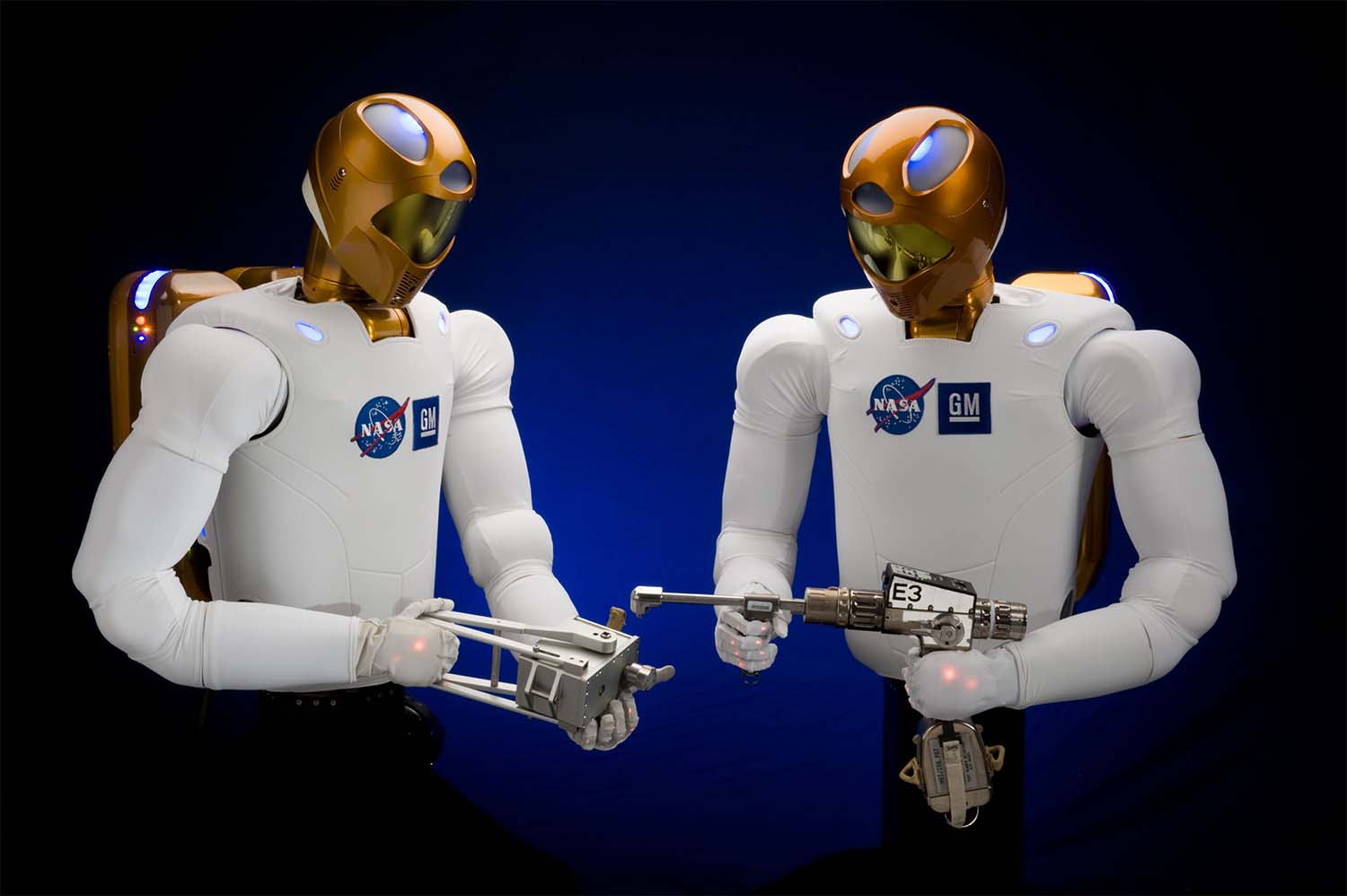
NASA Robonaut is a humanoid upper torso robot developed by NASA at the Johnson Space Center in Houston, Texas. Designed for space station maintenance and astronaut assistance, it features dexterous five-fingered hands with 12 degrees of freedom each and series elastic actuators for safe human interaction. The robot was co-developed with General Motors and launched to the International Space Station in 2011. Robonaut 2 (R2) is the primary variant, optionally equipped with legs for intra-station mobility. It is a research platform — never sold commercially — serving as a testbed for teleoperation, autonomous manipulation, and human-robot collaboration in microgravity. Its onboard sensors include stereo and infrared cameras, force/torque sensors, and tactile skin.
Specifications
Here are the full technical specifications.
| Spec | Value |
|---|---|
| Height | 1,016 mm (torso) |
| Weight | 150 kg |
| Degrees of freedom | 54 |
| Battery life | Not published |
| Max speed | 7.2 km/h |
| Payload | 9 kg per arm (18 kg total) |
| Price (new) | Undisclosed (research platform) |
| Price (used range) | N/A (never sold) |
Price & Value
New MSRP: Undisclosed
Used range: N/A
NASA Robonaut has never been sold commercially; it is a government-funded research platform with no public price point. Development costs, estimated at over $150 million, were shared between NASA and General Motors. Since all units remain NASA property, there is no used market and therefore no depreciation curve. For institutions seeking similar dexterity, a comparable commercial system — combining a high-DOF arm, a five-fingered hand, and spaceflight qualification — would likely exceed $500,000 if it existed, but no such integrated product is on the market. The only pathway for outside organizations is to license related NASA patents or collaborate directly. In cost-of-ownership terms, the primary expense for NASA is ongoing R&D, not capital outlay.
Who Is It For?
Best for: - Space agencies and research institutions developing human-robot collaboration in microgravity - Universities studying advanced teleoperation and dexterous manipulation - Aerospace engineers validating dexterous hand designs for extraterrestrial missions
Not for: - Commercial enterprises seeking to deploy a humanoid robot (not for sale) - Factories or warehouses requiring high-speed picking (slow movement, 9 kg payload) - Disaster response teams needing rugged outdoor mobility (untethered duration extremely limited)
Alternatives & Comparison
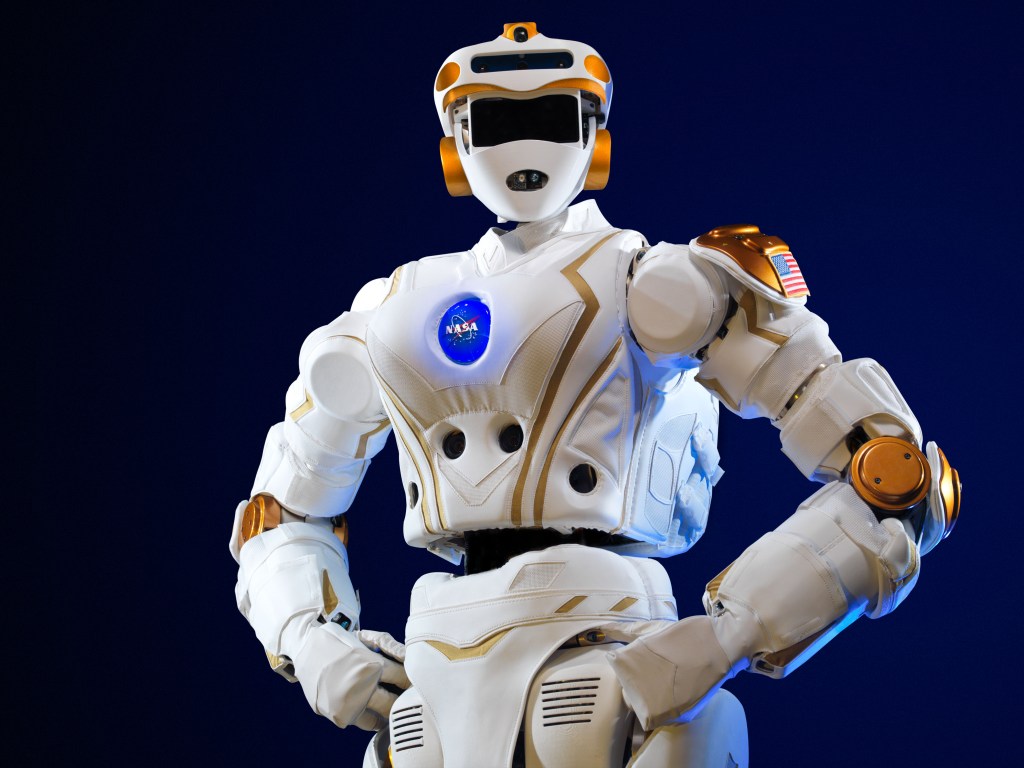
Robonaut is one of three prominent space humanoid research platforms; the other two are NASA’s own Valkyrie (R5) and the German Aerospace Center’s DLR Justin. None are commercial products, but they represent the state of the art in space robotics.
| Model | Price | Available | Key Difference |
|---|---|---|---|
| NASA Valkyrie (R5) | Undisclosed | no | Full bipedal humanoid for Mars and disaster response, more rugged |
| DLR Justin | Undisclosed | no | Wheeled space humanoid with highly dexterous four-finger hands |
Verdict: For intra-vehicular activities aboard the ISS, Robonaut’s human-like torso and heritage give it the edge in familiarity and tested safety. For planetary or disaster environments where legs are essential, Valkyrie is the clear choice. DLR Justin’s wheeled, lightweight design suits terrestrial telepresence research better. None of these robots can be purchased; collaboration with the respective agencies is the only way to work with them.
Use Cases & Capabilities
ISS Maintenance and Repair
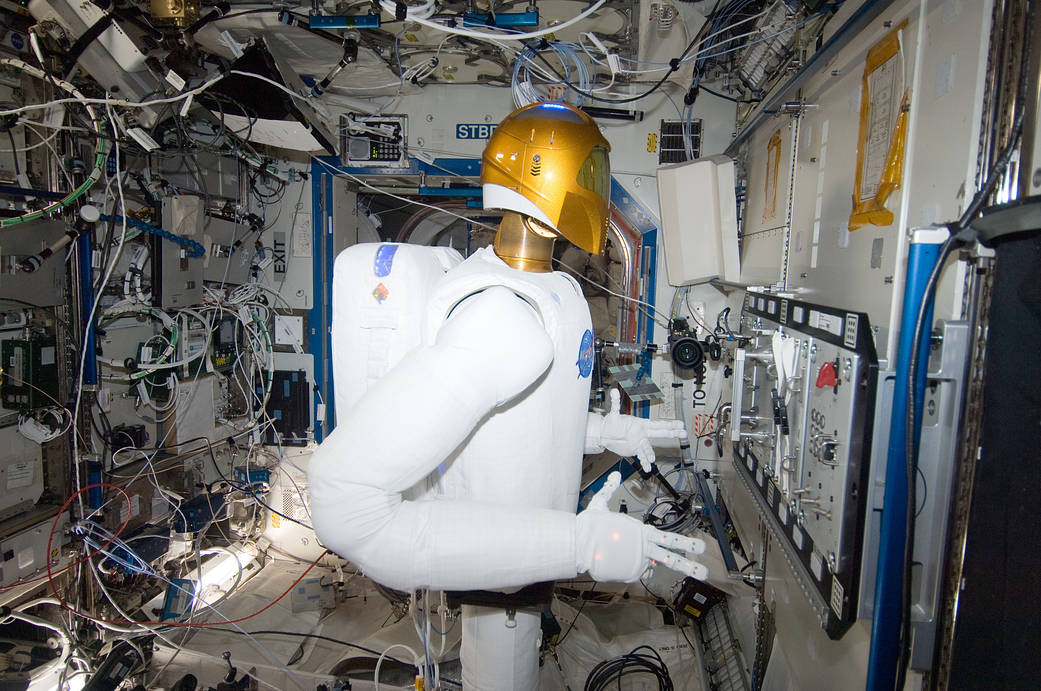
Robonaut 2 was designed to handle mundane but necessary maintenance tasks aboard the International Space Station, such as cleaning handrails, switching valves, and inspecting equipment. Its two dexterous hands and vision system enable it to manipulate tools and components without constant human guidance. Because it operates in microgravity, it does not need a heavy base, but its 150 kg mass still requires careful mounting. The robot’s movement speed is intentionally slow to avoid collisions, and tasks that take an astronaut minutes can take Robonaut much longer. This use case demonstrated that humanoids can reduce astronaut workload, but also highlighted the need for faster autonomy.
Teleoperation Research
Robonaut serves as a high-fidelity testbed for teleoperation from ground control or an on-board astronaut cockpit. Researchers link its 54 DOF to haptic gloves and VR headsets, allowing precise remote manipulation while studying latency effects. The robot’s five-fingered hands and force sensors provide realistic feedback, making it ideal for experiments on complex tasks like plugging connectors or opening panels. These studies inform the design of future space robots that will service satellites or assemble structures in deep space. However, the teleoperation experience is challenging because the operator must adapt to the robot’s slower dynamics and limited wrist range.
Astronaut Assistance
In the cramped quarters of a spacecraft, Robonaut can pass tools, hold objects steady, or conduct inventory checks, freeing up astronaut time for more critical activities. Its series elastic actuators ensure it can physically interact with crew members without causing injury. The robot’s ability to recognize and grasp a variety of objects was demonstrated in ISS tests, though it remains semi-autonomous and often requires a human to supervise or initiate actions. Heat generation from its electronics and motors must be managed within the station’s thermal control system. Despite these constraints, it showed that a humanoid could be a functional crewmate rather than just a manipulator arm.
Dexterous Hand Development
Robonaut’s hands, each with 5 fingers and 12 degrees of freedom, have become a benchmark for space-compatible dexterous end-effectors. Engineers use the platform to evaluate tendon-driven actuation, tactile sensor arrays, and grasp planning algorithms under microgravity and vacuum conditions. The hands can exert a ~2.3 kg pinch force per finger, allowing delicate handling of flexible materials like fabrics or wires. Research on Robonaut has led to patents now used in industrial grippers and prosthetics. The main limitation is the hand's complexity: maintenance and calibration are labor-intensive, which would be prohibitive in commercial applications.
History & Background
NASA’s humanoid robotics efforts began in 1997 at the Johnson Space Center with the Dexterous Robotics Lab. The first prototype, Robonaut 1 (R1), was completed in 2000, featuring a human-scale torso and two arms for ground testing. In 2007, NASA partnered with General Motors to develop Robonaut 2 (R2), which incorporated faster joints (4× speed increase) and advanced sensing. R2 was unveiled in 2010 and flew to the ISS aboard Space Shuttle Discovery in February 2011. It demonstrated tasks like flipping switches and shaking hands. A leg module was later built for climbing inside the station. In 2015, R2 suffered a power fault in orbit; after unsuccessful remote repair, it was returned to Earth in 2018. As of 2026, the Robonaut project has transitioned to ground-based testbeds supporting the development of Valkyrie (R5) and future space humanoids.
Buying Used — What to Check
Verify NASA property status All units are NASA assets; unauthorized sale is impossible. If a unit is offered, demand documentation proving legal transfer.
Inspect hand and actuator condition Robonaut hands are complex with 12 DOF each; missing fingers or worn tendons are common in research hardware.
Confirm availability of power backpack Untethered operation requires the custom battery backpack, which may not be included with a used unit.