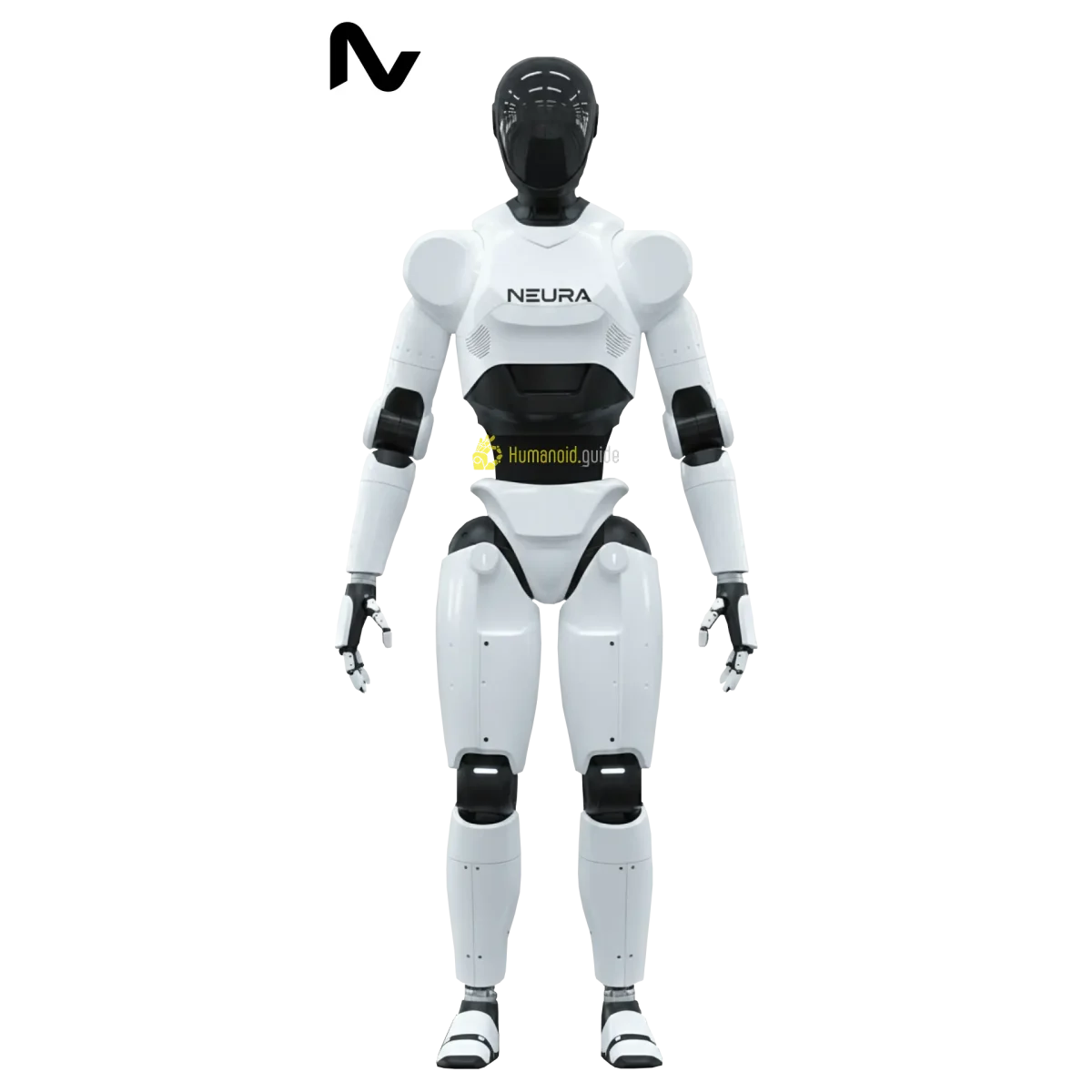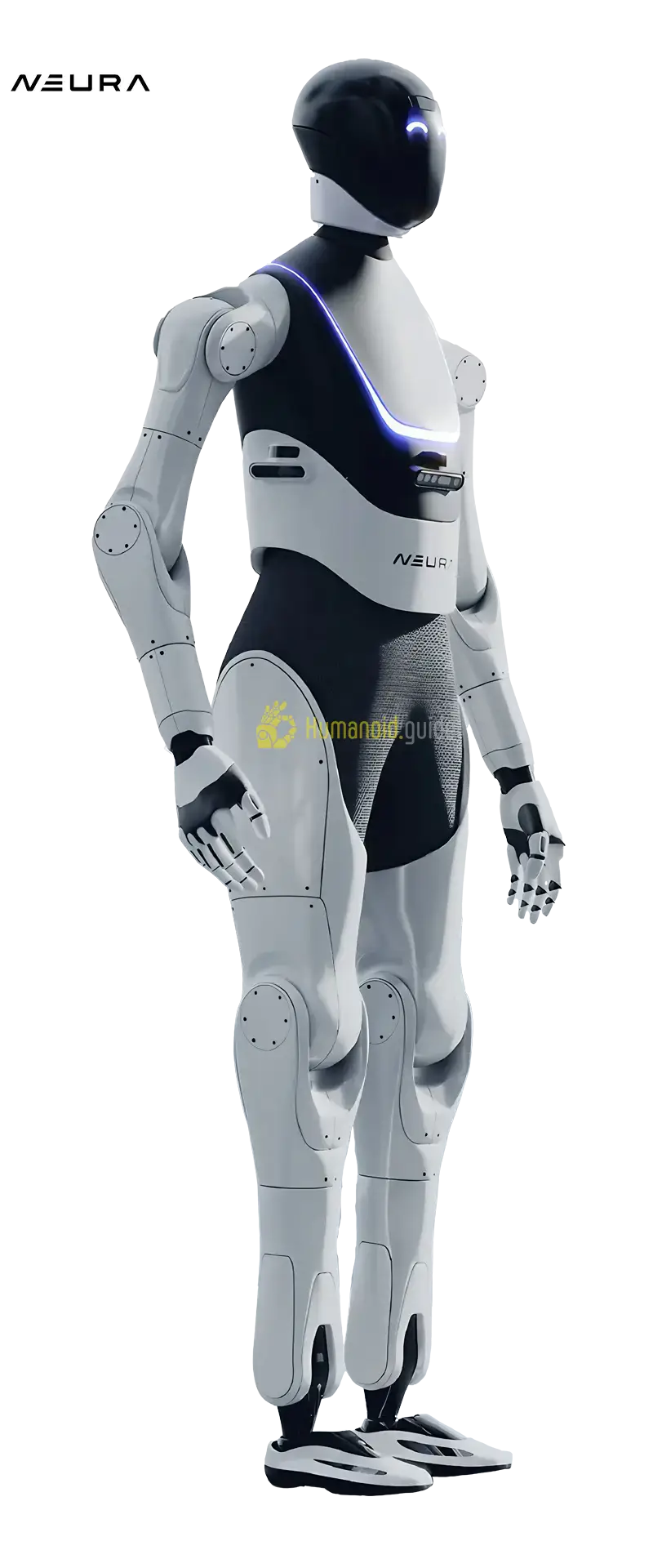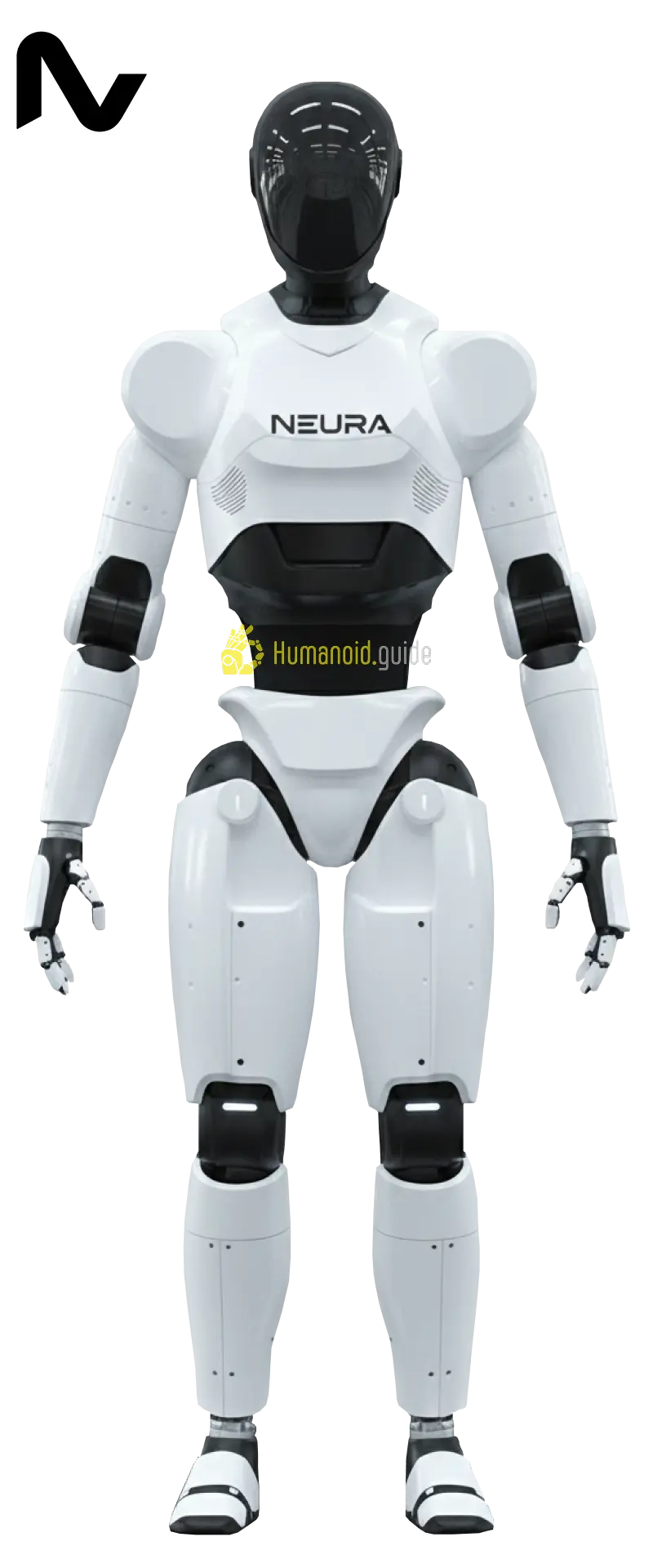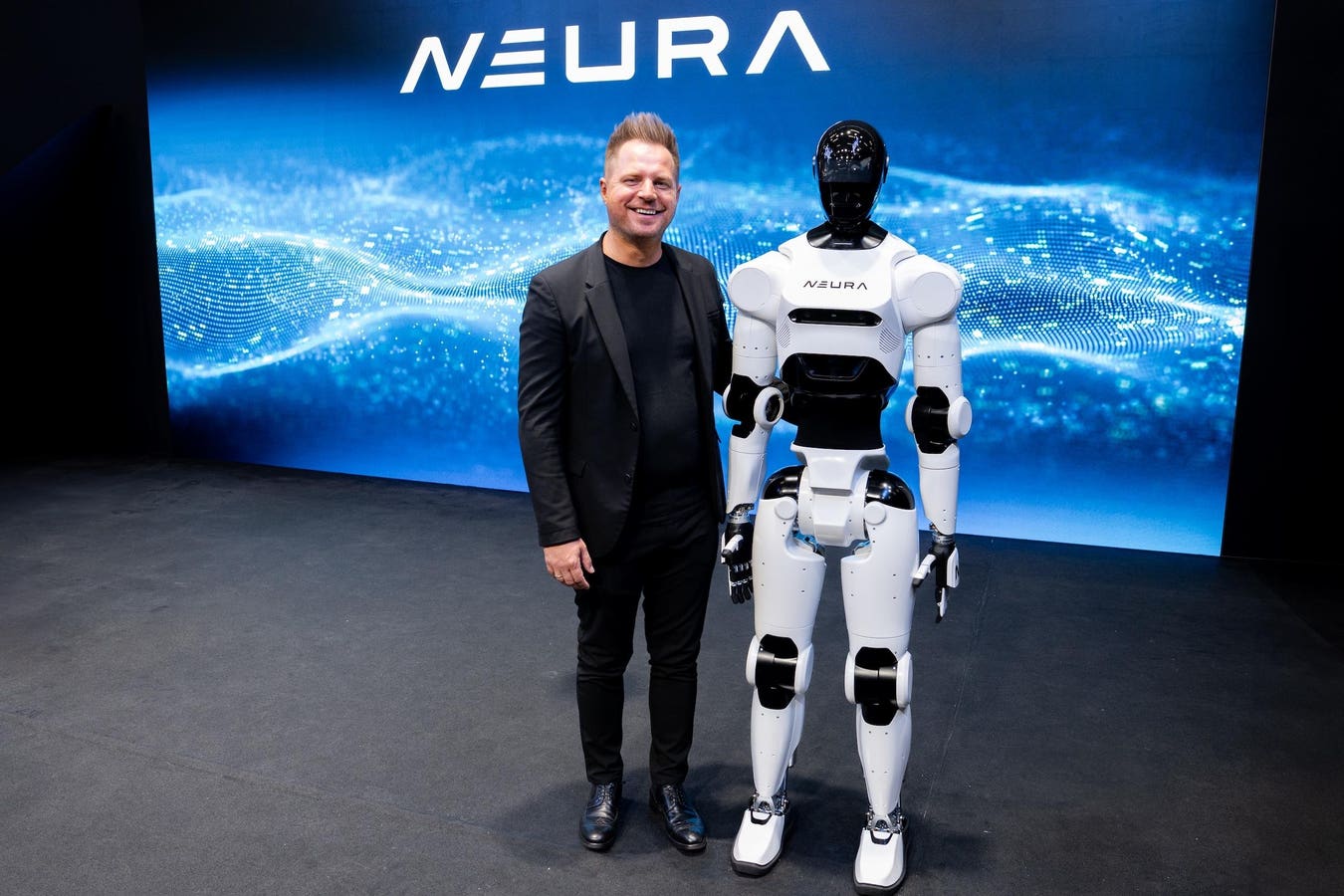
What is the Neura 4ne 1?
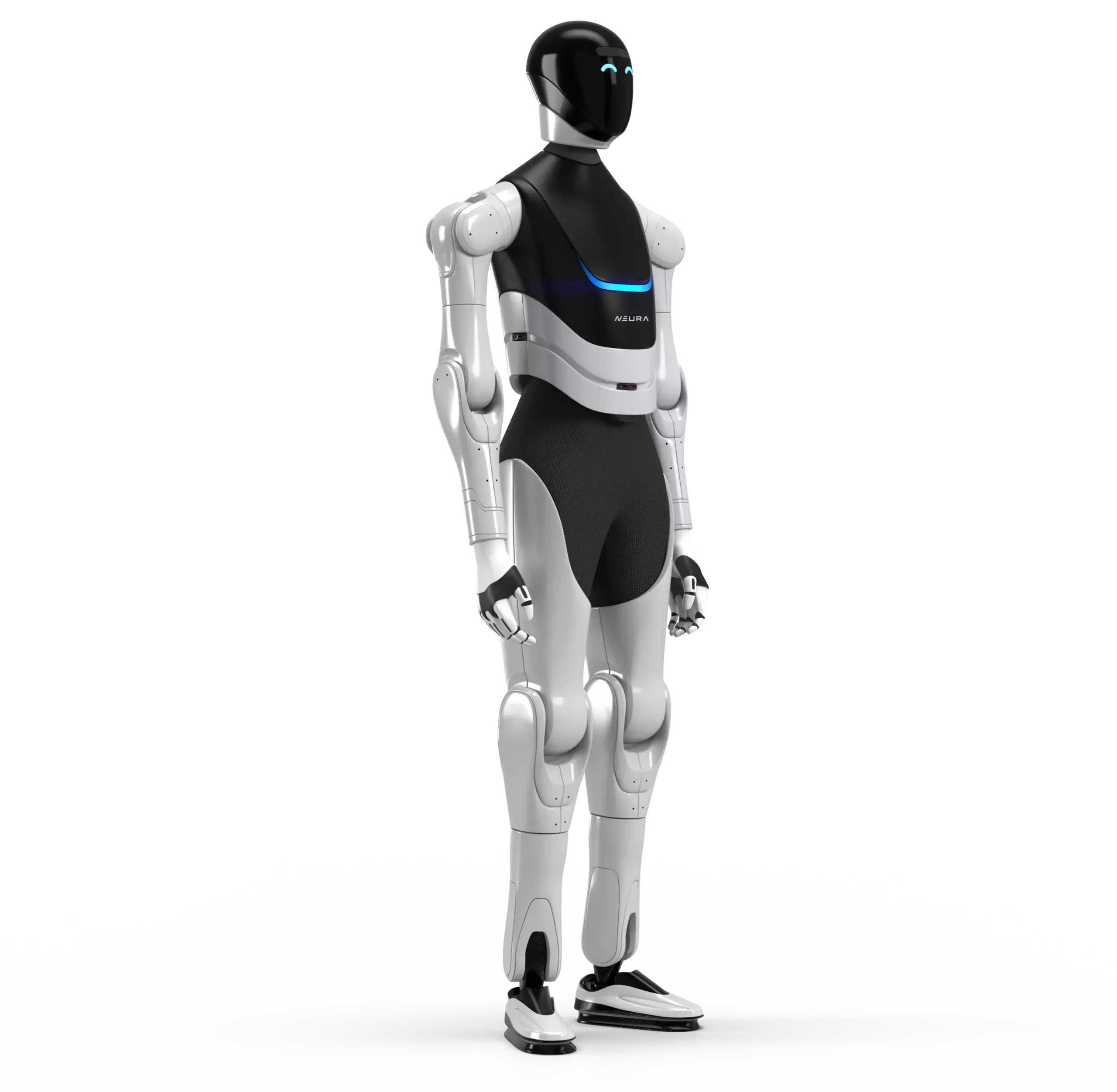
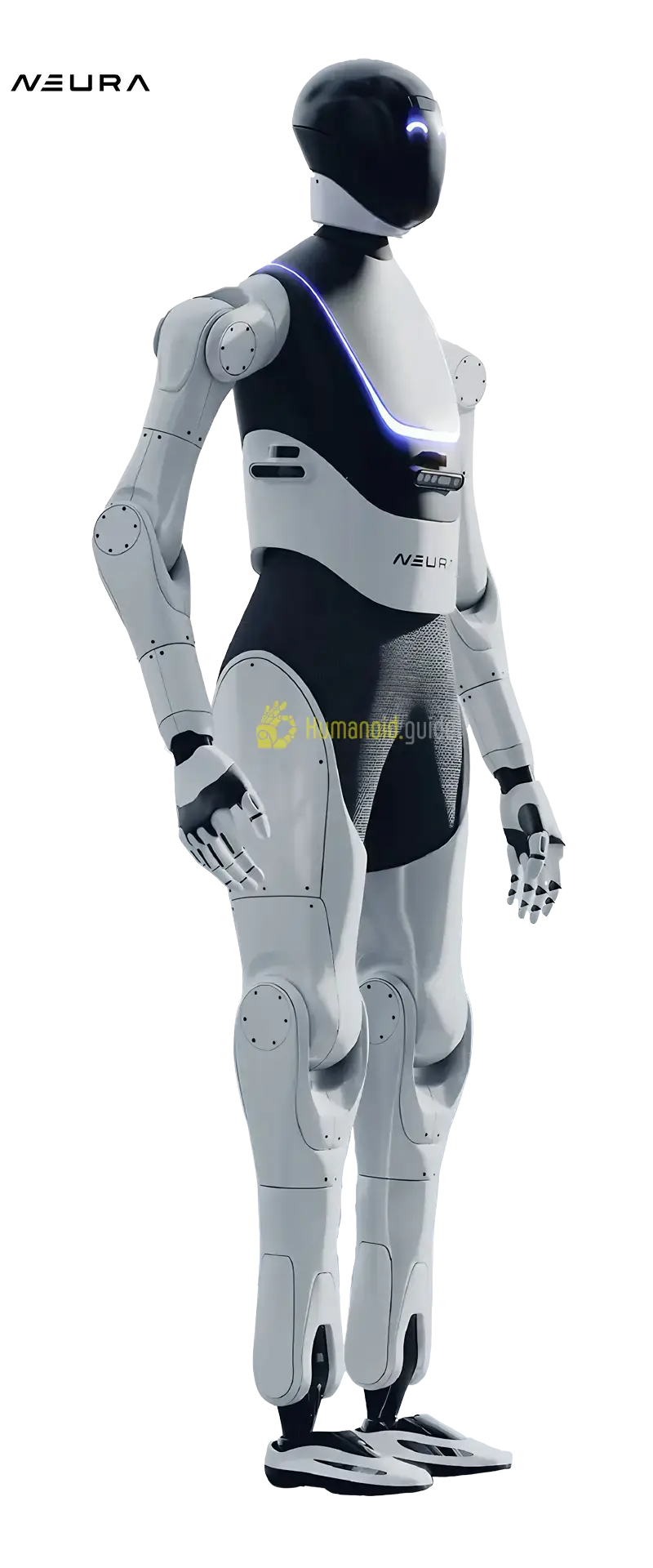
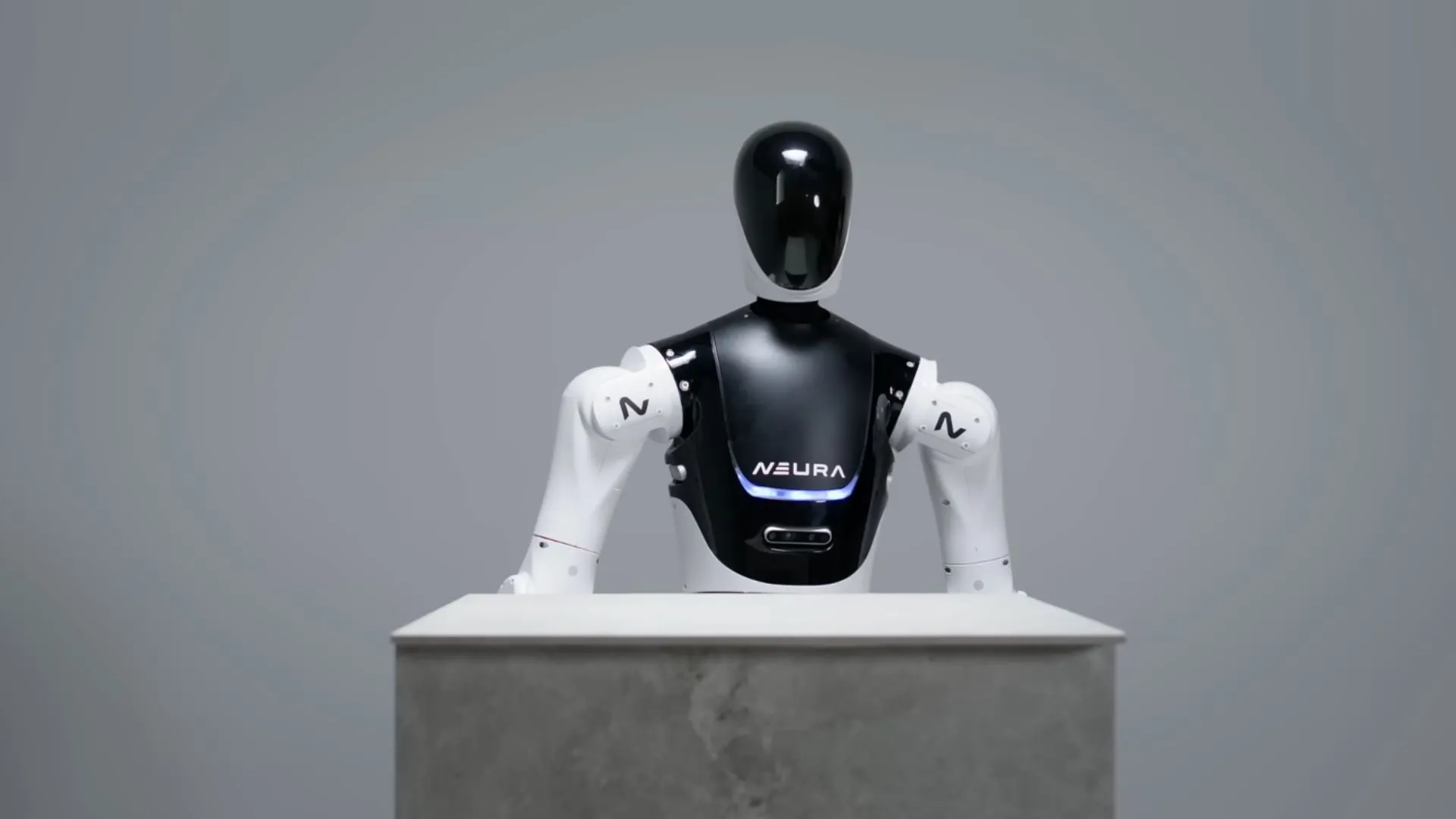
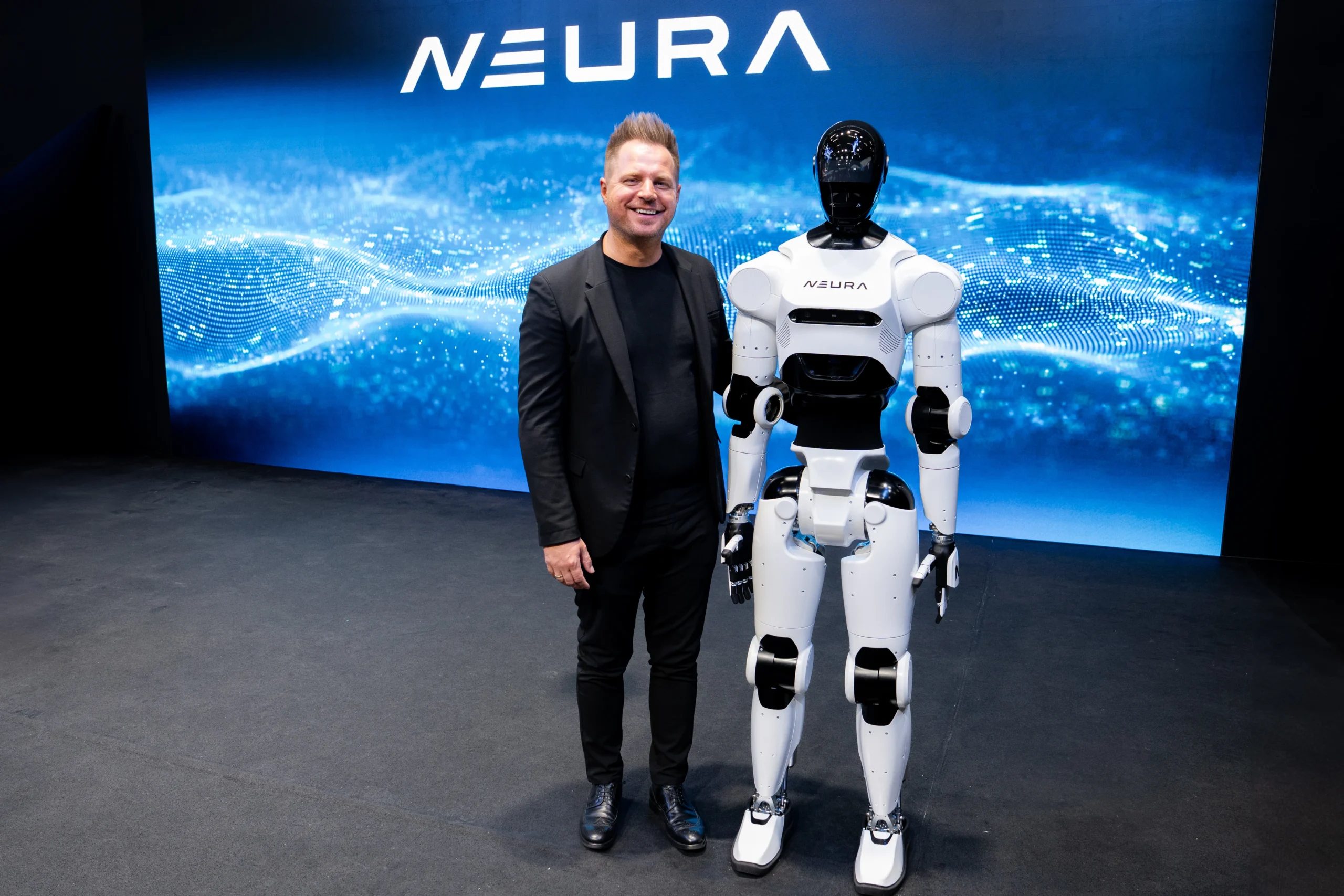
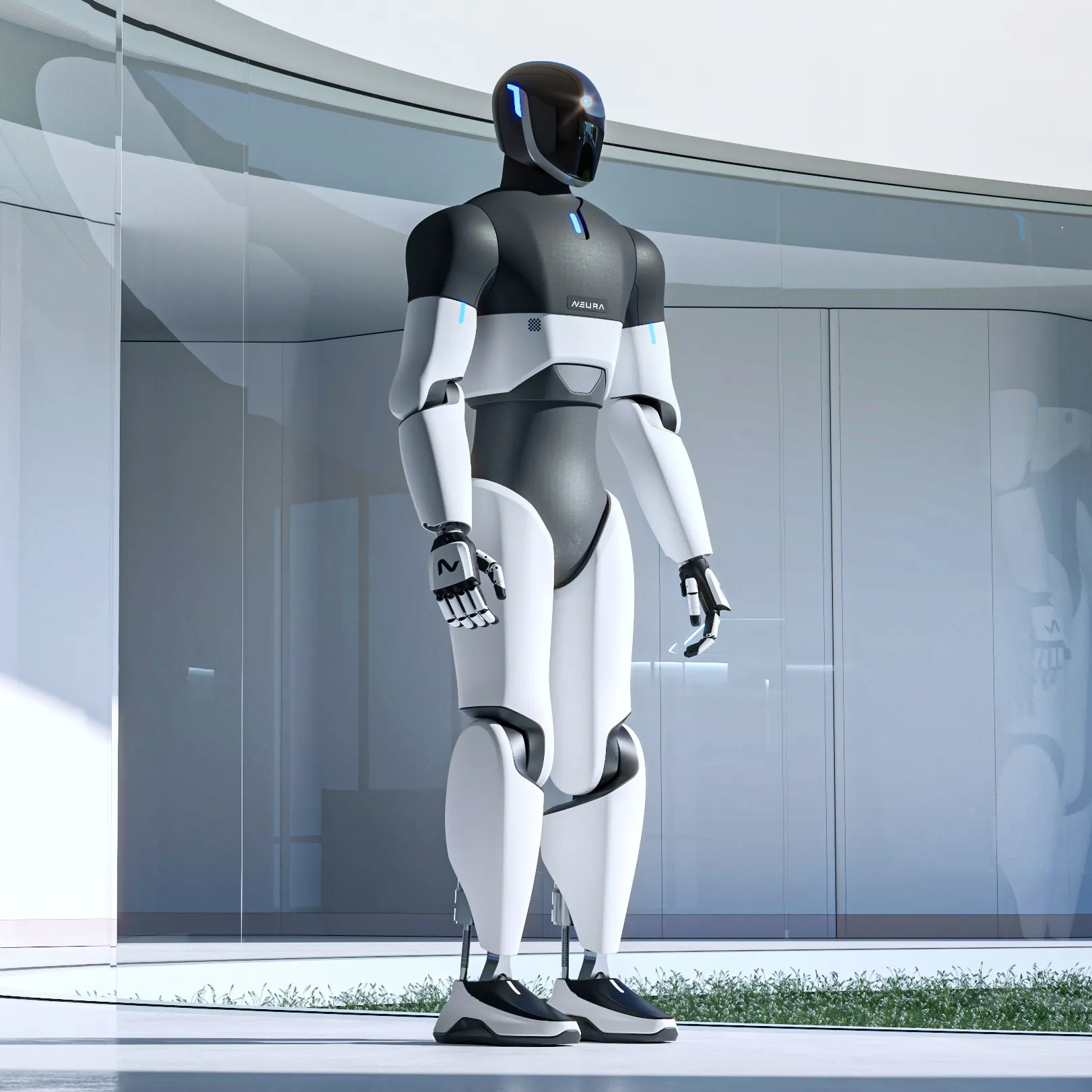
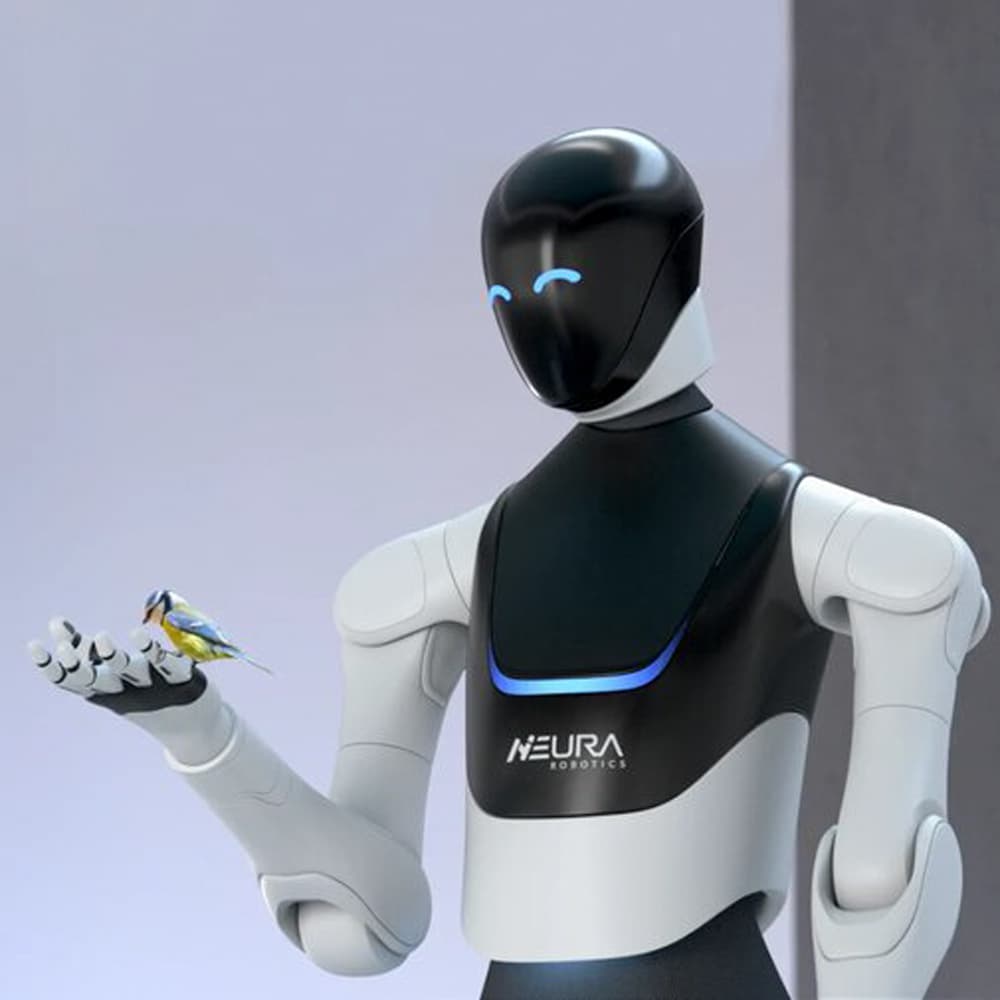
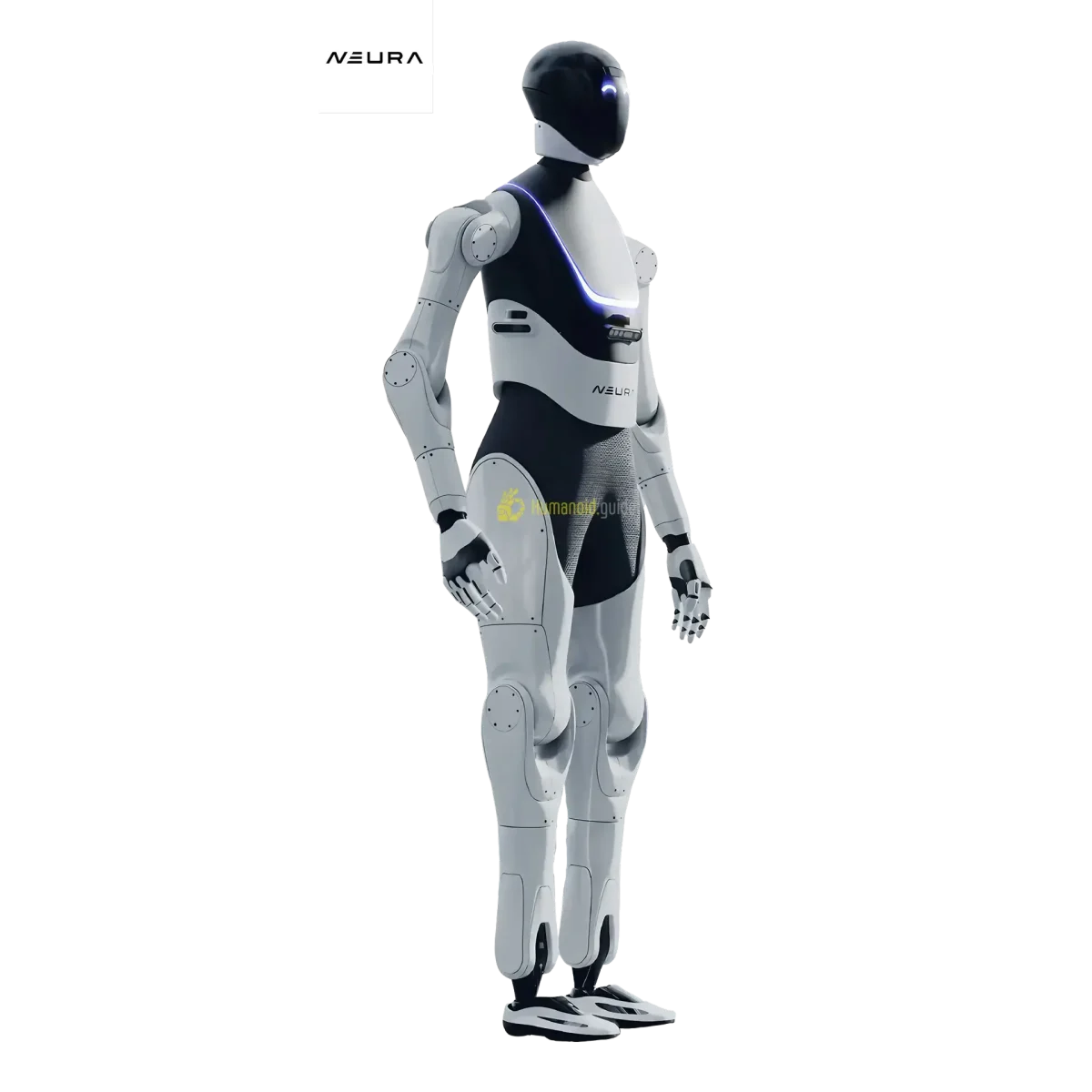
The NEURA Robotics 4NE-1 is a full-size, bipedal humanoid robot developed by German company NEURA Robotics, based in Metzingen. It is designed as a general-purpose assistant for manufacturing, logistics, domestic chores, and healthcare tasks. The robot stands 180 cm tall and weighs 80 kg, with 30 degrees of freedom powered by electric actuators. A unique feature is its integration with NEURA's Cognitive Robotics platform, enabling real-time perception, learning, and adaptive planning. The 4NE-1 was first revealed in 2023 as a prototype, and an upgraded model, the 4NE1, entered pre-sale in 2025. The original 4NE-1 remains a pre-commercial research platform, not yet available for purchase. Its combination of sensor-rich perception, force-sensitive whole-body control, and a target price around $200,000 positions it as a mid-range competitor in the emerging humanoid landscape.
Specifications
Here are the full technical specifications.
| Spec | Value |
|---|---|
| Height | 180 cm |
| Weight | 80 kg |
| Degrees of freedom | 30 |
| Battery life | 6 hours |
| Max speed | 4 km/h |
| Payload | 15 kg |
| Price (new) | Undisclosed |
| Price (used range) | N/A (pre-commercial) |
Price & Value
New MSRP: Undisclosed (contact manufacturer)
Used range: N/A (no used units exist)
NEURA Robotics has stated a target price of approximately $200,000 for early 4NE-1 units, but no final pricing has been confirmed as the robot remains in the prototype stage. At that level, it would undercut higher-priced enterprise humanoids like Agility Digit ($250,000) while costing significantly more than mass-production hopefuls like Tesla Optimus ($20,000 target). The value proposition hinges on its cognitive platform and multi‑modal sensing, which could reduce integration costs in factory and care settings. However, without validated payload, reliability, and support data, total cost of ownership remains speculative. Depreciation of any commercial units would likely be steep initially until proven in the field, but a used market may not emerge until after commercial launch.
Who Is It For?
Best for: - Research labs exploring cognitive humanoid robotics — the NEURA Cognitive platform provides a unified API for perception, learning, and manipulation. - Manufacturing pilot programs where force-sensitive whole-body control enables safe human-robot collaboration in light assembly tasks.
Not for: - High‑speed industrial material handling — maximum speed is only 4 km/h and payload is limited to 15 kg (standing), unsuitable for heavy or fast logistics. - Budget‑constrained small businesses — target price around $200,000, if confirmed, puts it out of reach for most SMBs.
Alternatives & Comparison
The 4NE-1 competes in the general‑purpose humanoid space with several prototypes and early commercial models. Its German engineering, cognitive software stack, and compact size differentiate it from larger warehouse‑focused bots and low‑cost platforms.
| Model | Price | Available | Key Difference |
|---|---|---|---|
| Tesla Optimus | ~$20,000 (target) | preorder | Mass‑production ambitions; strong integration with Tesla’s supply chain and AI. |
| Figure 01 | Undisclosed | no | Partnership with OpenAI for language‑guided dexterity, tested at BMW. |
| 1X NEO | Undisclosed | no | Soft, lightweight design for domestic safety; emphasis on quiet operation. |
| Agility Digit | $250,000 | yes | Proven in commercial logistics with bipedal locomotion and box‑handling arms. |
| Unitree H1 | $90,000 | yes | Low‑cost high‑dynamics walking; armless base version focuses on locomotion. |
Verdict: If you need a cognitive humanoid for collaborative lab or light factory tasks today, the 4NE-1 is a compelling prototype but you cannot buy one yet — wait for the 4NE1 or consider a Digit for immediate deployment. For heavy‑payload logistics, Digit or custom AMRs are a better fit. If price is the primary driver and you can wait, Tesla Optimus promises the most disruptive cost structure, but it remains a moving target.
Use Cases & Capabilities
Light Manufacturing & Assembly
The 4NE-1 can perform pick‑and‑place, kitting, and parts assembly alongside human workers. Its whole‑body force sensing and soft outer coverings allow it to operate without safety cages, reducing floor‑space needs. Electric actuators and a 6‑hour battery support a full shift of intermittent tasks, though the 15 kg payload limits it to sub‑20 kg components. The NEURA Cognitive platform learns tasks through demonstration, potentially lowering programming time compared to traditional robotic arms.
Logistics & Warehousing Support
In logistics, the 4NE-1 can move boxes, scan packages, and restock shelves. Its bipedal locomotion lets it navigate narrow aisles that wheeled AMRs cannot, but the 4 km/h max speed makes it slower than most warehouse bots. The arms have five‑finger hands (number of fingers unconfirmed) capable of handling a variety of item shapes, though sustained heavy lifting is not its strong suit. Cameras and depth sensors enable barcode reading and real‑time inventory checks, integrating with existing WMS software via Ethernet or Wi‑Fi.
Domestic Assistance & Elder Care
NEURA targets the 4NE-1 for household chores like tidying, carrying groceries, and fetching items. The robot’s height (180 cm) and weight (80 kg) are within human norms, making it less intimidating than larger machines. Speech capability and microphones allow voice commands, and the cognitive platform can learn room layouts and user preferences. However, its battery life of 6 hours may not cover a full day of constant use, and the lack of safety certification for residential settings means early deployments will likely be supervised. Quiet operation and soft coverings aim to minimize disturbance.
History & Background
NEURA Robotics was founded in 2019 in Metzingen, Germany, by industry veteran David Reger, who previously held roles at KUKA and other automation firms. The company quickly raised significant venture capital to develop a line of collaborative robots. The 4NE-1 humanoid prototype was first shown in 2023 as a demonstration of NEURA’s Cognitive Robotics platform, which integrates AI‑driven sensing, learning, and planning. A single generation exists (sometimes denoted 4NE-1, while an updated model called 4NE1 appeared in 2025 with pre‑sale listings). NEURA has not disclosed ownership changes or production dates. As of 2026, the 4NE-1 remains a pre‑commercial prototype, while the company shifts its public focus toward the 4NE1 variant.
Buying Used — What to Check
Verify actual battery endurance Runtime claims range from 2 to 6 hours — confirm real‑world performance before buying any pre‑owned unit.
Inspect sensor array condition Cameras, depth sensors, and tactile arrays are critical for cognitive functions and can be costly to replace.
Request a demo of the cognitive platform The NEURA software stack is what differentiates it; ensure it runs on the current OS and has the latest task‑learning updates.