What is the Pal Reem A?
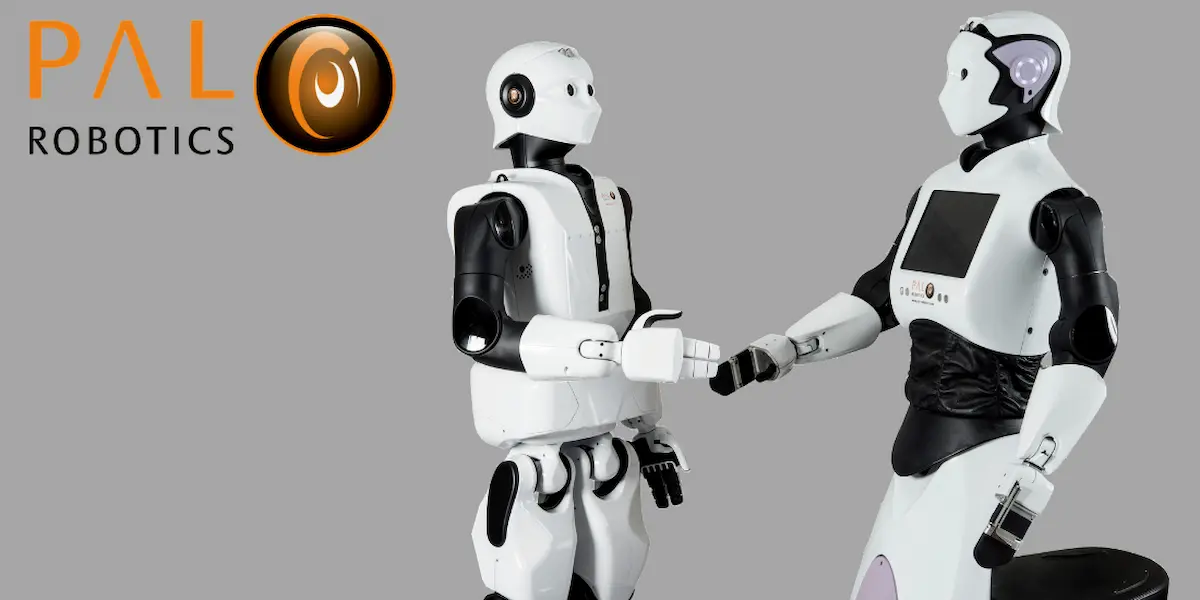
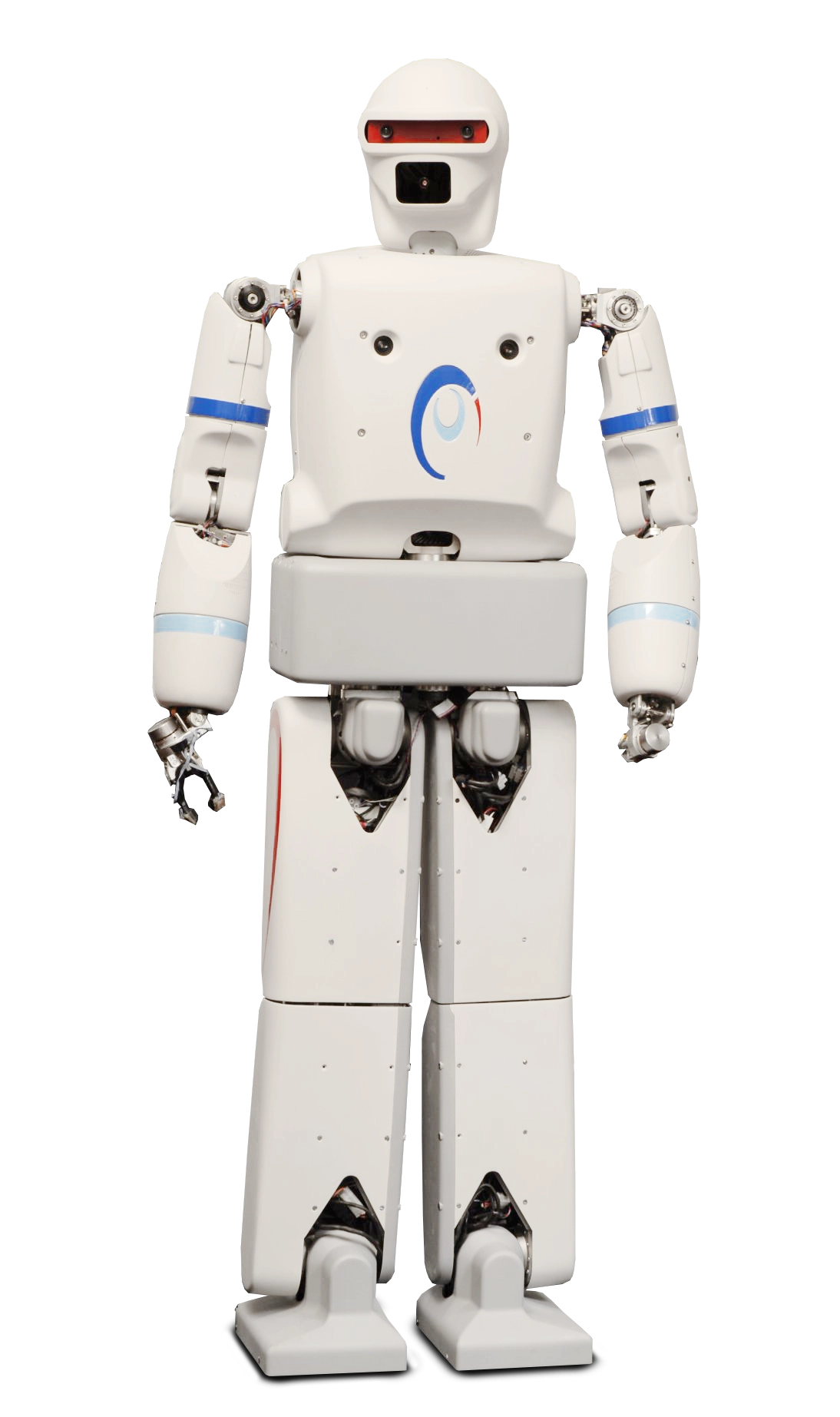
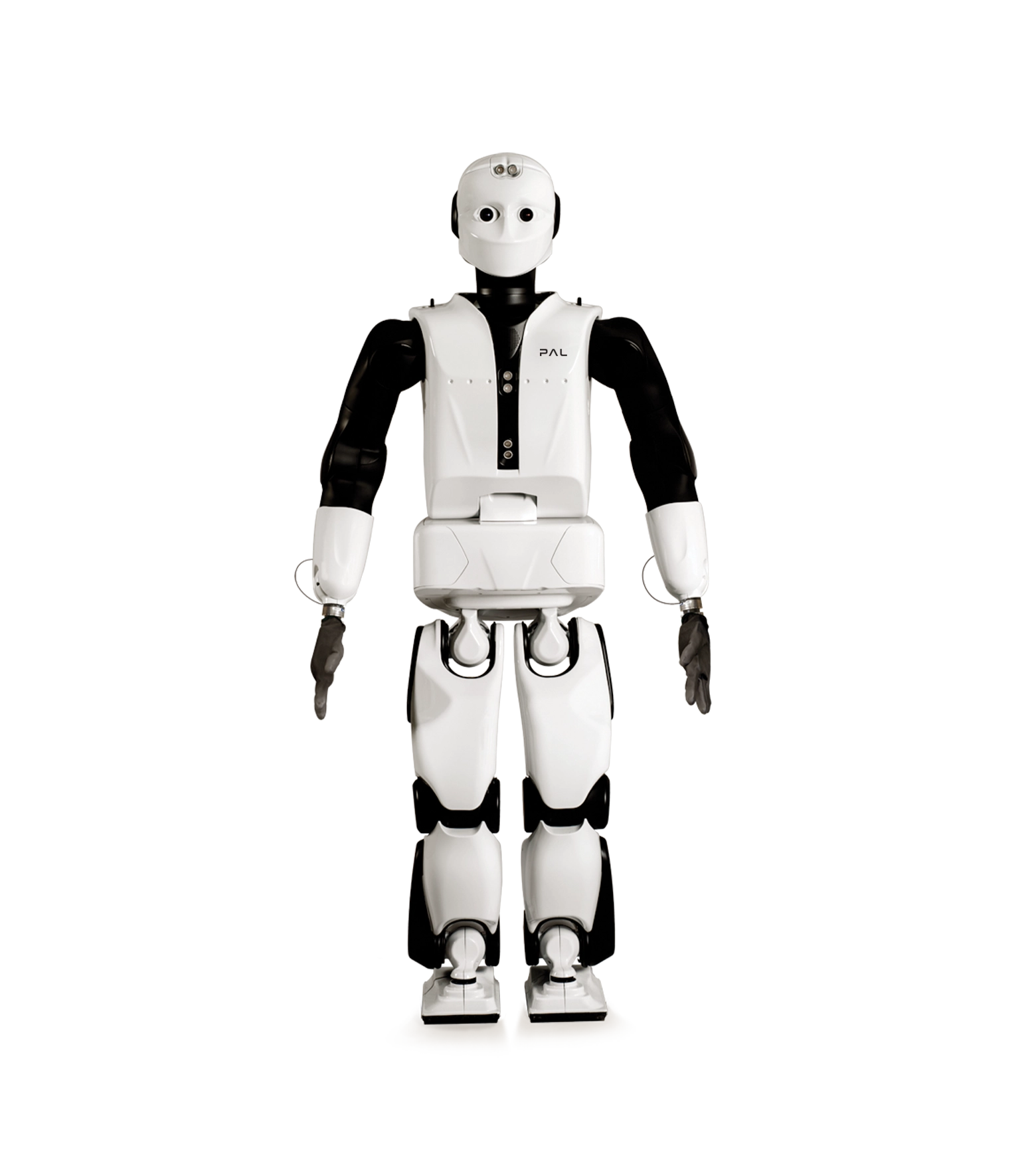
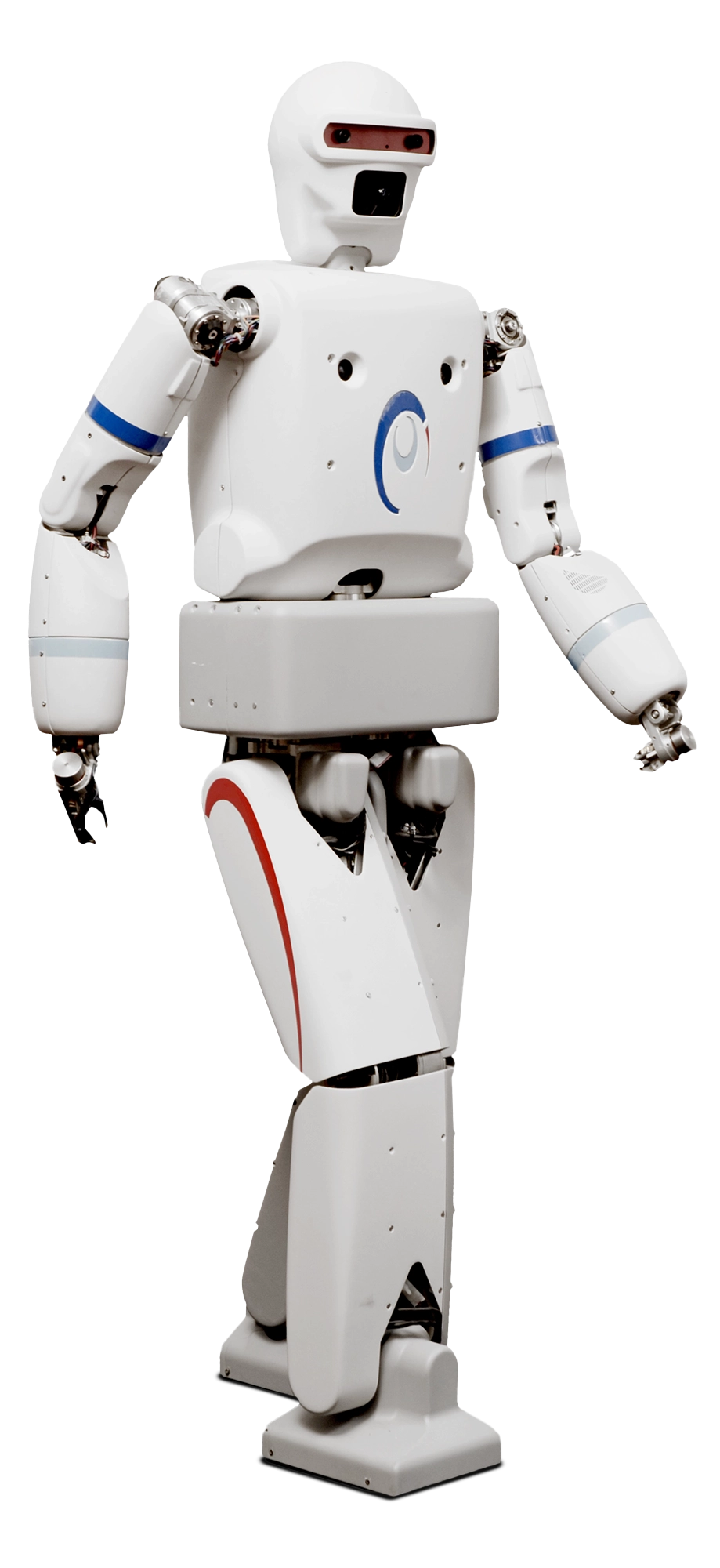
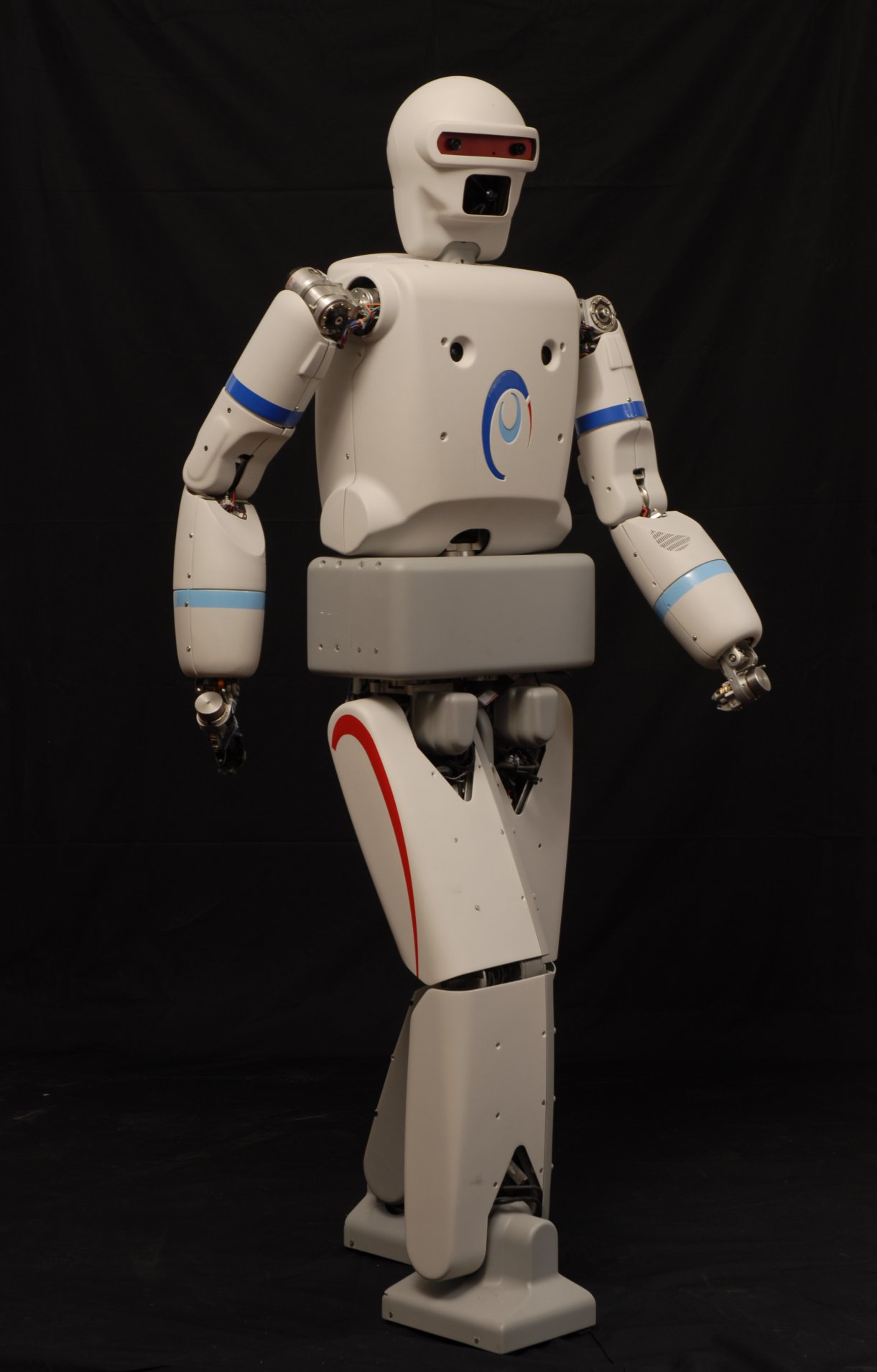
The PAL Robotics REEM-A, developed by PAL Robotics in Barcelona, Spain, was the company’s first bipedal humanoid robot. Built in 2006 as a research platform, it was a full-size humanoid capable of walking, dancing, and even playing chess—a demonstration that attracted attention in early robotics circles. The robot served as a testbed for PAL’s later REEM series, which evolved into service robots like REEM-C and TIAGo. Unlike its successors, REEM-A remained a research-exclusive system and was never marketed commercially. It represents an early milestone in European humanoid robotics, preceding the more capable REEM-B that would refine the walking algorithms and onboard capabilities.
Specifications
Here are the full technical specifications.
| Spec | Value |
|---|---|
| Height | 165 cm |
| Weight | 80 kg |
| Degrees of freedom | 22 |
| Battery life | Not specified |
| Max speed | 4 km/h |
| Payload | Not specified |
| Price (new) | Not sold (research prototype) |
| Price (used range) | N/A (prototype, never sold) |
Price & Value
New MSRP: Not sold (research prototype)
Used range: N/A
The REEM-A was a privately funded project, reportedly supported by a member of the UAE royal family as a personal initiative to build a chess-playing robot. There is no public price because the robot was never offered for sale. No leasing or rental options exist; PAL Robotics never commercialized this prototype. For those interested in PAL’s later commercial humanoids, the REEM-C and full-size REEM were sold to university labs and museums. By 2026, the REEM-A is a historical artifact with no market value. Budget-conscious researchers looking for a bipedal platform might consider PAL’s own TIAGo (mobile manipulator) or modern open-source humanoids like the Robotis OP3 instead.
Who Is It For?
Best for: - Historical robotics collections and museums (only surviving REEM-A units are now decommissioned artifacts).
Not for: - Active robotics research (outdated and unavailable; consider modern platforms like TIAGo or Unitree H1). - Academic labs seeking a bipedal research platform (the robot is no longer produced and has inferior capabilities compared to current alternatives).
Alternatives & Comparison
As the REEM-A was an early research prototype, it can only be compared to other first-generation humanoid research robots from the mid-2000s. At the time, Honda ASIMO and Kawada HRP-2 represented the state of the art, while PAL’s own later models continued its lineage.
| Model | Price | Available | Key Difference |
|---|---|---|---|
| Honda ASIMO | Undisclosed (research project) | no | ASIMO was far more advanced, with stable dynamic walking and stair climbing; REEM-A had more limited locomotion stability. |
| Kawada HRP-2 | Undisclosed (research) | no | HRP-2 was a robust full-body humanoid used in many labs; REEM-A served as a simpler demo platform with fewer degrees of freedom and no published payload. |
Verdict: For a museum showcasing early humanoid evolution, the REEM-A has historical interest. For any actual research or service use, both ASIMO and HRP-2 were superior—but none are available today. Modern labs should look to currently produced humanoids like the Unitree H1 or Robotis OP3 that offer open-source software and off-the-shelf support.
Use Cases & Capabilities
Research and Development
The REEM-A was used by PAL Robotics’ early engineers to explore bipedal locomotion, balance control, and full-body coordination. It enabled testing of walking algorithms on a physical humanoid with 22 active joints. Unlike the later REEM-B, the REEM-A did not have arms for manipulation, limiting research to lower-body tasks. Despite its prototype nature, it provided valuable data that fed into the design of PAL’s more reliable robotic platforms. The robot’s firmware and control architecture also influenced the OpenREEM framework later adopted in commercial products.
Public Demonstrations
The robot gained attention for playing chess against human opponents at technology exhibitions, showcasing the potential of humanoid-interactive systems. Its ability to execute simple dance routines also made it a crowd-pleaser at events. However, limited autonomy and large size meant it required a safety tether or constant operator supervision. These demonstrations helped PAL Robotics establish its reputation as a serious player in the European robotics scene. By publicly testing locomotion and vision under uncontrolled conditions, the team gathered invaluable feedback for refinement.
Software Development Platform
REEM-A served as a testbed for PAL’s early control software, predating widespread adoption of ROS but laying the foundation for later open-source stacks. Researchers could script simple behaviors and test vision-based board game recognition using the robot’s onboard cameras. The control architecture evolved into the OpenREEM stack used on REEM-C, which became a cornerstone of PAL’s commercial offerings. Though the REEM-A lacked the computational power of modern robots, its software experiments informed robust middleware that would later integrate with ROS. Today, this development work is historical; PAL’s current TIAGo robots run fully ROS-based systems with extensive simulation tools.
History & Background
PAL Robotics was founded in 2004 in Barcelona, Spain, by Francesco Ferro and others. The company’s first humanoid project was REEM-A, built around 2006 as a proof-of-concept for a full-size biped. The robot was reportedly funded by a private individual from the UAE royal family who wanted a chess-playing humanoid. REEM-A made public appearances at events, walking and playing chess, which generated media interest. It remained a one-off prototype and was never productized. The experience led to the REEM-B (circa 2007–2008), which improved walking stability, added arms, and was offered to research labs. REEM-B later evolved into the REEM-C, a full-size humanoid that PAL sold to universities and museums. By 2026, the REEM-A is long retired, and no working units are known to exist outside PAL’s archives. The company has since shifted focus to mobile manipulation robots like TIAGo, which are widely used in research.
Buying Used — What to Check
Verify provenance Any REEM-A on the market would be an original prototype, not a production unit—verify it is genuine and not a replica.
Check functionality Given its age, the robot’s actuators and electronics may have degraded; ensure all axes move and batteries hold charge.
Request documentation PAL Robotics may have limited support for this vintage hardware; ask for original schematics and software.