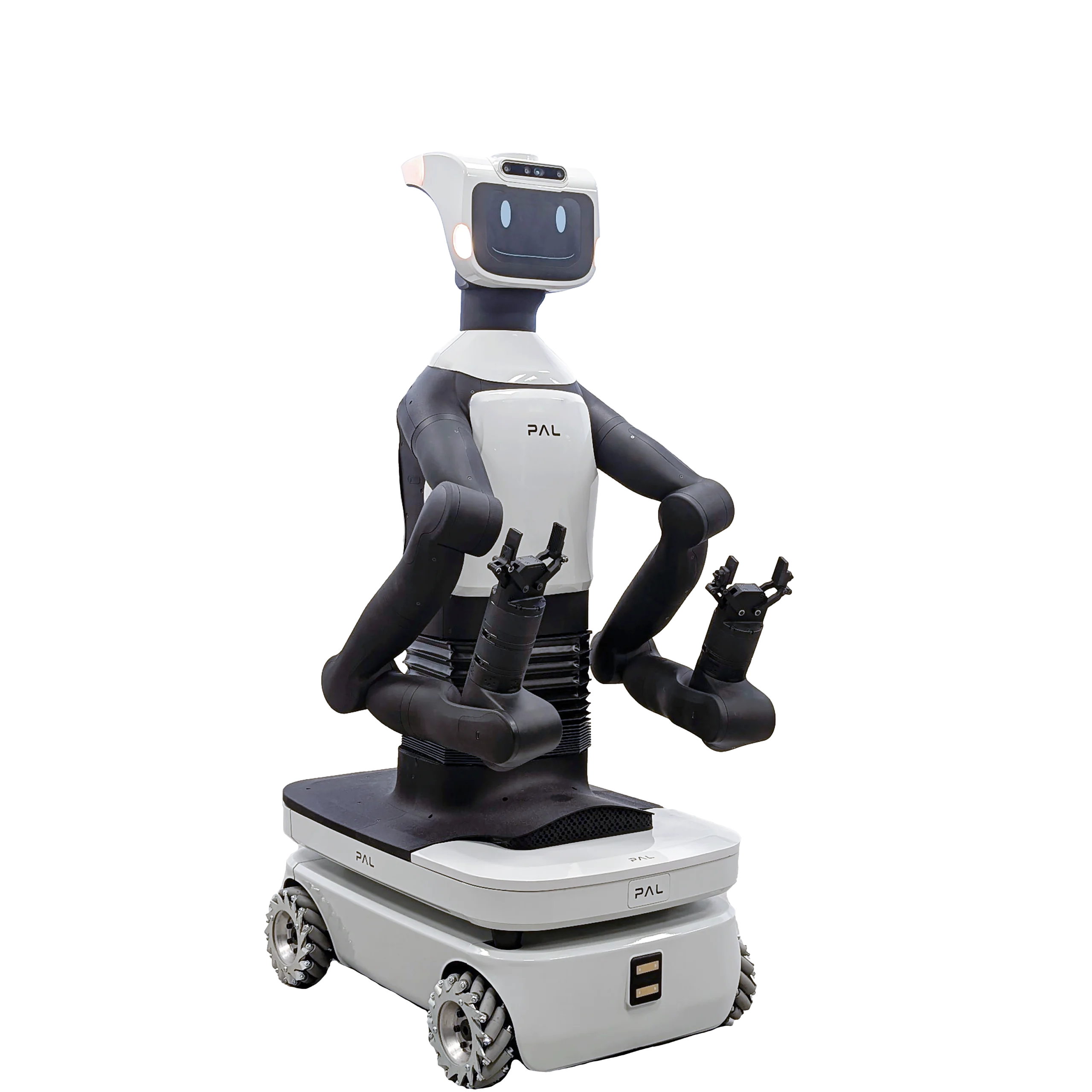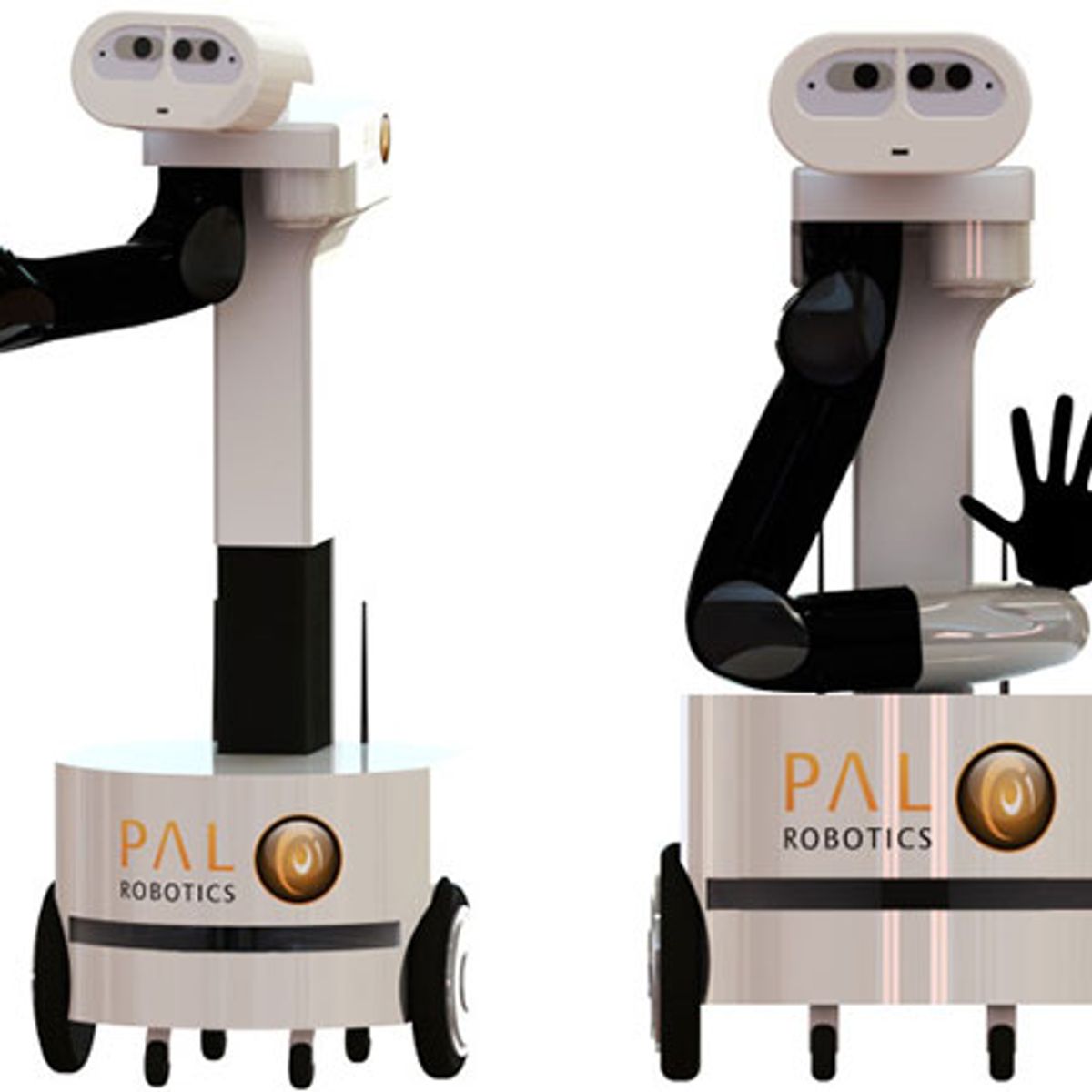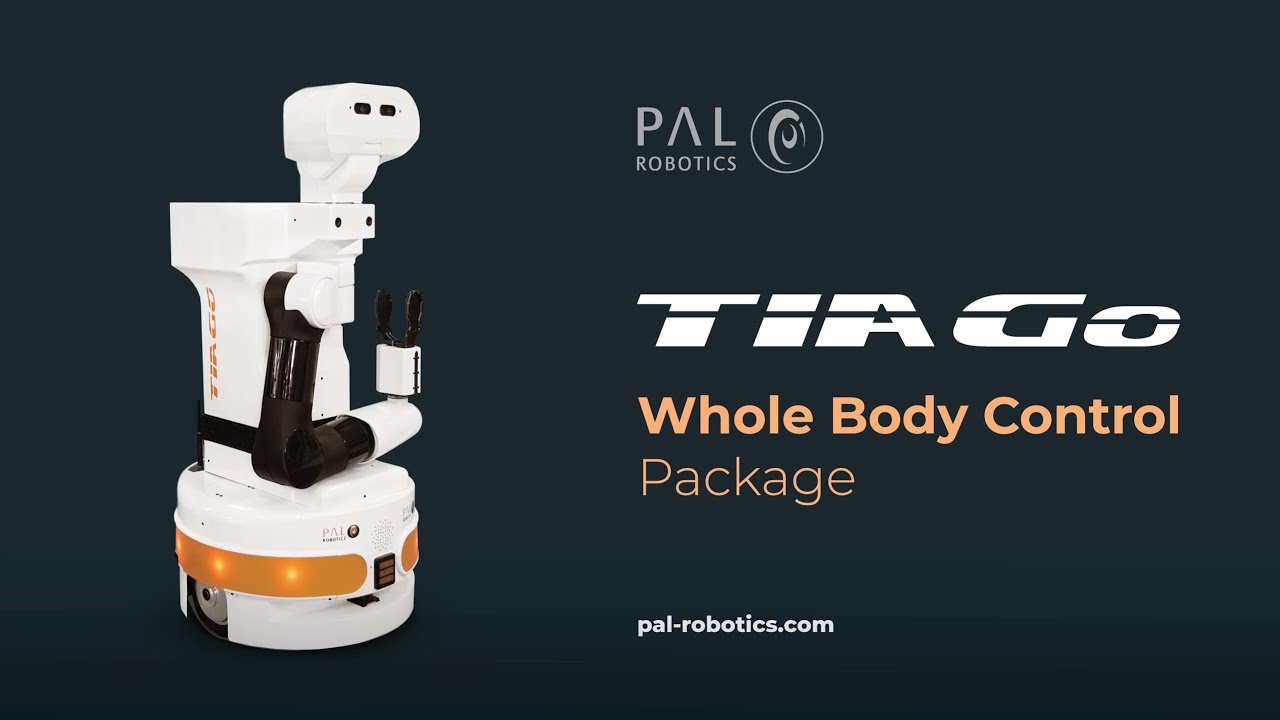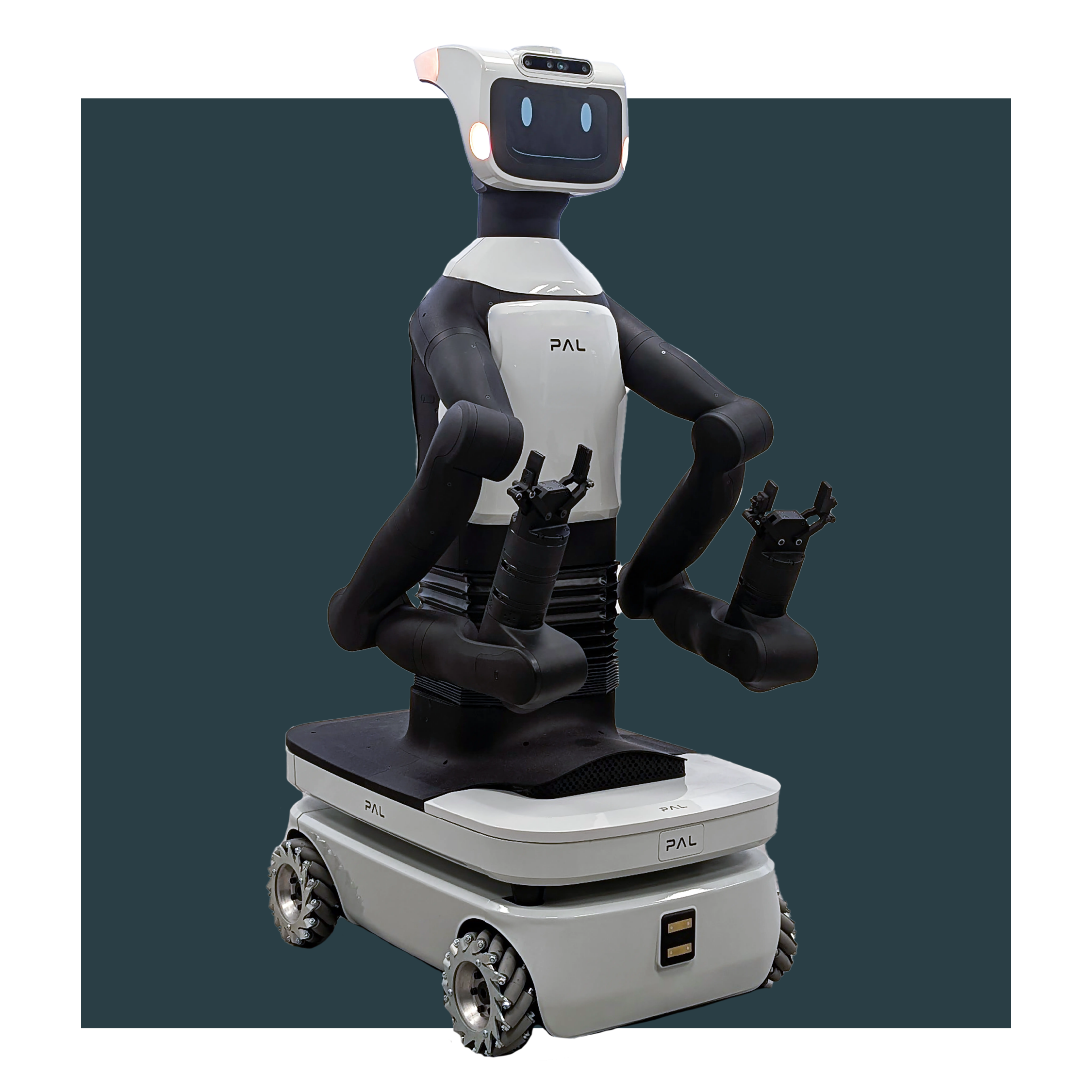
What is the Pal Tiago?
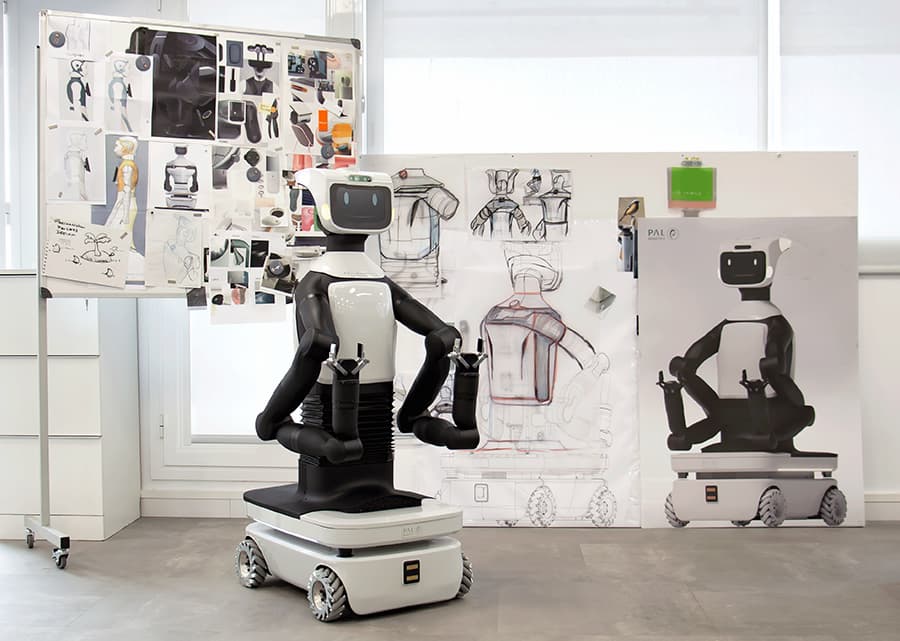
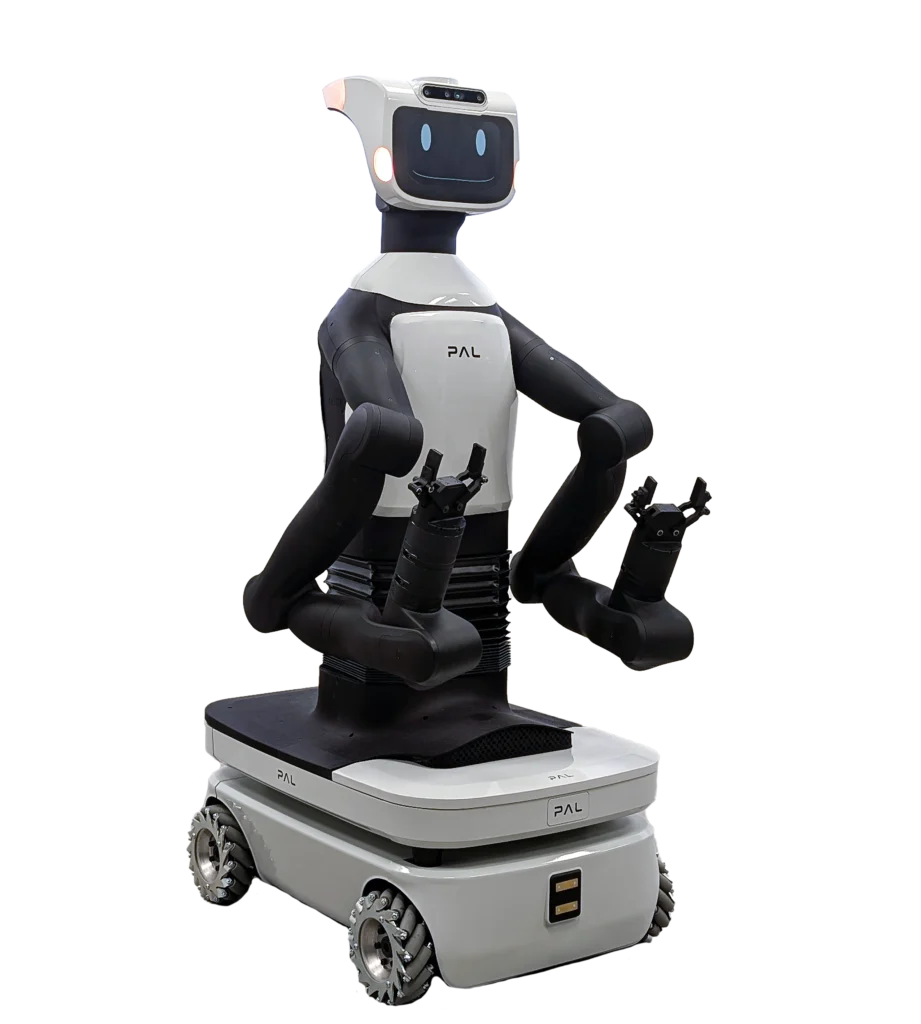
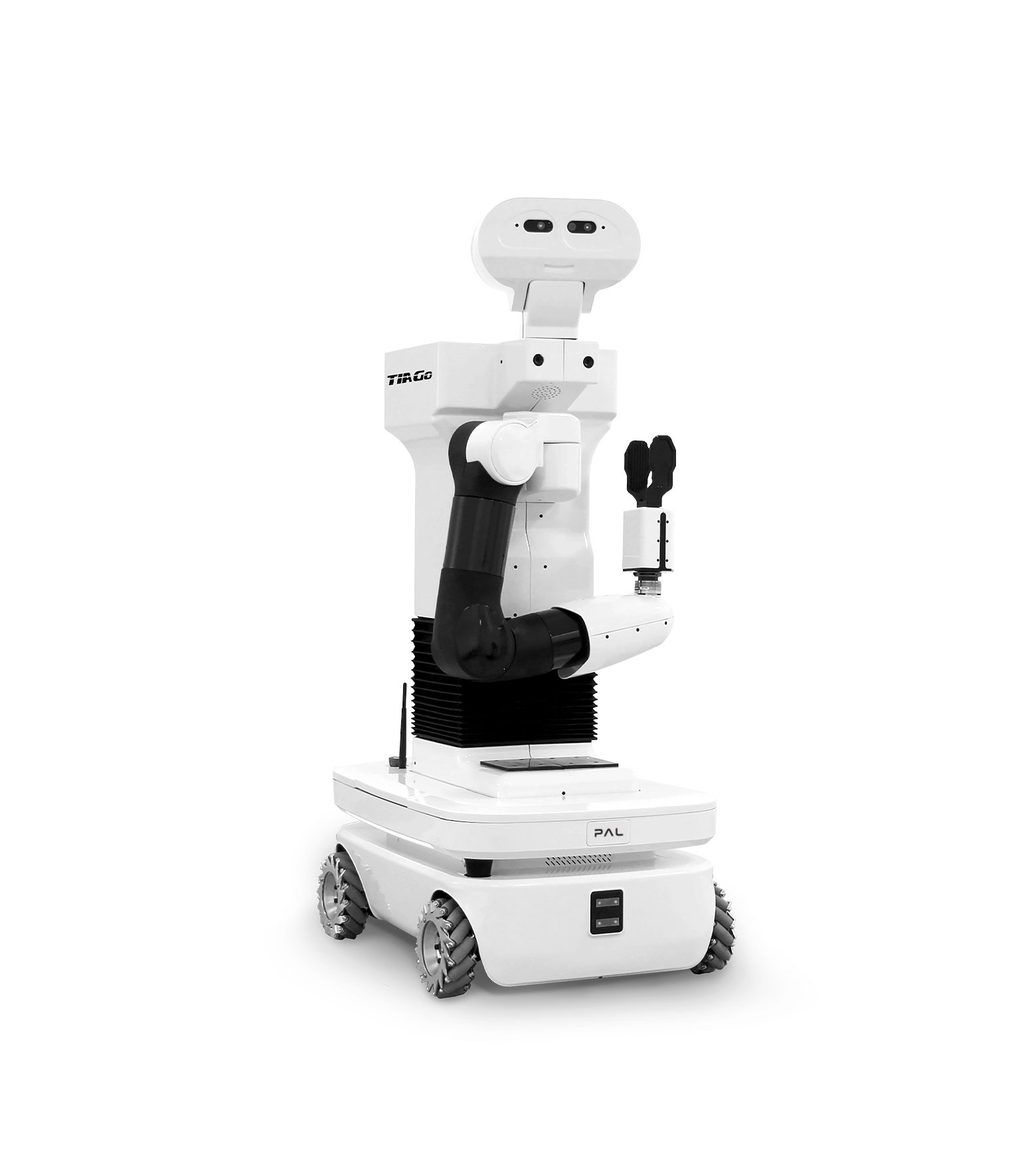
The PAL Robotics TIAGo is a versatile mobile manipulator designed for research, healthcare, and industrial applications. Built in Barcelona, Spain, by PAL Robotics (founded 2004), it features a differential drive base, a 7-DOF arm with a 2 kg payload, and an adjustable torso lift that raises the arm mounting point from 25 cm to 60 cm, giving a total reach of up to 1.75 m in the TIAGo++ dual-arm variant. Equipped with LiDAR, RGB-D cameras, and an Intel Core i7 computer, it runs Ubuntu and ROS. The TIAGo is known for its open modularity, allowing integration of custom sensors and end-effectors, making it a popular platform in robotics research labs worldwide.
Specifications
Here are the full technical specifications.
| Spec | Value |
|---|---|
| Height | 145 cm |
| Weight | 70 kg |
| Degrees of freedom | 12 |
| Battery life | 5 hours |
| Max speed | 3.6 km/h |
| Payload | 2 kg |
| Price (new) | $30,000–$100,000 |
| Price (used range) | $15,000–$50,000 (est.) |
Price & Value
New MSRP: $30,000–$100,000
Used range: $15,000–$50,000 (est.)
The TIAGo’s pricing is heavily configuration-dependent, reflecting a modular platform strategy. The base mobile platform (TIAGo Base) starts around $30,000, while the single-arm TIAGo typically costs $60,000–$80,000, and the dual-arm TIAGo++ reaches up to $100,000. Academic pricing and grant discounts can reduce this by 10–20%, making it more accessible to universities. On the used market, well-maintained TIAGo robots from decommissioned research projects can be found for $15,000–$50,000, offering substantial savings for new labs. The robot’s use of off-the-shelf industrial components (LiDAR, Intel NUC) keeps maintenance costs predictable, and the active ROS community ensures long-term software support. Depreciation is moderate compared to fully custom systems, and total cost of ownership is lower than competitors like the Toyota HSR due to fewer proprietary parts.
Who Is It For?
Best for: - University robotics labs conducting manipulation and HRI research (12 DOF and native ROS support enable rapid experimentation) - Healthcare facilities needing a mobile assistant with telepresence and object retrieval (torso lift allows reaching beds and shelves) - Industrial R&D teams testing mobile manipulation with an open-architecture platform (add custom grippers, sensors, and AI accelerators)
Not for: - Heavy industrial lifting (arm payload limited to 2 kg cannot handle heavy tooling or objects) - Outdoor autonomous operation (designed exclusively for indoor use, no IP rating for weather) - Budget-constrained projects (minimum configuration costs around $30k, and even used units require significant investment)
Alternatives & Comparison
The TIAGo competes in the mobile manipulator segment against the Fetch Robotics Fetch, Toyota HSR, and simple mobile bases like the Robotnik RB-1.
| Model | Price | Available | Key Difference |
|---|---|---|---|
| Fetch Robotics Fetch | $50,000 | yes | Lacks torso lift, different sensor suite (no SICK LiDAR by default) |
| Toyota HSR | $100,000 | yes | Purpose-built for assistive tasks with closed gripper design, less modular |
| Robotnik RB-1 Base | $28,000 | yes | Mobile base only, no arm, requires custom mechanical and software integration |
Verdict: The TIAGo offers the best compromise between capability and customizability. For research labs needing a ready-to-use mobile manipulator with a wide range of heights and dual-arm potential, the TIAGo clearly outshines the Fetch (fixed height) and HSR (rigid application focus). The Robotnik RB-1 is a solid budget choice if you already have an arm and integration expertise, but the TIAGo’s turnkey ROS package saves months of development. Overall, the TIAGo remains the de facto standard for general-purpose mobile manipulation in academia.
Use Cases & Capabilities
Human-Robot Interaction Research
The TIAGo’s modular sensors, microphone array, and expressive head make it well-suited for HRI studies. Researchers use it to investigate gesture recognition, speech interaction, and social navigation, taking advantage of the 2-DOF head pan-tilt unit for non-verbal cues. The open ROS architecture allows easy implementation of custom behaviors, and the dual-arm TIAGo++ variant extends this to bimanual collaboration experiments. Many RoboCup@Home teams have adopted the TIAGo as a standard platform, and its built-in safety bumpers protect subjects during close-quarters interaction. However, the robot’s size and weight (70 kg) require careful lab space planning.
Assistive Robotics in Healthcare
With its 7-DOF arm and parallel jaw gripper, the TIAGo can assist with object retrieval, door opening, and medication delivery in care facilities. The torso lift enables it to reach tabletops, high shelves, and patient bedside trays without repositioning, and the LiDAR-based navigation ensures safe operation around staff and patients. Its moderate footprint (54 cm diameter) and quiet electric drive make it suitable for indoor hospital environments, but the 2 kg payload limit restricts heavier tasks like lifting laundry baskets. The optional telepresence setup also allows remote check-ins by healthcare providers.
Navigation and Mapping Research
Equipped with a SICK or Hokuyo LiDAR and RGB-D cameras, the TIAGo can perform simultaneous localization and mapping (SLAM) in dynamic indoor environments. The differential drive base with casters provides good maneuverability with a 1 m/s top speed, and wheel encoders plus IMU ensure accurate odometry. Researchers frequently use the TIAGo for testing path planning algorithms, multi-robot coordination, and semantic mapping using machine learning on the optional GPU. However, the base speed may be a limiting factor for large warehouse-scale mapping tasks, and the robot cannot traverse outdoor uneven terrain.
Industrial Inspection
The TIAGo can be deployed for routine inspection tasks in factories and warehouses, using its cameras and sensors to monitor equipment and detect anomalies. The telescopic torso allows it to inspect assets at multiple heights from a single position, and the open compute architecture supports custom neural network models on an optional NVIDIA Jetson GPU. Companies value the robot’s CE certification for European industrial settings and its compatibility with ROS-Industrial packages. However, the arm payload is insufficient for heavy tooling like torque wrenches, limiting it to visual and light-contact tasks.
Telepresence and Remote Attendance
By mounting a tablet or screen on the torso, the TIAGo becomes a telepresence robot, allowing remote operators to see and interact with the environment via the head camera and microphone array. The dual speakers enable clear audio feedback, and autonomous navigation lets the robot move between locations while the user focuses on conversation. This has been used for remote conference attendance, museum tours, and retail customer service. However, the TIAGo does not include a built-in display by default, so integrators must add the screen and configure streaming software, adding to setup time.
History & Background
PAL Robotics was founded in 2004 in Barcelona, Spain, initially drawing attention with its full-sized humanoid robots REEM and REEM-C. The TIAGo was first unveiled in 2015 as a research-oriented mobile manipulator, leveraging the company’s experience in service robotics and navigation. It quickly gained traction in European research labs and became the standard platform for the RoboCup@Home competition. Over time, PAL expanded the line with the TIAGo Base (mobile platform without arm) and the TIAGo++ (dual-arm variant for bimanual studies). Continuous improvements have kept the TIAGo’s compute and sensors up to date, and as of 2026, there is no sign of discontinuation, with active support and a large user community.
Buying Used — What to Check
Verify arm payload and wear The 2 kg payload limit is low; ensure the arm and gripper still meet your task requirements and show no excessive backlash.
Check battery health Li-ion batteries degrade with cycles; a used unit may have significantly reduced runtime, and replacement batteries cost around $500–$800 each.
Inspect the torso lift The telescopic lift mechanism is critical for reach; uneven movement or noise can indicate worn linear guides that are expensive to replace.