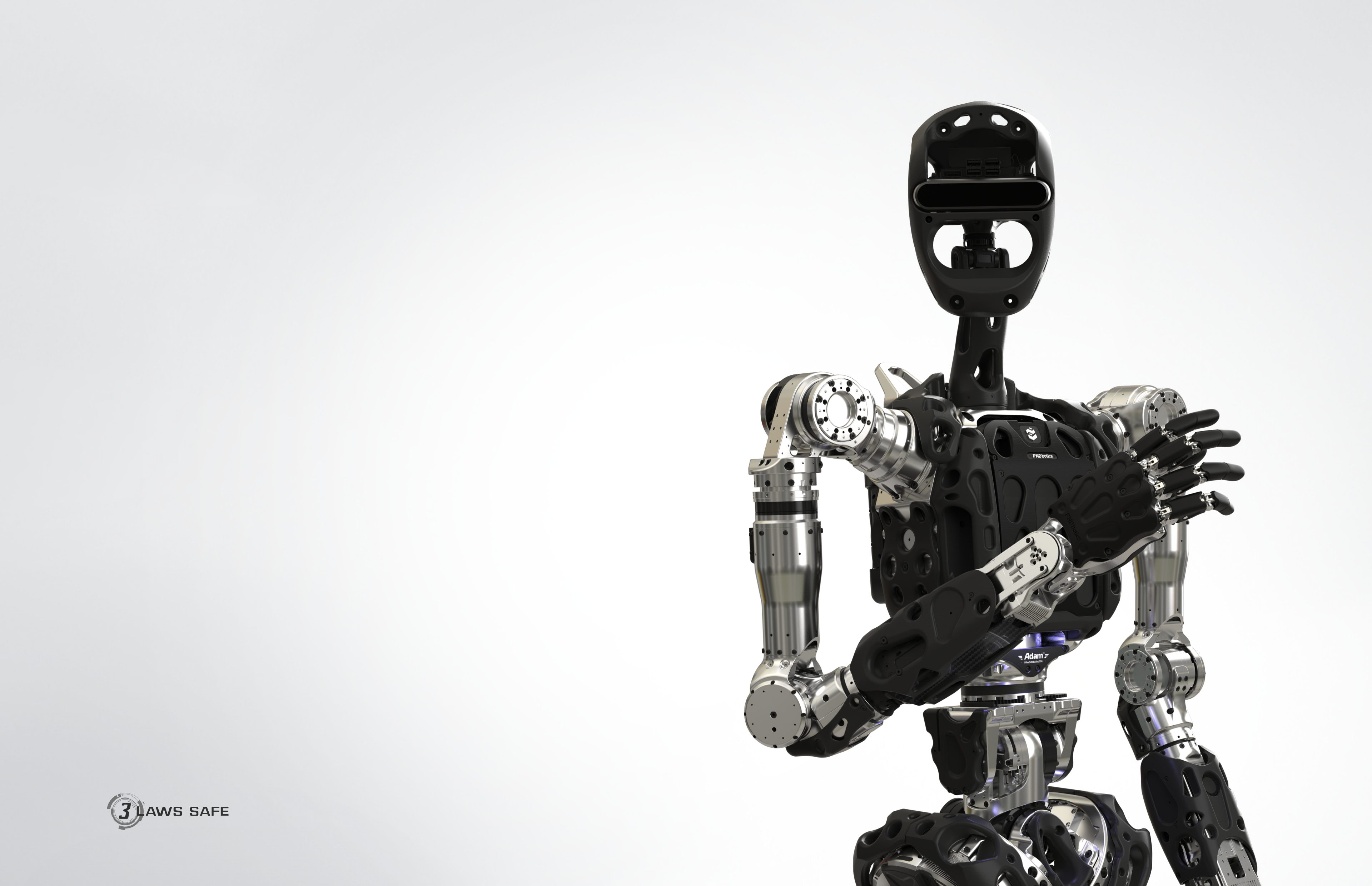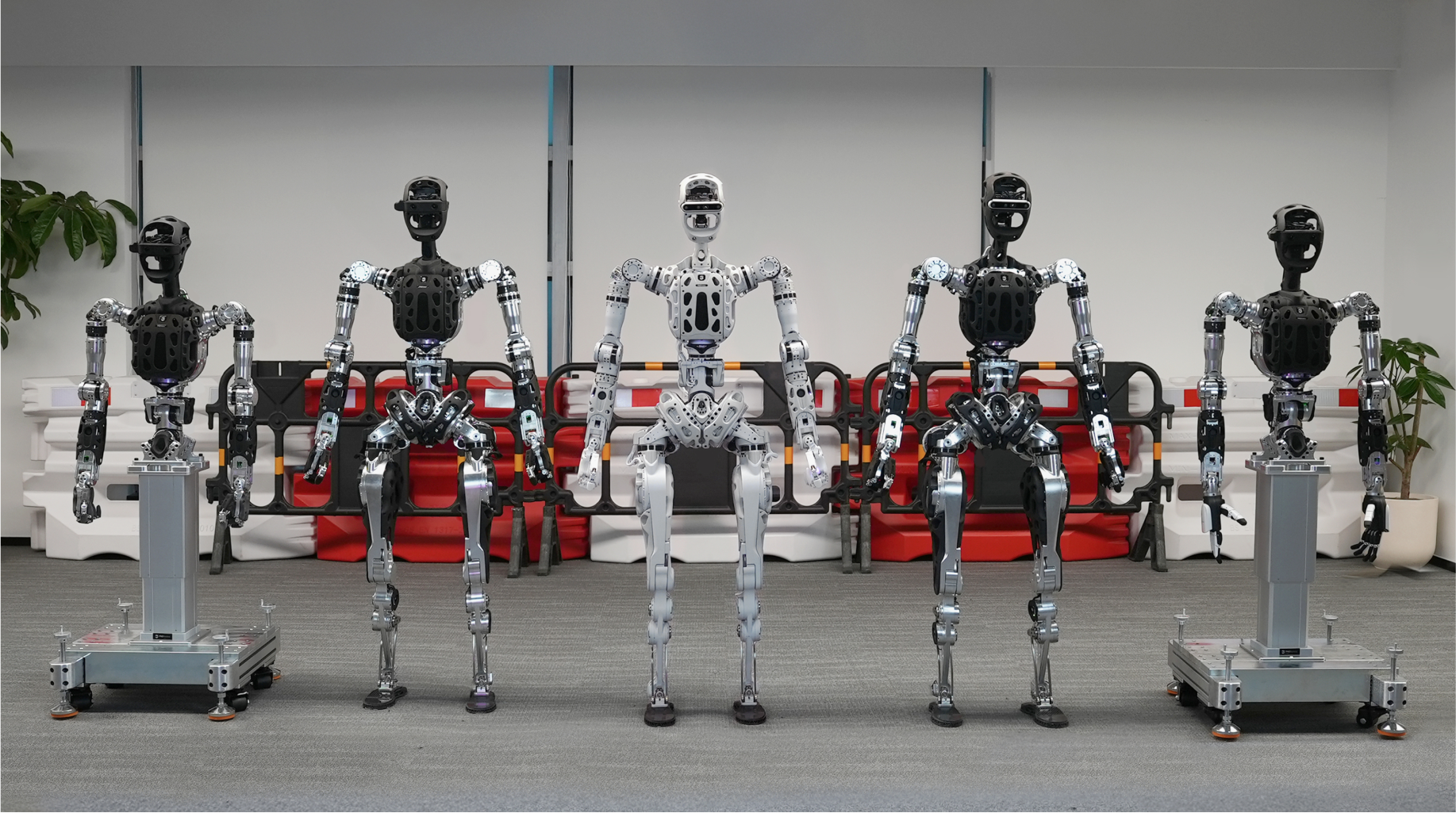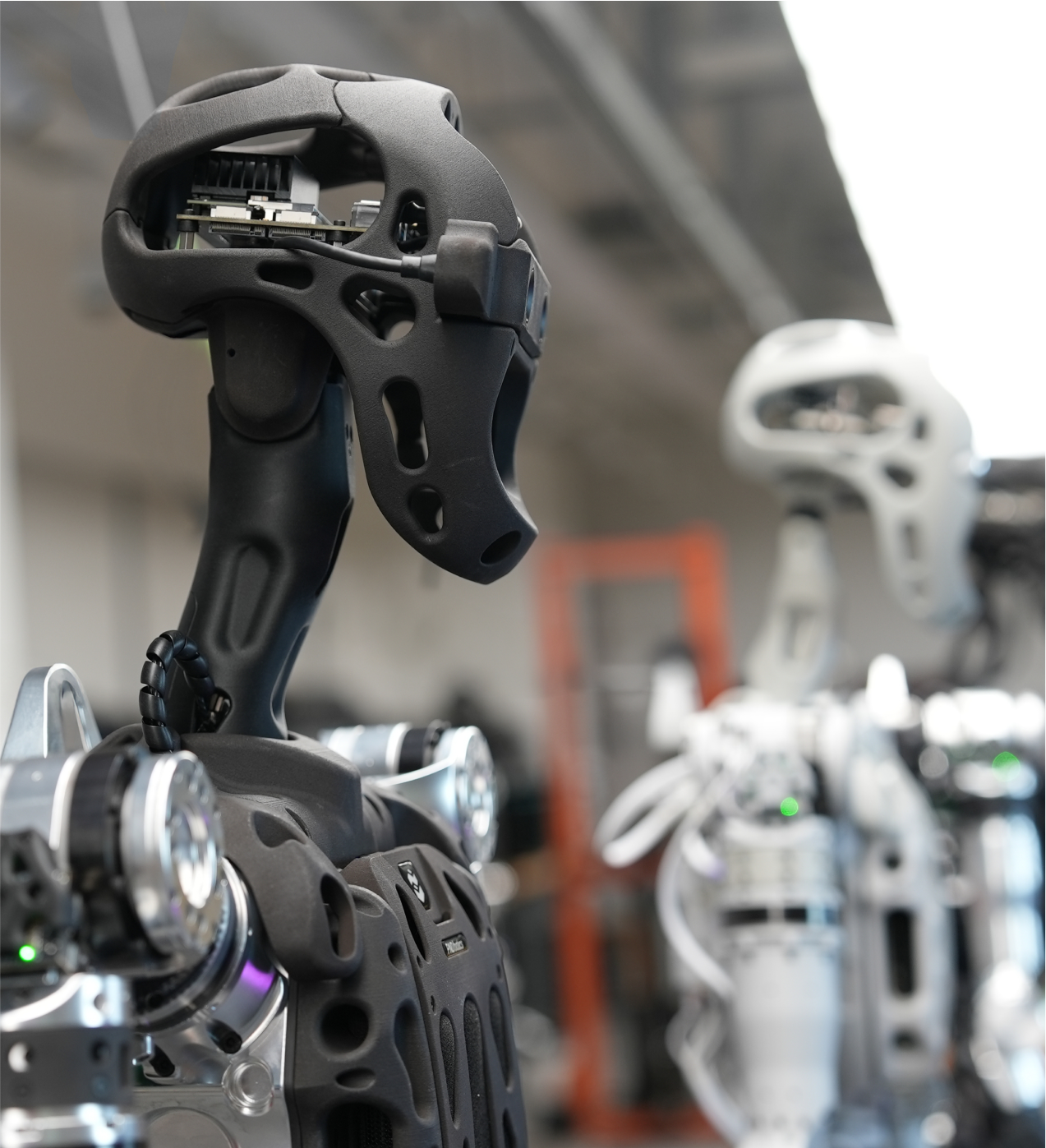
What is the Pndbotics Adam?
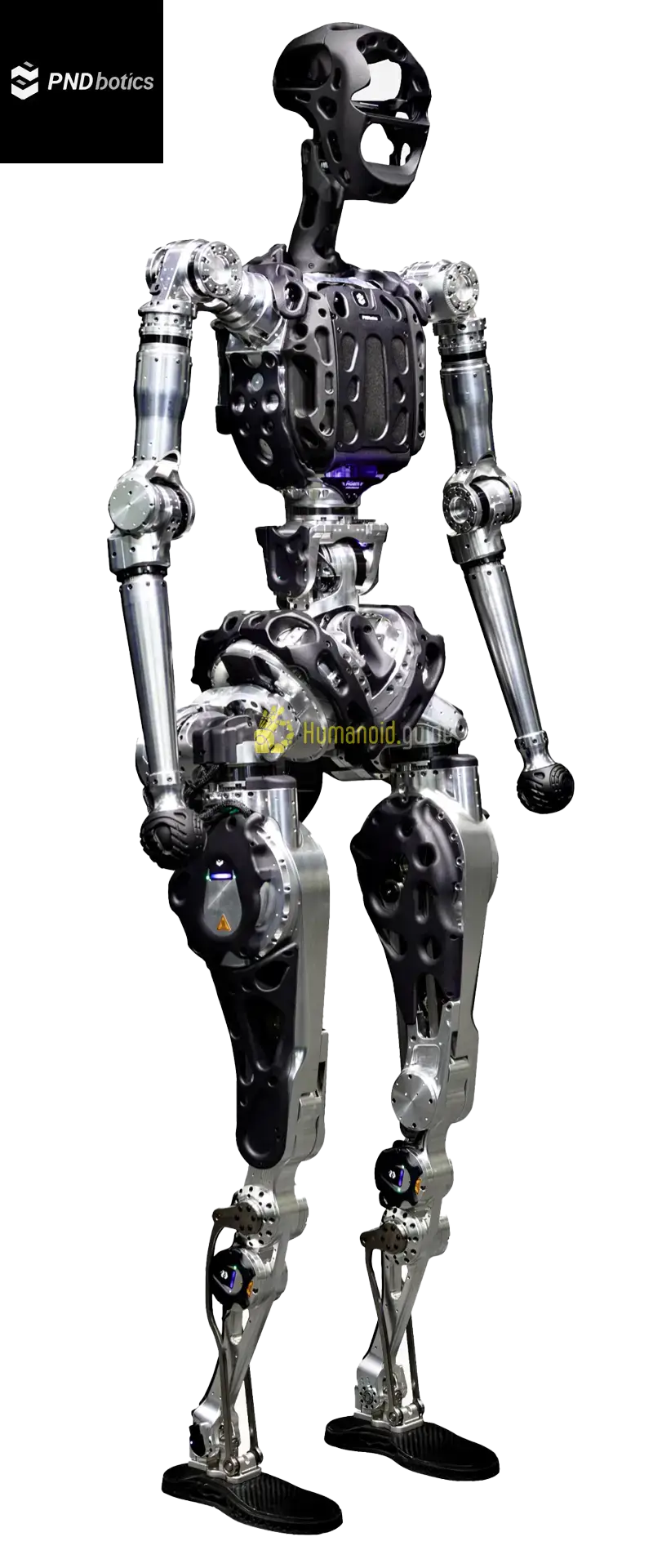
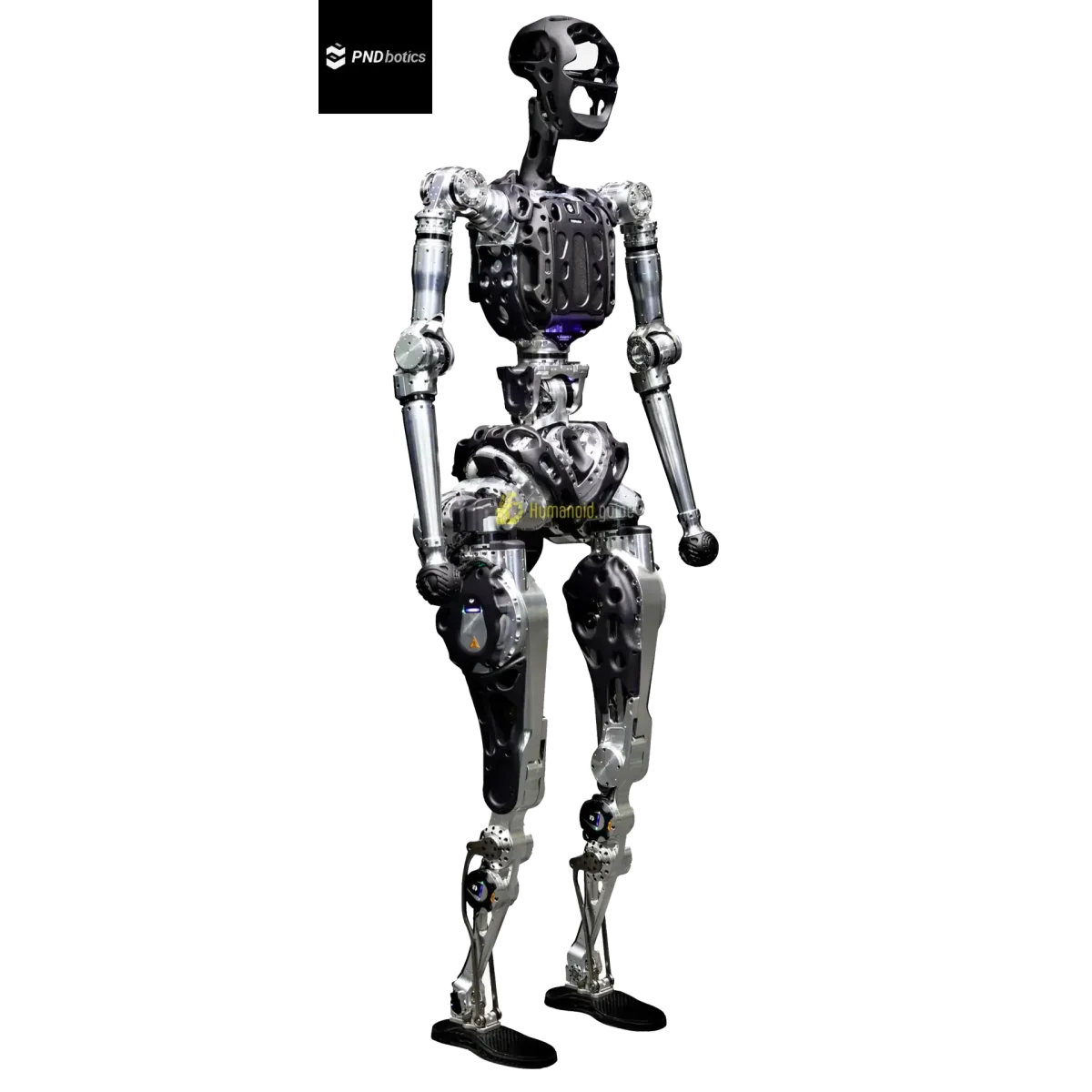
The PNDbotics Adam Lite is a general-purpose humanoid robot developed by the Chinese robotics startup PNDbotics. Designed as a low-cost platform, it targets research laboratories, light industrial settings, and educational institutions. Standing 170 cm tall and weighing 60 kg, the robot features 25 degrees of freedom and a 5 kg payload capacity. A maximum walking speed of 6 km/h and a 3-hour battery runtime enable basic mobility tasks. The Adam Lite is built on a proprietary integrated robotic platform intended to serve as a foundation for next-generation humanoid development. As of 2026, the Adam Lite remains in the prototype phase, with the company inviting direct inquiries for pre-commercial partnerships.
Specifications
Here are the full technical specifications.
| Spec | Value |
|---|---|
| Height | 170 cm |
| Weight | 60 kg |
| Degrees of freedom | 25 |
| Battery life | 3 hours |
| Max speed | 6 km/h |
| Payload | 5 kg |
| Price (new) | $120,000 |
| Price (used range) | N/A (pre-commercial) |
Price & Value
New MSRP: $120,000
Used range: N/A
At $120,000, the Adam Lite is positioned as a cost-conscious entry into the humanoid robot market, though its price point remains above the commercially available Unitree H1 ($90,000). The listed price is likely a target figure for early evaluation units, and final production costs could vary once the robot moves beyond the prototype stage. When compared with the more dexterous Fourier GR-1 ($150,000), the Adam Lite's lower DOF count and modest payload may limit its appeal in manipulation-heavy tasks, but the potential for a lower total cost of ownership could attract budget-sensitive R&D projects. As with all pre-commercial humanoids, depreciation is speculative and tied to eventual production volumes and reliability, with factors like battery replacement and proprietary component servicing adding long-term cost considerations. Buyers should note that no used market exists, and the quoted price may require direct negotiation and may include restrictions such as research-only usage agreements.
Who Is It For?
Best for: - University robotics labs seeking an affordable bipedal platform for locomotion and basic manipulation research (25 DOF enables fundamental gait and arm movement studies) - Startups and OEMs looking to integrate a humanoid form factor into light service applications where payload requirement is under 5 kg - Educational institutions needing a full-body humanoid for undergraduate and graduate robotics courses without the high cost of established commercial models
Not for: - Heavy industrial material handling (payload limited to 5 kg, far below typical factory needs of 15+ kg) - Field deployment in dusty, wet, or outdoor environments (no IP rating disclosed) - Applications demanding proven reliability and immediate availability (still a prototype with no production track record)
Alternatives & Comparison
The Adam Lite competes in the emerging low-cost humanoid space, but faces tough competition from more mature platforms already shipping to customers. Below, we compare it against two direct alternatives that potential buyers are likely to evaluate.
| Model | Price | Available | Key Difference |
|---|---|---|---|
| Unitree H1 | $90,000 | yes | 12 km/h top speed and 15 kg payload, already commercially shipping |
| Fourier GR-1 | $150,000 | yes | 40 DOF for high dexterity manipulation, from an established manufacturer |
Verdict: Buyers needing an immediately available humanoid with strong dynamic performance should choose the Unitree H1 — it costs less, is faster, and lifts more. For applications where fine manipulation matters most, the Fourier GR-1 justifies its higher price with far greater dexterity. The Adam Lite remains an interesting concept but cannot compete on availability or proven capability as of 2026; it is best viewed as a future option for those willing to wait for production readiness and potential ongoing R&D partnerships.
Use Cases & Capabilities
Research & Development
The Adam Lite's 25 DOF form factor makes it a suitable testbed for locomotion algorithms, whole-body control, and human-robot interaction studies. Its 6 km/h maximum speed and 3-hour battery window allow continuous testing sessions, and the 5 kg payload capacity supports sensor packages like lidar and RGB-D cameras. While not as dynamic as the Unitree H1, the lower price point can stretch grant budgets, enabling labs to acquire multiple units for swarm or cooperative research. The current prototype status, however, means limited documentation and potential hardware variability that early adopters must manage.
Light Industrial Assistance
In warehouse or light manufacturing settings, the Adam Lite could perform pick-and-place of small items, kitting, or tool delivery tasks within a weight-constrained workflow. Its 5 kg payload covers many small parts and consumer goods, and the 170 cm height allows reach to standard shelving. Battery life of 3 hours may necessitate hot-swap charging stations, and the lack of IP rating would restrict deployment to clean indoor areas. Until production units are available, reliability metrics and integration with industrial OT systems remain unproven.
Education & Training
The Adam Lite offers a full-size humanoid platform for robotics education at a price point accessible to well-funded university departments and technical training centers. Students can program full-body motion, grasping, and navigation without the expense of a $150,000–$250,000 commercial humanoid. The 25 DOF provide sufficient complexity for master's level projects in kinematics and dynamics. Given its prototype nature, however, institutions should verify curriculum support and long-term spare parts availability directly with PNDbotics before committing to a purchase.
History & Background
PNDbotics emerged from the Chinese robotics scene in 2023–2024, founded with the mission of developing an integrated robotic platform for next-generation humanoids. The company publicly revealed the Adam Lite in 2024 as its first-generation bipedal robot, emphasizing low cost and a general-purpose architecture. Early promotional materials highlighted a focus on building a foundation platform that other developers could extend, though details on the underlying open-source or licensing model remain scarce. The Adam Lite is still in its maiden iteration, and no major ownership changes or additional models have been announced. As of 2026, the robot is in active development, with PNDbotics soliciting use-case inquiries from potential collaborators to guide further refinement.
Buying Used — What to Check
Verify production status Ensure the unit is an actual production model and not an early prototype with non-standard parts that lack spare availability.
Battery health documentation Prototype-grade batteries may degrade quickly; request runtime test records or negotiate a fresh battery from the manufacturer.
Payload & speed rating Confirm the 5 kg payload and 6 km/h speed have been validated on the specific unit, as prototype specs can vary from the final product.