What is the Pudu Bellabot?
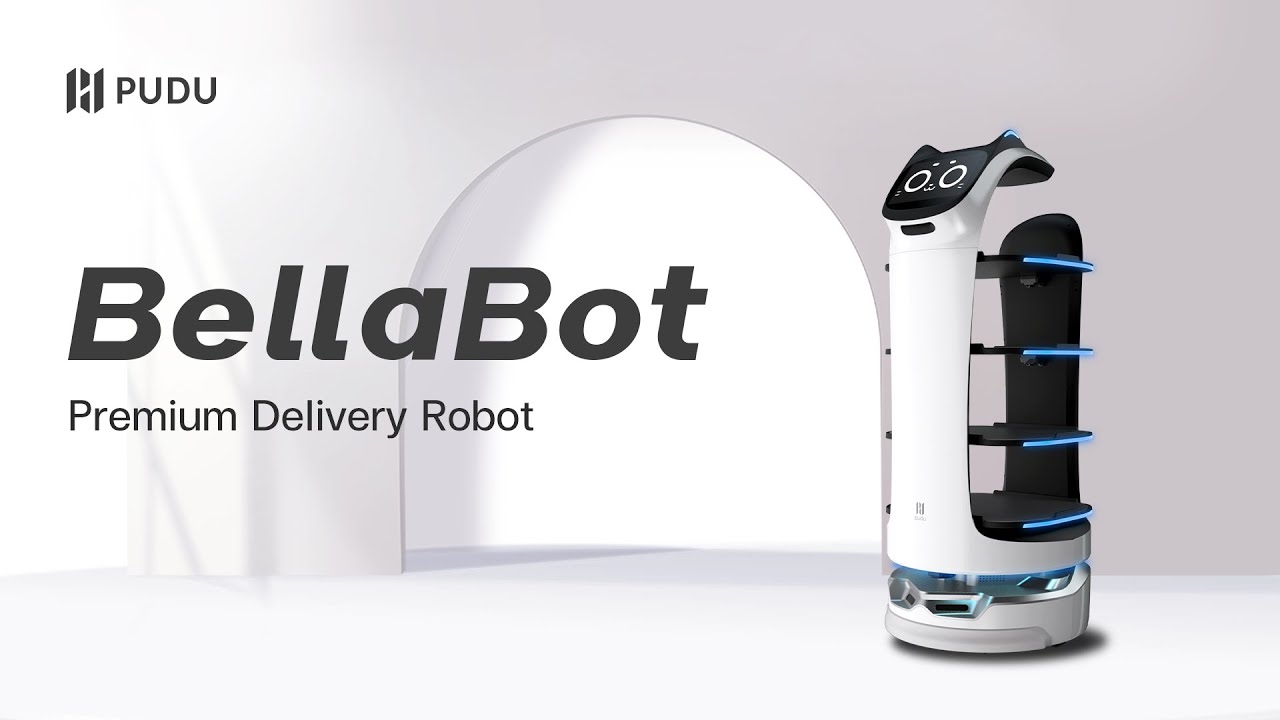
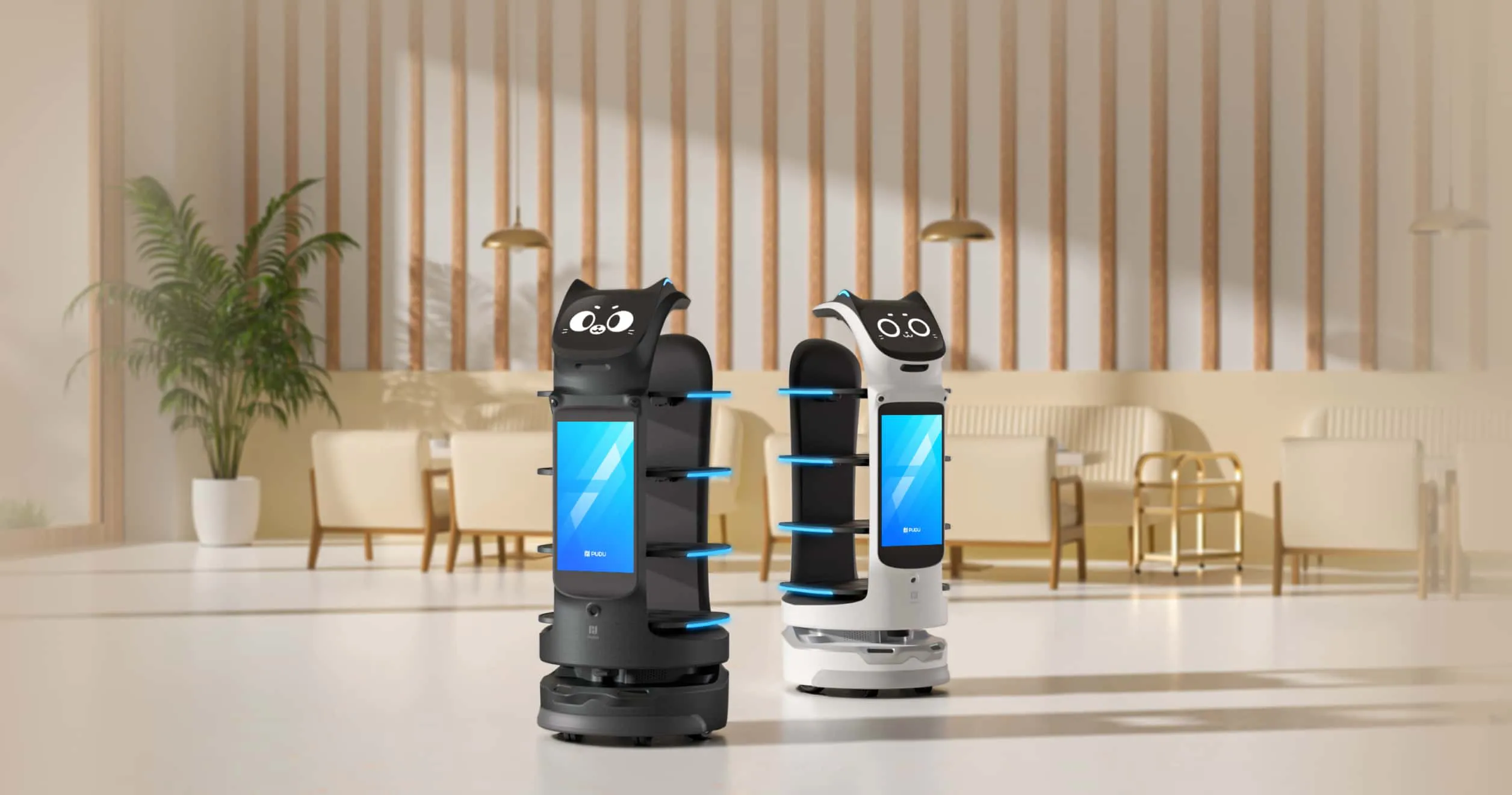
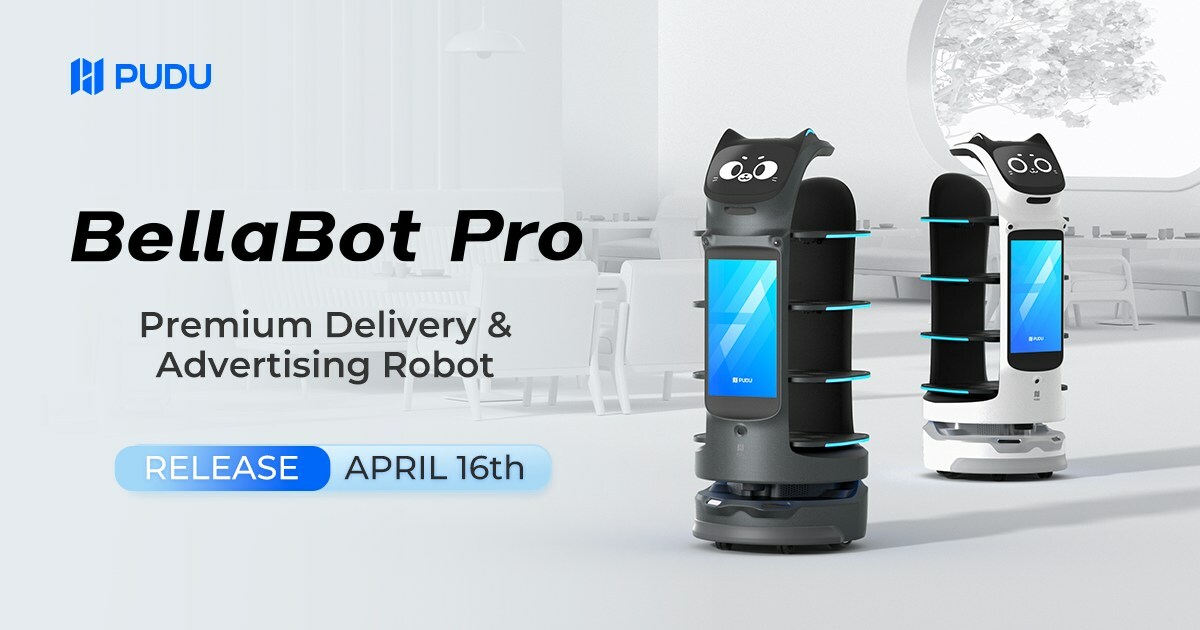
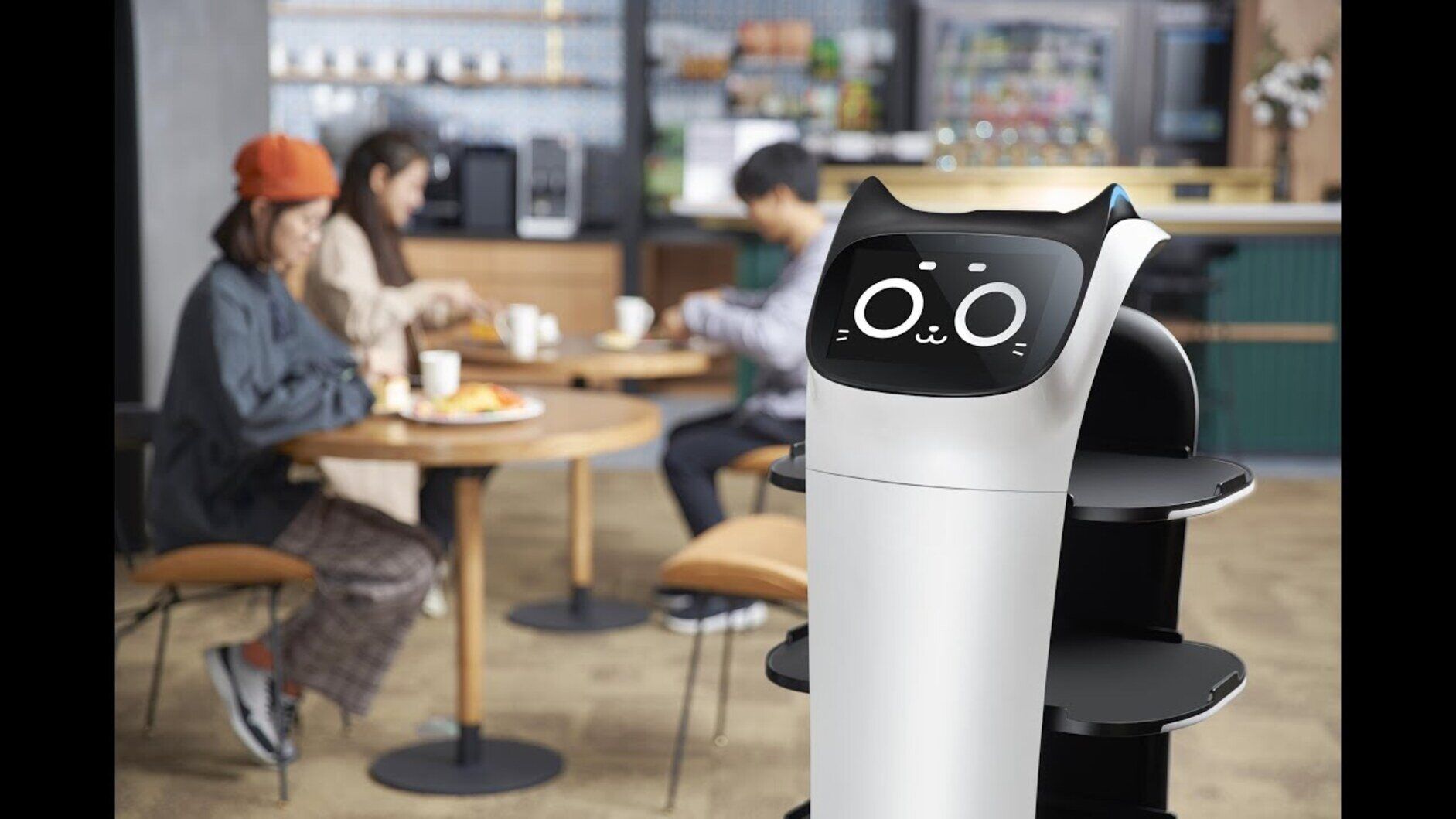
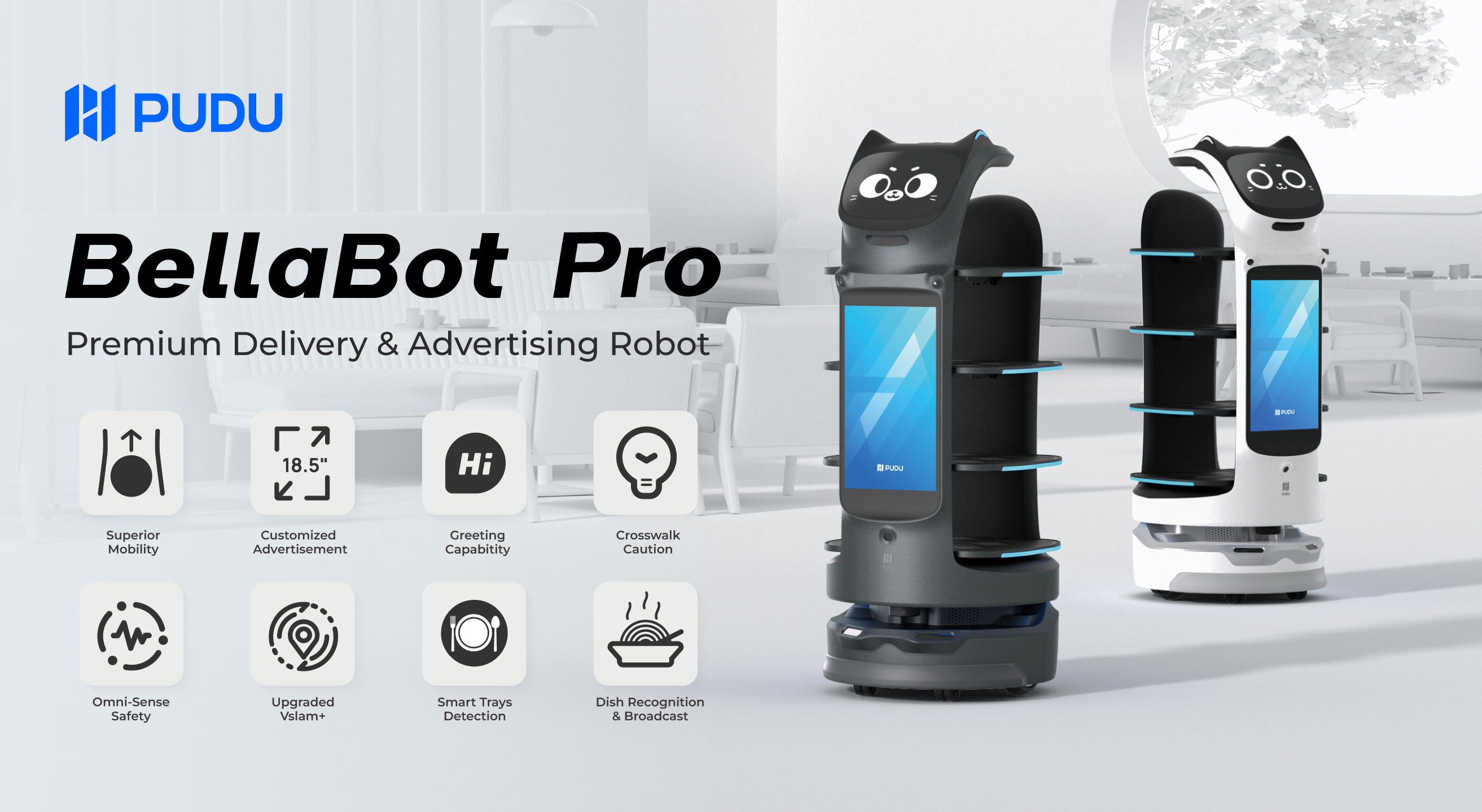
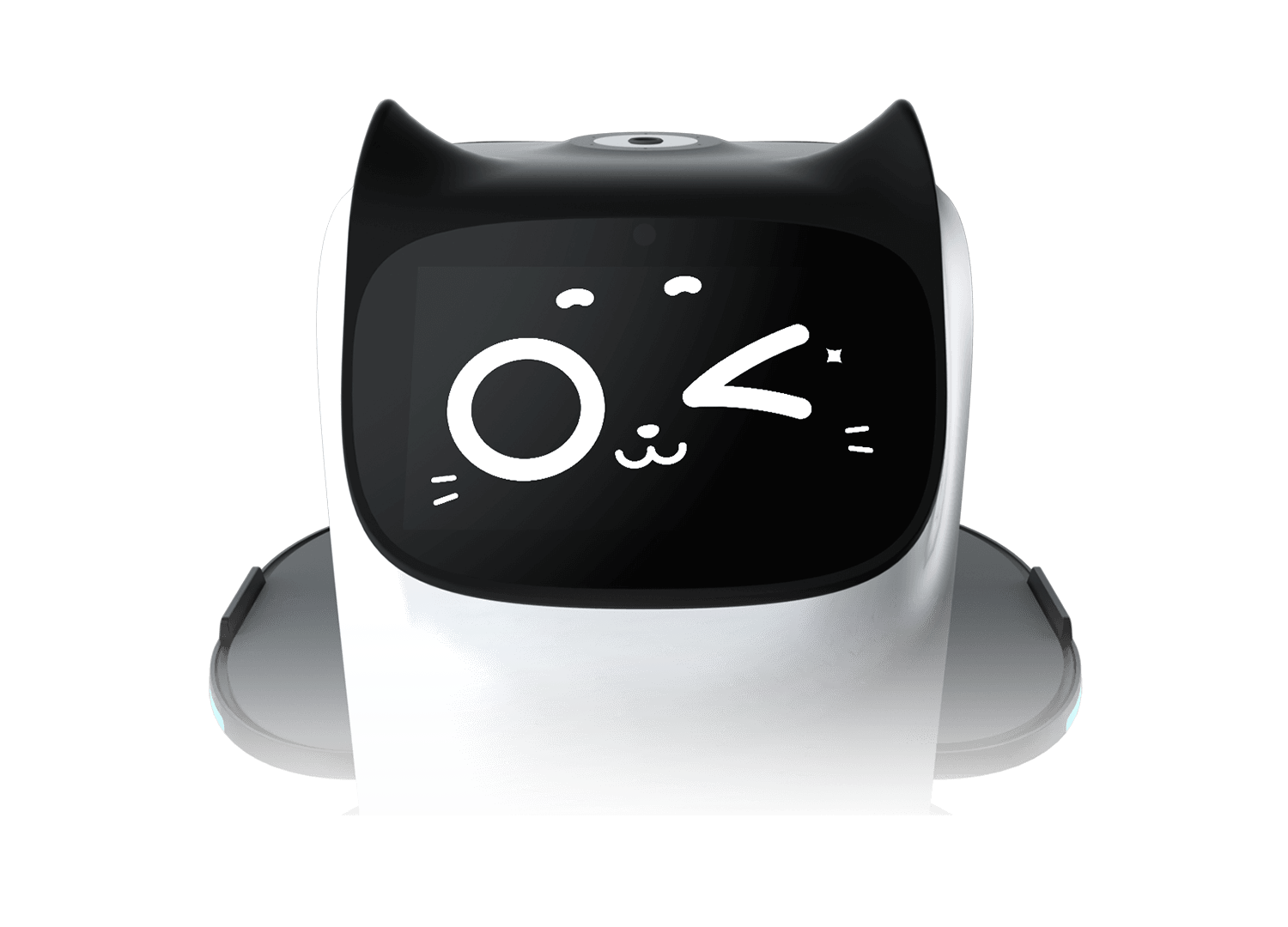
The Pudu BellaBot is a cat-themed service robot designed for food delivery and customer interaction, manufactured by Pudu Robotics (Shenzhen, China). First released in 2019, this wheeled robot features a bionic cat-face display with animated LED expressions, touch-responsive ears, and a 4-layer tray system. It uses dual SLAM navigation (Laser + Visual) and three RGBD cameras for 3D omnidirectional obstacle avoidance. Available in standard and BellaBot Pro variants, it targets restaurants, hotels, and retail environments. With over 60 countries of deployment, the BellaBot stands out for its engaging personality, hot-swappable battery, and Pudu Cloud fleet management.
Specifications
Here are the full technical specifications.
| Spec | Value |
|---|---|
| Height | 1290 mm |
| Weight | 55 kg |
| Degrees of freedom | 0 |
| Battery life | 12–24 hours (standard) / 11 hours (Pro) |
| Max speed | 2 m/s |
| Payload | 40 kg |
| Price (new) | $8,000–$15,000 |
| Price (used range) | Estimated $4,500–$9,000 |
Price & Value
New MSRP: $8,000–$15,000
Used range: Estimated $4,500–$9,000
The Pudu BellaBot enters the mid-range food service robot market at $8,000–$15,000, positioning it competitively against Keenon T8 (~$8,000) and Bear Robotics Servi (~$15,000). For the price, buyers get dual SLAM navigation, a cat-themed design that increases customer engagement, and a hot-swap battery for 24/7 operation. Depreciation is moderate, with used units trading at roughly 40–60% of original cost after 2–3 years of restaurant use. Total cost of ownership is reduced by Pudu Cloud analytics and fleet management software, which optimize routes and reduce labor. Compared to higher-end alternatives, BellaBot sacrifices some payload (40 kg vs 50+ kg) but gains personality and lower upfront cost. Businesses with high turnover may find the Pro model ($10k–$15k) with dual advertising screens yields better ROI.
Who Is It For?
Best for: - Restaurants needing engaging food runners (up to 40 kg across 4 trays) with customer-facing personality - Hotels and resorts using room service delivery and promotional display—BellaBot’s LED screens and voice interaction add brand value - Cafés and bakeries that benefit from the cat-themed novelty and zero-turn navigation in tight spaces - Hospitals and clinics looking for contactless meal and supply delivery with a friendly, non-clinical appearance
Not for: - Heavy industrial kitchens (payload limited to 10 kg per tray—not suitable for bulk pots or crates) - Outdoor or unsealed environments (no IP rating for rain/dust; climbing angle ≤ 5° restricts multi-level outdoor terraces) - Budget-constrained startups that cannot justify $8k+ and prefer manual bussing instead
Alternatives & Comparison
The BellaBot competes in the food delivery robot space with several well-known models offering similar price points and features. Here’s how it stacks up:
| Model | Price | Available | Key Difference |
|---|---|---|---|
| Keenon T8 | $8,000 | yes | Higher total payload (up to 50 kg), open tray design, lacks animated facial expressions |
| Bear Robotics Servi | $15,000 | yes | Camera-based navigation (no LiDAR), sleek minimalist design, specialized drink-stabilization, lower payload (30 kg) |
| OrionStar Lucki | $10,000 | yes | Built-in AI voice ordering assistant, dual-screen advertising display, multi-purpose retail/restaurant use |
Verdict: The BellaBot wins on personality and dual SLAM reliability at a mid-range price, making it the best choice for restaurants that want a memorable guest experience. If you need maximum payload or advanced voice ordering, the Keenon T8 or Lucki might justify the extra cost. The Bear Servi’s higher price and lack of LiDAR make it less attractive unless you specifically need its sleek design and drink-stabilization.
Use Cases & Capabilities
Restaurant Food Delivery
BellaBot’s primary use case is shuttling dishes from kitchen to tables. Four trays with 10 kg per tray allow efficient multi-table runs, and infrared sensors confirm when a dish is picked up. The cat-face animations and voice announcements (“Enjoy your meal!”) delight diners and reduce staff fatigue. Zero-turn maneuverability lets it navigate tight dining rooms, and dual SLAM works reliably even without reflective markers. Thousands of deployments worldwide prove it can handle peak-hour rushes.
Automatic Dish Collection
Beyond delivery, BellaBot can be programmed to circulate and collect used plates. The customizable tray heights (230/200/200/180 mm) accommodate various dish sizes. Infrared sensors detect when a tray is full, prompting a return to the kitchen. This reduces busser workload and speeds up table turnover, especially in high-volume buffets or food courts. The 3D obstacle avoidance prevents collisions when navigating between seated guests.
Hotel Room Service & Wayfinding
In hotels, BellaBot doubles as a bellhop: delivering amenities, room service orders, or guiding guests to meeting rooms. The Pro model’s dual LCD advertising screens can display floor plans, promotions, or event schedules. Touch-responsive ears provide haptic feedback, making interactions more engaging than a typical service cart. Its quiet electric drive and clean design fit upscale lobbies, and the cloud platform tracks deliveries for management analytics.
Retail Promotional Display
Retail stores use BellaBot as a mobile advertisement that hands out samples or flyers. The dozens of animated cat expressions and customizable voice greetings grab shopper attention. Fleet management allows multiple robots to coordinate in large stores, each carrying up to 10 kg of giveaways per tray. The quick-swap battery enables all-day operation during extended holiday hours without downtime. Its bionic design makes it a conversation starter that boosts foot traffic.
History & Background
Pudu Robotics was founded in 2016 in Shenzhen, China, with a focus on commercial service robots. The BellaBot debuted in January 2019 as the company’s flagship cat-themed delivery robot, quickly gaining viral attention for its expressive cat face and responsive ears. Tens of thousands of units were deployed across 60+ countries within its first few years. In 2021, Pudu released the BellaBot Pro, adding dual LCD advertising screens and enhanced cloud analytics. The BellaBot line remains in active production, with no ownership changes. Pudu continues to update the platform via OTA firmware upgrades, and the robot has received CE, FCC, and RoHS certifications, cementing its status as one of the most recognizable food service robots worldwide.
Buying Used — What to Check
Verify battery health Li-Ion packs degrade after 500+ cycles; a worn battery could drop runtime below 10 hours. Demand a cycle count or capacity test.
Test tray infrared sensors Dirty or faulty sensors can cause delivery confirmation errors, leading to service disruptions. Clean and test with a plate before purchasing.
Run SLAM navigation test Reflective floors or worn wheel encoders can throw off mapping. Perform a full loop in the intended environment with obstacles to ensure responsiveness.