What is the Rainbow Hubo?
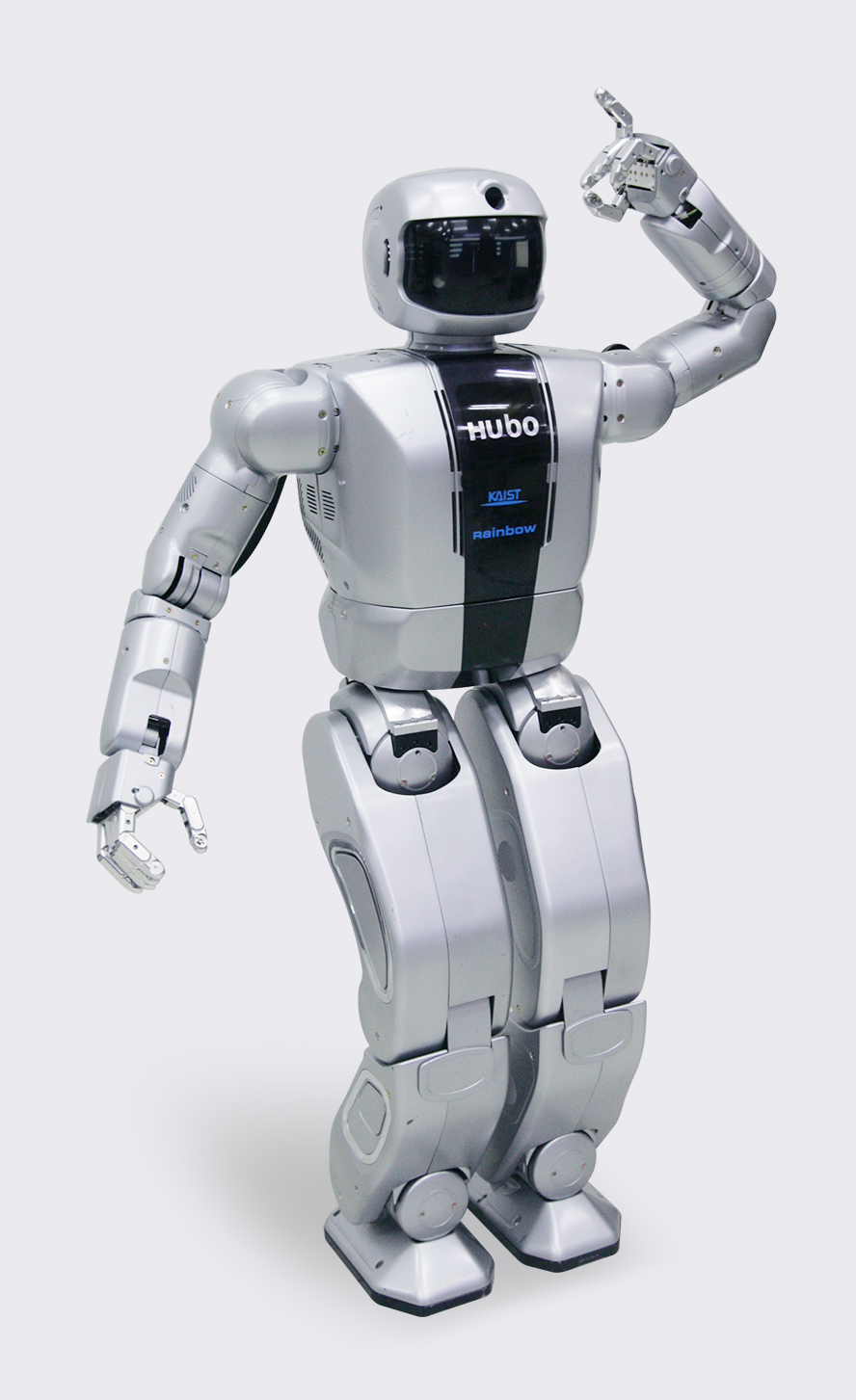
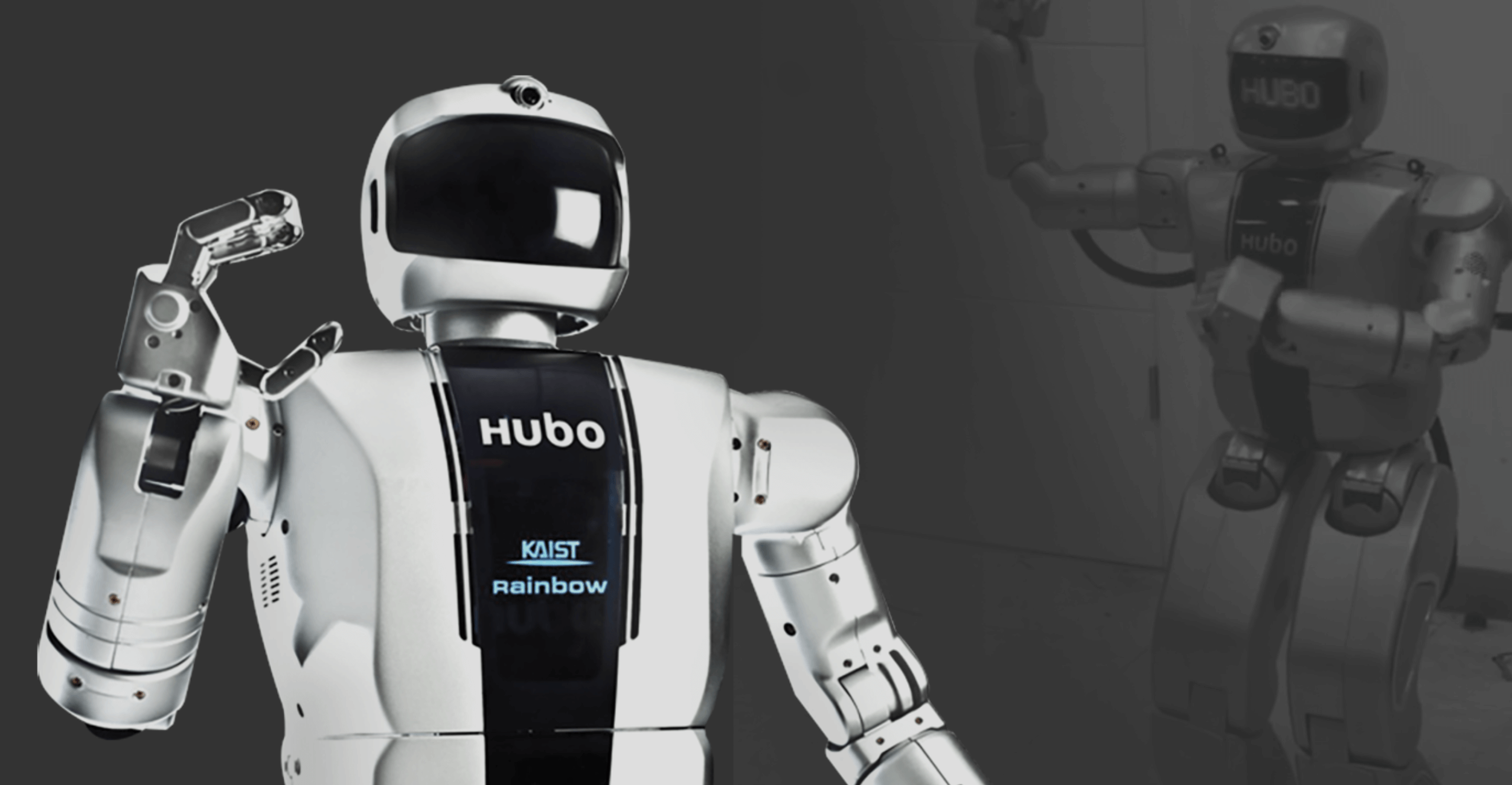
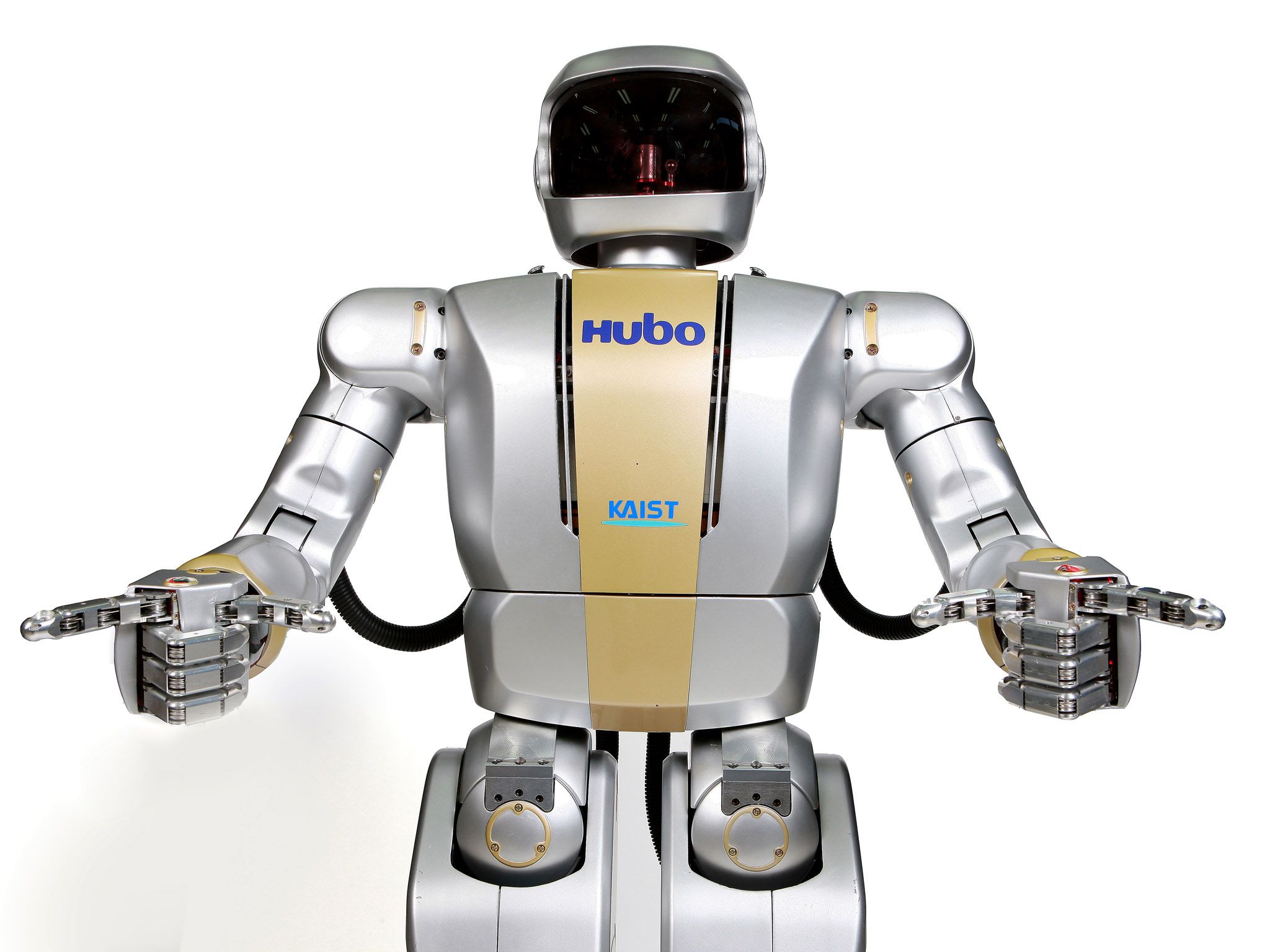
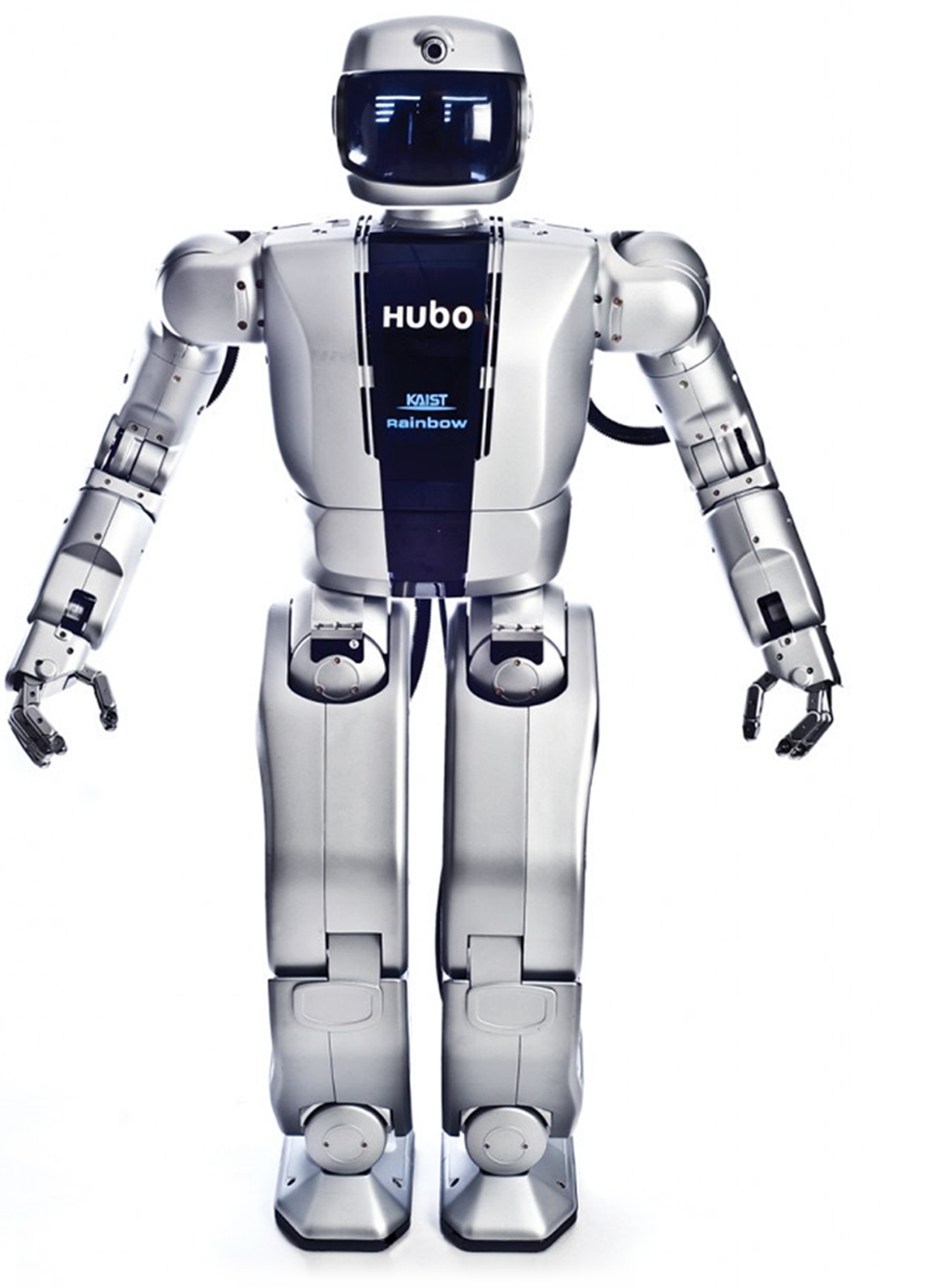
The HUBO (Humanoid Robot) is a series of bipedal humanoid robots originally developed at KAIST (Korea Advanced Institute of Science and Technology) in Daejeon, South Korea. Rainbow Robotics, a spin-off founded by KAIST researchers, now manufactures the commercial Rainbow HUBO+ variant. Standing 125 cm tall and weighing 45 kg, HUBO is a mid-size humanoid platform designed for research on stable bipedal walking, whole-body manipulation, and human-robot interaction. It features 41 degrees of freedom, force-torque sensing ankles, a stereo camera, and an onboard x86 Linux computer. Unlike many humanoids of its era, HUBO’s modular design and open software stack have made it a popular research tool at universities worldwide, including Carnegie Mellon, Drexel, and Google.
Specifications
Here are the full technical specifications.
| Spec | Value |
|---|---|
| Height | 125 cm |
| Weight | 45 kg |
| Degrees of freedom | 41 |
| Battery life | 2 hours |
| Max speed | 1.25 km/h |
| Payload | 2 kg |
| Price (new) | Undisclosed (contact manufacturer) |
| Price (used range) | N/A |
Price & Value
New MSRP: Undisclosed (contact manufacturer)
Used range: N/A
Rainbow Robotics does not publish a list price for the HUBO platform. Historically, units have been sold directly to academic and corporate research labs on a quotation basis, with reported costs in the range of several hundred thousand USD. This places HUBO in a similar bracket to the HRP-4 (~$300,000) but more affordable than the REEM-C or Boston Dynamics Atlas. The value lies in its proven bipedal stability, 41-DOF dexterity, and the extensive research pedigree dating back to the DARPA Robotics Challenge. Total cost of ownership should account for periodic maintenance of harmonic-drive actuators and Li-Po battery replacement every 2–3 years. For institutions seeking a well-documented humanoid with strong community support, HUBO offers a reliable, if not cutting-edge, solution. However, buyers must be prepared for a custom procurement process and likely long lead times.
Who Is It For?
Best for: - University research labs studying bipedal walking and whole-body control (41 DOF allows nuanced motion studies) - Robotics competitions and DARPA-style challenges (proven DRC pedigree) - Institutions seeking a well-documented, mid-size humanoid with strong community and publication history
Not for: - Budget-conscious hobbyists (purchase cost typically exceeds $200,000, requires institutional procurement) - Industrial heavy-lifting tasks (arm payload limited to 2 kg) - Out-of-the-box commercial deployment (requires significant software integration and maintenance expertise)
Alternatives & Comparison
HUBO competes in the full-size bipedal research humanoid market against platforms like the HRP-4 and REEM-C.
| Model | Price | Available | Key Difference |
|---|---|---|---|
| HRP-4 | ~$300,000 (est.) | yes | 48 DOF, adult-size (151 cm), lightweight design |
| REEM-C | Undisclosed | yes | Full-size (165 cm), ROS-native, open-source, but heavier (80 kg) |
Verdict: For labs prioritizing bipedal walking research with a proven competition-tested platform, HUBO remains a solid choice, especially given its DRC-winning legacy. However, if a taller, human-like form factor and higher DOF count are critical, the HRP-4 justifies its higher price. The REEM-C offers open-source ROS integration and a larger community, but its weight and height may complicate some laboratory settings. Ultimately, HUBO hits a sweet spot for mid-size humanoid research, balancing dexterity, cost, and historical reliability.
Use Cases & Capabilities
Humanoid Robotics Research
HUBO serves as an ideal platform for investigating bipedal locomotion, whole-body control, and human-robot interaction. Its 41 degrees of freedom, including articulated hands and a 1-DOF waist, enable rich experimentation with push recovery, stair climbing, and cooperative manipulation. The robot’s onboard stereo camera and force/torque sensors at the ankles provide essential feedback loops for real-time balance and gait optimization. Researchers at institutions like KAIST, Drexel, and IIT have published extensively using HUBO hardware, making it one of the best-documented bipedal humanoids available.
Education and STEM Outreach
With its approachable size (125 cm) and expressive capabilities inherited from Albert HUBO, the platform can be used in university courses on robotics engineering. Students can program walking patterns, develop vision-based grasping, and explore AI integration on a real physical system rather than simulation. The Linux-based onboard computer allows deployment of ROS and custom machine learning stacks, making it a practical teaching tool for advanced robotics curricula. While costly for most undergraduate programs, shared lab facilities can justify the investment for hands-on mechatronics education.
Service Robotics Prototyping
HUBO’s modular design and 2 kg arm payload capacity make it suitable for prototyping light-duty service tasks, such as delivering objects, opening doors, and operating simple switches. Its ability to navigate human environments bipedally, combined with Ethernet and Wi-Fi connectivity, enables research into assistive robotics for home or office settings. The platform’s proven stability even on uneven floors reduces the risk of falls during service scenario trials. Commercial spin-offs may use HUBO as a testbed before developing dedicated service humanoids.
Disaster Response Research
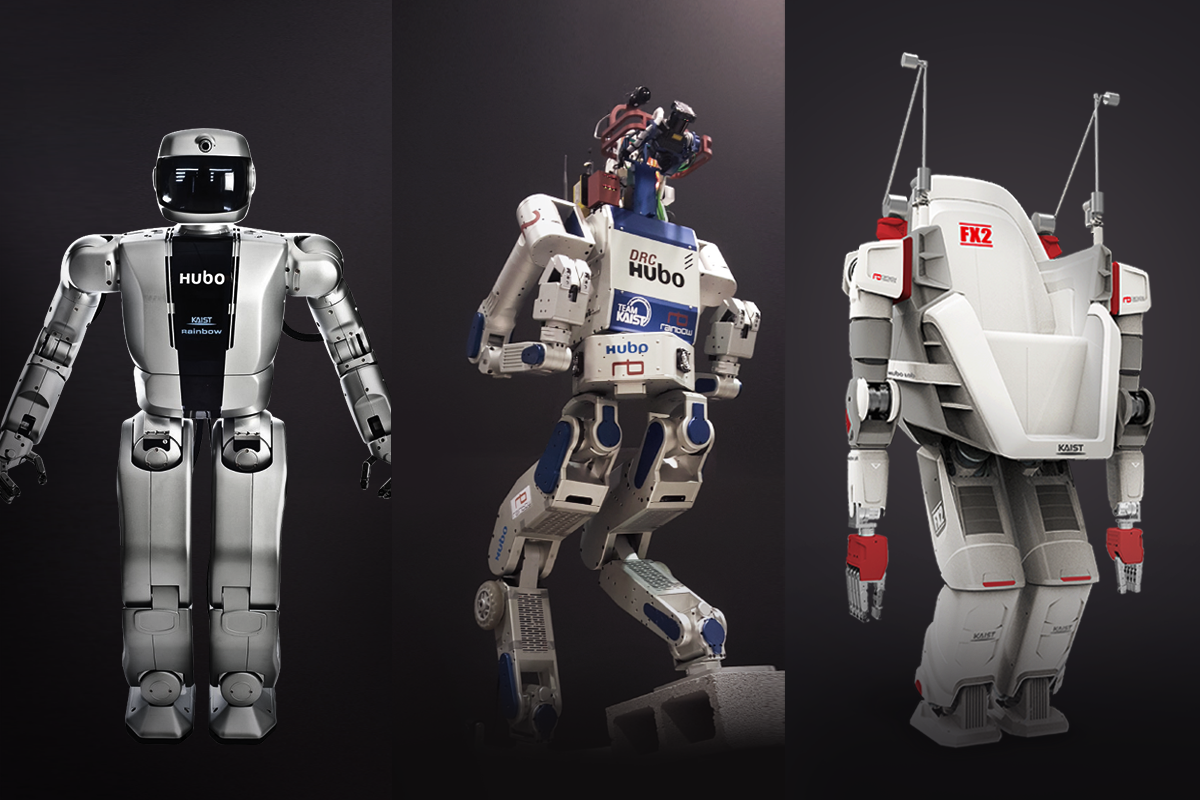
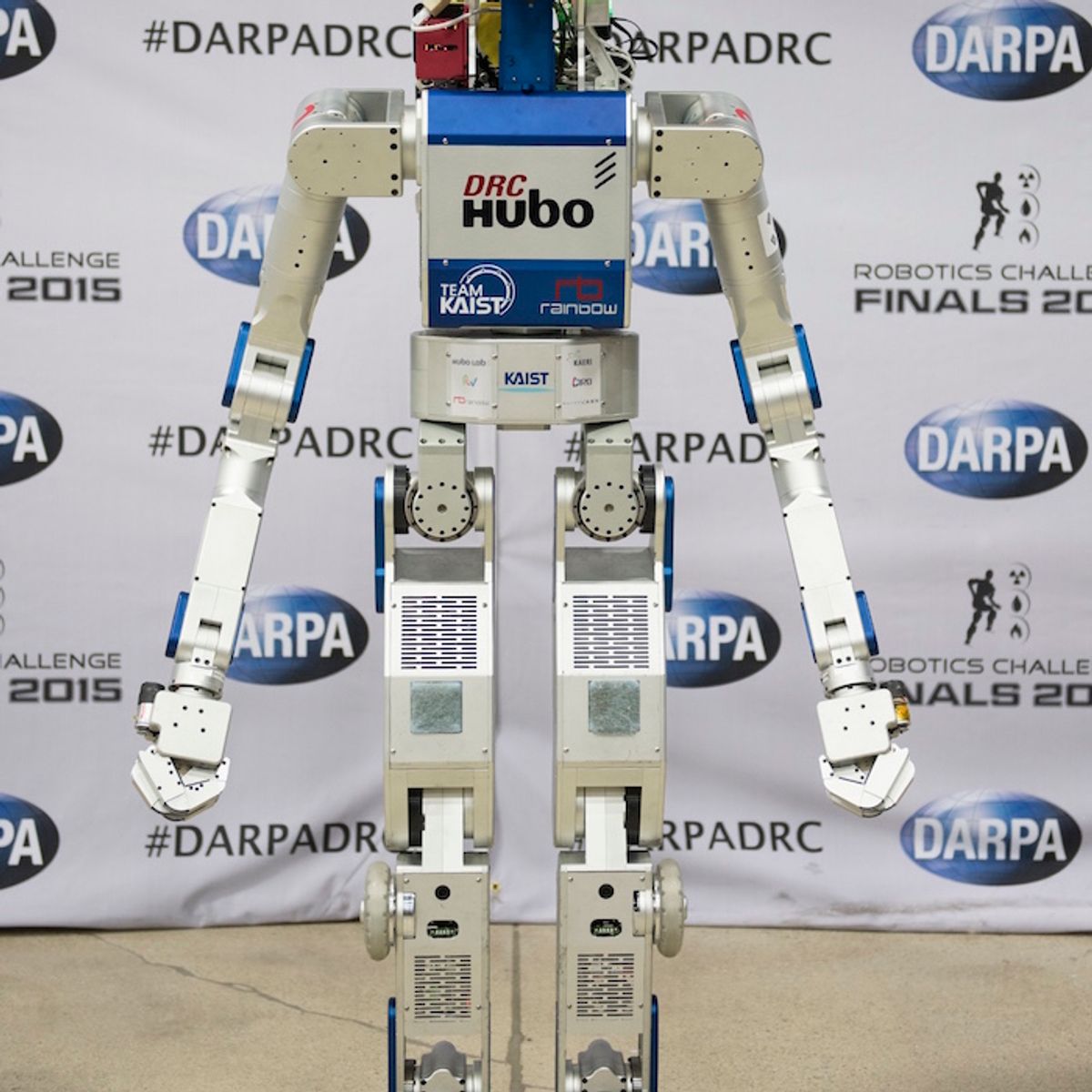
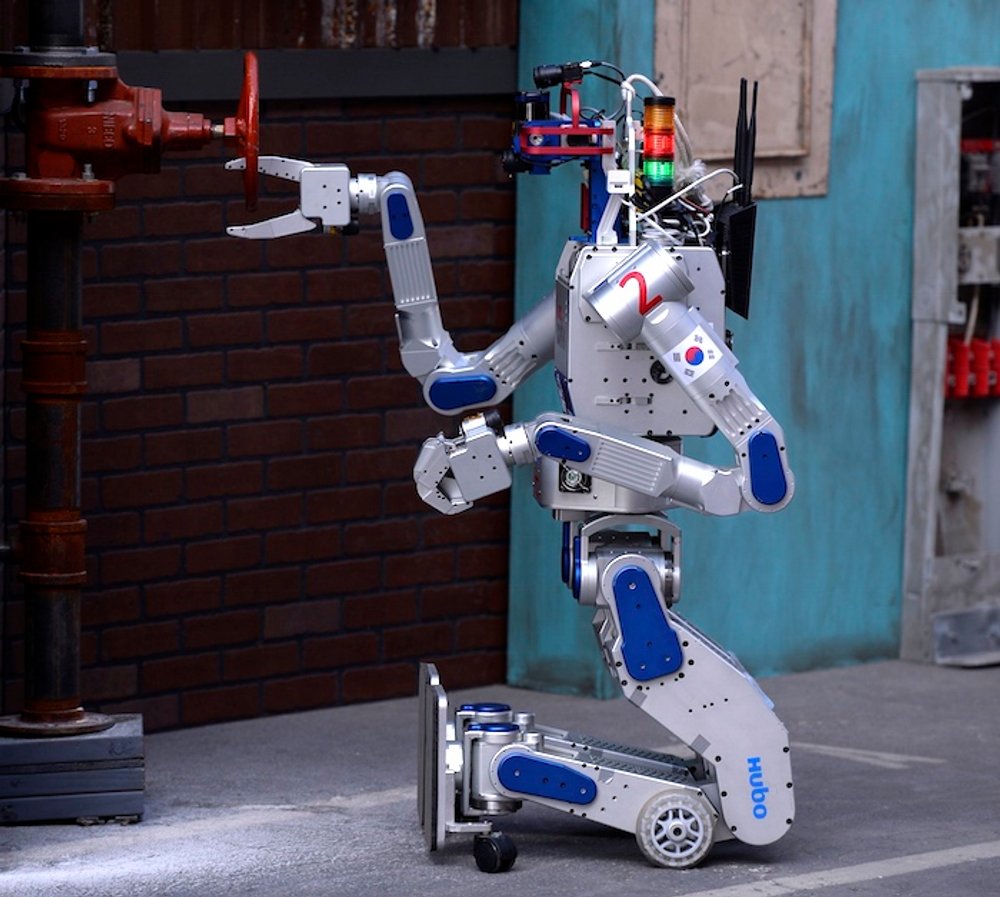
The DRC-HUBO variant demonstrated the robot’s potential for disaster response, including driving a utility vehicle, cutting through a wall, and traversing rough terrain. The 2015 DARPA Robotics Challenge win validated the hardware’s resilience and adaptability under extreme conditions. Today, research labs can acquire a commercial HUBO and outfit it with similar end effectors to continue developing human-supervised emergency robots. While not as rugged as purpose-built disaster robots, HUBO’s bipedal-wheeling locomotion unique to DRC-HUBO remains a benchmark for hybrid mobility.
History & Background
HUBO was first developed in 2005 at KAIST under Professor Jun-Ho Oh, with the original KHR-3 platform achieving walking speeds of 1.25 km/h. The same year saw the creation of Albert HUBO, a version with an animatronic face of Albert Einstein, which brought global attention. In 2009, HUBO 2 was unveiled with improved intelligence and a sleeker design. The robot gained further recognition when Team KAIST won the 2015 DARPA Robotics Challenge Finals with a modified DRC-HUBO, which could transition between bipedal walking and wheeled kneeling locomotion. Rainbow Robotics was spun out from KAIST in 2011 to commercialize the technology, leading to the Rainbow HUBO+ platform sold to various research institutions. As of 2026, HUBO remains an active product line, with no indication of discontinuation, though the company’s newer RB-Y1 mobile manipulator has captured recent media interest.
Buying Used — What to Check
Verify actuator health The harmonic-drive DC motor actuators in hips, knees, and arms are subject to wear and may need costly replacement if not properly maintained.
Battery condition The Li-Po battery pack degrades over time; a used unit may only deliver half of its 2-hour runtime if the battery is several years old.
Frame damage Falls during research can cause micro-cracks in the aluminum structure or misalign joints, compromising walking stability and safety.