What is the Robotera Q5?
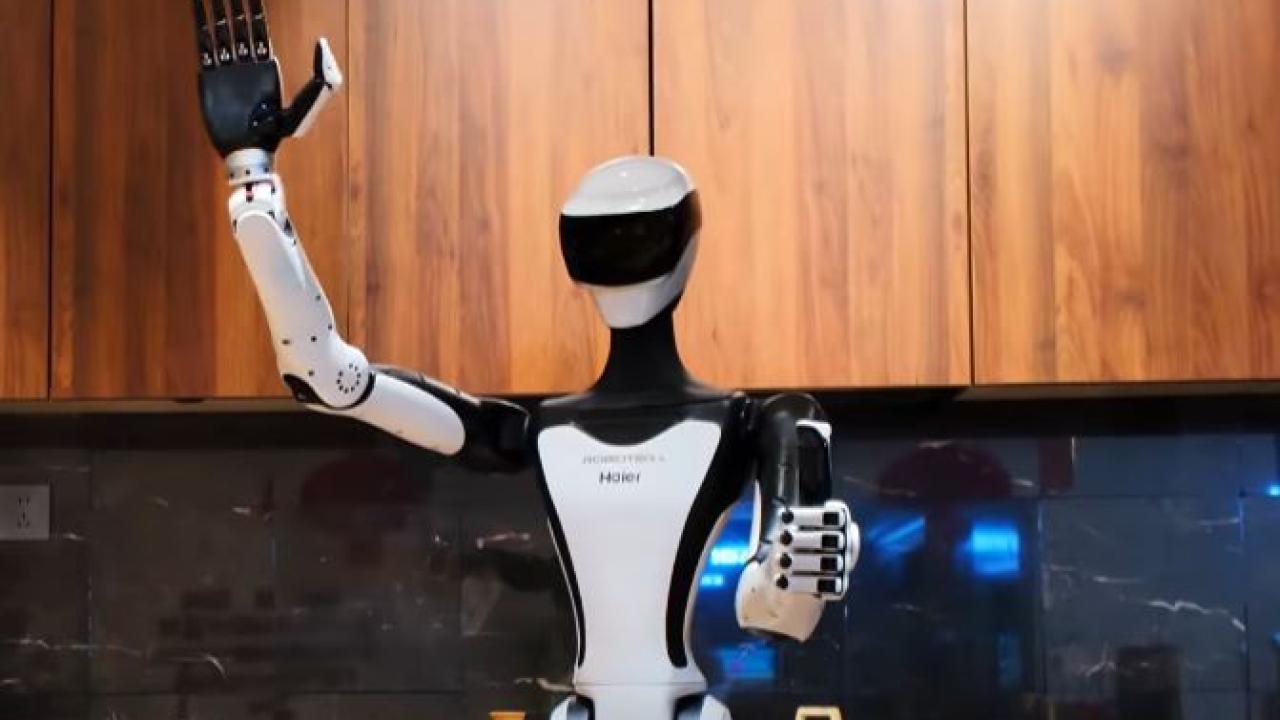
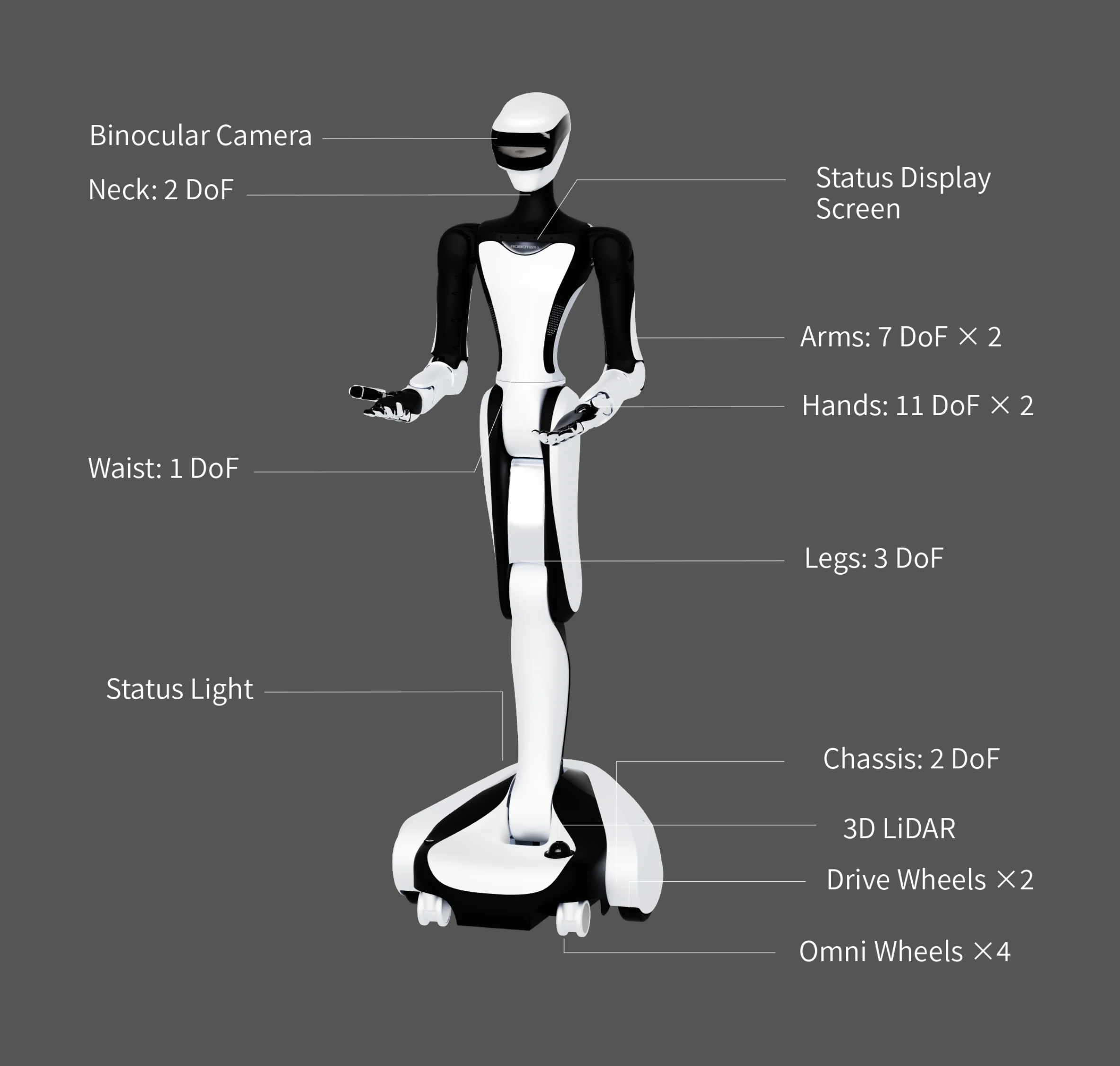
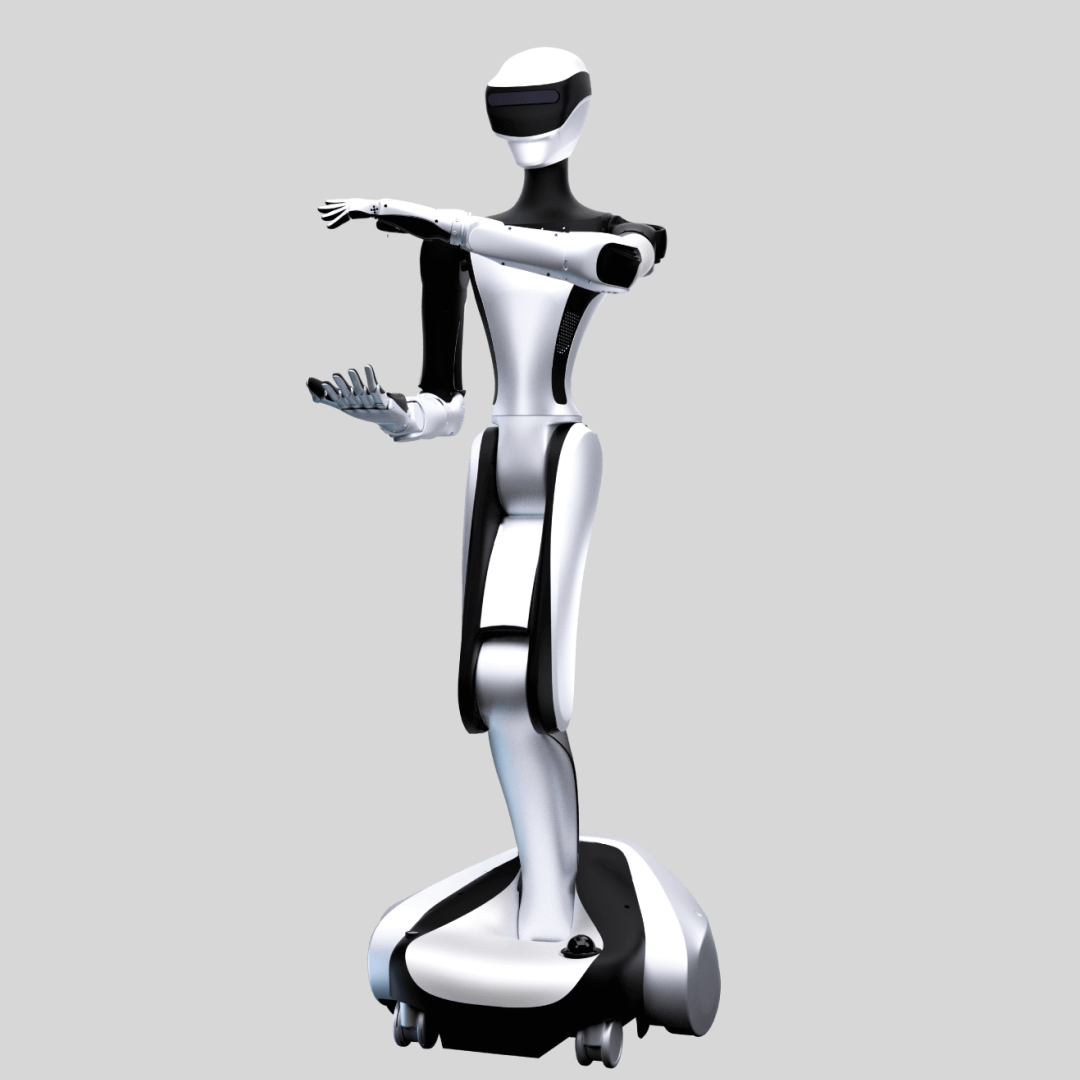
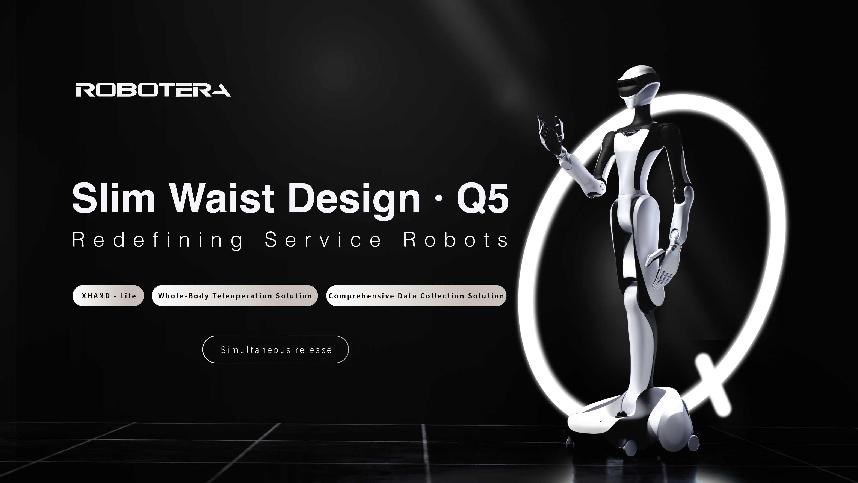
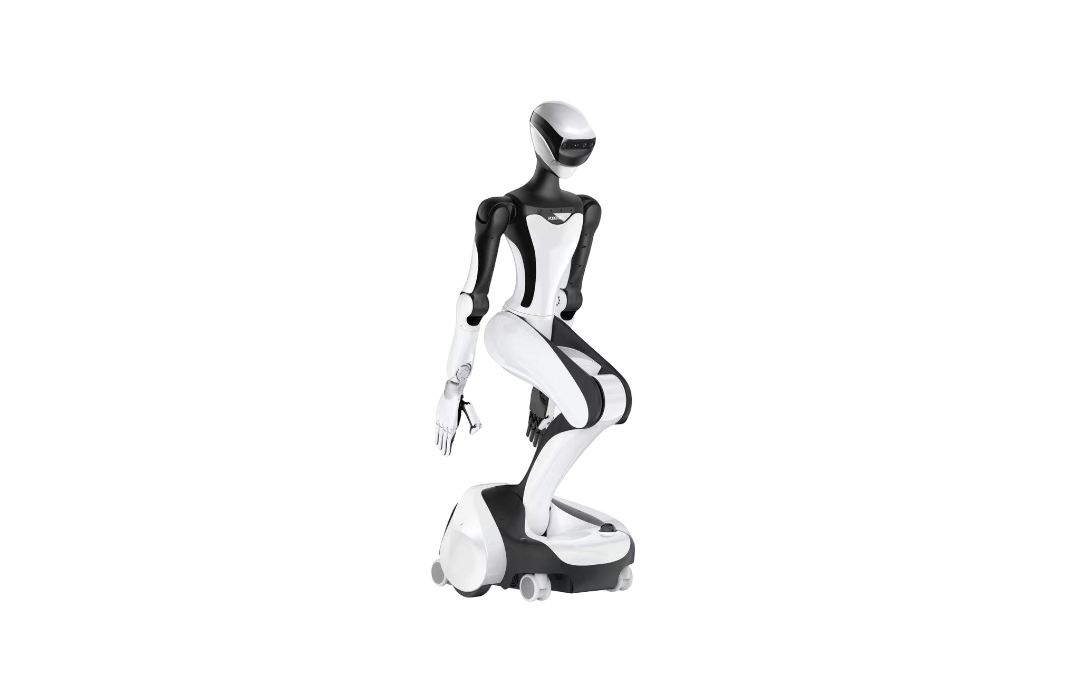
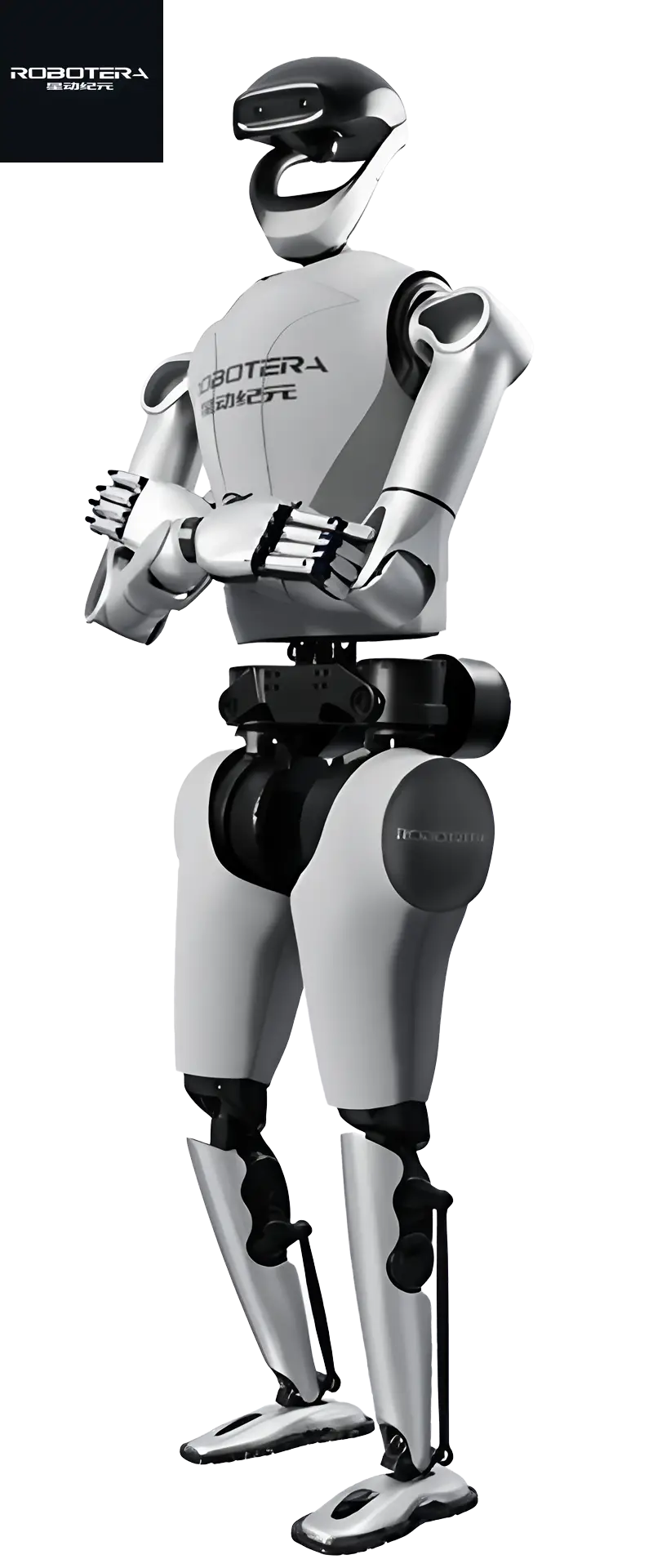
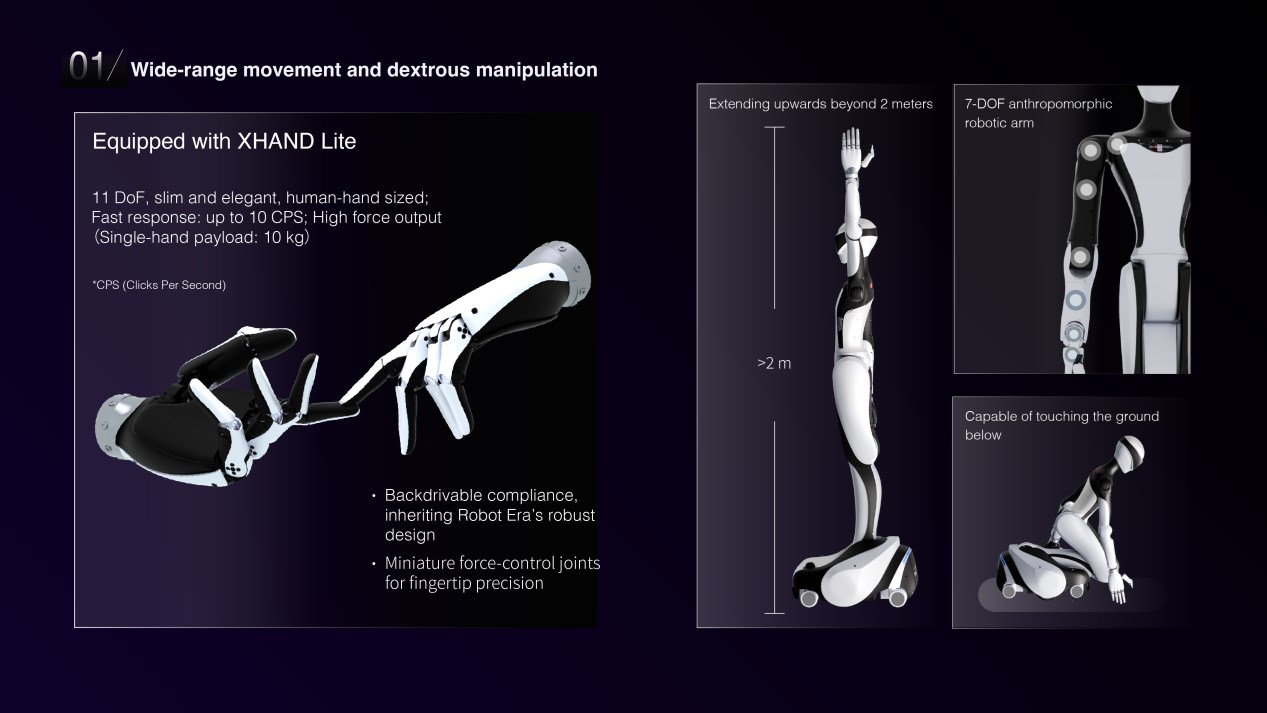
The RobotEra Q5 is a full-size humanoid service robot designed by Chinese robotics company RobotEra for enterprise environments. Standing 1.65 meters tall and weighing 65 kg, it integrates 55 degrees of freedom for dexterous manipulation and expressive interactions. The Q5 targets customer-facing roles in healthcare, retail, tourism, hospitality, and education, offering natural language dialogue and visitor guidance via an onboard embodied AI system. Unlike RobotEra’s L7 industrial humanoid, the Q5 is wheeled and optimized for safe indoor operation, emphasizing intuitive HRI rather than heavy payload tasks. It is sold through direct enterprise inquiry, with pricing undisclosed.
Specifications
Here are the full technical specifications.
| Spec | Value |
|---|---|
| Height | 1.65 m |
| Weight | 65 kg |
| Degrees of freedom | 55 |
| Battery life | >4 hours |
| Max speed | 14.4 km/h |
| Payload | 20 kg |
| Price (new) | Undisclosed |
| Price (used range) | N/A (no used market) |
Price & Value
New MSRP: Undisclosed
Used range: N/A (no used market)
RobotEra does not publicly list the Q5’s price; it is only available via direct inquiry, suggesting a custom-quoted cost based on deployment scale and configuration. Given comparable service humanoids from competitors, the effective price likely falls somewhere between $30,000 and $100,000, but this is speculative. Without transparent pricing, buyers should negotiate service-level agreements, warranty, and integration costs upfront. Total cost of ownership will depend heavily on maintenance and software updates from RobotEra.
Who Is It For?
Best for: - Hospitals and medical centers needing a humanoid receptionist/guide (55 DOF enables expressive, engaging interactions) - Retail stores wanting interactive customer assistance (onboard AI handles natural language queries) - Hotels and tourism venues for visitor information and guidance (wheeled base ensures safe indoor operation)
Not for: - Factories with heavy material handling (only 20 kg payload) - Budget-constrained buyers (pricing unknown and likely high)
Alternatives & Comparison
For enterprises evaluating a humanoid service robot, the RobotEra Q5 competes with a handful of other humanoid platforms capable of customer-facing interaction.
| Model | Price | Available | Key Difference |
|---|---|---|---|
| SoftBank Pepper | ~$20,000 (used, discontinued) | yes | Affordable but limited to 20 DOF and no walking; discontinued. |
| UBTECH Walker S | Undisclosed (est. $50,000–$100,000) | preorder | Bipedal walking, broader domestic service focus. |
| Fourier GR-2 | Undisclosed (est. $80,000+) | enterprise-only | Industrial-grade payloads and manipulation, heavier. |
Verdict: The Q5 is a strong contender for customer service if your priority is human-like expressiveness and safe indoor operation, but Pepper’s low used price makes it a risk-free trial. For outdoors or mobile manipulation, Walker S or GR-2 are better choices. Wait for transparent pricing before committing to the Q5.
Use Cases & Capabilities
Healthcare Reception
The Q5 can greet patients, provide wayfinding, and schedule appointments at hospital lobbies. Its 55 DOF allows human-like gestures, making interactions feel more natural for anxious visitors. The robot’s wheeled base ensures safe navigation around wheelchairs and gurneys, and the >4-hour battery covers a half-day shift before recharging. Integration with hospital information systems enables real-time data access.
Retail Customer Assistance
In retail stores, the Q5 answers product queries, checks stock availability, and guides shoppers to aisles. The ERA‑42 onboard AI model handles open-ended questions, reducing staff load during peak hours. Its 20 kg payload can carry small items, and the robot’s screen displays promotional content. The Q5’s safety-focused wheeled design avoids tripping hazards on busy floors.
Tourism Information Kiosk
At airports, museums, or tourist centers, the Q5 provides interactive maps, event schedules, and multilingual support. Its stereo RGB‑D camera and LiDAR enable accurate visitor tracking without physical contact. The robot’s wheeled mobility allows it to reposition to high-traffic areas, while its expressive face and arms deliver engaging presentations. With an always-connected AI, it can access cloud databases for up-to-date information.
Hospitality Concierge
Hotels can deploy the Q5 as a lobby concierge to assist with check-ins, room service orders, and local recommendations. Its humanoid form factor adds novelty, improving guest satisfaction scores. The robot’s safety features and simple wheeled locomotion make it suitable for carpeted and tiled floors. Staff can focus on high-touch services while the Q5 handles routine requests.
History & Background
RobotEra was founded in China (exact year unknown) and introduced its first humanoid platform, Star 1, in 2024 as a general-purpose bipedal robot. The Q5 debuted in 2025 as a wheeled service-oriented variant, designed specifically for indoor public-facing roles. The Q5 leverages RobotEra’s ERA‑42 embodied AI computer and large multimodal model for natural language and vision tasks. Unlike the L7 industrial model (revealed in 2025), the Q5 prioritizes safety and simple interaction over high payload or speed, using a wheeled base to eliminate fall risks. The Q5 is in early enterprise deployment, with no retail availability, and represents RobotEra’s first generation of service humanoids.
Buying Used — What to Check
Verify battery health Mission‑critical for shift‑based roles; confirm >85% capacity remains.
Request software update history ERA‑42 AI model patches require OEM support; outdated versions may lose key interaction features.
Inspect wheel drive system Continuous indoor rolling can wear out motors or odometry sensors, affecting navigation accuracy.