What is the Softbank Pepper?
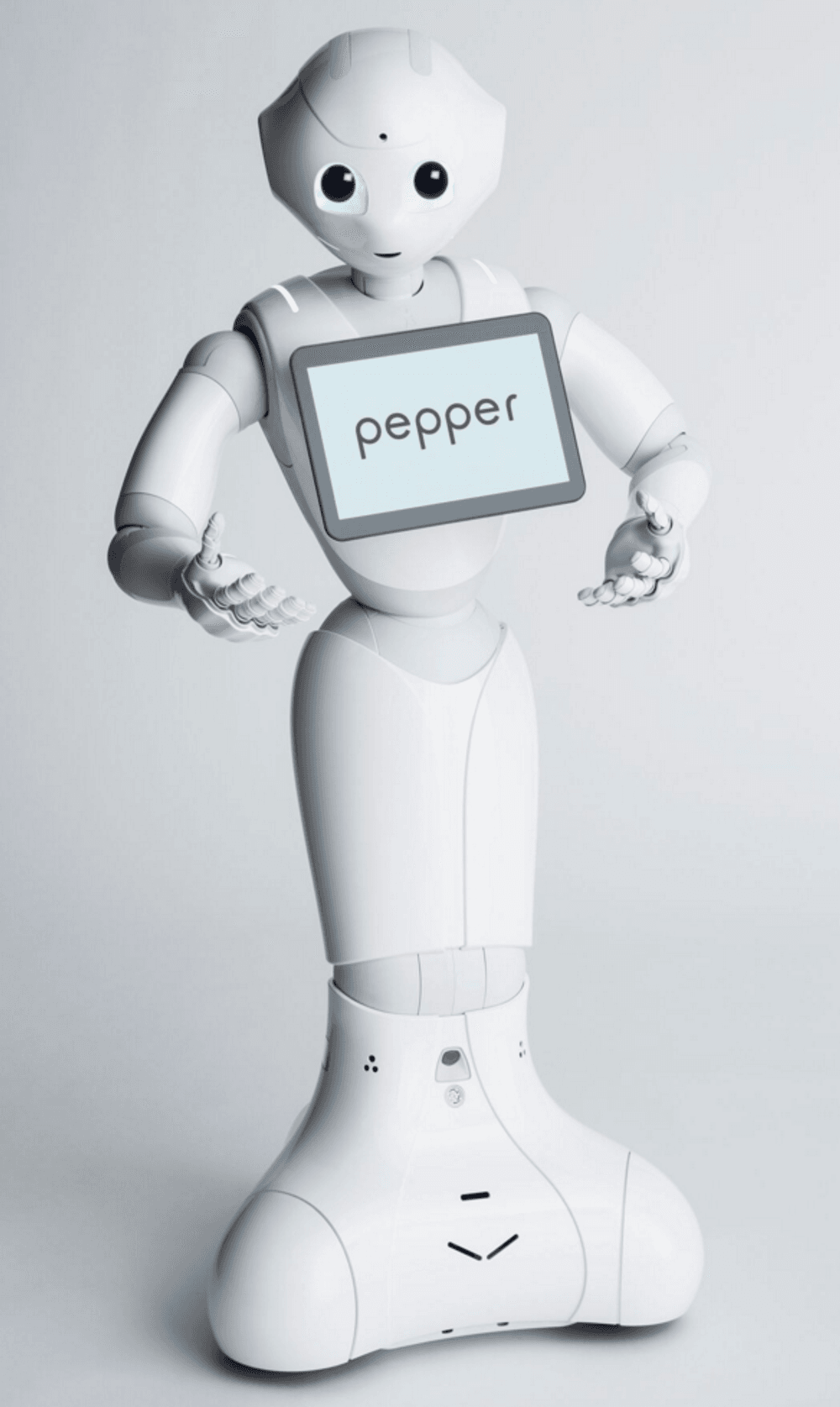
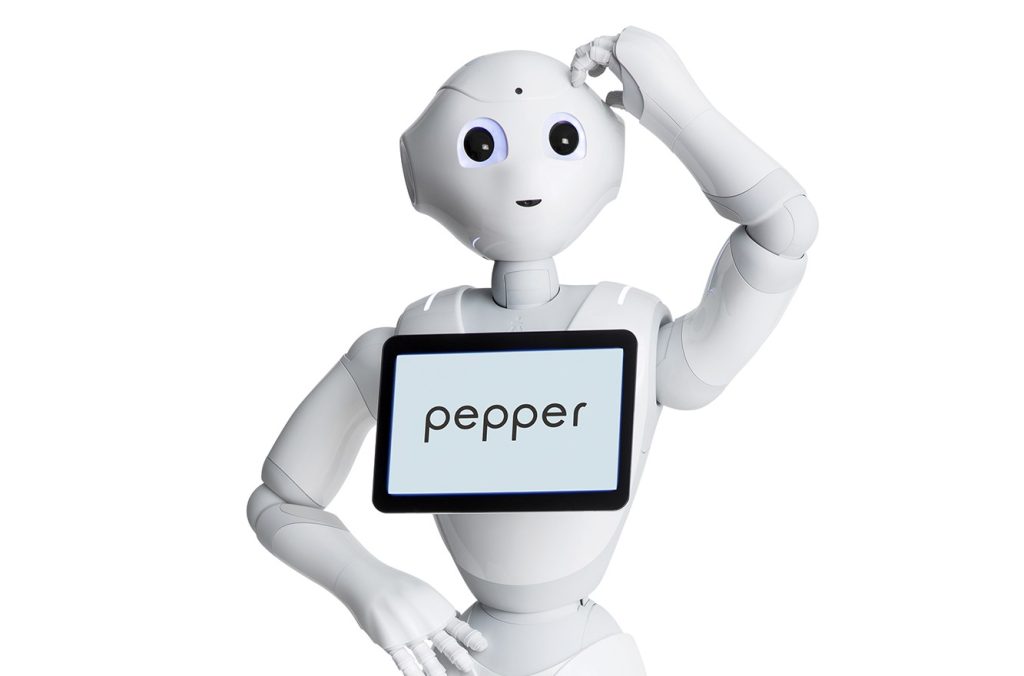
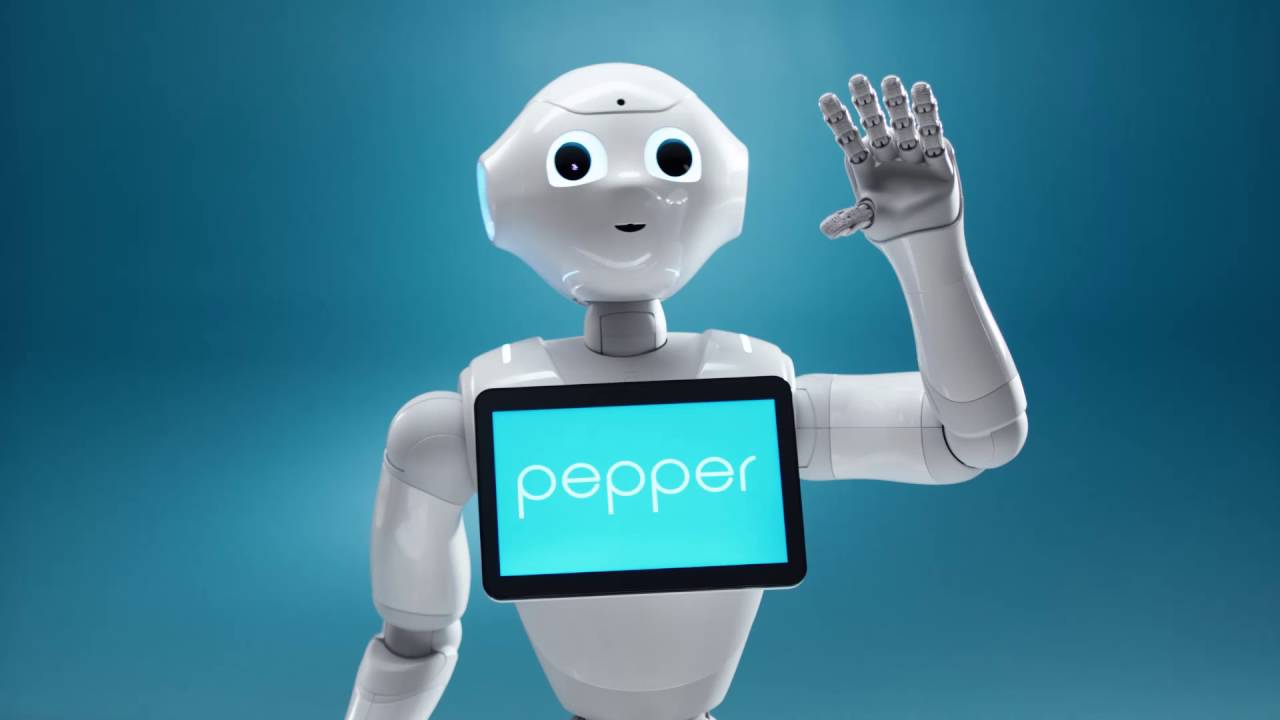
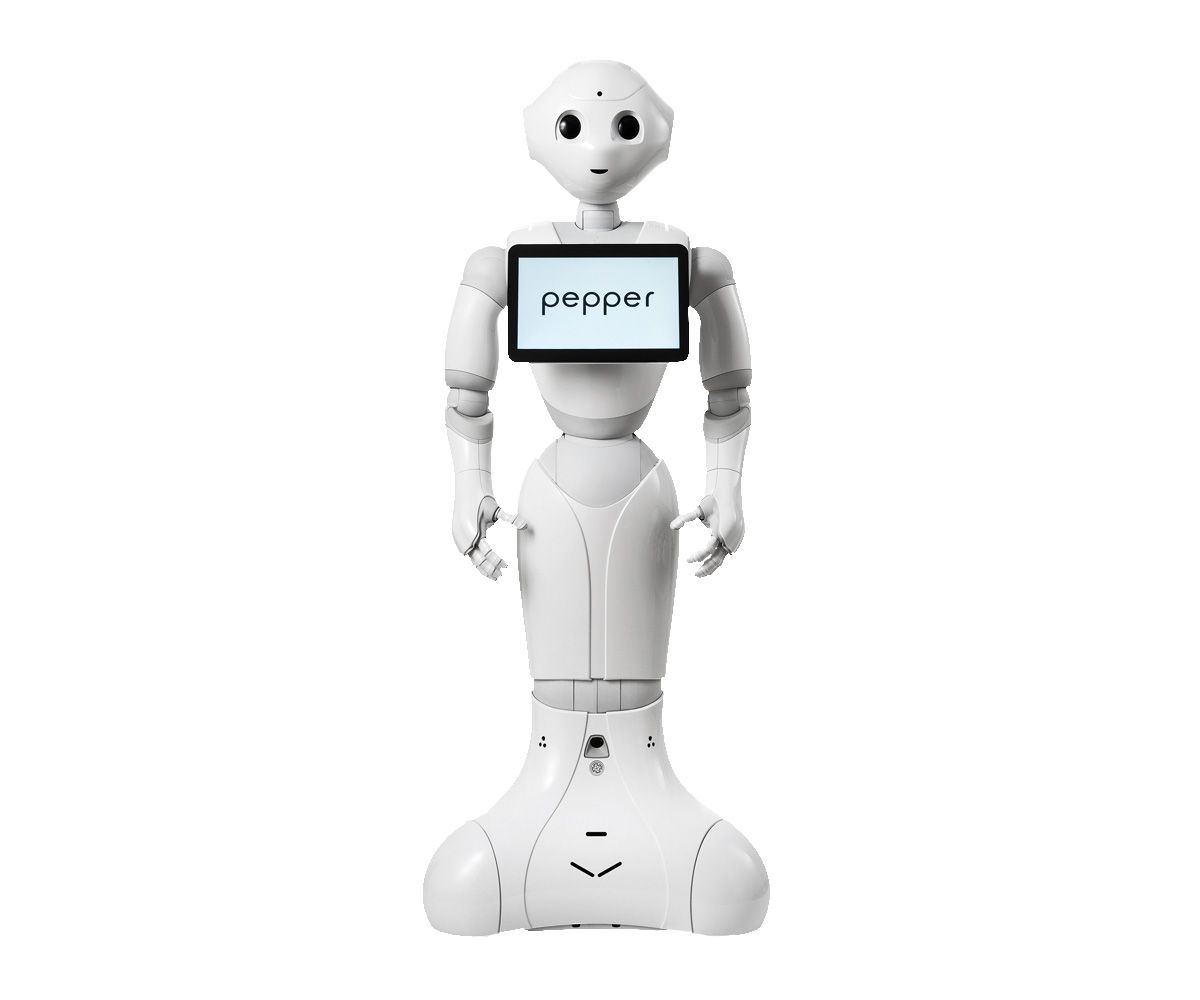
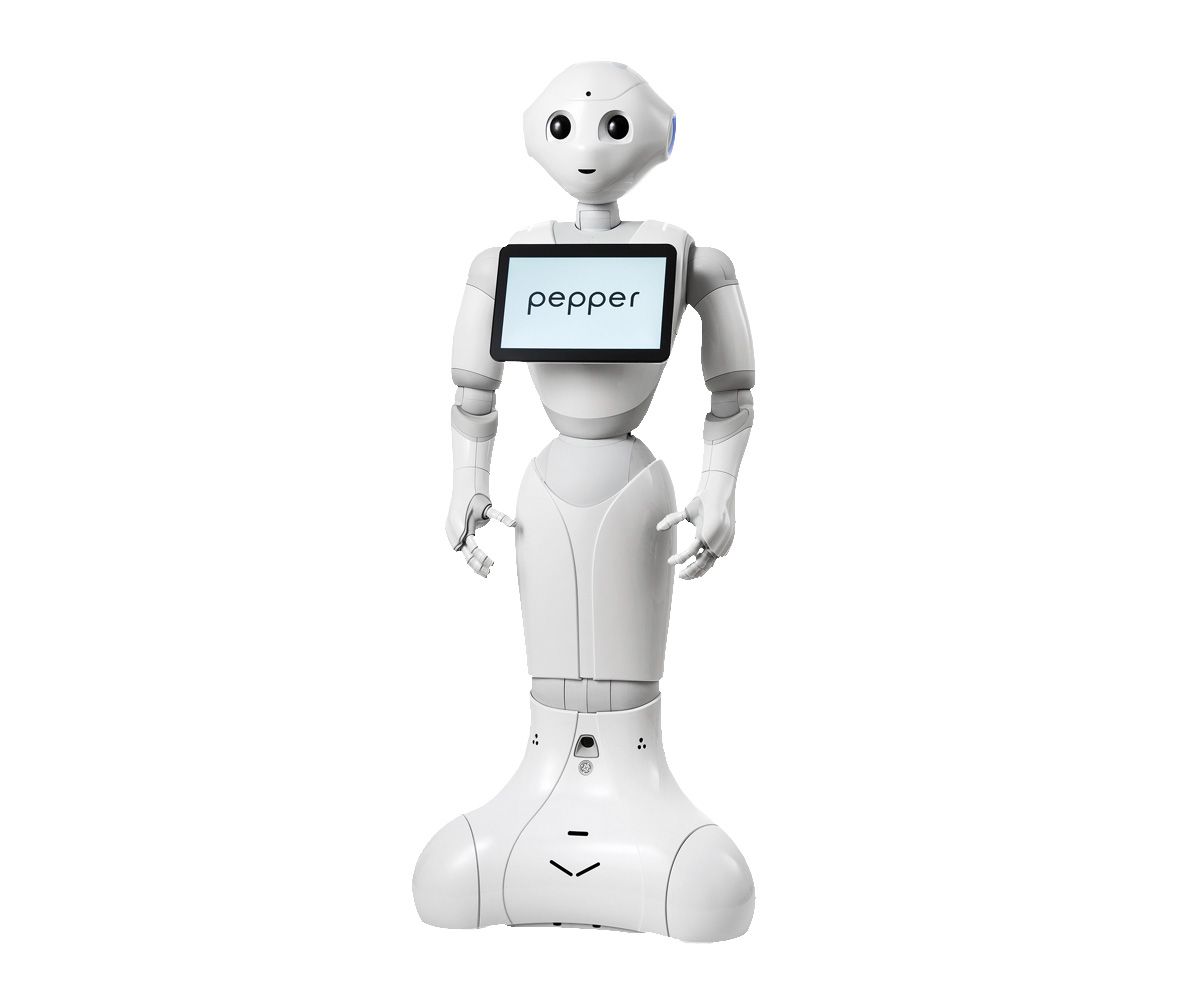
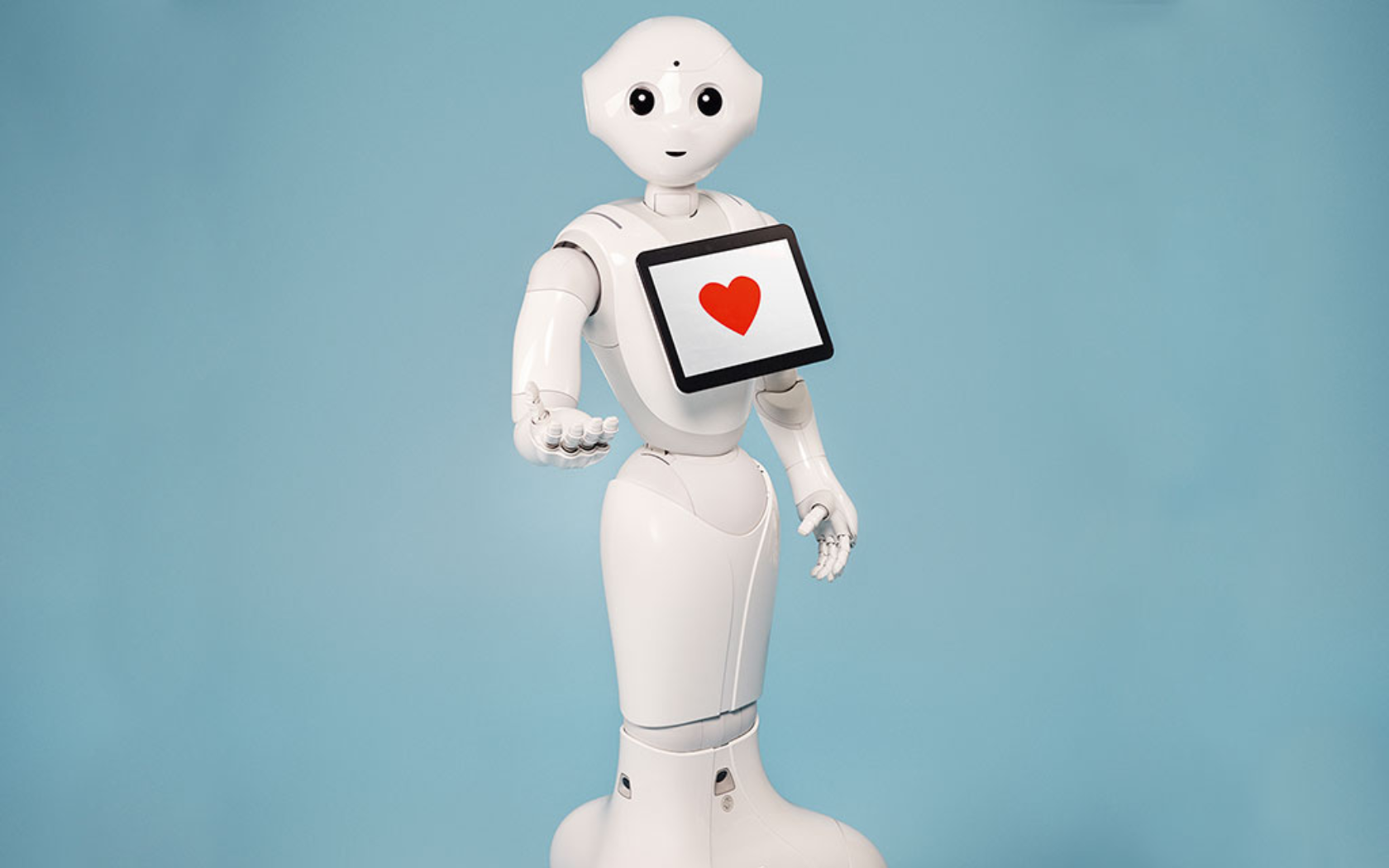
SoftBank Pepper is a social humanoid robot developed by SoftBank Robotics in Tokyo, Japan. Originally released in 2015, it stands 120 cm tall, weighs 28 kg, and features 20 degrees of freedom across its expressively articulated body, including a wheeled base for omnidirectional movement. Designed for human interaction, Pepper uses facial expression analysis and voice tone detection to recognize emotions, supports over 20 languages, and integrates a 10.1-inch chest-mounted touchscreen. Pepper lacks legs and object manipulation capability — its arms are solely for gestures — but a 12-hour battery, cloud AI, and extensive SDK (Python, C++, Java, Choregraphe) made it a popular platform in retail, hospitality, healthcare, and education. Production ceased in 2021, but used units remain available.
Specifications
Here are the full technical specifications.
| Spec | Value |
|---|---|
| Height | 120 cm |
| Weight | 28 kg |
| Degrees of freedom | 20 |
| Battery life | 12 hours |
| Max speed | 3 km/h |
| Payload | ~0.5 kg |
| Price (new) | Discontinued; originally $1,300–$198,000 |
| Price (used range) | $3,000–$25,000 |
Price & Value
New MSRP: Originally ~$1,300 for consumer version in Japan, enterprise fleet deals up to $198,000
Used range: $3,000–$25,000
Pepper's original pricing was fragmented: the consumer model launched at ~¥198,000 (~$1,300) in Japan in 2015, while enterprise packages with support and customization could reach $198,000 for large-scale deployments. Today, as a discontinued product, units trade on the secondary market for $3,000 to $25,000 depending on condition, accessories, and software licenses. This represents a sharp depreciation for early corporate buyers but offers an affordable entry point for researchers, educators, and hobbyists looking to program a mature social robotics platform. Compared to modern alternatives like the Temi telepresence robot ($4,000) or Sanbot Elf ($10,000), used Pepper provides more expressive interaction capabilities at a lower cost, albeit with limited mobility and no out-of-the-box support. Buyers should budget for potential battery replacement and verify that the unit’s NAOqi OS license transfers with ownership. Overall, a used Pepper is a cost-effective way to explore human-robot interaction research if you can forgo official manufacturer support.
Who Is It For?
Best for: - Educational robotics labs that need an expressive, programmable social robot for human-robot interaction studies - Developers prototyping voice-based assistant applications with emotion recognition on a mature platform - Museums and exhibits seeking an interactive guide bot at a fraction of original cost on the secondary market
Not for: - Industrial environments or tasks requiring heavy payload (>0.5 kg) or manipulation - Deployments on uneven surfaces or requiring stair climbing — Pepper’s wheeled base is flat-surface only - Buyers expecting out-of-box enterprise support — discontinued and no official warranties on used units
Alternatives & Comparison
While Pepper is discontinued, it competes in the used market against other interactive robots that serve similar roles in retail, education, and hospitality.
| Model | Price | Available | Key Difference |
|---|---|---|---|
| NAO | $9,000 (new) | yes | Smaller bipedal platform, 25 DOF, programmable but no wheeled base or large touchscreen |
| Temi | $4,000 (new) | yes | Autonomous telepresence robot with screen, no expressive gestures or emotion recognition |
| Sanbot Elf | $10,000 (new) | yes | Tablet-based Android robot, less humanoid, but more open ecosystem |
Verdict: For pure social interaction research and emotion recognition, used Pepper offers the most expressive platform under $25,000, but the Temi is a better choice for autonomous navigation and telepresence tasks, and NAO provides a more compact, bipedal form factor for labs with space constraints.
Use Cases & Capabilities
Customer Service in Retail
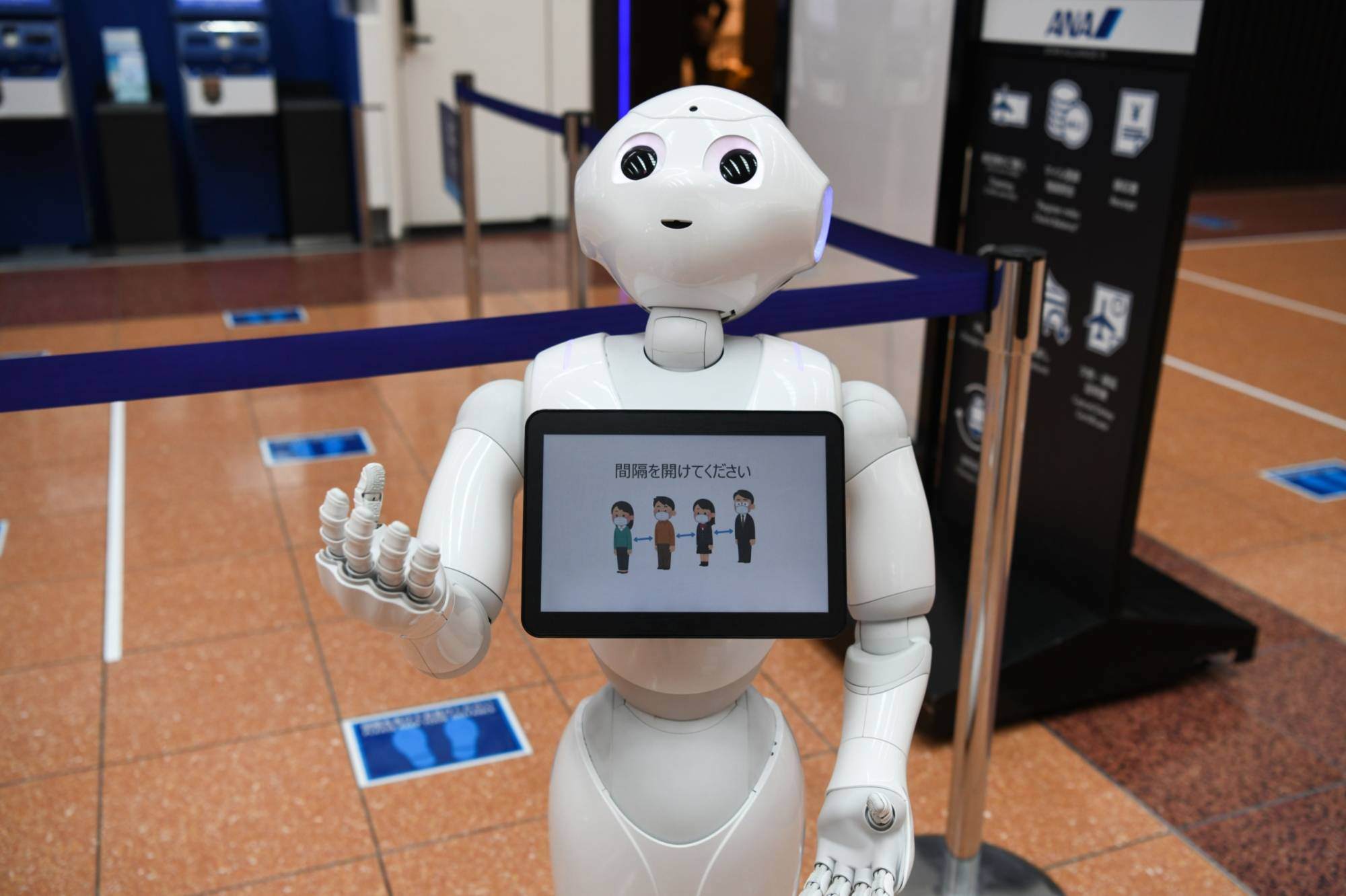
Pepper excels as an in-store greeter and information kiosk. Its expressive gestures, voice interaction, and chest-mounted tablet can guide customers to products and answer FAQs. The emotion recognition helps tailor responses, but its effectiveness depends on a quiet environment, as speech recognition degrades in noisy stores. Retailers like Nestlé and SoftBank’s own stores deployed Pepper for queues and promotions. Today, used units can serve this role at a fraction of original cost but require custom programming.
Hospitality Receptionist
Hotels and restaurants have used Pepper to welcome guests, check them in, and provide concierge recommendations. The robot’s height (120 cm) and friendly appearance make it approachable at eye level. Multilingual support enables it to serve international clientele, though integration with property management systems requires custom development. With battery life of 12 hours, Pepper can operate full shifts on a single charge, making it a viable lobby assistant.
Educational Tool
Universities and coding academies adopt Pepper to teach robotics, AI, and human-robot interaction. The NAOqi SDK and Choregraphe visual programming environment allow students of all levels to create behaviors. Emotion recognition and the app store provide a rich set of APIs, but schools should be aware that reliance on community-developed LLM integrations (ChatGPT, Claude) may introduce unpredictable response quality. Used Pepper units are particularly attractive for classroom projects with limited budgets.
Care Companion in Healthcare
In eldercare and pediatric hospitals, Pepper has been trialed as a companion to reduce loneliness and help with cognitive exercises. It can lead simple games, read stories, and monitor mood through voice and facial analysis. However, its inability to assist with physical tasks and limited navigation in cluttered rooms restrict it to purely social roles. A used unit with custom content can be a low-cost pilot project for care facilities exploring robotic companionship.
Museum Guide
Pepper can serve as a roving information point in museums, providing exhibit details, interactive quizzes, and way-finding. Its omnidirectional base allows it to move smoothly among visitors, and the 10.1-inch touchscreen can display multimedia content. Setup requires mapping the floor plan and creating a knowledge base, but once programmed, Pepper can operate autonomously for a full day. Institutions with an existing used Pepper can repurpose it for educational outreach with moderate programming effort.
History & Background
SoftBank Robotics introduced Pepper in June 2015 as a consumer-focused social robot, priced at ¥198,000 in Japan. It was built on the same NAOqi framework as Aldebaran’s NAO robot and quickly gained media attention. By 2020, SoftBank had shifted to enterprise-focused sales, offering fleet packages up to $198,000. In 2021, production officially ended due to low margins and market shift towards specialized service robots. While new units are no longer available, thousands of Peppers remain in operation through secondary market resale, community projects, and educational curricula. Ownership and support have passed to a network of independent developers and refurbishers.
Buying Used — What to Check
Verify NAOqi license transfer The OS and many software features are tied to a license; without it, the robot may be locked down.
Check battery health Lithium-ion batteries degrade with age; a 12-hour runtime is ideal, but older units may need replacement.
Confirm included accessories Original charger, dock, and any software dongles are critical for operation and can be expensive to source separately.