What is the Softbank Romeo?
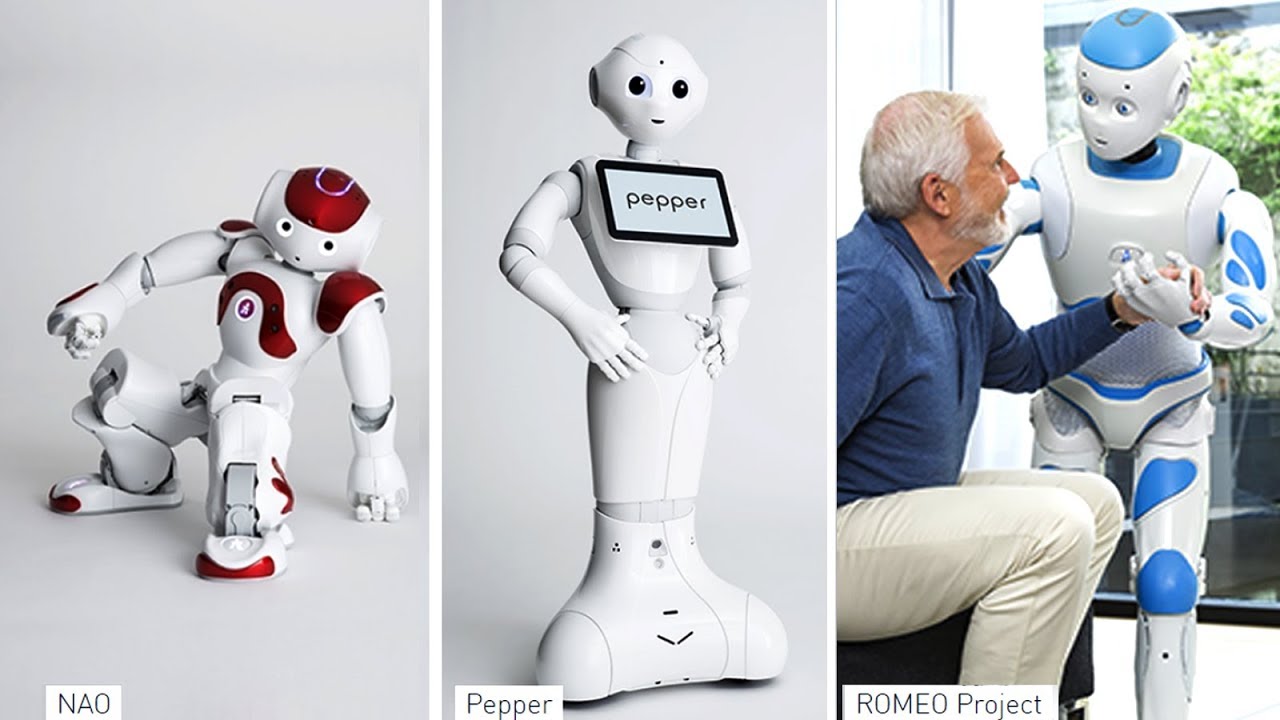
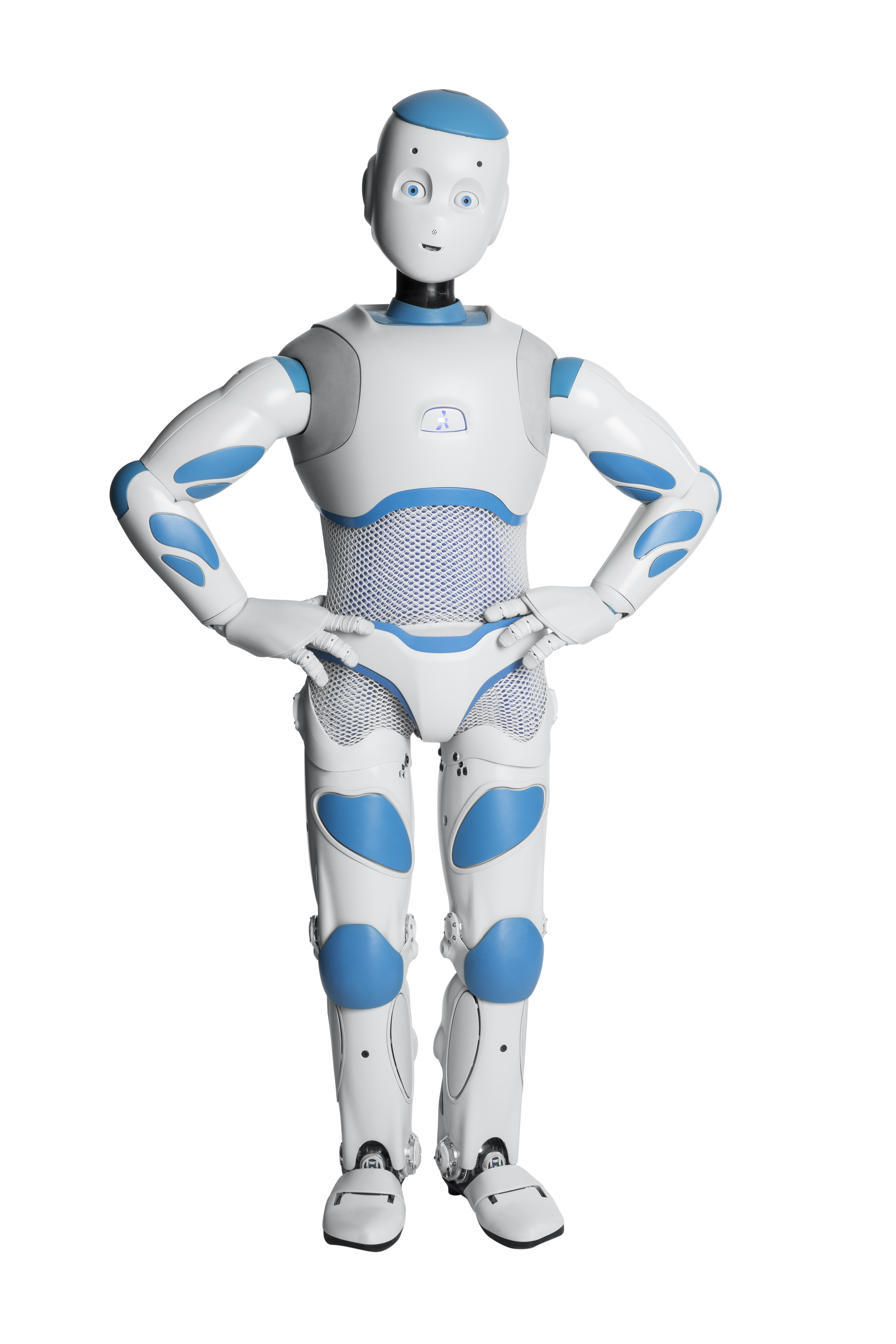
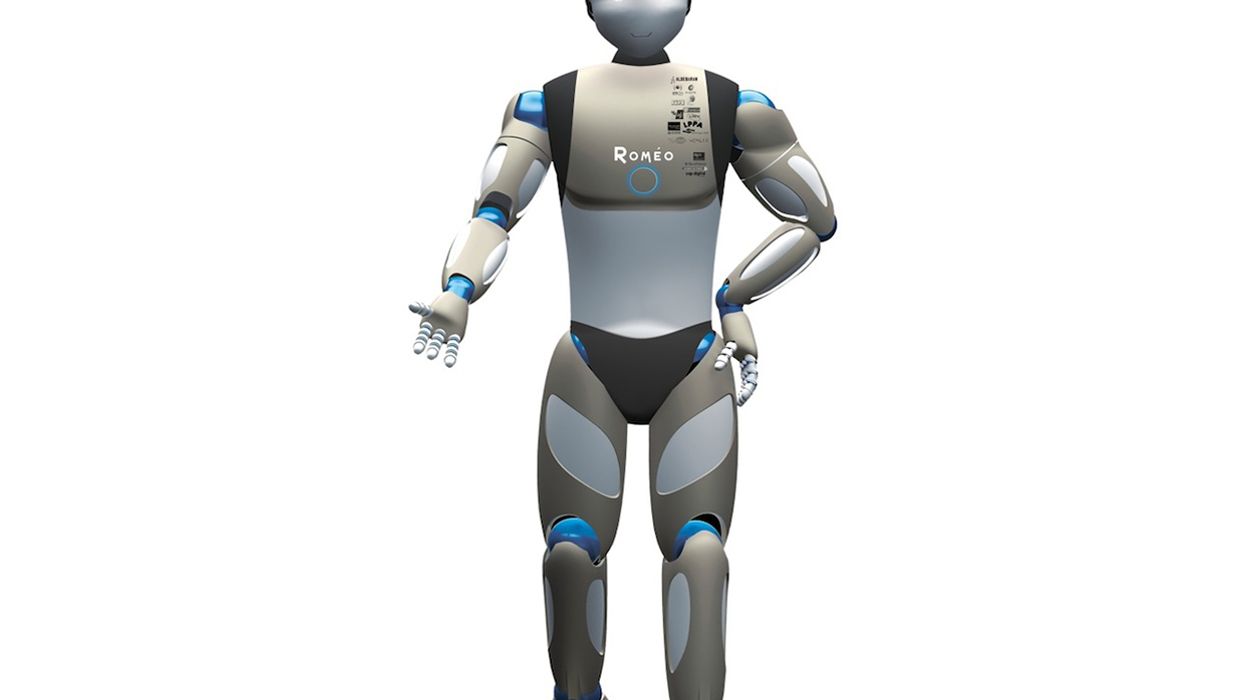
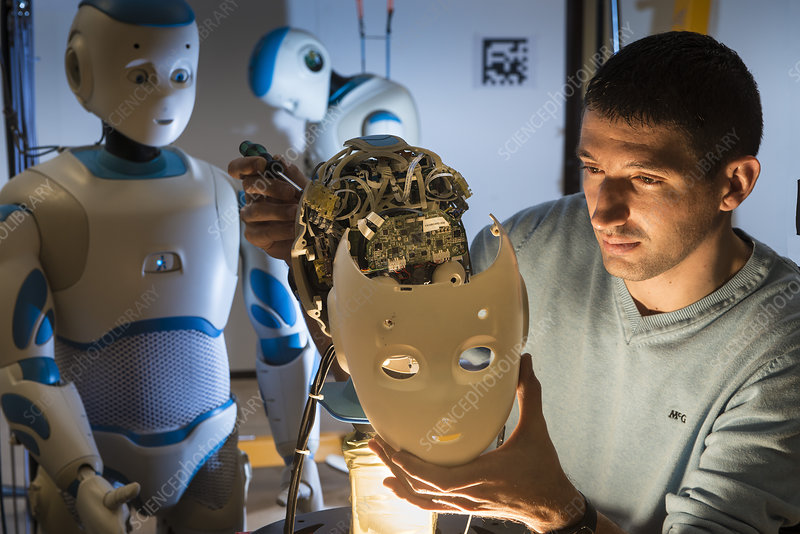
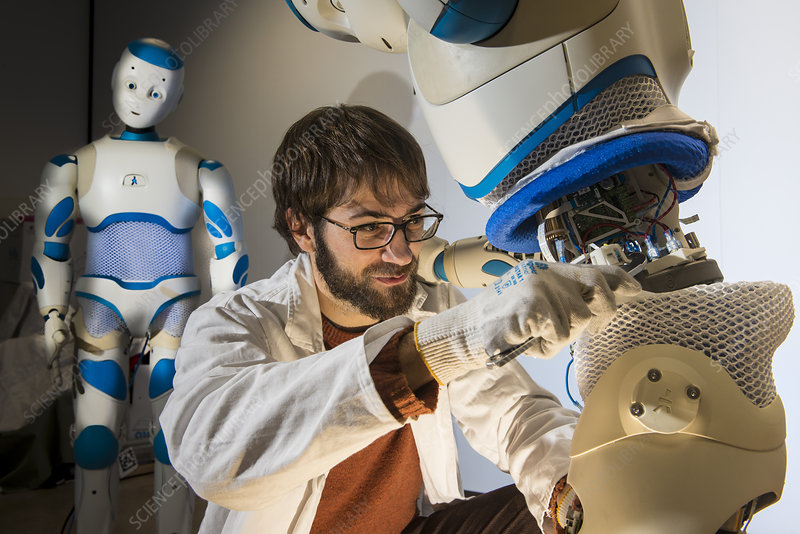
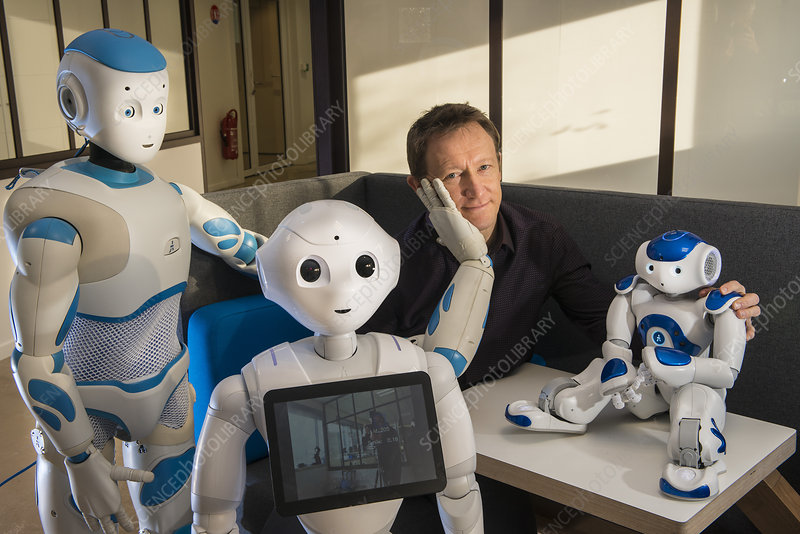
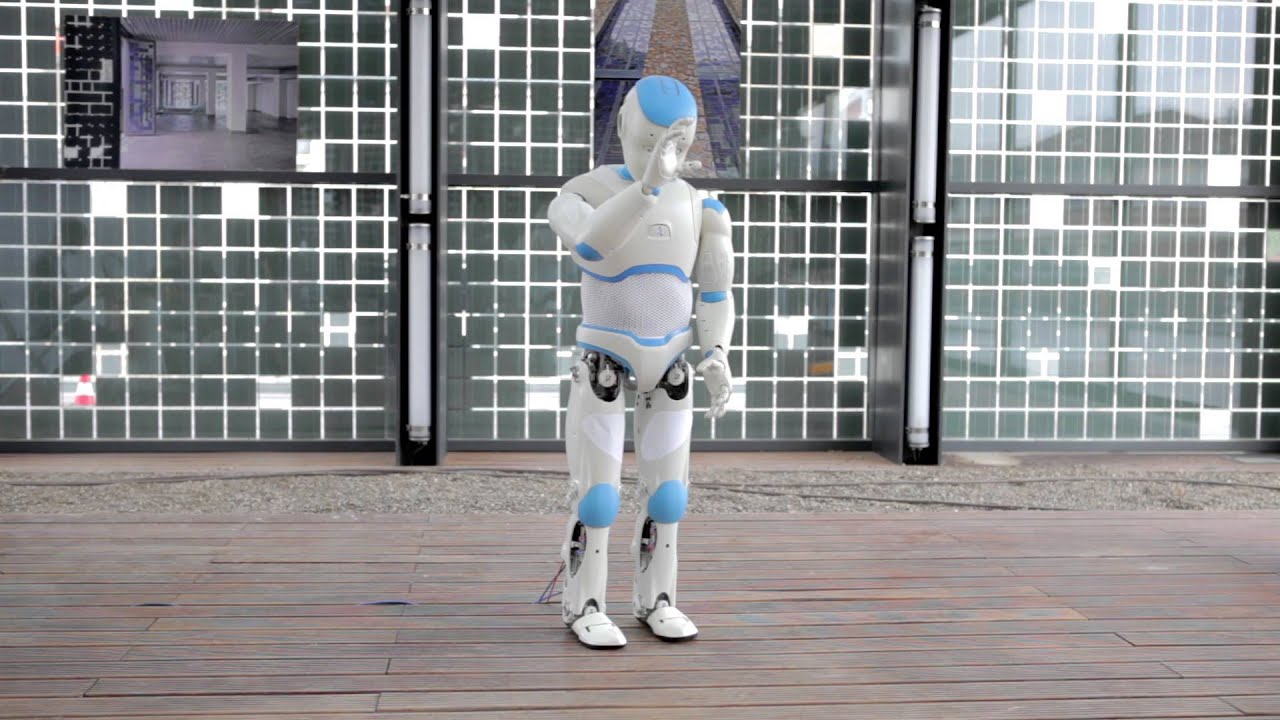
The SoftBank Romeo is a full-size humanoid research platform developed by SoftBank Robotics (originally Aldebaran Robotics) in Paris, France. Designed for elderly care and assisted living, Romeo was a European Union-funded project through the Romeo 2 initiative, aiming to create a robot capable of household assistance and social interaction. Its sensor suite includes two HD cameras, infrared, sonar, a laser range finder, four microphones, an IMU, and force-sensitive resistors. Standing 1.40 m tall and weighing 40 kg, Romeo has 37 degrees of freedom for bipedal walking and arm manipulation. It runs Linux on an Intel Atom processor, with Wi‑Fi and Ethernet connectivity. The robot never progressed beyond the research prototype stage, with an estimated manufacturer price of €250,000 that was never realized commercially. Romeo is now a discontinued platform.
Specifications
Here are the full technical specifications.
| Spec | Value |
|---|---|
| Height | 1.40 m |
| Weight | 40 kg |
| Degrees of freedom | 37 |
| Battery life | Not published |
| Max speed | Not published |
| Payload | Not specified |
| Price (new) | ~€250,000 (estimated; never sold) |
| Price (used range) | N/A (no units sold) |
Price & Value
New MSRP: ~€250,000 (estimated; never sold)
Used range: N/A
Romeo’s €250,000 estimated price tag, quoted in 2010, reflected its status as a sophisticated research platform rather than a commercial product. Adjusted for inflation, this would be roughly €320,000 today, placing it alongside other humanoid research robots like the HRP‑4. However, since no units were ever sold, the figure remains purely indicative. For institutions seeking a comparable bipedal humanoid for assistive research, the pricing underscores the high cost of early‑stage humanoid development. Compared to wheeled alternatives such as Toyota’s HSR, which is available for about $80,000, Romeo’s mobility ambitions came with added complexity and expense. Today, with the platform discontinued, there is no market value, and any existing prototypes reside in research labs.
Who Is It For?
Best for: - Academic robotics labs studying bipedal locomotion and whole‑body control (37 DOF enables complex motion research) - Human‑robot interaction researchers focused on elderly care (force‑sensitive sensors, social intent studies) - Assistive technology developers exploring physical assistance tasks (dual arms with 7 DOF each for manipulation experiments)
Not for: - Commercial deployment in hospitals or care homes (no safety certifications, unstable walking) - Enterprise automation or industrial tasks (no published payload rating, slow, research‑grade electronics) - Budget‑conscious educational programs (€250 000 estimated cost and no commercial availability)
Alternatives & Comparison
For those interested in full‑size humanoid research platforms or assistive robots, Romeo’s direct competitors include other bipedal research humanoids and wheeled assistive platforms.
| Model | Price | Available | Key Difference |
|---|---|---|---|
| AIST HRP‑4 | Undisclosed (research platform) | no | Slightly taller (151 cm), 34 DOF, more dexterous hands and robust walking software |
| Toyota Human Support Robot (HSR) | ~$80,000 (est.) | preorder | Wheeled mobile base, single arm, designed for practical fetch‑and‑carry tasks |
| Honda ASIMO | Undisclosed (retired) | no | Advanced dynamic walking and iconic status, but development ended in 2018 |
Verdict: For pure bipedal humanoid research, the HRP‑4 offers more reliable walking and better community support, making it the stronger choice today. If the goal is a real‑world assistive robot, Toyota’s HSR is far more practical and commercially supported. Romeo remains a historical stepping stone, not a viable current platform.
Use Cases & Capabilities
Elderly Care Research
Romeo was designed as a home helper for the elderly, capable of fetching items, providing reminders, and offering social companionship. Its dual arms and compliant actuators were meant to enable safe physical interaction with frail users. Force‑sensitive resistors allowed the robot to detect and respond to human touch, a key requirement for care tasks. However, limited walking stability and high cost prevented real‑world trials in care homes. The project advanced understanding of assistive humanoid design but never delivered a commercial caregiver robot.
Human‑Robot Interaction Studies
With four microphones, HD cameras, and expressive body posture, Romeo served as a platform for HRI research. Its humanoid form factor encouraged natural communication and gesturing, useful for studying social cues and trust. Researchers could program the robot for gesture recognition and verbal interaction using its Linux‑based OS. However, the robot’s slow response and noisy actuators sometimes hindered fluid interaction. Despite these limitations, Romeo provided a valuable testbed for social robotics concepts.
Bipedal Locomotion Development
Romeo’s 37 degrees of freedom allowed walking and whole‑body motion control experiments. The robot’s leg and foot design aimed at stable bipedal gait, though real‑world performance was hampered by actuator limitations. Researchers used Romeo to test balance algorithms, step planning, and fall recovery strategies. While it never achieved ASIMO‑like dynamic walking, the lessons informed later humanoid projects. The platform contributed to locomotion research within the European robotics community.
Assistive Task Automation
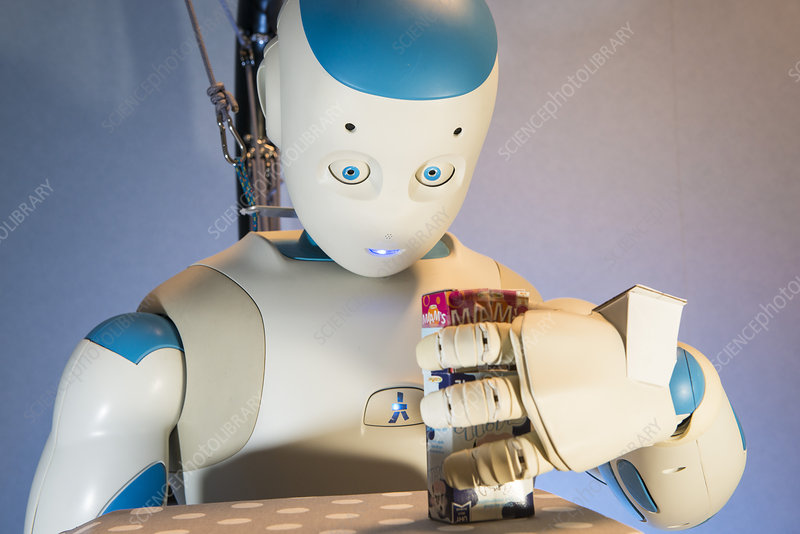
Romeo was intended to perform simple household tasks like picking up objects, opening doors, and clearing tables. Its dual arms each with 7 DOF enabled multi‑step manipulation sequences. However, the lack of a published payload rating and weak hand grip limited practical task execution. The robot’s vision system could locate objects but often struggled with clutter and variability. These experiments highlighted the gap between lab demonstrations and real‑world assistive robots.
History & Background
The Romeo project was initiated by Aldebaran Robotics, a French firm founded in 2005 by Bruno Maisonnier. Following the success of their smaller NAO humanoid, Aldebaran aimed to build a larger, adult‑sized assistant robot for elderly care. The project received funding from the European Union’s FP7 programme and later the Romeo 2 initiative. A prototype was first unveiled in 2012, standing 1.40 m tall and featuring 37 DOF. Aldebaran was acquired by SoftBank Group in 2015 and rebranded as SoftBank Robotics Europe, with Romeo development continuing briefly under the new parent. However, the project faced technical hurdles, particularly with stable bipedal walking and actuator reliability. By the late 2010s, SoftBank shifted focus to commercial platforms like Pepper and NAO, and Romeo was quietly discontinued without ever reaching the market. Today, Romeo remains a footnote in the evolution of assistive humanoid robots, with a few prototypes potentially still in academic labs.
Buying Used — What to Check
Verify research lab origin Any Romeo prototype would come from a university or SoftBank lab; confirm chain of ownership.
Inspect bipedal walking condition Romeo’s walking was unstable, and prototypes may have suffered leg actuator damage from falls.
Check for proprietary software The Linux OS may require specific drivers or licenses no longer supported.