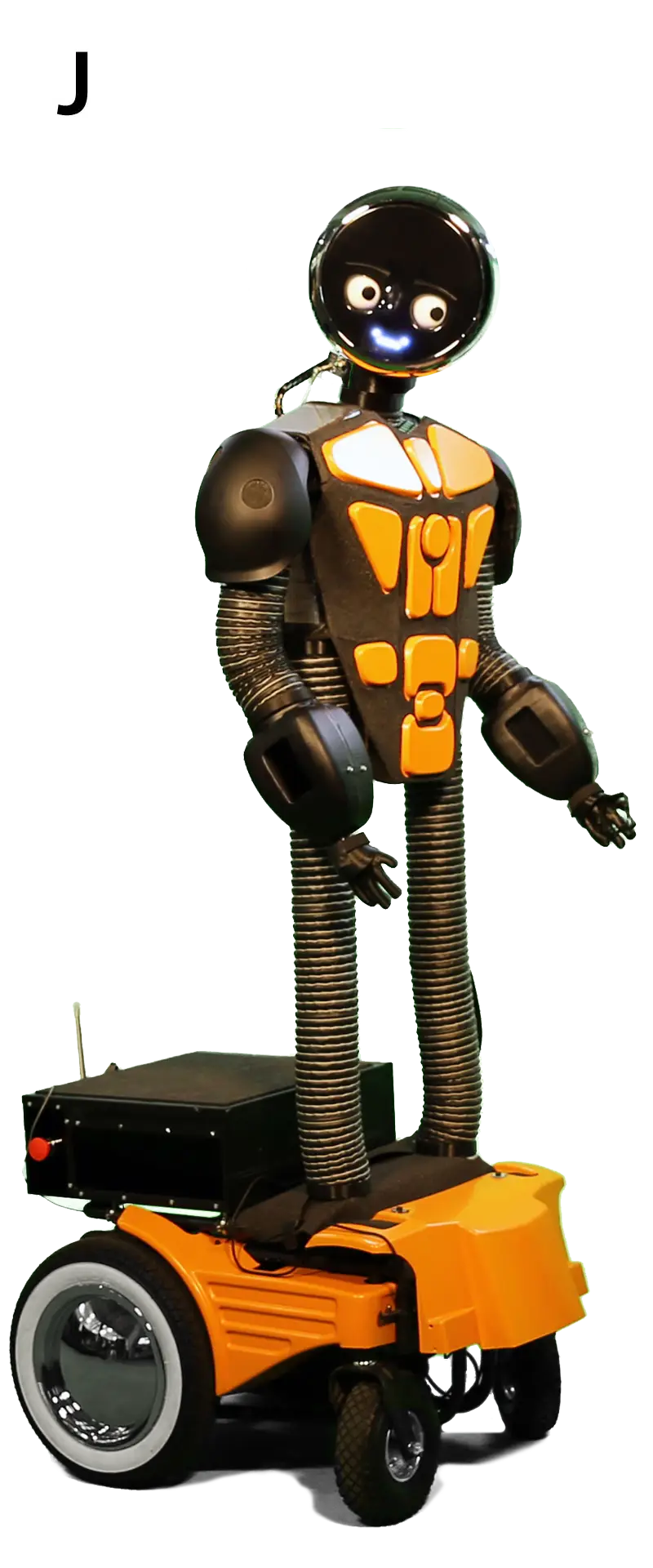
What is the Steve Sulube?
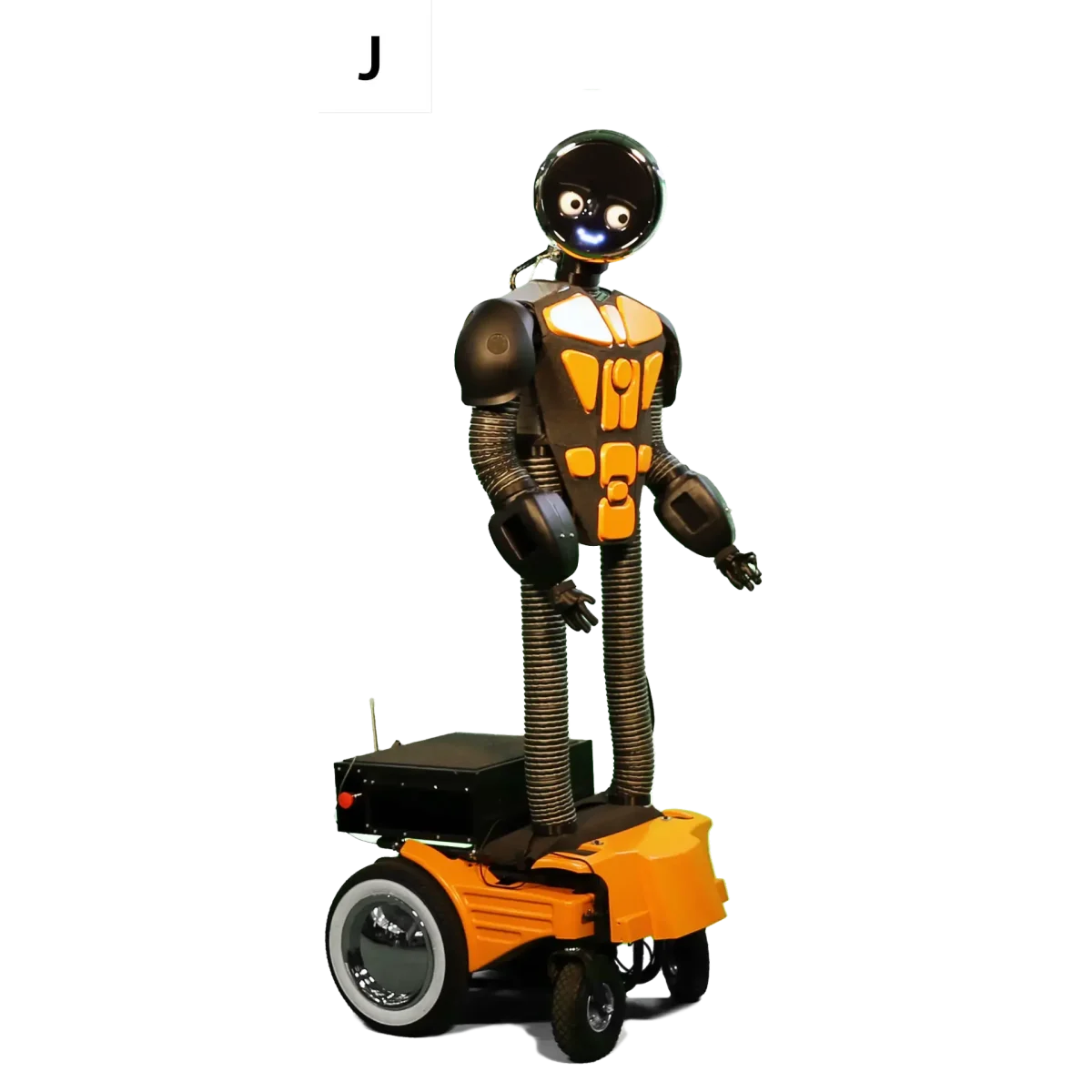
The Sulube Steve is a full-sized entertainment humanoid robot developed by Belgian designer Jandecoster under the Sulu.be brand. First built in 2024, Steve stands 210 cm tall and weighs 140 kg, featuring a robust aluminum and steel structure. It is designed for interactive performances, theater productions, trade shows, and hospitality roles, using DC motors and custom aluminum gears for smooth bipedal locomotion. With 22 degrees of freedom overall and 2 DOF in each hand, Steve can gesture, walk at up to 8 km/h, and lift 5 kg. Its control system runs on Arduino hardware with WiFi connectivity and optional OpenAI integration for conversational interactions. The robot is currently in production and available for purchase from the manufacturer.
Specifications
Here are the full technical specifications.
| Spec | Value |
|---|---|
| Height | 210 cm |
| Weight | 140 kg |
| Degrees of freedom | 22 |
| Battery life | 2 hours |
| Max speed | 8 km/h |
| Payload | 5 kg |
| Price (new) | Undisclosed (contact manufacturer) |
| Price (used range) | N/A (no used market yet) |
Price & Value
New MSRP: Undisclosed (contact manufacturer)
Used range: N/A (too new for secondary market)
Pricing for the Steve robot is not publicly listed—interested buyers must contact Jandecoster directly for a quote. As an entertainment humanoid with a large form factor and custom fabrication, it is likely priced in the range of other niche performance robots, possibly between $50,000 and $150,000, but these are speculative. Without confirmed pricing, it's difficult to evaluate value, but the robot’s 2-hour battery and 5 kg arm payload suggest it’s designed for short-duration, low-payload interactions rather than heavy industrial work. Depreciation on such custom-built robots can be steep, as used units may require specialized support. Total cost of ownership will include maintenance of DC motors and custom gears, plus potential software integration fees. Buyers considering a used Steve should budget for retrofitting and compatibility checks.
Who Is It For?
Best for: - Entertainment venues and event companies needing a tall, humanoid performer for stage shows or brand activations - Museums and theme parks seeking a character robot for guest engagement - Hospitality businesses (hotels, casinos) looking for a showpiece robot greeter
Not for: - Industrial manufacturing tasks (payload only 5 kg, no IP rating for dusty environments) - Long-duration deployments (2-hour battery limits shift length without charging infrastructure) - Outdoor use (IP1 rating provides minimal protection against moisture and dust)
Alternatives & Comparison
The Steve competes in the niche of large entertainment humanoids, where few direct alternatives exist. Buyers might also consider Engineered Arts' RoboThespian or smaller interactive robots like Pepper, though these differ in scale and capability.
| Model | Price | Available | Key Difference |
|---|---|---|---|
| Engineered Arts RoboThespian | ~$150,000 (est.) | yes | More advanced facial expressions, smaller size (1.75m), 22 DOF, but slower walking speed. |
| SoftBank Robotics Pepper | ~$20,000 | yes | Wheeled, 1.2m tall, designed for retail conversation, not bipedal. |
| UBTECH Walker S | ~$50,000 (est.) | preorder | Industrial/service humanoid, 20 DOF, 5 kg payload, but not specifically entertainment-focused. |
Verdict: For venues seeking a towering, fast-moving character robot, Steve is unmatched. For expressive facial interaction, RoboThespian’s animated LCD face is superior. If budget is a constraint and bipedal walking isn’t essential, a wheeled robot like Pepper offers proven reliability at a fraction of the cost.
Use Cases & Capabilities
Stage & Theater Performer
Steve's height, bipedal motion, and customizable gestures make it a striking addition to theatrical productions, conventions, and trade show booths. It can walk on stage at human-like speed, interact with props, and deliver scripted lines via OpenAI integration. The aluminum and steel build ensures durability under frequent use, though the 2-hour battery may require choreographed breaks. Operators can pre-program movements on Arduino, allowing integration with show control systems.
Hospitality Greeter & Brand Ambassador
In hotels, casinos, or retail environments, Steve serves as an attention-grabbing greeter. Its towering 210 cm presence draws crowds, and basic conversational abilities enable simple guest interactions. With 5 kg arm payload, it can hand out small items or hold signage. However, the robot’s IP1 rating means it must be kept in clean, indoor spaces, and staff training is needed for operation.
Event Entertainment & Photo Opportunity
Event planners use Steve as a photo op and interactive entertainment. The robot’s walking speed allows it to navigate crowded floors, and its WiFi enables remote control. Custom costumes or theming can be applied thanks to its simple aluminum body. Since used units may be available, rental companies could acquire Steve for short-term deployments, but the 140 kg weight requires dedicated transport and floor loading checks.
History & Background
The Steve humanoid was developed by Belgian artist and designer Jan De Coster, who operates under the brand Sulu.be. De Coster has a background in animatronics and large-scale mechanical installations, and the Steve project emerged from his passion for creating kinetic sculptures for entertainment. The robot was first built and revealed in 2024, aiming to fill a gap for tall, walking character robots in theater and hospitality. While not mass-produced, Steve is manufactured on a per-order basis in Belgium, using a combination of off-the-shelf DC motors, custom aluminum gears, and Arduino control. As of 2026, the robot remains in active production and is listed on platforms like MERA Robotics and RoboZaps, indicating commercial availability. There is no known corporate acquisition or investor backing, and it remains a niche, designer-driven product.
Buying Used — What to Check
Verify battery health The 2-hour runtime is low; a used unit may have degraded batteries that need replacement.
Inspect custom gears and motors Steve uses custom aluminum gears—wear could be an issue on used units, and replacement parts may only be available from the manufacturer.
Confirm software and LLM integration Ensure the Arduino controller and any OpenAI API licenses are included in the sale, and that you can obtain updates from Sulu.be.