What is the Temi Go?
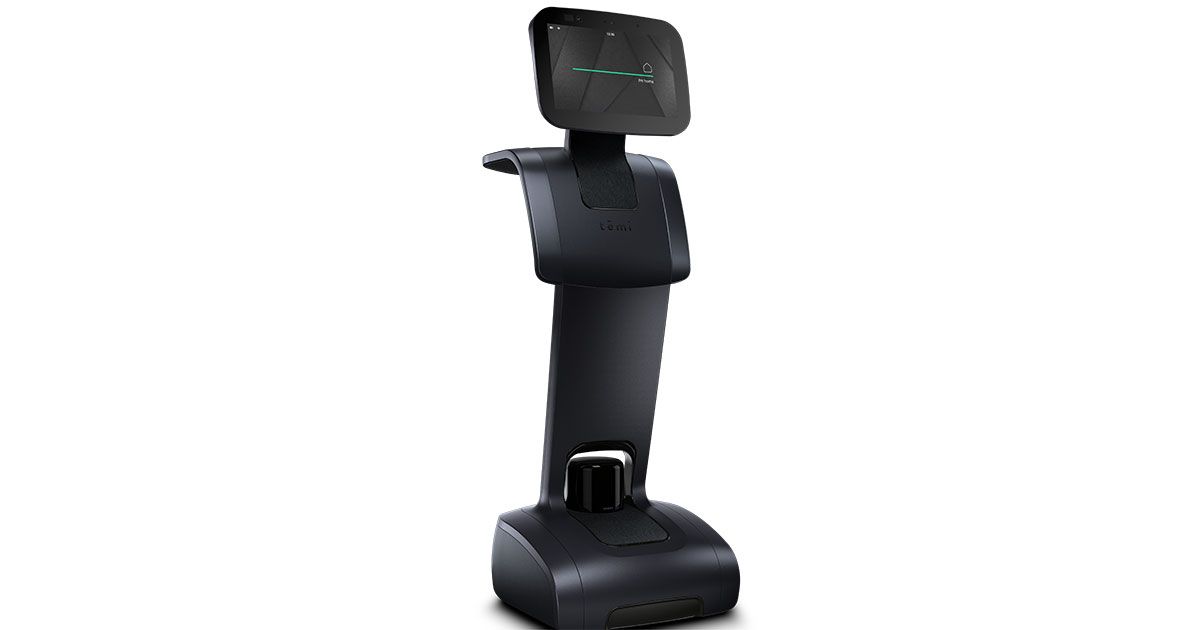
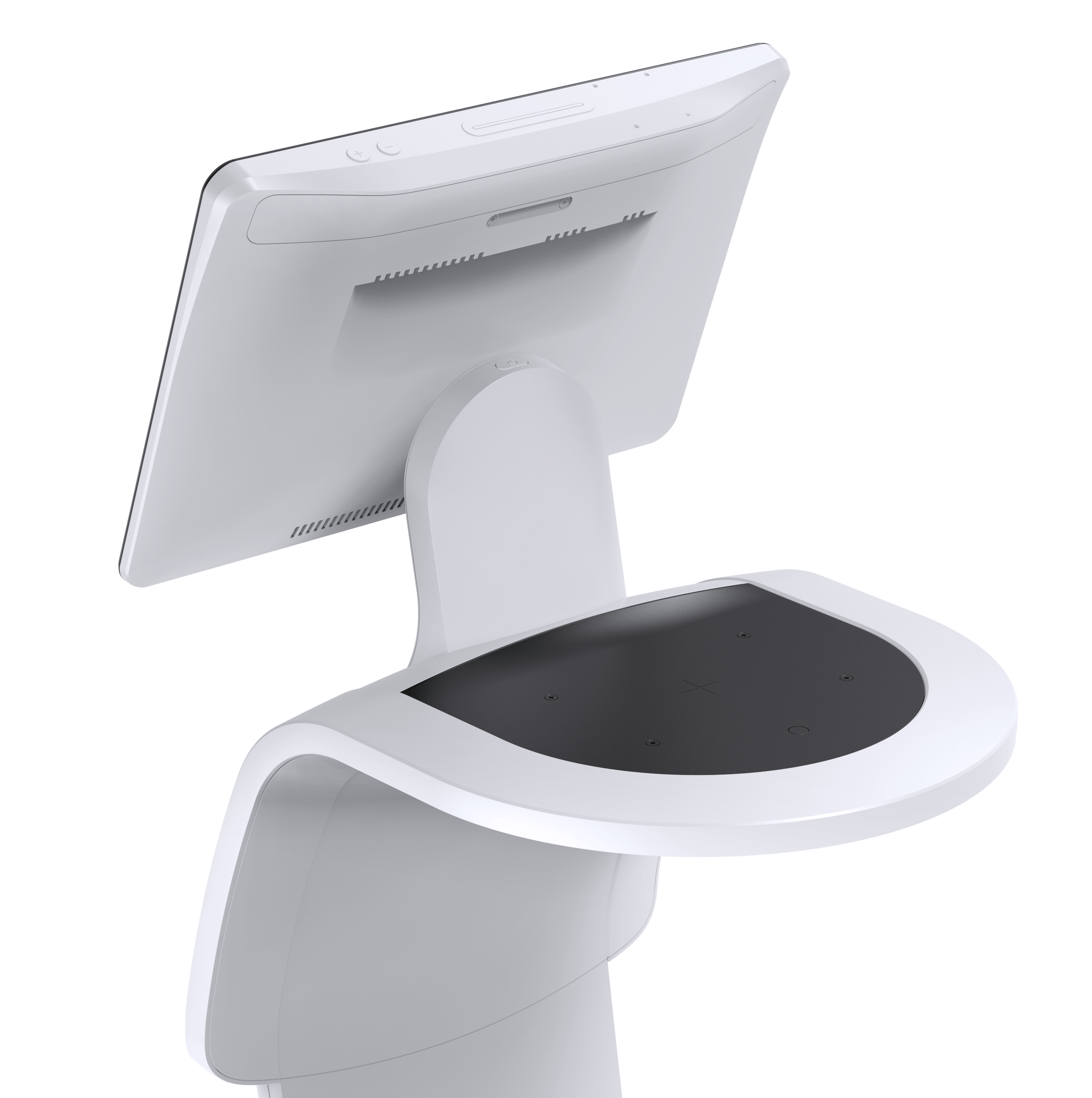
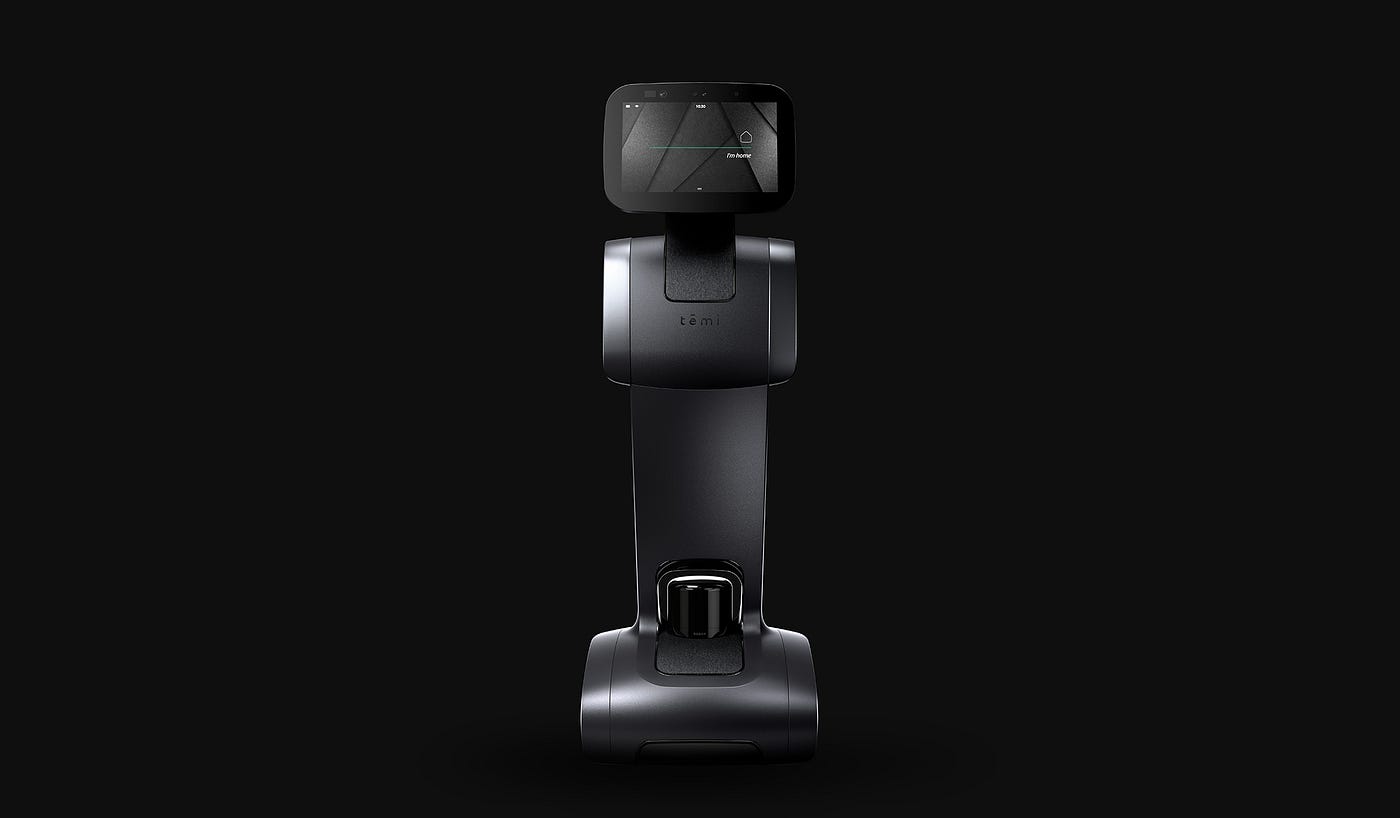
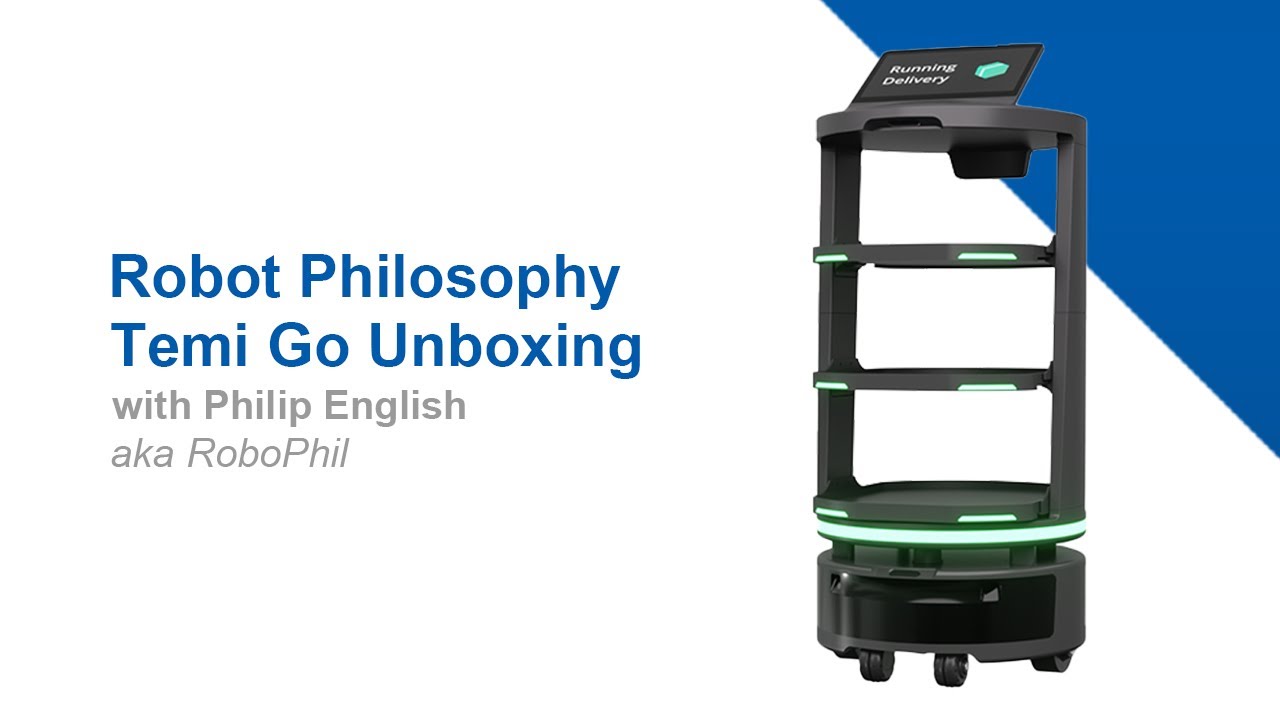
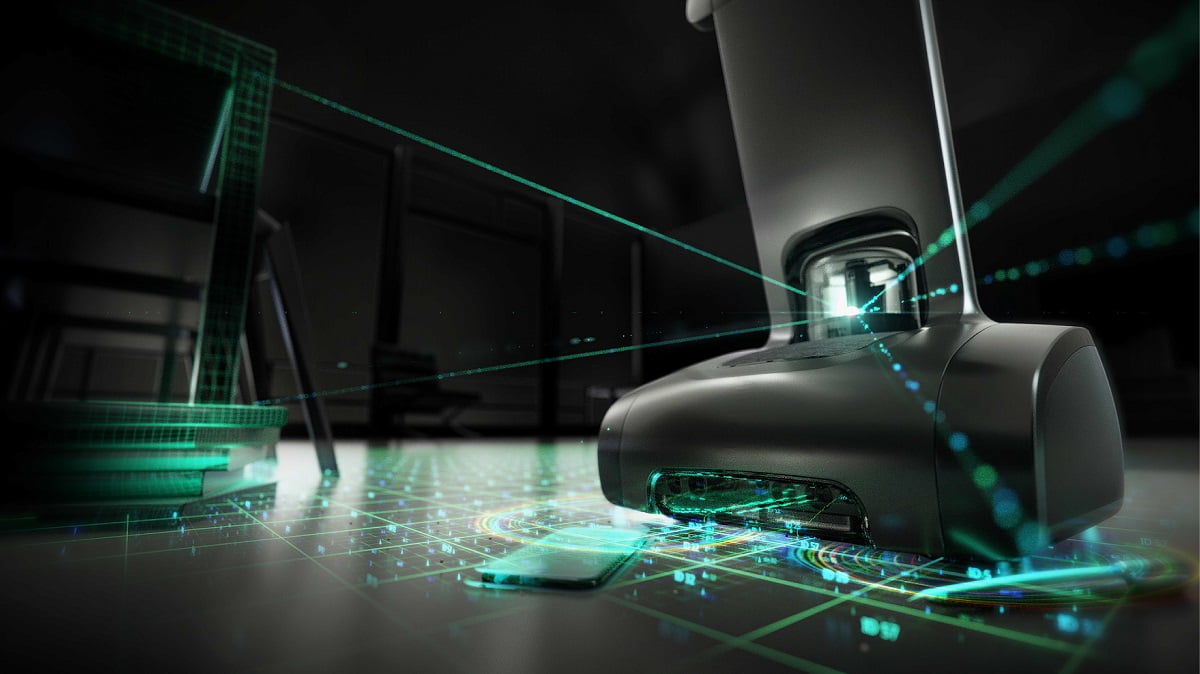
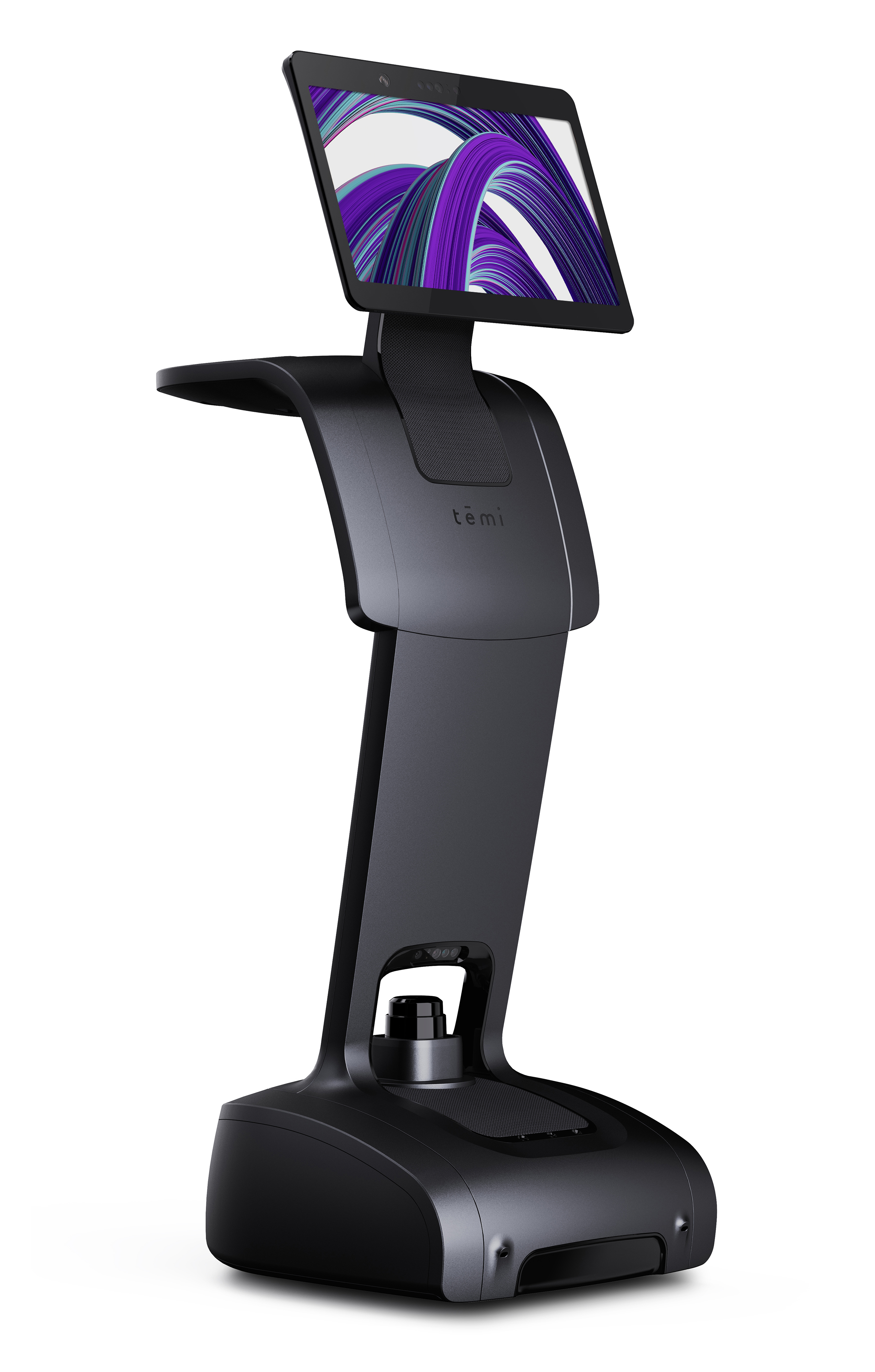
The Temi Go is a compact, wheeled service robot from Temi (Tel Aviv, Israel) designed for autonomous indoor delivery of small items like food, drinks, documents, and retail products. It features a 13.3-inch Full HD touchscreen that can tilt to follow faces, enabling interactive customer engagement, video calls, and voice commands via integrated Alexa. Navigation relies on ROBOX SLAM with 360-degree LiDAR, depth cameras, and six time-of-flight sensors for 5 cm accuracy. The robot maps environments, avoids obstacles, follows individuals, and recognizes faces. A 3 kg tray with wireless charging handles small parcels, while the 8-hour battery and self-docking charger keep it running shifts. Running Temi OS (Android 11), it supports an app store and open SDK for custom workflows. Available in Wi-Fi and optional 5G versions, it targets restaurants, hotels, offices, and retail.
Specifications
Here are the full technical specifications.
| Spec | Value |
|---|---|
| Height | 100 cm |
| Weight | 12 kg |
| Degrees of freedom | 0 |
| Battery life | 8 hours |
| Max speed | 3.6 km/h |
| Payload | 3 kg |
| Price (new) | $3,950–$5,999 |
| Price (used range) | $1,500–$3,500 (est.) |
Price & Value
New MSRP: $3,950–$5,999
Used range: $1,500–$3,500 (est.)
At $3,950 for the Wi‑Fi model, the Temi Go undercuts many industrial delivery robots while offering a large interactive screen and Alexa integration. Bear Robotics’ Servi starts at $15,000 and Aethon’s TUG exceeds $30,000, both sacrificing the display for higher payloads. The true cost, however, includes a mandatory $1,500/year Temi Center subscription, pushing three‑year ownership to roughly $8,450. Used first‑generation Temi robots (launched 2023) often sell for $1,500–$3,500, giving small businesses a lower‑risk entry point. For operations needing only light indoor delivery with customer‑facing upsell potential, the Go represents a strong value proposition against both pricier robots and manual runners.
Who Is It For?
Best for: - Small restaurants and cafés wanting autonomous table‑to‑table drink and snack delivery (3 kg) while using the 13.3″ screen for promotions and upselling during peak hours. - Hotels seeking a bellman assistant for delivering documents, amenities, or room‑service orders, with Alexa voice interaction for guest requests.
Not for: - Facilities with stairs, gravel, or outdoor spaces — the Go is strictly indoor flat‑surface only and cannot climb or tolerate weather. - Heavy‑duty logistics requiring payloads above 3 kg — the tray is too small for large boxes or multiple plates. - Warehouse or factory environments with wide open spaces better served by larger AGV platforms with higher payload and industrial connectivity.
Alternatives & Comparison
The Temi Go competes in the growing market of compact, screen‑equipped delivery robots. The alternatives below focus on specific verticals with different trade‑offs.
| Model | Price | Available | Key Difference |
|---|---|---|---|
| Savioke Relay | Undisclosed (subscription) | preorder (rental only) | Hotel‑focused, no interactive screen, rental‑only model with no upfront purchase. |
| Bear Robotics Servi | $15,000 | yes | Larger multi‑tray food delivery capacity, higher payload, but lacks touchscreen and is limited to restaurants. |
| Aethon TUG | ~$30,000 (est.) | yes | Hospital‑grade heavy payload, uses LiDAR or magnetic strips, no face‑to‑face interaction display. |
Verdict: For budget‑conscious operations that value customer interaction, the Temi Go wins with its screen, Alexa, and lower price. If you need to move heavier loads in a restaurant or hospital without any need for a display, the Servi or TUG are better — but they cost significantly more and lack the Go’s interactivity.
Use Cases & Capabilities
Autonomous Food & Drink Delivery
In cafes, fast‑casual restaurants, and food courts, the Temi Go shuttles drinks, appetizers, or desserts from the counter to customer tables. Staff load the 3 kg tray, select a destination on the map, and the robot navigates autonomously using ROBOX SLAM, avoiding chairs and patrons in real time. The forward‑facing 13.3″ screen can show menu specials or loyalty programs, boosting average check size. Built‑in Alexa lets guests ask for the check or request refills. With 8‑hour runtime and automatic docking, it can cover a full shift, reducing server trips and freeing staff for higher‑value tasks. However, it cannot carry full entrees for a large party, so it best supplements human waitstaff rather than replacing them entirely.
Hotel Amenity & Room Service Runner
Hotels deploy the Temi Go to deliver welcome gifts, extra towels, linens, or light room‑service orders directly to guest doors. The robot maps floor plans, recognizes elevator call buttons (when interfaces are available), and can be summoned by guests via Alexa. Facial recognition and delivery confirmations ensure items reach the correct room. Virtual walls prevent it from entering staff‑only areas or exiting the lobby. With a 5 cm navigation accuracy and obstacle avoidance, it moves safely through narrow corridors. The self‑docking station can be placed in a service closet. The 3 kg limit means it handles most small amenities but not large luggage or full meal carts.
Office & Corporate Mail Cart
In large offices, the Temi Go acts as a mobile mail cart, shuttling inter‑office documents, packages, and office supplies between departments. Users program a sequence of stops via Temi Center, and the robot autonomously visits each desk, unlocking its tray only for authorized recipients identified by facial recognition or a PIN on the screen. The fleet dashboard tracks real‑time location and battery status, enabling a single administrator to manage multiple units across floors. Since it cannot climb stairs, it works best in single‑floor open‑plan layouts or in buildings with elevators that can be integrated. The reduced foot traffic from staff can save hundreds of hours per year.
Retail Store Assistant & Runner
Retailers use the Temi Go as a roaming assistant that guides customers to products, displays information, and fetches items from the stockroom. A customer selects an out‑of‑stock item on the 13.3″ screen; the robot then navigates to the back and returns with the product on its tray. Virtual walls constrain it to the showroom, and person‑following allows it to lead shoppers to exact shelves. Custom apps via the SDK can integrate with inventory systems, check prices, or process payments. The anti‑smudge display and 20W audio system deliver clear visuals and voice prompts. The 3 kg payload limits it to small boxes or bags, making it ideal for apparel, electronics accessories, and cosmetics rather than bulky home goods.
History & Background
Founded in 2015 in Tel Aviv, Israel, Temi launched its first telepresence robot in 2018, combining a tilted touchscreen, 4‑microphone array, and omnidirectional movement to enable remote meetings and home care. The second‑generation platform refined the SLAM navigation and added Alexa. In 2023, the company pivoted toward commercial delivery with the Temi Go, the third generation, stripping some telepresence features in favor of a payload tray, improved 360° LiDAR, and auto‑docking. The Go also introduced a 5G option for low‑latency video calls. Temi’s investors include John Chambers and Tim Draper, and the robot is manufactured in Israel with global distribution. As of 2026, the Go is available for pre‑order, with earlier models still in circulation on the secondary market.
Buying Used — What to Check
Battery health Older Temi batteries may degrade to 6 hours or less; verify run‑time in navigated mode before purchasing.
Subscription transfer Temi Center access is tied to an account; ensure the seller can transfer the license or that you budget for a new $1,500/year subscription.
Sensor and camera calibration LiDAR and depth cameras can drift over time; test obstacle avoidance and person following to confirm 5 cm accuracy.