What is the Tesla Optimus Gen1?
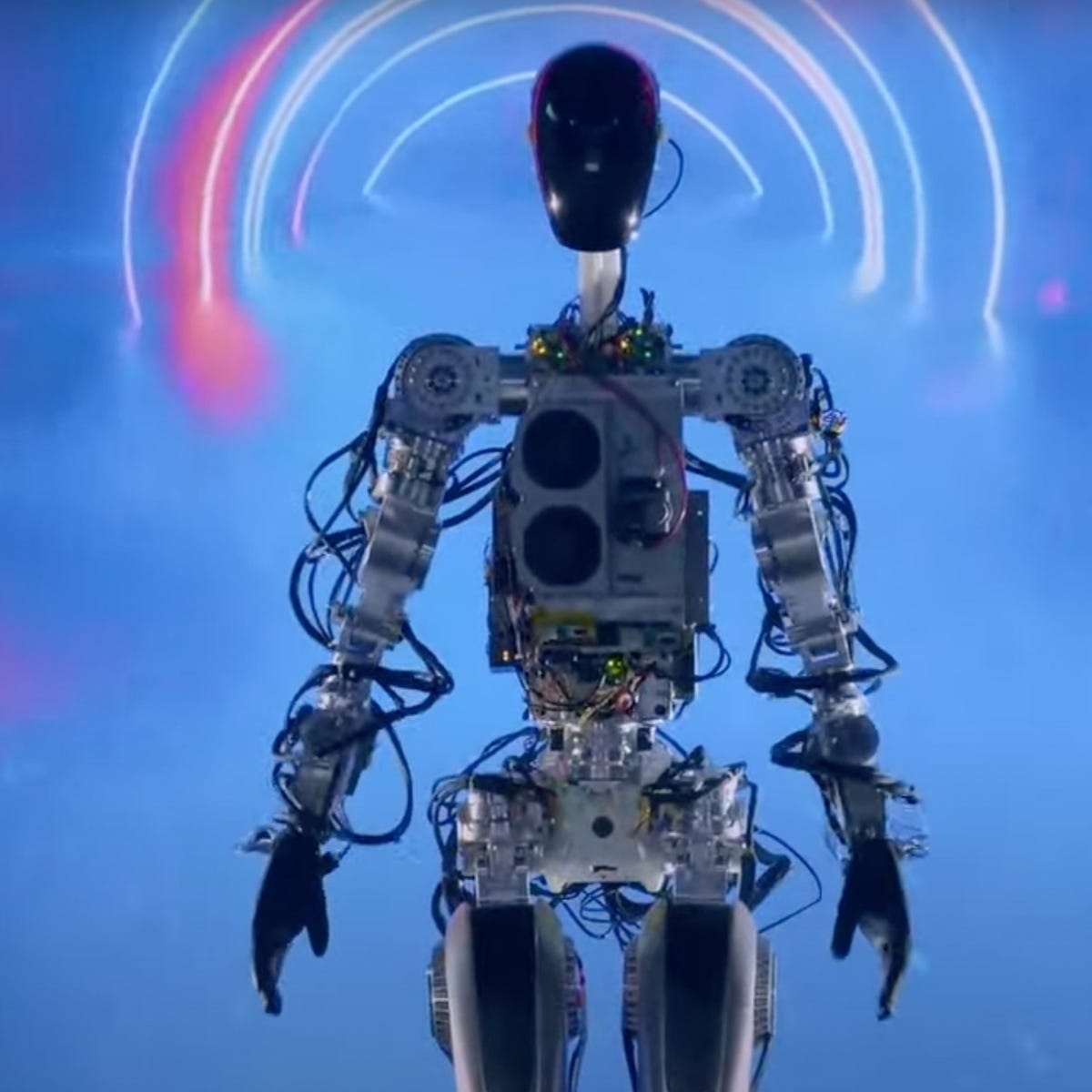
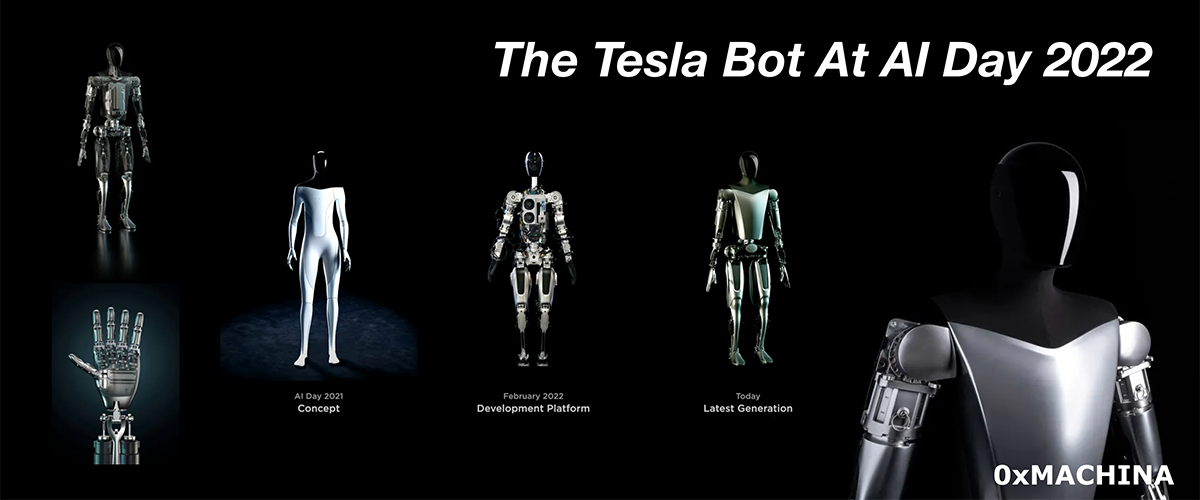
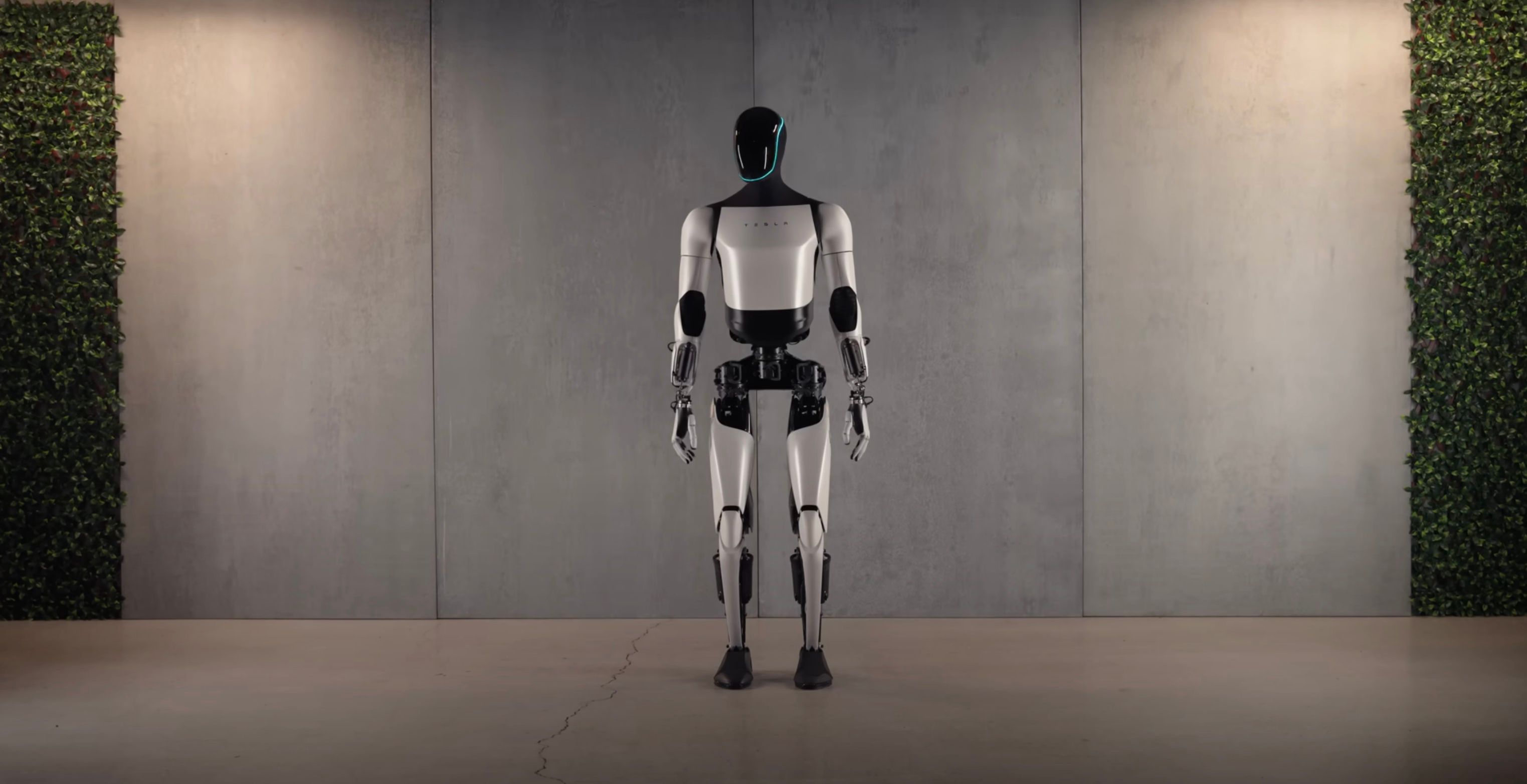
The Tesla Optimus Gen 1 is the first public prototype of Tesla's general-purpose humanoid robot, unveiled at AI Day 2022. Designed for light manufacturing, logistics, and service tasks, it stands 173 cm tall and weighs 73 kg, powered by a 2.3 kWh battery and Tesla's adapted Full Self-Driving computer. With 28 structural actuators and a vision-only perception stack, it could walk autonomously at under 2 km/h, sort colored blocks, and lift up to 20 kg. This unit was never sold commercially and was discontinued in favor of later generations. It established Tesla's entry into humanoid robotics, emphasizing scalability and AI-driven autonomy.
Specifications
Here are the full technical specifications.
| Spec | Value |
|---|---|
| Height | 173 cm |
| Weight | 73 kg |
| Degrees of freedom | 28 |
| Battery life | 4 hours (targeted) |
| Max speed | 2 km/h (walking) |
| Payload | 20 kg |
| Price (new) | Undisclosed (never sold) |
| Price (used range) | N/A |
Price & Value
New MSRP: Undisclosed (never sold commercially)
Used range: N/A
Tesla never officially priced the Gen 1, though leaked documents suggested a future target between $4,900 and $35,000 for later generations. As a prototype, there is no used market, and any surviving units are in Tesla's possession. Compared to research humanoids like Boston Dynamics Atlas (priced in the hundreds of thousands), Optimus promised mass-production affordability but remained unproven. Buyers seeking humanoid platforms today should consider the newer Optimus Gen 3 (projected ~$20,000–$30,000) or Unitree H1 at ~$90,000. With no commercial sales, the Gen 1 holds zero resale value and stands only as a historical milestone.
Who Is It For?
Best for: - Technology enthusiasts and historians (unique prototype for legacy study) - Robotics researchers studying early humanoid design (vision-only approach)
Not for: - Any commercial or industrial deployment (never sold, slow speed, limited dexterity) - Tasks requiring high speed or dynamic motion (max 2 km/h, cautious gait)
Alternatives & Comparison
Since the Optimus Gen 1 was never a commercial product, it competes only in historical context against other early 2020s humanoid prototypes.
| Model | Price | Available | Key Difference |
|---|---|---|---|
| Boston Dynamics Atlas (2013) | Undisclosed (research platform) | no | Dynamic acrobatics vs. slow walk; purely research |
| Figure 01 | Undisclosed (prototype) | no | More advanced dexterity and AI, but also prototype |
| Unitree H1 | ~$90,000 | yes | Fully commercial, faster (4.3 m/s), more DOF, available to buy |
Verdict: For historical study, the Optimus Gen 1 holds symbolic value but no practical use. If you need a working humanoid today, the Unitree H1 is the only commercially available option with verified performance. For bleeding-edge research, the latest Optimus Gen 3 or Figure 02 offer far more capability.
Use Cases & Capabilities
Technology Demonstration
Optimus Gen 1 proved Tesla could build a bipedal humanoid using vehicle-derived AI and battery cells. It walked autonomously on stage, sorted blocks, and showcased force feedback in its feet. These demonstrations set expectations for future manufacturing helpers but lacked industrial-grade reliability. The public debut ignited investor and media interest, validating Tesla's robotics ambitions.
Light Sorting Tasks
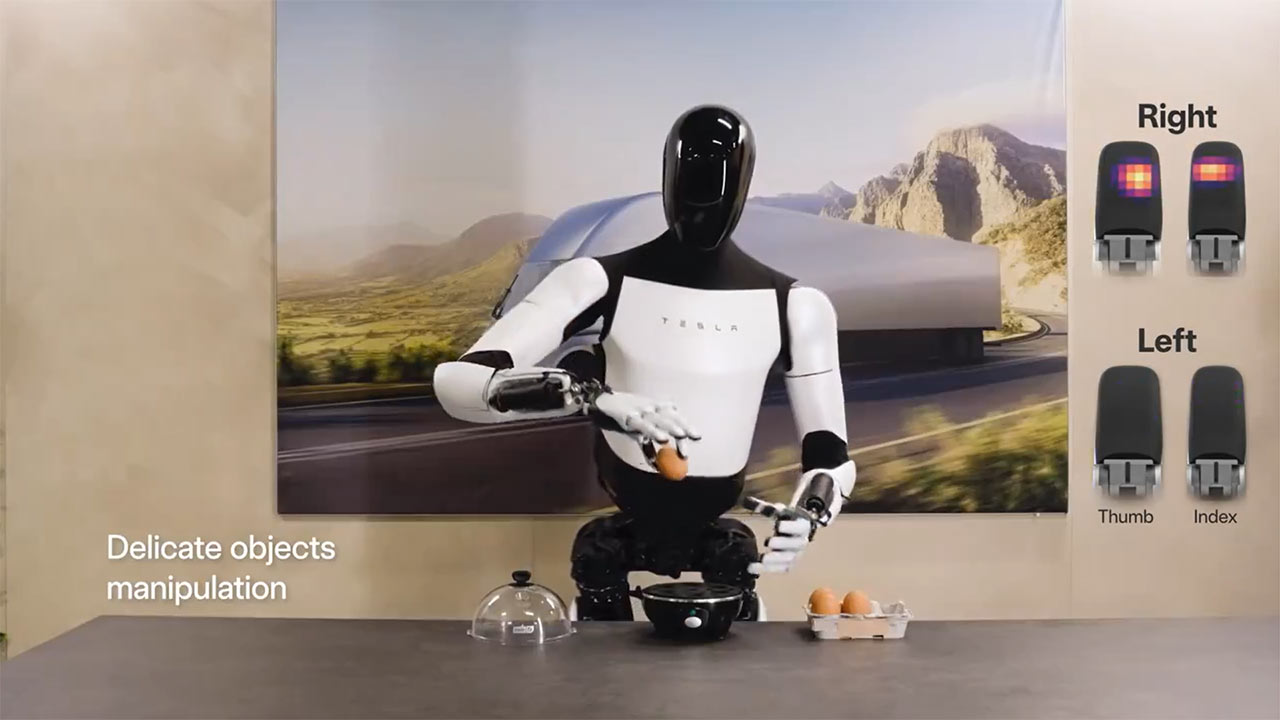
With basic object recognition and a 20 kg payload, the Gen 1 could sort colored blocks — a task that hinted at warehouse potential. However, the slow speed (under 2 km/h) and limited hand dexterity confined it to simplistic pick-and-place operations. The vision-only system struggled with crowded environments, and arm-extended lift was only 4.5 kg, restricting practical use.
Service Environment Trials
Tesla envisioned the robot performing watering plants or carrying items in homes and offices. The full-day battery target and 68 kg deadlift suggested potential for light service, though no real-world deployment occurred. Limited degrees of freedom in the hands and a cautious gait made delicate manipulation impossible, keeping it firmly in the demonstration phase.
History & Background
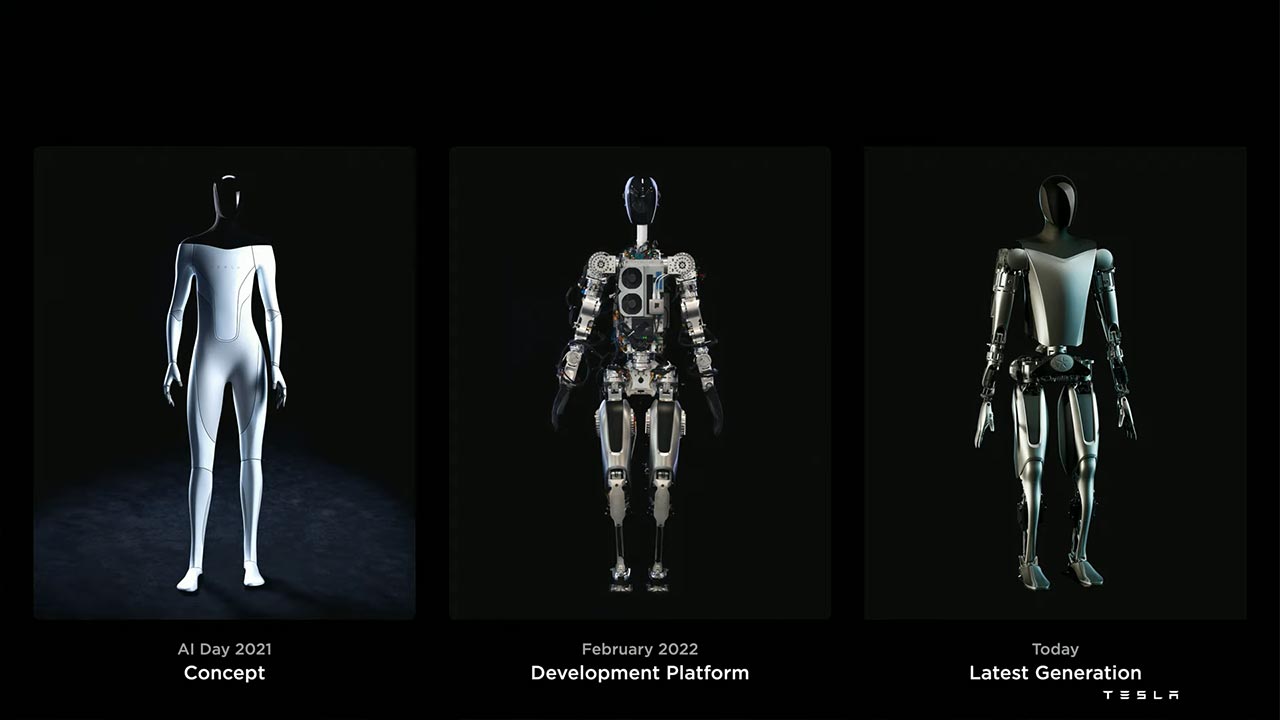
Tesla, founded in 2003 in San Carlos, California (now headquartered in Austin, Texas), announced the development of a humanoid robot at AI Day 2021. The first prototype, Optimus Gen 1, was revealed on stage at AI Day 2022 in September. It used Tesla’s Full Self-Driving computer and vision-only sensors, walking with a cautious gait. The robot had 28 structural actuators, could deadlift 68 kg, and carried 20 kg. Following Gen 1, Tesla introduced Gen 2 in 2023 with improved dexterity and lighter weight, and Gen 3 in 2026 targeted mass production. Optimus Gen 1 was never sold; it served solely as a proof of concept. All units remain with Tesla, and the platform was officially discontinued as development moved to newer generations.
Buying Used — What to Check
Verify authenticity Any unit sold is either a replica or stolen, as Tesla never authorized external sales.
Inspect battery condition Lithium-ion cells degrade, and a prototype's battery may be heavily cycled and non-replaceable.
Confirm software functionality Without Tesla's proprietary software stack, the robot's autonomy features are non-functional.