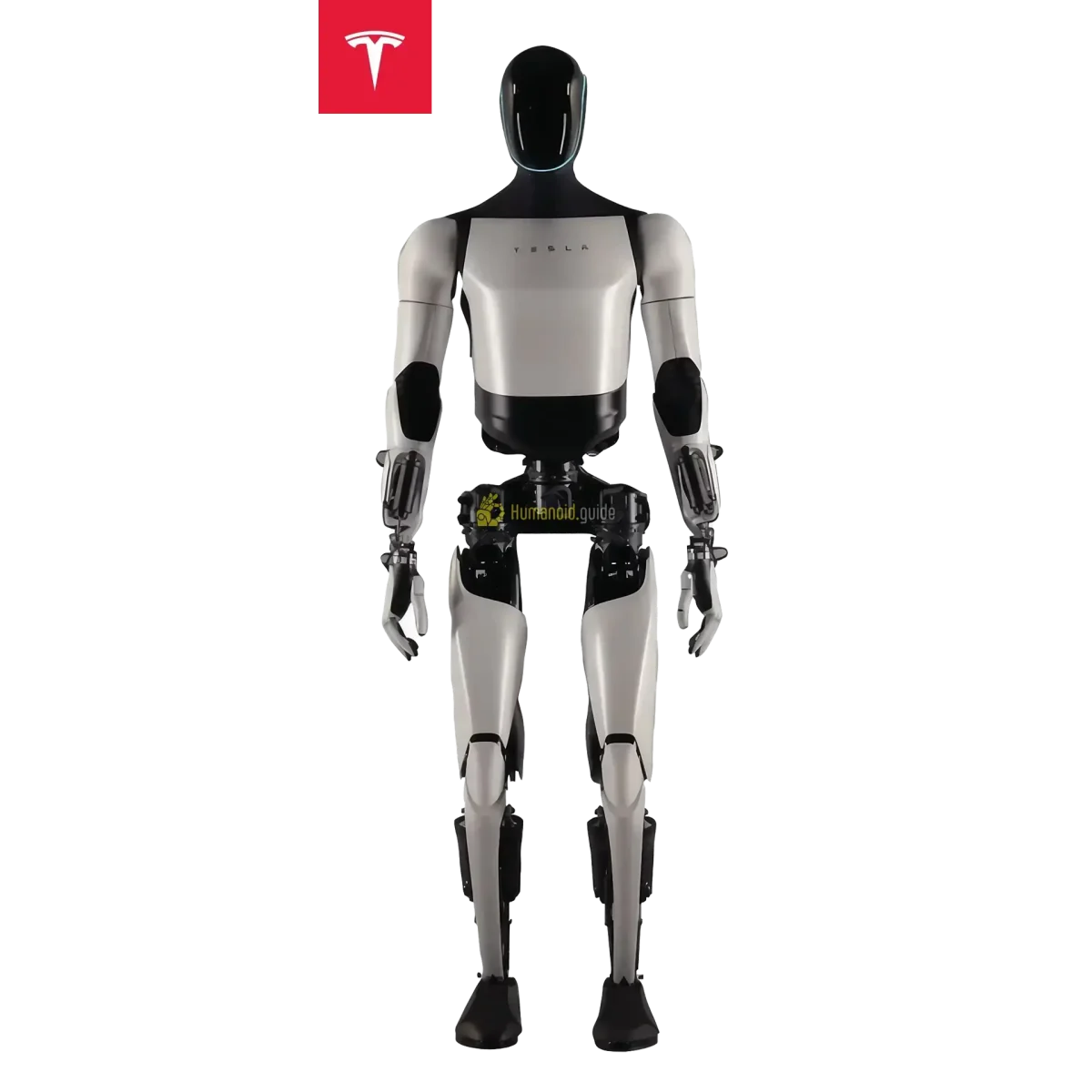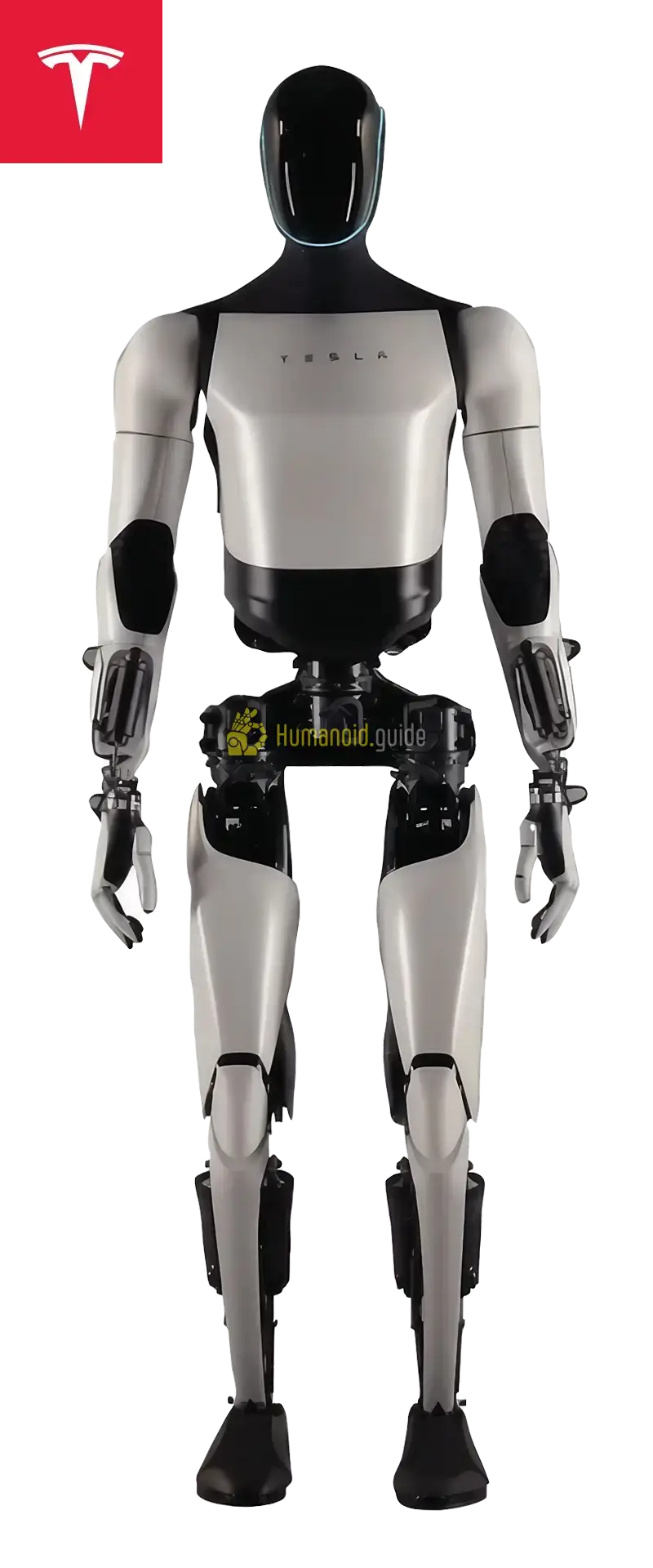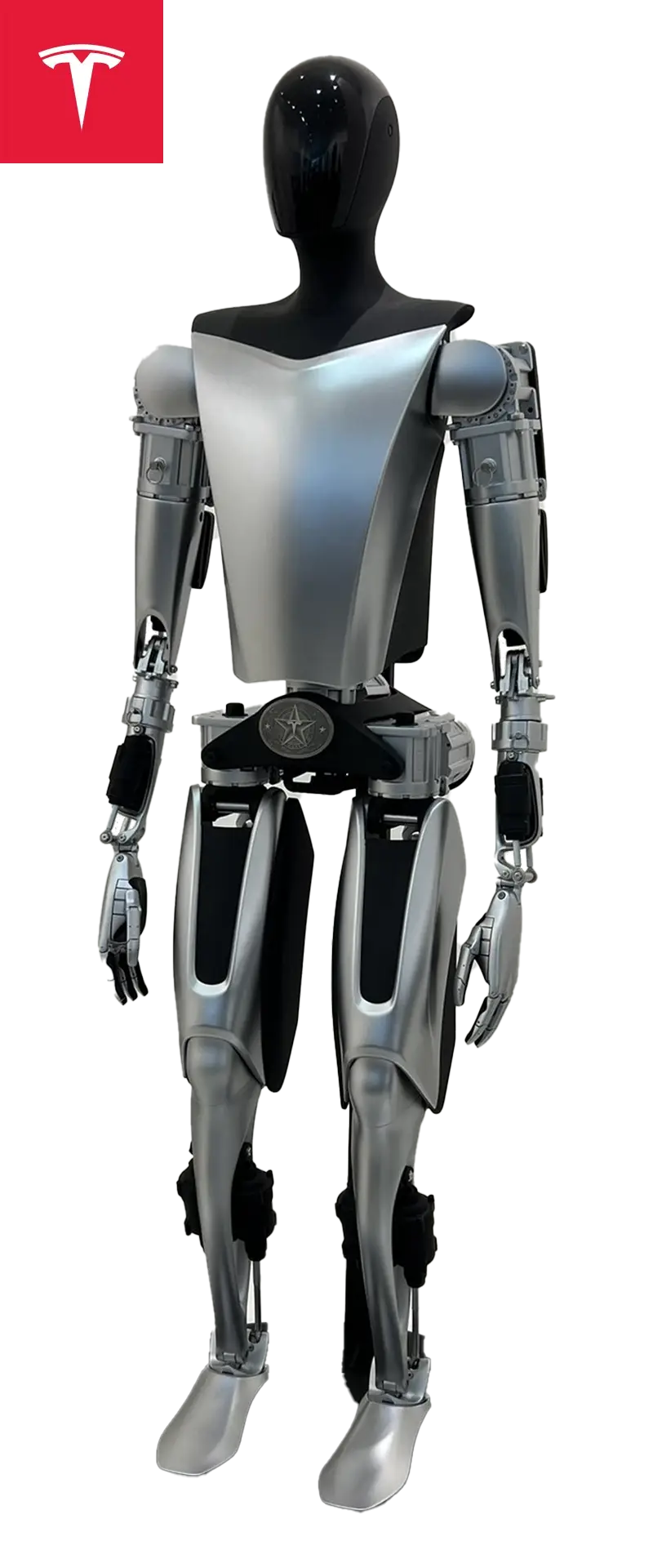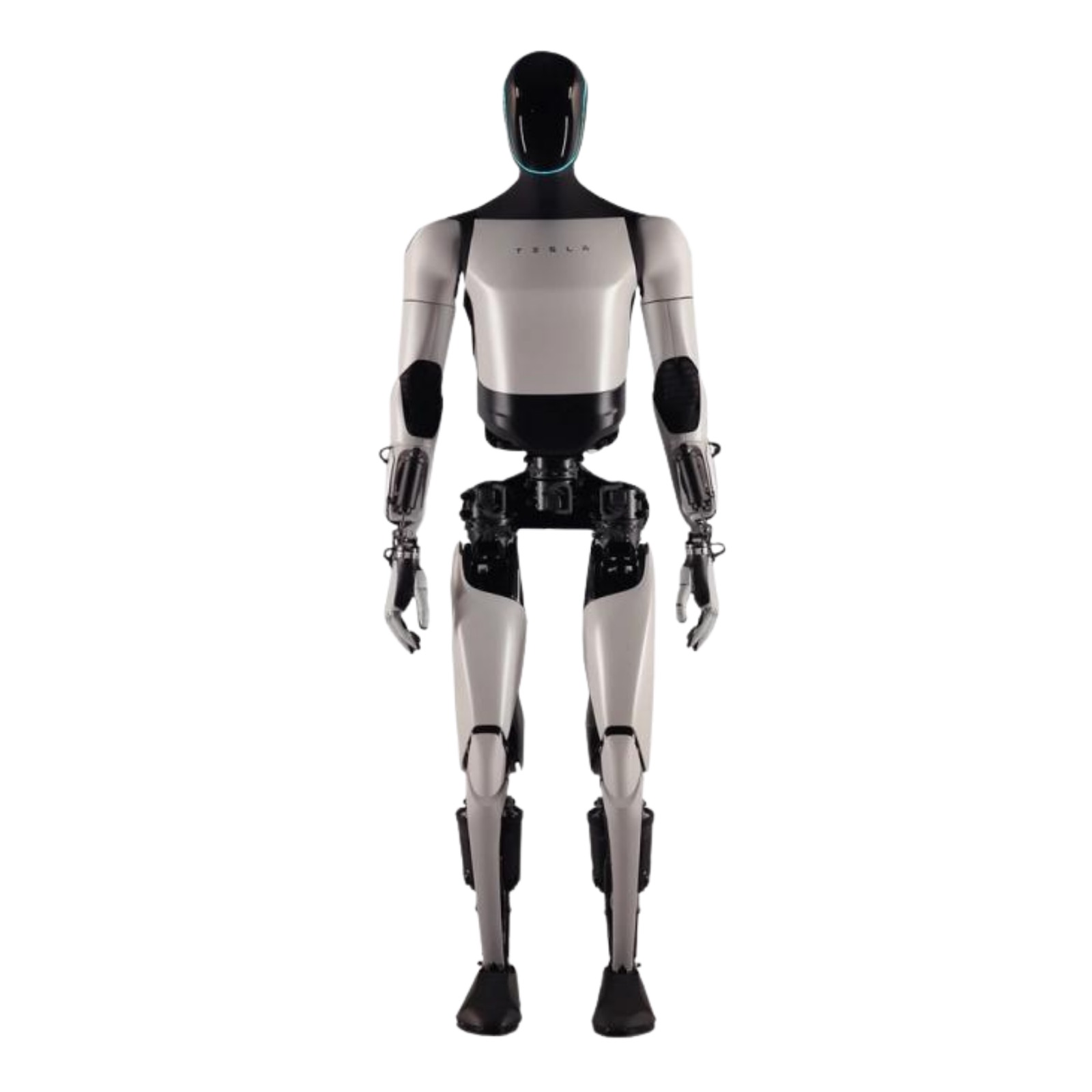
What is the Tesla Optimus?
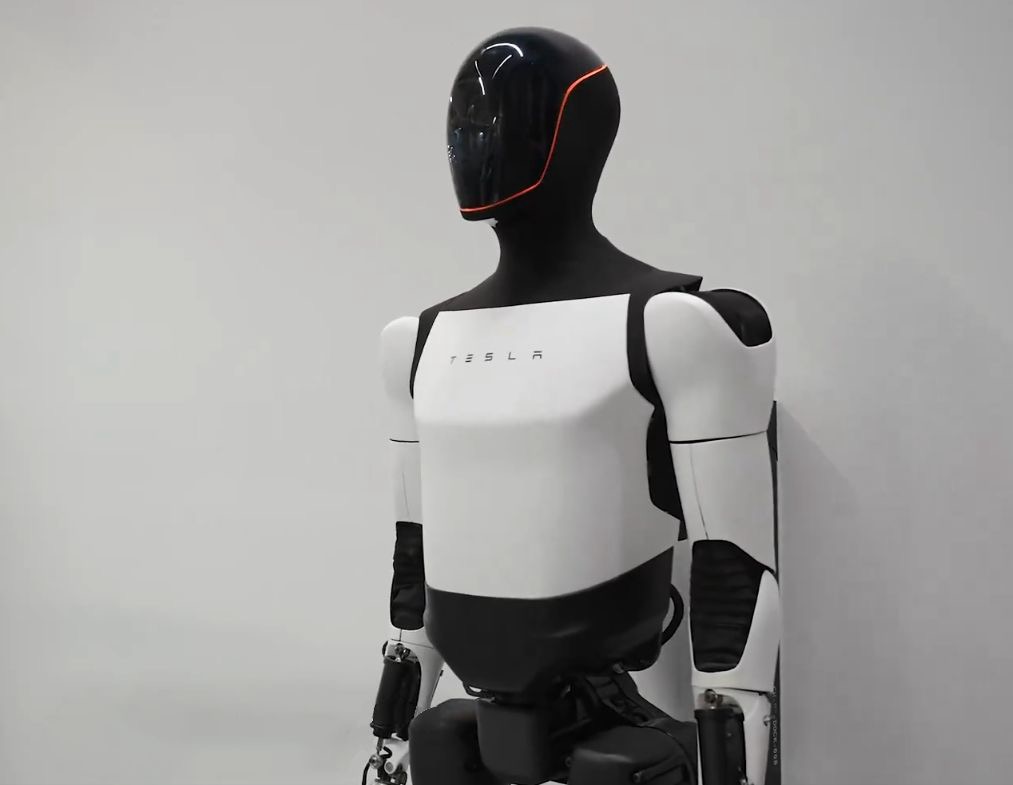
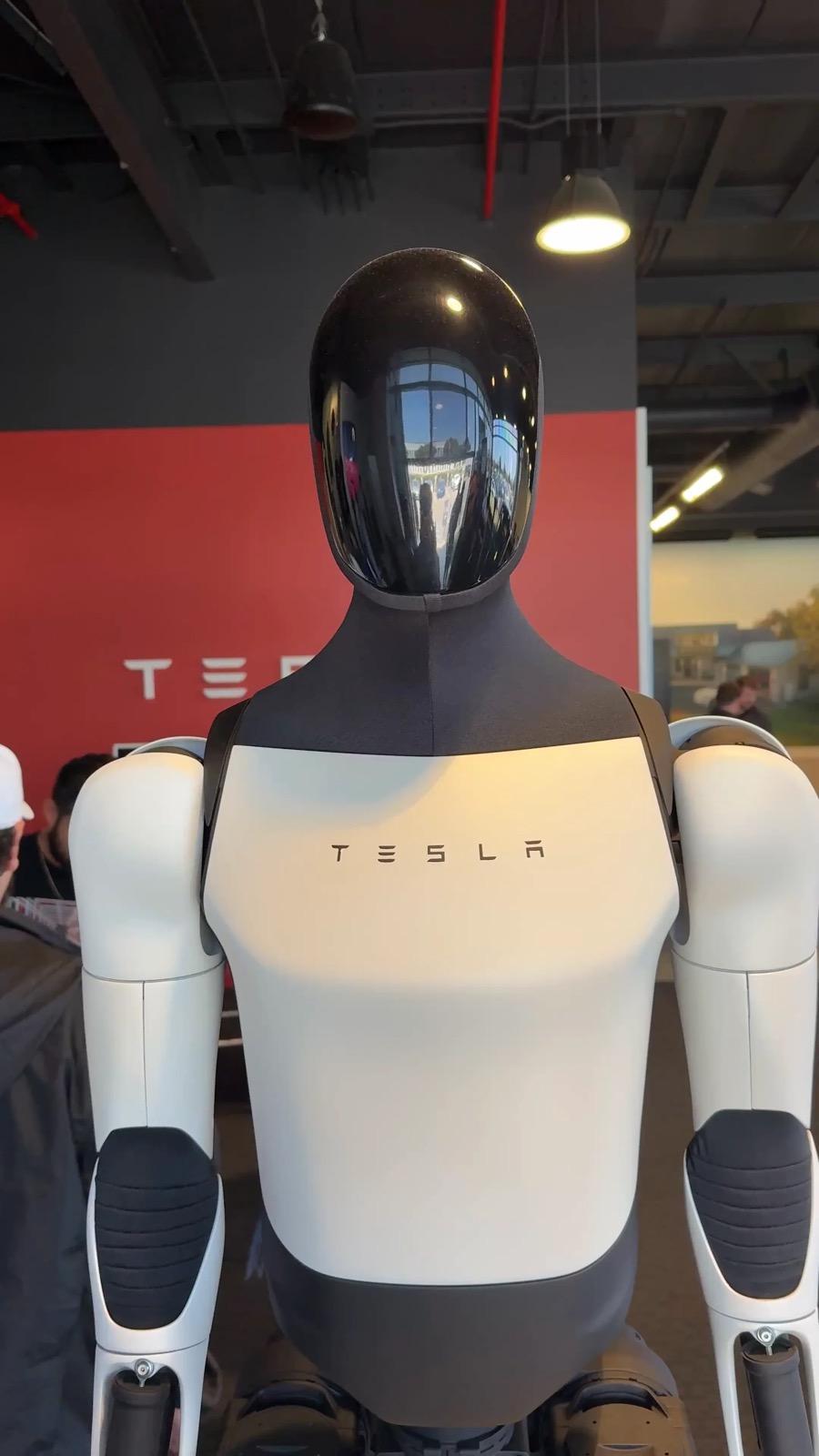
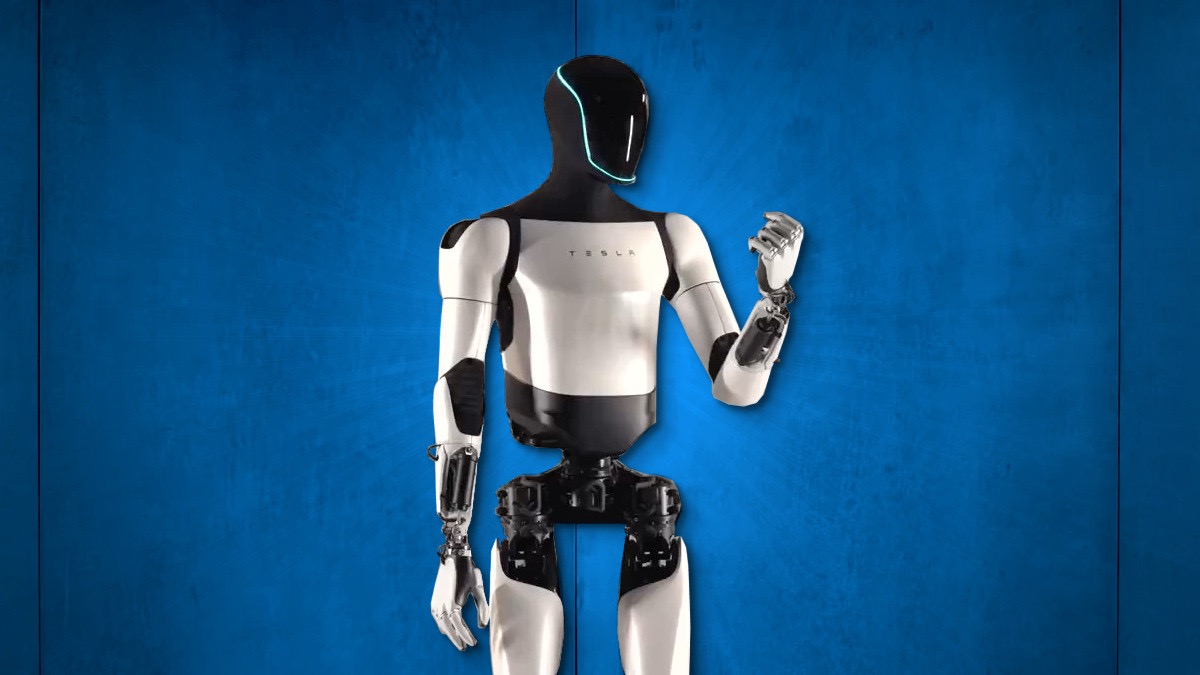
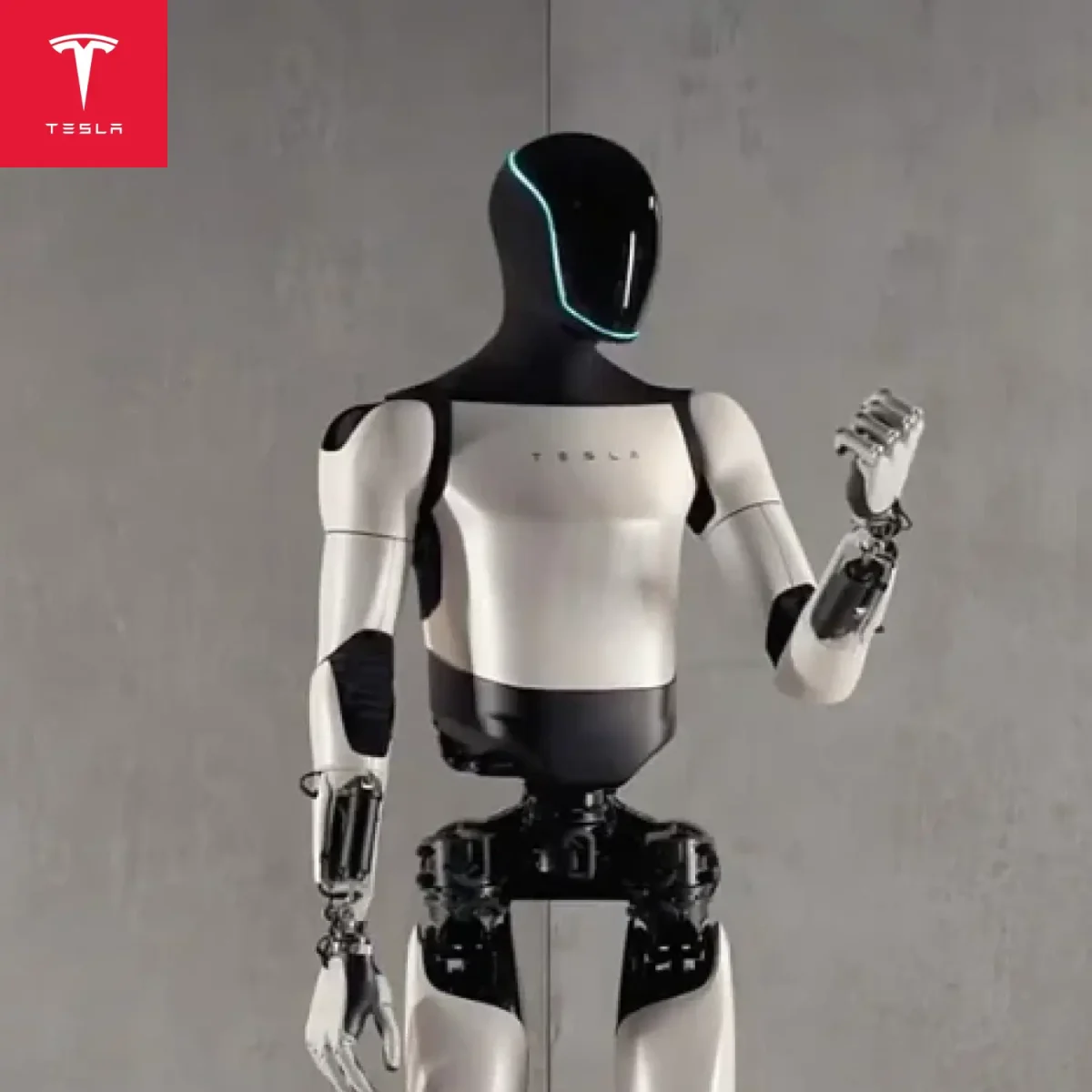
Tesla Optimus Gen 2 is a general-purpose bipedal humanoid robot developed by Tesla, Inc. at its headquarters in Austin, Texas. Designed as an autonomous assistant for manufacturing and logistics, it leverages Tesla’s vision-based AI architecture derived from Full Self-Driving technology. Key differentiators include planetary roller screw actuators for high shock load resistance, 65 degrees of freedom for dexterous manipulation, and integration with Grok (xAI) for natural language task instructions. The robot is intended for internal factory use before eventual mass production, with a target consumer price of $20,000–$30,000 — a fraction of typical research humanoids.
Specifications
Here are the full technical specifications.
| Spec | Value |
|---|---|
| Height | 173 cm |
| Weight | 57 kg |
| Degrees of freedom | 65 |
| Battery life | 8 hours (target) |
| Max speed | 8 km/h |
| Payload | 20 kg |
| Price (new) | Target $20,000–$30,000 |
| Price (used range) | N/A |
Price & Value
New MSRP: Long-term target $20,000–$30,000 (not yet for public sale)
Used range: N/A
Tesla has stated a long-term target price of $20,000–$30,000, positioning Optimus as potentially the most affordable full-sized humanoid robot ever produced. Current manufacturing costs are estimated between $50,000 and $100,000, meaning the robot is heavily subsidized during development. As a pre-commercial prototype, there is no used market; once commercially available, depreciation is expected to be steep initially due to rapid technological iteration. Compared to alternatives like the Unitree H1 (approximately $150,000) or Boston Dynamics Atlas (research-only, cost undisclosed but likely >$500,000), Optimus promises radical cost disruption. Total cost of ownership would include training, maintenance, and fleet software updates, all of which remain undefined. For early adopters, the main value proposition is access to a scalable, AI-driven labor platform backed by Tesla’s manufacturing ecosystem.
Who Is It For?
Best for: - Manufacturers exploring scalable humanoid labor solutions (target price enables fleet deployment) - AI and robotics researchers needing an end-to-end neural network platform derived from autonomous driving stacks - Logistics operations seeking vision-only bin picking, sorting, and material transport with autonomous navigation
Not for: - Buyers requiring an immediately purchasable, warrantied robot (still in prototype stage) - Hazardous-environment applications (no published ingress protection or safety certifications yet) - Heavy industrial lifting tasks (payload limited to 20 kg, deadlift capacity not confirmed)
Alternatives & Comparison
Tesla Optimus competes in the emerging general-purpose humanoid market against both research-oriented developers and commercially focused warehouse platforms.
| Model | Price | Available | Key Difference |
|---|---|---|---|
| Figure 01 | Undisclosed | no | OpenAI collaboration, human-like dexterity; less mature hardware supply chain |
| Agility Robotics Digit | Undisclosed (enterprise) | yes | Specialized legged locomotion for warehouses; limited upper-body DOF vs. Optimus |
| Boston Dynamics Atlas | Undisclosed (research) | no | High-dynamic parkour and manipulation; pure research platform, no commercial pricing |
| Fourier GR-1 | Undisclosed | preorder | Versatile research/service humanoid; less integrated AI ecosystem than Tesla |
| Unitree H1 | ~$150,000 (est.) | yes | Affordable, open-source developer platform; lower DOF, no integrated voice AI |
Verdict: If Tesla hits its $20k–$30k target, Optimus will redefine humanoid affordability and outcompete rivals by an order of magnitude on cost. For organizations that need a robot today, Digit or Unitree H1 are the only commercially available alternatives. Researchers chasing full-body AGI-level autonomy should watch Optimus closely — but wait for a production release before committing to a platform that remains under active development.
Use Cases & Capabilities
Manufacturing & Assembly
Optimus is being trialed for material handling and assembly line tasks such as part picking, insertion, and quality inspection. Its 65 DOF arms and tactile fingertips allow fine manipulation of components, while end-to-end neural networks — adapted from Tesla’s FSD — enable real-time vision-based sorting and inspection. The planetary roller screw actuators provide the shock load resistance necessary for repetitive impact on factory floors. However, the current 20 kg payload limits heavy tool handling, and reported battery life of 8 hours is a target for light-duty work only.
Logistics & Warehousing
With bipedal mobility, autonomous charging, and 5G/Wi-Fi connectivity, Optimus can navigate warehouse aisles for bin picking, palletizing, and transport. Its vision-only depth estimation using 8 autopilot-grade cameras eliminates need for LiDAR, reducing hardware costs. The robot’s 2.24 m/s walking speed is sufficient for co-bot logistics but slower than dedicated AMRs. Fleet learning across deployed units could enable rapid adaptation to new warehouse layouts, though the current lack of ingress protection and safety certifications limits deployment in mixed human-robot environments.
Domestic Assistance (Future)
Tesla’s long-term vision includes a humanoid assistant for household chores, enabled by Grok (xAI) voice interaction and imitation learning from human demonstrations. The robot’s 57 kg weight and pedestrian-scale height (173 cm) aim for home compatibility. Tactile feedback and force/torque limiting ensure safe interaction with people and fragile objects. However, significant barriers remain: no public timeline for home use, missing safety certifications, and the need for extensive training datasets covering domestic variability. As a prototype, Optimus remains years away from a reliable home robot.
History & Background
Tesla was founded in 2003 and publicly announced its humanoid robot project, code-named “Tesla Bot” or “Optimus,” at AI Day in August 2021. The first prototype (Gen 1) was unveiled in 2022, a rough bipedal platform with limited walking speed (0.3 m/s) and 73 kg weight. Gen 2, unveiled in December 2023, reduced weight by 10 kg to 57 kg, improved walking speed by 30% to 2.24 m/s, added articulated hands with tactile sensors, and integrated Tesla’s AI4 computer. As of 2026, Optimus Gen 2 units are deployed internally at Tesla’s factories for trials and refinement, with no public release date announced. A Gen 3 variant with further enhancements is reportedly in development.
Buying Used — What to Check
Verify battery health The 2.3 kWh pack degrades with cycles; replacement cost and availability are unknown.
Confirm actuator mileage Planetary roller screws and harmonic drives wear over time — especially in high-load walking applications.
Check AI4 chip revision Hardware iterations are frequent; older AI4 versions may lag behind fleet learning model compatibility.