What is the Tian Yi 2?
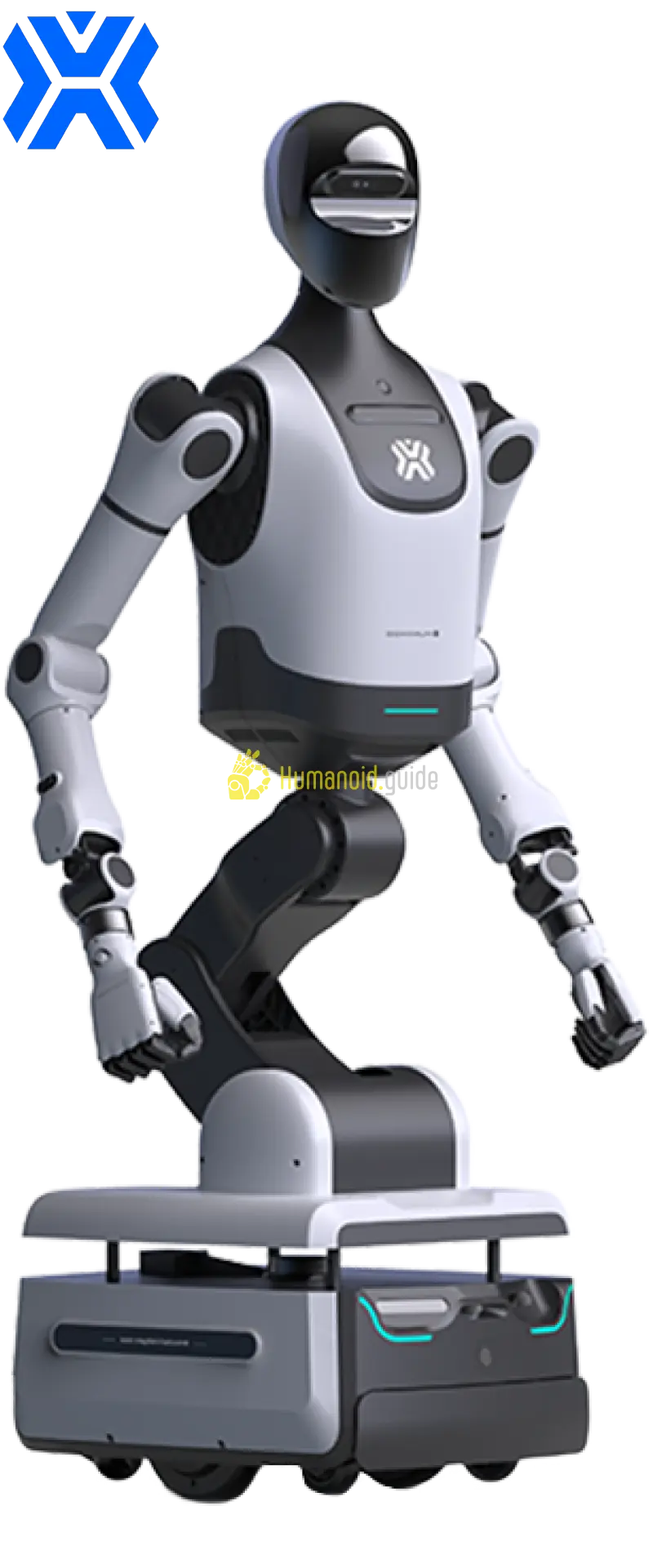
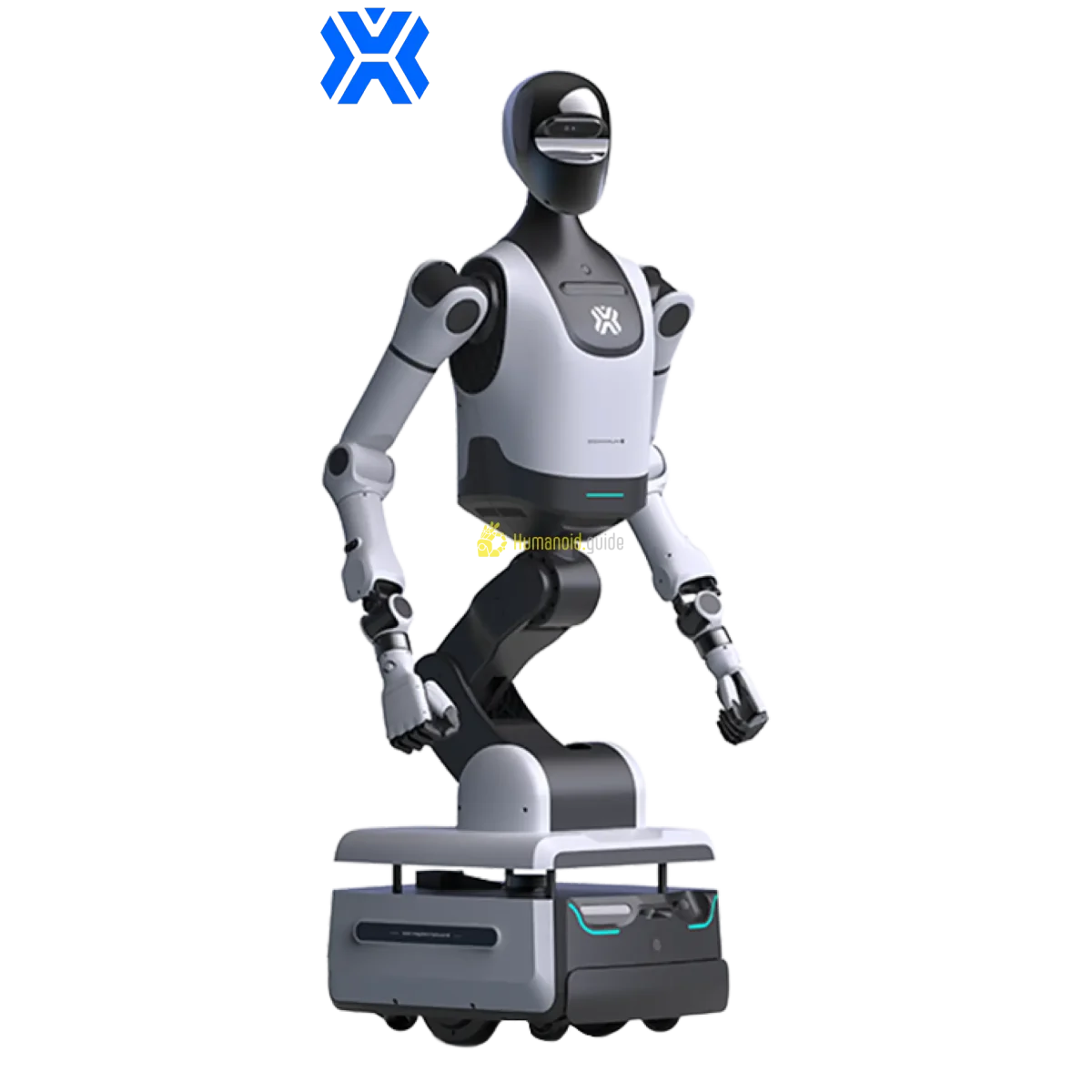
The Paxini Tian Yi 2.0 is a wheeled indoor service humanoid robot developed by Milebot Robotics (founded 2015) in Shenzhen, China, under the Paxini brand. Unlike legged humanoids, it uses a stable motorized base for movement and features an expressive upper body with 20 degrees of freedom—arms, hands with five fingers, and a screen-equipped head. It is designed for autonomous delivery and guest interaction in hospitality, food service, and retail venues. The robot integrates a custom embodied AI platform (HuiSi KaiWu) enabling conversational engagement, navigation, and task execution. First built in 2025, it remains in pilot development with no public release date.
Specifications
Here are the full technical specifications.
| Spec | Value |
|---|---|
| Height | 1600 mm |
| Weight | Not specified |
| Degrees of freedom | 20 |
| Battery life | Not specified |
| Max speed | 7 km/h |
| Payload | Not specified |
| Price (new) | Undisclosed (contact manufacturer) |
| Price (used range) | N/A (pre-commercial) |
Price & Value
New MSRP: Undisclosed
Used range: N/A
Paxini has not publicly disclosed pricing for the Tian Yi 2.0; as with many Chinese enterprise humanoid robots, sales occur through regional partners on a pilot-first basis. Compared to established delivery robots like PUDU Bellabot or Keenon T5, the Tian Yi 2.0 adds an upper-body humanoid form factor and 20 degrees of freedom for more expressive interaction, likely commanding a higher price. Without official numbers, buyers should budget for the robot itself plus integration, software, and ongoing support—a total cost that may surpass simpler wheeled delivery bots. Since no secondary market exists, there is no depreciation data. Overall, for organizations needing a humanoid presence for indoor service tasks, the Tian Yi 2.0 could offer a unique value proposition, but its commercial viability depends on the final release price and performance.
Who Is It For?
Best for: - Hospitality and retail businesses seeking a humanoid robot for interactive indoor delivery and customer engagement (20 DOF upper body enables expressive gestures). - Pilot programs in food service that want to differentiate with a human-like presence rather than a simple tray dolly.
Not for: - Outdoor delivery or heavy payload tasks (no published payload rating and wheeled base designed for smooth indoor floors). - Companies requiring a fully autonomous walking humanoid (Tian Yi 2.0 is wheeled, not legged).
Alternatives & Comparison
The Paxini Tian Yi 2.0 competes in the indoor service robot space, where humanoid form factors are rare—most rivals are tablet-based or simple tray bots. Below we compare it to three notable alternatives that serve similar hospitality and retail roles.
| Model | Price | Available | Key Difference |
|---|---|---|---|
| PUDU Bellabot | ~$10,000–15,000 (est.) | yes | Bellabot lacks a humanoid upper body; Tian Yi 2.0 offers 20-DOF expressive arms and head. |
| Keenon T5 | ~$8,000–12,000 (est.) | yes | Keenon T5 is a widely deployed Chinese restaurant delivery bot; Tian Yi 2.0 adds a humanoid interaction layer at likely higher cost. |
| Savioke Relay | ~$2,000–4,000/month (subscription) | yes | Relay is a hotel delivery robot without arms; Tian Yi 2.0 targets Asian markets with a humanoid approach. |
Verdict: For buyers who simply need reliable table-to-table food delivery, the Keenon T5 or PUDU Bellabot are proven, affordable choices. If your venue wants a humanoid that can engage guests with gestures and eye contact while still delivering items, the Paxini Tian Yi 2.0 is a novel alternative—provided the final price is not prohibitively higher. Until pricing is confirmed, the Tian Yi 2.0 remains a speculative option for businesses wanting to differentiate.
Use Cases & Capabilities
Hospitality guest reception and delivery
In hotels and restaurants, Tian Yi 2.0 can greet guests at the entrance, guide them to tables, and deliver drinks or meals using its tray compartments. Its 20-DOF upper body allows it to wave, point, and maintain eye contact, creating a welcoming experience. The wheeled base navigates at up to 7 km/h on smooth floors, matching typical service speeds. Since no payload is published, it would be limited to light items like menus, single plates, or small packages. Integration with voice assistants via the HuiSi KaiWu AI platform could enable conversational interactions.
Retail store assistant
In retail environments, the robot can patrol aisles, provide product information on its display screen, and gesture to promotions. Its humanoid appearance may attract customer attention and increase dwell time, while the wheeled base allows continuous movement without needing a humanoid gait. However, without confirmed runtime, shift scheduling would require planning for battery charging cycles. Deployment will likely require a controlled environment with minimal obstacles and stable Wi-Fi connectivity.
Food service runner
In fast-casual or cafeteria-style settings, Tian Yi 2.0 could transport orders from kitchen to tables, using its arms to indicate when the meal has arrived. It can serve as a hub for personalized recommendations by syncing with point-of-sale systems. The 20 DOF arms might be used to hand over small items directly, though payload limitations would restrict heavy trays. This use case depends heavily on the payload capacity and the robot's ability to handle plates safely, which remain undisclosed.
Smart exhibition hall guide
For tech expos or corporate showrooms, the Tian Yi 2.0 can roam predefined routes, presenting information on its screen and gesturing toward exhibits. Its large AI integration (HuiSi KaiWu platform) can answer questions in natural language, making it a memorable brand ambassador. As a wheeled humanoid, it avoids the instability of legged robots, ensuring continuous operation without falls. However, deployment will require a controlled environment and careful programming of interaction scripts to leverage the 20-DOF arms effectively.
History & Background
Milebot Robotics (founded 2015 in Shenzhen, China) developed the Paxini Tian Yi humanoid robot line. The Tian Yi 2.0, first built in 2025, represents the second-generation platform, evolving from earlier prototypes. Designed as a wheeled indoor service robot with an expressive upper body, it integrates a custom embodied AI platform named HuiSi KaiWu, which enables natural interaction and autonomous navigation. While some sources refer to the robot under the X-Humanoid brand, the official brand name is Paxini. As of 2026, the Tian Yi 2.0 remains in the pilot stage with no firm release date, targeting hospitality, retail, and food service markets primarily in Asia.
Buying Used — What to Check
Verify payload rating Payload capacity is not disclosed and will determine whether the robot can handle trays, plates, or other service items safely.
Confirm battery endurance Without official runtime, you cannot plan shift schedules or estimate charging downtime in a busy service environment.
Check after-sales support Chinese enterprise robots may have limited service infrastructure outside China; clarify warranty, spare parts availability, and remote support before committing.