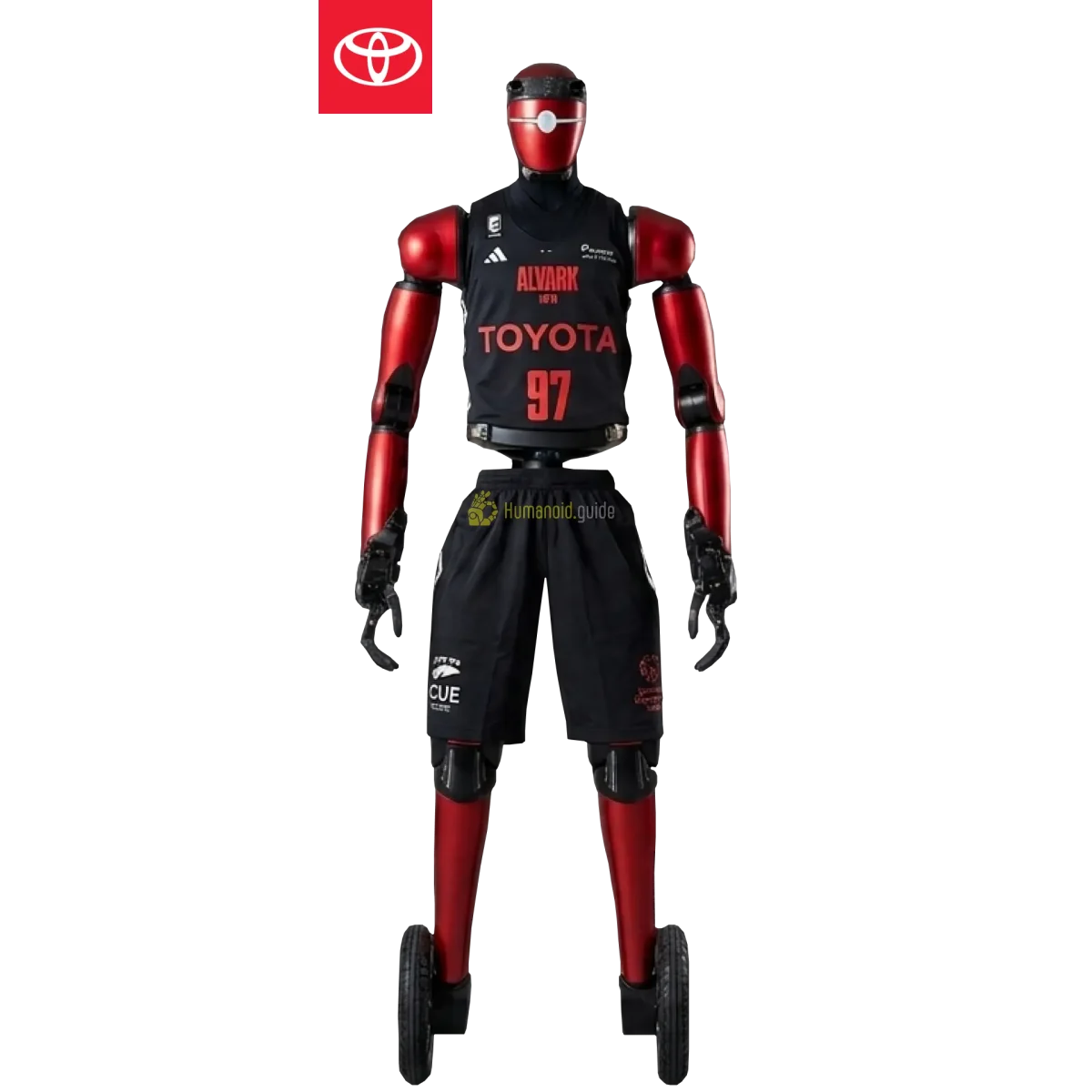
What is the Toyota Partner Robot?
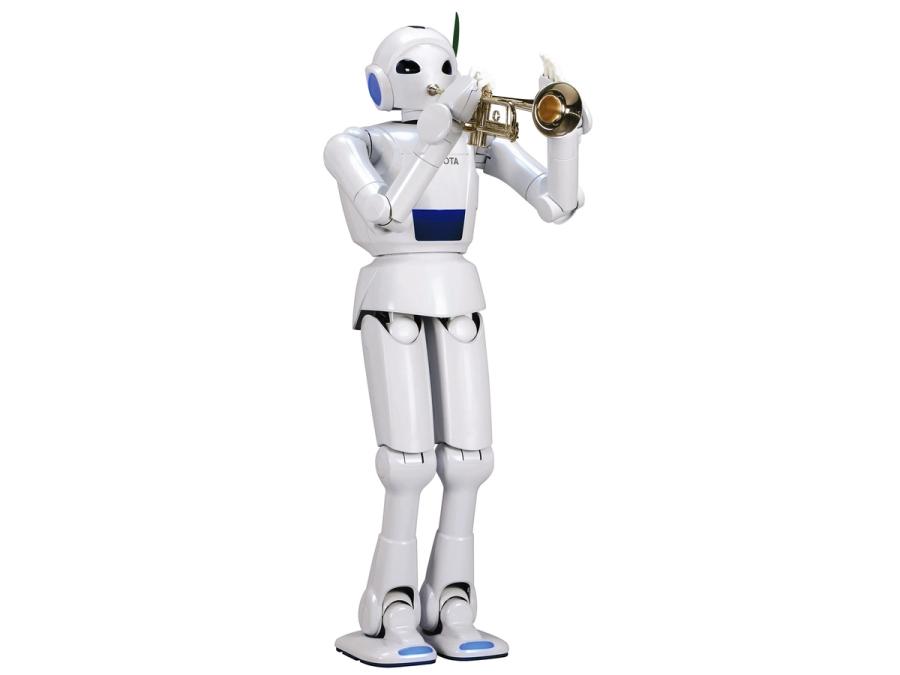
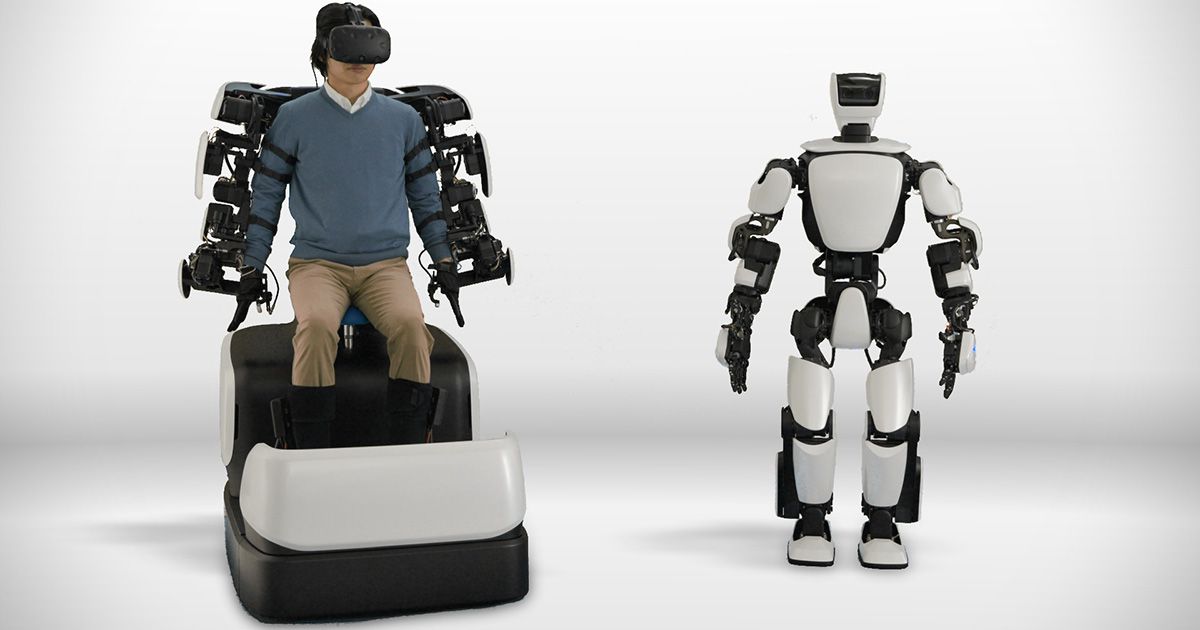
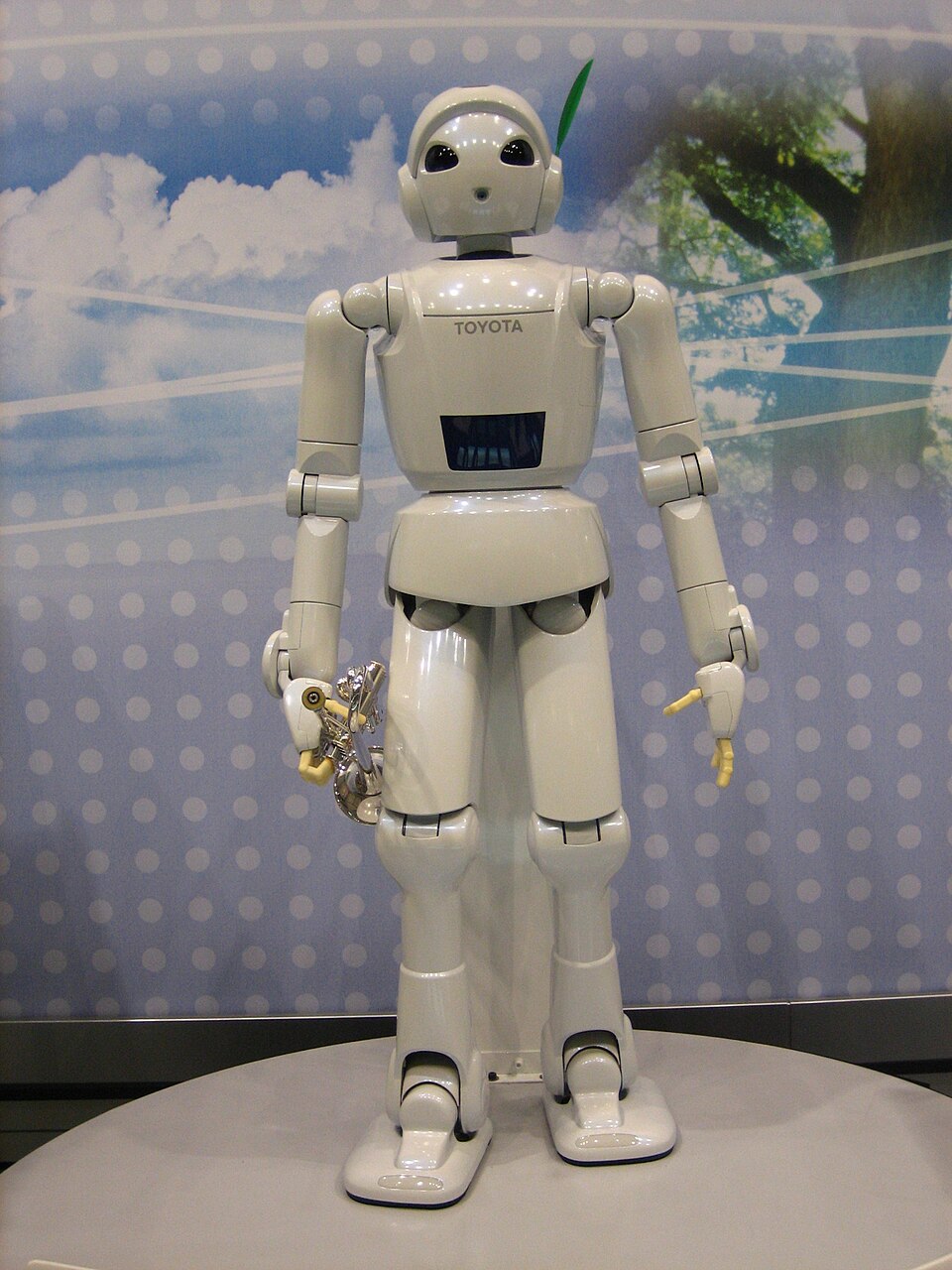
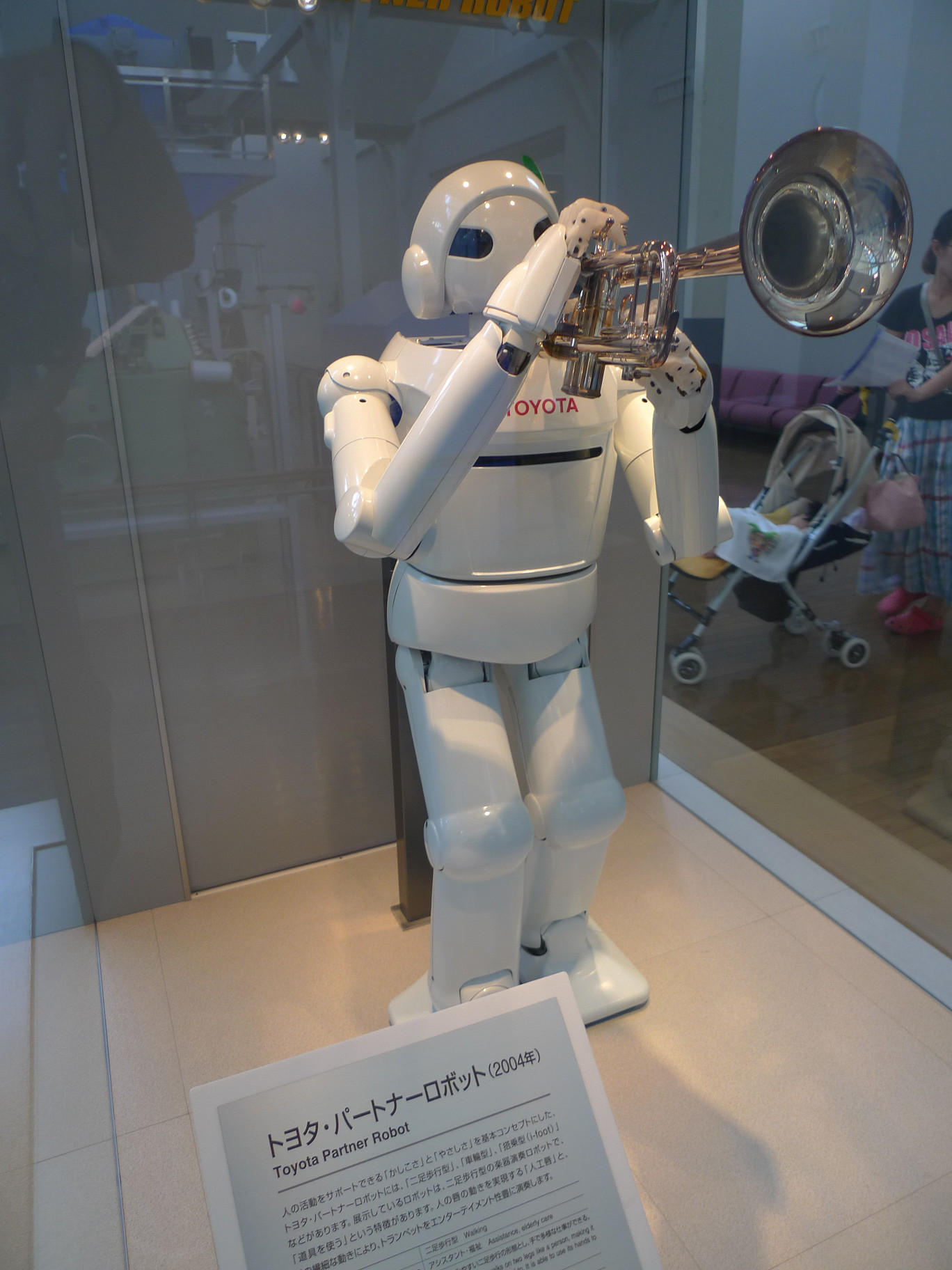
The Toyota Partner Robot is a bipedal humanoid research platform developed by Toyota Motor Corporation in Toyota City, Aichi, Japan. First publicly unveiled at the 2005 World Expo, the robot became famous for playing the trumpet using artificial lips—a feat requiring precise air flow control and dexterous mechanical fingers. Standing 150 cm tall and weighing 50 kg, it has 30 degrees of freedom, 12 of which are in its hands. Locomotion is bipedal, with a max running speed of 7 km/h, where both feet briefly leave the ground. The Partner Robot was never commercialized; it served as a testbed for advanced manipulation and mobility research, influencing later Toyota humanoids like the T-HR3 and assistive concepts such as i-Foot.
Specifications
Here are the full technical specifications.
| Spec | Value |
|---|---|
| Height | 150 cm |
| Weight | 50 kg |
| Degrees of freedom | 30 |
| Battery life | Not published |
| Max speed | 7 km/h |
| Payload | Not specified |
| Price (new) | Not for sale |
| Price (used range) | N/A |
Price & Value
New MSRP: Not for sale
Used range: N/A
The Toyota Partner Robot was never offered for sale, so there is no official price or secondary market. It was developed purely as a research platform, and no units were ever sold to external institutions. This contrasts with contemporary research humanoids like the Kawada HRP-4, which was available to select labs for an undisclosed fee. Because the Partner Robot is not a product, potential buyers must look to alternative platforms for bipedal research. For historical interest, a prototype might theoretically fetch high prices at auction, but none have surfaced. The technology it pioneered, especially in manipulative dexterity, has been absorbed into Toyota's later robots, making the platform's value primarily archival. Because the robot's components are two decades old, any surviving prototype would have limited battery life and likely need restoration, further complicating any hypothetical sale.
Who Is It For?
Best for: - Academic robotics labs studying fine dexterity and expressive motor control, particularly in musical performance or delicate manipulation tasks.
Not for: - Commercial or industrial deployment – no published payload rating, unknown battery life, and no environmental ruggedness. - Developers seeking an off-the-shelf bipedal platform for general locomotion research – newer open-source platforms like the Unitree H1 offer more modern control and availability.
Alternatives & Comparison
The Partner Robot is often compared to other non-commercial bipedal research humanoids from the 2000s, such as Honda ASIMO and the Kawada HRP-4. While none are products, each offered distinct research value.
| Model | Price | Available | Key Difference |
|---|---|---|---|
| Honda ASIMO | Undisclosed (research platform) | no | More advanced running (9 km/h) and smoother walking, but no dexterous manipulation. |
| Kawada HRP-4 | Undisclosed (research platform) | no | Lighter weight (39 kg) and modular open-platform design for academic research. |
Verdict: For researchers interested in dexterous manipulation and expressive motor skills, the Partner Robot is unmatched in its class, though it is not available. ASIMO excels in dynamic locomotion, and HRP-4 offers an open-platform approach for algorithm development. Ultimately, the choice depends on institutional partnerships and access to legacy hardware. None of these robots can match a modern humanoid like the Unitree G1 in terms of ruggedness or commercial support, but they remain historical benchmarks.
Use Cases & Capabilities
Musical Performance Research
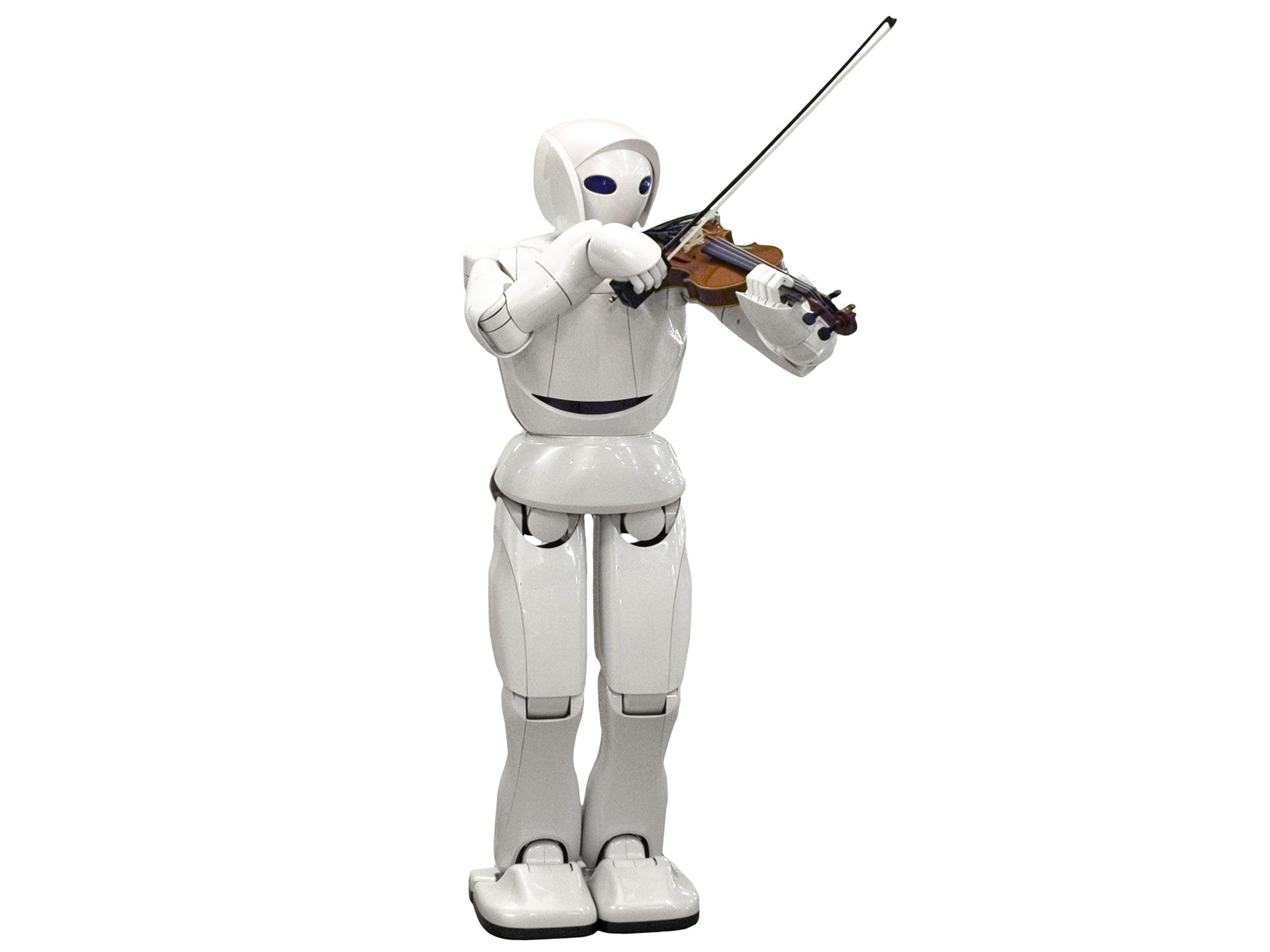
The Partner Robot's most famous capability is playing the trumpet, a task that demands extreme dexterity. Its mechanical lips precisely control air flow to produce notes, while its hand actuates the valves. This required developing specialized actuators and feedback systems for fragile, precise movements. Later demonstrations included violin playing, which added the challenge of bow control and finger placement on strings. These feats advanced research in fine-motor robotics and human-robot interaction through performance. The platform proved that humanoid robots can achieve delicate, repetitive tasks previously thought to require human touch.
Bipedal Locomotion Research
The Partner Robot's bipedal walking and running algorithms were a major research focus. Its ability to run at 7 km/h with a brief airborne phase demonstrated dynamic stability control. Researchers used the platform to explore real-time balance, foot placement, and gait transitions. Although limited to flat surfaces, the locomotion findings were foundational for later Toyota humanoids like T-HR3. The robot's low center of gravity and lightweight design contributed to stable walking.
Technology Demonstrator and Concept Inspiration
Beyond direct research, the Partner Robot served as a technology demonstrator at expos and events, inspiring future Toyota robotics programs. Its success spurred the development of the i-Foot rideable walking device and the TPR-ROBINA service robot for eldercare. These derivatives applied the bipedal stability and dexterity principles to practical assistance tasks. The Partner Robot's trumpet playing also showcased electronics and control systems now used in Toyota's manufacturing robots. As a proof-of-concept, it validated Toyota's investment in humanoid robotics.
Media and Public Engagement
The Partner Robot's trumpet and violin performances generated significant media coverage and public interest in humanoid robotics. It was used in promotional events and technology exhibitions to demonstrate Toyota's engineering prowess. The entertainment aspect helped humanize robots and attract young engineers to the field. Even though it wasn't a product, its demos contributed to shaping public perception of what robots could achieve.
History & Background
Toyota Motor Corporation, founded in 1937, began exploring humanoid robotics in the early 2000s. The Partner Robot project produced its first trumpet-playing prototype in 2003, which debuted publicly at the 2005 Aichi World Expo. The robot demonstrated remarkable fine-motor skills, including embouchure control to play a trumpet, and later added violin playing to its repertoire. Engineers developed custom mechanical lips and advanced hand actuators. The bipedal running capability (up to 7 km/h) was another milestone. Toyota later introduced the i-Foot rideable walking assist concept and the TPR-ROBINA service robot, evolving the Partner Robot's technology. As of 2026, the original Partner Robot remains in Toyota's R&D history, and its legacy lives on in the T-HR3 humanoid and ongoing mobility research.
Buying Used — What to Check
Verify provenance Any unit would be a prototype; confirm it was not used for destructive testing.
Check actuator wear Since it is over 20 years old, servos and mechanical components may have degraded.
Assess research documentation Original research may not be included; ensure you have software and schematics.