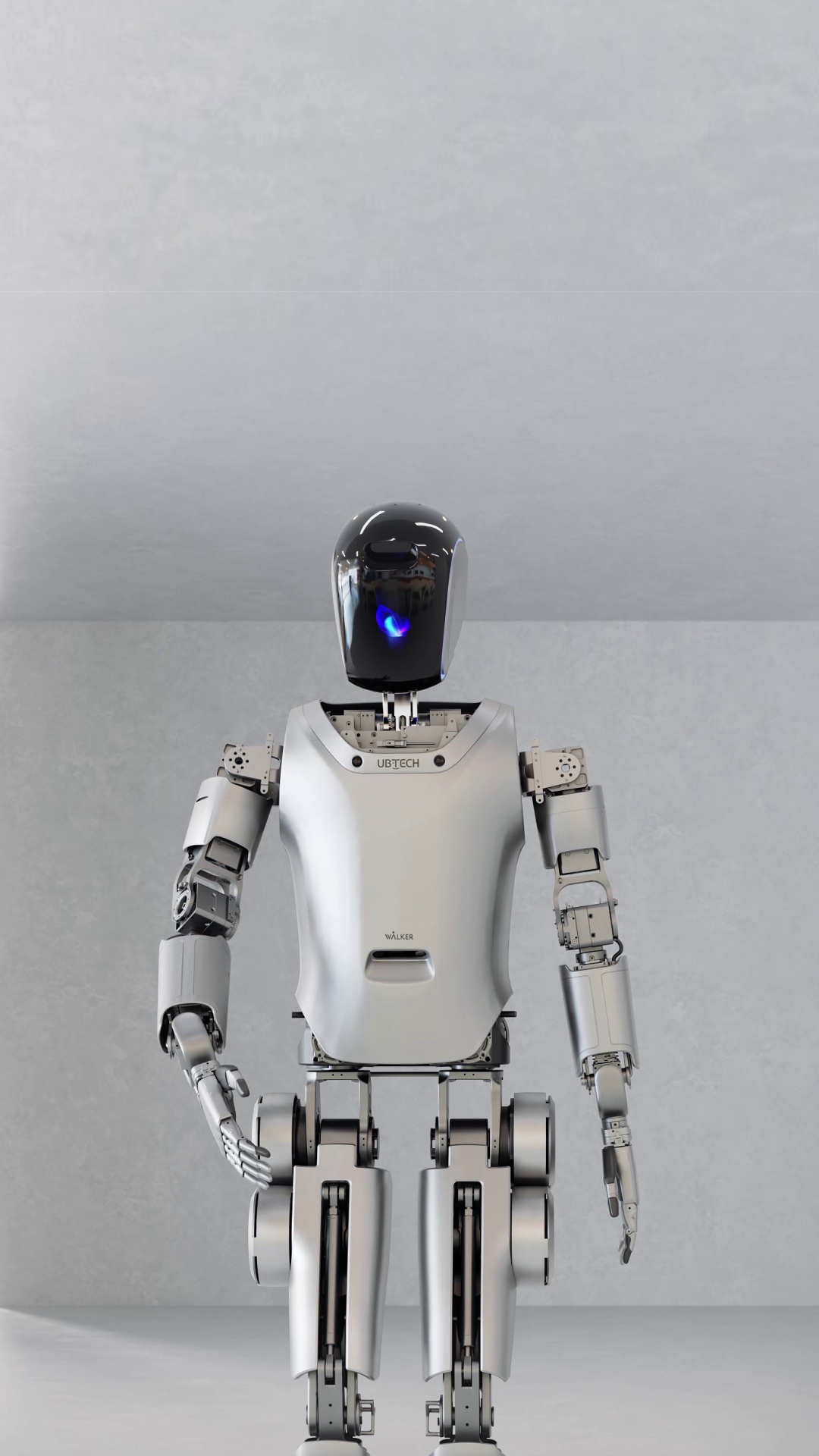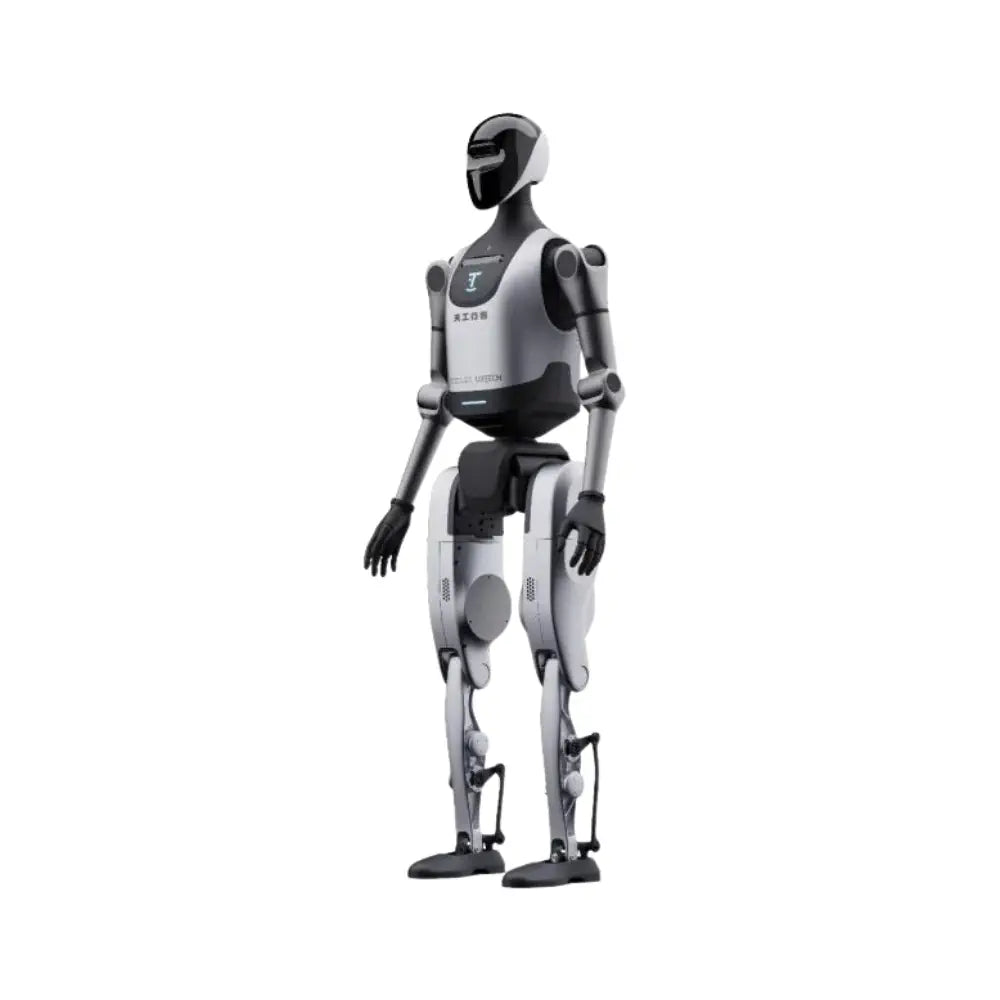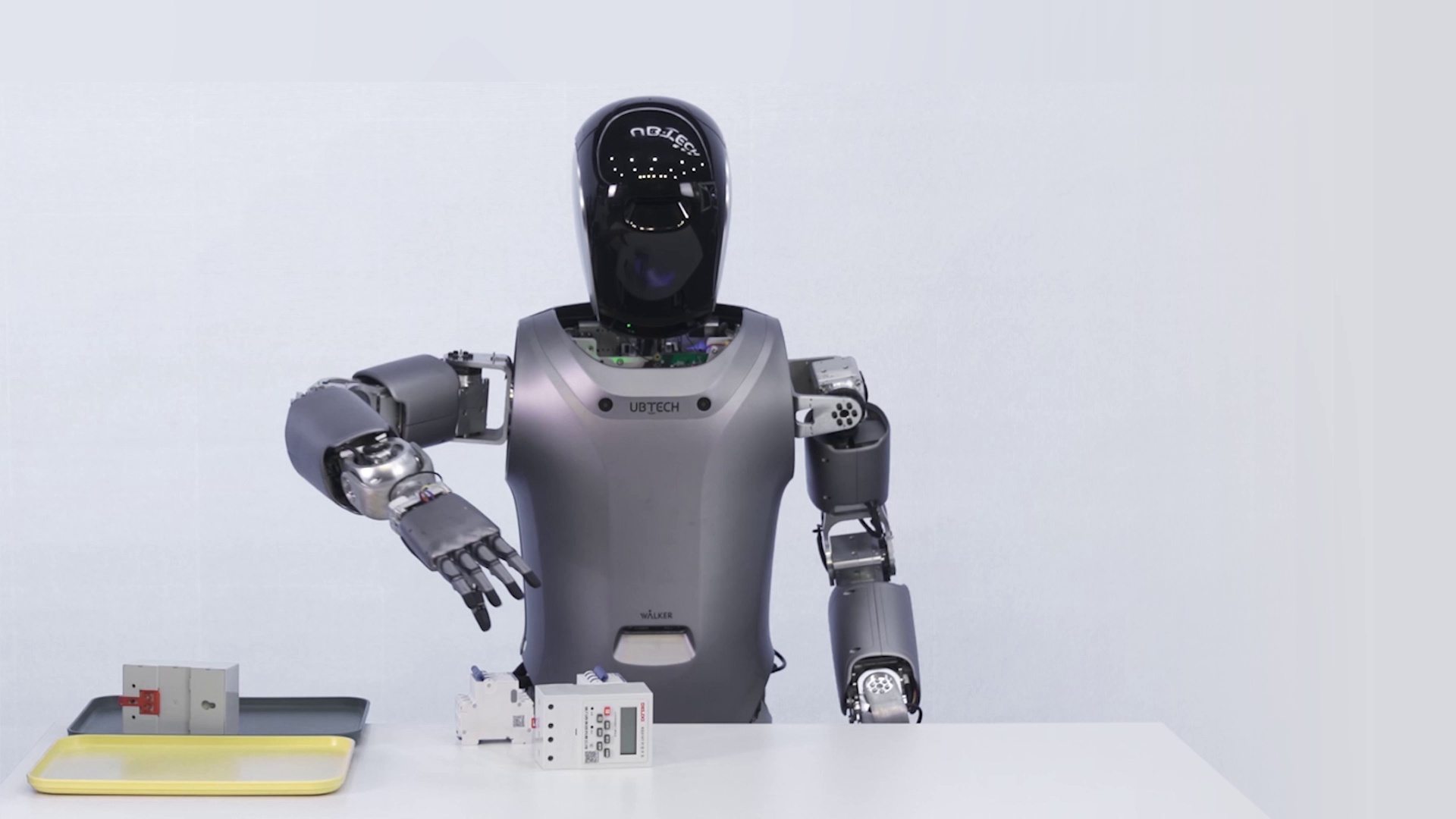
What is the Ubtech Walker S Lite?
The UBTECH Walker S Lite is a lighter, more cost-efficient variant of the Walker S industrial humanoid, engineered for manufacturing, logistics, and warehousing. Built by UBTECH Robotics (founded 2012) in Shenzhen, China, it shares the 41-degree-of-freedom bipedal form factor of the full Walker S but is optimized for material handling and collaborative assembly on factory floors. It stands 172 cm tall and weighs 76 kg, with a 2-hour battery life and a top walking speed of 5 km/h. The robot is designed to reduce upfront cost and weight while retaining sufficient dexterity for enterprise use. Early trials have been documented in automotive plants like BYD and Geely, and the Lite model is positioned as a scalable platform for industrial deployment and R&D.
Specifications
Here are the full technical specifications.
| Spec | Value |
|---|---|
| Height | 172 cm |
| Weight | 76 kg |
| Degrees of freedom | 41 |
| Battery life | 2 hours |
| Max speed | 5 km/h |
| Payload | 3 kg (arm) |
| Price (new) | Undisclosed (contact manufacturer) |
| Price (used range) | N/A (pre-commercial) |
Price & Value
New MSRP: Undisclosed (enterprise sales only)
Used range: N/A – no units on secondary market
UBTECH does not publicly list pricing for any Walker S variant, and the Lite model is no exception. The most comparable pricing disclosure comes from the higher-spec Walker S2 at $180,000 or $5,000/month RaaS, which suggests the Lite variant would be positioned well below that figure – likely in the low six‑figure range if sold outright. Without a confirmed list price, buyers must contact UBTECH directly. For an enterprise humanoid with 41 DOF, 3 kg arm payload and 15 kg standing payload, the value proposition hinges on total cost of ownership versus fixed automation or leasing a competitor like Digit. Depreciation is impossible to estimate with no secondary market, but the platform’s modular design may support gradual upgrades, reducing long‑term obsolescence risk. Maintenance, integration services and potential RaaS terms would significantly affect the all‑in cost, none of which are publicly detailed.
Who Is It For?
Best for: - Automotive assembly lines – integrates into existing workflows for parts delivery and tool handling - Logistics providers – palletizing, shelf‑to‑conveyor transfers in semi‑structured warehouses - University robotics labs – 41‑DOF bipedal platform for locomotion and manipulation research
Not for: - Outdoor or un‑structured environments – no IP rating disclosed - Heavy payload tasks – arm payload limited to 3 kg, insufficient for heavy lifting - Immediate large‑scale deployment – product still in prototype/trial phase, no support infrastructure publicly documented
Alternatives & Comparison
The Walker S Lite enters an increasingly crowded field of industrial humanoids. Below we compare it against the most relevant alternatives a logistics or manufacturing buyer would evaluate.
| Model | Price | Available | Key Difference |
|---|---|---|---|
| Agility Robotics Digit | $250,000 (purchase) | yes | Proven logistics autonomy with full‑body legged locomotion; higher payload capacity. |
| Tesla Optimus (Gen 2) | Undisclosed | no | Designed for general‑purpose factory work; deeper AI integration but no commercial release date. |
| Figure 01 | Undisclosed | no | General‑purpose humanoid with advanced AI and broader industrial ambition. |
| Sanctuary AI Phoenix | Undisclosed | preorder | Industry‑leading dexterous manipulation; suited for complex, fine‑detail tasks. |
Verdict: For a buyer needing a proven, off‑the‑shelf humanoid for logistics, Digit is the clear winner today despite its higher price. Tesla Optimus and Figure 01 promise more general intelligence but remain unavailable. The Walker S Lite sits in the middle – a cost‑sensitive, pragmatic design from a company with real factory trials at BYD and Geely. It’s a wait‑and‑see proposition: if UBTECH delivers on reliability and openness, the Lite could be the best value industrial biped. For now, reserve it for early‑adopter labs and pilot programs.
Use Cases & Capabilities
Factory floor material handling
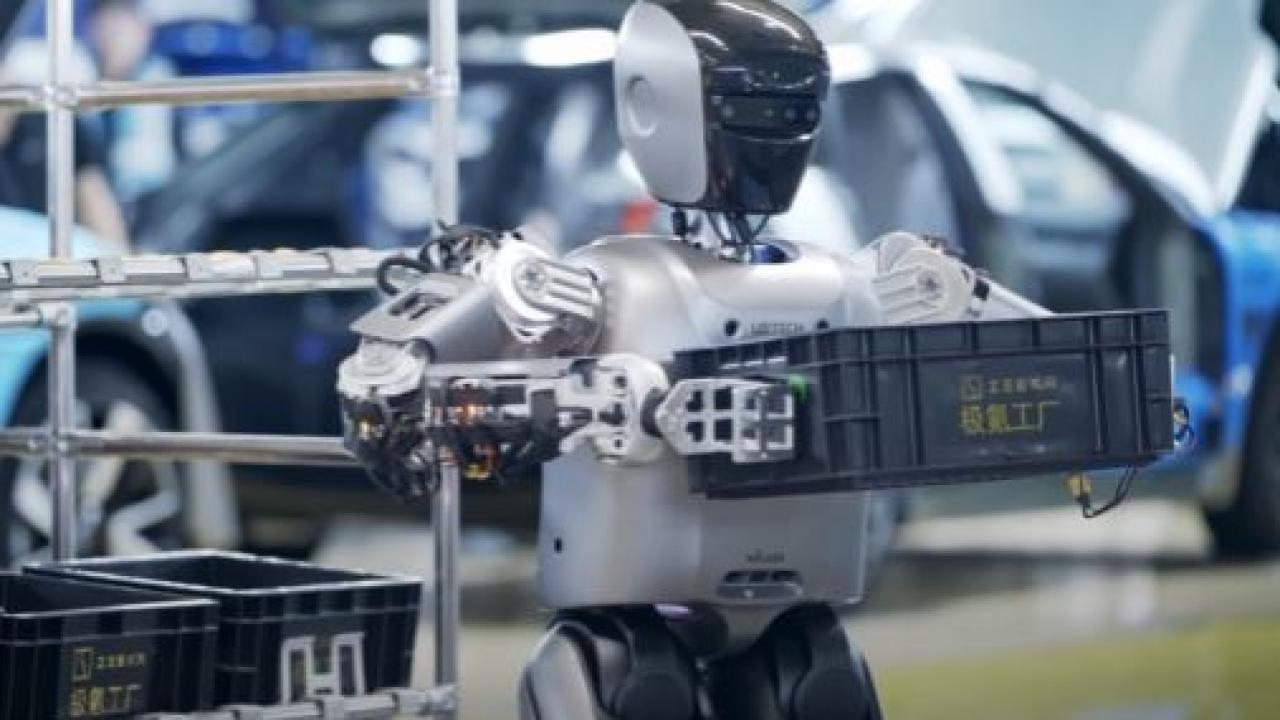
The Walker S Lite can autonomously navigate factory aisles, pick, carry and place small components or tools between workstations. Its bipedal locomotion lets it walk over cables and thresholds that would block wheeled robots. With a 3 kg arm payload and 15 kg standing carry weight, it handles light but frequently moving parts. Early deployments in BYD plants demonstrated part‑delivery to assembly lines, reducing human walking time. Safety systems are not fully documented, so it must be fenced off for now.
Collaborative human‑robot assembly
In semi‑structured assembly cells, the Lite works shoulder‑to‑shoulder with human operators, handing over tools or holding components in place. Its 41 DOF and human‑sized height allow it to reach workbenches without special adapters. The 2‑hour battery limits shift range but is sufficient for targeted sub‑assembly tasks. Planned charging‑dock integration could enable hot‑swapping between tasks. Full safe‑interaction certifications are not yet disclosed, so pilots require risk assessments.
Logistics and palletizing
The Lite can scan shelf labels, pick light items (up to 3 kg) and place them on pallets or conveyors. Its stereo depth cameras and IMU support real‑time obstacle avoidance in busy environments. The relatively slow 5 km/h top speed is adequate for warehouse pacing but not for high‑throughput sorting. Pairing it with existing warehouse management software (via API) is plausible but not publicly documented; integration remains a custom project.
Laboratory and R&D platform
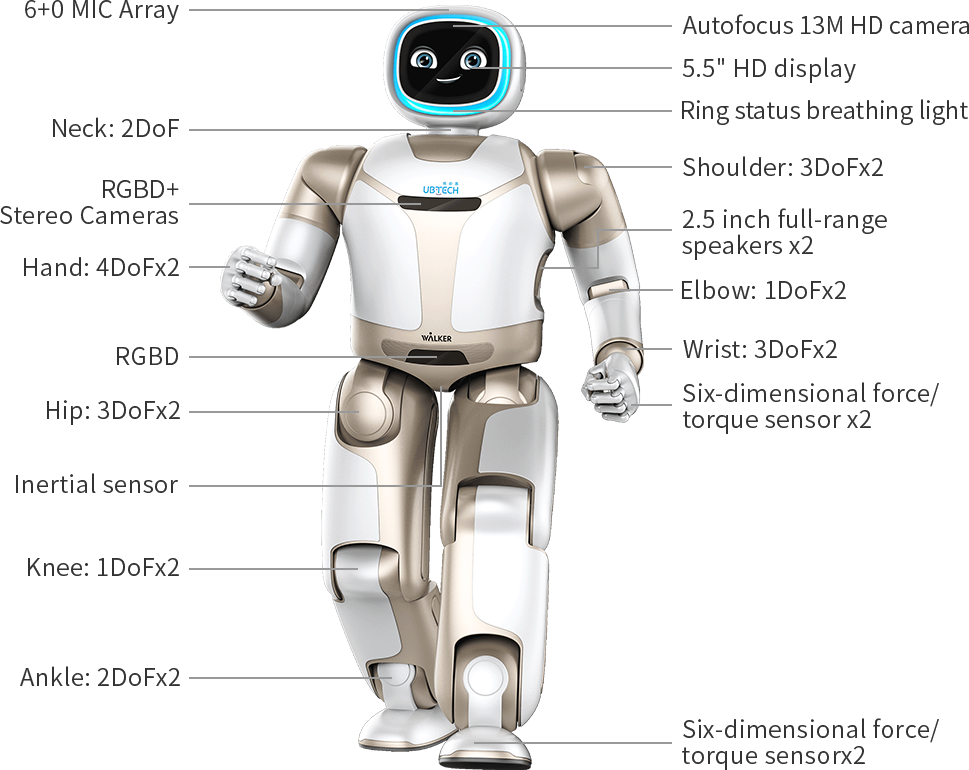
Universities and corporate labs can use the Lite as a bipedal research platform for whole‑body control, locomotion on uneven surfaces, and mobile manipulation. UBTECH’s Walker S family has a history of ROS‑compatible SDK support, though specifics for the Lite are unconfirmed. The 41‑DOF kinematic chain, force‑torque sensing wrist and stereo cameras provide a rich sensor‑motor suite. As a pre‑commercial unit, it offers cutting‑edge hardware with the risk of limited documentation and spare parts.
History & Background
UBTECH Robotics was founded in 2012 in Shenzhen, China, originally as a consumer robot maker. They shifted toward humanoids in 2018 with the Walker prototype, later unveiled the next‑generation Walker X. The industrial Walker S series was first shown in 2023 and trialed at BYD and Geely automotive plants. The Walker S Lite is a stripped‑down, lower‑cost variant that appeared in early 2024 promotional material, designed specifically for factory floors rather than general service. It shares the 41‑DOF bipedal architecture of the full Walker S but likely uses fewer sensors and commodity materials to reduce price. In 2025, UBTECH showcased the more advanced Walker S2 with 52 DOF, and the Lite remains a parallel offering for cost‑sensitive industrial buyers. All Walker S family products are sold directly to enterprises – no consumer channel exists.
Buying Used — What to Check
Verify payload rating Arm payload of 3 kg is likely from early prototypes; production units may differ.
Confirm battery endurance 2‑hour runtime advertised; real‑world cycle may degrade quickly without replacement policy.
Check integration support No public API or ROS package confirmed – ask for proven warehouse management system bridges.