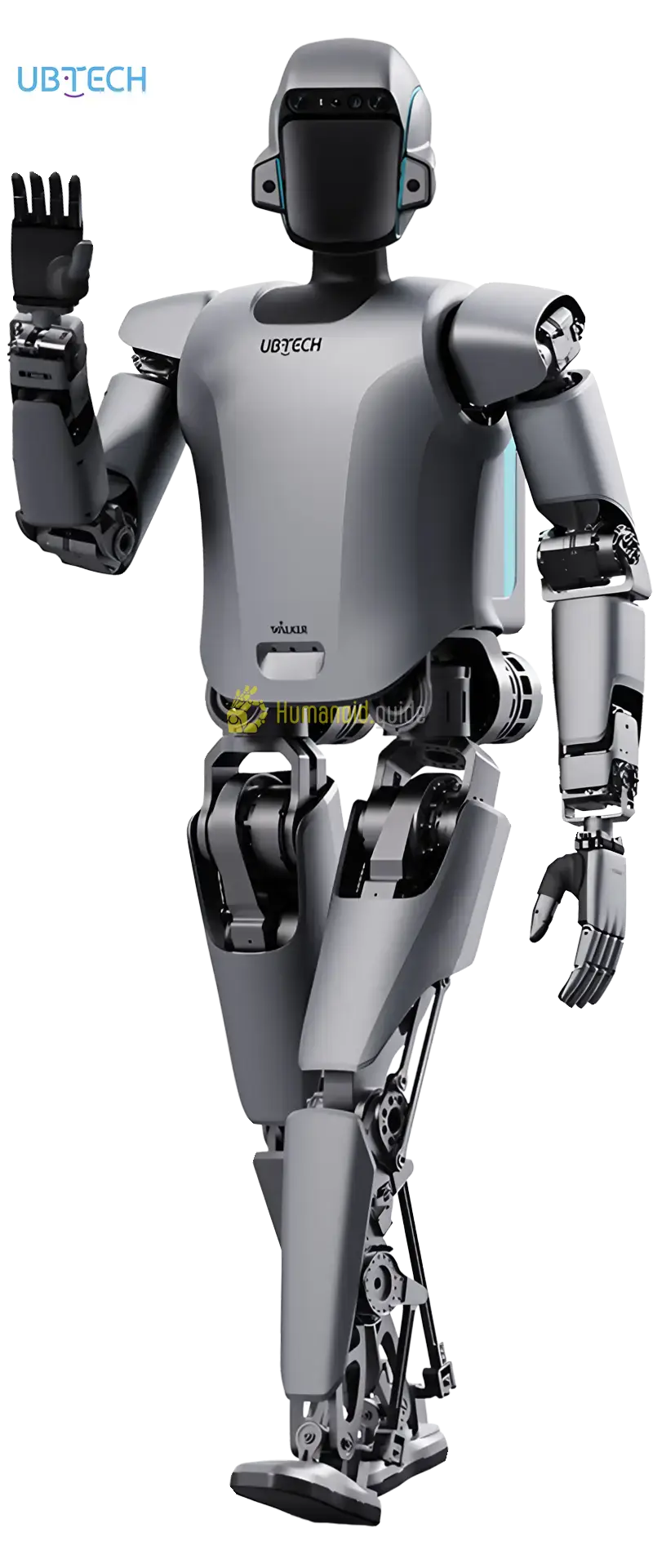
What is the Ubtech Walker S?
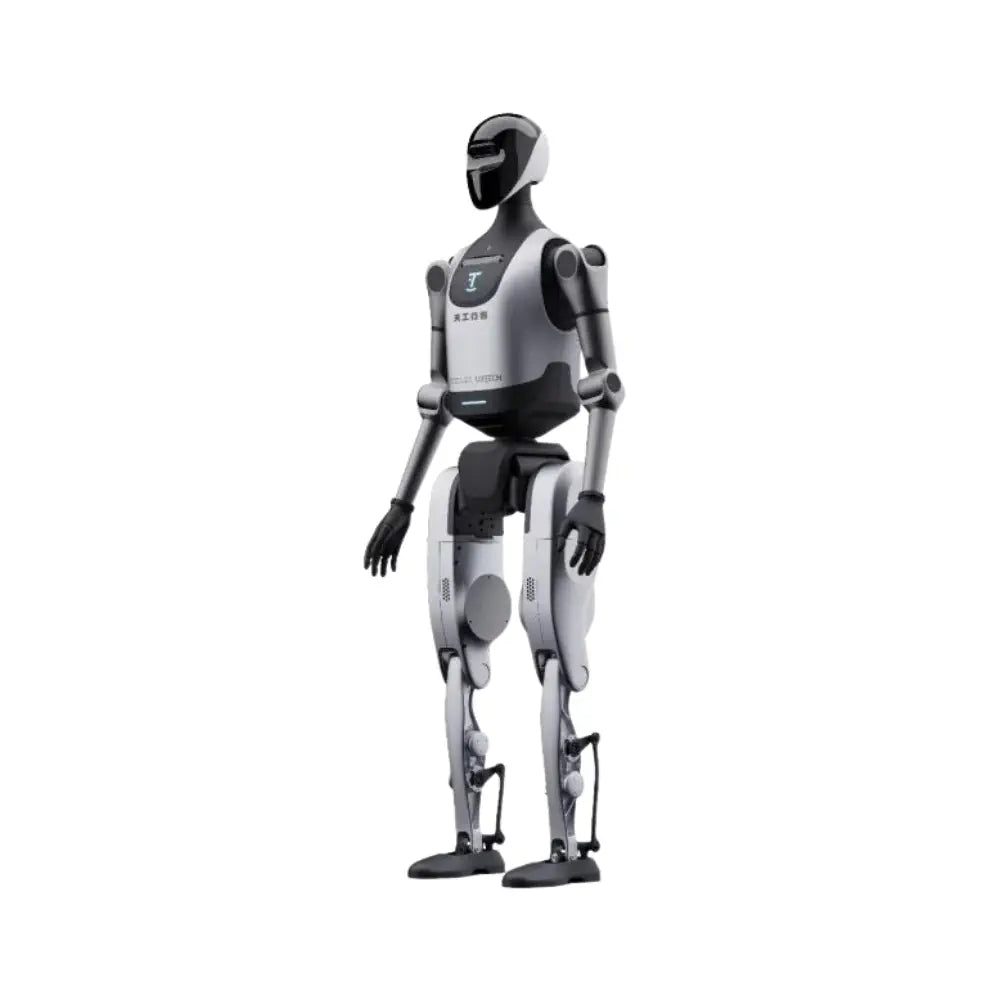
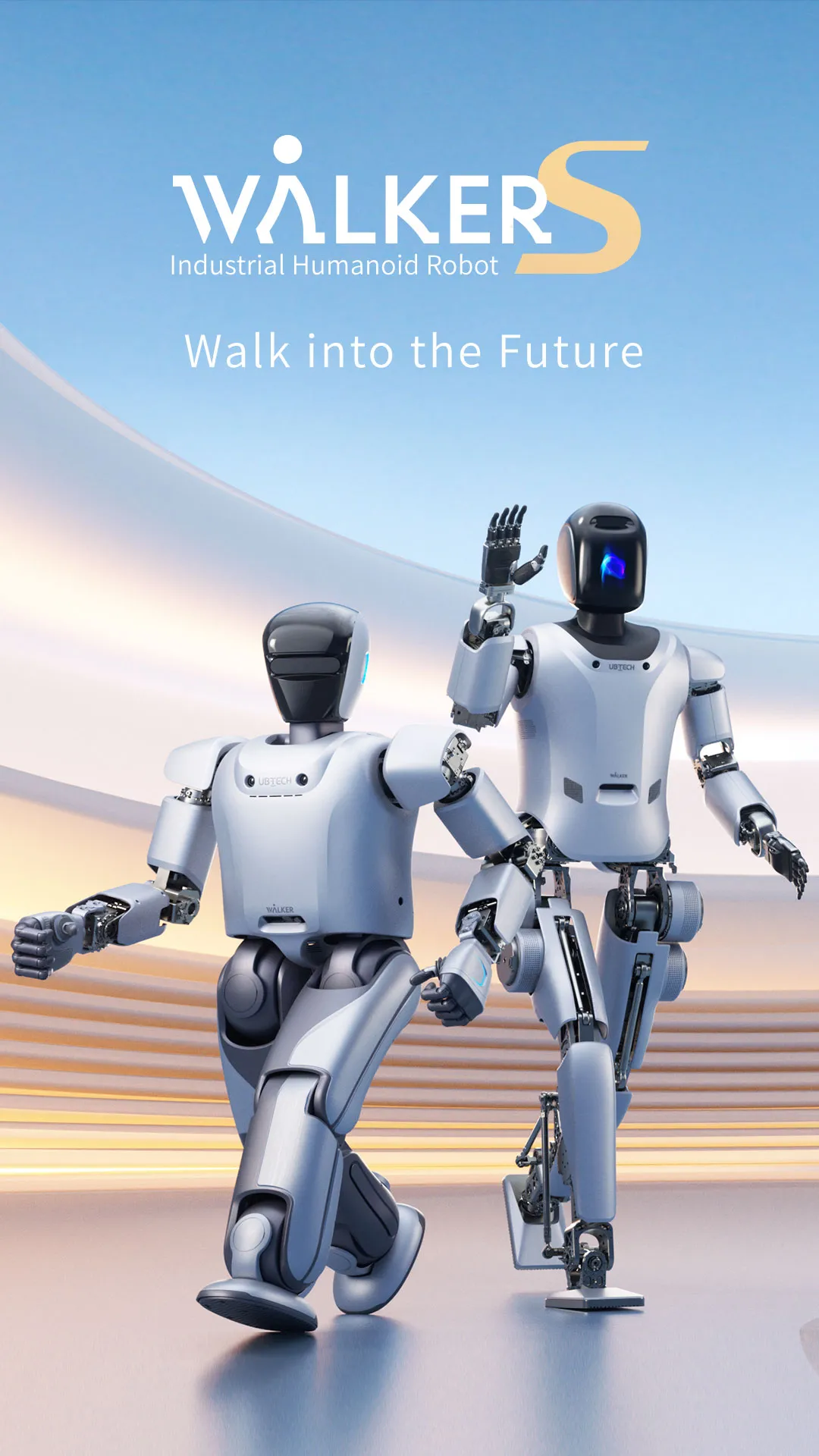
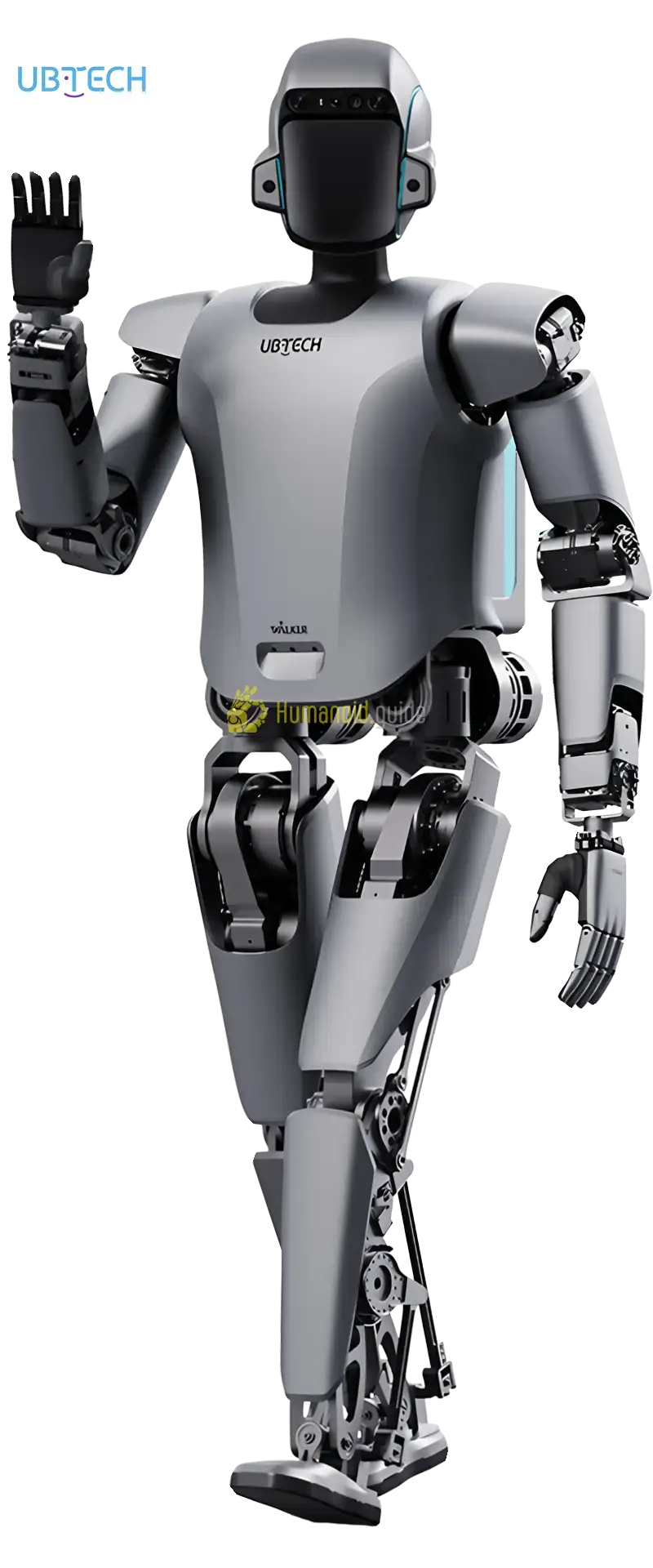
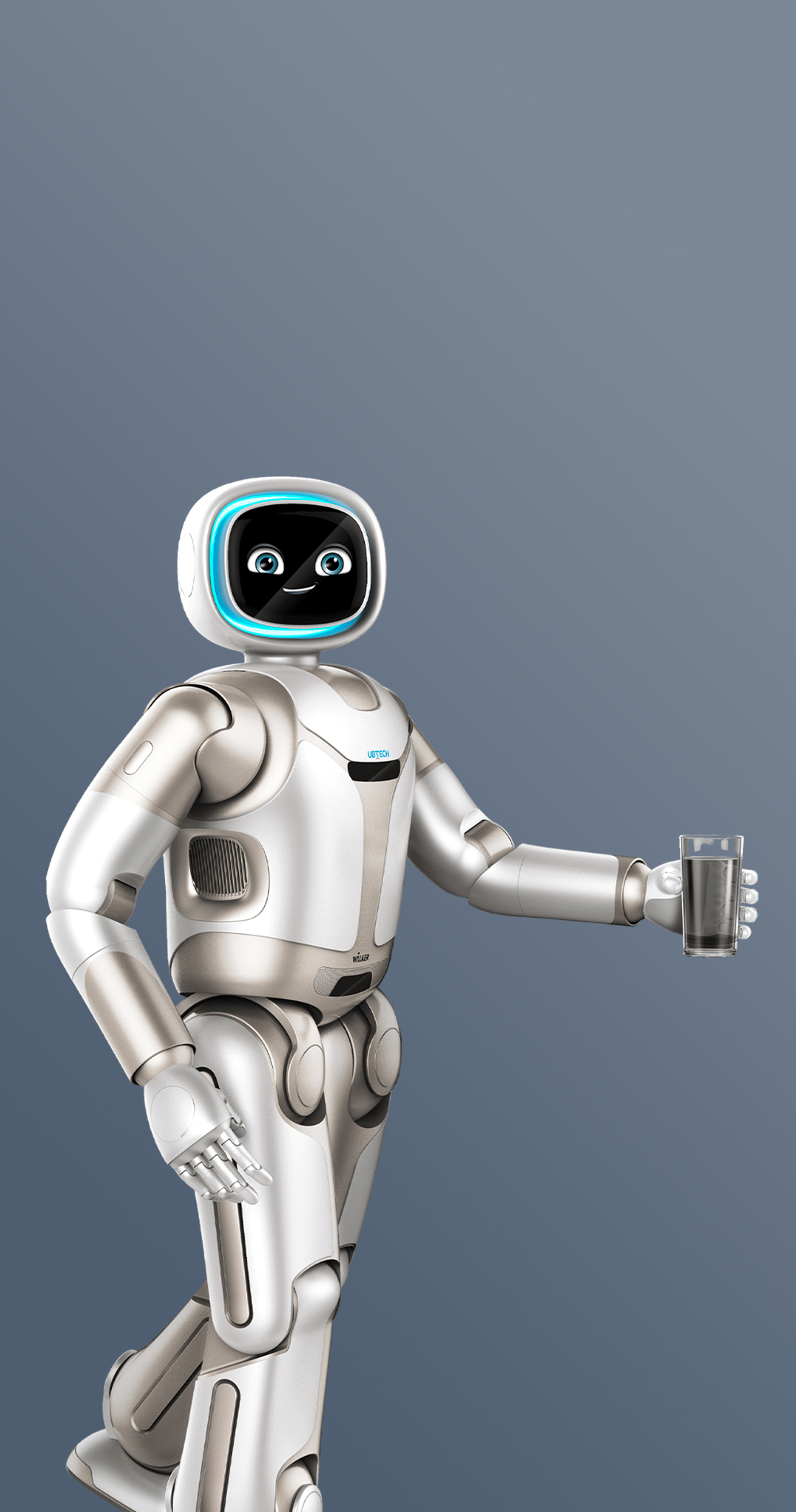
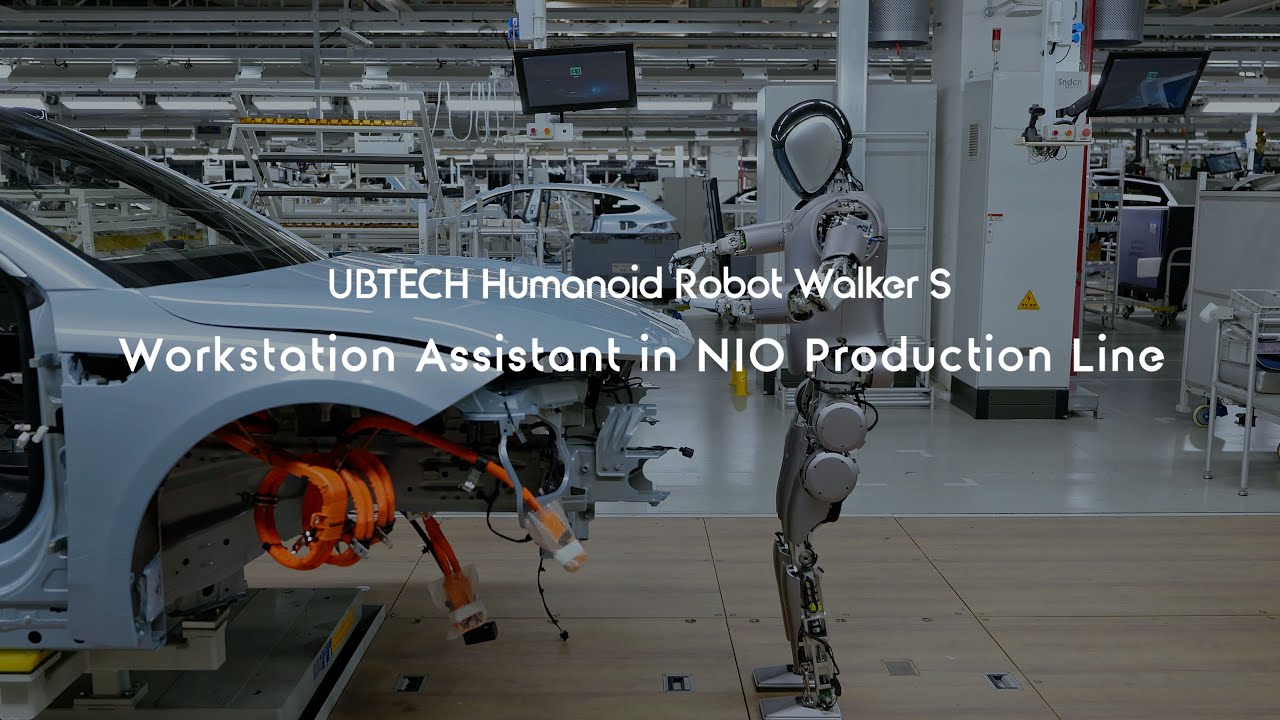
The UBTECH Walker S is an industrial humanoid robot developed by UBTECH Robotics in Shenzhen, China. It stands 1.70 meters tall, weighs 76 kg, and features 41 degrees of freedom, enabling bipedal locomotion and manipulation tasks. Designed for factory floor deployment, the Walker S handles inspection, assembly, and logistics operations in automotive manufacturing. Unlike consumer-oriented humanoids, it is sold exclusively to enterprise partners and is currently operational in BYD and Geely production lines. The robot leverages electric actuators, RGB-D depth cameras, and force-torque sensing to navigate and interact safely in dynamic industrial environments.
Specifications
Here are the full technical specifications.
| Spec | Value |
|---|---|
| Height | 1.70 m |
| Weight | 76 kg |
| Degrees of freedom | 41 |
| Battery life | 2.5 hours |
| Max speed | 3 km/h |
| Payload | 5 kg |
| Price (new) | Undisclosed (contact manufacturer) |
| Price (used range) | No established used market |
Price & Value
New MSRP: Undisclosed (contact manufacturer)
Used range: No established used market
Pricing for the Walker S is not publicly disclosed; UBTECH provides custom quotes depending on configuration and deployment scale. Based on comparable industrial humanoids, costs likely range between $50,000 and $150,000 per unit, though a fully equipped system with service contracts may reach the higher end. The value proposition lies in its proven factory integration—unlike many competitors still in pilot phases, the Walker S is already performing real work in automotive plants. Total cost of ownership must account for on-site training, software updates, and potential retrofitting. As a first-generation enterprise robot, depreciation will be steep once newer models like the Walker S2 arrive, so buyers should negotiate support terms carefully.
Who Is It For?
Best for: - Automotive manufacturers seeking proven humanoid automation for low-payload tasks (up to 5 kg) - Logistics providers integrating robots into warehouse workflows - Industrial research labs studying humanoid deployment in real factory settings
Not for: - Home users or retail environments (no human-safe certification published) - Heavy payload applications exceeding approximately 5 kg - Organizations requiring open-source SDK or community support (limited public documentation)
Alternatives & Comparison
The Walker S competes in the emerging industrial humanoid space, targeting factory automation alongside Tesla Optimus, Figure 02, Fourier GR-1, and Unitree H1. While most competitors are still in development or early pilot testing, UBTECH has already deployed the Walker S in multiple production lines, giving it a real-world track record.
| Model | Price | Available | Key Difference |
|---|---|---|---|
| Tesla Optimus | Undisclosed | no | Still in development; no confirmed factory deployments. |
| Figure 02 | Undisclosed | no | AI-driven humanoid in limited pilots; less industrial track record. |
| Fourier GR-1 | $150,000 | preorder | Similar industrial focus but higher published price and fewer factory proofs. |
| Unitree H1 | $90,000 | yes | Competitive price and strong mobility, but lacks factory-hardened manipulation. |
Verdict: For buyers who need a humanoid proven in real automotive assembly lines today, the Walker S is the most credible option despite its lack of public pricing. The Fourier GR-1 offers a comparable industrial profile with transparent pricing but has fewer documented factory deployments. The Unitree H1 provides a more affordable entry point for research and mobility tasks, but lacks the Walker S’s fine manipulation and factory-hardened design. If you value immediate operational readiness and can obtain a quote, the Walker S is the pragmatic choice.
Use Cases & Capabilities
Factory Floor Inspection
The Walker S autonomously patrols assembly lines, using RGB-D cameras and force sensors to detect anomalies, misalignments, or defects in real time. Its bipedal locomotion allows it to navigate cluttered factory floors and stairs that wheeled robots cannot. It can log inspection data to a central quality control system, reducing human error. However, its 2.5-hour battery life requires frequent recharging or battery swaps during long shifts.
Assembly Line Tasks
Equipped with a custom electric gripper and 14 arm DOF, the Walker S performs light assembly tasks like inserting fasteners, fitting small components, or applying adhesives. It works alongside human coworkers in semi-structured environments, using force control to avoid damaging parts. Its payload limit of 5 kg restricts it to smaller components, and it may need fixturing for high-precision operations.
Material Handling
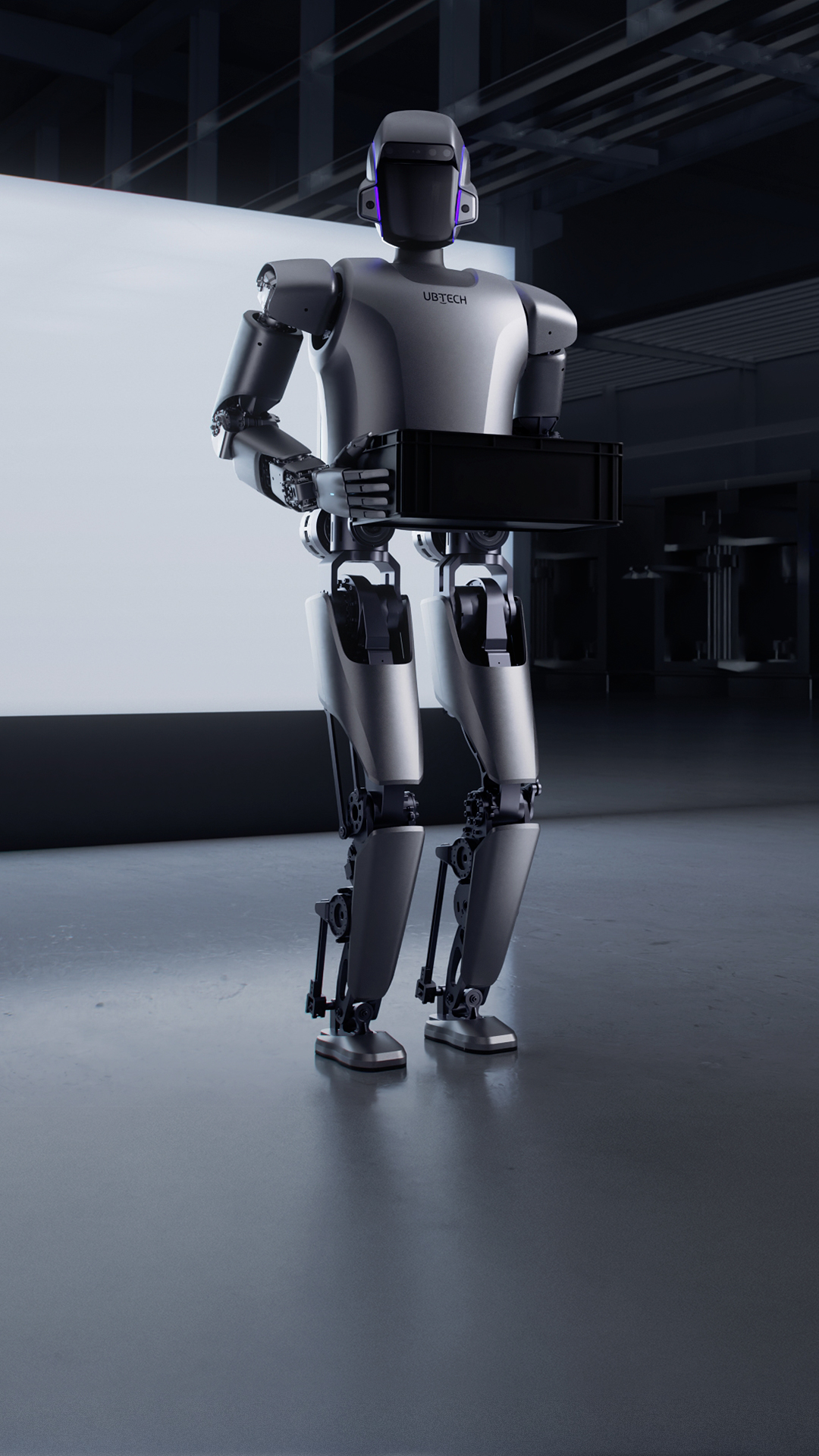
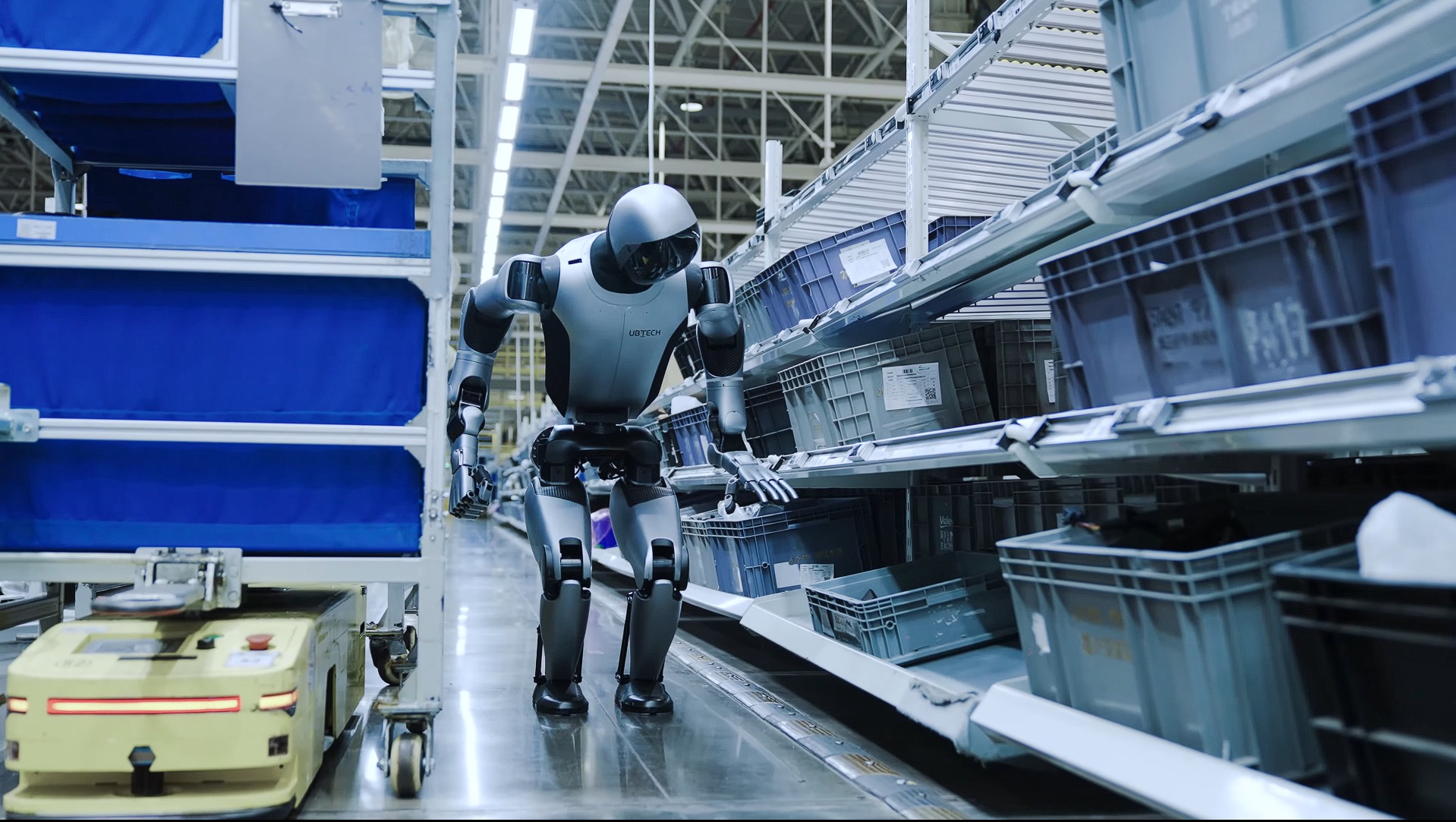
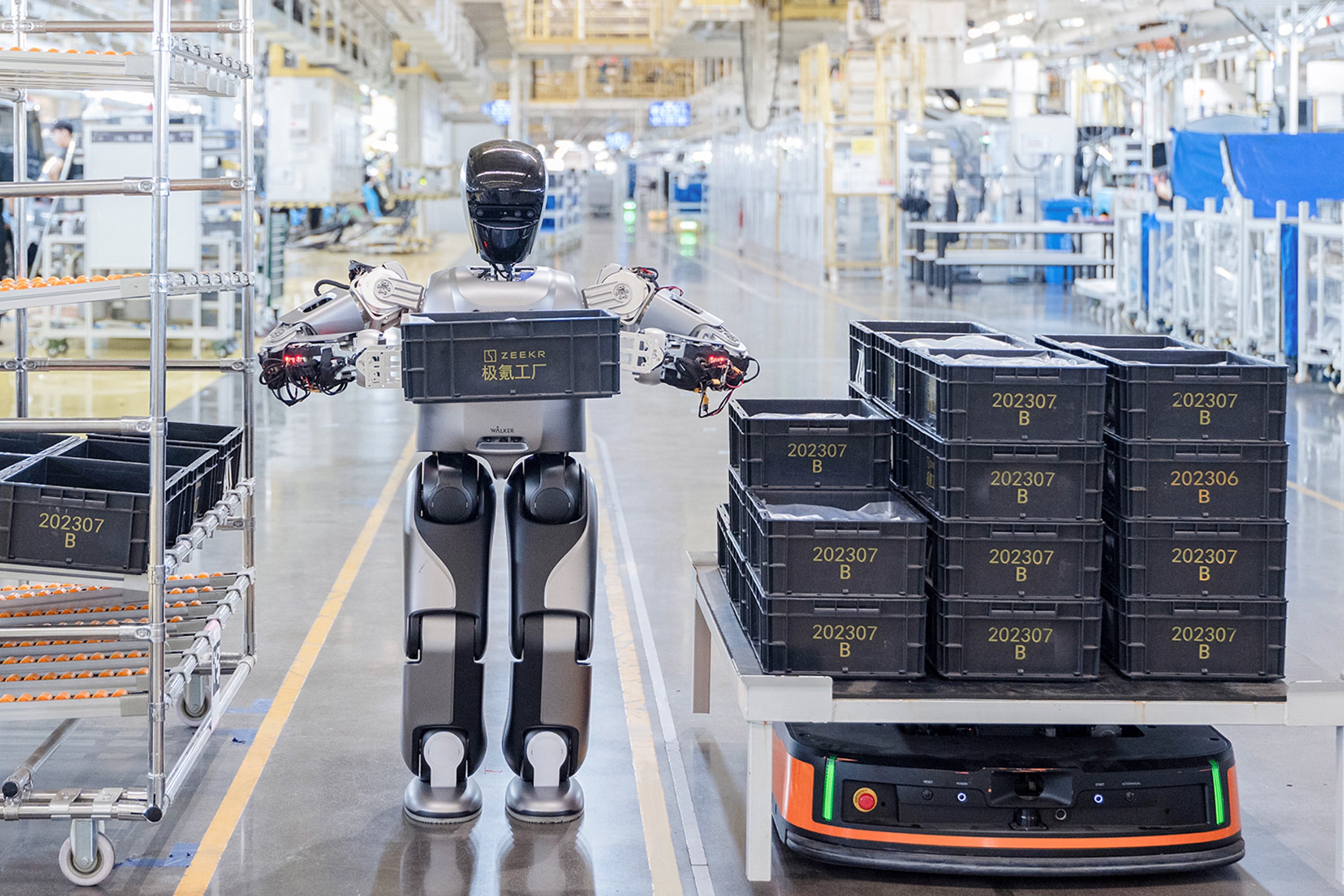
The robot transports totes, bins, or small work-in-progress parts between stations, leveraging its ability to walk through narrow aisles. It can recognize and grasp objects via 3D vision, then place them accurately. For heavier loads, multiple Walker S units could coordinate, but a single unit is limited by its payload and walking speed of 3 km/h. Current deployments show it moving items like air filters or electronic modules.
Logistics Support
In warehouses or shipping areas, the Walker S performs picking, sorting, and kitting of light items. Its ROS-based compute platform integrates with warehouse management systems, enabling it to receive real-time orders. It can navigate dynamic environments, but its lack of a public SDK limits custom integration by third parties. UBTECH reports successful trials in automotive logistics hubs.
History & Background
UBTECH Robotics was founded in 2012 in Shenzhen, China, initially gaining fame with Alpha 1S and Jimu consumer robots. The company began developing bipedal humanoid research platforms under the Walker branding, with the original Walker unveiled at CES 2018. The industrial Walker S variant was introduced in early 2023 as UBTECH's first humanoid designed for factory deployment. It was installed in BYD and Geely automotive plants, where it performed inspection, assembly, and logistics tasks. A successor, the Walker S2, with improved payload and stability, was announced in 2025. UBTECH continues to refine its humanoid lineup for commercial applications, positioning itself as a competitor to U.S. robotics firms.
Buying Used — What to Check
Verify payload and battery health Payload may degrade with actuator wear; battery capacity diminishes over time, critical for 2.5-hour shifts.
Inspect joint and actuator condition 41 DOF systems require regular maintenance; worn gears or motors cause positioning errors.
Confirm software support and updates Enterprise robots rely on proprietary ROS-based stacks; without updates, integration with new factory systems may fail.