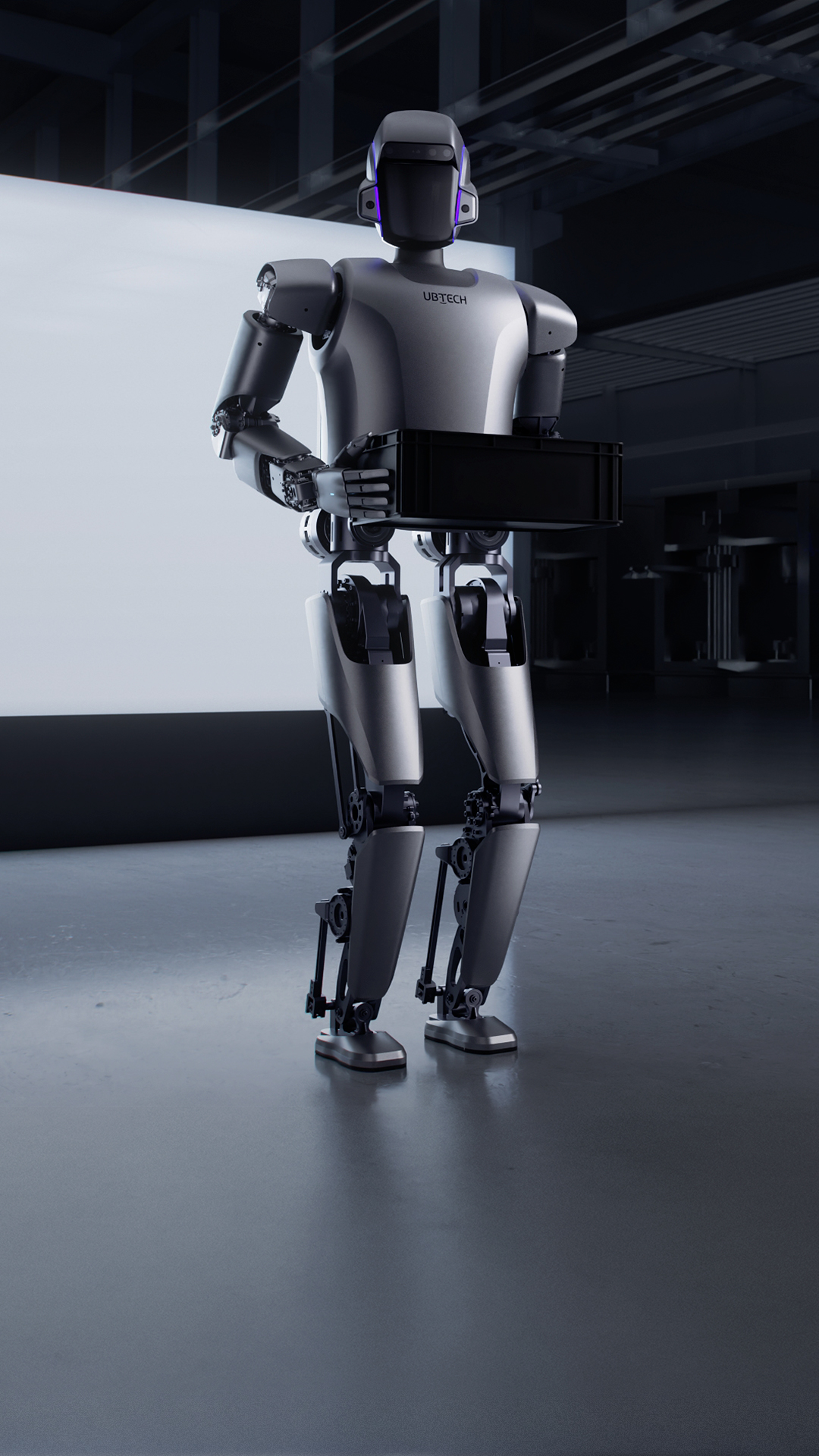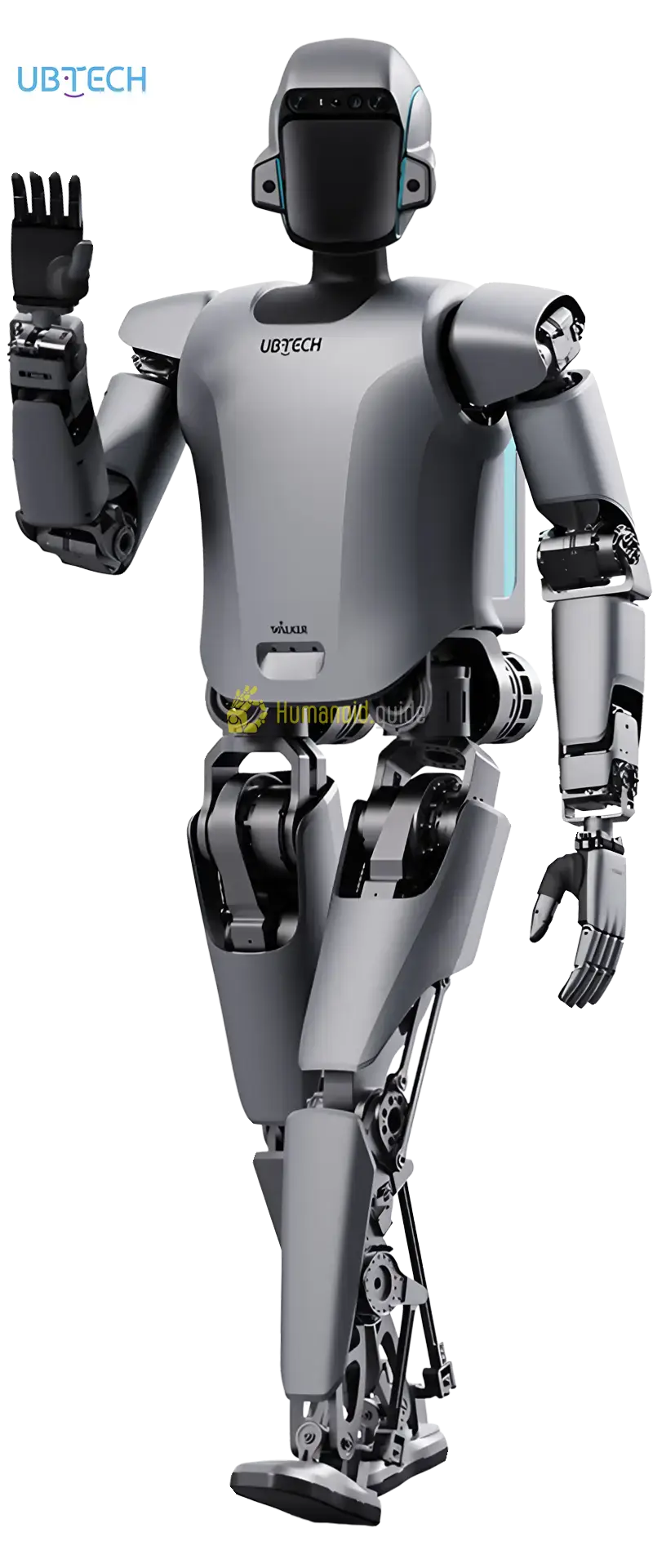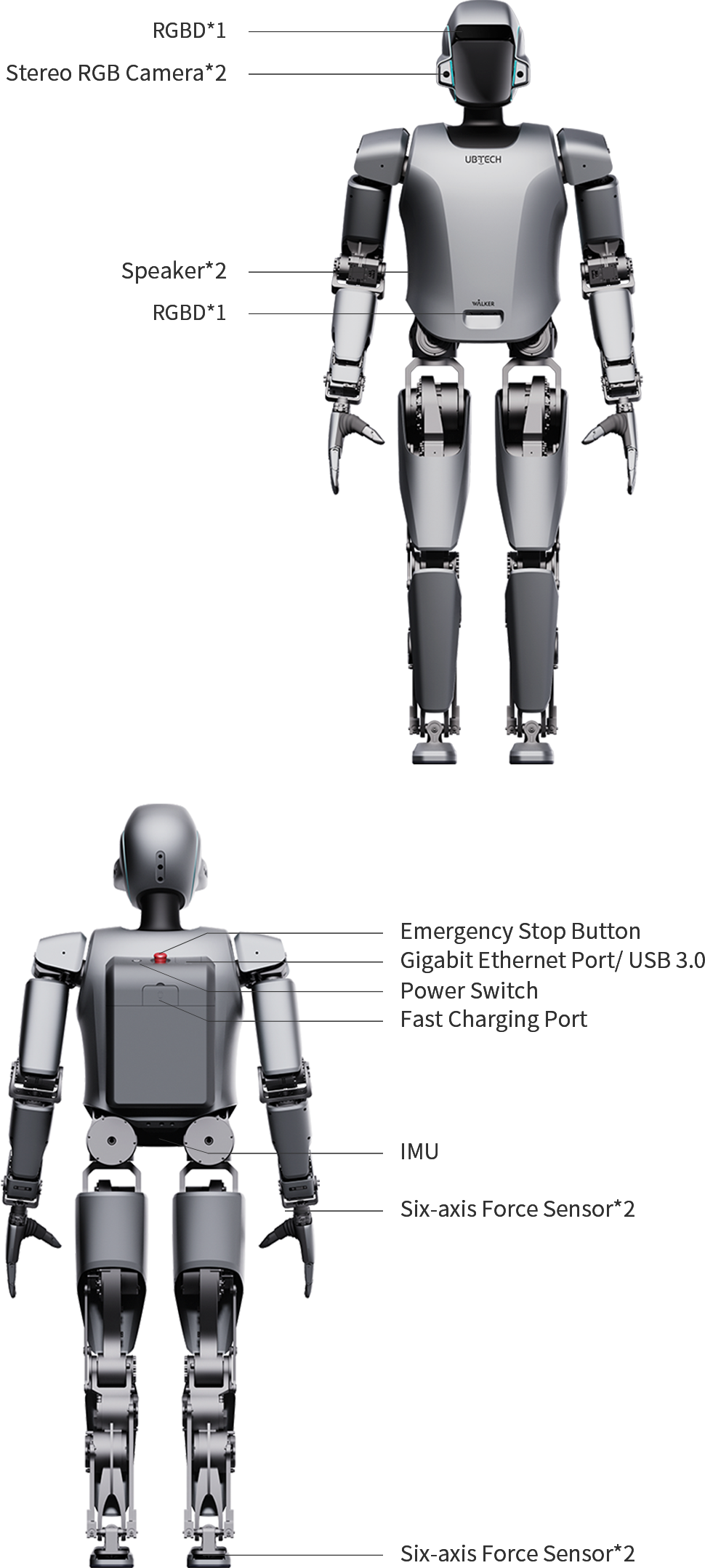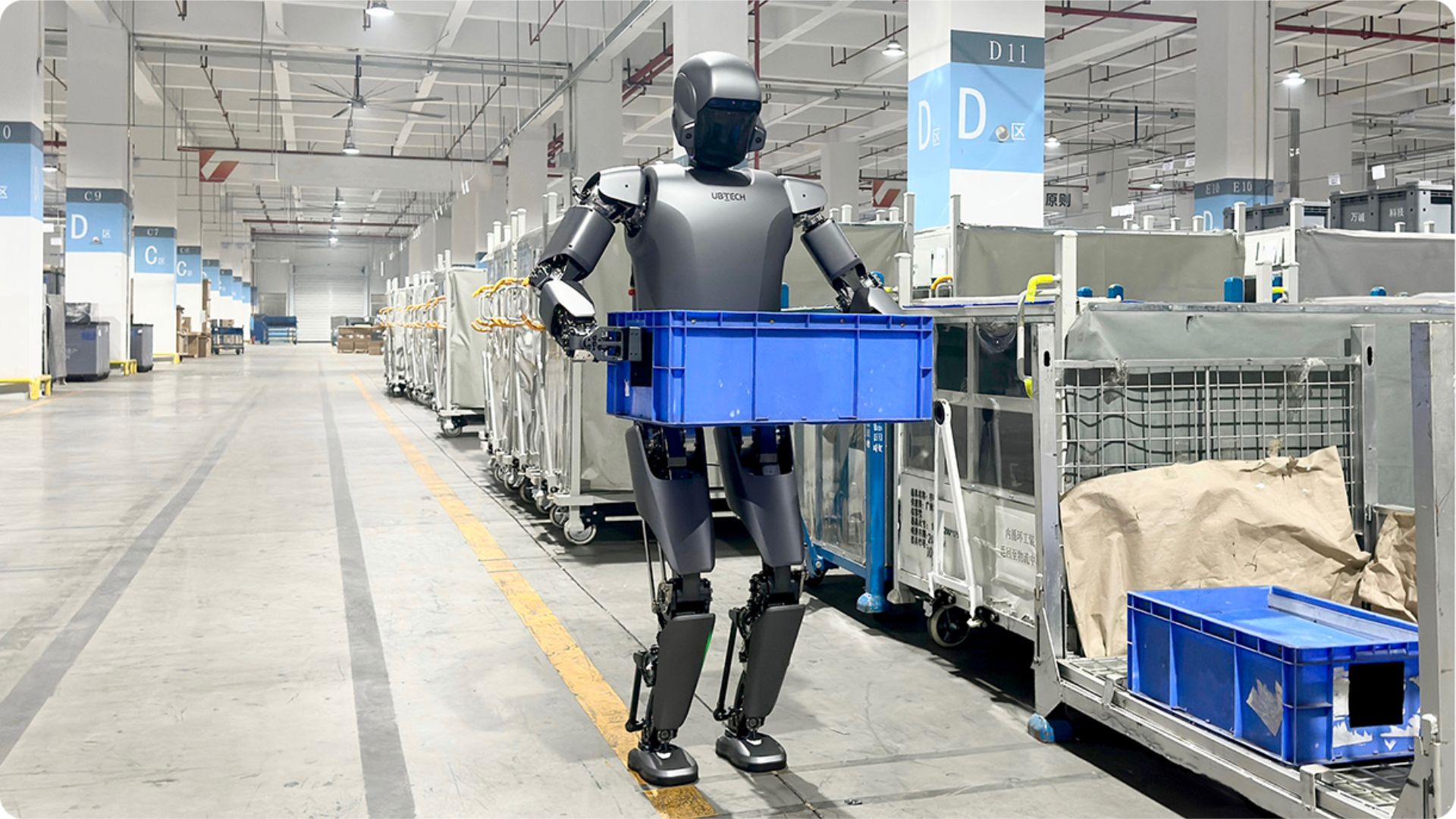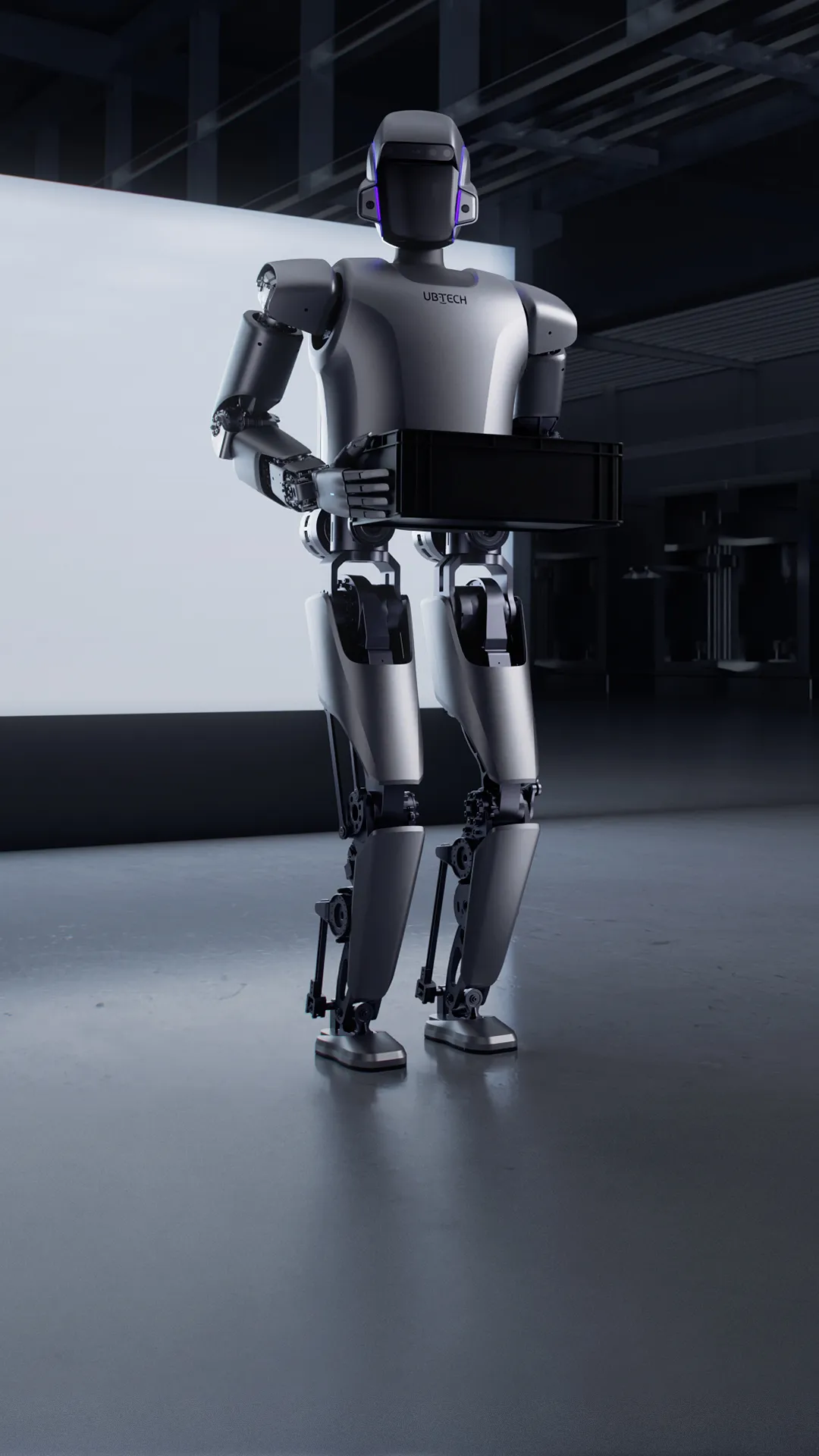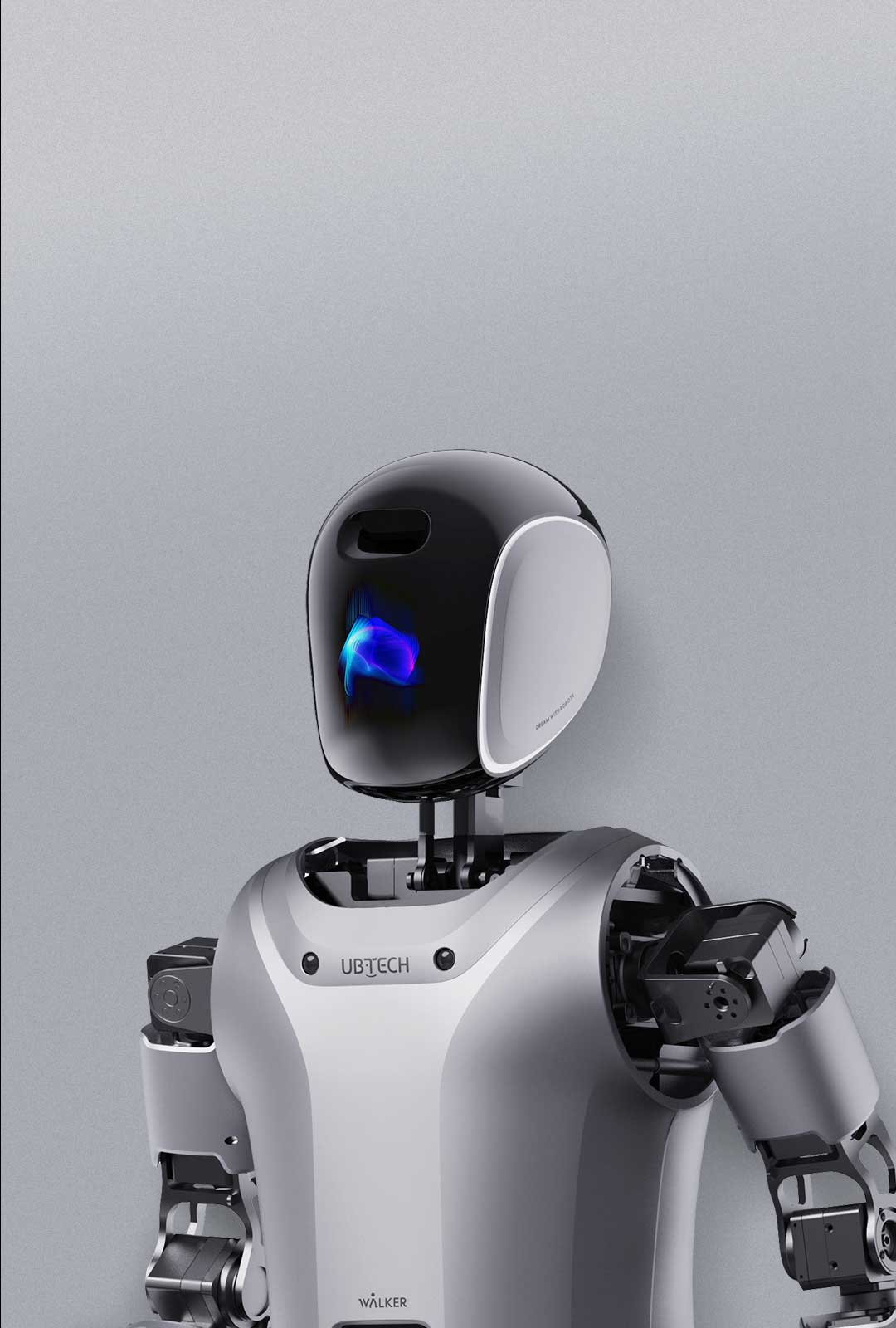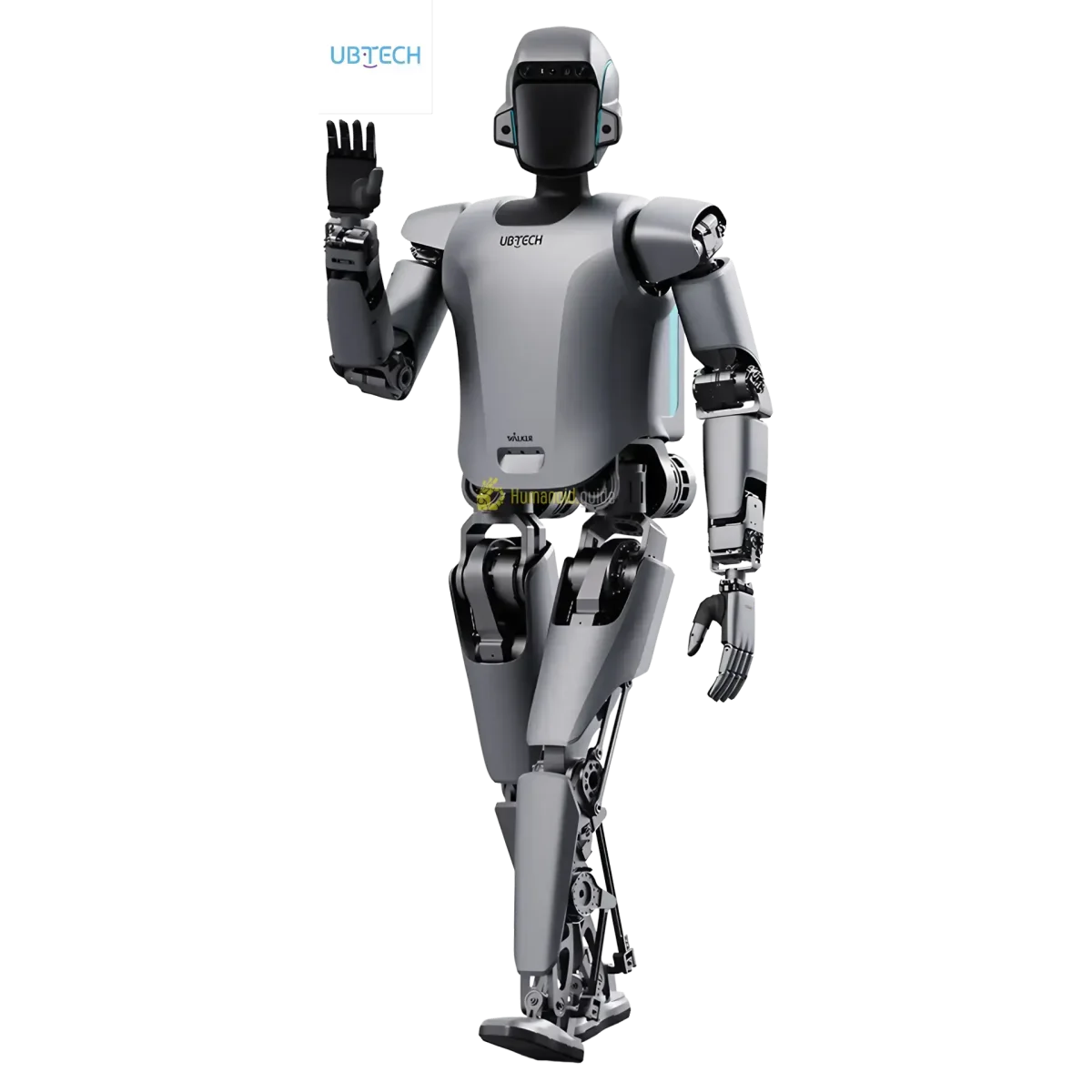
What is the Ubtech Walker S1?
The UBTECH Walker S1 is a bipedal humanoid robot designed for industrial manufacturing and logistics tasks. Developed by UBTECH Robotics, based in Shenzhen, China, it stands 1.72 meters tall and weighs 76 kg. Featuring 41 degrees of freedom, it combines visual SLAM navigation with dual-arm manipulation to perform parcel handling, smart parts sorting, and SPS (Set Part System) tasks in automotive production lines. It represents UBTECH’s first factory-deployed humanoid, with pilot programs at BYD and Geely plants. Distinguished by its full-body motion and multi-purpose hands, the Walker S1 emphasizes practical industrial automation over research-only capabilities.
Specifications
Here are the full technical specifications.
| Spec | Value |
|---|---|
| Height | 1.72 m |
| Weight | 76 kg |
| Degrees of freedom | 41 |
| Battery life | 2 hours |
| Max speed | 5 km/h |
| Payload | 3 kg |
| Price (new) | $75,000 |
| Price (used range) | N/A (enterprise-only) |
Price & Value
New MSRP: $75,000
Used range: N/A (enterprise-only)
UBTECH does not publicly list a fixed price; the $75,000 figure is an aggregator estimate and actual cost is obtained via enterprise quote, likely including integration and support packages. At this level, the Walker S1 undercuts speculative prices of competitors like Boston Dynamics Atlas (if sold) while offering a more task-ready alternative to still-in-development humanoids such as Tesla Optimus ($20,000 target but unreleased). Depreciation potential remains unclear because the humanoid market is nascent and used units are not circulating. Total cost of ownership will include training, software customization, and ongoing maintenance contracts. For logistics-focused teams, the Walker S1 delivers a relatively accessible entry point into humanoid automation compared to far higher quotes for other industrial humanoids.
Who Is It For?
Best for: - Automotive manufacturers and large logistics operations (proven in BYD/Geely lines, 41 DOF enables human-like sorting tasks)
Not for: - Small enterprises or research labs (no known grant programs; enterprise-only procurement with $75,000+ cost and limited payload of 3 kg) - Tasks requiring high-speed locomotion (max 5 km/h is slower than wheeled AGVs for pure transport)
Alternatives & Comparison
The Walker S1 competes in the emerging industrial humanoid space, where options range from logistics-focused bipeds to advanced full-body manipulators. Here’s how it stacks up against key rivals.
| Model | Price | Available | Key Difference |
|---|---|---|---|
| Figure 02 | Undisclosed | no | Advanced AI-driven manipulation for general industrial tasks |
| Tesla Optimus | $20,000 (target) | preorder | Lower cost target with Tesla ecosystem integration, but not yet deployed in factories |
| Apollo | Undisclosed | no | Modular humanoid designed specifically for logistics and warehousing |
| Digit | Undisclosed | no | Bipedal warehouse robot with legs optimized for stair climbing and narrow aisles |
| Atlas | Undisclosed | no | Hydraulic, highly dynamic movements—research platform, not a commercial product |
Verdict: For manufacturers seeking a realistic, deployable humanoid today, the Walker S1 wins with proven automotive factory pilots. Tesla Optimus promises a lower price but remains in development. Agility Digit handles logistics efficiently but lacks full upper-body manipulation. Choose the Walker S1 if you need arms-on sorting and assembly help right now; wait for Optimus if budget and ecosystem integration are paramount.
Use Cases & Capabilities
Automotive Parts Sorting & SPS
In BYD and Geely factories, the Walker S1 performs Set Part System (SPS) tasks—picking components from bins and placing them into kits for assembly stations. Its 41 DOF and multi-purpose hands allow it to handle diverse part geometries, while visual SLAM helps navigate dynamic production floors. The 3 kg payload is sufficient for most small to medium automotive parts, but heavier engine components are beyond its capability. Integration with factory MES ensures real-time task allocation and error tracking.
Parcel Handling & Logistics
The robot can unload parcels from conveyors or carts and sort them by destination within warehouses or distribution centers. Its 5 km/h top speed matches walking pace, keeping up with human coworkers without causing congestion. Battery life of 2 hours supports a typical shift when hot-swapping packs or opportunity charging is managed. The 15 kg standing payload (static) means it can brace large boxes, but the 3 kg arm payload limits rapid tote transfers, making it better suited for piece‑picking than bulk transport.
Assembly Line Assistance
Walker S1 can assist human operators by holding tools, delivering fasteners, or performing simple sub‑assembly tasks alongside workers. Its semantic VSLAM cameras enable safe navigation around people and equipment without external markers. The lack of force‑torque sensing on the arms (as neither scraped nor research data confirms it) may limit precise assembly requiring force feedback. Nevertheless, its presence reduces non‑value‑added walking for human technicians, improving overall line efficiency.
History & Background
UBTECH Robotics was founded in 2012 in Shenzhen, China, initially gaining recognition with consumer humanoids like the Alpha series and the Walker research platform. The Walker S1 represents the company’s first industrial humanoid, first deployed in 2025 at BYD and Geely automotive plants for SPS and sorting tasks. It evolved from earlier Walker models—Walker (20 DOF), Walker C (20–26 DOF), and Walker S (41 DOF, similar to S1 but with earlier factory introductions). Only one generation of the S1 exists, while UBTECH concurrently announced the Walker S2 with 52 DOF and higher payload in 2025. The company continues to operate from Shenzhen with commercial factory deployments in China, positioning itself as a serious industrial robotics contender.
Buying Used — What to Check
Verify actual payload rating The 3 kg arm payload is low for many manufacturing tasks; confirm no mechanical wear that further reduces capacity.
Inspect battery health A 2-hour runtime demands consistent cycles; used batteries may have degraded capacity affecting shift operation.
Check full 41 DOF calibration Complex joint network requires periodic recalibration; ensure all axes move smoothly and controller logs show no persistent errors.